Dorothy
Dorothy’s Opiates is the name of the real Arcadia
not to be busted, learning that sleep deprivation is a kind of
spiritual death from a podcast featuring the Nap Ministry
I set off to sleep under three duvets: one is representative
of snow, the other a sleep mode, the other a body. I write to you
from beneath this slumberous context to wonder why anyone
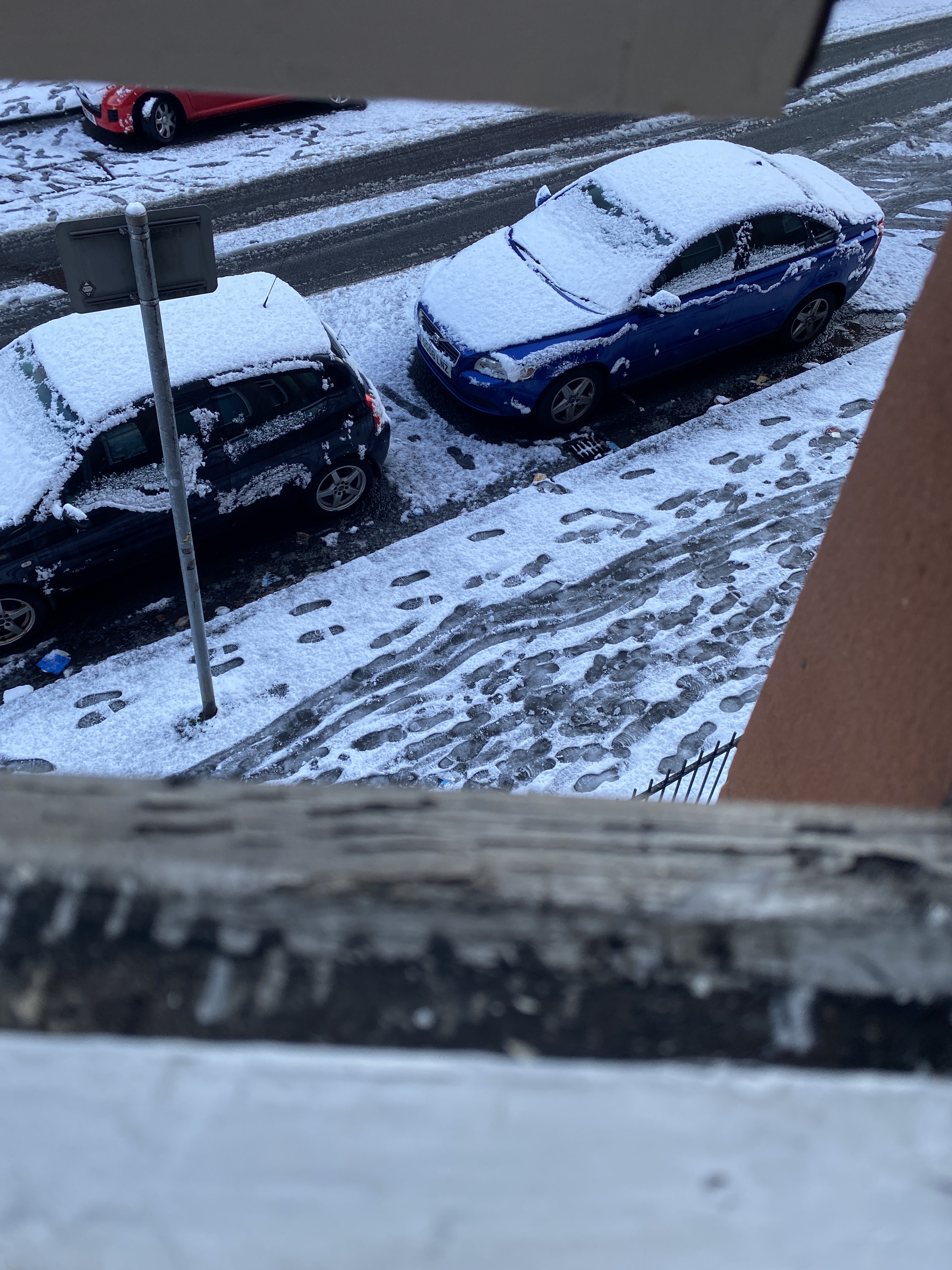
who ever lived in a single glazed tenement loved the cold.
I can think of reasons: always something to look forward to
such as the crocuses and milder temperatures, the searching of
someone to warm you, wanting to dissolve into their skin
this someone who is never cold like you. I can’t explain this cold
but I can summarise its various sensations, cold as in a kind of disease
that eats your bones from the inside with terrible icicles
and lives in your back as a demon, cackling from within your kidneys;
a small child dependent on your energy, the cold needs fed.
The cold is in your chest, your throat, your head.
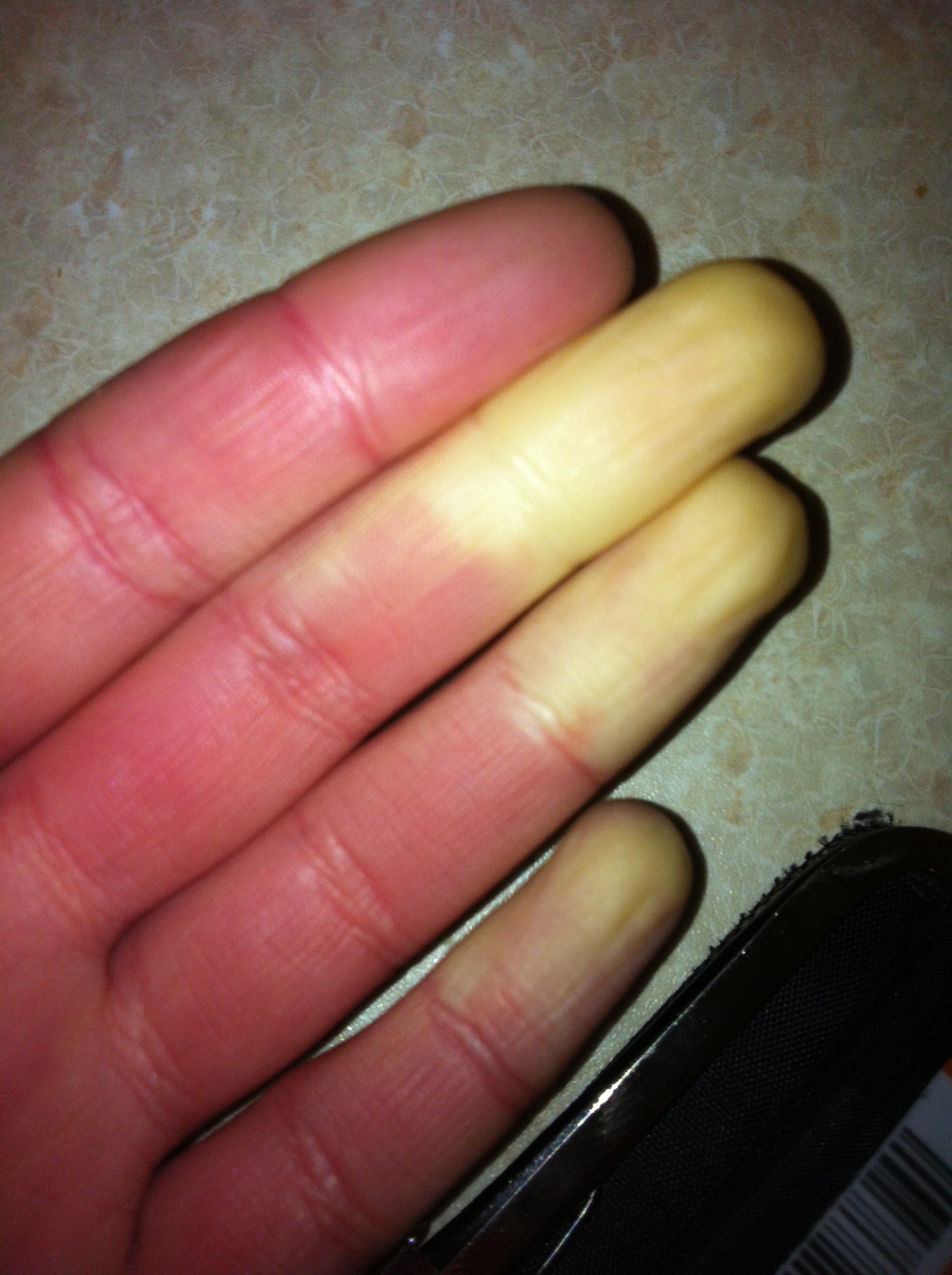
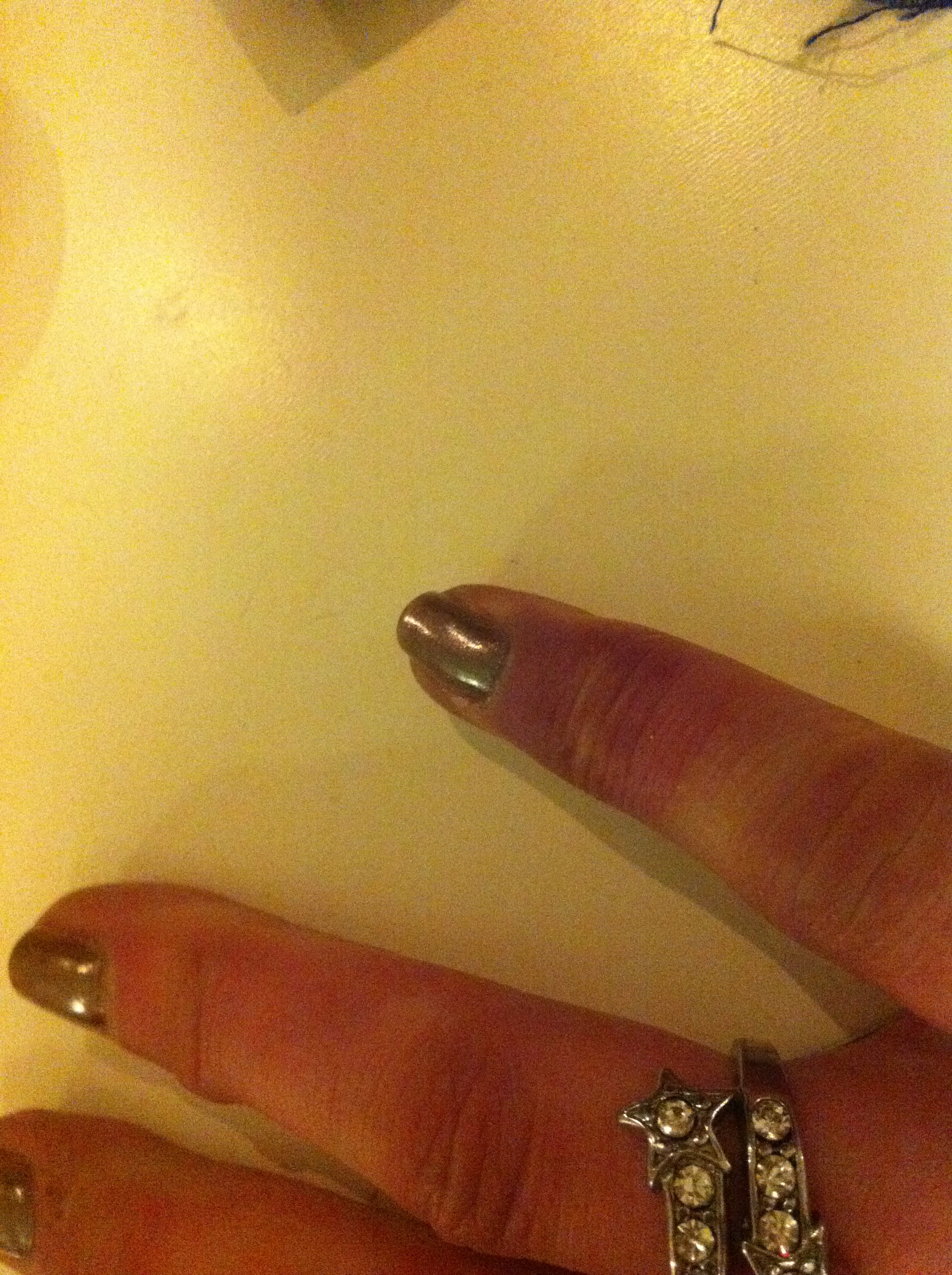
It throbs in your fingertips until they are red and puffy and burning
like nothing else you have ever felt: imagine every orgasm of your life
summarised and congealed as an opposite evil — pain — and concentrated
in the tips of your fingers, as though a malformed heart had grown
in each one, beating out of time, each heart individually failing
at the tips of your fingers until the pain spreads out like a juice
all the way down your fingers, hot, the nerves pulling into your arm
but it is so concentrated at the tips, you can’t really move
and to hit them against each other is like clanging vegetal matter
against blunt metal, they are thumpy and numb, now the pain
is melting it becomes a warm sensation of somewhat release
as though only a generalised bruising of the nervous ends
of all your digits. And by this time I hope I’ll have gotten home
to run them perilously under cold water, bringing them to room temperature
as if they could crack off and crumble into snowflakes of ache
it takes ten minutes or more; after which they will sting
with the feeling of having been battered. And it will happen again
the second your blood spikes, you go outside; they may as well
have been trodden on or run over by a van the way they feel right now.
I ask you sometimes to squeeze my hands so hard it bursts the blue of us.
Once I knew a worse cold
accordant to body weight this kind of cold is all-consuming for all seasons
of the year, a kind of inverse fire that licks your insides with its ice
so you feel it as a constant in your sternum, the cold that is eating
the meat of your ribs so you become a delicate succulent, always with
sugar on your mind, wanting to be watered. Always watering yourself
fruitlessly
and feathered of flesh, wilted
as if to float upon a snowdrift and not leave footprints.
Sometimes it is barely to speak
or, having dry Januaried the masses, some lubricant of society was missing
sorely from our dreams. So we did not dream of touching each other
so much as falling from breezeblocks, frosted, the hard fuck that doesn’t come
bounding down stairwells to greet you at sun-up with cigarettes and coffee,
which you cannot touch, which aggravates your nerves to a passion.
Nicotine, caffeine, dopamine. The endocrine systems of our dreams
are running on empty
and I have fed this day with the manifest boilersuit, as though to fix my own boiler
with mechanical prowess, die in your arms and so on. There are parts of the city
whose arteries confuse to the point of a general surge, desirous of insulation
and drivers
arrange the marzipan animals of their dashboard tenderly.
Snowfall. The first of the year’s cold drama
gone to pick up a wardrobe through the Narnias of other vinyl records
caught on the loop of the sweltering imaginaries a slice of life, of liquorice.
Flying by the Vogue Chippy of Cumbernauld Road.
You play loose with it, as if the rain alone would melt
what meadow remains of the innocence. A summary of the movie
of other Januaries: asking if I am a bad feminist for not liking such-and-such
a book, the enclave of housing utopias, the sunshine duration of the ad
for Stella Artois, the scene in All is Forgiven where the drunk kids dance
to The Raincoats’ version of ‘Lola’. I want to be inebriated
with chips and cheese on the corner and kissing you darkly
in the overlit takeaway. Anniversary of another fascist coup.
The cold in blunder, spraying my tongue with Vitamin D, worrying about sleep.
‘Dorothy’ is a song by Kevin Morby
in the video, somebody plays a trumpet underwater. I drape a cardigan
over my daughterhood, pull stories across my knees until I am deep
in the grass with you, the snow grass, a long sore note, we have pink faces
keeping up with each other’s sleeps, to rotate
in the bed, the powdery dreamscapes gathering form.
Dorothy,
Your warm apparition not to be sold or bought, an account
of the aspirin sunlight, too much, taking the flower pill
that makes me react as a plant, long stem in your arms
and coaxed of sap.
Calcium is a luxury to those who might keep their flesh self-
sustained and hard and warm. I thought of Kansas and corn
with the morning yoghurt as a viscid snow, spoonfuls
of what we are missing to kiss
goodbye of the freezing streets of Partick, melt in your mouth,
the pressure of boilers
adjusted by release, the way our bodies incline to the light
even when it is missing, how I wish you could trade
kisses for calories of actual heat, the truthfeel of one in the morning
stands for baggies of memories
the prized alacrity of exercise,
I insufflate
the nervous internet.
If this poem really were sentient, this would be the queue
for the doctor’s office, which is a location after all, novel
in its banality, after the fact of actually being here, a state of waiting
requiring the mortal presence of your body.
I stopped asking what a poem can do
when it seemed like I was done typing
with my fingers searing hot white words like arrows
tearing the flesh as they wrote, O Dorothy, listening
to a band called Trapped in Kansas.
I was born. Wrestling with duvets to change the music sheets
afresh, up close with the soot-covered mountains,
called to the room with thermometers jammed
in the hole of the poem, its quavers jostling with old composition,
bloodstream, organ, snow.
It is safe, it is safe.
 mariaology