There was a time when Halloween was almost better than Christmas. That was when I lived in a place that had the potential to be haunted. Halloween, I feel, has a spirit that creeps up and metamorphoses with your home. The house that I grew up in is a semi-detached one, perched on top of a drive with Rennie Mackintosh-esque roses cryptically shining from the front bay windows. There’s a skylight window which has always been shrouded in mystery: we’ve never been able to identify what room it belongs to (we reckoned we’d have to knock a hole through the bathroom wall to get into this secret space, anyhow). The outer walls are rough pink sandstone, kind of old-fashioned, romantic, but we have a modern kitchen extension built by former owners.
With its big rooms, (defunt) fireplaces and (rather decrepit) chandelier, it was the perfect venue for spooky parties. We’d drape heaps of fake cobwebs along the banister, from the lampshades, the settee, the windows. In the cobweb there’d be the plastic figures of ersatz rats and spiders, waiting to catch unwittingly in someone’s hair. Half an hour before our guests arrived, we’d turn down all the electric lights and I’d be in charge of candles. We made holders out of peeled tin cans, pierced with holes to make patterns for the light. The lanterns were strewn all around the house and outside in the patio area, where people gathered around a fire we kept crackling in a rusty old tire rim.
I filled the hall with incense and creepy dubstep music playing quietly from an iPod dock hidden in the study, so that you could only hear it thudding quietly if you ventured upstairs to use the bathroom.
There was all sorts of strange food: white buttered toast cut into triangles and sprinkled with crushed salt & vinegar crisps to resemble witches’ hats, Yorkshire puddings filled with beans (cauldrons), suspicious-looking pots of pasta meant to resemble some gorish substance, and lovely pumpkin soup that my Mum’s friend brought in a giant pan. There would also be heaps of various sweets and chocolates piled on every surface, so that it wasn’t long before everyone was hyped up on sugar. Guests would drift in and out the different rooms, sometimes lingering surreptitiously at the bottom of the drive for cigarettes. We were all quite young then, less than fourteen. I suppose we talked and drank and maybe danced at some ill-defined point later on (there was a year when I remember we all had really sore necks the day after, so we must’ve been headbanging…probably to Enter Shikari…). All the teenagers would gather in the bigger room, which had the bay windows and the old computer. One year we even had a strobe. Friends would sift through my chaotic iTunes library, and wince as their favourite tunes were ruined by our rasping speakers.
Mum and I would make fruit punch beforehand, pouring in blood-red cherry lemonade and slices of orange. The real alcohol, however, was stowed away in sleeping bags under my bed. My friends would hide up there to drink before appearing back downstairs where all the adults congregated around the fire and food. One party ended somewhat disastrously. The ‘drink to the line’ approach to vodka-consumption has never really boded well for anyone. Said friend passed out in my bed for several hours and woke up only to vomit straight into my bin. Bless her for good aiming. One of my mum’s friend’s kids happened to be wandering about and saw her in my bed, asking everyone fearfully, ‘is she dead?!’ I was sitting, secretly sipping cider and having a perfectly civilised chat to my mum when her then-boyfriend dragged another friend downstairs — she had her thumb caught in a bottle of wine. There wasn’t much explaining to do there.
In addition to these house parties, there’d be the school discos, with all the necessary alcohol action plan they required. We’d dress up (fairy, witch, Twiggy were my various outfits) and meet at each others’ houses beforehand — usually mine as I lived closest to the townhall where the discos were. So maybe someone would bring a Smirnoff Ice or some WKD, but I never had much stomach for that kind of thing. Too sweet. I’d play that old teenage trick of sneaking the household spirits and refilling the bottle with water to hide the damage (I always justify my cheeky thefts to myself through the logic that my Mum never really drinks and if she was really bothered she’d pull me up about the wishy-washy gold of her depleted Southern Comfort more times than she actually did – sorry Mum! 😉 ). The problem is, when I think about how I used to drink it makes me sick! I used to mix together the vilest things: Malibu Coconut Rum, orange juice (with bits in), Coca Cola, Jameson’s Whisky — all in the same (plastic water) bottle. We’d take turns to shot the disgusting potion and then we’d stumble, giggling, down to the town hall, playing tinny music on our phones (Bloc Party, Drive-By Argument, Paramore). Ugh.
The disco itself was always an anticlimax, an embarrassing mix of teachers critiquing the DJ’s music taste (I distinctly remember a P.E. teacher calling up some sixth year for playing the Prodigy’s ‘Smack my Bitch Up’), couples awkwardly winchin and alcohol being sneakily passed around in the toilets. I’d usually leave a little bit early, glowing with sweat and smudged eyeliner, giving myself time to wash all that hairspray and glitter out of my hair before school the next day.
Well, they were good times, sort of. Back then, Halloween still had a kind of magic to it: you could go for walks in the dark around the town and you’d still see ghosts in that carrier bag caught in the spindly branches of a tree. I guess now I have too much freedom, and a walk doesn’t have that same sense of wide-eyed luxury. At uni, Halloween seems to be an excuse for a tacky outfit and a pub crawl. It’s always around deadlines, anyway. After uni, maybe I’ll get back into the spooky house parties and punch-drinking again; but for now, it’ll be pumpkin carving and a night in, reading in some cold dark annexe of the library.
A long time ago, far out in the constellations of mythology, Rapunzel let down her hair. And what lovely hair it was, a waterfall of gold, spilling from the window of her tower. Answering the call of her keeper or lover, she unravelled her braids to form a rope. Rapunzel’s hair, then, provided the connecting threshold, the thread that stitched together her turreted psyche and the world outside. It was also her downfall, allowing her to have illicitly a lover. Her keeper, Dame Gothel, became jealous and cut her hair, and left her to live a withered existence out in the desert. The tale takes us from the lush beauty of a ‘splendid garden’ to the arid desert, where eventually Rapunzel and her lover reunite and find happiness. It’s a peculiar tale of desire, entrapment, revenge, femininity; a tale which sets the scene for wider cultural mythologising of long hair. It’s a mythology that we’re still fascinated with, as the popularity of the Disney adaptation of Rapunzal’s tale, Tangled (2010), attests.
History and myth are glutted with references to the power of lengthy tresses. Take Samson, the Israelite leader who lost the source of his strength when his lover Delilah betrayed him and cut off his long hair. Or the Sif, the wife of Thor, whose wheat-coloured locks were cut off and stolen in her sleep by the malevolent god Loki. After Sif’s husband entered a threatening rage about the hair theft, Loki ordered dwarves to weave Sif a new mane of hair out of threads of gold, more long and beautiful than before. There’s also, of course, Medusa; the monstrous Greek guardian whose hair famously consisted of venomous snakes, and whose eyes turned their onlookers to stone. In his essay, ‘Medusa’s Head’ (1922), Freud suggests that her snaky mane is linked to the castration complex, the (male) fear of having one’s genitals effectively guillotined. Freud’s typically eyebrow-raising essay links Medusa’s head to the female genitals, and the supposed threat of castration a boy experiences if he catches sight of these genitals. Well, apparently, Medusa’s snakes also alleviate the terror of castration, since they provide supplementary figures for the penis, thus filling in the implied absence of castration. And of course, Freud throws in a cheeky sexual pun, as Medusa’s head makes her ‘spectator stiff with terror’, and thus not only turns him to stone but also arouses him: ‘[f]or becoming stiff means an erection. Thus in the original situation it offers consolation to the spectator: he is still in possession of a penis, and the stiffening reassures him of the fact’. Yes, quite.
Medusa.
Well, it’s undeniable that literature has tended to represent a woman’s long hair with desire, sexuality and beauty. Take this passage from Book IV of Ovid’s Metamorphoses:
Medusa was astonishingly fair;
She was desired and contended for–
So many jealous suitors hoped to win her.
Her form was graced by many splendors, yet
There was no other beauty she possessed
That could surpass the splendor of her hair–
Yet while her hair made her an object of desire, a thing to be ‘contended for’, the ‘splendor’ of her snake hair also symbolises her multiplicity. As the snakes are full of a life of their own, Medusa cannot be pinned down, her personality is multiple, endless. Her hair is its own being, extending in legend and through history. It is slippery, but also a symbol of her power. Indeed, Hélène Cixous reclaimed Freud’s psychoanalytic pinning of Medusa to advance her feminist call-to-arms for women to rethink their sexuality in relation to language. In ‘The Laugh of the Medusa’ (1975) Cixous critiques the way Freud’s castration complex reinforces the mythologising of Woman as hysterical, as the Unknowable, ’dark continent’. As weak, passive, mysterious. Through writing (extending the lines of multiplicity that we find in Medusa’s hair), women may reclaim themselves, reach out and produce their desires and being through writing. Just as Cixous herself reclaims the mythical figure of Medusa from Freud’s cigar-stained fingers: ‘she’s not deadly’, Cixous argues, ‘she’s beautiful and she’s laughing’.
There is something joyful and exuberant about long hair. Think of the connotations: a young girl skipping through a field of wheat, streaming behind her a cherry red ribbon. An Austen heroine waiting to be the belle of the ball, or the flame of The Little Mermaid’s rippling tresses. It is a distinctly youthful trait, too; a symbol of childish innocence. In Victorian society, only children tended to let their hair down in public; if a girl wished to be seen as a woman or ‘lady’, she must pin up her locks, dress them in ornaments and braids. Letting one’s hair loose as a woman was seen as a sign of wantonness. Thus, the artistic portrayal of woman with their tresses flowing free represented a kind of back-to-nature aesthetic, a fetishising of the body, the long locks relishing a kind of originary femininity and sensuality. Perhaps also a wildness, a breaking forth from repressive societal values – the kind of constructed femininity that kept women as the domestic ‘angels of the house’. Think of the young Cathy in Emily Brontë’s Wuthering Heights (1847), her hair streaming behind her as she gallantly trails the ‘savage’ Heathcliff over the hillsides, or the iconography of the ‘fallen woman’ as depicted in Dante Gabriel Rossetti’s Pre-Raphaelite paintings. Women who did not look in the mirror and reflect back the pale perfection of the chaste Victorian angel, but positively glowed with their own matter – their glorious hair – their sensuality. There is something in that: the glorious feeling of standing on a cliff edge, letting the wind whip your hair across your face and fill it with billowing energy. Just don’t try it when you’re trying to eat ice cream.
Today, like everything else long hair has been sucked into the commercial imperative. Perhaps that is why long hair has been associated with anti-capitalist and consumerist movements: the lengthy tresses of 1960s hippies, Marx with his wild white beard and mane, the fluffy mop of Che Guevara. Long hair (especially the unkempt dreads of the hippies) was never really a friend of the drone-like demands of the job market. A short sharp haircut symbolises ‘cool’, edginess, the new freedoms enabled by consumption (think of the bobbed Flappers of the 1920s). Advertising impels us to buy products, perfect your femininity, express yourself through a new style; a new cut, spray, or shampoo. ‘The latest hair trends’, the V05 website proclaims, ‘help you express yourself’. Every day is a decision about how one will adorn oneself, about one’s performance; hair becomes a web of possible signifiers, waiting to be decoded by an image-consuming public, or at least by that stranger across the street. Femininity is a performance, but the secrets of self lie in the hair. There is Kim Kardashian, that postmodern queen of the feminine, a patchwork of skin and plastic flesh, of shiny dye and hair extensions. Websites will spend considerable time and space unpicking the details of Kim’s hairstyles, as she shifts chameleon-like from blonde to black to ombre. It seems that still we read a women through the strands of her hair, as if they were lines of text.
authentic flappers!
In Greek mythology, the long-haired Sirens were alluring femme fatales who seduced sailors with their bewitching singing, leading them to perish and shipwreck on their islands. The beauty of these long-haired beings is thus inherently linked to danger, a threat to the freedom and power of masculinity. We might make a connection to the emasculating anxiety of becoming trapped in feminised domestic space. We might also make a connection to the contemporary use of the word siren in relation to (often long-haired) actresses: she’s a real screen siren, we say. Again, these sirens are beguiling, but often perilous in luring their spectators into the isolated islands of their cinematic fantasies.
Yet in addition to these chains of mythology, hair at its most basic component is protein: an element of our body which symbolises nurturance and life. Like our hair, we are always changing, growing. If we look after our bodies with sleep, good food and exercise, it shows in the glow of our hair. A quick flick through a photo album will reveal a history of hairstyles, which reflect not only on the (dodgy or not) cultural trends of the period, but also on ourselves. Who we are and were.
My own hair history is a fairly interesting one. I’ve always loved long hair, ever since (perhaps even before) I watched a rented VHS copy of Splash (1984) and decided I wanted to be a mermaid. Refusing my mother’s futile attempts to brush my hair, I went to school with a witchy mane which was only sometimes contained in double, Heidi-like braids. There’s a picture of me at my seventh birthday party, with it all crimped as I grin at the camera, wearing 90s-style Baby-Spice white leggings. It would’ve looked almost cute, if I didn’t have a full-fringe which took over half of my skull. Safe to say I’m not such a fan of primary school photos…
fierce crimping. source: pinterest
At least I earned the comparisons I (still) get to Hermione from Harry Potter (and not just through the geekery department). Kids at school would ask me if I ever bothered to straighten my hair (or at least brush it, one girl sighed) – this was back when everyone had to wear their hair poker-straight and smooth as if it had been recently ironed, Bridget Jones style. All that static flattened out; everyone a clone. You could almost smell the whiff of burnt heat spray as the other girls glided past. I wanted GHD straighteners for so long, that by the time I got them (a joint present for me and my brother, who was then going through his wee 12-year-old emo phase), I quite liked my hair a bit wavy or curly. I still have and use that same pair of trusty straighteners, incidentally.
Hair was always a contentious issue in my schooldays. The P.E. teacher would warn us every week that if we didn’t have it tied up in class, we’d be forced to wear rubber bands to pull it back. I’d always imagine the excruciating sensation of pulling a rubber band out a ponytail (along with half of my hair), every nerve searing with dread. By the time I was thirteen my hair was pretty long and for Halloween I bought some of that wonderful Stargazer semi-permanent dye and made a half-successful job of my hair. I think I got that sort of ethereal/faerie/cyborg look, as I dyed the top half pink and the bottom half blue, and my bad dyeing skills meant I actually got quite a cool ombre effect as the shades blended into each other. I wasn’t so good at clearing up the spattered mess of the bathroom, which resembled a mediocre Jackson Pollock painting by the time I was finished.
Me with pink hair for the Halloween Disco…and a Carrick Academy tie.
Oh, and with said blue dye I also did my brother’s hair once. My friend and I bought him some cheap permanent blonde stuff from Semi-Chem, thinking that because his hair was so naturally dark it would need a bleached out base. I didn’t think the blonde would do much at all, maybe only lighten the brown a bit. Somehow, however, it worked a treat and he had the most, um, skunk-like streaks of yellow in his hair. Diligently, we applied the blue dye, forbidding him to look in the mirror until it was finished. With everything all rinsed out, I suppose he looked more like Sonic the Hedgehog than the Billie Joe Armstrong look he was probably going for. It also didn’t help much that I also let my friend cut his hair in the Debenham’s family toilets (while I sipped warm wine mixed with whisky from a plastic sports bottle – classay!), leaving chunks of it over the floor like it was the detritus of some old, innocent self. After a few week’s of swimming lessons, the chlorine made the blue bleed out into a measly green, and he’ll probably never forgive me for that.
The best hair I ever had was platinum blonde. I loved it so much. I guess it was my failed scene-kid phase, when I wanted hair that was long and spiky and backcombed like a rat’s nest, a white canvas to set off my black liner and neon eyeshadow. The bleach process took over three hours for the hairdresser to do, and probably cost all my birthday money and a month or so’s worth of EMA, but it was worth it. I was born a bonnie wee blonde, but cursed with the family trait of having this fade. Having bright blonde hair makes you literally dazzle. Anita Loos was the first to say that ‘gentleman prefer blondes’, and it’s become an adage that blondes have more fun. I don’t know about all that, but you do feel like you’ve become some diamond in a sea of dull, radiating a new light. It fades though. The roots cut in like black leeches and the strands dry out like straw. You get bored. I let the blonde grow out and kept the tips as a kind of proto-ombre (I swear I got there before Alexa Chung et al), which remained as a kind of limp homage to my teen years pretty much until about a year ago, when I went the whole way with the brunette thing.
blonde tips!blonde tips again!on holiday in Italy…me all blonde and melancholy
And now I just wished I was ginger, or at least half ginger. That’s my plan now: gradually get more ginger. There’s something special about ginger hair; the way people try to hide it with lovely euphemisms – strawberry blonde – the way it’s linked to a fresh freckled face, or strange stereotypes (ginger people don’t have souls, I’ve been told). Its Celtic connotations. I want the amber and russet tones of Pre-Raphaelite tresses, that look gorgeous in autumn. It’s a sort of long term life plan, but probably achievable, although it’s one of the hardest colours to get right. You could end up with some cat-vomit orange, or a lustreless red, if you’re not precise with your dye. Yeah, I’ll do it gradually. It took me a while to get my hair as long and strong as it is now, so in spite of that saying ‘it’s hair: it’ll grow back’, I’m not risking my mane anytime soon.
Lily Cole in all her gorgeousness for Vogue Italia (source: pinterest)The best hair colour and freckles ever. source: pinterest
Sure, I love the idea of hair makeovers. Get several inches lopped off and highlights put in and maybe an undercut. It looks cool on loads of people. But I’m definitely one of those strange souls who finds their hair a total comfort blanket, a scarf in the winter, something to chew on idly when I’m staring at a computer screen. I like being able to hide my face in awkward situations, or conceal the fact that I’ve made no effort with my makeup. It becomes a kind of signature, and people remember you by your hair. It would be hard to lose that, like shedding a self.
However, I’m not denying that long hair, rich with sensuous mythology though it is, isn’t a proper pain in the arse. The brushing, painful detangling, the half-hour plus hair-washing, the problem of it getting stuck in the door when you’re trying to clean the microwave. How to wear it for work; nobody wants a spaghetti strand of hair in their £18 steak. You do come up with a good routine though and it becomes manageable. I promise, it’s worth it.
Desire, jealousy, strength – all things long hair represents in myth. Sure, everyone has bad hair days, but maybe a bad hair day with long hair is more a ‘I just came out of the ocean’ look rather than ‘I just woke up’. Long live the mermaids.
meee 2014
Long hair-care tips:
Wash as little as possible. I wash about once a week with a teaspoon of shampoo and a heap of conditioner.
Good diet! Eat all your greens: kale, spinach, celery, avocado and broccoli are best.
Coconut oil: heat some up and slather your hair in it and leave overnight for a nourishing hot oil treatment.
Buy a tangle-teezer and make your life 50 x easier.
Try to sleep with it in a braid.
Wash it in the coldest water you can stand, and only start to blow dry it when it’s about 80% dry, so it’s getting less heat damage.
Soft scrunchies are better than harsh bands!
Give yourself or get someone else to give you regular almond oil scalp massages. A splash of peppermint oil mixed in also stimulates growth.
Regular trims will not make it grow longer (myth myth myth!) but obviously keep your ends in good shape.
Try using colour-depositing shampoos and conditioners as a less damaging colour upkeep as opposed to layering up permanent dye. Henna can also be good, although it doesn’t ever wash out, so be careful and do a strand test.
I have a confession to make: I am a twenty-one year old university student who listens to The Archers. You know The Archers, right? That stuffy old show on Radio 4 about farming that your gran sometimes puts on when she does the gardening? Well, I promise you that there’s more to the show than that irritating theme tune which is as intrinsic to Radio 4 as John Humphreys, Women’s Hour or Desert Island Discs. I’d like to explain why I like The Archers, and contest that it isn’t stuffy, boring or dated, but rather an intriguing slice of rural escapism that is worth listening to for the mere thirteen minutes it takes out of your day. Sure, I started listening initially as a silly form of procrastination, but I was quickly hooked and now listening to the show is shamelessly part of my everyday routine.
Its tagline has changed from the somewhat patronising ‘an everyday story of country folk’, to ‘contemporary drama in a rural setting’. These days, ‘folk’ has slightly derogatory connotations, evoking ideas of ‘simple’ people living in a rose-tinted vision of twee village life. ‘Folks’ has a somewhat working-class, ruffian ‘Otherness’ to it, lending the term to a usage of inclusion or exclusion. There is also the more American semantics of the term, which has become embroiled in much political rhetoric, whereby ‘folks’ names a group of people spoken of negatively, or at least in terms of Otherness; as Liesl Schillinger (2014) relates:
Back in August, the [American] President had regretted the excesses of the CIA toward yet another group in the aftermath of 9/11, when he said, “We tortured some folks”; while, several years before, he had denounced domestic fearmongers who demonized his healthcare plan, because “some of the same folks who are spreading these tall tales have fought against Medicare in the past.” The “folks” President Obama speaks of often have a negative or alien aura, a quality of “them,” not “us.” They are terrorists or armed militants, hard-hearted ideologues or benighted unfortunates. This is new.
The folks of The Archers are generally not terrorists or rightwing opponents to Obamacare, but characters deserving of empathy and intrigue in their own right. They are no longer parodies or exaggerated exemplars of ‘country life’. What’s more, the show has its own political and sociological structure: a class system that ranges from fieldwork to managing hotels, age differences, cultural conflicts, economic interests and so on. There are the middle-class characters (the farm-owners, those that have inherited property and business – the Archers themselves), the nouveau riche, the business owners, the farmers, the tycoons that want to build a bypass through the beautiful fields, the cooks, the posh-mums, the drinkers – the, ahem, Scottish character Jazzer (a category of his own) – who would give any edgy ‘contemporary drama’ a run for his money. I mean, just look at his character profile on The Archers’ BBC website:
In wilder times he’s been known to steal cars, grow cannabis and abuse ketamine, but in recent years he’s shaped up, helping out with Tom Archer’s pigs and Mike Tucker’s milk round.
In fact he’s turned the latter into something of an adventure, befriending one or two of his clients rather too readily. Commitment is not in his dictionary, as many Borsetshire women have discovered.
▪Likes – Music, women, illegal substances
▪Dislikes – Authority, healthy food, spiders
▪Highs – A passionate one-night-only with Fallon Rogers, whom he quietly adores
▪Lows – Nearly killing himself with ketamine
Nearly killing himself with ketamine. Well, that’s not a bland old story about sheep escaping or knitting competitions. In fact, the show enacts a careful balance between the weighty yet more banal issues of farming life (the rise in milk prices, methods of pig farming, village fetes and so on) and the meaty drama – extra-marital affairs, interracial relationships, suicide, sex, illness, crime (including arson, drug-dealing and diamond smuggling), business problems, familial conflicts, the joy of enterprise, childbirth, death. The problem of naming children: that amusing storyline where Lynda is sceptical of posh-lady Leonie’s decision to name her child ‘Mowgli’.
Of course, Jazzer is a pretty much reformed character now, enjoying his sessions at the local pub but working hard for other farmers, but there are plenty of other dramas running through the show. For instance, the other week, we got the show’s take on intergenerational conflicts within feminism. When Helen Archer decides she wants to quit her job running Borsetshire Blue Cheese and become a full-time mum, her mother Pat scolds her for casting aside the opportunities that her generation of feminists created. Why would you want to go back to the 1950s, going bored out of your mind? she asks her daughter. Helen insists it is a choice she – not her fiancé Rob – made, but there is something sinister about this whole situation. Lunch ready on the table for him coming home, shelves sparkling after careful dusting and some flamboyant dinner on the table in the evening. Rob’s crooning voice praising it all, urging her with that underlying patronisation to ‘take a break’ from her hard work. Little Henry, the son, lapping it all up. It’s a thought experiment for contemporary debates within feminism, a storyline that explores a real (albeit predominantly middle class) dilemma between finding childcare and returning to work or being a full-time mum. It will be interesting to see where it goes: will Helen continue enjoying this domestic bliss, or will she go mad with boredom, fall back into identity crisis and her eating-disorder and fall out with Rob with all the wrath of Simone de Beauvoir? Time will tell.
The sexual politics of Ambridge also includes the storyline of Elizabeth and Roy’s affair. Roy had been working for her at Lower Loxley, helping her make the ‘Loxfest’ music festival a success, and generally assisting with the business. But when he fell desperately in love with her, and they slept together twice at two music festivals, things got a bit entangled. I mean, he’s married to Hayley and they have two kids. Soon, Elizabeth’s son Freddie started to catch on, and there was all this Eastenders business about him finding a heart-shaped locket Roy had meant to give to Elizabeth and so on. Freddie went all emo, insulting his mother and locking himself in his room, blasting Smells Like Teen Spirit (I love the show’s representation of teenage angst, I really do). So what happened? Elizabeth sacked Roy because she wanted it to end, and Roy was forced to tell Hayley, his wife. The whole affair has become a dominant, listener-baiting storyline, which provides an insightful representation of the effects of marriage breakup on children. There is something quite visceral about Phoebe (Roy and Hayley’s daughter) and her reaction to finding out from Freddie; she starts to completely ignore or else be really mean to her dad, she runs away to stay at her gran’s, she has general overemotional outbursts. You end up feeling sorry for everyone. Even in its short broadcast time, The Archers gets it right, showing all sides and all motivations. No one is a blanket ‘evil’ character, except perhaps Justin Elliott, CEO of Venture Capitalists Damara, who is entangled in the apocalyptic bypass plans. Indeed, many of the characters in the #SaveAmbridge campaign have a personal vendetta against the man. The show itself, however, reveals all sides of the debate, and it’s an education in town planning, enterprise, social geography as well as ‘everyday country life’.
Of course, The Archers in recent years has been subject to certain controversies, not least for its ‘sexed up’ story-lines, which cost them a few thousand viewers back in 2012. Yet I feel the show balances the odd melodrama with sufficient everyday detail. It’s important to represent storylines about for example, Pat and Tony selling their cattle herd, and young Freddie finding his farmer feet, but the odd marital breakdown, court appearance or sexual awakening doesn’t go amiss in twenty-first century drama. There was even (for a while), a la Hollyoaks, ‘Ambridge Extra’, a spinoff on Radio 4 Extra, which focused on the lives of younger Ambridge characters. Well, there were more affairs and a business trip to Russia where Matt Crawford got tangled with the Mafia and ended up sleeping rough. A far cry from the pleasant bleats of sheep. While adding a bit of intrigue, Ambridge Extra only ran for five series before it was axed. Perhaps it was all just a bit too racy for ‘the common listener’. Or maybe it was just that not enough traditional listeners knew how to access it online (since BBC 4 Extra is a digital channel, unlike Radio 4).
There is, furthermore, something a bit postmodern about The Archers. For one thing, it creates an intriguing blur between fact and fiction, often edited last minute to include contemporary real life events as they unfold. For example, the show portrayed reactions to 9/11, the badger cull, the foot and mouth crisis, the London bombings. It corresponds roughly to the progression of real time, so that Christmas comes in Ambridge when Christmas comes in, well, the World Itself. This is one of the biggest appeals for me: the way seasonal changes and events play out in a fictional alterreality, so that I can hear about lambing and cropping and horse riding and so on even while I’m in the city. A lot of my school friends were farmers, so there’s also a bit of nostalgia there too. Perhaps for other listeners, it’s a certain curiosity about what life is like in the farming world, and as we have seen, The Archers does not paint an idyllic utopia of organic food and harmonious living. Like some Biblical fable, there are the floods, fires and diseases too.
Moreover, the show even pulls in real celebrities for cameo appearances. The summer season in Ambridge was perhaps best encapsulated by the climactic Loxfest (which was wracked with drama when the headline act were pulled out following sexual assault charges to the lead singer). Heroically, The Pet Shop Boys (the actual Pet Shop Boys!) appeared to fill in the missing headline slot, chatting away to David Sedaris and Lynda Snell backstage in a hilarious celeb moment. Then there was the culmination of all things twee and middle-class in Ambridge, when Kirsty Allsopp appeared to open the annual village fete. With Olympic fever hanging over the town, Sir Bradley Wiggins helped out at the Sport Relief Rough and Tumble Challenge (incidentally, in true Archers style, Bradley had to witness Ian punching Rob at said event). The celeb appearances add to the strange reality of the show, existing as it does in a kind of Austen-esque ‘made-up but real’ village and province. Radio drama, as a form, also involves the listener a lot more in producing meaning than say, television soap operas do. For one, you have to imagine the events playing out in your head, and so there is always that extra level of interpretation involved. The snappy but daily appearance of the show also facilitates ongoing Twitter conversations, where users’ comments often provide vital feedback for the show’s producers, who care about what people want out of the drama. Listeners get involved even more directly by playing out the show’s storylines; there is, for example, a Twitter account for the campaign to save Ambridge from commercial development (see @SAVEAmbridge).
the black sheep of contemporary drama?
And I’m glad that The Archers gets more podcast downloads than the likes of Radio 1’s Scott Mills (cough, crap chart music, cough). It shows that sometimes, what people want is a quick-fix of juicy drama but also the escapism and emotional provocation it provides. The Archers is like an on-going collection of flash fictions, weaving together a rhizomatic assemblage of over 60 characters whose presence infects one another’s storylines and transforms our vision of the village through complex and engaging storylines. In our digital age, the short slice of drama that the show offers is perfect listening, and you can download the episodes as podcasts or wait for the 75-minute omnibus edition on Sundays. I think we are getting a bit of a rural revival lately, with the likes of Jack Thorne’s crime drama Glue fuelling this interest in the dramatic landscapes of the countryside. Glue, a somewhat slow-burning series, offers at least beautiful camera work and acclaimed representation of the Romani community, as well as everyday elements of farm-life – the early mornings, the milkings. Yes, there are elements of D. H. Lawrence style romanticising (the racy hay-bail sex scene, for instance) but there is also gritty reality, the criminal undertones of the local community. Where I’m from, the ‘Young Farmer’s Association’ was associated predominantly with Saturday night escapades of binge-drinking, Ceilidh dancing and alfresco lovemaking (albeit also bridge-playing and flower-arranging contests), so maybe all this racy rural drama isn’t entirely inaccurate. Either way, I hope I’ve persuaded you to give The Archers a go. It’s less than 15 minutes, after all.
The dawn cracks open the sky like a chestnut, and gold light pours on the concrete and grass like showers of molten topaz. Somehow it’s October and I’m wondering how I got here. Where the summer has disappeared, along with the warm air and the billowing roses, with August and its hydrangeas; it seems time has elasticated itself, and snapped at the strangest of places. Everything may break free now. The world slows down, as trees shake themselves clean of another year. Leaves cascade on the ground, and as I walk I hear the susurrations of their skeletons, rustling like the sound of rain at night.
Autumn is a quiet season. We retreat inwards. Gone are the sparkles of summer voices, the throb of fashionable neon and jet planes soaring to boozy utopias. The Pimms is perhaps swapped for something richer, sweeter, warming. A good cider, red wine, some inventive cocktail combining Kahlua and caramel-flavoured tequila. You think of those people hanging out of balconies, their bare skin glowing in the cold air, the slivery iridescence of cigarette smoke curling from their nostrils. There are the box-sets, the television dinners. Going out is such an effort; it is the not knowing, the tentativeness of the weather. Things would be easier if the sky kept to its promises.
I wanted to go blackberry-picking this year. I found a place along the Kelvin where they sprawl out of the bramble-bushes, poking like fat sapphires through wire mesh fences. I need to find some leafy suburb for conkers. When I was little, we spent the October holidays at my Nan’s in Milton Keynes. There was a copse of horse-chestnut trees and every year we brought back a black bin-bag full of conkers, and I’d shine them up with vinegar and nail varnish before taking them into school. There’s something incredibly satisfying about the way they feel in your palm, solid and smooth, nourishing somehow. I didn’t quite make it in time for the blackberries, but I did the walk again all the same, sweeping my feet through the trails of leaves. Autumn had left its burnished light, a shimmer on the river. I love the feelings of these late afternoons, where darkness is like a comforting hug, handed through chasms of stars and amber.
Once, we had a school project, to gather up all the fallen leaves we could find and press them into a picture behind glass. A lesson in natural materials, perhaps, in arranging colour. We were flattening the landscape, making art; in the veiny intricacies of each leaf lies a million hidden histories. We’ll never know, and they’ll fade and die eventually.
Autumn is always a time of nostalgia. It is that paradoxical time where death reveals itself through visceral beauty. The life forces of summer unfurl and wither and fall away, and yet there is a beautiful melancholy in the sad palette of reds and golds and browns, the snuffling of squirrels amongst tufts of bracken. Everything is scattered: the husks and roots and fragments. You find them in the strangest of places, tucked not only in forests but flowing out of drains, wedged in concrete and windowpanes. People spend their Sundays loafing with films and Scrabble and roast dinners. Or maybe they don’t anymore; but maybe they did once.
By September, we’re back at school, back at uni. Fresh starts amidst the fall. Sharpened pencils, the smell of polished leather. The heating goes on for chilly mornings. Socks warmed up on radiators. That was before I had a flat of my own, and became too stingy. The wind, like some malicious spirit of winter, slips through my single-glazed windows, blasts the rose from my cheeks. I make do with the illusory effect of candles, the quick fix of hot water bottles. You can warm anything with the scent of nutmeg and cinnamon, a flash of cayenne pepper. Stodgy soups and slabs of bread. I watch the pumpkins fill up in the shops, imagining a sea of faces, waiting to be painted on. Or carved out. Stacks of apples to be bobbed, pubs to be terrorised by the horrid costumes adorned by students. Halloween is not quite what it was when I was younger. I miss the parties with the clouds of cobwebs and incense haunting the rooms of my house, fake spiders draped from the chandelier; the echoing sound of dub-step, and the taste of vodka and food colouring. Edible brains and blood-coloured fizzy laces. The sugar-rush; the hungover fall and slumber. Soon there’ll be fireworks, splintering pigments across the sky. As ever, I’ll watch them from the high-up floors of the library. Remember being in first year, where I sat on a Saturday night, my eyes blinking at a computer screen as I read Byron’s poem ‘Darkness’, for a seminar. The rockets flared and pinks, yellows and blues blossomed in flowers of light as I imagined his vision of desperate apocalypse.
That same semester of uni I sat in a cold lecture theatre, teeth chattering as I pressed my face into a perfumed scarf, the animated man standing on the podium in a tweed jacket reciting snatches of Shelley:
O wild West Wind, thou breath of Autumn’s being,
Thou, from whose unseen presence the leaves dead
Are driven, like ghosts from an enchanter fleeing,
Yellow, and black, and pale, and hectic red,
Pestilence-stricken multitudes […]
And I, feeling so small and new and ignorant in the world, was sucked in by the spirit of the wild West Wind, not knowing how it would take hold of me and make me fall in love with this city that I have now grown so used to. Fallen into, as one sinks into a favourite old sofa. The ‘hectic red’ is blood-like, beautiful, sinister. Isn’t it lovely, to imagine every leaf a little ghost, cast away from its tree into a journey of exploration and retreat? Wearing the plum-coloured lipstick, the thick mascara and black coat; could not I be one of the ‘pestilence-stricken multitudes’? For autumn is infectious; her colours allure like the striped warnings of insects, the ‘Smoking Kills’ labels on cigarettes…we cannot help but buy her palettes, absorb her force through woollen fabrics…
image source: ladyhollyshawblog.wordpress.com
Slowly, it would be nice to become more ginger, adding redness to my hair through soft washes of auburn. I would like to have hair the colour of leaves, as they enter that strangely vibrant stage of fading. From fire to fawn. Can you not imagine the smell of the roses as they wilt for winter, so luscious in the fat of their fragrance? There are roses, still, weathering the rainfall and cold. There are white ones on University Avenue, dripping with raindrops; their petals lie about them like the shredded remains of love notes.
By the time autumn has ended and entered the shrine-like stasis of winter, I will have forgotten my sorrows, finished my dissertation. This is all hope and relief; but isn’t that what autumn is: the sparkle of Christmas festivities on the horizon, the embracing of frugality and calm after a toxic summer? Apple pie, with ice cream and Amaretto, instead of beer and salad? An ethereal, rustic beauty that inspires fountains of poetry? For what better thing to do on a crisp autumn evening, than to sit at the window with a cup of tea, leafing the pages of a book and feeling purer – not just a hipster, defined by the vague fashions of everything around you – but a lost soul re-enacting the perfect scene of reading, as it plays out through the ages. For global warming might prolong the first fall of snow, but for now autumn will always be coming, and there is nothing quite like language to capture the tinctures of foliage, the crunch of acorns underfoot – the endless song of autumn’s calling. Right now it is raining – a luxurious, slow rain that pours through the one o’clock darkness – but next time the weather is good, I will go to Victoria Park and watch the swans, white against the scarlet leaves, the silver glass of the pond.
Unwearied still, lover by lover,
They paddle in the cold
Companionable streams or climb the air;
Their hearts have not grown old;
Passion or conquest, wander where they will,
Attend upon them still.
It’s funny how I still remember getting my first Game Boy. It was the original one, 8-bit in a lovely yellow colour, feeling heavy and smooth in your hand. My mum had bought it off my older cousin for about £10, and I remember feeling so surprised that she’d got me it for Christmas. I had a few games which were these wonderful plastic cartridges that you slotted into the back of your Game Boy, and you could hear the satisfying click when they were inserted properly. There was the sweet little noise it made as you switched it on, the Nintendo logo fizzling onto the screen, the red ‘on’ light glowing in the corner. The shimmering pixels and the chip tunes of game music.
I guess every generation grows up with some form of technological hardware that seems always exciting and new. Whether it’s a radio, gramophone or mobile phone, people born in the twentieth century have grown up with some newfangled machine that somehow adds to their daily life and experience of the world. I feel like my generation is an interesting one in this regard: we grew up with hardware but increasingly this hardware has shrunk like something from Alice in Wonderland, shrinking until it becomes something ethereal, intangible: a piece of code; a web of communication; a world available not only at your fingertips but at the swift movement of your iris. At primary school, we fiddled about trying to hand in homework on corrupted floppy disks. Now we have smartphones, iPods, Google Glass – and that funny thing, the Internet.
Recently I actually went into a shop and bought an album. That’s a statement that would seem pretty meaningless even five, six years ago. Who cares? Now, however, it’s an event. Why would I bother leaving the house when I could get the new music I wanted in an instant on iTunes? After all, that’s what I’ve often done before. I’m not sure why I decided to buy it in ‘hard copy’. It was the new Conor Oberst album, Upside Down Mountain. Being a longstanding fan of Oberst and his band Bright Eyes, I wanted to make buying his album seem more like an ‘event’, to get that kind of excitement I used to get as a teenager, spending endless Saturday afternoons browsing music shops and picking out intriguing album covers; or as a kid, when my dad would take my brother and I into HMV and let us each pick one album. I remember eleven-year-old me picking up The White Stripes’ Get Behind Me Satan and my dad looking at the cover and frowning, ‘that looks a bit too gothic Maria’; he bought it for me anyway.
So I happily purchased Upside Down Mountain from Fopp in Edinburgh and took it home on the train with a smile. It felt good to hold something physical in my hand; yet also strange that it was made not from the hard plastic casing I was used to but a kind of recyclable card. Times are changing. It didn’t have the same retro feel of a CD, something that would look nice all stacked up with the title showing, but it was still better than the paltry avatar of album art you get on a computer. Funny thing, I don’t own a CD player, so of course I had to put it into my computer anyway, to eventually burn onto my iPod. What I first noticed was the soft whirring sound as I inserted it into the disc drive. I’d forgotten all about that whirr; owning a MacBook, there’s very little computer noise at all and working with it normally feels like a more silent, smooth and hi-tech experience than it did with my old laptop that used to hiss and bleep and burn a hole in my lap. There was something lovingly nostalgic about that whirr. It got me thinking: how deep is our relationship to hardware?
As a kid, I had a sorbet yellow tape player with soft grey buttons and a handle that let you carry it about the house. One day I found my dad’s old collection of tapes: boxes of tapes that he’d copied, some original purchases with the artwork intact. The first ones I stole (with permission) were The Police and Manic Street Preachers. I used to listen to the radio with my beloved tape player; at night I’d sit in a den I’d made out of muslin and cushions in the corner of my bedroom, and I’d tape-record my favourite songs off of the radio, snippets from live lounges and interviews which later played back to me, mingled with a softly rasping static. I suppose these were my own (poor) attempts at making mixtapes, the songs cutting off midway through, fragments of old material appearing where I’d failed to tape over properly. I miss listening to music like this: a mix of rewinding and pausing, stopping and starting. I had audiobooks too: childhood stories filling my room, about pots and pans that came to life, and the bizarre sequel to Charlie and the Chocolate Factory. The excitement of silent sound space that came with the voice saying ‘End of Side One’ enacted a kind of participation in the story, as you had to manually extract the tape and flip it over before playing it again.
I feel lucky that someone has actually made me a mixtape before, and this was just before such an act became ‘hipster’ or mere ironic nostalgia.
My home town Maybole is pretty small and doesn’t boast much, but it did used to have a little video shop that my mum, my brother and I used to visit every Saturday night. We’d browse the aisles and argue about what film to pick, and it was always an excitement, knowing it was on loan only for one day and so we had to watch it. Afterwards we’d pop into Safeways across the road and buy snacks. Film watching was more of an event back then, a shared thing. Now, apart from a rare trip to the cinema, I only really watch films when I’m too exhausted to read after a shift at work, and even then it tends to be just me in front of a laptop sleepily watching whatever’s half-decent on BBC iPlayer. While now watching a film is easier to do in parts, before, you’d have to rewind and watch the funny people moving backwards, frustratedly searching out the point where you last left off. The ease in which we can slide between scenes on a DVD player or computer has probably added to our general sense of impatience; it’s too easy, perhaps, to skip over or lose concentration, knowing how easy it is to freeze and repeat.
Moving then from serial to random access memory, I entered my teens. When I was at secondary school, I was really into music and CDs – as much as I had once been into video games – and bought as many as I could with my birthday money. I had a cool silver-blue CD player from Argos that you could put three discs at once in, and it would shuffle songs from all of them at once (before it broke). I also miss the physical act of burning CDs onto a computer, one by one; back when they took ages to copy and almost without fail ended up crashing the family desktop. It was more of a reward when you finally built up a database of your physical music, and could sit and spend hours rearranging playlists whilst chatting to friends on MSN. Already, though, technology had given me the power of multi-tasking; it was just the slow internet connection and processing speed that tended to interrupt the flow (but I almost miss the bleeping symphony of a dialup connection).
I guess this article could be classed as another act of nostalgia, but I wrote it sort of to come to terms with where we are now. The Web has pretty much exploded, infested with advertising and weird material; an intricately layered network which is no longer just the facility through which I access Neopets but an intrinsic part of my daily life. Without it I couldn’t access course resources for uni, I’d struggle to contact my friends, I’d be limiting greatly the availability of information on hand to me. My laptop screen is now a perfect kind of mirror, an elaborate backlit LED technology which provides a window into the tunnel world of networks and code that make up our online lives. There is no longer that tangible, silvery translucence of the old LCD monitor displays which spread rainbow shimmers when you pressed your finger against them. The hardware of my childhood and adolescence – of tapes and CDs and Game Boys – has passed into the realm of the soft-world, the almost flawless efficiency of my MacBook Pro, through which everything is easily at hand. And you know what, I almost regret it.
There is a sense in which selfhood is just a scattering of remembrances, remembrances dependent on places. Everywhere in which I have been encodes some trail, some trace of memory. As a child whenever we went on walks I would magic things into being, imagining worlds on top of worlds, layering enchanted spaces and creatures upon the reality of adolescent landscapes. I’d see fantastic beings darting in rocky streams, strange birds sweeping from forest canopies, a thousand intriguing microbes, exotic in colour, swirling on the ground amidst the paws of my (real-life) dog. And even as I grow older, shedding away these whimsical worlds, I keep the magic of perception, imbuing the places I visit with a mental significance. As some store their spatial memories in smartphones, clicking them into flattened snapshots, I try to inscribe them in my mind as networks of sentiment – of senses, thought and memory. There is this particular spot in Kelvingrove Park, with the perfect view of the Glasgow Uni spire and a quiet pool of sunlight that occurs in May at about 4 o’clock; the spot where after my first year exams I sat lazily making daisy chains and reading Laurie Lee’s nostalgically beautiful Cider With Rosie. There is that salt smell and clacking of pebbles, the quick breeze that is Brighton Beach and with it many far off summers, of paddling cold feet and minty sticks of rock. Weird innocence. There is that favourite place in Culzean, a small jutting of cliff that looks out to a glittering dusk-covered ocean and the eerie mound of the Ailsa Craig. So many times I have sat up there with various friends and family and each time I am a different person, bound together perhaps only by the chains of associations set off by this location. Although I was brought up in the country, my mind is also a sprawl of urban spaces: the wintry, bustling streets of Paris at New Year, the seagull strewn alleyways of Ayr, Glasgow’s gritty pavements and eclectic skyline of the modern and the gothic, Edinburgh with its panoramic view of hillside, castle, parliament and sea. What makes all these places somehow special is my relationship to them both cognitively and spatially – in other words, psychogeographically – a sense of pulsating interconnections based on walking, on exploring the world on foot.
Ailsa Craig
Someone who has written extensively on his psychogeographic travels is the author Will Self, who ambles everywhere, in the search for new perspectives of space – walking famously from his house in England to New York (albeit with the help of an aeroplane), exploring the curious border spaces between urban and rural, airport and field. Self worries that in the contemporary world of globalisation and machine transport, we are becoming increasingly confined to ‘micro-worlds’ which offer restricted, miniature universes of hotels, airports, clubs and bars that bear little difference from city to city, in the sense that they are being used for the same purpose, and we rarely escape them. The frequency with which tourists, travellers and the like will take a taxi cab, subway or train rather than exploring on foot results in a limited perspective of urban space. There is no chance to stand back and observe one’s situatedness in relation to the built environment, to gauge one’s relationship to north, to the cathedral, the river; to form the intricate networks of association and recollection that pattern themselves around street-walking. I want to make a plea for this street-walking, not just as a fitness alternative to the stuffy mundanity of the gym but as an exercise in perception, in self-formation. (Sometimes, sounding pretentious or perhaps overly poetic is worth getting my point across, especially if it’s a pretty simple point about the joys of that most archaic of sports: walking.)
street in Dowanhill
I feel like I’m naturally bad at driving. I don’t like being in control of a dangerous vehicle; yes, that’s one reason, and a reason certainly more justified after delving into J. G. Ballard’s dystopian account of sex, violence and dangerous driving in Crash. The car, as a vehicle of speed charged with the excitement of modernity – see Marinetti’s ‘The Futurist Manifesto’ – is the antithesis of the slow pacing of walking. With a great driving instructor, I took lessons for over a year and while I enjoyed the freedom of leaving my small town and gliding (at my shy snail’s pace) along country roads, I don’t think I’m cut out to drive powerful vehicles. Even a bike I manage only at a push. I spend too long getting distracted by pretty sunsets, sheep, or the name of a passing cafe.
So I guess rather than machine-obsessed Marinetti, I’m more aligned with the modernism of the flâneur, the original ‘street-walker’ who spent his/her time sauntering the streets (usually of Paris) and losing his/herself in the crowd. Charles Baudelaire describes the flâneur in The Painter of Modern Life:
The crowd is his element, as the air is that of birds and water of fishes. His passion and his profession are to become one flesh with the crowd. For the perfect flâneur, for the passionate spectator, it is an immense joy to set up house in the heart of the multitude, amid the ebb and flow of movement, in the midst of the fugitive and the infinite. To be away from home and yet to feel oneself everywhere at home.
There is something strangely ‘natural’ in becoming a liminal figure, between observation and participation, haunting the city streets and drinking the atmosphere of the crowd as if it were the very sustenance of life itself. Moreover, this sense of haunting can be literal, as stepping among a wealth of sensations recalls dreaded memories and fugue states of psychological wandering, as the narrator of Jean Rhys’ novel, Good Morning, Midnight suggests:
Twelve o’clock on a fine autumn day, and nothing to worry about. Some money to spend and nothing to worry about.
But careful, careful! Don’t get excited. You know what happens when you get excited and exalted, don’t you?….Yes….And then, you know how you collapse like a pricked balloon, don’t you ? Having no staying power….Yes, exactly….So, no excitement. This is going to be a quiet, sane fortnight. Not too much drinking, avoidance of certain cafes, of certain streets, of certain spots, and everything will go off beautifully. The thing is to have a programme, not to leave any thing to chance – no gaps. No trailing around aimlessly with cheap gramophone records starting up in your head, no ‘Here this happened, here that happened’. Above all, no crying in public, no crying at all if I can help it.
Thinking all this, I pass the exact place for my after dinner drink. It’s a cafe on the Avenue de l’Observatoire, which always seems to be empty. I remember it like this before.
The narrator, Sasha, speaks in ellipses, in the strange silences and drifting prose of a vagabond, losing her mind to the networks of memory that haunt and map out her present.
And while Rhys’ flaneur is at times made painfully aware of herself by her own solitude amidst the Parisian crowds, sometimes in the city, one actually craves the claustrophobia of people and buildings and even the nasty proliferation of pigeons. It is maybe a kind of sublime, where one forgets one’s self in the overwhelming hustle and bustle. I remember my first time walking into Glasgow city centre on foot via Argyle and St Vincent Street. Standing breathless at the crossing of the A804 I looked up to the massive glass-coated buildings, beaming off bright April sunlight. There’s a feeling there that I don’t think I’ll ever quite replicate, that of a young adult from a little town, now encountering for the first time alone the vastness and slightly daunting excitement of the metropolis. It is a vision of the city infinitely different from seeing the big buildings from the safety of the backseat of a car; a vision that seems much more urgent on foot, with the vehicles rushing around you and the commercial structures seeming so much grander from the pavement. And it is funny now, how I walk past these buildings so often and they seem diminished; I have adopted more of a blasé, Simmelian attitude to an urban environment that once appeared so compelling. The only solution to this, of course, is to explore new places, gain new perspectives.
It isn’t easy to explore new places when you are notoriously bad at navigation. I didn’t take Modern Studies over Geography for nothing; I genuinely find it a problem grasping my location through maps, to mentally situate myself. Instead of compass coordinates or street names, I tend to place myself in relation to strange landmarks: a telephone box with wild flowers sprouting out the side, an antique shop where the man sits outside polishing wood and making sandwiches, a crumbling wall or peculiar tree that grows by a river. My brain is more of a mesh of colours and markers than a standardised map of labelled coordinates; I know my space through unstable nodes of remembered landmarks which shift and change and alter my spatial awareness. Perhaps this is why Glasgow (or even just the West End) no longer seems the same, huge place it once did when I first came to uni. Perhaps this is why I always tend to get lost in new places, because I can’t follow a steady route without getting distracted by the allure of a pretty residential estate or a path that detours miles along a canal.
An example of this is my sense of Victoria Park. Victoria Park often comes up weirdly in Limmy’s Show as a place where the fences demand repainting, but that isn’t my only notion of it. Victoria Park is a strange place in its location: a kind of island of green surrounded by motorway. And it is quite difficult to get to, requiring knowledge of the underpass and the correct entrances. I’m better at it now, but before I used to set out for it, following the trail set out by my portable Google Map, and then get confused and lost, ending up wandering aimlessly around Whiteinch. I don’t really know why I forgot how to get there, after the first time I stumbled across it. It flashed in my mind only as a bizarre mirage, almost like Mirage Island from Pokemon Ruby & Sapphire, appearing to me only on certain days when the weather was right and I was in the proper frame of mind necessary for navigation. I actually had to search online for photos of the place, to make sure I really had been there, to make sure it existed at all. The seeming elusiveness of the Park gave it an ethereal quality that remains today, even though I have now memorised exactly the route to get there. And it’s not that difficult at all, really. Barely thirty minutes from my flat. Yet arriving upon that still, wide silver pond with its hordes of swans, I feel like I have found a peaceful, otherworldly territory. And then I hear the Glaswegian accent of a fellow walker with his dog, and the illusion shatters somewhat.
Victoria Park in autumn
Glasgow is peppered with these secret spaces, and as the old etymology goes, it is in a strong sense a ‘dear green place’. There are so many parks and walkways I have yet to discover. I have found canals and strolls along the river, where you could be anywhere – until you spot a stunning piece of architecture peeping through the trees. And like all the places of my childhood, I feel like Glasgow is now a part of me: I have a hidden history that exists among the old buildings, the pretty parks and streets. I don’t think I’d have such a strong sense of rootedness if I hadn’t explored the city always on foot; if I’d always gotten the Clockwork Orange (the subway) rather than meandering through various roots to town, would I have stumbled upon Park Circus, or the spring blossom that lights up Great Western Road? Living in the country is lovely, but when you are in a city, all it takes is a walk out the door and down a few streets and suddenly you are part of a crowd; not just a crowd of people, but a crowd of forgotten memories and historic spirits, of buildings that bear the souls of all those who have set foot inside them. The city has a certain music to it, different from the birdsong and breeze and tractor groans of the country, lively and beautiful and ambient all the same. Personally, I believe that you can only experience this music in its pure form by using your good old legs and walking the metropolis. I’d like to end with one of my favourite passages of psychogeography, from Joyce’s A Portrait of the Artist as a Young Man, where the young Stephen Dedalus is discovering Dublin for the first time:
Dublin was a new and complex sensation. […] In the beginning he contented himself with circling timidly round the neighbouring square or, at most, going half way down one of the side streets but when he had made a skeleton map of the city in his mind he followed boldly one of its central lines until he reached the customhouse. He passed unchallenged among the docks and along the quays wondering at the multitude of corks that lay bobbing on the surface of the water in a thick yellow scum, at the crowds of quay porters and the rumbling carts and the ill-dressed bearded policeman. The vastness and strangeness of the life suggested to him by the bales of merchandise stocked along the walls or swung aloft out of the holds of steamers wakened again in him theunrest which had sent him wandering in the evening from garden to garden in search of Mercedes. And amid this new bustling life he might have fancied himself in another Marseille but that hemissed the bright sky and the sum-warmed trellises of the wineshops.
Yes, I’ll leave you with that lovely, assonant image of sun-warmed trellises and bright skies and wineshops…because it’s always nice to imagine a sunnier world on top of the real one.
Getting the bus for most people isn’t a problem, in fact for many it is an inevitable stage of the everyday routine. Buses get people to work, school, holiday destinations – and, more importantly, buses get people home. Yet, for almost everyone who gets them, buses are frankly a right pain in the arse.
My relationship with the humble bus all started when I was fourteen and began travelling into town by myself and with friends, which necessitated a move away from the convenient but uncool parental taxi service towards less convenient but slightly more socially-acceptable public transportation. At first, the idea of being on a bus was exciting: leaning my head against the window feeling the roar of the wind outside as we rushed along, talking to strangers, listening to music as I watched the hills go by rather than being forced to listen to Steve Wright’s Sunday Love Song’s on Radio 2 (sorry Mum). Admittedly, trains were better suited to the wind-in-your-hair function, but back in the day, train times in Ayrshire were rather less frequent than the bus ones. And so, the greater half of my adolescent years was spent riding buses, or more likely waiting endlessly for them to arrive.
In fact, I’m sure I can blur much of my teenage years into an eternity of waiting in the rain at myriad bus stops. It is generally a standard principle that a bus is either five minutes early, and disappears before you get a chance to run like an idiot after it, or else it’s 45 minutes late and the driver and all passengers look grumpier than Nick Clegg.
It is also a standard principle that those waiting for a bus will generally unite at a bus stop with the social glue of the Great British Moan. Whilst this is a gloomy disposition that reflects our weather, it nevertheless provides a useful way of connecting disparate generations. Elderly people love to talk about buses. My nan, like many other people’s grandparents, has probably memorised her local bus timetable. She knows their numbers, she knows which ones are reliable and which ones to avoid. She likes to moan about the drivers and the rising prices. Well, I do too. Some of our best intergenerational bonding has stemmed from conversations complaining about buses.
Regardless of the positives that can come out of poor service, the sheer cost of travelling by bus in my opinion is rendering void any novelty value they might still retain. Buses are getting extortionate. The slogans about cheap travel for students plastered on the back of our local buses are a joke. To make the eight mile journey from Maybole to Ayr it would set me back almost £4 (for a single ticket), when I can get to Glasgow with my third-off young person’s railcard for just over £5 – a journey over five times the distance. Not to mention the substantial luxury of train travel in comparison to buses, where leg room is smaller and the chance of being flung violently into the person in front/beside/behind you is considerably higher.
On a train, I have access to lots of comforts. I might be able to charge my phone. I will be greeted on occasion by a friendly ticket officer, rather than a bus driver irate with the stresses of traffic and grumpy passengers. I have a little table if I want to drink my coffee, write or read a magazine (perhaps the complementary Metro). Late night train travel allows a snapshot into local nightlife, although sometimes it isn’t necessary to take the late train to see this, however. It is not unusual to see someone casually open a can of Tennents at ten in the morning, or to witness a band of rowdy men (on a stag-do, or on their way back/to a rugby/football match) cajoling the ticket conductor and singing rude songs. A hazard of both bus and train travel is the lonesome teenager playing awful dance tunes out loud through the tinny speakers on his/her phone. This was the mode through which I experienced my delightful first exposure to Carly Rae Jepsen’s ‘Call Me Maybe’. So, don’t get me wrong, train travel is by no means a leisurely experience. Anyone who has undergone the horror of taking the evening train back from Ayr to Glasgow on a hot day, will know this. Being packed into a tightly enclosed space with a load of highly-intoxicated, sunburned, tired and aggravated Glaswegians who have just spent a day by the beach is far from light pleasantry.
Yet while trains have their problems, at least they are generally reliable. By reliable, all I mean is that they tend to head from one place to another, stopping at fixed destinations on the way. Recently, commentator Caitlin Moran tweeted that:
To some people (particularly those who are drivers and rarely take public transport) this disruption to service might seem astonishing. To me, it’s comically familiar. Growing up, I used to regularly get the 361 bus to travel to my friend’s house in a tiny far-out village. It stopped in many different farm towns and villages, and was notorious for its lateness, tendency not to show up and the antics of its drivers. I loved that bus, although it was a bloody nightmare. It was the bus we had to get at nine in the morning after a rough night of partying, and journey along those endless winding roads, being thrown between seats, trying our best not to throw up. It was the bus whose driver has, on separate occasions, pulled up by the side of the road to get a chippy, to take a piss in a ditch and to buy a pack of cigarettes (which said driver proceeded to smoke outside of the bus while we waited patiently inside).
Caitlin Moran later added that everyone on the bus was being ‘very British’ and politely pretending that nothing was wrong. I would like to suggest that such awkward manners are less visible during bus travel in Scotland (well, I can’t speak for everywhere, but at least South West Scotland). As soon as the bus driver accidentally stalls, or refuses some twenty-year-old chancer a half, cue the cries of (and I quote) “ya fucking fanny” and “fuck you wee man”, and general laughter and goading from the other passengers. Well, some of us will try to turn our heads, but generally being on a bus seems to be a more raucous affair than it is down south
Raucous indeed; maybe even adventurous. The notorious 361 was also the bus that one day broke down in the middle of nowhere, while I was on it. Being a highly trained professional, the driver attempted to ring someone ‘in the know’, but succeeded only in engaging what sounded like an exchange of swear words and incomprehensible banter. It being the middle of nowhere, his phone signal then suddenly went and the call was cut off. Said driver left the bus and began angrily kicking at the wheels and inspecting the engine, before standing outside lighting cigarette after cigarette and turning his head around to admire the rural landscape. Meanwhile inside the vehicle, a group of middle aged women on the back seats had pulled out cans of fizzy juice and with conspiratorial giggles were proceeding to top them up from a bottle of vodka. Procuring paper cups from their Farmfoods bags, they offered their concoctions around the bus with much bravado, cursing the uselessness of the driver. As said drive returned to the bus after getting through presumably to his manager, rather than being calmly offered a refund and a possible replacement means of transport, we were told we would have to wait until they could get the sputtering vehicle itself repaired. My friend and I decided it would be miles quicker to walk to the nearest village, where she lived and could provide me with a lift home.
As we wandered the several miles, on a Friday night in July sunshine, quite content with this little drama, the 361 suddenly trundled past us. Arrogantly, it honked its horn but did not stop to let us on board. We didn’t wave our fists, but just laughed incredulously and kept on walking. Service to rely on.
Following my initial recreational experience with buses as a means of getting into town to meet friends, during my latter means of school I learned what it was like for working people who had to get the bus everyday. I had taken subjects in a college and school in a different town which required several bus rides a day, so that I was hopping around from place to place and finding the majority of my week spent perched on the edge of my seat, trying to read while resisting the urge to vomit (whether said nausea was induced by the driver’s furious attack on bends or by the body odour of the man/woman in front of me I could never tell, probably it was both). I spent so many hours waiting in the frozen cold at bus stops with a bunch of old people wrapped up like Eskimos, or other college students standing catatonically puffing on cigarettes. How I longed to smoke in those days, just for something hot to travel fast to my lungs. Frequently I wore two pairs of gloves at once.
There was one day a week, a Thursday, when I had to get four buses a day, and that truly was hell. But it was also amusing, like the times nearing summer when for some reason the normal-sized bus was replaced with a monster of a holiday coach, which provided a bit of midweek excitement. Or when a woman, looking like she had dressed in my brother’s preteen sportswear wardrobe, got on lugging a titanic-sized flat screen television and proceeded to hug it to her seat like a warm fuzzy bear. Or witnessing the fights that broke out when some kid tried to get on as the bus was pulling away, and the driver exploded into fits of rage and cursing about the arrogance of youth.
Maybe I’m doing bus travel a disservice; maybe taking the bus isn’t what it was a few years ago. Maybe post-recession it’s all got a bit more efficient. I don’t know and maybe I won’t find out, because these days I do everything I can to boycott buses. Walking everywhere helps, and investing in a value-for-money railcard. At least I’m being green.
What I will say about buses is that they are, for good or for bad, a communal experience. Inevitably some ghost from primary school past will float on and treat you with a journey’s worth of gossip about old teachers, or a slightly ominous man in a tracksuit will strike up a fascinating conversation about his egg sandwich with you, or a pair in front of you will keep turning around to inform you each time the bus driver picks his nose and looks straight in his mirror. Maybe there isn’t that kind of intimacy on the train…unless, like the trains where I’m from, the train often has to stop for extended periods after hitting a cow on the line, and what unfolds is like something from a Martin McDonagh script: a gross and darkly hilarious suspension of regular social norms where conversations turn to graphic depictions of absurd animal violence, and people who would normally take a glimpse at one another and then look the other way are suddenly engaged in furious conversation like old mates. I guess waiting for some specialist to come and ‘remove the animal’ (read: scrape cow guts off the train) has its dramatic effects.
Coming to some kind of conclusion, I admit this article has been a bit of a rant, but I hope it is more a record of experiences than a whole-hearted attack on bus travel. After all, it will always have that nostalgic quality: the acrid smell of body odour, stale perfume and freshly-opened cheese and onion crisps; the thundering voices of the half-deaf passengers trying to speak on their brick-like mobile phones; the grimace of the bus driver as he realises he has to count your change from a tenner. Or maybe just the excitement of travelling to college for the first time, or going to a friend’s house and surreptitiously sipping vodka from a plastic coke bottle whilst discussing the forthcoming antics of the evening. When you take a bus, you definitely feel like you are going somewhere (I suppose it bloody well should considering the cost), and there is always the added fun of staring out at the scenery and batting away the wasps, flies and other natural paraphernalia that comes flying in the open windows.
Yes, the bus is certainly the most humble means of transport. Nevertheless, it has to be said that I’d rather walk.
Seven years ago, I was a fresh-faced pre-teen on my first (and only) residential school trip. We went to Aviemore, a town in the north of Scotland renowned for its snowy mountains. We had a great weekend at the hotel, living off pick’n’mix (the hotel food was a case of cold, mushy macaroni cheese or going hungry), drinking J20s, gossiping, room-swapping, snowball-fighting and generally behaving like a pack of twelve-year-olds left to make their own amusement.
Ironically, the worst part of the ski trip was the skiing. The novelty of going up in a cable car was removed by the feeling of being packed like sardines up against big scary people in serious gear, with formidable looking metal poles and goggle-glasses that made them look like bugs. And when we finally got up on the mountains, the conditions were so awful, with blizzards and ice, that I couldn’t feel my brain from the whipping wind, I couldn’t stand for two seconds without falling and more to the point couldn’t see two metres ahead of me. It didn’t help that our instructor was useless, failing to teach us how to stop, turn direction, or even stand without falling. We were all indignant about our lack of pole provision. How were we supposed to maintain any sense of balance? If one of us went down, we grabbed whoever was closest, resulting in a domino-descent of bundling bodies, laughter, crying and billowing snow. Safe to say I came home blue with bruises.
About an hour in, I had given up trying to ski, and was more focused on trying to block out the sense of seething cold that was gnawing into me. The skiing instructor rolled her eyes when I showed her my blue little fingertips. My own fault, of course, for not bringing proper gloves. Instead of heavy-duty snow gloves I’d opted for the pretty sequinned woolly ones from Accessorize. They were fingerless.
Our teacher had apparently been handing out ski gloves at breakfast to the poor souls who didn’t have any, but I think I must have been focused on surreptitiously putting salt in my friend’s drink or something and missed out.
Well, I’ve suffered for that mistake. Since that fateful trip, I’ve been plagued with chilblains. I can deal with the toes – many people get them in their toes. You don’t have to do much with your toes. The fingers, however, are a whole other league of pain. Every year, at the threshold of winter, the dreaded chilblains creep back, like so many electric currents stinging my fingers. Sometimes they’re even there in summer, with the icy threat of air conditioning, or more likely the bitter bite of a Scottish ‘breeze’.
It’s like this: your fingers at first feel deathly numb, and maybe they’ll go bright white, yellow or purple. If you touch them, you can watch the colour burst and fade in a sphere of strange pressure. When they start to warm up again, after some brisk handshaking or running them under luke-warm water, they surge and swell painfully, often going bright red. It’s just this burning that travels relentlessly up and down your nerves. Sometimes I look in the mirror and it’s funny because they’re a completely different colour from the rest of my body, as if I’ve dipped them in paint.
Well, often they stay swollen for weeks, and that’s the worst part. Not only do you have horrible, fat, stumpy fingers, but also you have fingers that struggle to write and type. And then the itchiness. Like so many nerves tingling and writhing beneath your skin, simultaneously so awfully hot and then once again breathlessly cold. I have the hands of death: touching my fingers is like touching ice.
So yes, I’m still wearing gloves in May, and might have to through June and beyond. I apply hand-cream every five minutes to stop my skin cracking, I walk as much as I can and do star-jumps in my room, because they say that boosting circulation and keeping warm is all you can do.
And well, it seems that there is a pretty simple moral to this story: function over fashion. I should’ve listened to my mother and taken the ugly grey ski-gloves over the pretty but useless ones. Ah, but what self-respecting twelve-year-old with an eye for style would have done that? Also, it’s possible that I’d have gotten chilblains anyway. ‘Reynaud’s syndrome’ – which is probably what I’ve developed, checking the symptoms, although I’ve never been diagnosed – is most common among young woman, and usually occurs in the late teens. Check, check – that’s me. So perhaps I’m just unlucky, just dreadfully fated, to suffer the bane and pain of these chilblains. I’m guessing the Aviemore semi-frostbite I experienced didn’t help (permanent nerve damage never does), but I refuse to take all the blame for my condition. I also blame genes – my Mum and my Nan both get chilblains, albeit in their feet.
Reynaud’s doesn’t really have a cure, so I don’t have much option except keeping up the star-jumps, drinking ginger tea and making sure I don’t smoke (nicotine contracts nerve muscles). Let this be a warning to all those who want to go skiing, but also a message to help you appreciate having lovely, slender, warm and normal-coloured fingers! I am a girl with serious hand envy.
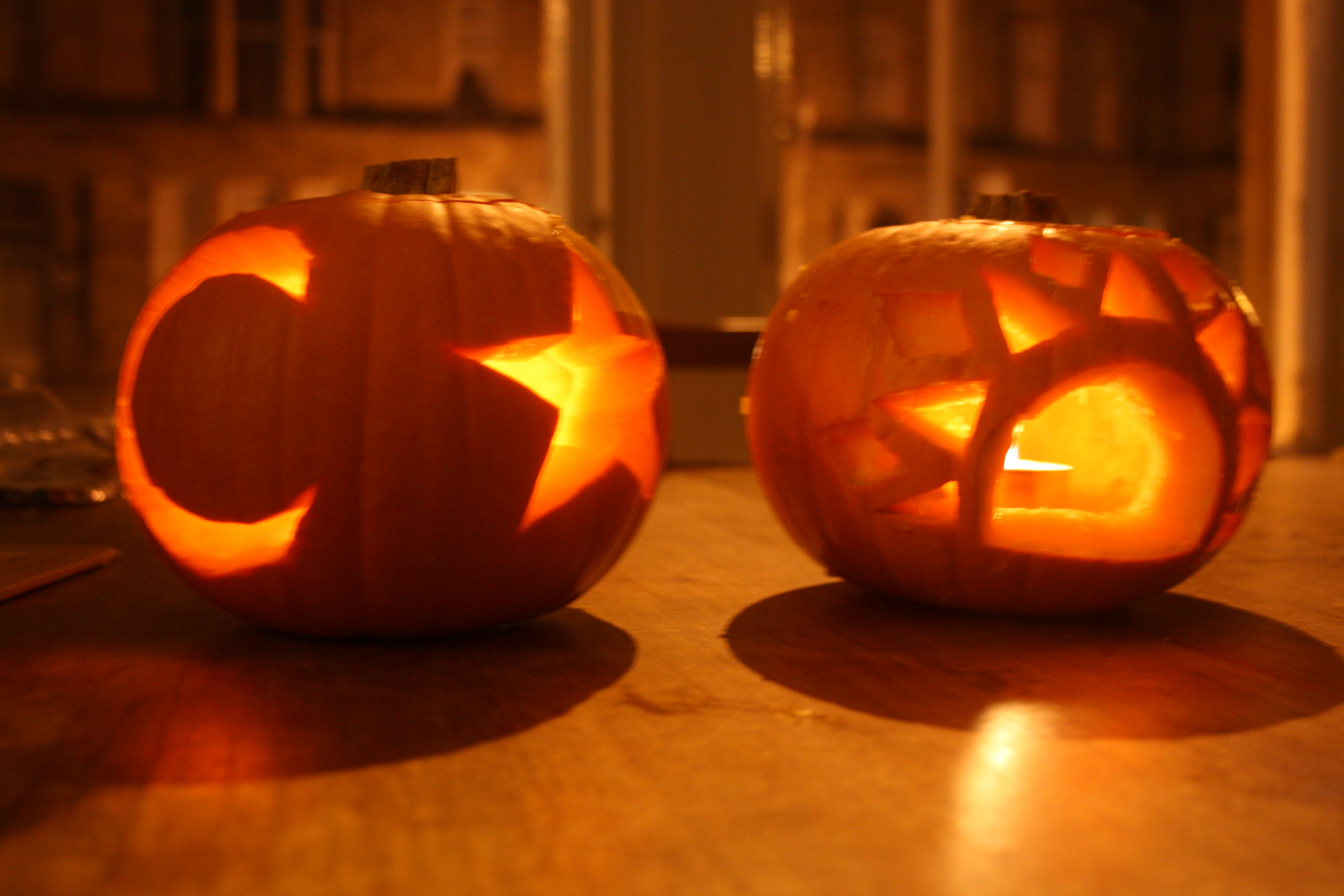



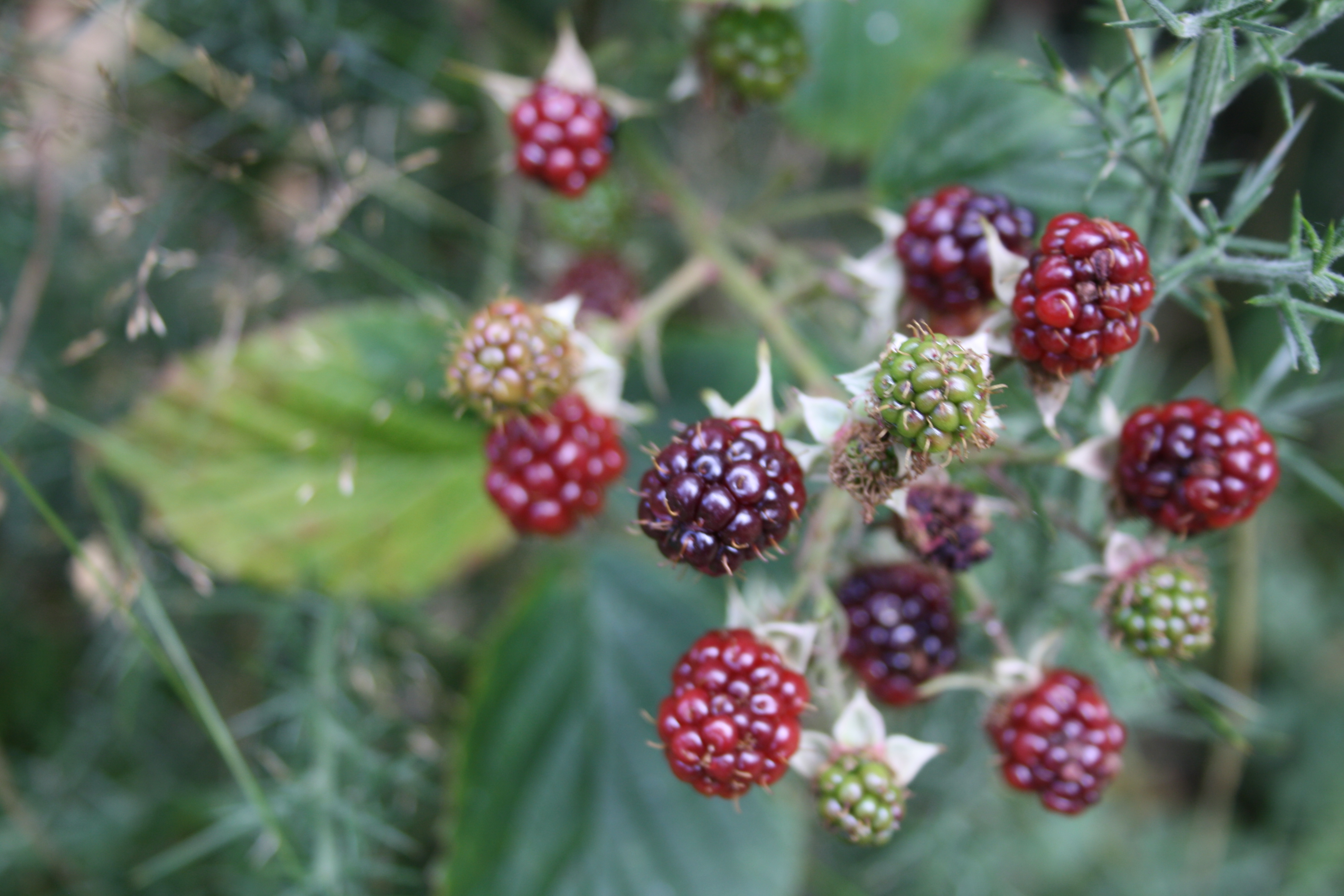

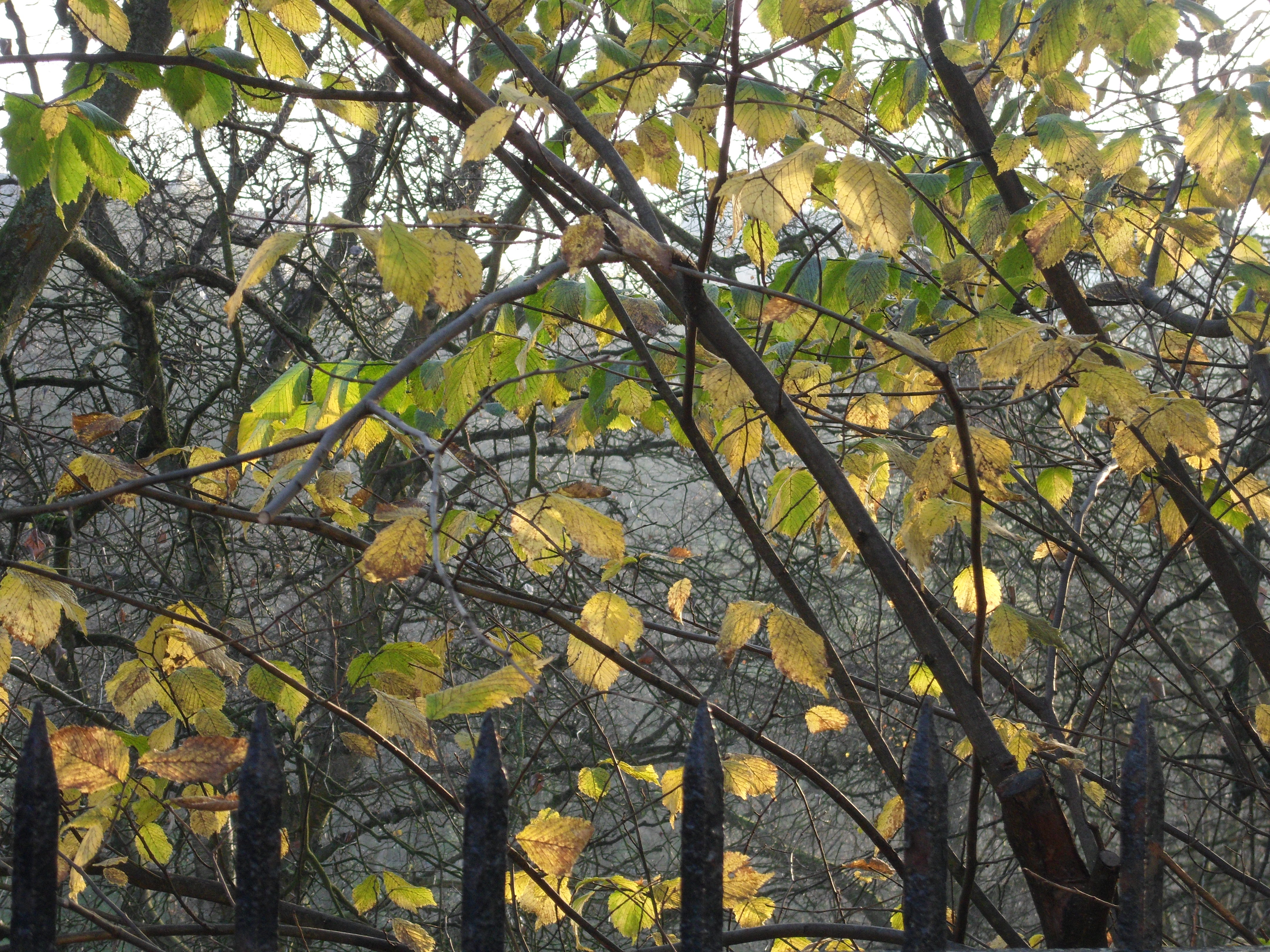
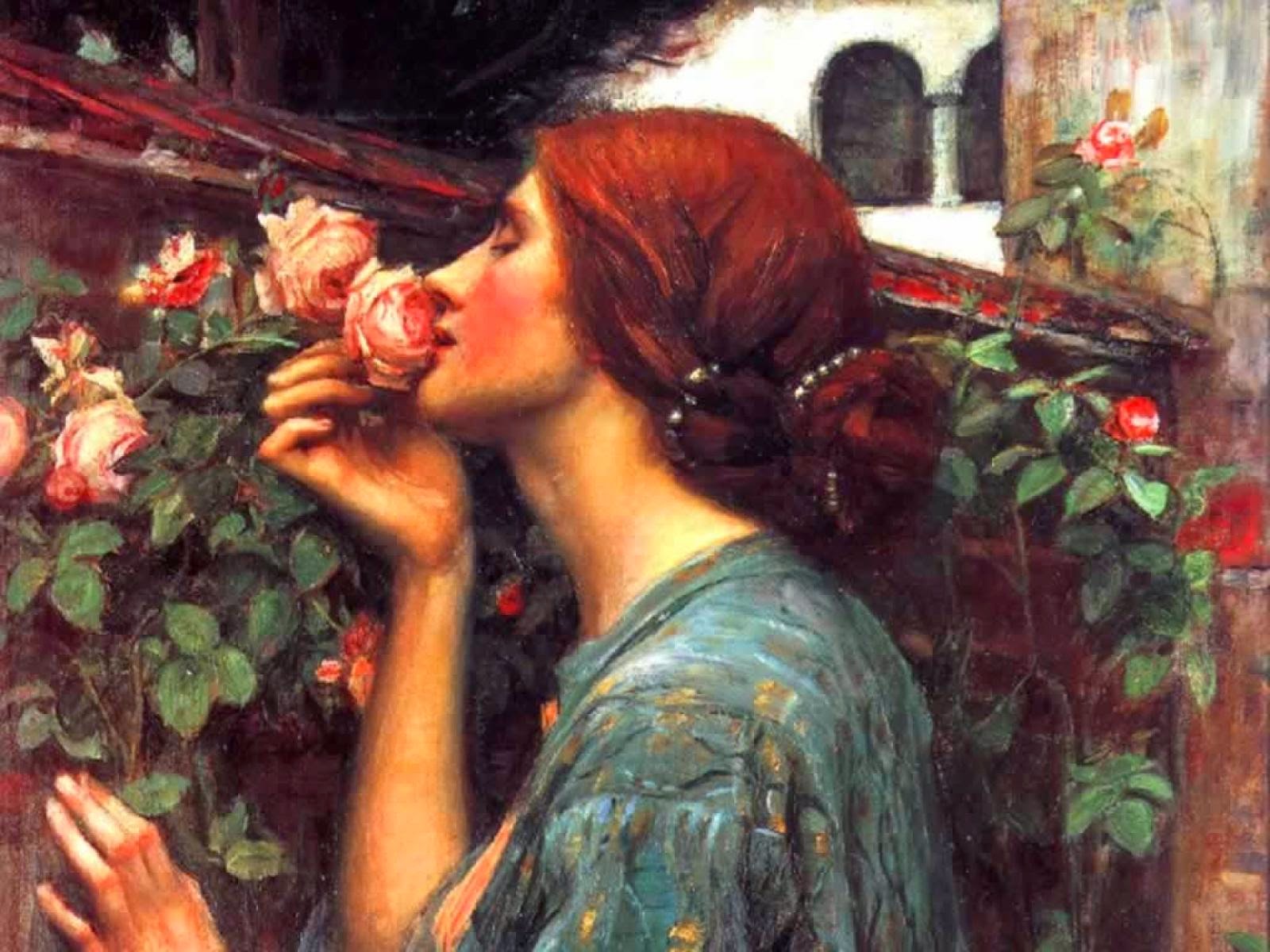


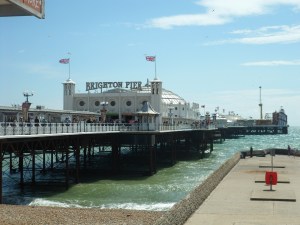
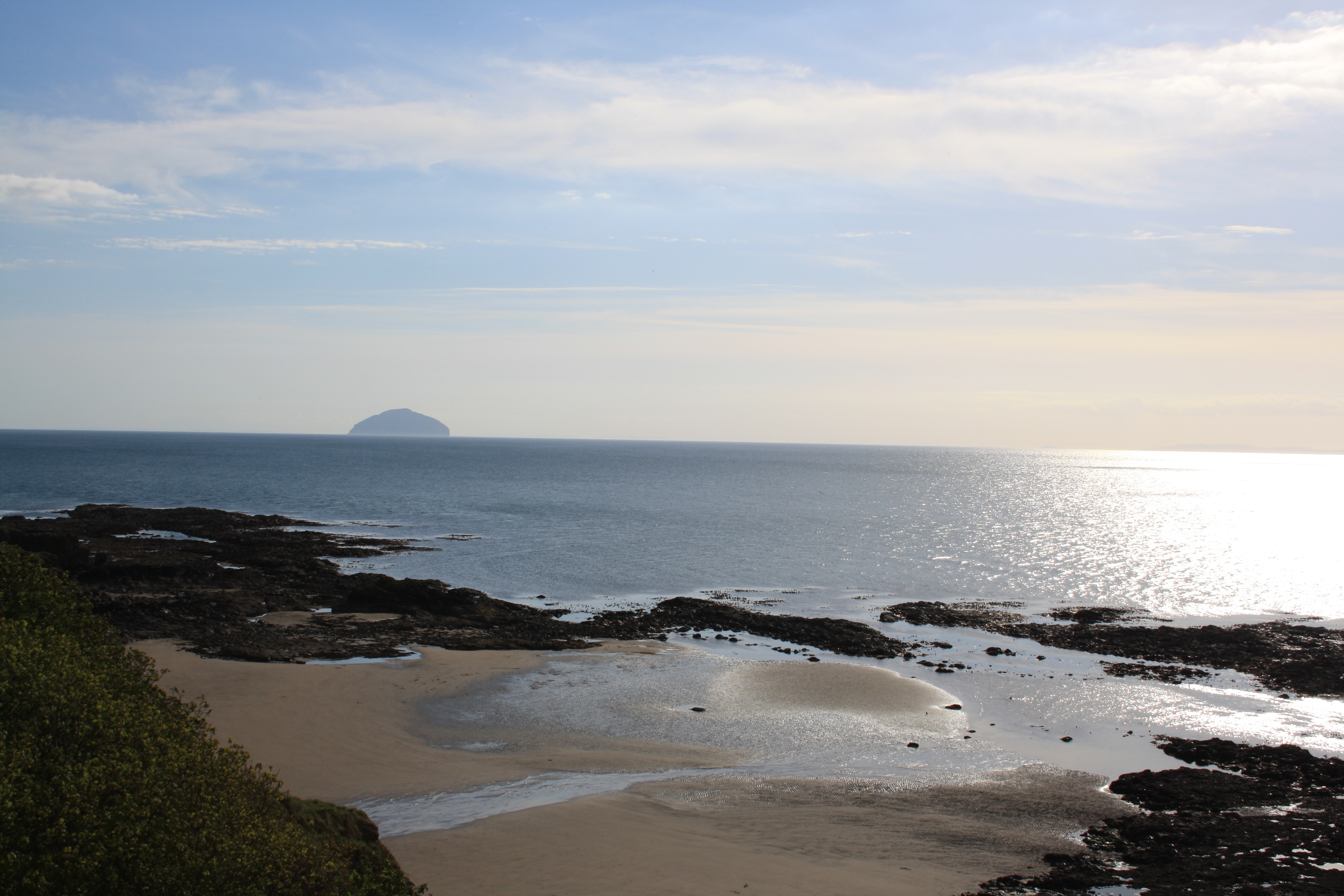
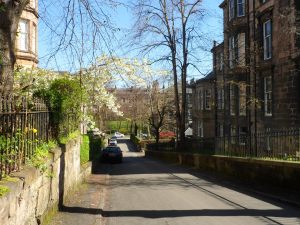
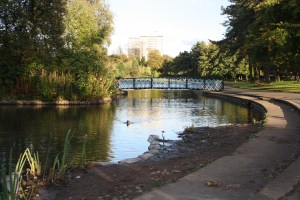

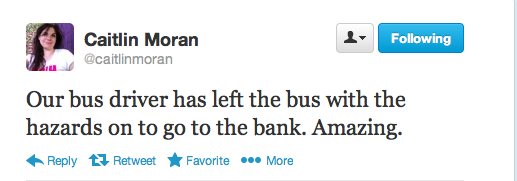
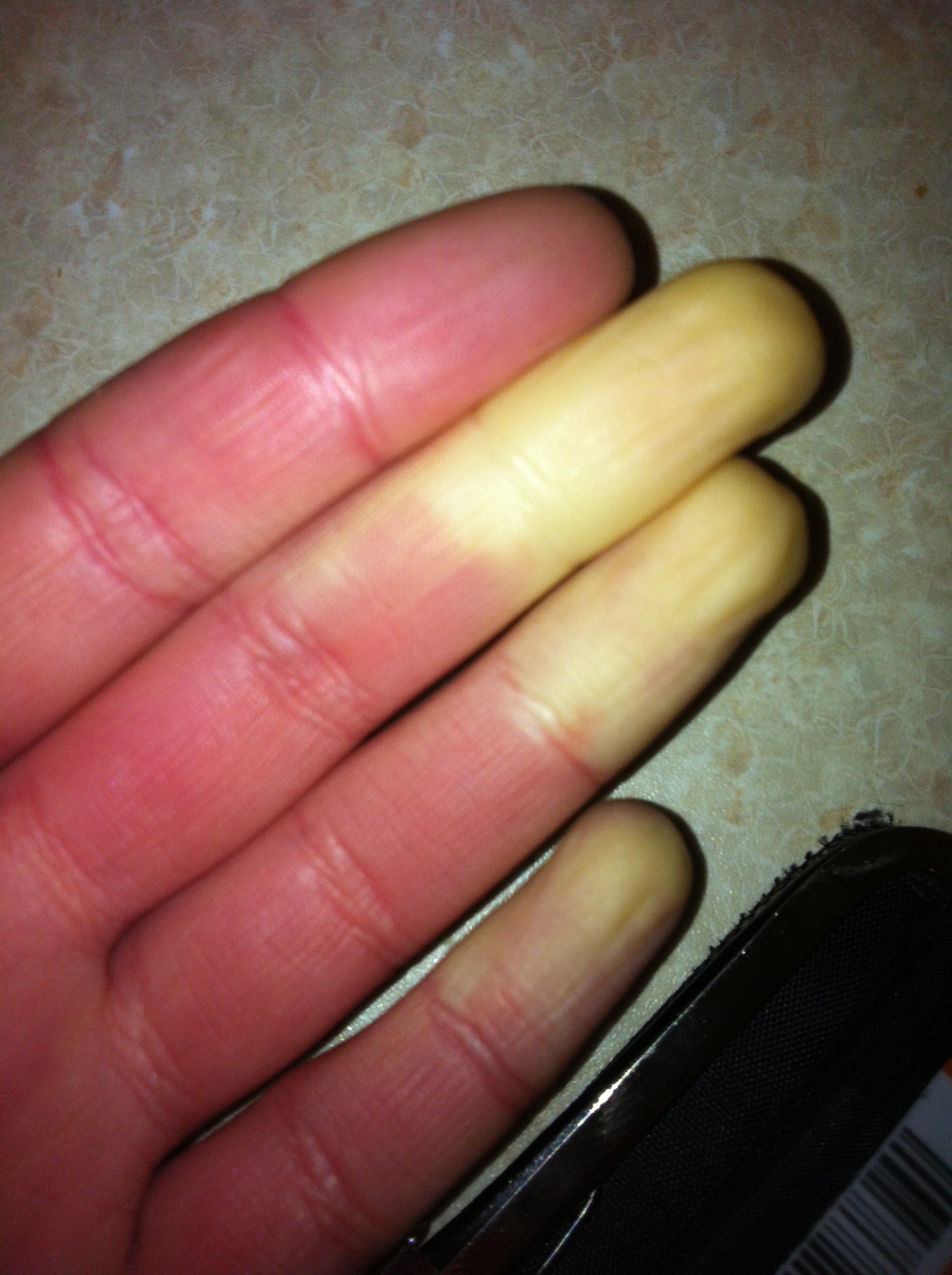
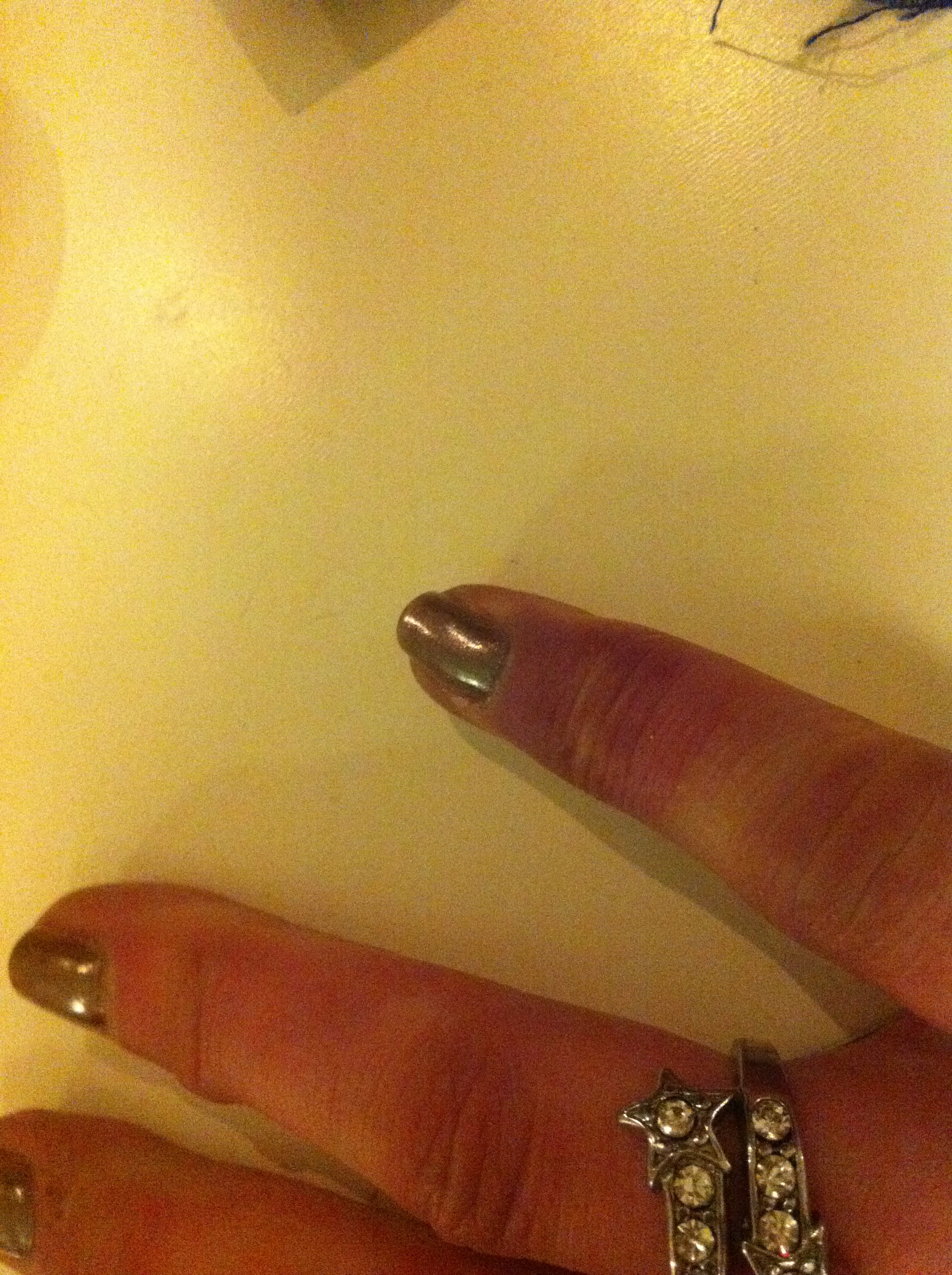
 mariaology
