Cumbrae: A Fragment

Source: openroadscotland.com

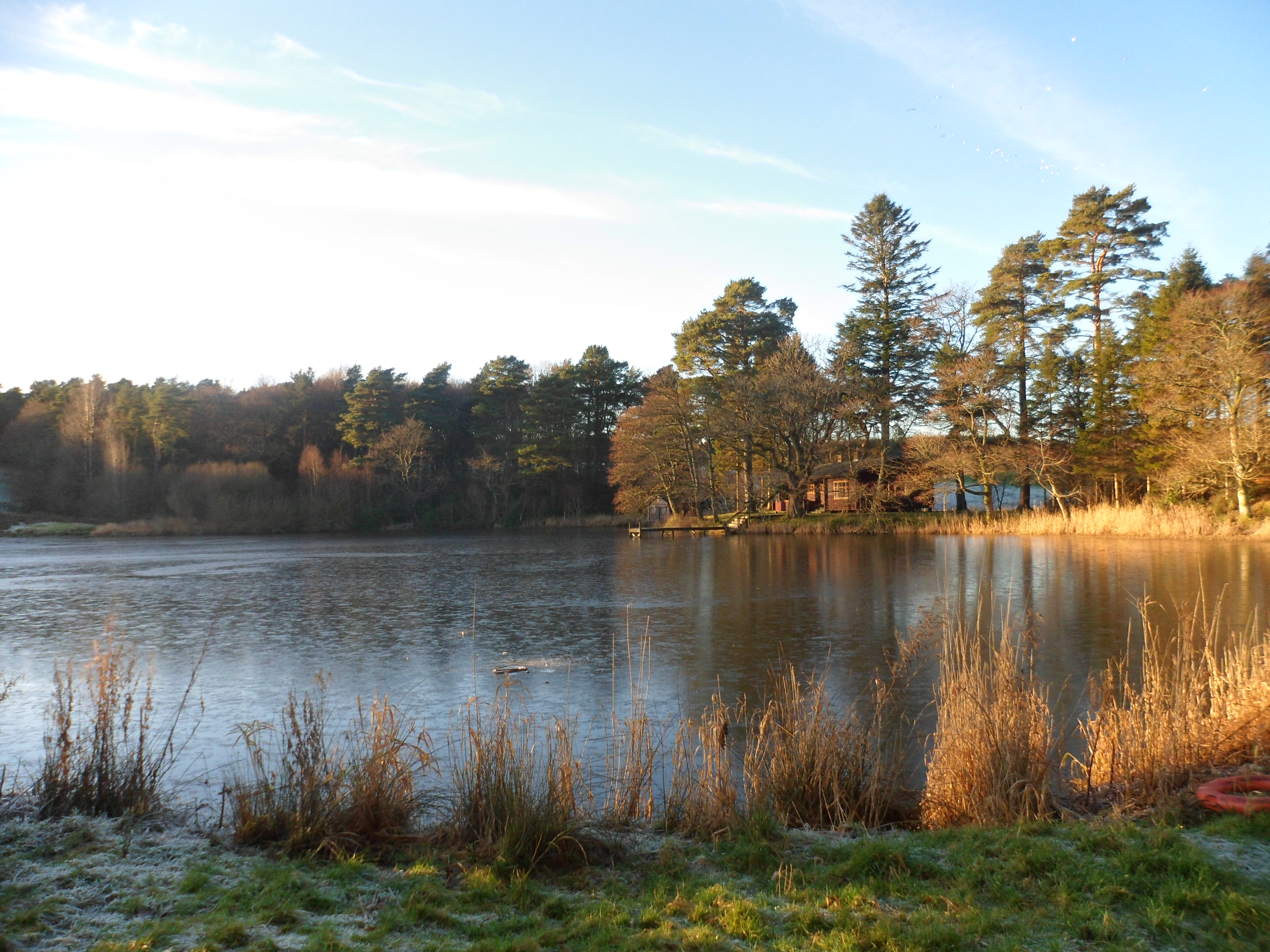
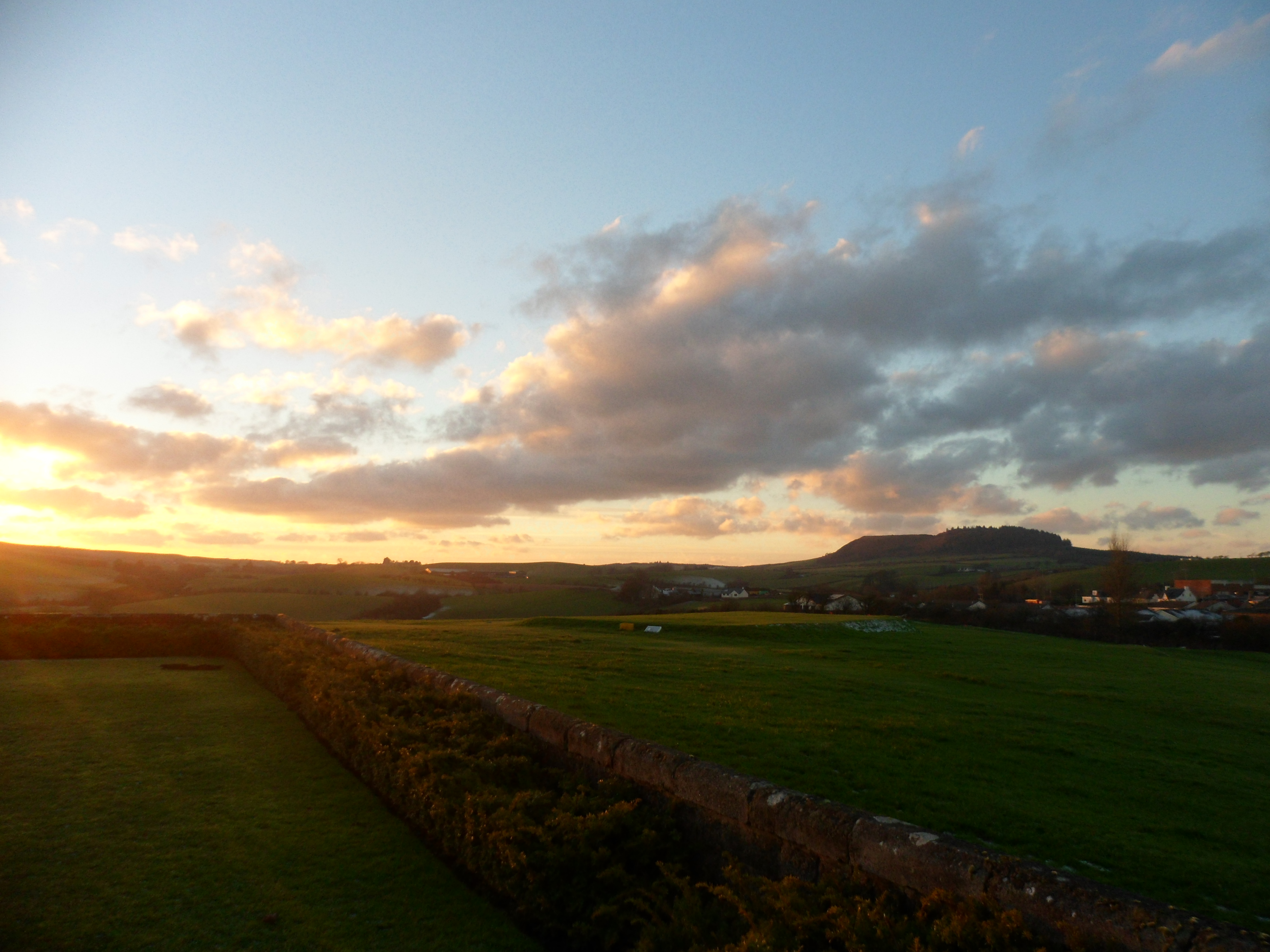
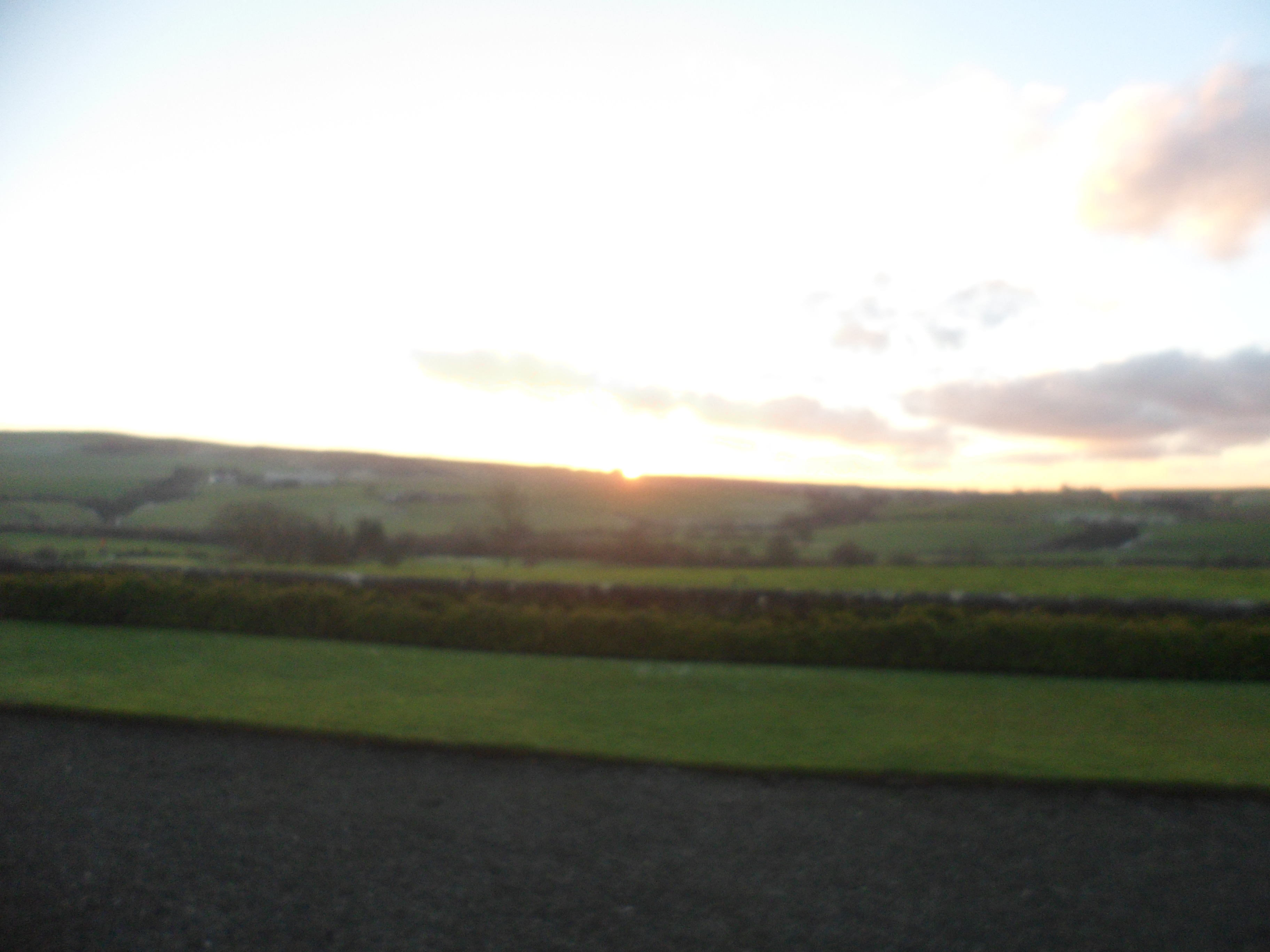
I have this memory of being nestled in the cleft of a rock on the isle of Cumbrae, my bike propped up beside me as I sit watching the sea and eating fizzy laces (they were cola-flavoured, or maybe strawberry). I’m on the rugged side of the island, where yellow eyes and strange animal faces are painted onto cliff walls and sometimes if you stare hard enough at the ocean you can see seals. On the other side of the island, you have the little town of Millport, with all the white and pastel-coloured houses looking out onto the harbour. Everything is still, soft, crisp – the texture of sorbet – so that the only sounds you can hear are the steady lap of the waves sloshing against rocks, and the occasional cry of a wandering cormorant. The island to me is like the shyest of kisses: the kind that taste of rain and raise your spirits. Yes, I’m eleven years old and I feel invincible.

You see, I’m on a bike ride, travelling twelve miles right round the island. I’m wearing jeans with the bottoms rolled up and spattered with black oil from the chain; I’m gripping the handlebars so tight I can feel the blood burn and tingle in the tips of my fingers. I’m pedalling even faster than my sporty brother and my father and I know I’m going somewhere because the landscape changes the faster I go. Life rushes by like a montage peeling back luscious scenery. I pass other families on their bikes but they don’t see me; I’m caught on the drift of the wind that they’re battling and I’m going faster than they could imagine. The sun is on my back and I’m flushed and my hair tangles around me, caught in the straps of my rucksack. I want to get there first; I want to be the first one to reach the secret beach.

You can stand there in your bare feet and I remember the cockle-shell rocks, greenish with sea leeches and weeds. Nearer the sea the sand is velvety thick and oozes up between your toes. My child’s eye spots the starfish and sea anemones, and I wish I had a jar to take some home. I’m teasing my brother about something and he throws a stone into the ocean, watching it bounce five times over the waves. Sullenly I watch it. Then in my head I tell everyone I’m a mermaid and paddle in the shallows, looking out for the shoals of fish that swim by in miniature shimmers. We’d wander back up to the rocks and pick our seat; and that’s where I’m sitting, now, in this moment, looking out to the mainland without worrying about a thing. I’m just admiring the craggy shapes of the distant cliffs and the way the cloud looks like billows of cigarette smoke coating the landscape.

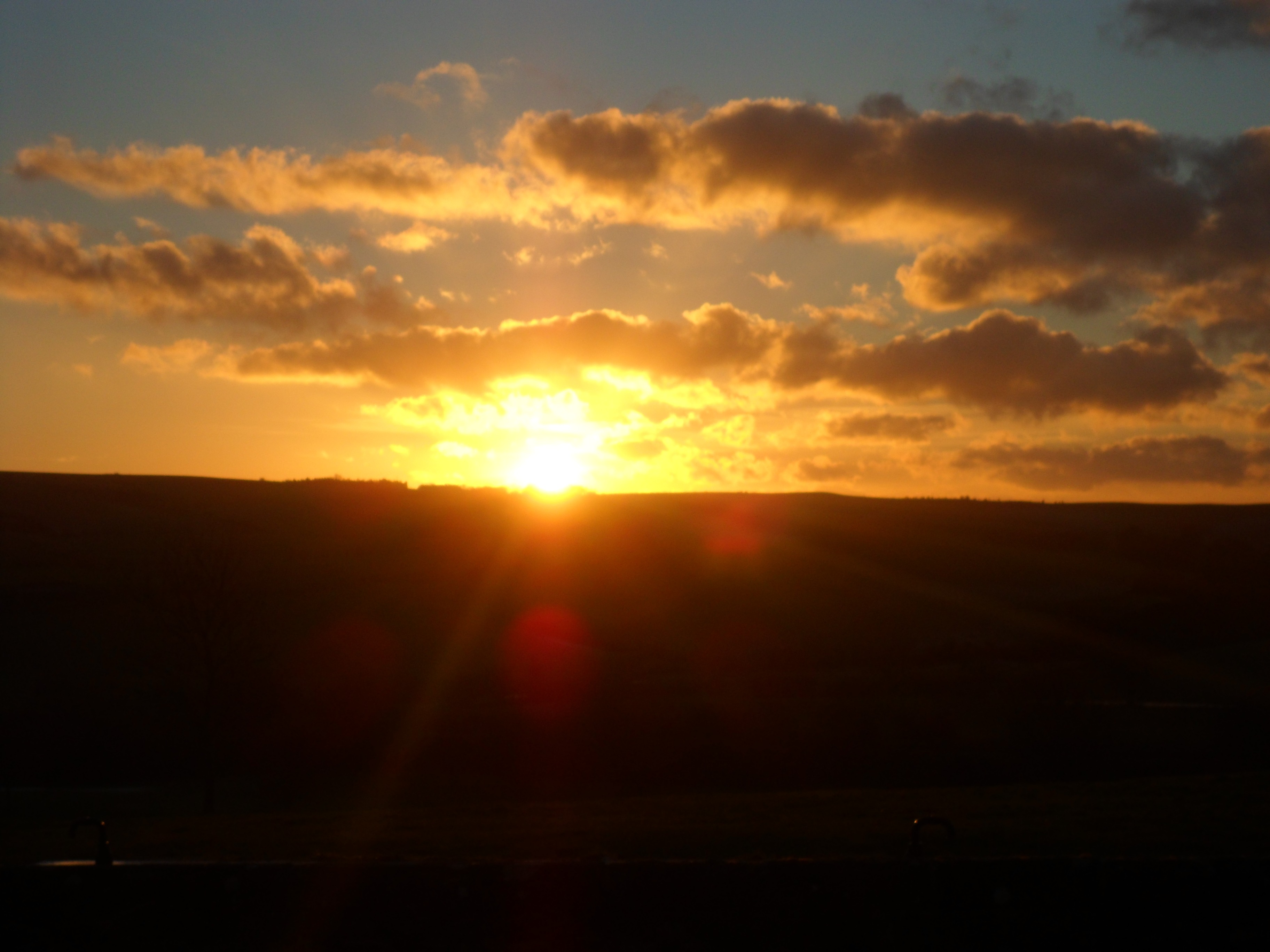
The worries would come later, in the dreamy space that opens before sleep. I’m trying to get at the dregs of this memory. The exact details of colour and light, the way that the April air felt and the shapes of circling time. You go right round the island and come back to the start. You paint the strokes of the green hilltops and the silver belt of the road. It’s nearing summer so the day drifts endlessly through night; it doesn’t get dark properly here, not really. Not until the depths of winter. A shower of rain that’s a spray of glitter. Maybe there’s a lighthouse shooting beams of white across the bay. Ships passing ghostlike in the night and you wouldn’t even know. I remember the cold blasts of wind you get on the ferry, with the horn of other boats and the marvelled awe of other children looking out towards the harbour. I call up all these things and wish for more.

Source: openroadscotland.com

Maybe all that remains of this memory are the sea-smoothed shards collected in a jar that sits on the sill of some window in my mind. You can remove the lid and pick the best colours, turn them over separately in your palm, but you can’t make them real again. Time has softened the sharpness of their edges, added layers of distortion to their rays of shifting colour. Hold one up to the light and you will see the bubbles that mark each year that’s passed, arranged in no order other than chaos.

Somewhere, there is the shimmering bleep of slot machines from the cheap casino room of a ferry. A man asking for tickets and a car stuck on the gangway. The taste of peanut butter sarnies gritted with sand, the crispness of silver foil in my hand. If I close my eyes, dizzy and thirsty, I am back there, my body nauseous with the pull of the sea, the boat rocking to and fro with the turn of the words that mutter on my tongue. My hair whips over my face and it smells of salt and seaweed and I can feel the island growing ever so closer to me as the ocean moves towards the setting sun. It’s not that I’m eleven again – nothing is the same twice over – but it’s the feeling of a memory that you can hold up to the light, watch it distorted, watch it glimmering bright.

A Wee Note for Burns Night

source: prweb.com
source: prweb.com

Growing up in Ayrshire – in fact, pretty much anywhere in Scotland – you will find that the poetry of Robert Burns is ingrained in your mind from a young age. A chance to make children reflect on both their literary heritage and the Scots language (that nowadays they often find themselves alienated from amidst the overwhelming discursive presence of Standard English), learning Burns’s poems is, I suppose, a great activity for a primary school child. But what about the likes of myself, Hertfordshire-born but Ayrshire-bred? As I grew up in a school just a few miles from Burns’s birthplace, I found myself trying to wrench and drill my sullen Southern accent into a lively Scottish dialect that just wouldn’t fit.

At primary school, I used to dread the month of January because it meant Burns recitals for our annual assembly. Each class would be given a poem to learn off by heart. Sure, there would be explanatory footnotes, but I still struggled over every syllable, my normally sharp reading abilities dulled against the quick wit of Burns’s verse. Every year my mum used to make me practice reading the poem aloud at home and every year I found my tongue tangled over the abrasive turns of impossible pronunciations. I can’t roll my r’s and I can’t make that rasping in my throat that seems to adorn every gruff recital of a Burns poem. I would watch the more dazzling of my classmates stand up and confidently perform the chosen poem, their voices catching all the jokes and lively intonations, and I would feel very stupid. I guess I just didn’t get it.

Until one year, when for no particular reason, it clicked. Oh, I’m sure my accent really was terrible (in fact, I cringe inside thinking of it now), but I decided that year to give as good as I could get. I think the poem we had been set was ‘The Sair Finger’, a relatively easy one, with the kind of rhymes that make sense and dialect words like ‘skelf’ (splinter) with which I was actually familiar. I practiced it over and over, determined not to suffer the humiliation of previous years when I was forced to stand up and read it out in class. Every year, the teacher had to pick someone to read their class’s poem aloud in our Burns Assembly. In our class, it was always the same two boys who were chosen every year (and deservedly to them too), but this year something was awry as the teacher quietly offered it to me. Probably, I think she only offered it to boost my confidence, but even if she genuinely was impressed by the improvement on my Scotticisms, I had to turn it down. The thought of standing up in front of my whole school in my mum’s ill-fitting tartan skirt, shakily twisting my vowels, was just too much.

I guess, in that sense, Burns and I didn’t get off on the best foot. But although I struggled with the linguistic detail of his poems, there was something about the mythology of ‘Tam o’Shanter’ that I’ve always been drawn to. The strange tale about Tam and his horse Maggie and the orgiastic goings-on in the old Alloway Kirk is a gorgeous example of Burns’s mastery of the interplay between dialect and Standard English. In a way, the chief pleasure of ‘’Tam o’Shanter’’ is in the mode of storytelling itself. We get the intimacy of the narrator’s shared perspective with Tam – his empathetic appreciation of Tam’s drunken debauchery – alongside incisive lines in Standard English which both emulate and mock the antiquarian tradition of collecting folktales. Burns’s attention to local detail really put Ayrshire on the literary map – even Wordsworth and Keats made a pilgrimage to so-called Burns Country to pay their respects to the influential poet. I should add here that my flatmate and I have a longstanding rivalry about what exactly constitutes ‘Burns Country’. My flatmate’s from Dumfries, and both Dumfries and Ayr like to milk the Burns Factor when it comes to upping their tourist game. Nobody really knows who has true claim to the title. Also, I should add that the Tam o’Shanter Experience in Ayr (the one before it got renovated) used to be the site of a lovely afternoon hot chocolate on Sundays after a stroll around Rozelle.

Anyway, another interesting point about ‘Tam o’Shanter’ is its weird ending. It isn’t Tam whose punished for voyeuristically dropping in on the Satanic revelries in the old kirk, but his poor horse, Maggie. While watching the dancing witches, Tam (in the only speech he has in the poem) cries out excitedly, “Weel done, Cutty Sark!”, which translates roughly to “Well done, mini skirt!” in modern day parlance. Tam finds himself chased by the vengeful witches over the bridge, but, as servants of the devil, they cannot pass the running water. So Cutty-Sark reaches out for Tam and instead grabs his horse’s tail, pulling it clean off to reveal a bloody stump. The narrator ends the tale (tail) with the strange moral:

No, wha this tale o’ truth shall read,

Ilk man and mother’s son take heed;

Whene’er to drink you are inclin’d,

Or cutty-sarks run in your mind,

Think! ye may buy joys o’er dear –

Remember Tam o’ Shanter’s mare.

So next time you decide to be a lecherous male, spying your pervy eye on a coven of witches, remember that your horse might lose its tail. I guess there’s phallic implications there, what can I say?

Painting of Tam o'Shanter by Alexander Goudie, source: south-ayrshire.gov.uk
Painting of Tam o’Shanter by Alexander Goudie, source: south-ayrshire.gov.uk

But ‘Tam o’Shanter’ isn’t just a poem of comic revelry and uncomfortable sexual punishment; it also contains some beautiful picturesque passages that establish their author as a definite early Romanticist, who went on to inspire the likes of the great Romantic Celebrities (Wordsworth and Keats being key players here):

But pleasures are like poppies spread,

You sieze the flower, its bloom is shed;

Or like the snow falls in the river,

A moment white–then melts for ever;

Or like the borealis race,

That flit ere you can point their place;

Or like the rainbow’s lovely form

Evanishing amid the storm.–

Here Burns blends his beautiful floral metaphors with the quiet violence of time’s transience, captured in the image of the fleeting rainbow. There is a simple spirituality here that connects the human world of consciousness and experience to that of the cosmic and natural worlds, and all condensed into a handful of lines. Although Burns, like William Blake, has often been left out of narratives of the Romantic movement – his work and style, laced as it is with literary and political ambiguities and tensions – I think it’s important to reclaim Burns within our conceptions of this exciting cultural period. While the likes of Wordsworth were in awe over the rugged sublimity of Scotland’s impressive landscapes, Burns was busy recording the authentic idiosyncrasies of its culture, humour and people. These days, when questions of what it means to be Scottish loom large over the rarely dull political skies, Burns remains as important as ever. While Sir Walter Scott (I’m sorry for making the sort of sweeping statements that rile the marker’s red pen in essays) added to the mythology of Scotland as a place of both legal, political, social and supernatural intrigue, Burns chipped in a great deal by immortalising Scots in the kind of deceptively simple but actually complex poetry that warrants his frequent comparisons to Blake.

So in a way, I’ve come full circle towards Burns appreciation. These days, I’m almost always wearing some kind of tartan (largely unconsciously, unlike the obligatory tartan headband I used to wear to school on the day of Burns Night), I work in a restaurant adorned with beautiful paintings of Burns and his myriad lovers, and I’ll be studying his work along with other Scottish Romanticists (indeed, the likes of Walter Scott) for my Romantic Lit course later this semester. Although today, on Burns Night, I forgot to buy whisky, and had toast instead of haggis for tea, I like to think this little article is a tribute of sorts from me.

Find out more!

http://www.rampantscotland.com/visit/bldev_visit_burns.htm

http://www.independent.co.uk/news/uk/burns-night-2015-what-is-it-and-how-is-it-celebrated-in-scotland-and-around-the-world-10001133.html

http://www.visitscotland.com/about/robert-burns/

To a Dog

image8

We brought you home for the first time one sunny day in the year 2000. Seems strange saying that now: the year 2000. I guess it was a long time ago; before Twitter and being a grownup and even 9/11. Nobody even really had mobile phones then, did they? I guess that makes you special, that you were born in the year 2000. You might’ve been a dog, but you were a proper Millennial.

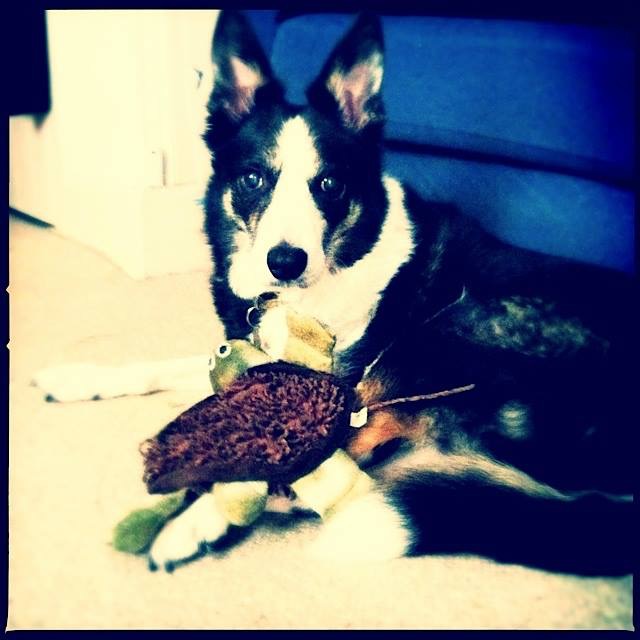
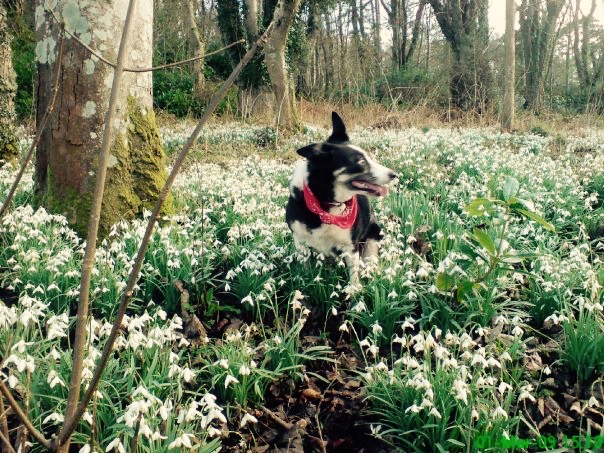
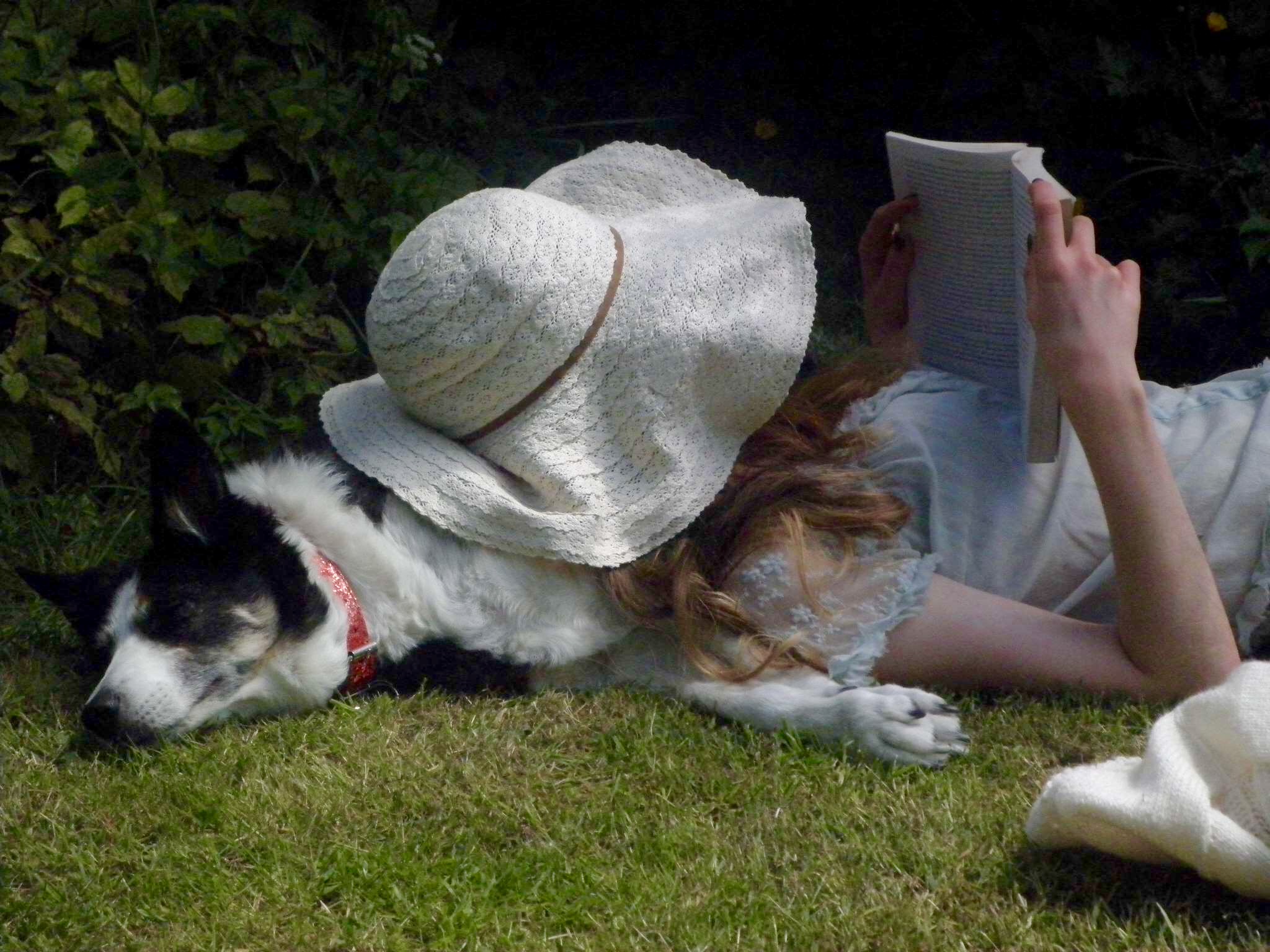
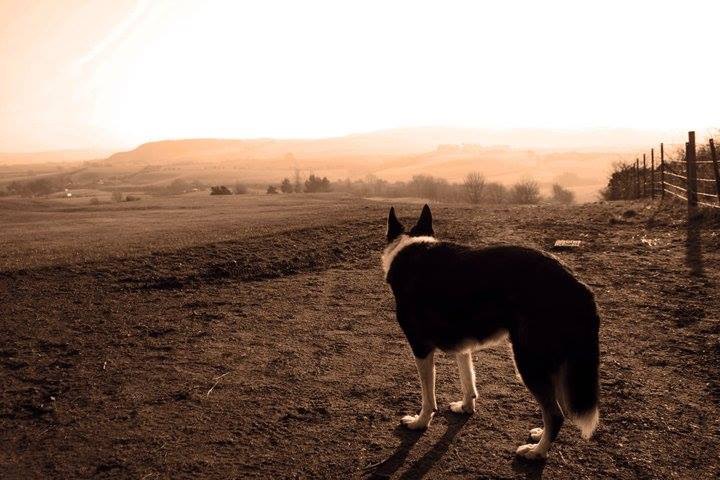
You were such a tiny thing, with little floppy ears and massive brown eyes like polished conkers that blinked back at me full of curiosity. You were a collie dog, except there were crosses in you, so that you had lovely patches of chestnut brown on your face. Mum wanted to call you Bella, but for some reason this annoyed me at the time – probably because there was some Disney princess with the same name, and/or I had some ridiculous mythical title lined up for you. I remember when Twilight first came out, years after you were born, I couldn’t stop giggling at how the protagonist shared her name with my little old dog. But Bella means beautiful, and beautiful you were. You spent all afternoon scuttling round the garden, nibbling playfully at our ankles, before falling asleep in the flowerbed. We really panicked until we found you, curled up among the bluebells and buddleja.

I think having a puppy is a brilliant idea to lessen sibling rivalry. My brother and I spent less time pulling out each other’s hair and shoving each other about over who stole whose Game Boy game and more time throwing ball for our new dog. We took you to Kelburn Country Park and you walked about a mile with your tiny legs before giving up. Mum and Dad took turns to carry you all the way to the car. After that you rarely let anyone try to lift you up – you always retorted with a snarl when they offered. Maybe you were embarrassed at having once had to be carried. You were as sporty and competitive as my father. Probably because when you were a bit bigger he used to take you out running for miles and miles. You were like the wind, chasing after a ball or dashing after Dad’s bike. He took you to some of the finest golf courses in Scotland. Mum, my brother and I took you to some of its remotest campsites, where you would curl up in a tent with us as the rain and wind howled outside.

image5

One of the best thing about collies is their ears. Floppy and fluffy; soft and furry on the outside and pink and waxy on the inside. When I was younger I could sit and stroke your ears for hours; it was such a comfort, like the way a baby sucks its thumb or a stressed-out adult chews their fingernails. One day, one of your ears suddenly pricked up, straight and triangular like an Alsation’s. The other remained flopping over for another week or so before joining its partner. They never fell back down again, but remained tall and alert. They were a bit like rabbit ears, the way they fell back when you were scared or angry, but mostly just stood up with a look of mild absurdity or surprise, like when people pluck too much arch into their eyebrows. You could probably hear everything in the world, with ears like that.

You had crazy amounts of energy. You went through a phase where all we had to do to exercise you was take you to an open space and shout, ‘Ready, Steady, Go!’ and you would run around us in endless, frantic circles, occasionally yelping with excitement. It was as if we had unlocked some unknown, race dog gene in you. Whenever we were in public, you would abandon your loyalty at the drop of a hat (or stick) if it meant you could get someone to play with you. When we were tired of playing endless games of fetch, you would wander off and drop your ball or stick at the feet of some other family, before sheepishly trundling back when we called your name repeatedly. There were a few times where you gatecrashed people’s games of frisbee and ended up winning (or breaking their frisbee with your teeth).

You would cut up people’s lawns with the amount of running you did. If we went for a walk with you, you’d trot on ahead then circle back to check we were all still together, as if we were sheep. You weren’t a trained collie or anything, but clearly you had the protective instinct in you. Like when you went through a phase of dragging my beanie babies into your box, as if you were pretending they were your puppies. I used to resent the way I’d have to put my beloved, saliva-slathered animals through the wash, but now I guess it’s kind of sweet.

1914447_1210289627796_846509_n

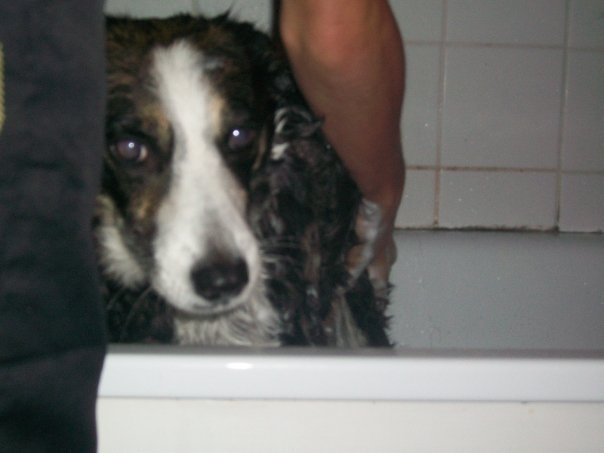
Then there was the bi-annual task of giving you a bath. It was a feat of will for both us humans and you. If we tried to call you into the bathroom, the merest hint of the word ‘bath’ would send you running. Once, you hid in the laundry basket. My job was often to keep you soothed while Mum rubbed your coat with flea shampoo and my brother sprayed you with lukewarm shower water. You were awfully fussy about temperature. There was one time when you managed to get one half of your back covered in white wet paint and we had to shower you outside with the hose. You would think that you’d be grateful for the warm indoor shower after that, but maybe you had a short memory.

image3

I’d like to apologise for the time we were staying in the Lake District and we had been out walking and you were covered in mud and stinking river water (funnily enough, you loved water when it involved jumping in oceans, lakes and rivers for sticks), and I decided the best thing to do would be to give you a shower. The problem was, we thought human shampoo would be too harsh for you, so we ended up washing you with vegetable oil and vinegar, because I’d read online somewhere that oil was meant to be nourishing for your hair, and vinegar good for your scalp. I think they meant olive oil, or coconut oil or something, because afterwards you smelled like a chip shop; although your coat was super shiny. Maybe that was just the grease. Still, you didn’t seem to mind because you got lots of smothering attention and god knows how many dog treats as a consolation afterwards.

image1

Perhaps you were at your best at Christmas. There was something about the festive season that you just loved. Maybe it was having the family together and having everyone in high spirits. You could sense human problems as quick as you could sense someone turning on the hoover. If we were having some kind of argument, you would always sit in your box quivering and looking sad. At Christmas, you morphed into a four-year-old child, ecstatic at the prospect of presents, food and Santa. When we were unwrapping our own gifts, you tried to butt in with your paws pattering everywhere and your nose sniffing every present we opened. I used to tie all the excess ribbon, string and tinsel around your collar, so that by the end of Christmas Day, you were as decorated as a festive reindeer, or a walking advertisement for Paperchase. Often, we would paint your nails sparkling red with Rimmel’s finest, and have to explain to fellow dog walkers that no, our dog’s feet weren’t bleeding, she just happened to have her seasonal manicure.

image6-2

You were a much-loved dog, and everyone who visited us at Christmas seemed to bring you some kind of present, which you gratefully whined over excitedly until us children had helped you unwrap it. You were bought stockings of doggy chocolate and other treats, your favourite Schmackos sticks, fluffy toys and weird squeaky creatures. When I was too young to buy you my own present, I’d carefully pick a stuffed animal toy that I didn’t want anymore and pass it on to you, as a sibling passes down old, grown-out clothes. As I got older, I graduated onto collars. I bought you the prettiest, tackiest, gothiest collars I could find in the aisles of TK Maxx and Poundland. You had red, gold, studs and skulls, leopard print and silver glitter. When I was Christmas shopping this year, I walked accidentally down the pet aisle and it brought a tear to my eye. I was surprised at how much I missed this; it was like walking up the stairs and mistaking empty space for the final step. I was reminded that you were gone.

image4

I have to admit, there were times when you could be hard-going. You had a temper, which maybe you learned from the people around you (hell, nobody’s perfect) and you did bite people a few times when you were over-excited or pissed off. Nothing serious, but enough for us to fall out with you over. But only for a few days, until the sorrowful look on your face as you plodded into the kitchen melted our attempts at icy reserve.

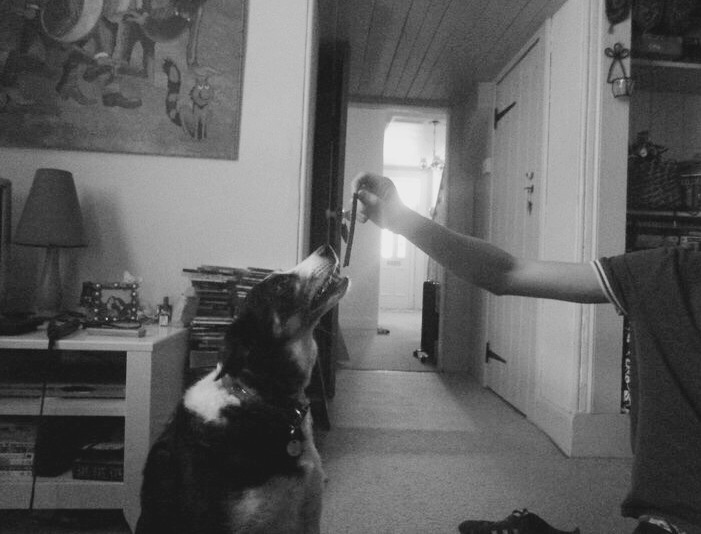
Another problem was that often you also had terrible breath: a sort of stale, fishy smell that we could never work out the origin of. We had some of your bad teeth removed; we gave you dental chews. Sometimes the smell was okay, but you could really notice it up close when you were panting happily in people’s faces. I blamed your diet, which consisted of dog biscuits and ASDA SmartPrice tins of meatballs. The odd helping of tuna. I used to gag and hold my nose as I poured the grim pasty reddish mess into your food bowl. You seemed to love it though, especially Lidl’s Luxury Irish Stew that you had for Christmas Dinner. When you were old and frail and your joints were riddled with too much arthritis, we had to squirt a horrid-looking medicine in your dinner and find ingenious ways to get you to take your pills. The most effective way was to crush the pill and roll it up in a piece of brie – you always were a dog of class.

In car journeys, you’d either be an angel or a nightmare. My brother and I would argue endlessly about how we were going to shove your arse off the seatbelt so we could buckle ourselves in and set off onto the road. It was better when we were old enough to sit in the front. Sometimes, you got to sit in the front while we had to pile in the back. You would sit bolt upright, back straight and ears pricked high as you looked straight ahead. One time, a ticket lady made a joke about how handsome Mum’s husband was. When we drove off, it took her a while to realise that the lady was joking about Bella, sitting up all serious and erect in the seat beside her.

In traffic jams, you would get fidgety and whiney, which didn’t make life much better amidst the din of Motown music on Radio 2 and the smell of the steaming poo you had done, now tied up in a bag on the dashboard, slowly releasing its awful odour. There were some tough hours but we got through them together. Luckily, you fell asleep and the traffic eventually dissipated enough that we could stop at a service station and dump your mess and spray the car with aftershave. I used to hate the way that you’d never get out the car when we stopped on long journeys, like you thought we were going to leave you behind.

You used to hate when we went off to school in the mornings, as you jumped up at the window, scratching the glass with your paws, or sat whining at the gate. But there were other ways of keeping you involved. You had your own MSN, Bebo and Facebook accounts. You were a popular dog. When we took you for walks around Maybole we literally had to fight the strays off you because clearly you were the sassiest bitch in town. The box that you slept in even had the Kerrang! sticker to prove it.

image7

And well, there isn’t much else left to say. You were the best dog a kid could ask for, with your endurance, energy and sense of humour – your almost human personality. It feels weird talking about pets passing away; perhaps there’s less of a taboo around animals than there is humans dying, but still, not many people write about their dead pets. I still talk about you in the present tense, and get pissed off when people correct me. It’s a year since the vet came for you because you had fatal tumours, and a year since you last sat in your box, a year since last Christmas. I’ll never get used to the space you left, the way you’re not there to jump up excitedly when I come home to Maybole. Not there to take for walks, even though you were slow as a tortoise in the end. I didn’t want to be sentimental, writing this; but it’s true, I miss you.

image9

Christmas Traditions

2012-12-24 22.46.37

Christmas begins with a different ritual for everyone. For some people, it’s when the radio stations start playing familiar Christmas hits from the 80s. For others, it’s the first bite of a mince pie crumbling its buttery sticky sweetness in your fingers. For most supermarkets, it’s the day after Halloween, when the shelves are quickly stocked with tins of Roses and Quality Street and Celebrations and a Christmas tree is rather humbly erected in every store’s entrance. For me, it used to be when we started making cut-out paper snowflakes at school; when they would play Christmas songs on the old stereo system that crackled when anyone walked near it, as if it were possessed somehow. Or a trip to a pound shop to buy our dog an artfully tacky sparkly collar and/or chew toy and/or basket of treats. These days I’m involved in buying sparkly socks more than dog collars, but the sentiment is still there.

2012-12-18 21.03.42

Some people are super keen for Christmas and have their trees up right from the first of December. In the library during exam period the festive jumpers are out in full swing, as are the seasonal lattes (Praline and Pumpkin Spice) retrieved from the Byres Road Starbucks. In our house, the tree usually doesn’t get put up until Christmas Eve; since our cousins from England would sometimes come up to us, we would wait for their arrival to decorate it, late in the evening, before leaving out a carrot, mince pie and brandy for Rudolph and Santa.

Traditions, however, change just like people. At school, Christmas came with the baggage of P.E. becoming training for social dancing throughout December. No Scottish child has been exempt from the painful awkwardness of having to choose a sweaty-palmed partner and learning to dance often incredibly complex steps (I’m looking at you, Strip the Willow) to the amusement of all their peers. And that’s if they’re lucky enough not to be left last and paired with a teacher. Of course, the older you get, the less embarrassment tends to dominate your entire consciousness, so dancing becomes more fun. You know, I would even go to a ceilidh of my own free will now, although back then I thought it was a form of torture cooked up to torment children out of enjoying their Christmas. It didn’t help that the school dance also involved the necessity of buying a compulsory sequined party dress (not a fun enterprise when you are a ten-year-old tomboy that hates shopping) and a dinner whose only option for vegetarians was salt and vinegar crisps (I swear I’m not really complaining). Still, the brutally hilarious fights over ‘he wiz dancin with ma girlfriend’ that you could witness outside afterwards while waiting to be picked up made the night somewhat worth it.

74400_1617334603666_562522_n

At secondary school, playing in the brass band forged new festive traditions. There were the rehearsal days for the Christmas concert, where you got to take a whole morning out of class, carrying your instrument down to the tinselled town hall and sit for hours munching snacks from the local Spar and watching everybody else perform. Then there were the primary school tours, where we would pile into a mini van and play in the surrounding school assemblies for the generous payment of a box of chocolates that were swiftly devoured before lunch. You felt so important, playing up there on a stage and being praised by your old teachers while all the little kids watched you with wide-eyed wonder and you remembered that you were in that crowd only a few years ago, hoping that someday you could be the big kid on stage with the shiny instrument adorned with tinsel.

2013-12-10 12.51.22 HDR

When Glasgow’s shoppers’ wonderland, the aptly-named Silverburn, opened its doors, a new tradition was created. Picking me up after a hard day at college, Mum would drive me up to the shopping centre and we would do the last bits of our Christmas shopping. There’s a certain magic to the indoor consumer paradise, with all the lights and the giant snowglobe for kids to get pictures in and the seductive glow of expensive shop windows. Everything was warm and clean and once we’d done our shopping we’d go for a mince pie at Starbucks, where we could look out over all the people dressed in reindeer jumpers and laden with glossy shopping bags. These days, traditional Christmas has become more fashionable and you can go to see the Christmas markets in pretty much every British city. It all has a German and Scandinavian flavour which still feels a bit refreshing. We used to always go up to see the lights at George Square, a tradition that seems very sad and innocent now after yesterday’s heartbreaking incident, but nevertheless retains importance in my memory – and many people’s memories, I should imagine. There’s also the lovely, extravagant decor of traditional department stores which resonates the Christmas magic of the early twentieth century: I’m thinking Princes Mall and House of Fraser in Glasgow, then Jenners and Harvey Nichols in Edinburgh. I’m sure London too has much to offer, although sadly I only get to experience that through my half-hearted attempts to join my family in watching the terrible Christmas specials of Made in Chelsea.

George Square
George Square

It used to be that we’d go to Culzean to collect twigs and fir cones and sprigs of holly for decorating the house. We’d spray them with gold and dip them in glitter. Sometimes we still do that, as if living out the old ritual of making Christmas cards that Mum made us do every year when we were at primary school. I love crafting and firmly believe that it’s one of the most relaxing things you can do. A few years ago I went through a phase of making loads of candle holders out of glass jars which I painted with acrylics. At school there was always the last few days of term where people wandered about not doing much and hardly going to class. Teachers would wave us away with a ‘Merry Christmas’ instead of teaching us and we’d sit and watch Meet the Fockers on repeat (at least in primary school we had the enterprise to bring in board games) and wish we’d decided to skive. Often I retreated to the art department where we could make snowflakes and paint bottles and pretend we were little again.

2013-09-22 21.37.42

At uni, the last classes are a bit more exciting. For one thing, mulled wine often factors in. Also, the fear (in first and second year at least) of Christmas exams. I used to hate how university decided to give us exams in December, with only a week to study for them. It was incredibly stressful, but in the long run I suppose it was a good thing because we didn’t have to study much over Christmas, as we did with the January prelims for Highers and Advanced Highers. Sometimes, the fear makes Christmas all the more sweeter. I remember in my first year at uni, I’d just gone with a friend to an impromptu gig at Brel on Ashton Lane. It was Rachel Sermanni and the singer from Admiral Fallow who were playing acoustic sets and it felt very wintry and magical. And when I left, to go back to my flat to cook chilli bean soup and study, it began to snow as I walked up Great George Street. It was one of those enchanting moments when you feel everything swell up and really seem to mean something. Like you’re in a movie. I was finally so happy to be in Glasgow and a student, even with three exams that week. It’s hard to not love your university and city when it looks like this:

329500_2676540883161_1993424224_o

After exams (and more recently, essay and dissertation hand-ins) comes all the comforting Christmas rituals that I love so well. Buying sparkly nail polish and the December edition of Vogue which weaves a fantasy of luxury office Christmas parties thats nowadays I have the (privilege?) of serving if not just imagining. Seeing fairy lights being put up in the restaurant where I work and all the Black Friday and Christmas bookings looming before us. Decorating the Christmas tree at home each year with new decorations got in our stockings. I missed out on decorating the Christmas tree at school, but came back from Belmont one day to see that we’d managed to procure one for the sixth year common room, and someone had decorated it artfully with ornaments worthy of any John Lewis special collection: a load of empty crisp packets.

My flat at Christmas time, 2012

Still, sometimes makeshift Christmasses can be fun, or at least interesting. My brother and friend Jack randomly phoning in and singing ‘Last Christmas’ live on BBC Asian Network radio. Stringing a half-hearted bit of tinsel and some Poundland fairy lights over my bookshelf. In first year at uni, we had a festive dinner party in halls, but seeing as I’ve always prioritised exams and studying over pretty much everything else, I ended up cooking my own vegetarian option which was incidentally the only thing I had in the fridge: a fried courgette. Even so, the party poopers (obviously I was included) were the ones who had to scrape all the meat scratchings and grease off the dirty pans like a band of Cinderellas until one in the morning while everyone else was having a good time at the QMU’s Cheesy Pop. Still, it was a lesson in the underside of hospitality…

My Mum's nutroast
My Mum’s nutroast

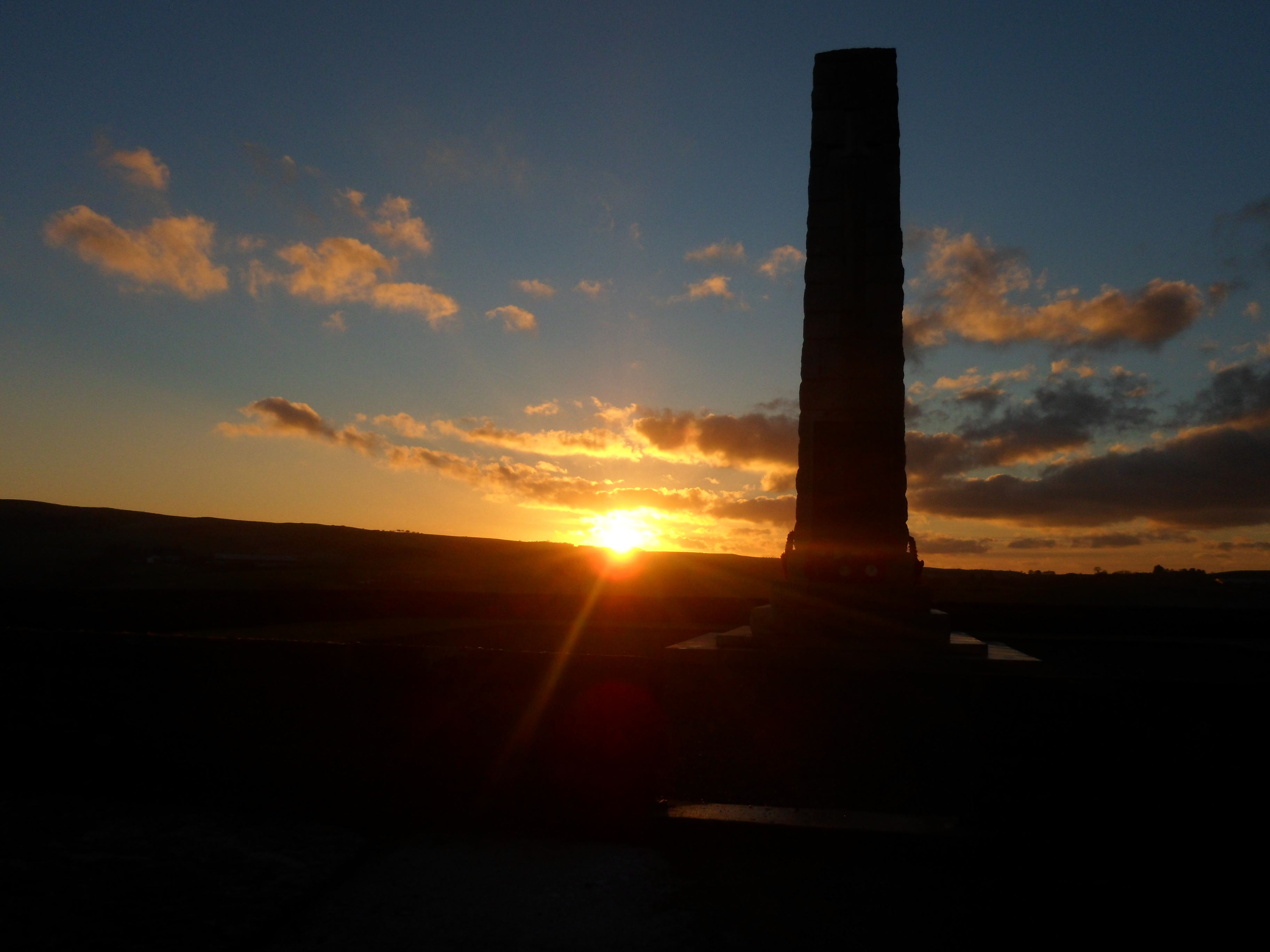
Arguing about who will do the washing up is a regular feature of our household at Christmas, as it probably is pretty much everywhere. It’s not so bad when you do it together. That’s the festive spirit, anyway. Then on Boxing Day we tend to go for a nice long walk – one year it was along Ayr Beach and through Belleisle, another through Maidens and Culzean, in past years it will have been places in England. Christmas Day used to be an early dinner and then sitting in  the hallway stuffing myself with Quality Street and playing the new Pokemon on my Game Boy Advance while everyone else watched the Queen’s Speech and boxsets of Only Fools and Horses. We still retain the tradition of eating bagels for breakfast (I wonder is this some kind of strange nod to our Jewish ancestry?), but nowadays it’s more a cheeky Amaretto or some Bucksfizz (maybe it should adapt and be Buckfast) and a lovely walk up to Maybole monument through the golf course and dinner at about eight when the crappy oven we have at home has finally decided to roast the parsnips. Both have their magic. The best part is still the waking up early to open my stocking. This year, I’ll be working Christmas Day, so I’ll have my Christmas on Boxing Day. But that’s okay, because Christmas is what you make it.

A typical Christmas scene...Bella worn out from opening her many presents...
A typical Christmas scene…Bella worn out from opening her many presents…

Time present and time past are both perhaps present in time future: A Year in Review

10350989_10152268098521309_5656240328826622387_n

How are you meant to review a year when the year itself isn’t quite over? You try and think of it as a block of time: a chunk of events lumped together to form some kind of history. You’re always reaching out for connections, trying to box things and label them as such. This was the year I got divorced and found my freedom; the year I graduated and stepped onto my career path to success; the year I lost someone dear to me and found solace in a new hobby. The movies have it all mapped out for us, the way we’re supposed to review the events in our lives. Facebook, Flickr and other social networks that we rely on help us with this theatre of memory, by archiving everything together in chains of photograph albums and status updates. Events are strung together in relation to chronology and names and computer-configured faces; what happened to who, who was tagged where, who liked this and who got married and who had a baby and who got promoted. Every element of time is rendered orderly, linear. Compartmentalised to make us all competitive, individual, empathetic, jealous. We’re moving on a straight line towards goals, achievements – more notches to add to our timeline.

But what end are we moving to? A timeline cannot flow on indefinitely; or can it? Surely it’s meant to document an A to B, a fixed period in time with all the events this period contains (contained). Life, as we commonly think of it, is a series of events strung together only by their relationship to the future, to development and change. We hate stasis; we love drama. Really, as Freud put it, what we desire is death.

Desire, however, isn’t quite as simple as this. Freud, as Deleuze and Guattari argued, ignores the basic tenants of capitalism. The need for more, more, more which arises not solely out of some psychoanalytic lack, but out of production itself. The act of purchase, the mesmerising experience of lifting up some pretty snow globe and spinning it in one’s hand and thinking I would like to buy that. The flicker of a giggle as we take it home, imagining how our new product is going to enhance the life that fills our fragile hours. Fill a room and create new topographies of mental space. For everything we see disrupts our schemas of reality, even if only slightly. The snow swirls up and covers the landscape and for that moment we are free from the chaos around us.

What we are looking for is T. S. Eliot’s ‘still point in the turning world’: that perfect moment where we are at peace with ourselves, where we see through to the present itself amidst all the churning miasma of the world we exist in. The wars and media images, the headlines and celebrity photographs and radio crackle and dance music beating and phones ringing and Blackberries bleeping and all the million signals that flicker in our brain as we gaze into a computer screen. For we are multiple, divided, networked creatures, always-already caught up in swarms of information. Time is not a static archive, but a rhizome of interconnected possibilities that flash and shift and click in our minds.

And what’s more, events in time always come back. The logic of the return. Write a sentence and press the Enter key. We aren’t just running forward into the bright light at the end of some metaphorical tunnel. We follow our lives in a loop. Spilling over and retracing our steps. Think, for example, of a book: meaning is made not from a linear plot, but from the intricate play of signifiers and motifs which weave a melody of meaning throughout the narrative, linking the past and present with a possible production of future. That old New Critical interplay between Fabula and syuzhet.

Real life too. Wars return and people die in the same way, as if re-enacting the past in some big-budget film, tracing archives of pain that carve out a bitterness in history. We stand in the mirror at roughly the same times each morning and perform the same routine. Routine, like it or not, structures our whole mentalities. That’s why culture is formed on the basis of habit and ritual. Religion falls in here too. Are we always waiting, as Yeats suggested, for the Second Coming? The ‘revelation’ that is always ‘at hand’, ‘surely’? Let’s circle back to the start – of the twentieth century, to be specific. Freud says our personalities are determined by the first few years of our lives. Our anxieties now repeat the biological functioning of our infant bodies. Are we so caught up in ourselves that we cannot think beyond our bodies?

***

What does it mean to be in simultaneous temporalities? I write this sitting by my newly-decorated Christmas tree, in the living room where I spent almost every Christmas of my life since the age of three. The smell of pine and the reflection of fairy lights through the window lighting up the pampas grass in the garden. Everything wondrous and dark. Remembering lying on the floor after a day in town drinking Jack Daniels and shivering cold on the bus and listening to Muse’s ‘Butterflies and Hurricanes’ and dreaming of another night so unlike this. The frozen park in November with the roundabout and fireworks and the tall black shadows of the distant trees. Now the steady showering of rain at the window, spraying like glitter under the orange lamp light. Once there were family members sitting where I sit now, all laughing and ripping open presents and drinking sherry. My dog Bella climbing over everything, whining and wreaking havoc with the whip of her tail. I slip through all these memories until they feed my present. I cannot focus on one thing alone. I feel like I am several people at once. I am no longer singular. No longer a statistical person.

What happens when you are no longer one person? There is a politics to this. There are the people that believe in return and repetition. People whose whole religion is based around recurrent events and cyclical time. The solstices of Paganism, then the spiritual systems of the Mayans and Aztecs. This contrasts with the Judaeo-Christian vision of linear time, which starts with Creation and ends with the Second Coming. But what if this Second Coming was always coming? To come? Since the present is contaminated with the future (unconsciously or not, the things we think and do are always shadowed somehow by some possibility to-come), doesn’t this render the idea of ‘the present’ almost impossible? Do we slip into the spirals of Yeats’ gyre and Derrida’s spectrality?

Are we on a road or an ocean? A stream or a snowball?

Capitalism and heteronormativity set out a life plan for us. Find a mate, get married, reproduce, recreate the system. Work, earn money, pay your way. Consume. These are all instrumental processes which work towards goals. Inside these events we make our own histories, certainly, and there is a degree of creativity and fulfillment. We aren’t just pawns. But this isn’t the whole story. Here comes in Judith Halberstam’s queer temporality. What happens to the temporal experience of those who do not follow this conventional route to eventual death? Who fill their lives with more entangled possibilities which are fraught with uncertainties and questions rather than fixed narratives and clear answers…

Remembering his lover’s death from AIDS, Mark Doty says: ‘all my life I’ve lived with a future which constantly diminishes but never vanishes’. The looming possibility of a non-future, a future without hope or action or life, shifts the focus back to the present. Gone are the regular goals of ‘making a living’, ‘providing for the future’, ‘putting something away’ for one’s children. The next generation are often invoked in political discourse. Global warming is dangerous because it will spoil the world for the children of the future. Non-heterosexual relationships are supposedly dangerous because they don’t follow the capitalist ethic of (re)production in the strict sense. Atheists threaten the idea of progression because they do not believe in a future beyond. The list goes on. Sometimes we are unaware of how important time is to politics. If we ‘queer’ time by questioning the validity of its conventional Western linear conception, what kinds of lives can we live in our present political realities? How can we change – perhaps even revolutionise – the system. There’s the old doctrine of Hedonism – live out your pleasures in the present with a general disregard for others and the future. But the present isn’t inherently selfish. It’s a place where people can come together and change things, without being bound to the very isolated narratives of old age and death.

Drugs, jobs, relationships and illness all alter our experience of time: slowing it down, speeding it up, blurring it, erasing memory, making us fearful for the future. As these things become less stable and more unpredictable, how will this affect the future?

Will we have a future, or will it be a series of presents? Can we really look to the future?

Maybe the answer is in science fiction.Think of Ursula K. Le Guin’s The Dispossessed (1974), which explores the concept of anarchist politics through ideas of simultaneous temporality and cyclical return. Revolution and repetition are in operation at the level of both form and content: story and narrative, narrative and story. Time revolves in curious ways around and between two planets, just as a moon revolves around the Earth…but what does the Earth do when you are on the moon? Einstein’s relativity comes to disrupt the easy narrative of linear time, even at the level of science…

Maybe the answer is also in our own experience. Think of a memory. Any memory you have: the first time you rode your bike, the time you fell over while dancing drunkenly on a beach in the freezing winter, the time you lost your first pet to the grovelling paws of death. All these memories do not stand alone in our minds like a physical photograph stuck and labelled in an album; but are rather bloated and blurred with the original anticipation of the event itself, and of the aftermath – the events which have happened since and in turn coloured the original. Repetition is not static but transformative. Moreover, human beings revel in repetition. The simple pleasures of revisiting an event, even if just to experience the same emotions again as they recur in a faded form like a polaroid misted by the breath of time. Maybe that’s why people have children, so they can do the things they miss doing as a kid. And as Fredric Jameson points out, in the postmodern condition of consumer capitalism, nostalgia becomes an industry itself, shaping culture from advertising to film and literature. As our lives get more complicated, faster, information-saturated – we return to an idealised, rosy history that is often removed from any genuine meaning.

***

I always find Henri Bergon’s work fascinating, when I can get my head around it. He was writing around the same time as William James, the psychologist that first coined the term ‘stream of consciousness’, which is still widely used today to describe the workings of our minds but also how these workings are depicted in certain kinds of literature. Yet a stream has linear connotations, assuming that our mind is always ‘in flow’ – moving forwards and never stopping or growing, just streaming onwards. Bergson, however, figured consciousness as an experience of ‘duration’. Think of any moment, any moment as it happens. As soon as you think of it, with a milli-gasp of a second, it’s gone again. Time is always shifting and never static or complete. While science might attempt to chart time in a linear, measured fashion with clocks and calendars and equations, in our psychological experience; time does not easily fix itself to such points. It can only be grasped by imaginative intuition; it is always fallible and contingent, never the same as each moment reconfigures the last, endlessly shifting our experience of the world and ourselves: ‘my mental state’, as Bergon puts it, ‘as it advances on the road of time, is continually swelling with the duration which it accumulates: it goes on increasing – rolling upon itself, as a snowball on the snow’. And so where does that lead us, if not to the icy abyss of our certain deaths?

Well, for one thing, it actually confirms that we are not mechanical beings, destined to follow the path that time lies out for us. Sure, we will probably all die. But importantly, if Bergson’s theory works, we have free will; imagination plays a significant role in determining our relationship to the past and future. The moment is always an evolution, and this gives us a kind of freedom.

There are, of course, a multiplicity of links between return, recurrence, rupture and revolution. The breaking free of history as history is understood in a linear manner, read from front to back like a traditional book.

Literature has a long history of delving into irregular conceptions of time. An example might include Tom McCarthy’s Remainder (2005), in which an unnamed protagonist decides to reconstruct a series of memories after coming into a large sum of money following a mysterious accident. These reconstructions are performed down to the smallest of details: the expression on an old lady’s face as she takes out the bin, the cats that prowl the rooftops, a crack in the wall, the pattern of floor tiles, the sound of liver frying in the flat below. What follows is a topography of static memory, caught in the narrator’s imaginative present. Time loses its linear quality as the past plays out in ‘real time’ with the narrator switching his memory scape into ‘on mode’, hiring ‘re-enactors’ to perform the roles of the people in his memory. And yet an amnesia and aporia haunts the narrative, as we are never quite sure where these memories originally came from; whether they even belong to the narrator. With a book like this, we lose the certainties of the traditional realist novel and the linear movement which often ended so finally with the closure of marriage or death – the first promising reproduction and progression, the latter an ultimate extinction that ends the line. There is something about the novel form in general that links it irrevocably to time; it is not contained in a performative moment like poetry, but must be read over a series of hours or days or even weeks. We physically must turn the page. Days pass in the novel, or maybe they don’t, as in the one-day novels of Woolf and Joyce (Mrs. Dalloway and Ulysses). Novels often concern themselves with memory and futurity; the sheer arrangement of sentences on a page, moreover, takes us through time. Time flows as we read. We make connections and go back again; we are at once linear and circular as we exist as minds in a novel.

But we are now in the era of the great hypertext, which denies all paths to origin in its networks of complex code and multiple nodes. The Internet exists largely in a state of simultaneity, connecting various presents from around the globe. And yet, like Bergsonian duration, it resists a static conception of time; everything about a webpage is always changing as new file paths are forged, different visitors leave their online traces, new links and reposts alter the original location. Life is a labyrinth, but we would do well to forget thinking about what lies at the end. Maybe we should focus on the here and now, and give ourselves the freedom to transform the present.

***

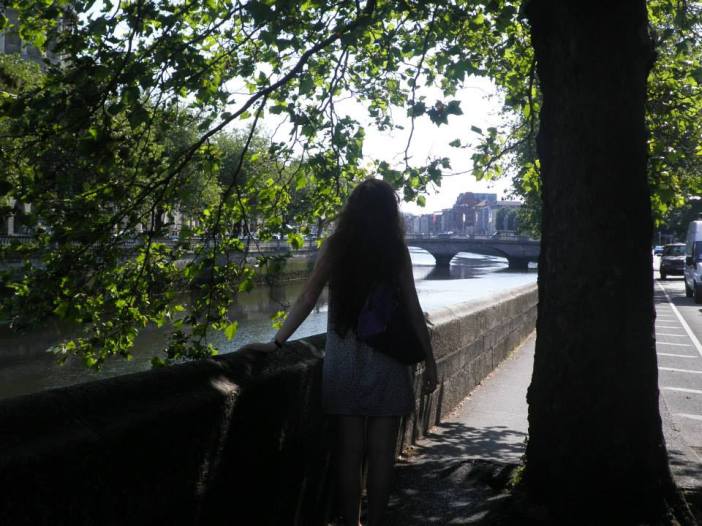
And this year? Well, this year started with a parting: losing my most beloved pet to death. All life is a natural cycle though, as the year ended with two new births in our family. On New Years Day 2014, I went for a walk to refresh my head from working the night before. A man stepped out of the 24 hour newsagent with a bottle of Mad Dog 20/20 and cracked open the screw top to a dream of futurity that ended in drunken oblivion. I feel this is somehow fitting.

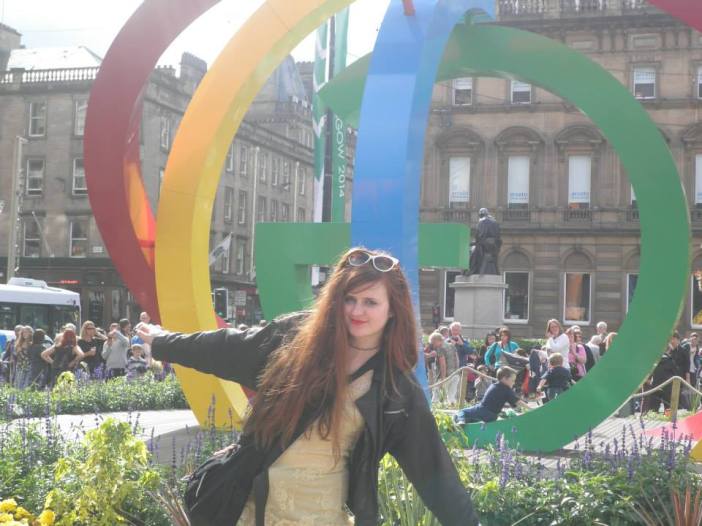
Most of my months passed in the library with the seductive glow of the computer stopping me from doing much other than reading and essay writing. I fulfilled both of my somewhat humble resolutions to a) do more creative writing and b) grow my hair down to my hips. I passed my exams and spent my 21st birthday hanging upside down at the park. Went to Dublin and even got a bit tanned and kind of liked Guinness. Saw Little Comets twice, first at Cabaret Voltaire and then Liquid Rooms in Edinburgh. Spent quite a bit of free time in Edinburgh actually; explored the Botanic Gardens and the beach at Portobello and went for walks at Dean Village. Listened to lots of Belle & Sebastien, Manic Street Preachers, the new Bright Eyes album and a heap of other stuff. Bagged an iPod classic before Apple stopped doing them. Had one of my best Wickerman Festivals and ate coffee granules for the first time. In August I went down to England to see family and ended up at Stepney Green, going ‘back to the ancestors’. Drank a lot of ginger tea and did some yoga. Went to Loch Lomond. Averaged about a kilo of chocolate a week, mostly Dairy Milk. Got a blog article put up on WordPress’ Freshly Pressed which was lovely. Went through the referendum and came out a little deflated but unscathed. Also enjoyed the spirit of the Commonwealth Games, even if I couldn’t really give a toss about sport. Saw an amazing sunset on Ayr beach, all alcopop pinks and oranges burning and sinking into the silver sea. Wrote three times my dissertation then another proper word-count-conscious dissertation and didn’t go completely insane. Served Alasdair Gray some brandy and a few months later . Started playing trombone again. Enjoyed one sip of red wine and dyed my hair strawberry copper. Went to a conference call to Peter Singer. Changed my favourite study space in the library…

Yep, as you can probably tell, my 2014 hasn’t been exciting by most people’s standards. But you know, it was a very good year overall. God knows where I’ll be a year from now, having graduated and moved out and hopefully made some provisions for the future. But even if I haven’t, even if it seems that not much has changed, what does it matter when everything dissolves in a series of moments? 😉
10489865_10152315313756309_3620620074657700141_n

Some Reading:

Deleuze, Gilles, and Felix Guattari, Anti-Oedipus: Capitalism and Schizophrenia.

Bergson, Henri. Creative Evolution.

Eliot, T. S. Four Quartets.

McCarthy, Tom, Remainder.

Halberstam, Judith, In a Queer Time and Place: Transgender Bodies, Subcultural Lives.

Perfume Junkie

(So I thought this article was kind of Christmas appropriate, given that in the familiar nativity story, the Three Wise Men bring Jesus the precious scents of myrrh and frankincense.)

***

‘Perfume is like a parenthesis, a moment of freedom, peace, love and sensuality in between the disturbances of modern living.’

(Sonia Rykiel)

‘To create a perfume you have to be the servant of the unconscious. Each idea evolves and transforms, but there should be a surprise with each note.’

(Serge Lutens)

Perfume is a strange part of our everyday lives that acts as a channel of sorts. The word perfume comes from the Latin per (through) and fumum (smoke). This conjures the image of an ethereal essence which, like smoke, carries through some kind of message. We might think of it as an unspoken means of communication, a way of emitting some essence of ourselves to those who happen to pass close enough to catch a glimpse of our secret aroma. One that releases itself only from certain spots on the body, places we have chosen to let the scent develop. I love the way that glossy magazines and figures of high fashion talk so indulgently about perfume. It’s like poetry: a complete decadence of revelry in words. It’s like reading a wine list and falling for a string of adjectives rather than the taste of the drink itself. Rich, smoky, full-bodied, bursting with dark fruits. The poetry of advertisement aims to seduce. So too does perfume: it is a seduction not only in a sexual sense but also a seduction of self. A seduction of memory.

I was probably about nine or ten years old when I made my first forays into the world of fragrance. Certainly, I was still at primary school. I used to sneak into my Mum’s bedroom while she was eating her breakfast downstairs and try on what she had. Her dressing table was never cluttered with pretty glass bottles (more like heaps of unusual jewellery and hair mousse), but she did have a couple of classic Body Shop numbers. There was of course the famous White Musk, which I started wearing often. I liked the soft but heady smell it had, not too overpowering as a floral but sweet enough to stir your senses with its blend of ylang ylang, jasmine, rose, musk and lily. Then a while later, she gave me a bottle of spray she didn’t want, this time the Body Shop’s Oceanus. Or was it Ocean Rain? – no, I am getting confused with an Echo & the Bunnymen song! It was actually quite a strong one, though it wore off fairly quickly. I suppose it was meant to smell sharp and fresh like the ocean, and actually it was quite a nice one to wear at school where P.E. and stuffy classrooms were never conducive to pleasant aromas.

We were of course, forbidden deodorant in P.E. This was at secondary school, where everyone was aware that they had, y’know, adult bodies now, bodies which tended to sweat after exercise (even the half-hearted exercise we attempted in class). The teacher would storm into the dressing rooms at even a hint of spray being used, demanding that the most suspicious looking pupils empty their bag in front of her to reveal the contraband goods. She must have hoarded a whole treasure trove of Charlie and So…? and all those other brands we clung to as adolescents. On such days I would hide my little bottle of Oceanus in a glasses case at the bottom of my bag and spray it liberally once the coast was clear. A sea tide of refreshment filled the room. The contents of that bottle seemed to last forever; in fact, I think I still have some left in my bedroom.

The first perfume that was gifted to me was a miniature bottle of Burberry Touch. It’s a pretty intimate scent, threading together notes which include jasmine, raspberry, pink peppercorn, vanilla and oak moss. It sounds sweeter than it actually is: this is a strong scent but also has an air of sophistication. It feels grown-up and even a bit masculine (perhaps that’s the base notes of Cedarwood and oak moss?). I was fourteen when I got it so it ran out fairly quickly, but I now have a big bottle of it on my dressing table.

I also, at quite a young age, acquired my mother’s bottle of Yves Saint Laurent’s ‘Paris’. Launched in 1983, this distinctive scent was meant to capture the spirit of Paris with its heady blend of Damascan rose and violet, which after hours of being on your skin transforms into English rose and whispers of mimosa, sandalwood and musk. There are other beautiful notes in there: orange blossom,  amber, jasmine, hawthorne, heliotrope. It’s so complex that I’m still working out whether I actually like it or not. I wore it all the time until I was about sixteen. It’s far too grown up a scent for someone to be wearing at that age, but somehow it matched my wearied spirit. It felt almost exotic, a smell from far away. Something about it matched the impressionistic notion of Paris I had; a Paris which shimmered with the seductions of beautiful art and mysterious, moody people. It was certainly a smell which took you out of the dreary realities of Maybole, if only for that first spritz in the morning. The pale gold bottle with its crystalline, faceted surface and satisfyingly chunky feel still has pride of place on my shelf back home. I’ll spray it every now and again – what’s left of it – when I feel the need for a bit of escapism or nostalgia.

Source: https://www.flickr.com/photos/jsgutierrez/8778507488

I like to think that when I’m using perfume I had years ago, I’m speaking to some secret old self, one that got lost in the ethereal tangles of time and change and forgetting. For Christmas two years ago, I asked for a bottle of Chloé perfume. Chloé was the first ‘proper’ fashion fragrance I bought for myself, when I was fifteen, in the Christmas sales of that freezing winter of 2009. To this day it’s definitely still one of my favourite scents. Along with Miss Dior Chérie (the orange one), which I also had as a teenager, it’s a romantic scent, sparkling with pretty florals and a dab of French sophistication. Both bottles are adorned with a ribbon to signify the femininity and lighthearted spirit they intend to convey. Chloé is quite a strange and unusual floral, with rose at its heart, honey at its base and the tartness of lychee as its top note. The blend is very smooth and does not induce headaches like some other more couture brands; it is at once instantly recognisable and also quietly luxurious on the wearer’s skin. When wearing it, you want to be riding a vintage bike through some sunshine street in Paris, where all the lamps light up for you, and your destination is a quiet picnic in the park, or a date with a good paperback under the canopies of a Montparnasse café. The bottle is quite short, almost stumpy in comparison to the tall thickness of Burberry Touch, but this makes it easy to cup in your hand to apply. It sits prettily on my dressing table, even with only a few dregs of scent left in the bottom, amid bottles of glitter nail polish and fragments of hair ribbon. If I had to pick a ‘signature’ perfume, it would be Chloé; a friend once texted me saying she was spraying it in a shop and instantly thought of me, which was sweet.

Source: https://www.flickr.com/photos/idhren/7171470710/in/photolist-aktUVr-8QgRJY-63ty7o-dp8nWE-8N2gQN-bVHEEq-bWrF59-bVHF4w-bVHEoJ-6u9PLc-ea9vW5

When I got my second bottle of Chloé, the scent instantly evoked that feeling of being fifteen again. It wasn’t an entirely bad experience, it was a taste of having that smallness, that protected enclave of a childhood world again. Or at least, the experience of being on the brink between the world of childhood and the uncertain future of adulthood. Perfume, I suppose, makes an industry of Proust’s ‘involuntary memory’: the idea that under certain conditions, one is transported back to a clear, distinct memory. Not wilfully, but through some item containing the ‘essence of the past’, whose sensory associations stir up the scene of some personal history. For Proust, eating a tea-soaked ‘madeleine’ cake recalled a childhood scene where he ate such a snack with his aunt. For me, spraying Chloé makes me think of warm radiators and school mornings in the cold pits of winter, or getting ready to perform in jazz band concerts, sweating under the hot lights. Leaning against the window of the 361 bus, reading Margaret Atwood. Floating through Ayr on the way to college, stopping always at Debenhams to spritz on their testers. I’d spray the little pieces of cardboard they provide you with and slip them in my bag, so that all my notebooks smelled of my favourite perfume. Sometimes my friends and I would spend an hour or so trying on all the perfumes, until we left smelling like we’d fallen through some vat in a Dior factory, causing everyone in our near vicinity to sneeze violently. I still enjoy doing that, although these days I set my sights on the counters at House of Fraser.

Strangely enough though, the older I get, the more I’ve switched to simpler scents. Part of this is a side effect of student stinginess, but I also like the freedom of buying several scents and being able to choose between them, to suit the weather or the seasons. I guess perfume is just something I tend to waste my wages on, the way that others waste them on Asos, cigarettes or vodka oranges. I have too many Body Shop Eau de Toilettes to count. There’s Chocomania, a very rich and some might say saccharine rendering of lush dark chocolate – perfect for those gloomy winter mornings when already you’re craving your bed and some hot cocoa. The distinctively tropical Coconut, which is, admittedly, more Bounty Bar than fresh jar of cold-pressed coconut oil. Then there’s the clean bright tartness of Satsuma or Strawberry, refreshing for summer. The milk chocolate and almondy sweetness of Brazil Nut. Honeymania, which does what it says on the tin and makes for a perfect late summer scent. I suppose, at less than £10 each, these perfumes make great little gifts or stocking fillers, which last a surprisingly long time. You could mix and match your scents (I like the sound of chocolate orange, brazil & coconut or honey & strawberry), and the small light bottles make them portable for your handbag. And with Body Shop (I swear I’m not a brand ambassador!) there’s always the positive that everything is ethically produced, usually from Fairtrade ingredients.

In a pricier range of perfume, I recently revisited one of my favourite childhood smells, Penhaligon’s ‘Bluebell’, which I got as a present for my 21st. When I was a very little kid, my dad brought back from a trip to London a velvety purple bag full of Penhaligon’s samples. They had enchanting names, like Elixir, Gardenia, Elisabethan Rose, Levantium (oh to have a perfume with the top notes of saffron and absinthe!). The one that stuck with me was ‘Bluebell’, which felt the most quaint and old fashioned of all the scents. The bottle, for one, is gorgeous, a little bit Art Nouveau, a little bit of simple prettiness. I could easily imagine myself, smelling it now, as a little girl running about in a field of bluebells. It’s not over-sweet or stuffy; it reminds me of the kinds of luxurious scents that would be spritzed around in early twentieth century department stores. I think of Cassandra and Rose in one of my favourite books, Dodie Smith’s beautiful coming-of-age novel, I Capture the Castle (1948), as they wander through the fairyland of such a store in London and marvel over the bluebell perfume. You see, there’s more than just chemicals and packaging to perfume; it always has some kind of rich cultural and personal history living in its notes.

bluebells in Culzean woods

***

Do you remember your first science classes? Most of those memories are probably enriched by the strange smells concocted from an uncertain mixture of suspicious substances. The rotten eggs of sulphur, the acridity of various nitrates. What stands out most for me was a lesson where for some reason we were experimenting with burning different types of foodstuff over our Bunsen burners, to measure reactions to starch or something. Somebody’s Pickled Onion Monster Munch made the entire classroom smell like a Chinese restaurant. The process of perfumery, while aiming for more delicate blends of scent, follows, of course, a similar (but infinitely more sophisticated) chemical process. A perfume will blend natural sources – flowers, fruits, wood, roots, gums and resins – with synthetic productions of those ingredients which don’t produce their own oils naturally, for example lily of the valley. An intriguing guide to the complex scientific process through which these raw ingredients turn into perfume can be found here. I especially like the sound of the enfleurage step, where ‘flowers are spread on glass sheets coated with grease’. Over time, the grease absorbs the scent of the flowers, like a leaf absorbing rain water, just as expression collects the precious oils of various fruits. Alcohol and water are used to distill and preserve the fragrance. That’s why you should be careful not to spray perfume on your eye, or an open wound – or an open fire, for that matter.

Source: https://www.flickr.com/photos/karen_roe/

Interestingly, like champagne or wine, a ‘fine’ perfume is left to ‘age’ to let the blends develop. Maybe this is why Chanel No. 5, for instance, is such an iconic symbol of ultimate luxury. Its yellow-gold colour always dazzles in department store Christmas displays, but it also reminds one of a pale whisky or dark champagne. Like alcohol, it is intense, maybe even difficult to stomach. Infinitely seductive… complex to create…

Perhaps, like aromatherapy, there is a system to the choice of various scents and flavours. A science to how different people are attracted to different things. While some like a fresh burst of citrus, others revel in the dark sweetness of the likes of Thierry Mugler’s Alien perfume (not a fan). We can all guess that lavender makes you sleepy, lemon is awakening…but maybe there’s more to it all than that. A curious interaction of emotion, memory, desire, sensation… Maybe, after all, it’s the cold December air that led me towards my latest perfume purchase, returning full circle to my first White Musk perfume, only this time with the Body Shop’s newest fragrance, ‘Red Musk’. With its fiery bottle which blends amber, red and black, this Eau de Parfum combines the smouldering notes of tobacco, pepper and cinnamon with a layer of spiced musk. With cinnamon, it’s a dark, shadowy twist on a festive fragrance. Moreover, it’s about time perfume embraced androgyny, as this scent does with its hints of tobacco. Gone are the feminine florals of summer. So while I might be accused of being a hoarder, stashing my perfumes like a witch hoards her bottles of potion, maybe I can justify buying this particular perfume because anything that makes you feel warm (in a flat with single glazing) has got to be good, right?

The Dreaded Dissertation: What I Learned

10403656_10205253331963255_7088982379762791638_n

It’s that little thing at the back of every undergraduate arts student’s mind: the dreaded dissertation. You find yourself at a Fresher’s Fair in the grand halls of some ancient university, poring over a prospectus for your dream course. There’s that word ‘Assessment’ and then, if you follow down the page, the words ‘Senior Honours’ and ‘Dissertation’. The percentage, length and allotted time period will vary between universities and courses. From my experience, it seems English Literature is fairly unique in its allocation of just one semester to complete your 8-10,000 word dissertation. Most other people I’ve spoken to tend to get two semesters, from September to March/April, to write their academic ‘masterpiece’.

Well, it’s not really a masterpiece, is it? It’s basically just several essays woven into an extended argument. Sounds simple enough. The trick is, they all say, to find a topic you really love and stick with it – if you manage that, then writing and researching will be a breeze. For some people, this part is easy. They’ve been waiting their entire degree to write about queer tropes in Medieval dream visions, the gender politics of Harry Potter, or, as Sylvia Plath’s Esther Greenwood prepares to write her thesis on in The Bell Jar, twin motifs in Finnegans Wake. For others, picking a topic is perhaps the hardest bit. I fell into the latter category. The advice we are always given is read as much as you can. Devour everything. Make notes, talk to lecturers. So in my junior honours year, I picked the courses that I suspected would be most up my street: American Literature 1900-Present, Modern Literature 1890-1945, Modern Literature 1945-Present and Literary Theory. All courses I would highly recommend to anyone in second/third year thinking ahead to picking next year’s honour’s courses. I suppose the whole time I was tracing vague themes that threaded themselves through my favourite books on these courses: textual effects of the uncanny, pastoral modes, madness, poststructuralist subjectivity, psychoanalysis, psychogeography, as much Derrida as I could even slightly get my head around.

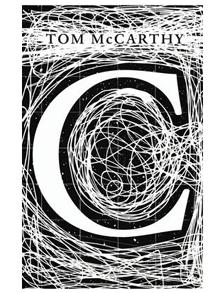
In the end, my dissertation interest fell on technology, as I was seduced by a very strange novel on my 1945-Present course: Tom McCarthy’s C. In a way, it’s an encyclopaedic novel which picks up on all of my favourite themes. A novel which, at the level of both form and content, weaves together questions of modernity, the avant-garde, wireless technology and theories of networked society and subjectivity. It’s a novel haunted by the flickering presences of insects, war, Freud, Joyce, Kafka, Ballard, Marinetti; a novel which inhales and exhales as many intertexts as it can possibly breathe in. A novel which disturbs with its themes of incest and violence, its lack of a strong sense of humanist ‘character’, but enlightens with mini-lectures on entomology, Egyptian history, the workings of various technologies. There are also bouts of dark humour that keep you sane throughout the narrative, along with its beautifully crafted imagery. McCarthy cleverly invokes the emergent technological communications of the early twentieth century to comment on our present condition in a world saturated with wireless signals and the ever-present dominion of the Internet, which is not really external to us but rather an inherent web through which we live our daily lives and experience our desires.

mccarthystory_1700554f

We had to submit our dissertation prospectus right after our exam period in May of this year. That was a stressful time; even though these prospectuses aren’t binding, it’s still difficult to come up with a semi-logical argument and assemblage of texts when your brain is still fried from months of exam revision. Still, it’s good that we were forced to think about it early. I spent the first couple of months of summer rereading my primary texts and thinking about some ideas I wanted to develop. By August, once I’d returned from seeing family in England, I suddenly hit panic station. In a month or so, I’d be returning to uni and then it would be a matter of weeks before the deadline. I thought of all the things that might threaten my ability to complete the deadline in that time. Being called for Jury service, work, deadlines for my other course that semester (Modern American Women’s Writing), a freak spell of perishing weather, my laptop dying, losing my pen-drive, falling into the dark pits of writer’s block or depression – the worries dragged on. Thankfully, these things either didn’t happen, or only happened to a perfectly manageable degree. In fact, it turned out to be possibly my favourite semester at uni.

You see, there’s something very rewarding and liberating in being charged with your own project. There are no specific guidelines for your particular topic: aside from the annotated bibliography and the final submission, you set your own deadlines; you decide the scope of your topic, the texts you want to read; you aren’t harrowed by the prospect of a final exam which may necessitate the memorising of quotes from every last piece you find yourself reading. Of course, it varies from supervisor to supervisor your experience of all these things. They are there to give you advice, to offer you ideas for further reading, but everyone goes about it in different ways.

So throughout August and September, while we were being blessed with an unusually bright summer, I found myself in the pits of the library almost every day, trying to get my head around all the theory I was planning to use. I read countless journal articles, chapters from monographs, books on or by the likes of Freud, Derrida, Deleuze and Guattari, Friedrich Kittler and Bernard Stiegler. Interviews with all my chosen authors. I jotted down pages and pages of notes, filling up a little sparkly notebook I’d bought to encourage me to get started early. My bibliography was already totting up nicely with tons of references. I was putting together a plan. It felt good, to feel motivated enough to work this hard.

Luckily, I managed to keep the momentum up throughout the semester. I wrote the dissertation originally split into three large chapters, the first two comparing various texts and the third focusing on C. It was easy to write (early mornings in the library or in bed) with my personal harsh deadlines always in mind. If I finished the thing early, I could breathe easy again. Fuelled on green tea and Dairy Milk chocolate, I got most of my dissertation written by Reading Week (mid-way through term). The problem was, my word count had gotten waaaaaay out of hand. I thought this was okay; just write now, edit later. But it’s kind of impossible to cut out as many words as I had. I tried rewriting the middle chapter over Reading Week and all I succeeded in was cutting the odd paragraph and making my prose sound better; there was still some serious trimming to be done. I went to my supervisor and pleaded my word count woes. Her excellent advice was to pick one – just one – chapter and stick with that. Now that’s a terrifying thought when you’ve just spent four months researching and writing on four primary texts that you’re no longer going to use. Nevertheless, it was something I had to do; I felt that to condense my argument as it was would jeopardise the quality of my analysis. Maybe one day I’ll go back and re-work my discarded material for a Masters. It’s a thing we all have to go through as Lit students, getting the balance between variety and depth. Fitting in both theory and close reading. In the end, I chose my third chapter on C and completely rewrote it with smaller chapters. Time will tell if that worked out okay.

Sometimes I think back to the process of dissertation writing we went through in sixth year at school, writing our Advanced Higher dissertations. Admittedly, they were half the size: English Lit at 4500 words, Modern Studies at 5000. You got all year to write them and in theory, there were more opportunities for help. Still, although I worked consistently throughout the year on both, there was still that last-minute panic dash to sort out small things: referencing problems, formatting issues, those evil little things that you think will be okay but come back to bite you. I remember the day before the Modern Studies one was to be handed in, my teacher phoned my mobile to tell me he just opened it to read and noticed that there were footnotes missing, or just floating around my document. So I had to get the bus back from college and traipse into the school that night at six o’clock to fix it. Similarly, last Tuesday night I found myself at five to six (and I needed to be somewhere else at six) in a tizzy at the library, surrounded by heaps of messed up paper and broken hopes. I thought I’d finished it, proofread it fifteen times (and got others to proofread it) but reading it again I was still finding things that had mysteriously disappeared, moved, or simply needed replacing. The bibliography giving me the wrong page numbers. Queue a mad dash from my computer to the library printers (over and over) as I kept replacing the mistake-ridden pages. This day was perhaps the most stressful in five months of working on the dissertation. No kidding, give yourself as much time as possible for formatting and proofreading. Word processors will be the death of me.

Maybe this is all hyperbole; after all, I got my dissertation in over a week early. What a great feeling, although it’s only now that it’s hitting me. It’s hard to grasp how much of your mind is occupied by your dissertation until you’ve done one yourself. Until you’ve handed it in. Even now, I still get names and references flashing through my mind and I worry did I put that in the bibliography? did I remember to mention this theory? where did that quote go? It’s really difficult to let it go.

Nonetheless, it’s not all fear and stress. In the end, I loved my topic and can really see myself going back to it, rewriting and expanding it in the future. Your dissertation is one of the most satisfying pieces of work you’ll ever produce at uni. Scrolling through the finished document, it feels good to see all that prose stretched out over many pages, and know that it’s all yours. You wrote it. You should be proud of that, no matter what mark you get. Sure, there will be times when you want to hide under your bed or a desk in the library and cry, when you want to fling your books out the window or delete every last silly word you have written, but in the end you have to break through the pain and just get it written. Accept it and let it go. If you get writer’s block, spend ten minutes free writing on anything at all that’s irrelevant to your dissertation. The weird person sitting opposite you in the library, for example. This should help to get your ‘writer’s flow’ back. Moreover, chocolate helps (indeed proves invaluable), as does a supportive friend (and/or flatmate). There’s a warm sense of ‘we’re all in this together’ amongst fourth year English students, particularly as the dissertation is such a lonesome project, so it helps to talk to someone about your ideas. Also, obviously, as everyone always says, a good topic makes for a good dissertation. But either way, it will be okay. You have to learn to be good with timekeeping, to narrow your argument and find ways of connecting and condensing it. All very useful skills for any kind of future critical writing you might engage with. And out of all the stress, the feeling of finishing your dissertation makes all the hard work worth it. So to anyone who has any kind of dissertation to write either this year or next, I say don’t dread it, but look forward to it.

Punk, Politics and the Personal: In Praise of the Manic Street Preachers


tumblr_nd4vd77mIC1qj3j7go1_500

One of my earliest memories is being at my dad’s old flat and messing with the hi-fi player to get attention. It would’ve been around about 1998, the year the Manic Street Preachers released their album, This is My Truth, Tell Me Yours. Maybe my dad and my brother were watching rugby on T.V or something, and I’d read all the books I’d brought with me. Well anyway, I thought of a keen plan to wind them up. I turned on the hi-fi and skipped to my dad’s favourite song (at least, his favourite song that wasn’t anything by U2!) and let it play. Loudly. And then I put it on repeat. And then I stopped letting it play out; I just played the first bar or so then pressed repeat and played it again, as if it were on a loop, inducing hypnosis. Incidentally, those first few notes are inscribed into my memory. The song was ‘You Stole the Sun from My Heart’.

Since then, I’ve drifted through life with the Manics not far from my consciousness. When I was about fourteen, I discovered some of the darker tracks from The Holy Bible online and basically that was me sorted for emotional outlet. What better lyrics do you need as an existentially-frustrated teenager than: ‘self-worth scatters, self-esteem’s a bore’? However, it’s only this summer that I’ve come to properly listen to the album in full. By pure coincidence, it just so happens that this year marks the 20th anniversary of The Holy Bible’s release. I was one year old when it came out. Funny, how it still rasps with fresh energy, all these years later when a whole new generation are beginning to appreciate it. It has songs about capital punishment, anorexia, the Holocaust, prostitution, aching nostalgia, suicide and (metaphorical) political sex scandals. At times it can be painful to listen to, with its throbbing, angry bass-lines, and packed-in lyrics which scream razor-sharp poetry: ‘Your idols speak so much of the abyss / Yet your morals only run as deep as the surface’ (‘IfwhiteAmericatoldthetruthforonedayitsworldwouldfallapart’). James Dean Bradfield is a master at the smashing (in the literal sense of smashing), punkish guitar rhythms and sailing solos that almost make your brain hurt. At the same time as being able to throw out all those lines, a million a minute. It’s brilliant. I can only imagine how amazing it must’ve felt, back then, to go out and buy this brand new album and listen to it on a Walkman and feel, more than ever, electric and alive. And angry at everything.

The Holy Bible is now considered an early 1990s classic, to be filed alongside the (considerably cheerier) offerings of 90s Britpop; for example, Oasis’s Definitely Maybe (1994) and (What’s the Story) Morning Glory? (1995), and the holy bible of grunge, Nirvana’s Nevermind (1991). While the rest of British music was penning the likes of ‘Live Forever’, ‘Rock and Roll Star’ and ‘Park Life’ – drunk anthems for the boozy masses (and still we love them, if only in secret) – the Manics were deconstructing contemporary society (class, political injustice, historical trauma) and existential crisis through the spike-edged modes of punk, pessimism and fury.

ManicStreetPreachers_TheHolyBible

Moreover, as its title suggests, The Holy Bible is more than just an album: it’s also a text. A network of references and quotes, provocative enough to set you on a trail of philosophical and literary discovery. The voracious listener is able to devour even more information by following up the sources scattered over its songs, learning at the same time as participating in this performance of knowledge. Camus, Foucault, Plath and others haunt this album, through direct references but also aesthetics. There’s Plath’s visceral emphasis on the body and its various contortions and distortions, its ruptures and vulnerabilities: ‘a tiny animal curled into a quarter circle’ (‘Die in the Summertime’). The title of track ‘Archives of Pain’ pays homage a chapter in David Macey’s 1993 biography of French philosopher Michel Foucault (who wrote Discipline and Punish), and the song itself considers changing societal values with regards to punishment, although it is ambiguous as to whether the song advocates a return to capital punishment, or a refusal of the glorification of serial killers. Lyrics such as ‘prisons must bring their pain’ and ‘the centre of humanity is cruelty’ offer a bleak, Lord of the Flies rendering of humankind’s essential lust for destruction, its need for revenge. While Nicky Wire and Richey Edwards collaborated on its lyrics, Richey seems to claim it as a ‘pro-capital punishment song’  (see Harris 2004), while Nicky told music magazine Melody Maker: ‘everyone gets a self destructive urge to kill, but I don’t particularly like the glorification of it. The song isn’t a right-wing statement, it’s just against this fascination with people who kill’ (cited in Power 2010). The ethical ambiguity of this song adds to its disturbing quality, its fury that cannot quite be pinned down.

The album also crackles with various audio samples, a ghost chamber of voices which include a fragment from an interview with the mother of a victim of Peter Sutcliffe (the 1946 so-called ‘Yorkshire Ripper’):

I wonder who you think you are
You damn well think you’re God or something
God give life, God taketh it away, not you
I think you are the Devil itself

And when you hear it, you’re chilled to the bone, before being thrown into the savage world of ‘Archives of Pain’. There’s also a quote from the author J. G. Ballard talking about his controversial novel Crash (1973), which flashes in as a soundbite on ‘Mausoleum’: ‘I wanted to rub the human face in its own vomit, force it to look in the mirror’. Mausoleum is a song inspired by a visit to Auschwitz, to the barren landscapes where concentration camps once existed, but still linger. The chorus is simply:

No birds – no birds
The sky is swollen black
No birds – no birds
Holy mass of dead insect

It’s painful and bare, so that listening to it, you imagine a dark carcass of a sky, heavy with the traumatic void of its past. The ‘dead insect’ which serves not only as an image of the barren remainders of death, but also perhaps as a reference to those swarms of people who were so brutally dehumanised during World War Two. And Ballard’s quote captures everything about The Holy Bible: it’s visceral, it forces you to confront the shadows of your own self, and of humanity. It provokes an abject reaction, through its images of self-harm, dismemberment, corrupt sex and violence. At the same time, it ‘obliterates your meaning’ (‘Mausoleum’); it shatters all attempts to make sense of the traumatic events it references. The conventional linear progression of melody and song and perhaps even narrative in an album is broken up with intertexts and ghosts, and perhaps that’s why it still lives on today. Unlike, perhaps, an Oasis album, which is nostalgically evocative of more simpler, hopeful times, it doesn’t feel in the least bit dated. Its endless trail of references add shadow and depth to its meaning.

richey-edwards

But perhaps, listening to it now, you feel that it’s haunted most by Richey Edwards himself, the band’s fourth member who penned (Nicky Wire has claim to the other quarter) 75% of the lyrics. Following bouts of depression, self-harm and an eating disorder, Richie disappeared one morning in January 1995, just before he and James were due to visit the U.S. on a promotional tour. In February, his car was found abandoned at a service station near the Severn Bridge. Since then, almost twenty years on, still no evidence or trace of Edwards has been found. Even though he was pronounced officially ‘presumed dead’ a few years ago, the aporia of his disappearance remains. Of course, this allows fans to string mythological tales about his reappearances around the world. The lack of closure is perhaps what is most distressing: the not-knowing, the sense that at any time he could come back into his friend’s and family’s lives. Listening to The Holy Bible, Richey’s personal suffering is of course inscribed in every line, even though most of the lyrics reach a universal, almost transcendental pain at times: ‘I’ve long since moved to a higher plateau’ (‘4st. 7lbs’). And then you hear him when listening to the Manics’ later albums, which are still full of Richey’s presence/non-presence in the band: ‘You keep giving me your free air miles / What would I give just for one of your smiles’ (‘Nobody Loved You’), and ‘As holy as the soil that buries your skin / As holy as the love we’ll never give / As holy as the time that drifted away / I love you so will you please come home’ (‘As Holy as the Soil (That Buries Your Skin)’).  Richey’s bandmates even dug out his old notebooks, with permission from his family, to use as the lyrics for their 2009 album, Journal for Plague Lovers. Maybe the most painfully intimate Richey track is the final song on this album, ‘William’s Last Words’. Arranged by Wire, it features soft guitar strokes and his crooning, deep voice singing about voyeurism over lines of loss and death that almost sound a melancholy joy:
Isn’t it lovely, when the dawn brings the dew?
I’ll be watching over you
Isn’t it lovely, when the dawn brings the dew
I’ll be watching over you

It ends with the bittersweet lines: ‘I’d love to go to sleep and wake up happy, / Wake up happy’. It’s a stripped-back Manics; it’s simple but stays with you, innocent and chilling, like the blood-spattered Jenny Saville artwork that adorns Journal’s cover:

manic_street_preachers_journal_for_plague_lovers_1241170684_crop_550x550

In this album we also see again that familiar combination of theory and fiery politics, as the opening track references Noam Chomsky’s book, Rethinking Camelot: JFK, The Vietnam War, and US Political Culture (1993):

Riderless horses on Chomsky’s Camelot
Bruises on my hands from digging my nails out
A series of images, against you and me
Trespass your torment if you are what you want to be

The sense of our powerlessness to media and mediated disaster is captured here in just a few frenzied lines. ‘A series of images’: the sense of personal and political conflict flashes past us in handfuls of words, just like the way that war plays out through the flickering light of our television screens. Chomsky’s book documented a critique of Kennedy’s foreign policy in Vietnam, and these themes of military funerals, fallen soldiers, geo-political conflicts and human sacrifice in war are all invoked in a handful of words, powerfully delivered as ever by Bradfield. We might think also of ‘Kevin Carter’, the trumpet-tinged single from Everything Must Go (1996) which documents the story of ‘Bang Bang Club’ and Pulitzer Prize-winning photographer, Kevin Carter, who famously suffered from the haunting scenes of all the killings and suffering he had witnessed (and indeed photographed) and eventually committed suicide. The Manics, not just with their military-inspired outfits, are consistently attuned to themes of war and death.

The mysterious story of Richey and the Manics is of course seductive, and perhaps part of the enshrinement of pain that goes with their mythology, but they are also an incredibly uplifting band. They kick the listener into political engagement, which is refreshing in a time of political apathy (or the complete neglect of politics in most pop and rock music, with the exception, perhaps, of Muse’s Matt Bellamy and his crazy conspiracy theories). Songs like ‘The Masses Against the Classes’ and ‘Design for Life’ are songs about working-class experience and class politics in the post-Thatcher era. Of course, being from Blackwood, an ex-mining town in Wales, the Manics are all familiar with the catastrophic effects of deindustrialisation upon communities. Seeing the life and soul of a town being lain to waste after the rich won the class-wars of the miners’ strikes. Their eleventh studio album, Rewind the Film, closes with the song ’30-Year War’, which references the Battle of Orgreave, the Hillsborough disaster, coverups at the BBC (and oh how there are many – from Savile to Scottish Independence) and has the refrain, ‘the old-boy network won the war again’. It’s depressing, but realistic in our time of austerity. Has much has really changed from the Thatcherite legacies of the early 1990s, when the Manics came into being? Arguably, with the rise of UKIP and a weakening Labour party, the ‘working-class’ opposition to neoliberalism faces an even deeper well of apathy.

Source: walesoline.co.uk

On the subject of far right politics, funnily enough last year the far-right English Defence League (EDL)  tried to appropriate the Manics’ 1998 hit ‘If You Tolerate This Your Children Will Be Next’ for promoting a demonstration in Birmingham. The song features the pretty much crystal clear lyrics: ‘So if I can shoot rabbits / Then I can shoot fascists’. As well as a lesson in irony, it is probably a reflection on the EDL’s stupidity as much as anything else to choose a song inspired by an anti-fascist slogan used during the Spanish Civil War. The Manics have always been associated with political controversy, from Nicky Wire’s sharpish (‘remember, all men should castrate themselves’) quotes to the band’s iconography (famously, a 1994 performance on Top of the Pops featured Bradfield wearing a ‘terrorist style’ balaclava, albeit with his name scrawled across it playfully like a name sewn onto a school jumper), but in this case, the EDL’s appropriate was too ridiculous and they had to sue.

***

This autumn, the Manics announced that they were finally ready to do a Holy Bible anniversary tour. Although my dad and I jumped on Ticketmaster at 9am, we were unable to grab any tickets for the elusive Barrowlands date, which apparently sold out in two minutes.  I’m really gutted (especially as it would have been a welcome reward for finishing uni coursework), as I can’t really imagine a gig that would have quite the same emotional resonance. Nevertheless, the fact that they’re now touring the album means they’re playing it more in general across various forms of media, which is always a great thing. I must admit, it was very satisfying to see James, Nicky and Sean performing ‘Revol’ on Later…With Jools Holland. When Jools interviewed them about the song they were going to play from the Holy Bible, Nicky sort of giggles and says it’s about dictators engaged in metaphorical sex games, some clever idea of Richey’s. There’s an irony that he’s certainly aware of. How commercialised music’s become, how such a song just doesn’t have its place in today’s music world. It’s telling that the two songs chosen to broadcast on the evening show were the poppier (but no less the better!) offerings from their new album, Futurology (2014). The new album is bold, flamboyantly European and even features that rare delight of Nicky singing on the chorus of a leading single, ‘Futurology’. It’s bold – maybe even bombastic – but the boldness is put into relief by the acoustic introspection and self-deprecation that characterised their previous album, Rewind the Film. They just keep reinventing themselves, and that’s the best thing about the Manics: they don’t do paltry repetitions, or parodies of their former selves. Their lyrics stick with you and gather new meanings as each album throws your deepest assumptions into question.

Artwork from 'La Tristesse Durera' (Gold Against the Soul)
Artwork from ‘La Tristesse Durera’ (Gold Against the Soul)

You could argue that the Manics have the paradoxical personality of a child: that strange urge to both disappear and gain all the attention in the world. To ‘walk in the snow and not leave a footprint’ (‘4st. 7lbs’) but also pen the extroverted Krautrock of ‘Europa Geht Durch Mich’, which throws itself into electronic music but also the increasingly frenzied political debates surrounding Europe in Britain right now. And like the child that I once was, trying to break my dad’s CD player by endlessly repeating one of their most successful songs, they go for attention. Their confidence isn’t the laddish arrogance of their Britpop bedfellows, but the endearing ambition and glam aesthetic of their early years and the strong direction that characterises most of their career (maybe Lifeblood was a slip-up, but I think it deserves more than straight dismissal…). It’s an oft-forgotten fact that the Manics’ single ‘The Masses Against the Classes’, was the first British chart No. 1 in the new millennium. It’s a single that begins with Chomsky: ‘The primary role of the government is to protect property from the majority and so it remains’ and ends with Camus: ‘A slave begins by demanding justice and ends by wanting to wear a crown’. Maybe this vicious cycle of capitalist desire and inequality will continue through the millennium, but by god let’s hope there’s still artists like the Manics around to do all they can to critique it. And if that’s not enough for you, then the fact that Nicky Wire went to the Brit Awards wearing an ‘I Love Hoovering’ t-shirt (and the man seriously does love housework) really should. What could be cooler than a Situationist statement which isn’t for once pure hipster irony?

tumblr_ncthj6WAd91rufro7o1_500
basically Nicky Wire is amazing & makes me want to wear leopard print again

***

Harris, John, 2004. ‘The commitments’ in The Guardian, Available at: http://www.theguardian.com/music/2004/nov/21/popandrock [Accessed 7.11.14].

NME, 2013. ‘Manic Street Preachers take legal action against the English Defence League’ , Available at: http://www.nme.com/news/manic-street-preachers/71397 [Accessed 7.11.14].

Power, Martin, 2010. Manic Street Preachers: Nailed to History (London: Omnibus Press).

Memories from MSN

014400a589401

Few things define the noughties more than MSN Messenger. The spinning pair of green and blue icons, surrounded by butterflies. The friendly window which popped up every time you logged onto the family computer after school, to ‘do some homework’. Forget Facebook, MSN was basically the main communication channel for my generation growing up, and I feel like its recent closure deserves some elegising. Yes, incase you hadn’t heard, MSN (rebranded since 2005 as Windows Live Messenger), is no longer with us. Microsoft forced its clients to give up the nostalgic platform and merge with Skype.
I remember getting my first email address, when the world of social media as we know it was still in its infancy. My cousin helped me set up my first hotmail account, and I was delighted to find that I could call it anything I wanted. I could express my (proto-manic-pixie) weirdness with some cool and random name I made up. I opted for ‘strawberry_bonfire’, an email address which incidentally I still often use (although not for LinkedIn or job applications…). It felt like a rite of passage, typing in my home address for some anonymous computer to process and setting up a password and making an email signature. People could now contact me. I was contactable. I’d have my own inbox. More importantly, I could set up a Neopets account! And an MSN account!

There was something unique about MSN’s interface which sets it apart from the likes of Facebook messenger, or Snapchat. I suppose the emphasis on conversation is key here. Each conversation opened out into a window of its own, although you could group your chats in ‘tabs’ for ease of moving between conversations. There was of course, the odd awkward moment when you accidentally sent someone a message reply that was intended for another person. Gossiping via MSN was a tricky business, which required organisation and attention.

Everything was a beautiful network of colours and messed-up symbols. It took a good five minutes to work out who was who when you looked at your contacts list, especially if your friends had recently updated their names. There was a whole sequence of tildas, dashes and asterisks to sift through before you could pinpoint your pal’s pseudonym or elaborately embellished screen name. I suppose that’s another reason why (not so) secretly I still prefer MySpace and MSN to Facebook…there’s that element of individuality that you don’t really get in the highly structured systems of more contemporary social media platforms. Sure, they’re probably more resistant to coding bugs because of their relative standardisation, but I miss the quirkiness of an amateur’s attempts at html on a MySpace theme, or a smear or rainbow lettering constituting someone’s MSN name. You came to know people not by their boring old real name and photograph (as on Facebook), but by some random avatar and distinctive font. That one friend you recognised when they popped up saying ‘hi’ by their enduring use of cyan-coloured Comic Sans or violet Monotype Corsiva as much as their name. There’s a nice sense of cosiness that comes with this, of online personalities being fabricated, selves being formed in the endless conversations that would eat into hours of an evening. Back then, we were too young to go to the pub, too remote in the country to find something ‘real’ and useful to do like join a sports club or an art class. Even if we did do extra stuff, MSN filled in the rest of our time, extended our social lives.
Then there was the personal message. This could range from ‘ugh doing maths homework’, to ‘Amy You Are My One <3’ and the ambiguous ‘=/’ which would result in a barrage of people asking ‘what’s up?’, only for the person to reply, ‘nothing’. Your personal message also revealed what you were listening to, if you had your iTunes hooked up. This of course stopped you listening to hideously embarrassing music (in theory) and listening to what you thought would impress other people. It was also a good indicator of people’s moods. God knows I wouldn’t start a conversation with someone if they were listening to Secondhand Serenade or Hawthorne Heights…

Then there was the ‘nudge’ function which was brought in later on. The bane of your existence if you were trying to coordinate MSN with homework or downloading or streaming YouTube videos (basically, my ancient computer would crash every time I received a nudge), the nudge would make your screen shake and force you to pay attention to the nudger’s conversation. Luckily you could only send a restricted number within a certain period of time. There was a time when MSN conversations were very precious, back in the pre-Broadband days when you dreaded that fateful phrase from your mother, ‘I’m going to unplug the internet because I need to use the phone’. You had waited so long for that bloody diallup connection to ring through and now you had to hastily sign off with a quick ‘g2g xxx’. To be fair, a lot of conversations basically went like this:

Person A: Hey x
Person B: Helloooooo

Person A: Howz u?
Person B: nb, u?
Person A: gd thanks
Person B: wubu2?
Person A: just hw and stuff, u?
Person B: yeh same

Person B: g2g, byeeeee xxx

Nevertheless, a lot of us had our first breakups, friend fallouts and heart-to-heart confessions over MSN. That, I guess, is where a lot of the nostalgia comes from. Staying up into the small hours on a Friday night having a moan about life to someone, or helping them through something they were going through. You could send them helpful web articles or songs to cheer them up (it might take 2 hours for the song to arrive though), or a funny picture (memes were growing popular). Emoticons back then weren’t the loathsome ‘emoji’ phenomenon they are now (god I sound like an old woman) – they were generally small and unobtrusive (unlike Apple updating your iPad and putting in an emoji keyboard without telling you…) and often served as a welcome substitute from =] or ‘lol’ being added to the end of every message. And then if you were going on holiday you could put the little tropical island or plane symbol in your personal message, and people would know that you were now an exotic thing talking to them from the imaginary world of some hotel abroad (with dodgy WiFi connections).

img25
emoticons! all the emoticons!

MSN was in some ways an endlessly frustrating service, but in a way that’s what made it so good. The game of how to talk to someone you fancied without making yourself look like a stalker (wait at least ten minutes before talking to them after they’ve signed in), of working out whether your matter was urgent enough to disturb someone whose status was ‘Busy’. There was always that weirdo online at 4am who you sometimes wanted to speak to and ask what the hell was up with their sleeping pattern. Then there were the endless difficulties with connection that left you kicking the desk underneath your computer and wishing you had one of those newfangled Macbooks or something (I guess this is where the ease of the latest messaging services comes in). I kept a notepad next to my keyboard for a while and it was amazing the amount of doodling I could do in the time I spent waiting for MSN to load; sometimes it was as bad as waiting for a 3GB installation of the Sims!

Source: Urban Dictionary

Yes, MSN was great for killing time. If you had friends round, chances were you’d end up on MSN, talking to (berating, more like) SmarterChild. SmarterChild was an instant messaging chatbot, a robot who replied to your message with a complex(ish) formula of responses. You’d send it (him?) lewd messages and he’d scold you for being inappropriate. You could ask him a question about your homework and he’d do his best to look up some (mostly irrelevant) answer. He’d do your times tables, and give you dictionary definitions. If you were in a bad moon, you could take it out on SmartChild. Talking to SmarterChild felt that you were outsmarting all those academic people who were worrying about the effects of inhuman interaction on us children. We were outsmarting the robots here.

There’s a lot of talk nowadays about the dangers of the Internet for young people. Schoolchildren are supposed to be educated about staying safe online, about not talking to strangers or giving out personal information. I don’t really remember getting much (if any) education on this at school, other than, ‘don’t give anyone your phone number’. Remember that familiar acronym which haunted every MSN conversation you had with a stranger: ASL? Standing for ‘Age, Sex, Location’, it was (is?), as Urban Dictionary puts it, ‘what stupid people say on chats to learn who you are and where you live so they can come to your house with a chainsaw and kill you.’ Most of the time I would reply ’99, Cat, the moon’, and then block them, but then that’s just me…I always felt MSN was totally safe. It was so easy to block people (the satisfaction of seeing their little icon turn red!) or appear offline so they couldn’t start a conversation with you. The fact that it was a separate console and not embedded within your browser felt more private somehow, and less like your every word was being tracked with cookies, or sucked into the black hole of some governmental data archive. Facebook exposes a lot more information about you than MSN ever did. All you’d get from the average person’s MSN profile was some kooky screen name, a jumble of symbols and song lyrics and maybe a blurry/’arty’ webcam shot of the side of their face.

One of the earliest academics to properly study the effects of online communication on people’s identities was Sherry Turkle. Her book Life on the Screen: Identity in the Age of the Internet (1995) looked at how people interact via MUDs (role playing games and forums on the the internet), through which they communicated in fictional worlds. I suppose the fantasy-scape of something like Dungeons and Dragons is an example here, but someone with more expertise in what is evolving into online cos-play would surely be able to list many more. Well in this book, Turkle basically argued that such online interactions, which involved the play of masks and multiple identities, were allowing people to develop a postmodern mode of knowledge – they came to see reality itself as a play of surface signifiers, a swirling universe of simulations. Think Baudrillard here, only, Baudrillard getting serious research application (not just armchair academia or The Matrix). Identity becomes a game, a game in which you have some control; as Turkle points out, “One player says, ‘You are what you pretend to be…you are what you play.’”. Simulations basically infect out reality, and allow us to enjoy it like a game, playing out the selves we have created online.

Scene from Chatroom

There are of course, many film and literary representations of the dangers of forging online identities: the thriller Chatroom (2010) stages chatrooms as anonymous hotel rooms, in which teenagers encourage each other to do increasingly disturbing actions in reality, culminating in the most psychopathic character trying to manipulate someone to commit suicide. Jeanette Winterson’s The Power.Book (2000), named after an old Mac computer, delves into the fantasy realm enabled by the Internet, with its chimerical portrayal of a dialogue between two selves (whose names and identities shift). For Winterson, the computer functions as a way of exploring the multiplicity of narratives, the instantaneity of their communication and transformation. Her chapters have names like ‘New Document’ and ‘Search’. Whether she creates a credible Internet Romance (could this be a genre? The Guardian (2000) reviewed it as ‘a virtuoso trip into virtual reality’ ) or a gimmicky spin on vaguely plausible computer jargon is up to the reader. Still, it does link in to Turkle’s ideas about how the Internet has fabricated a postmodern reality of play and possibility.

I’m not sure exactly how much scope MSN offered for that sort of thing. Often, we just used it to chat to our friends as we would in real life. We’d have ‘group convos’ which contained as much shouting (CAPITALS), annoying nudges and confusing dialogue as such a conversation would play out in real life. Sure, maybe we’d open up a bit more online, with the safety of the computer interface. We could tell our secrets to complete strangers, who wouldn’t know our real name and so couldn’t track us down later via Facebook to wreck our lives. We could just block them. So maybe there was a bit of identity ‘play’ there, but mostly it was just an extension of the interactions we had in the park, on the bus, in the playground. It wasn’t a simulated, enclosed environment in the same way a chatroom online is; it wasn’t a specific ‘zone’ – it was a console that you opened up, a kind of tool as opposed to a virtual reality. That’s how it felt to me anyway.
Throughout my teens, Piczo, MySpace and Bebo would come and go, fading into the recesses of an Internet shadow-world that secretly archives every scrap of your self that was once uploaded online. But MSN was faithful, erasing every conversation into the imaginary ether, so that only you could read over previous conversations (if you had ‘chat logs’ switched on; but they certainly weren’t searchable online in the same way your dreadful Piczo account was). MSN was the gateway for many friendships, a forum to vent frustration and a place to play chess with a stranger from America who added you because his cousin knew your friend or something. A place where you got a pleasant kick from signing on and seeing the ghost message of someone who’d tried to talk to you when you were offline. You felt that important. A place of horrific fonts: ‘яσ¢кιи ιи нєανєи, 2кαιι7’ and fondly irritating screennames (my own include ‘Whatsername’ (yes, a riff on Green Day’s American Idiot – I was a twelve-year-old-wannabe-goff) and Maria Magickk (I promise you, I knew people with worse ‘scene’ names than that; also, I thought the double k was a clever reference to the ‘kk’ which everyone substituted for ‘okay’ on MSN. Oh dear.). Now that MSN has been shut down for good in its final resting place and we all have to migrate to Skype (never!), I guess all that’s left for us Generation Y people is the WhatsApps and Snapchats and other gimmicky chat applications that smartphones have brought us. Conversation these days is less about talking and more about sending emoticons and stupid pictures (bah humbug!). For the rest of us, there’s always the excellent nostalgia trip that is the MSN Memories Twitter account: https://twitter.com/MSNmesenger (enjoy).
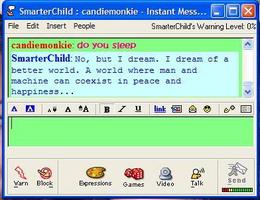
the dreaded Troubleshoot message

***

Kellaway, Kate, 2000. ‘She’s got the power’ in The Guardian. Available at: <http://www.theguardian.com/books/2000/aug/27/fiction.jeanettewinterson> [Accessed 3.11.14].

Nakata, Hideo, 2010. Chatroom [DVD].

Neopets(!) www.neopets.com [just cause you have to try it]

Turkle, Sherry, 1995. Life on the Screen: Identity in the Age of the Internet (New York: Simon & Schuster).

Winterson, Jeanette, 2000. The Power.Book (London: Vintage).