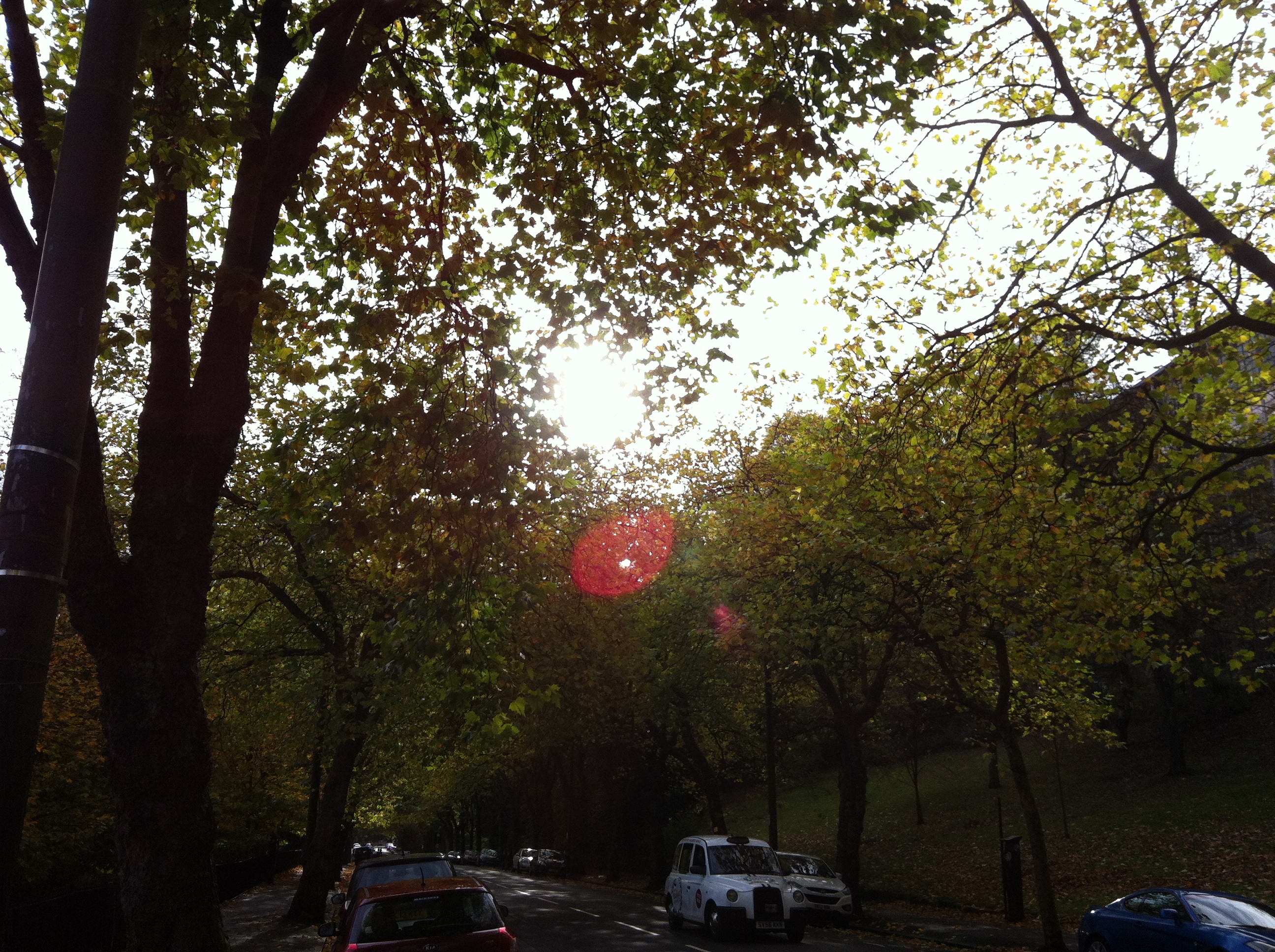
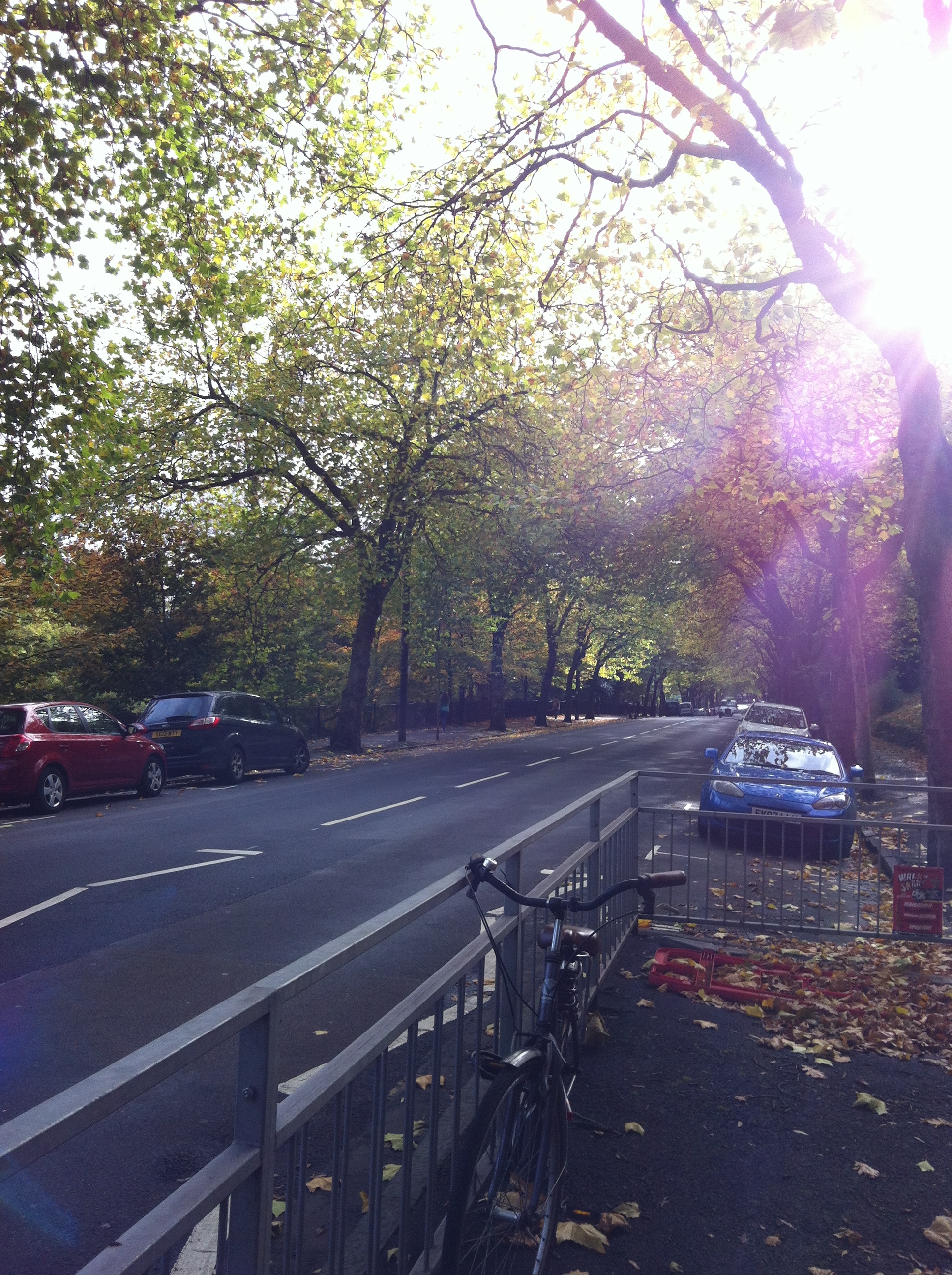
Homesick

Daisybank

Homesick

ONE need not be a chamber to be haunted,
One need not be a house;
The brain has corridors surpassing
Material place.

—Emily Dickinson

It seems silly to write about one’s love for a house. After all, houses are inanimate things; they can’t feel or think, can’t love you back. It’s a bit materialistic, a bit capitalist perhaps, to love one’s property. Still, houses aren’t just houses. We are brought up in this world to experience ourselves through things. Not only is this the sociological and psychological consequence of living in a world where we define ourselves through the symbolic order of possessions, but it is also the personal, lived experience of assigning meaning to that which surrounds us, the structures and spaces in which we spill our being. What’s more, the very act of dwelling is charged with the problem of desire. We constantly pursue ownership and control over that which we occupy; constantly assigning possession, marking territory. As Karl Marx said, ‘the felt need for a thing is the most obvious, irrefutable proof that the thing is part of my essence, that its being is for me and that its property is the property, the particular quality peculiar to my essence’: we are, through and through, the things that we own, desire, lose. Maybe it is our seemingly irrevocable need for things that dooms us to a certain emptiness, a loss that prevents the fulfilment of the self.

The old Lacanian equation of desire as relying on lack. Maybe we love things more when we lose them. We start to think if we ever really had them in the first place; we question the possibility of possession altogether. In the void we clasp at meaning, like a baby blindly seeking nourishment.

When I was just three years old, my parents, my brother and I left a cramped cottage in leafy, small-town Hertfordshire for a three-bedroom, two-garden semi-detached house in Ayrshire, Scotland. Land of agriculture, Burns, Buckfast and teenage pregnancy. My first day at school, a couple years later, and I did not understand why everyone kept saying aye, still thinking they were making bizarre expressions of the first person pronoun, rather than simply saying yes. Ken was another strange one. Scotland was foreign and I was even more foreign. I spent most of my childhood trying to grapple with my Englishness, working out who the hell I was and what’s more, who did I want to be? Toning things down to avoid being bullied…but really, deep down, did I want to be different from anyone else? Slowly, the older I got, I felt the bright Scots words trickle into my vocabulary: hanek, gads, glaikit, wee, Ned, jakey. When my cousins visited, I found myself wishing I had the purity of that sweet, Hampshire accent, instead of my own brand of weird hybridity. When friends at school made jokes about Scotland’s superiority, their hatred of the English, the need for their country’s freedom, I felt that wavering sense of otherness, an instinctive need to protect my ‘origins’. As a child, England meant family; it meant going home and being ‘free’. Days out in the summer holidays to the sun-sparkly cities of Brighton and London; the suburban beauty of Milton Keynes in autumn. I liked how I was the only one in my primary school class who wasn’t born in Irvine hospital. When you’re a kid, you kind of like to be special.

Maybe it’s terribly ironic that I would grow up to become a pretty staunch supporter of Scottish independence; someone who works in a whisky bar and identifies more with the social milieu of Kevin Bridges’ standup than that of Austen novels, who cut their teeth drinking Frosty Jacks instead of White Lightning, who fell in love with a wasted seaside town instead of London, and spent inordinate amounts of time listening to endearingly miserable Scottish folk bands over whatever was ‘hip’ in Hoxton. When did the change happen? At what point did I stop mourning my lost English childhood, with its (probably false) promise of sunny summers, middle-class comforts and extra bank holidays? It was long before I started to associate much of England with the heartlands of UKIP and Brexit, long before I realised that Scotland did things differently (socially and politically) to the rest of Britain, and that this was a very good thing.

I guess part of it was realising I didn’t really belong in England either. I couldn’t play the cool and demure English rose, not all the way. For one, with the lack of sun up north, my naturally blonde hair faded, and I’ve now settled on a Celtic shade of copper red. Back then family members would point out queer things I said, like when I relayed stories about folk ‘battering’ each other at school, or how it was ‘pishin’’ it down with rain, or my periodic and derisive expressions of ‘haneck’ whenever anything unfortunate happened. My brother and I would amp up our ‘Scottish’ banter whenever we were down south, cracking jokes and putting on our rough Ayrshire accents the same way any Brit does abroad. I started to realise that I sort of loved the strangeness of Scotland: the Ceilidh dancing we had to learn in P.E, the pervasive aura of folktales, of haggis and kelpies; bottles of Irn Bru that I was forbidden from drinking as a kid, the stern broad Scots of the man on the tape who announced the beginning of every French Listening paper. I wasn’t sure how well I fit in, but I liked it anyway. It started to feel like home.

IMG_2030
Home. The year before I left for uni.

***

In my hometown of Maybole, there is a strict policing of difference. The smoke plume of neds at every bus stop will be the adjudicators of any risqué fashion you choose to indulge in. If you wore black and a slick of thick eyeliner, for example, they were sure to enquire whether you ‘shagged deed folk’; if you wore a miniskirt you were a ‘wee hoore’; if you were a guy who had slightly long hair you were a ‘poof’; skinny jeans made you – perhaps the ultimate insult – ‘an emo’. In our school, there was the Mosher’s Corner, the Farmer’s Corner, the Smoker’s Corner, to name just a handful of territories whose policing often bordered on the militant. In first year, I witnessed a friend being shoved headfirst into a spiky hedge because he tried to ‘invade’ the Farmer’s Corner. At the Mosher’s Corner, which took a couple of years to gain full acceptance, you were pelted with stones by bored and angry first years, or scolded by irate P.E. teachers, who had to pass through the area and always liked to pull you up on inane details of uniform. Don’t tell me I can’t wear my stripy knee socks to school when that guy’s cutting about in a tracksuit.

In the midst of this battlefield of identities, is it any wonder I loved my house? The one place where I could be whatever I wanted? Whenever we had to write our address down at school, I relished scribbling down the house name, Daisybank, with all its pastoral resonance. Compared to all the places I have lived in Glasgow (room such and such, flat 1, 2, 3 etc), having a house name is a proper luxury. It was on the road to Turnberry Golf Course; ten minutes walk from the Ranch caravan park. I had a pal who owned a dairy farm nearby, and the woman a few doors down bred collie dogs. For some reason, we always seemed to live beside ministers. In a way, Maybole is the epitome of rural quaintness: it is famous mostly for its former glory as a cobbler’s paradise, for being the meeting place of Rabbie Burns’ parents, for having a relatively crap golf course, a sixteenth-century castle and once upon a time a couple of lemonade factories. You’re ten minutes drive from the sea and surrounded by vibrant green hills studded with pretty villages. The air is fresh and the water tastes great. There’s even a train line.

Still, it’s difficult to appreciate all that stuff as a teenager. I started to dream of Glasgow as this mythical solution to all my problems: a place of cosmopolitanism, where people read poetry, played in bands, and didn’t care what anyone thought of them.

It was only when I moved away from home, got a flat in the city, that I realised the extent of my weird sense of belonging to this silly wee town where technically I had no roots.

***

The last time I properly cried was the day I said goodbye to Daisybank and Maybole for the last time. I paced round the empty rooms, hearing the silent creak of the floorboards, memories passing by me as fleetingly as moths, leaving me with this overwhelming sense of grief. It was like saying goodbye to the entirety of childhood, the last eighteen years of my life, all at once. Unlike most people, we didn’t move around much and this was our home all that time, through thick and thin, good times and bad. I realised how protected I had felt by the presence of the house, its strong sandstone walls, the elaborate latticework of memories that had wove themselves into every structure, every smell and texture and object.

I sat on the train back to Glasgow, staring at the late summer scenery pass behind me, feeling like I had severed a limb.

I don’t know what it is that made me feel that way. Maybe it was the garden: the pond we made with water reeds and frogspawn pinched from the lake at Culzean (the pond in which at my sixteenth birthday party, my friend lost his Buckfast bottle), the faint scent of the lilac tree and its treasure trove of bluebells in May, the memories of bonfire nights, Easter egg hunts, performing original plays; the August weekend when a friend and I climbed the rowan tree and picked every red, gleaming berry – each one to our childish eyes as precious as a ruby. Maybe it was the peace sign my Mum’s ex-boyfriend mowed into the front lawn. The lingering whiff of failed baking experiments that still haunted the kitchen, popcorn burnt to the bottom of the pan, bowls dissolved in liquid heat, vague explosions in  the oven (the door of which had to be constantly propped open by a chair). The mice that lived in the piano, the washing machine that shook so violently we had to put a brick in it.

SAM_1412
Maybole Golf Course & The Memorial monument. Winter 2014.

The bike rides up into the Carrick hills; the hysterical impersonations of bleating sheep, chasing chickens and pheasants off the roads. Feeding lambs in spring, horse-riding and jumping off hay bales. Long walks with friends, where we deconstructed the universe as the sun bled its final light behind the Kildoon monument.

The summer we painted the wall of the den at the back of the garden, purple and orange, and I got black floor paint, thick as molasses, on my brother’s leg. He was about six and it didn’t come off for weeks. The concrete steps I fell down once and grazed my side so badly I could hardly move. The cities we drew with chalk on the patio, until the rain came the next day to wash them away again. The nights of mild teenage trauma, when I crawled into the space beneath my bed to calm myself down. All the people that came and went, who knocked on the back door or else rang the bell at the front. Afternoons alone in the corner of my room, hunched over chord sheets and trying to play Paramore songs on guitar. Parties with gin served in secondhand teacups, with contraband vodka smuggled in Coke bottles, with the perpetual background flicker of my frozen iTunes library, which everyone cracked a shot at.

Halloween parties with ersatz cobwebs strung from every surface, bowls of punch and fistfuls of body glitter; dubstep thundering from the upstairs study.

The secret room next door to the bathroom which we never discovered, because you had to knock the wall through. Sometimes, when I was lying in the bath, I liked to think about what was on the other side. What wild and weird stories I could fathom from that dark place of possibility? You could see the skylight in the garden and I thought maybe someone had died in there and the previous owners had decided to seal it in.

Previous owners. It’s strange, when you settle so deeply into a house, you think you are the only person to have ever lived there. I remember being about six years old and finding a little plastic doll under the gas fire once and thinking how disturbing it was to think of another young girl playing on the floor of the living room, as I was. The mere thought of her presence could only be a ghost to me, as transient and fantastical as the people on tv.

There was the man next-door who thought we were dirty hippies, but still gifted us with various vegetables grown in his greenhouse, and murmured a gruff hello when we were in the garden.

The long grass meadows out front across the road, where once we made snow angels in winter and walked the dog, where now there’s an estate of houses.

IMG_1253
My wee bro and I hanging out on the patio. Don’t think I have aged at all to be honest.

The home videos from when we first moved in: plastic toys scattering the grubby carpet, school friends garbed in 90s fashion (lilac or orange crop tops, white peddle pushers and velvet hairbands) draped over the ugly, velcro sofa. The dent in the wall from a misfired golf ball; the scorch mark on the carpet where someone dropped char from a shisha pipe. Places on my bedroom wall, behind the plaster, where I scrawled Green Day, then Cat Power lyrics; ‘star pupil’ and various Kerrang stickers that couldn’t be peeled off the wardrobe (also the Metal as Fuck sticker we stuck on the lamp, which I’m sure still lingers, irrevocably); the cupboard under the stairs with the camping gear, the old washing machine and the pervasive smell of must. As soon as you opened the door, you were simultaneously attacked by a falling hoover, a bag of tent pegs and a canopy of jackets.

Whole evenings and afternoons, lost to playing Sim City on the old computer. Waiting patiently for dialup to connect, doodling on wee notepads that my dad brought back from hotels on his business trips. Sifting through stacks of Standard Grade artwork, band posters, electric guitars, music stands, golf clubs, tennis rackets and folders of homework.

I could go on forever listing details. I guess it’s the nature of missing something that you link things together, this endless concatenation of memories. You think it would be claustrophobic, living in a small town, but one of the things I’ve always missed since moving out was the space. You could run up and down the stairs, pretend the floor was lava and jump from sofa to sofa in the living room, stare out the big bay windows not at a yard of bins and more buildings but at the rolling, sprawling countryside. Hear the jackdaws in the chimney, watch the butterflies flutter around the Buddleja, the sunflowers bloom in June after the dying of the tulips. Life had a rhythm; you paid more attention to nature: the creeping in of the spiders in September, the wasps in August that nested constantly outside my mother’s bedroom, to the point where her windowsill was a nasty holocaust of their dying bodies.

My childhood home was flawed. There was the icy drafts that blew in through the floorboards, the lack of a shower, the grit that sometimes spat out the taps, the sound of lorries trundling past, the toilet that struggled to flush, the kids out back that belted JLS songs as they bounced on their trampoline. Sometimes the roof leaked, we had to clean the gutters, the hot water stopped working, the carpet always slipped on the top step of the stairs. Somehow though, despite their irritation, these flaws were endearing. It’s different, I think, when you own a property compared to when you rent: when you own it, the flaws are just something you sort of live with, rather than demand your landlord to fix. When you explain them to guests, you’re only ever semi-apologetic. The embarrassing parts (the Alan Partridge lap dance postcard on the fridge, the broken oven, the cracks in the kitchen tiles which our friends and I used to take apart and reassemble like puzzle pieces, the precarious stability of the garden wall) become something you’re sort of proud of. It seems kind of absurd now to think that one time, in the middle of the night, our garden wall literally just collapsed, blasting bricks across the patio and shattering the wooden bench, sending its splinters as far afield as the neighbour’s garden.

Maybe it’s that shambolic charm that drew me again and again to Dodie Smith’s novel, I Capture the Castle, as a preteen. I wasn’t just obsessed with the lucidly beautiful voice of the young heroine, her story of unrequited love and the struggle to grow up amidst slightly meagre and crazy circumstances, but also her descriptions of the crumbling castle which her family called home. She describes her first impressions thus:

How strange and beautiful it looked in the late afternoon light! I can still recapture that first glimpse – see the sheer grey stone walls and towers against the pale yellow sky, the reflected castle stretching towards us on the brimming moat, the floating patch son emerald-green water-weed. No breath of wind ruffled the looking-glass water, no sound of any kind came to us. Our excited voices only made the castle seem more silent.

The image is imprinted on her memory, relayed back through her diary; as still as a flower pressed between the pages of a book, as the motionless water, a reflection of a very specific and idealised point in time, the fresh perception of this place that would become the crumbling though romantic ruin of a poverty-stricken home. It is clear that much of Cassandra’s descriptions of the castle are filtered through the discourse of fairytale, though in a knowing, reflexive way, that recognises the flaws of such fantasies. Her sister, Rose, will not be the perfect princess, English Rose though perfect she is; neither will she be the perfectly objective narrator. I just adore the scene when they are drinking outside the village pub: cherry brandy for Cassandra, bright green creme de menthe for Rose, to bring out the russet shades in her hair.

Sitting outside in the comparative paradise of my own garden, I enjoyed the traditional Scottish though equally vibrant liquor of Mad Dog 20/20 to season my youthful palette (unlike Rose, I don’t think my choice of tipple ever worked very well to seduce rich and handsome American suitors). I had the smell of woodsmoke in my hair, the wind coming in off the near-distant sea with a faint and familiar saltiness, the taste of health. There’s something so lovely about that nostalgia, when you can see yourself outside of yourself, picturesque in your childhood surroundings.

IMG_2728
The den beneath the sycamore tree and all its long-faded paint.

In a way, I guess I sort of thought as Daisybank as my castle. We didn’t have a mote, or a crumbling turret, but we had a garden of long grass and dog daisies and a steep drive that kept the floodwater out and the crazed night dwellers away (once, my mother parked the car on the road and some random jakes literally tipped it on its side, so she woke up in the morning to it pouring oil all down the street, like it was weeping sadness and blood). It’s hard to recreate that sense of absolute safety, of home — where all your memories have long seeped into the walls, where you first wept at a book, kissed a boy, got blackout drunk on whisky. All the birthday cakes and candles, the mean words said and the reparations. It’s like the house has witnessed the sweetest and darkest parts of ourselves and god knows it must be a burden to bear those secrets.

It’s kind of impossible for me to imagine the house with new people living in it. It’s even difficult to imagine Maybole without my family living there. You sort of stay in touch via Facebook pages, you have the odd dream about walking down the high street or buying a roll in the deli or sitting on the swings at Miller Park, but you can’t really imagine it just going on being. Like a kind of clockwork village, it stops in your mind when you’re no longer there; when your roots are sort of severed. When people I’d known a long time found out we’d sold the house, they talked about it with the almost the same level of sadness and compassion they would on discovering a close relative had died.

It was a bloody good house; I don’t think I’ll ever live somewhere as nice and homely again – or at least it’ll never be quite the same. There’s just something about the place you grow up in, a magical and elusive quality. I can start to describe it, the pink and orange light seen from the patio on winter mornings, the daffodils on the kitchen table, steam from the iron, the flicker of Sonic the Hedgehog games on the old television, the space under the desk where my dog used to hide on fireworks night; but then here I am again, slipping back into details. You can’t grasp it; it’s in all of these things. Like love. It’s supplementary, in the Derridean sense that it has no inherent presence or meaning: it’s just all the things you try to hold in place for a moment, the mesh of connections and space of interplay that forms, pliably, impermanently, when you try to grasp at the meaning.

IMG_2733

Houses are, perhaps, more than houses. Every writer, every intellectual discipline under the sun has spent centuries debating the meaning of ‘home’, but perhaps houses themselves are equally strange and uncanny. What does a house mean to us after we have vacated it, stripped it of all the stuff that made it personal to us? Can it still be a home? I must admit, I don’t imagine myself living in my old house anymore; I can only see it as it was before. I can recall myself standing in particular locations: the feeling of waking up in my bed, or standing at the sink, washing up on a Sunday evening, watching the birds out the window. Yet when I try to think about how it might be decorated now, what the people inside are doing, I draw a blank. You can’t picture it like in the the Sims; can’t just imagine the drama of the lives within.

Many authors have anthropomorphised the houses in their books. They become characters in themselves, or at least acquire some kind of emotional or physical sensitivity to what goes on in and around them. Toni Morrison, in Beloved, describes the house, from Denver’s perspective, as ‘a person rather than a structure. A person that wept, sighed, trembled and fell into fits’: the domestic space is as much a character as Denver herself, it takes on the qualities of and indeed reacts to the events which take place within it. You know that eerie sense of dust settling, of silence and weightiness that falls upon a house after an argument? There’s something to it. An ethereal feeling, a kind of knowingness; as if the house itself could somehow be conscious.

Perhaps the most famous instance of an anthropomorphised house is that of the Ramsay’s holiday home on the isle of Skye in Virginia Woolf’s novel, To the Lighthouse. Woolf takes a hefty chunk out of her narrative to describe the process of decay that unravels the household in the Ramsay’s absence. Significant family events, such as marriage, childbirth and death, are confined to parentheses, while intensely lyrical descriptions of the details of the changing conditions of the household are given centre stage:

[Prue Ramsay died that summer in some illness connected with childbirth, which was indeed a tragedy, people said, everything, they said, had promised so well.]

And now in the heat of summer the wind sent its spies about the house again. Flies wove a web in the sunny rooms; weeds that had grown close to the glass in the night tapped methodically at the window pane. When darkness fell, the stroke of the Lighthouse, which had laid itself with such authority upon the carpet in the darkness, tracing its pattern, came now in the softer light of spring mixed with moonlight gliding gently as if it laid its caress and lingered stealthily and looked and came lovingly again. But in the very lull of this loving caress, as the long stroke leant upon the bed, the rock was rent asunder; another fold of the shawl loosened; there it hung, and swayed. Through the short summer nights and the long summer days, when the empty rooms seemed to murmur with the echoes of the fields and the hum of flies, the long streamer waved gently, swayed aimlessly; while the sun so striped and barred the rooms and filled them with yellow haze that Mrs. McNab, when she broke in and lurched about, dusting, sweeping, looked like a tropical fish oaring its way through sun-lanced waters.

I just adore this passage for several reasons. It’s full of poetic devices which bring the house itself to life: all the personification which renders objects and shadows and light into living, breathing things. The recurring consonance of the l sound which leads us, liltingly, through all sensory encounters; as if we, occupying and flying through the sentences, were as light as air, a travelling dust mote, surveying the situation. L is a flickering kind of sound, fluttering, leading onwards, somehow soporific. A line like this sends tingles up your spine: ‘the stroke of the Lighthouse […] came now in the softer light of spring mixed with moonlight gliding gently as if it laid its caress and lingered stealthily and looked and came lovingly again’. The sentences and descriptions flit between movement and stasis: the loving caress and the sudden shift of a rock, followed by a hanging, a loosening, a suspension. Everything seems to be swinging, swaying; the material of the house unfolds and unravels like a shawl. The zanily surreal image of the housekeeper Mrs. McNab trying to control the chaos in the manner of a ‘tropical fish oaring its way through sun-lanced waters’ is deliciously both amusing and vivid, conjuring a sense of the beauty of this interplay of order and decay. It’s a clashing sort of image, the vibrancy juxtaposed with the dulling surroundings, but the effect is to exoticise, just ever so slightly, the whole scene. We are invited to look closer, as if peering through a fish tank. This is more than just a house laying to waste in its owners’ absence. Real empathy is stirred for the house itself: all the ghosts that inhabit the walls, the absence that tears at everything. Objects and noises, the vacant trails where once human footsteps made their passage. Mrs. McNab, in all her matronly cleanliness, is but a colourful fish, pulling itself fleetingly through the reeds. All our efforts to clean up the world, to annihilate its disorder, are perhaps similarly slightly futile.

Throughout Time Passes, Woolf contrasts and holds together opposites: day/night, abstract/specific, growth/decay, movement/stasis, beauty/waste, absence/presence and life/death, to name a few. At once we lament the abandoned house, while also marvelling at the ‘power’ of nature’s ‘fertility’ and ‘insensibility’: the way in which dahlias, giant artichokes, cabbages and carnations continue to flourish amongst the house’s decline. She might as well be describing the inconsistencies and tensions within the psyche of an actual human character. Time veers between eternities and instances; the sheer significance of a death (here, Prue’s) is passed by fleetingly, another stain upon the already well-blotched backdrop of war, a different trauma to the slow, inevitable decline of the house. The writing here is both photographic and cinematic: moving through the stillness of random snapshots to the build-up and unravelling of a time-lapse. Isn’t that like life, like memory itself?

***

‘Some days in late August at home are like this, the air thin and eager like this, with something in it sad and nostalgic and familiar’

— William Faulkner, The Sound and the Fury

Maybe home is all about the seductiveness of boredom, the comfort of merely occupying space. Maybe its familiarity is what contains an inherent sadness: a sense of loss stemming from that which we cannot regain, despite our close spatial proximity. Like someone you love but who has changed, irrevocably, drifted out far beyond your reach. Like lost innocence and joy, the way we were before we knew certain things; before life happened, in all its terrible narrative beauty. Quentin’s reflections in The Sound and the Fury have a degree of universal application. Late summer and early autumn; the turning of the seasons, the fading of the year. We spend more time indoors as the air thins to a coolness; we retreat into the safety of houses. Each year, we think back to blackberry picking in gardens, cooking soup on the stove, going back to school. One of my favourite (and pleasantly simple) opening lyrics, from Stornoway’s song ‘Zorbing’: ‘Conkers shining on the ground / the air is cooler / and I feel like I just started uni’. It’s details like that that send us home. Reminders that time moves in loops; that constantly we are living through our memories, mixing the strange and new with familiarity. You don’t necessarily need a specific physical location to be ‘home’. Maybe it’s more complex and slippery than that. Sure, I miss Daisybank like hell, but it’s the details I miss most, and like everything else, with age they acquire that golden, treacly glow of nostalgia. Maybe I don’t need to be Scottish or English or anything at all. I just need to find home. Then I can begin again.

Home is where one starts from. As we grow older
the world becomes stranger, the pattern more complicated
Of dead and living. Not the intense moment
Isolated, with no before and after,
But a lifetime burning in every moment
And not the lifetime of one man only
But of old stones that cannot be deciphered.
There is a time for the evening under starlight,
A time for the evening under lamplight
(The evening with the photograph album).
Love is most nearly itself
When here and now cease to matter.

— T. S. Eliot, Four Quartets

IMG_1252
My wee bro & what was probably my first bike in the kitchen, 1997.
IMG_1389
Christmas 2014 in the kitchen
IMG_1884
2011

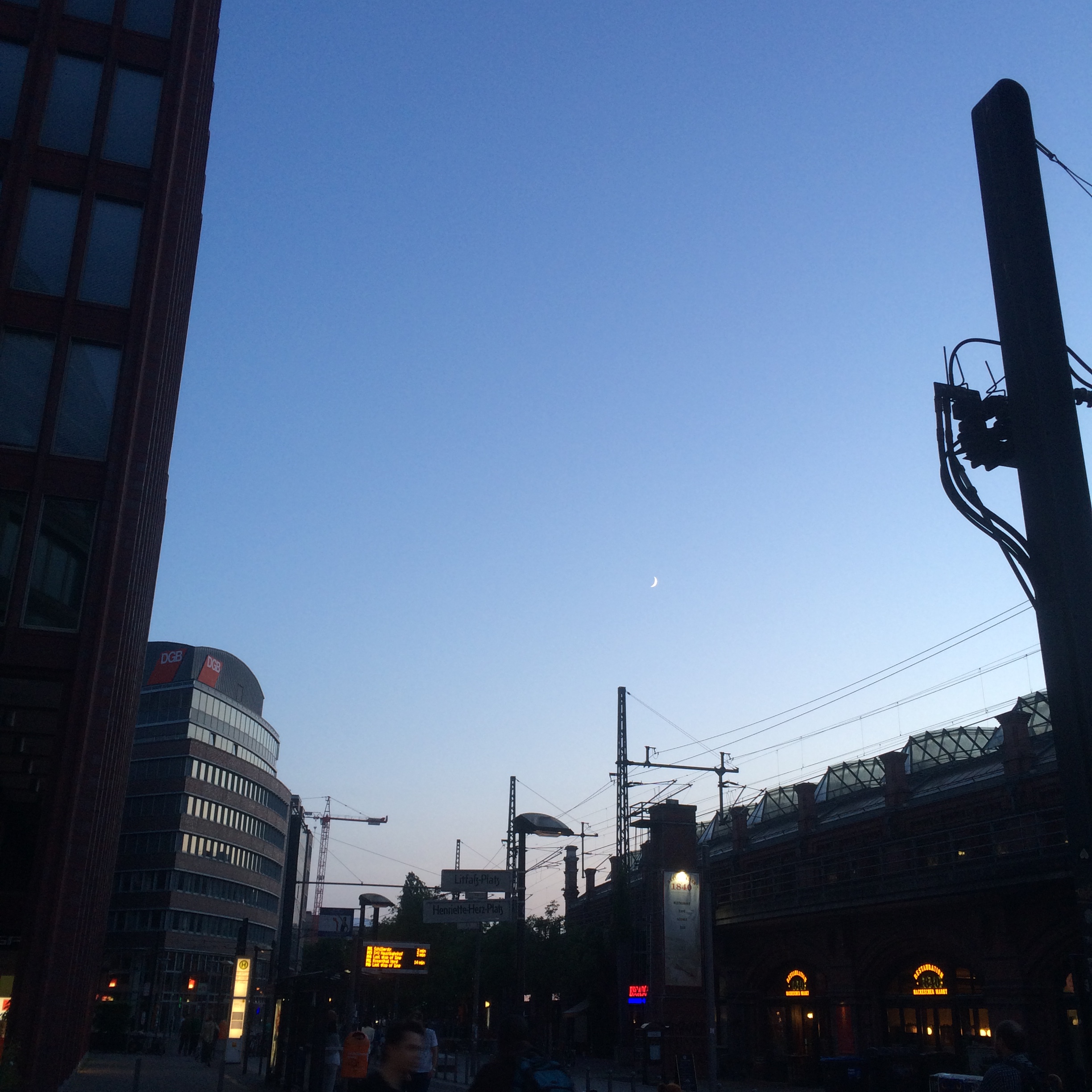
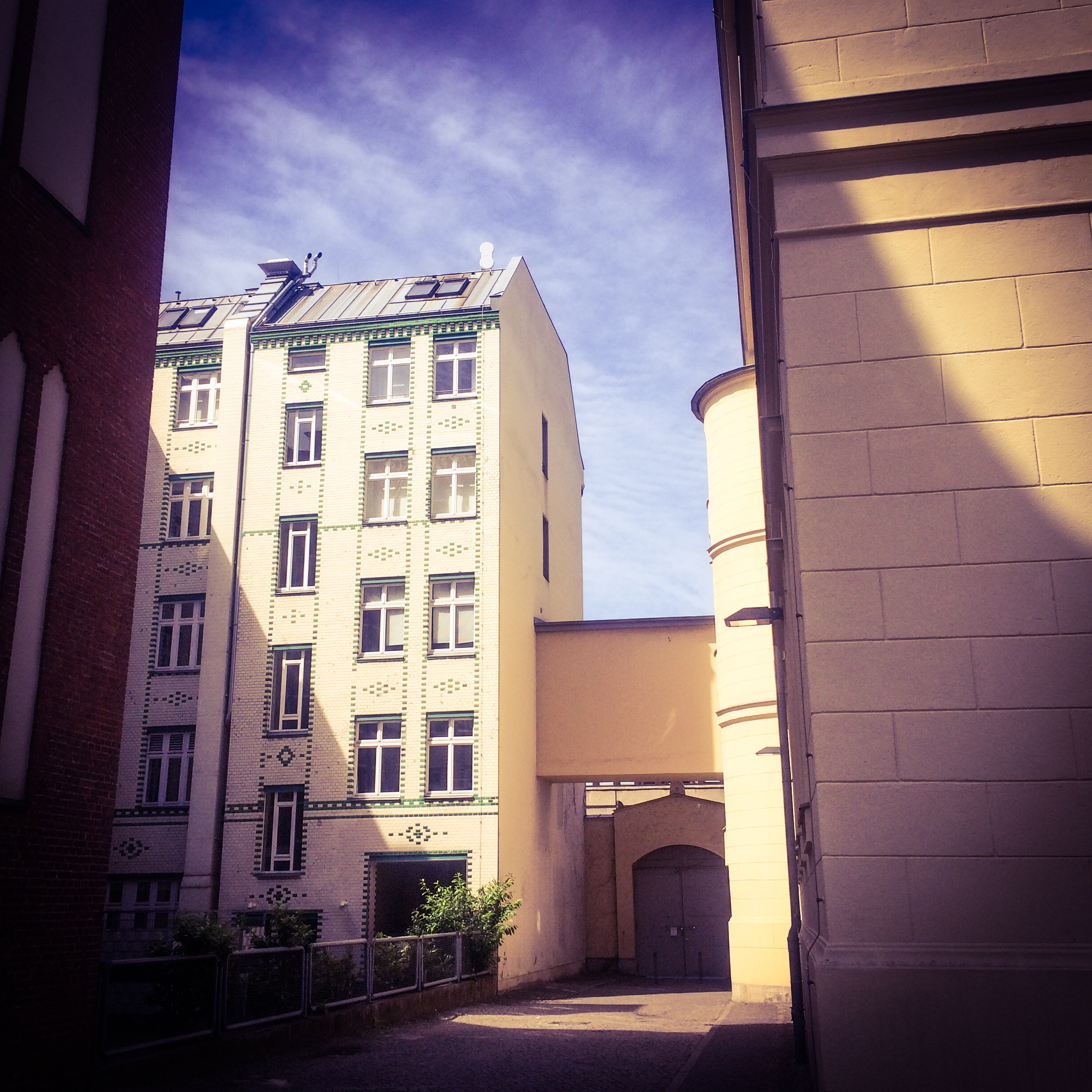
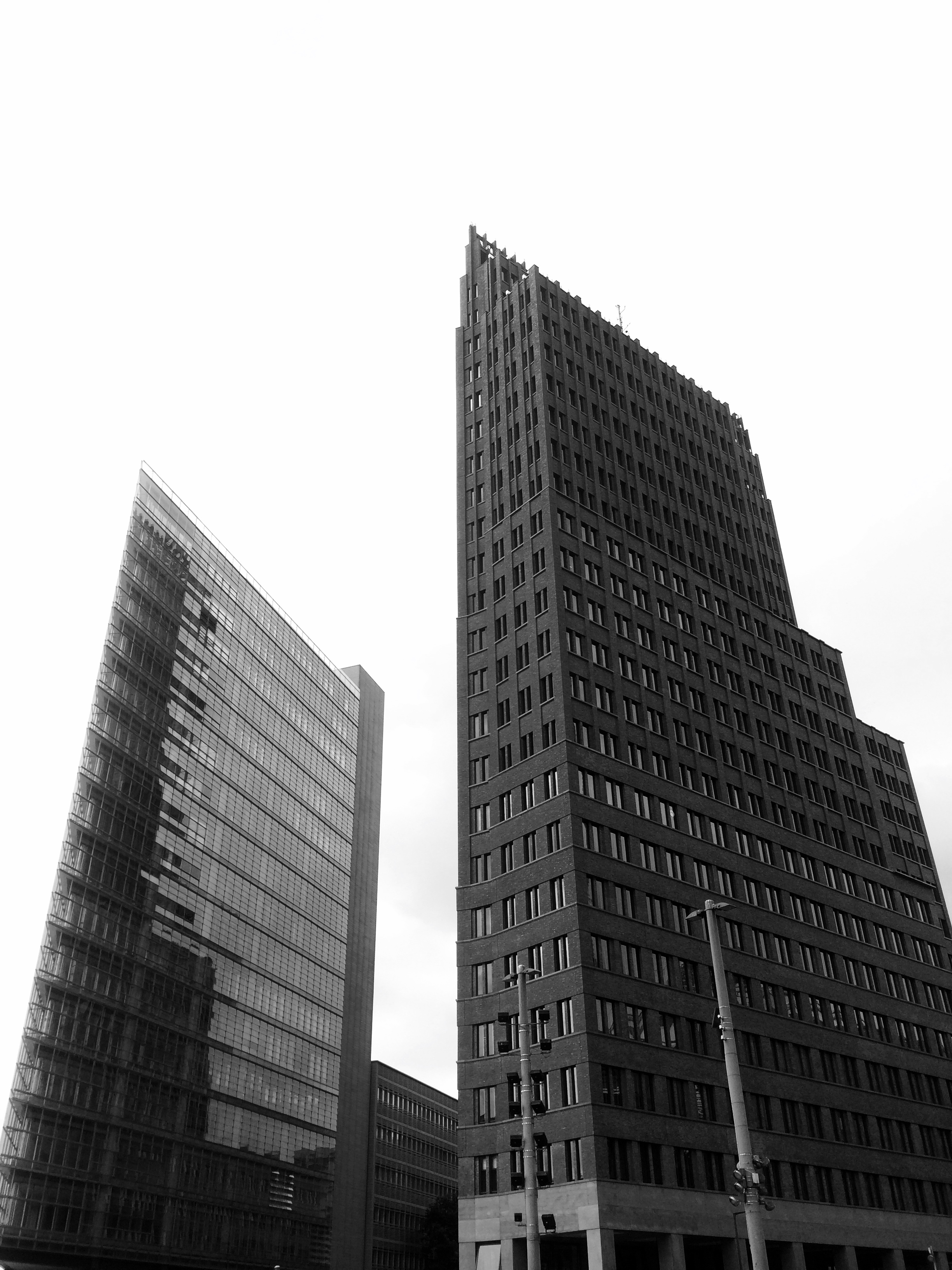
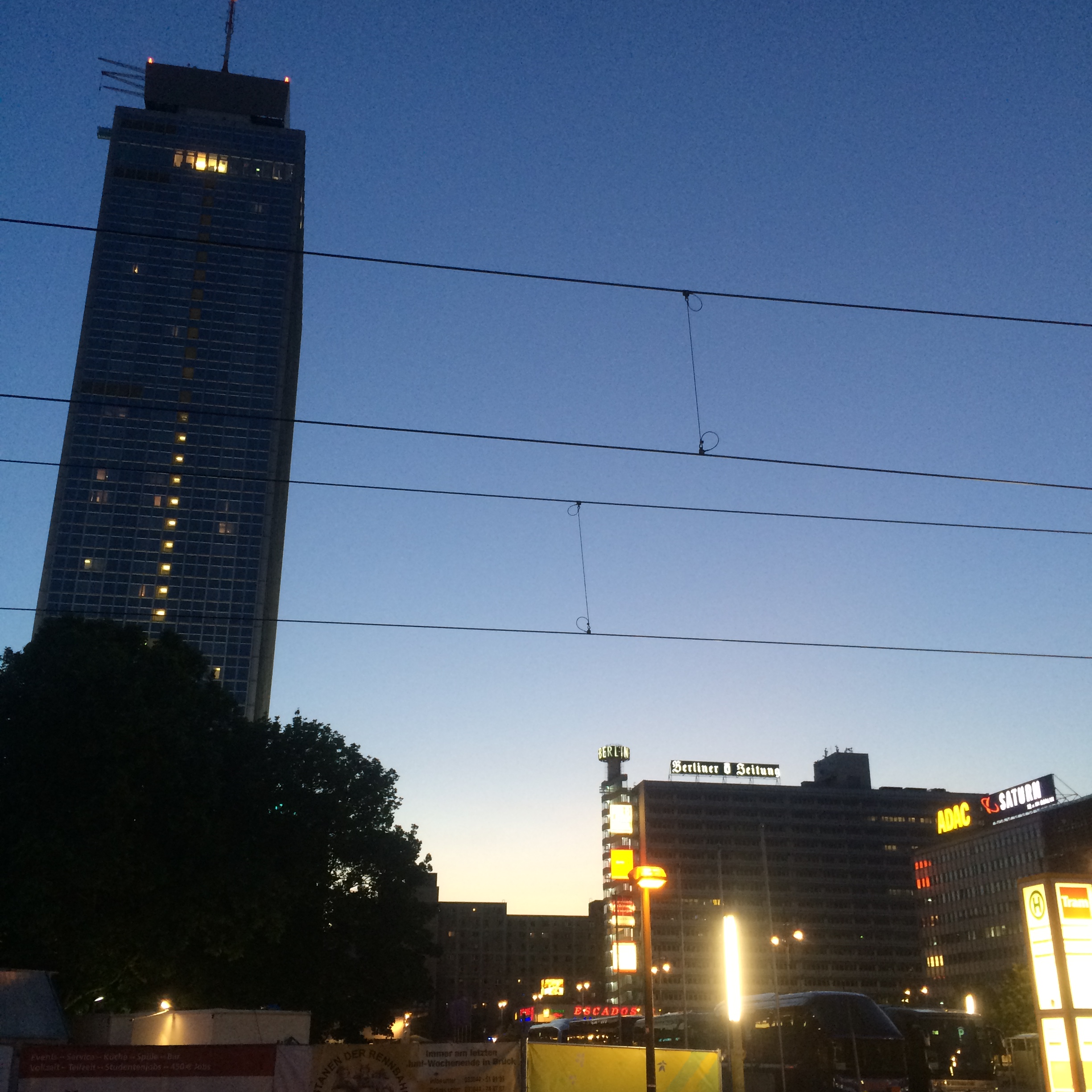
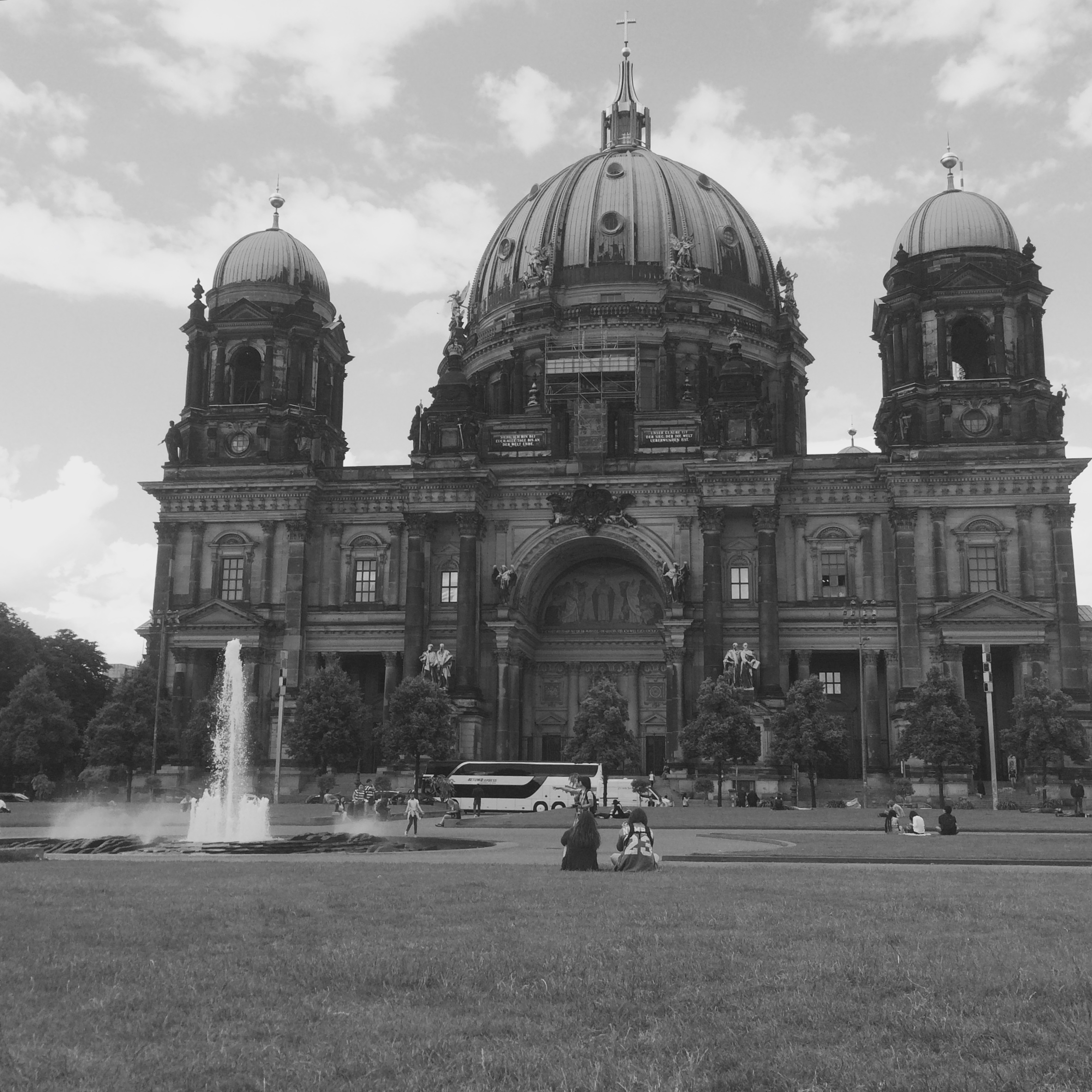
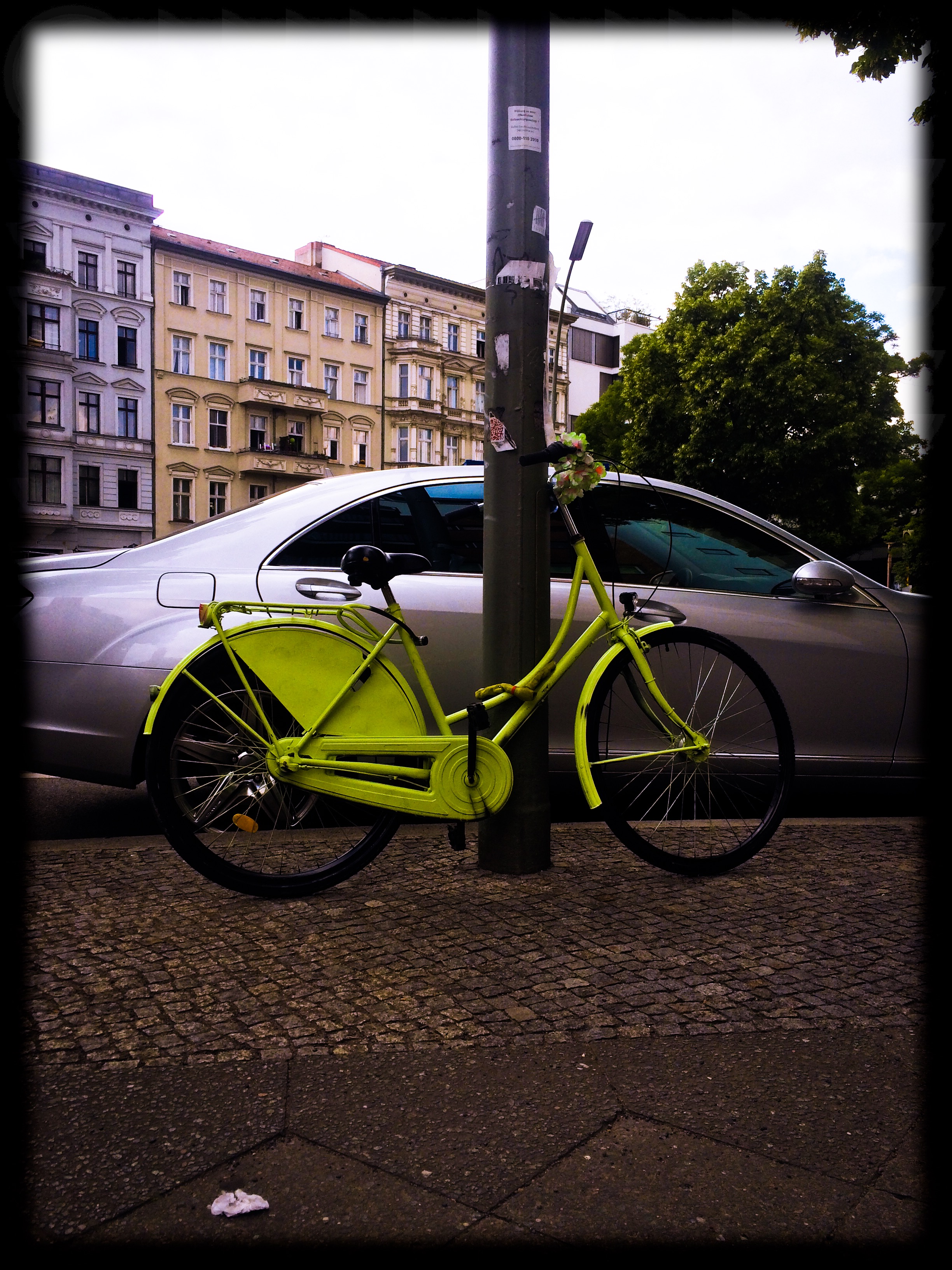
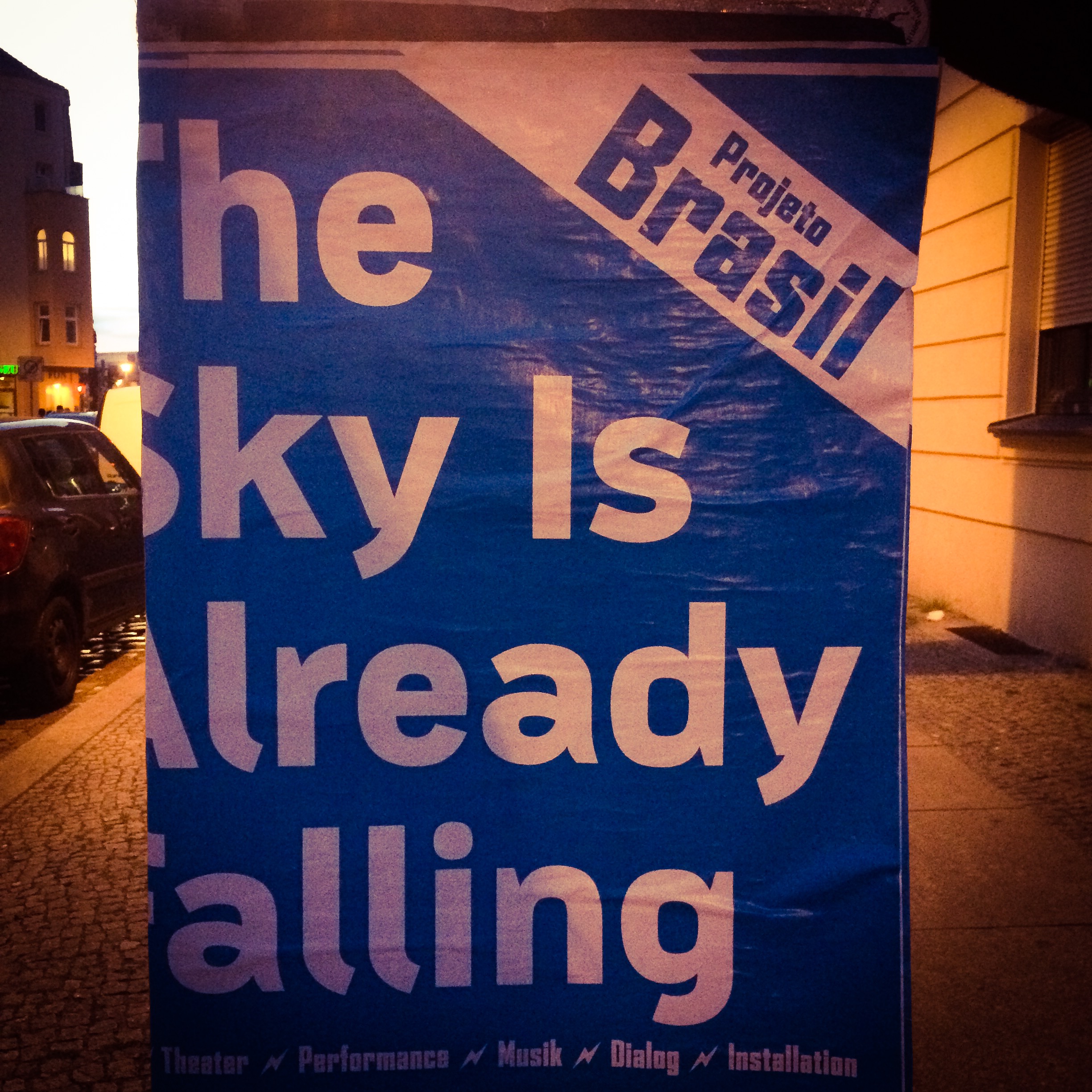
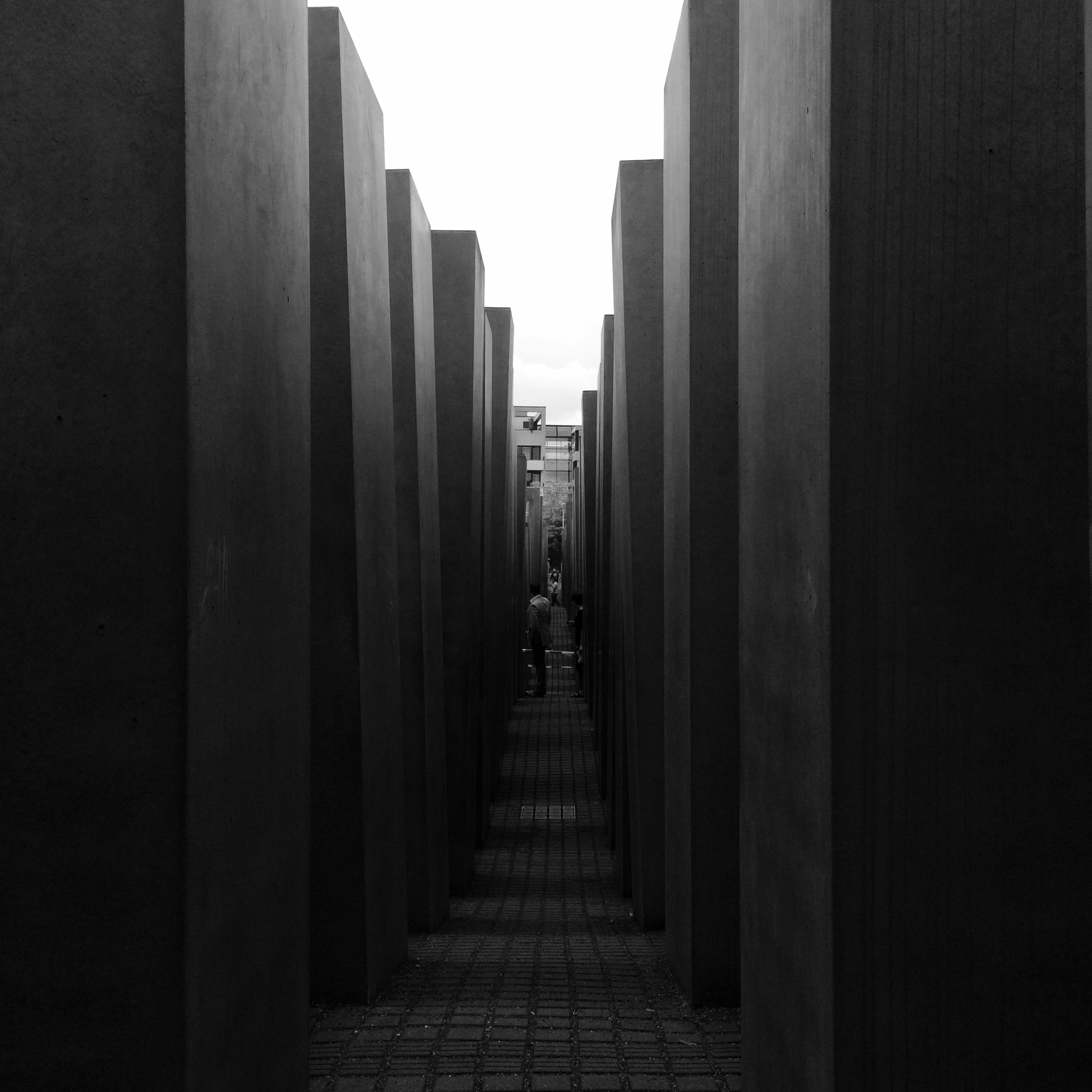
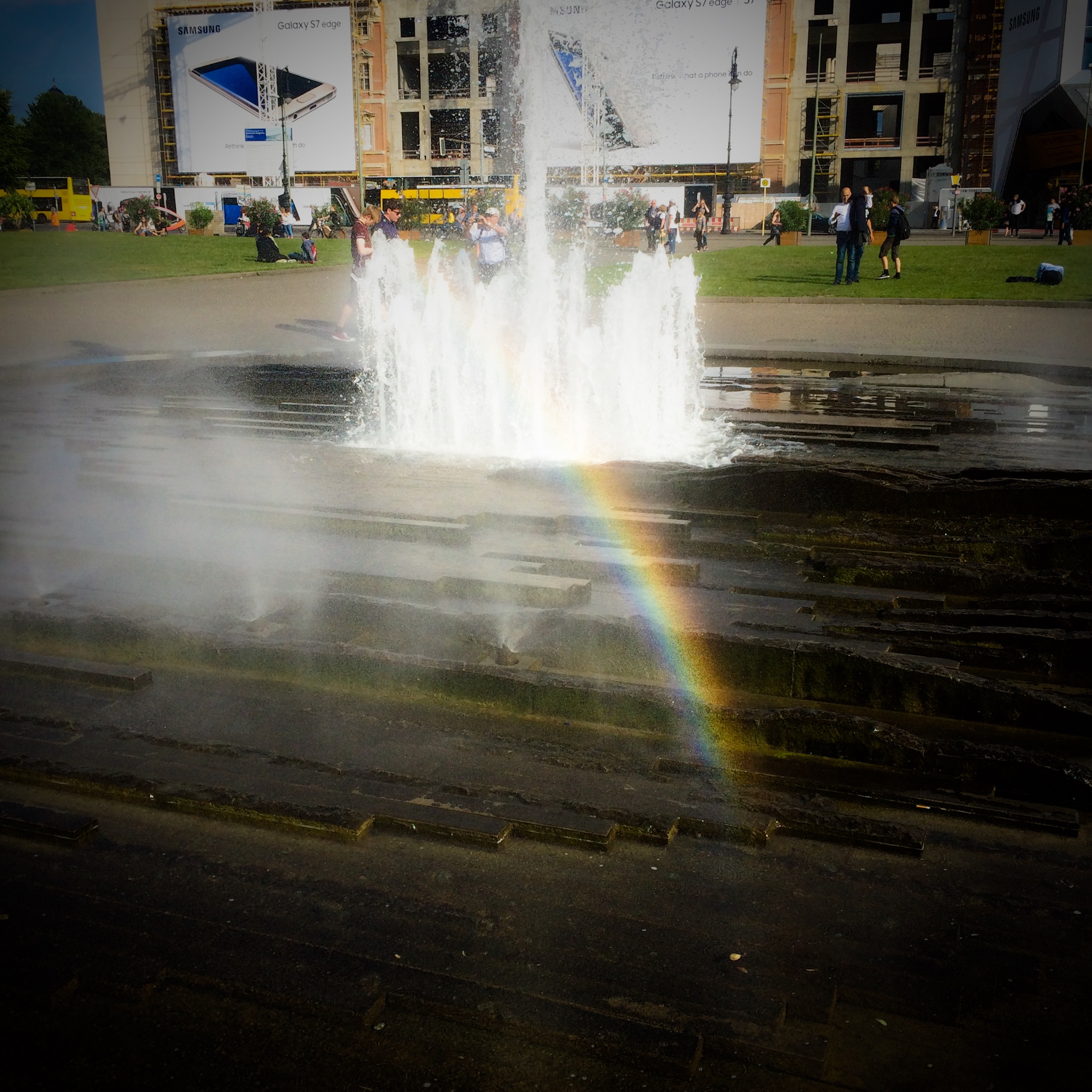
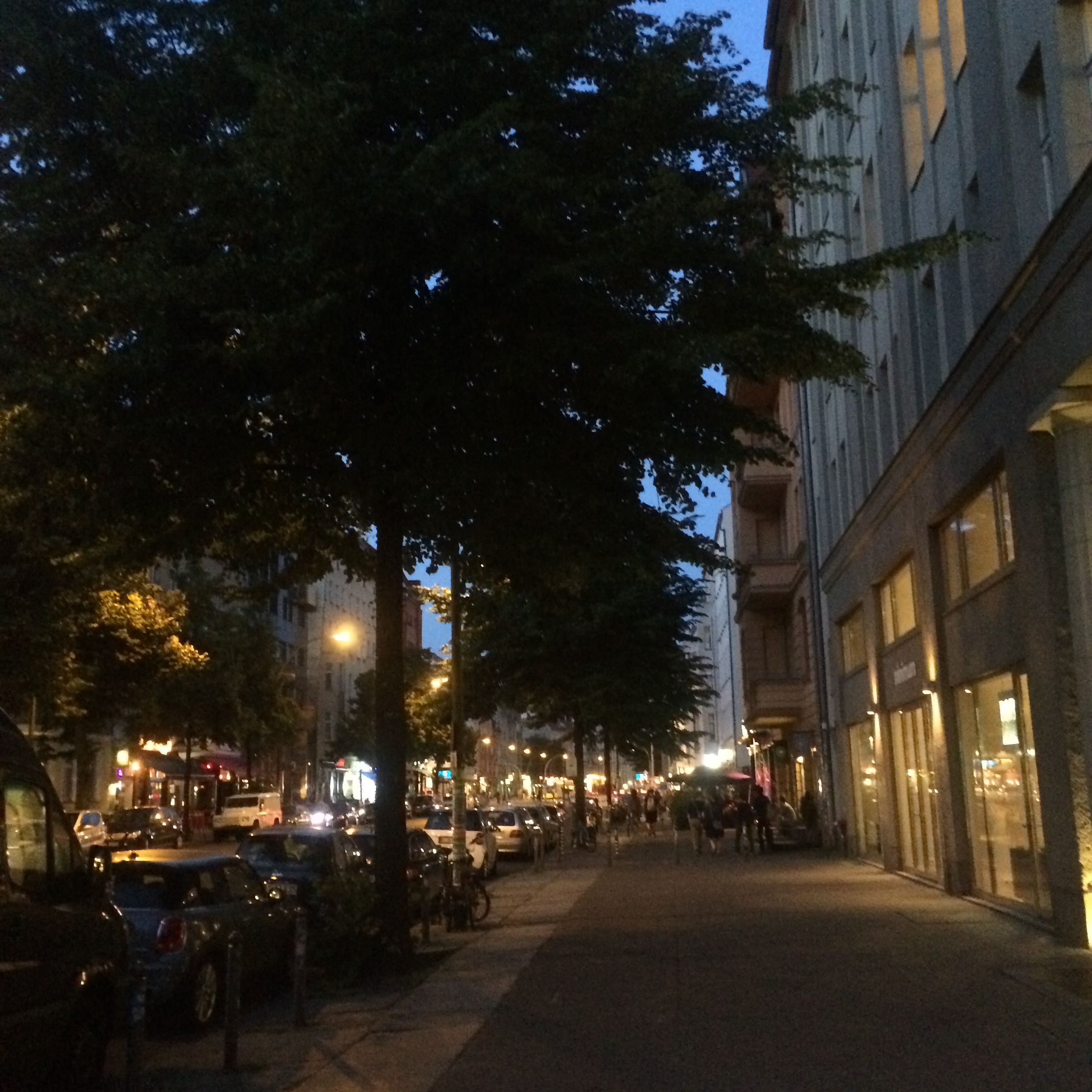
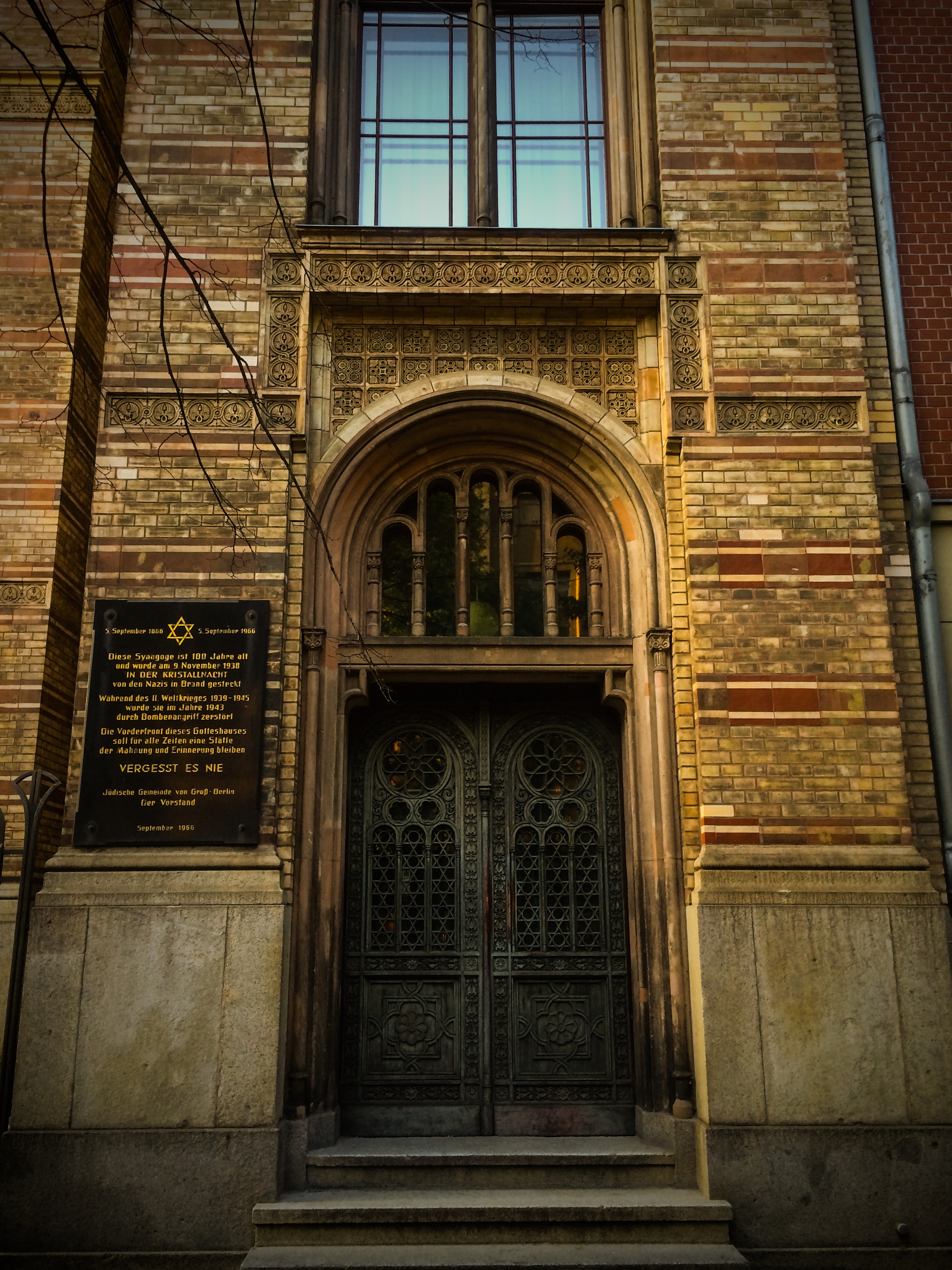
Trip to Berlin

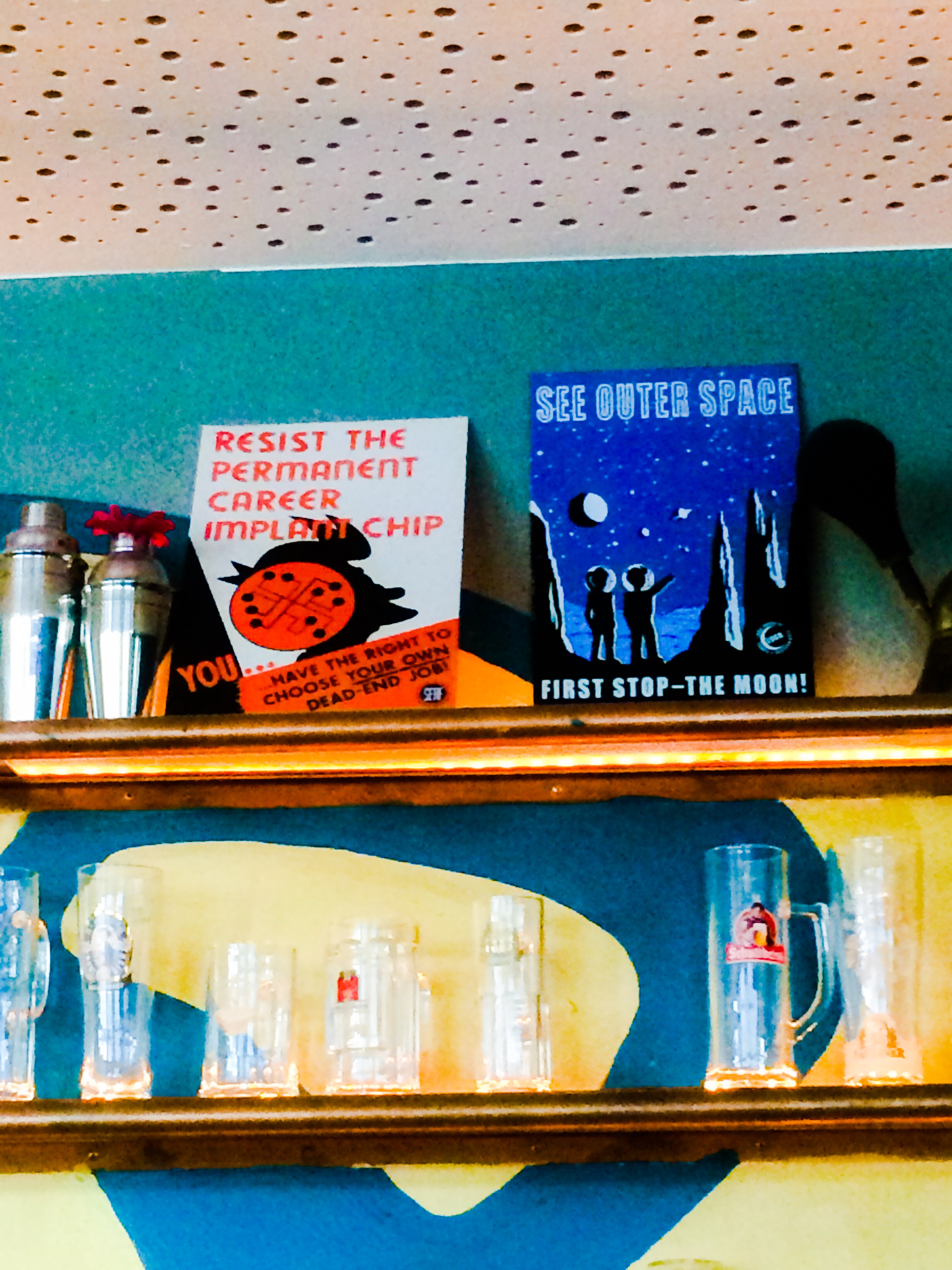
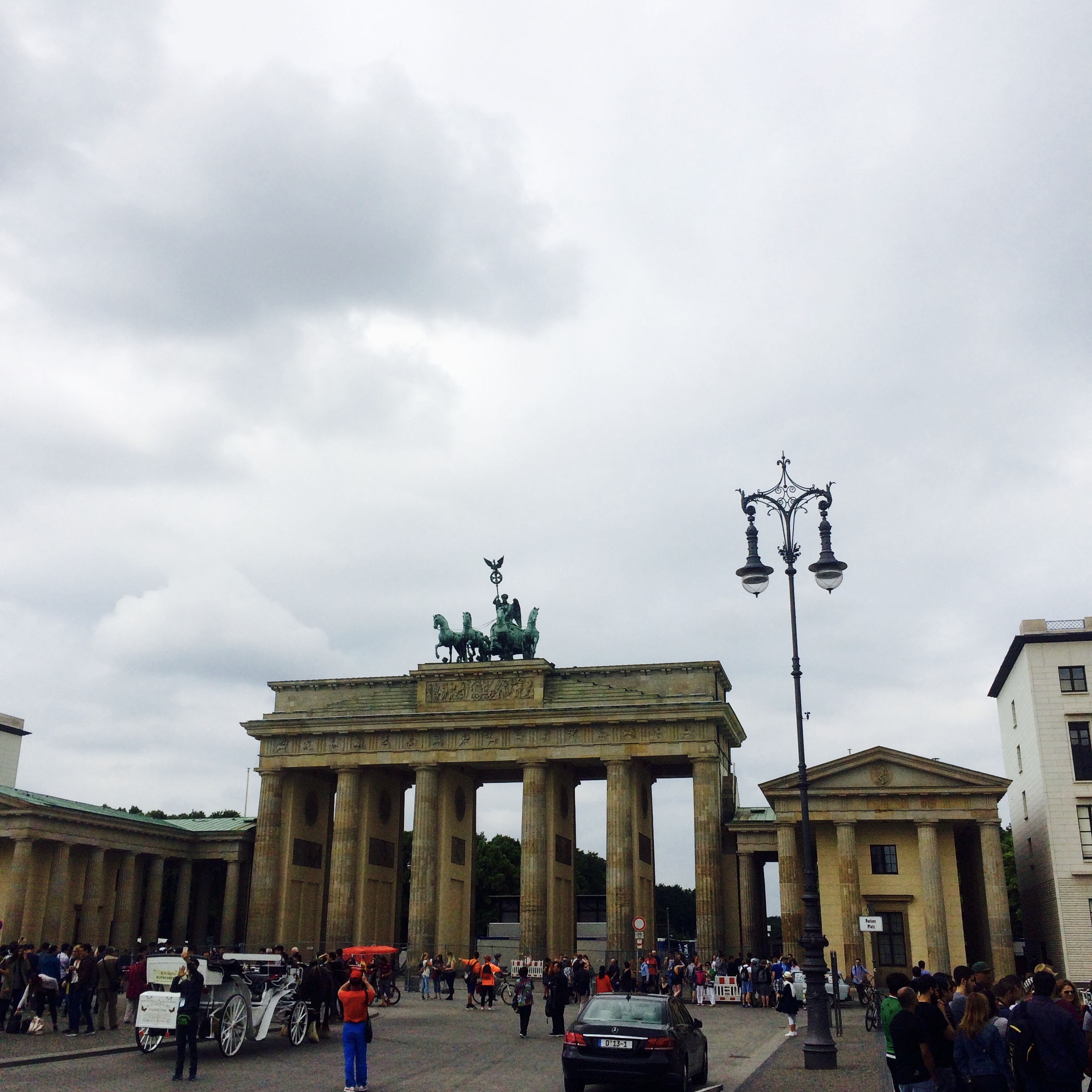
I haven’t been ‘abroad’ since Dublin in June 2014, so the prospect of Berlin was pretty exciting. I thought it was about time I spent my birthday somewhere different and I’ve never heard a bad word said about Berlin. We stayed in the Heart of Gold hostel, which is in Berlin Mitte, about ten minutes from Friedrichstrasse train station and a short walk away from Brandenburg Gate, Reichstag and Museum Island. This was my first time in a hostel and it felt a bit like going on a residential school trip combined with student halls; only unlike a school trip you had total freedom over your time, and unlike student halls people actually respected the place. The decor was kinda cool and space-themed, plus there was a pool table and unlimited free hot drinks and super cheap beer. The slightly rickety bunk beds were worth it in terms of price and location. Also, not many budget hotels will bless you with music ranging from Radiohead to German techno to obscure Cure albums to enjoy over your breakfast. I loved it.

I always forget how funny a place airports are. Their sense of spatial and temporal dislocation. Everyone just waiting; not exactly lounging around, but waiting all the same. Checking their phones, browsing the duty free, trying not to lose each other. If you’re like me and don’t go away much, you forget that whole other culture – that of the British holidaymaker. Screaming families and the endless churning crowds making their way to Spain, their unprotected, pasty skin volcanically craving the crack-over burn of continental sunshine. Groups of lads with Nike snapbacks making their way out to Zante or Magaluf for their sixth year holidays, my brother beside me tearing their outfits to shreds with his devastating fashion analysis.

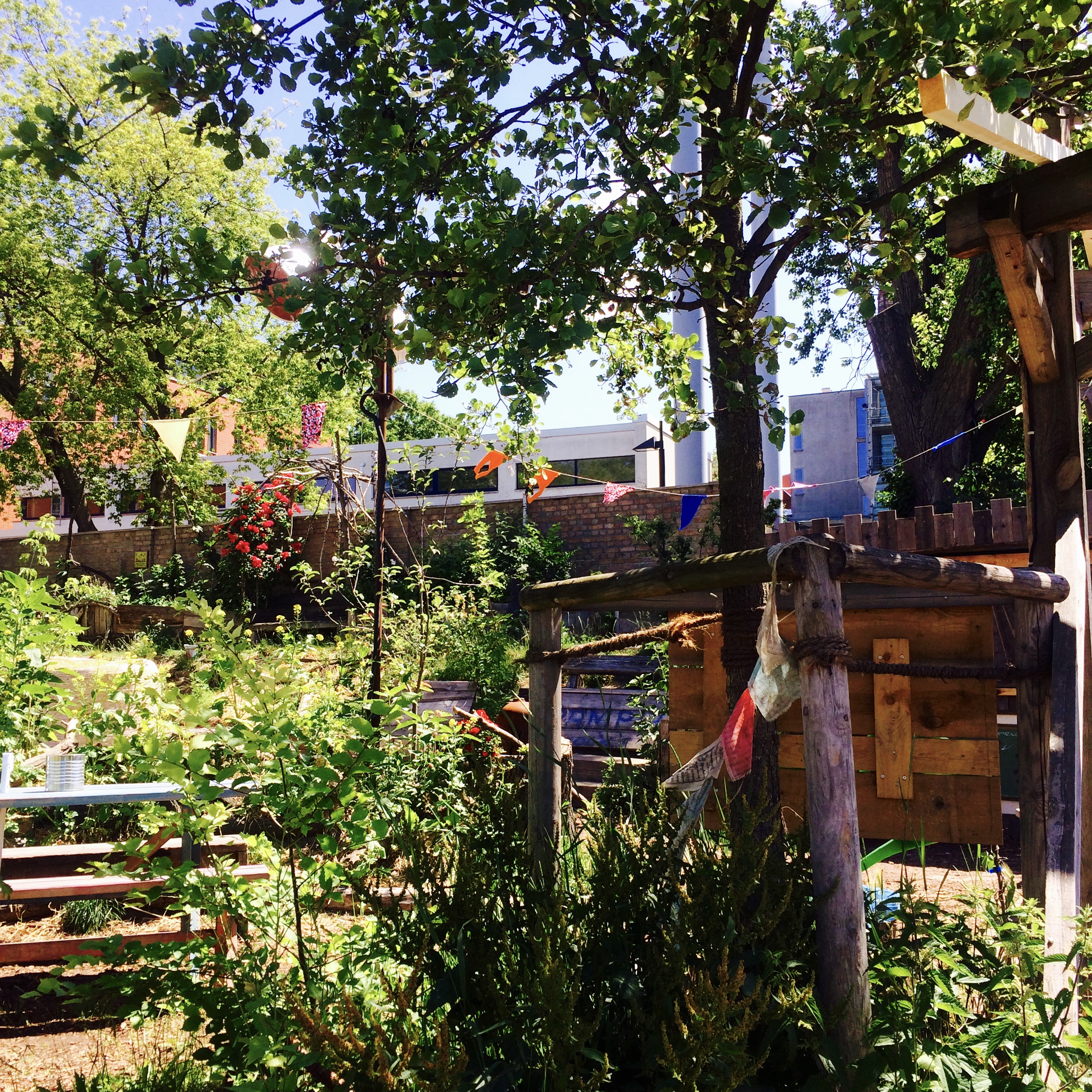
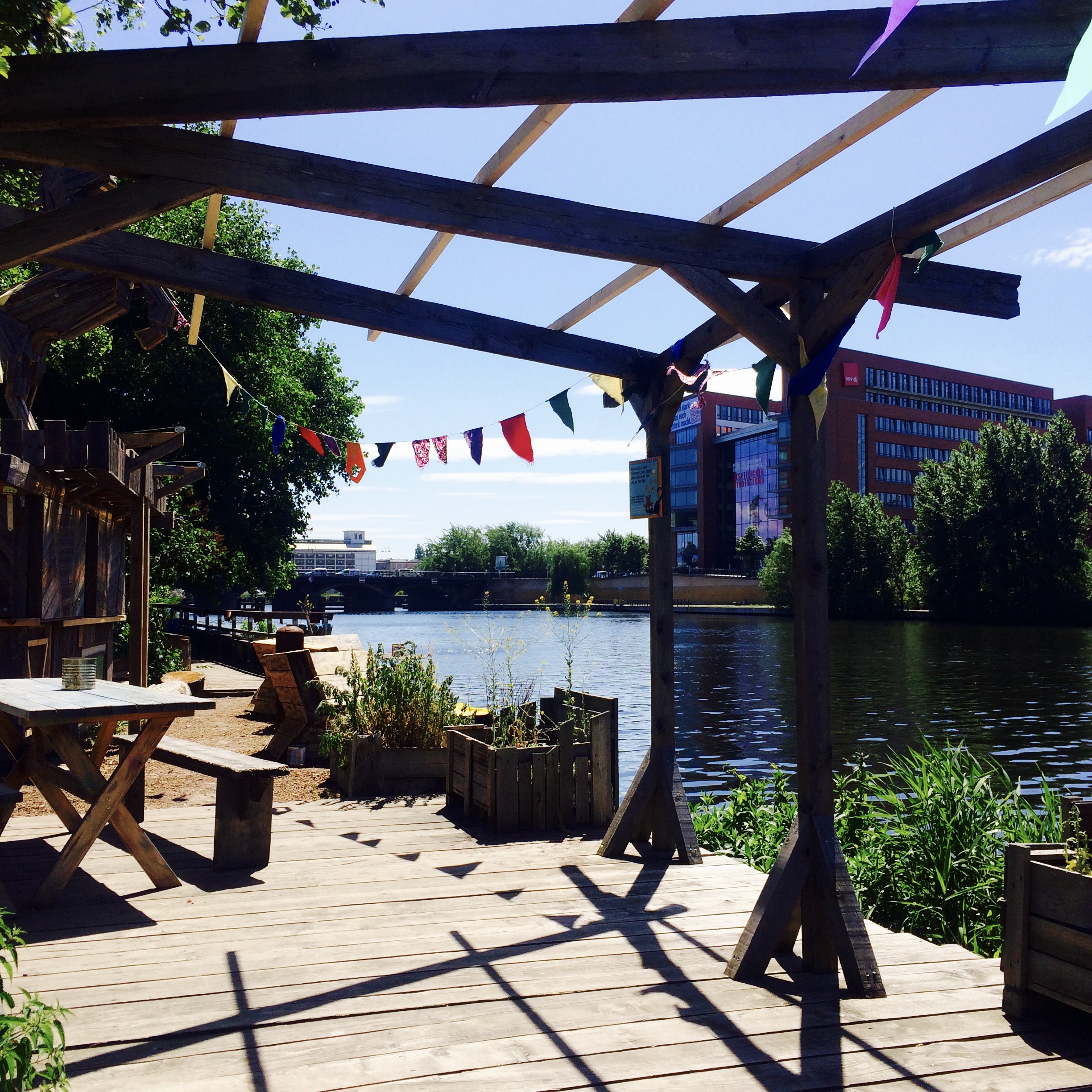
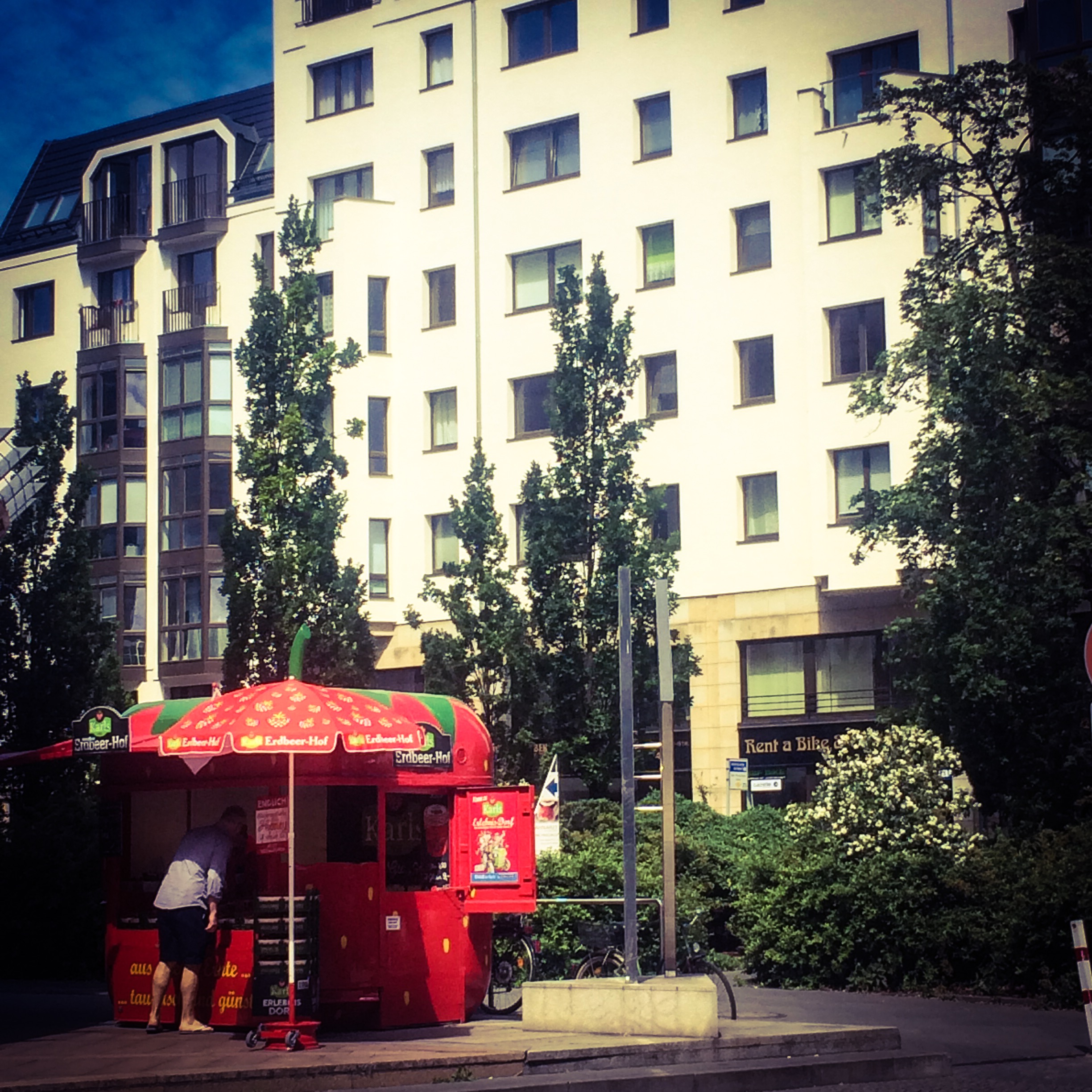
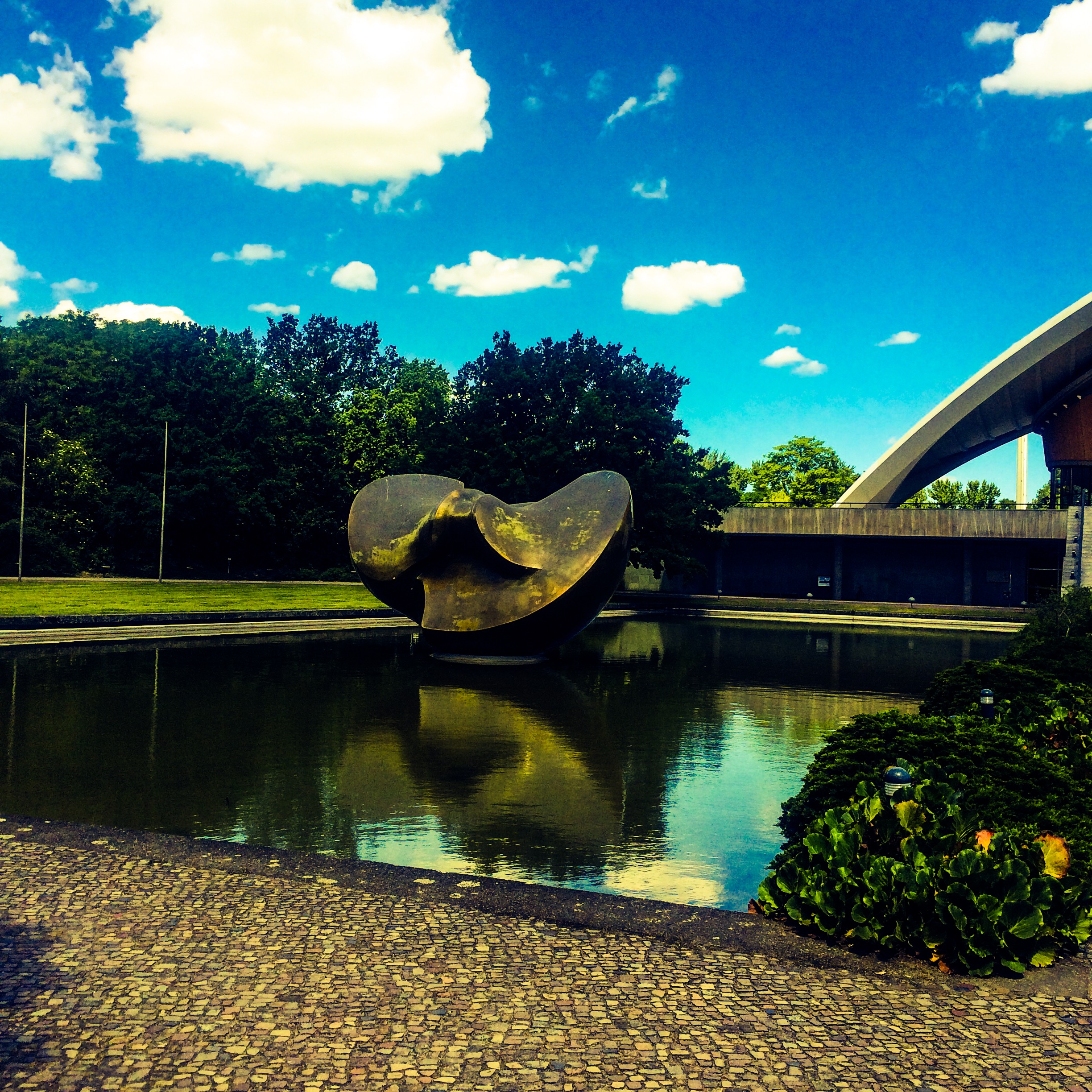
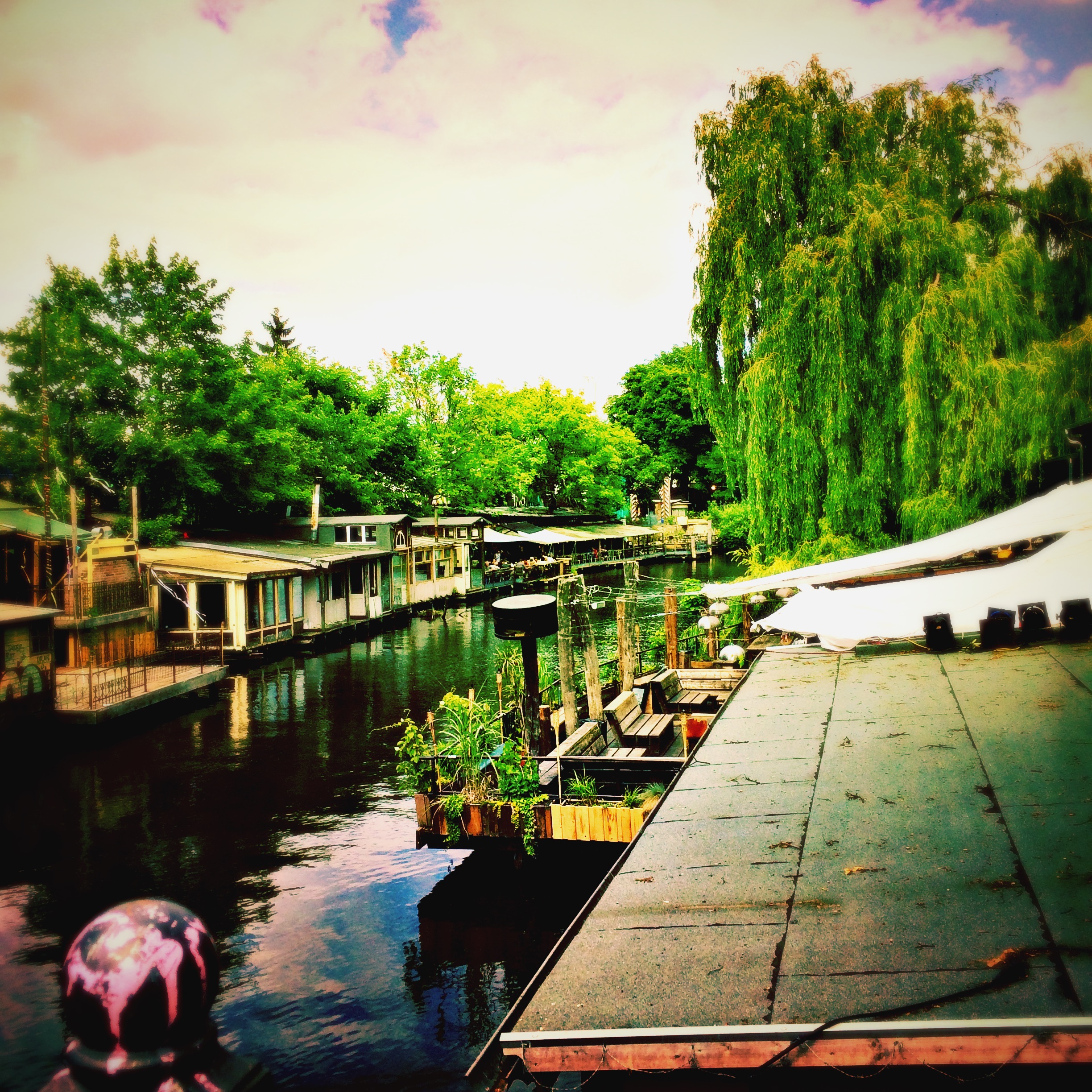
Berlin kinda has it all. There are vegan and vegetarian restaurants and cafes everywhere. We came across a place with hammocks that allowed you to concoct your own tea and watch the traffic go by as you swayed from side to side. Cool riverside cafes with bars embedded inside cabana-style sheds. Supermarkets which sell hummus and play Lana Del Rey on their speakers (what more do you need?!). A frankly mesmerising selection of Ritter and Lindt chocolates (the best). Parks where all sorts of people hang out, drinking beer and wine and throwing frisbee for dogs. It’s legal to drink in the street in Berlin and the vibe is always pretty chilled. The streets weren’t covered with litter, and generally the abundance of graffiti gave off the impression that to remove it would be to strip something pure from the city. It’s a colourful place, a dusty place (lots of construction going on), a green place. There’re parks everywhere, not to mention the massive Tiergarten, where you can lay around for hours, make friends at an outdoor bar, go rowing along the pond, check out a statue dedicated to good old Rousseau. There were little stands outside train stations which sold nothing but punnet after punnet of fresh strawberries. Beautiful Brutalism. Boutique coffee shops, vintage clothing stores, fruit and veg stalls everywhere. It’s super hipster, yes, but not in the kind of wanky obsessed-with-‘taste’ Shoreditch way, just in this laid-back, established way of cool. Plus, all the spirits seemed to be served as doubles, which was fun.
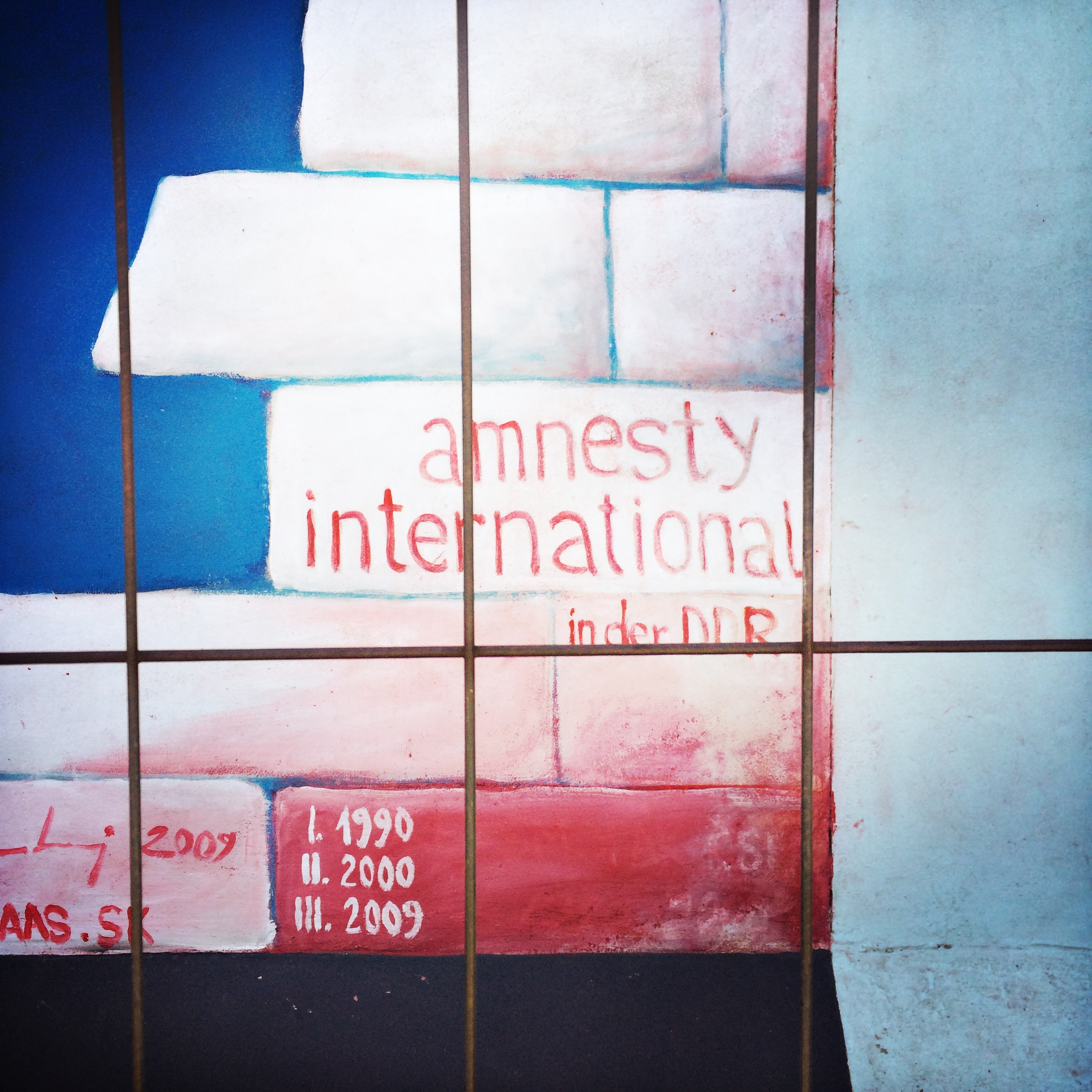
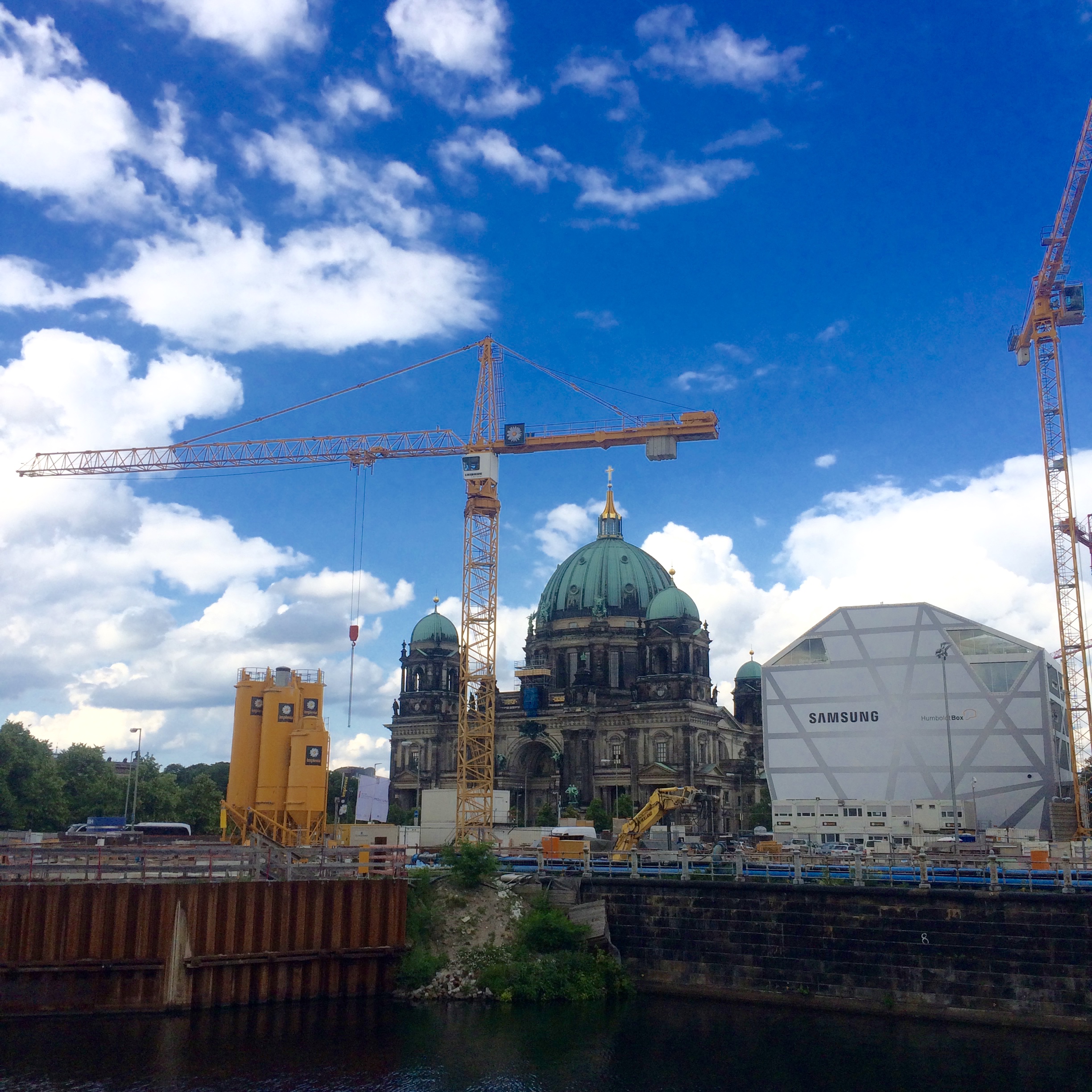
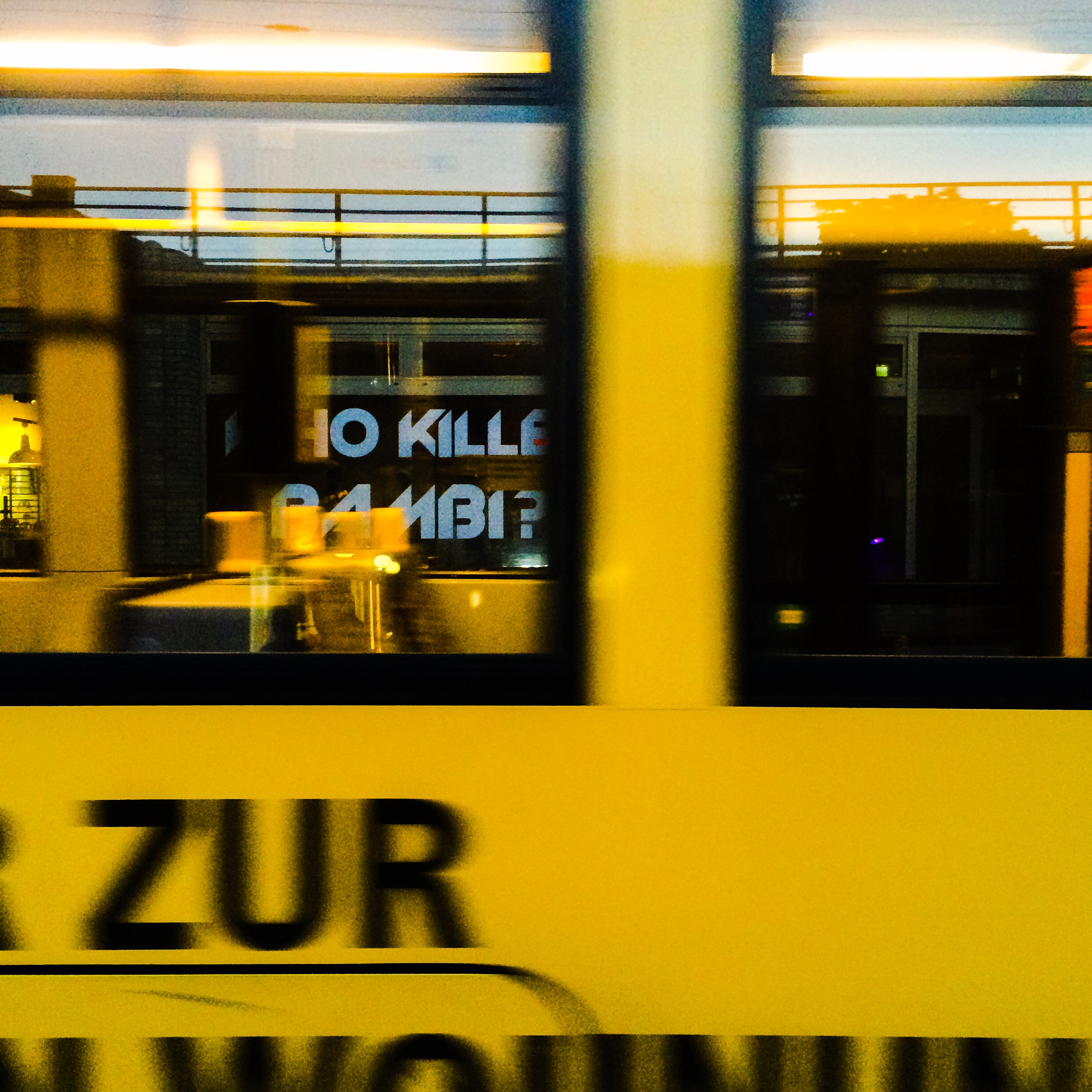
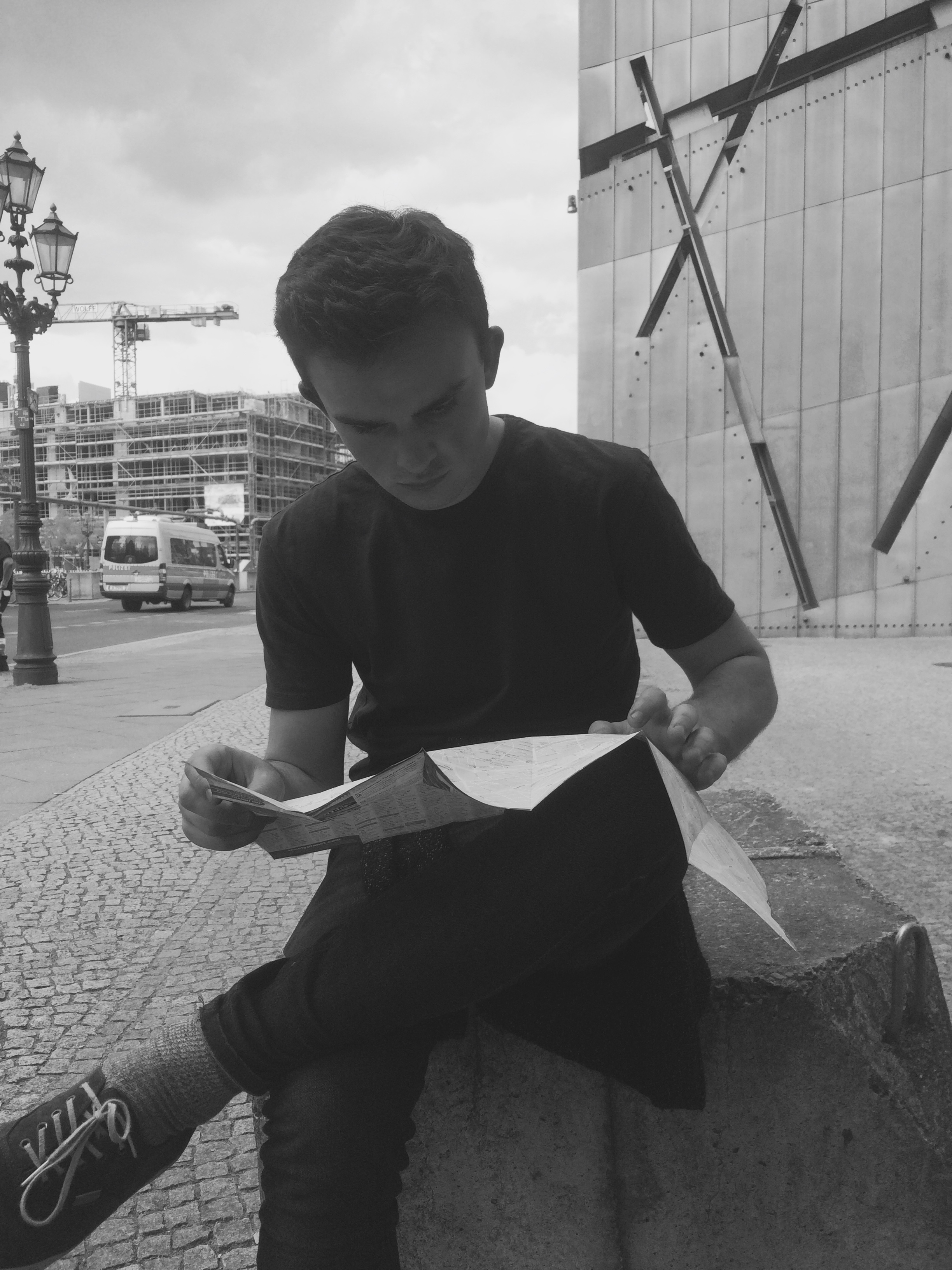
We walked around for hours and hours in the heat, sometimes catching a train, sometimes just walking some more. We walked more than 60km in three days, according to my phone! We saw the main shopping precinct, the parks, the lovely laid-back bar areas, the touristy stuff, the artwork at the East Side Gallery. I already want to go back, preferably with a group of pals who are brave enough to explore all the crazy warehouse raves, speakeasies, weird bars (especially The Black Lodge – think this might’ve freaked my brother out too much!)and clubs in the depths of Kreuzberg…

Some of my favourite Berlin things:

  • The place which used a gym bench as a bar top and sold my favourite whisky (Talisker)
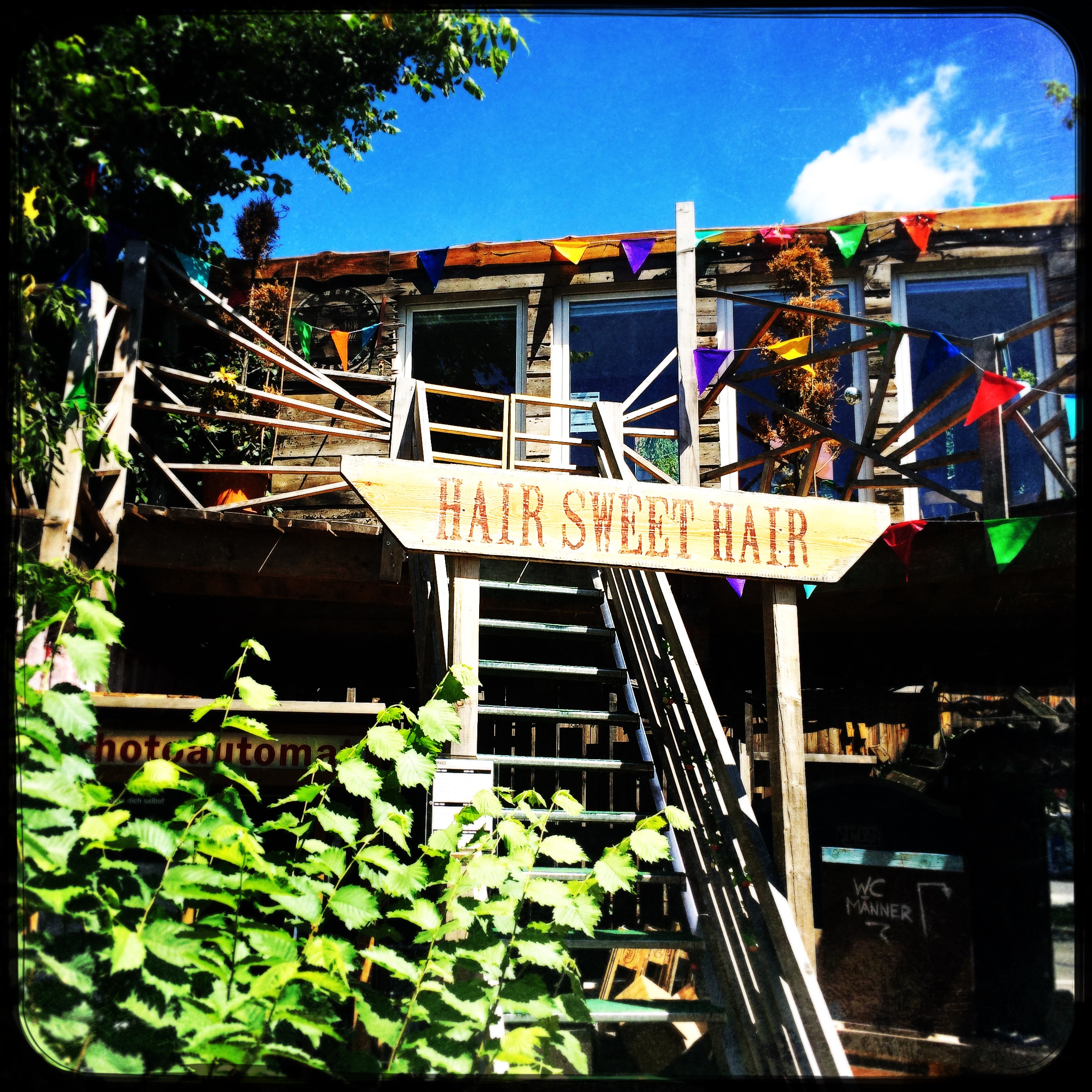
  • The riverside cafe with a hairdresser inside a treehouse
  • Double gin & sofa after walking for hours in the sun
  • The laid-back cafe vibe around Mitte
  • The crazy hotchpotch of people at Mauerpark
  • Ritte ‘Nougat’ chocolate, which is like those Guylian seashells only in a block of chocolate, yummmm
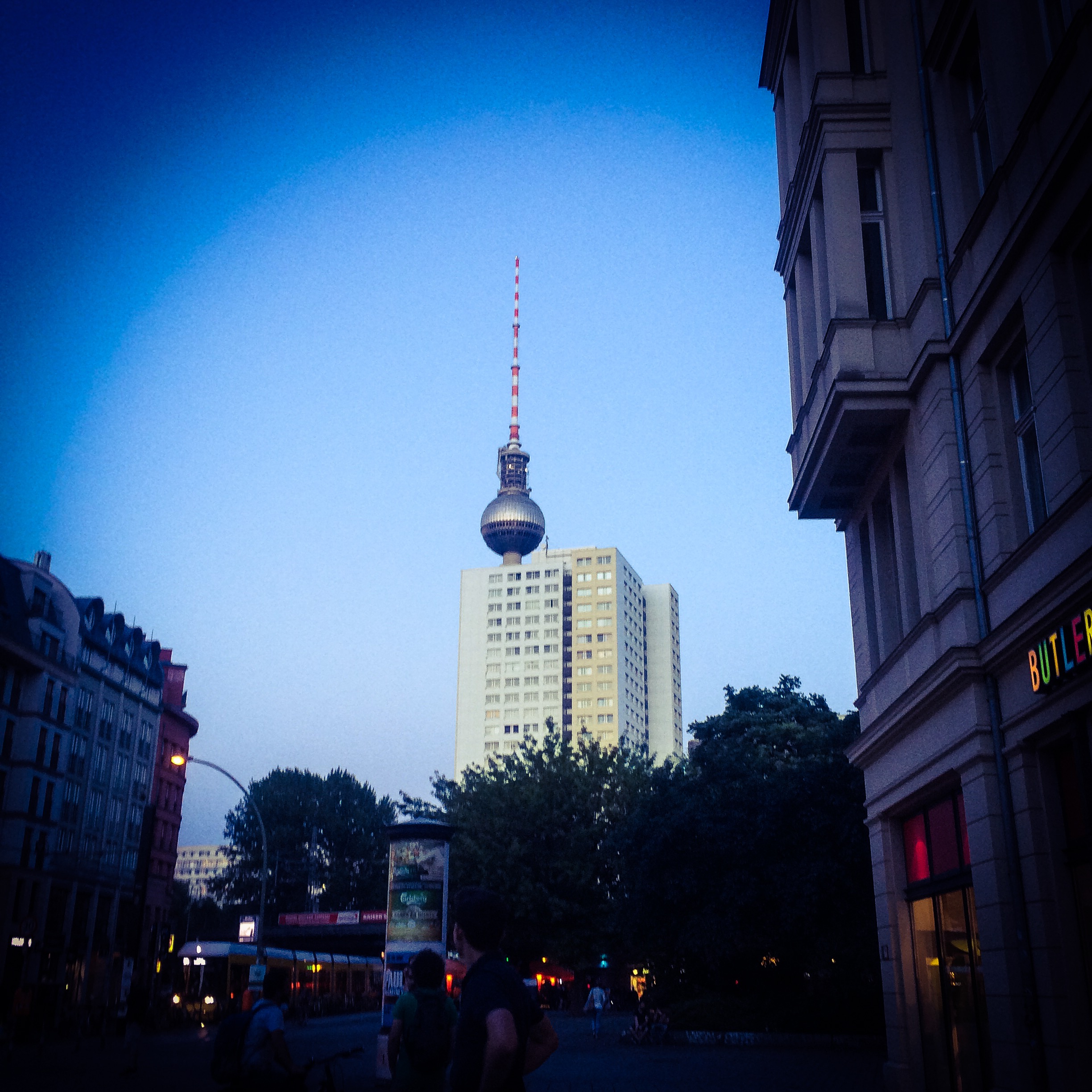
  • The African festival at Alexanderplatz (everyone looked cheerful)
  • All the lovely Americans we met at the hostel
  • Vodka bottles for like €1 at the supermarket
  • Seeing posters for loads of cool festivals, even though I won’t be going to them
  • The fact that cigarette machines still exist here!
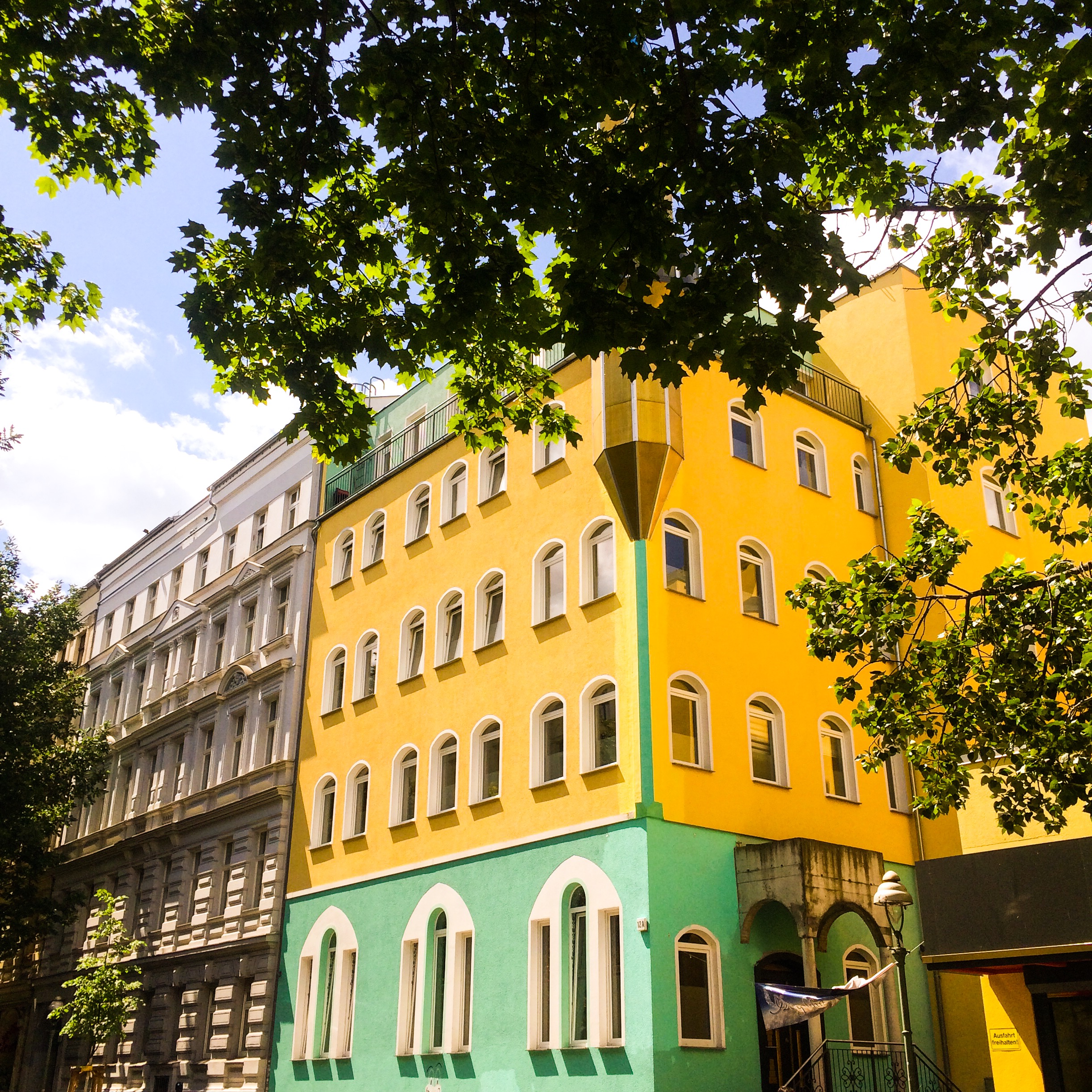
  • All the bright yellow buildings
  • The solitary man with long black greasy hair playing lovely sad dissonant songs on his cello, sitting under a bridge
  • Not having WiFi for a few days then coming home to lovely birthday messages!

Land of Boats & Rust & Sunset Metal

Eerie stillness, the still point of the stillest day. All of the western isles are supposed to be windswept, breezy, cold and white. The sky is never quite white, more a milky, ashen grey. An ink-stained clearness of upside-down water.

We’ve walked along the beach, along the shorefront of the town with its screaming islander kids on the green. The ice-cream diners lain quiet by winter. Daffodils swaying in terracotta pots, cats lounging on garden walls. Shop fronts of Easter displays, gold blue postcards and tall jars of sweets. We’ve walked ourselves back out of civilisation.

It’s so quiet here. The edge of the beach. You focus on the absolute intensities of nature, and that’s it.

The gulls, endlessly circling, squawking, cawing. The cry of a gull is always an echo.

The lapping of waves. A glassy, perfect, trickling sound. Clicking of our cameras. Metallic sound of rusted nails, grating against rocks as we walk upon them, crunching down matter. In the distance, dusk comes in colour, like someone cracked open a lump of cryolite, spilling its yellow fluorescence over the world.

A boy circles the road on his bike. We do not see his face; he is hooded, a messiah or a ghost. Later, he appears again on the ferry, then the train. Earlier in the day, we saw him meditating out on a rock, alone. He starts to embody some kind of fear, an omen. Like teenagers, we giggle.

You can drag your hand through the cold wet shingle and scoop out its shining treasures. We gather orange shells and red bricks which rub dusty colour onto the black of our jackets. Some shells are broken, yet still pearlescent. Nasty beasties quiver and squirm when we lift big rocks. We lift and scavenge and pillage, and then walk on. We are growing closer to the still place, the stillest place of the island.

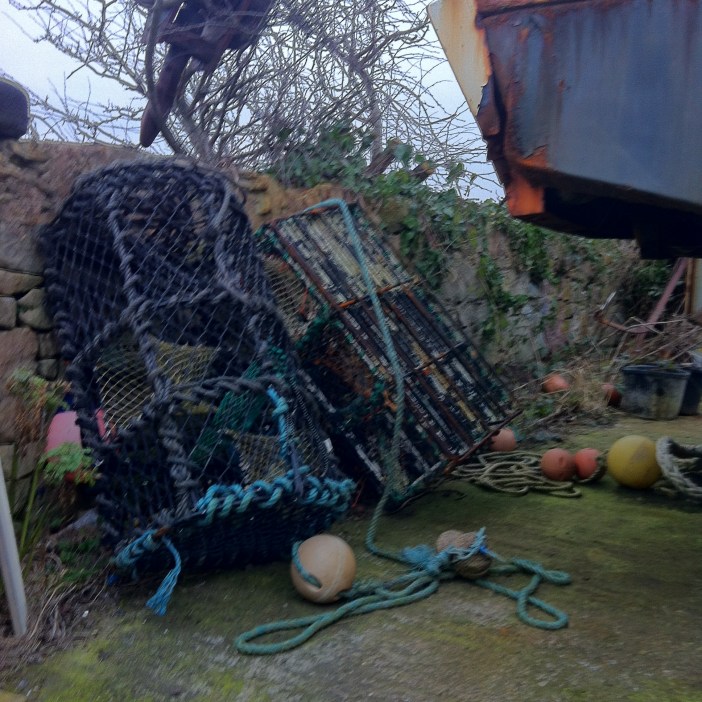
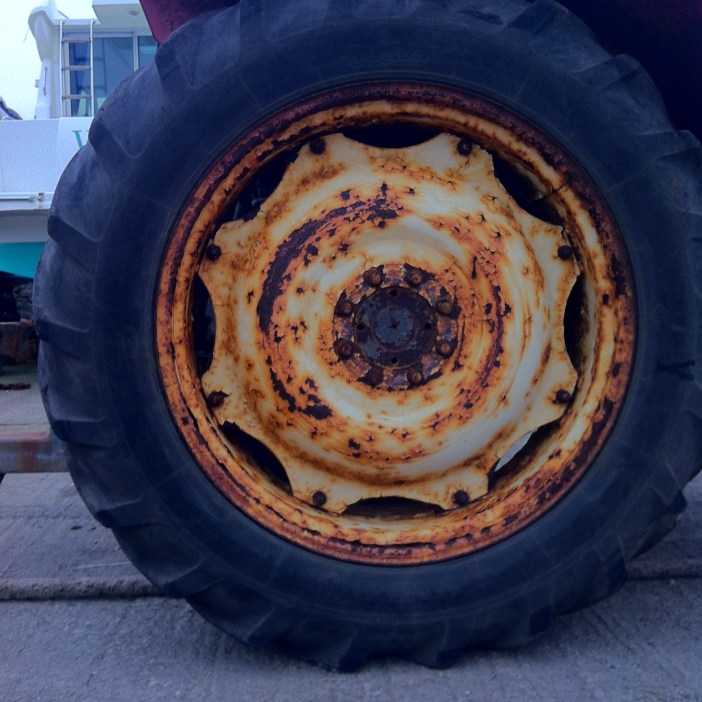
An abandoned shipyard of sorts. Some of the boats are still in use: there are ‘For Sale’ signs and various parts of ship rigging, scattered haphazardly around. Lobster plots, lonely buoys, a trail of broken forks. A slipway coated in green sea slime. Some of the boats grow a strange, alien rust. It comes apart in circles, flakes away at the edges like millions of wrinkling eyes. A brilliant, ginger bronze. Piles of thick iron chains succumbing to the slow process of oxidisation, stung by exposure to the harsh salt air, harsh salt water. To drag a finger along a single link is to be cut with visions of a ship at sea. Billowing storms, sails failing amidst inevitable shipwreck. It’s difficult to imagine such disasters on this pretty island, yet there is an uncanny sense to this space, as if we have entered a secret porthole, discovered what was supposed to be invisible to outsiders…

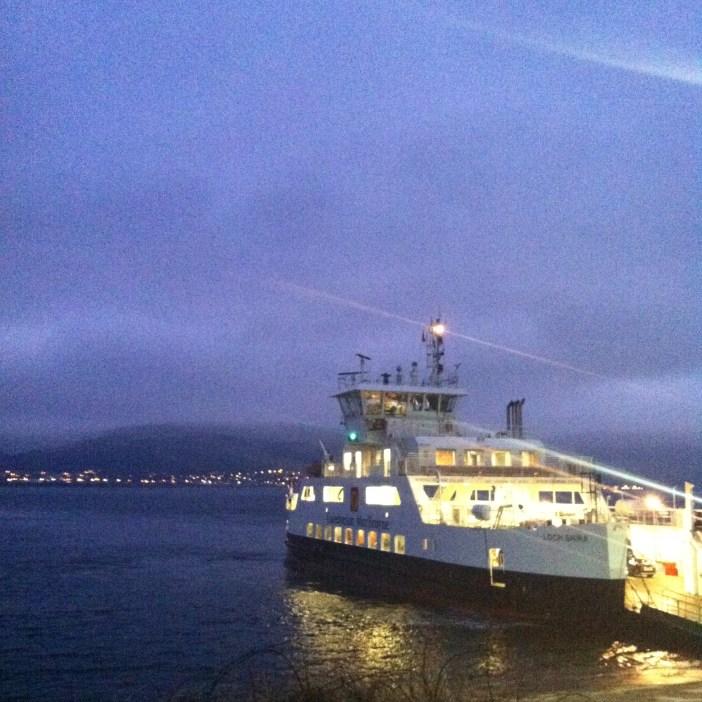
The quietness recalls an abandoned filmset. Some unidentified source strikes the repeated sound of a gong, mixing with the steadily lapping waves. We wander this place for nearly an hour. We return to the quiet gloaming, the silver mist rising over the sea. The mainland is there to meet us, its blue shadows of mountain studded with lights. For awhile it seemed so far, but of course it isn’t. We find ourselves in Largs, then on the train back home to Glasgow.

IMG_3374

IMG_3347

IMG_3353

IMG_3352

IMG_3369

Hillhead St.

IMG_0485

Springtime, 2012; first spring in the city. Living on Hillhead Street, with the cat, Miller, who used to mill around and curl his sleepy tail round your ankles at lunchtime, purring at the sun. It was sunny all through April and May. Early mornings in the library, level eight and nine with the light flooding the windows warming and pure, a dish of sun butter melting over sandstone buildings. The best seats, the computer screen a dull mist of unimportant philosophies. Walks along the Kelvin, tangles of fern and wild garlic and the solitaries who wander, sometimes stumbling, always clutching a spliff or a bottle of Bell’s or Buckfast. Coughing their pearls of greenish spit into the river. Summer of the Olympics, no care at all, sugar rush of coke and chocolate buttons and long evenings staring insomniac out of a tiny dorm window. The Decemberists, or Conor Oberst’s croon in the wanderings out to town, to the station or the Necropolis. Smell of cigarettes wafting from rooms below. So far, but not so far, from home. The red glow of the sun at dusk, the silhouettes of house plants, the sound of footsteps.

The Dunure Labyrinth

IMG_2643

Overgrown in summer, late summer with the lushness of August
fattening in the green bloom of another afternoon
exploring these spots on the west coast.

The labyrinth hasn’t been here for long;
laid down by volunteers
it etches out a vision of something otherworldly–
Pictish, perhaps, or else Pagan
and the strange age of overlap
where still we worship the unknown,
feel breezy and free in uncertainty.
Keats called it negative capability.

She will wander alone into the labyrinth,
scuffing her shoes in the gravel,
trying to deny the way the stones grow before her
rising like those of Stone Henge,
monuments to some elusive god.

Where all she sees are the sea flowers,
the saltiness sticking in her lashes,
soon she will be sucked in, the last gold drops
of sunlight just distant memories
tacked to the glass of her mind,
which ripples in the sea breeze
always wanting its tidal sweep,
its final sleep.

(You can get here on the bus and by walking through the village to the coast, somewhere down near the castle which perches on the cliffs. There are many paths through overgrown bracken and nettles, paths which wind down the cliffside along to the beach. There are benches and a couple of info signs and many views out to Arran, the particular grey green of the Firth of Clyde. The sea gulls here are less aggressive than the ones in Ayr, and sometimes you can see cormorants, which are of course more interesting. When you get to the maze, you have this lovely spot which is naturally sheltered from the wind and you can sit at peace with the world).

Road Trip

highalnds

Picture the scene. You pass sea after sea of pines, their tall green points misted with a fine web of vapour, a greyness that stretches over, concealing the tips and the distance, and you are not sure whether it is fog or woodsmoke, the wisps of early morning or perhaps the smoulders of a landfill. Probably you’re somewhere deep in the moorlands, glens and peat bogs of the Highlands; or maybe not that far yet, maybe just the Trossachs. If you open the car window a tad, you can almost smell the midges, their damp, thirsty breath in the air. This is air so clean that its purity counts as a flavour, claimed by many who have flogged the native whisky or bottled water. You would leave the window open, indulge yourself, but there is a sharp cold breeze that tickles the fine hairs on your neck, waters your eyes. It is always windy here; or else deathly still, like a valley out of time. Mountains rise up around you, growing closer and grander as the car turns another corner. They seem monstrous, towering over your small car, and you feel like William Wordsworth (the boy version, out of The Prelude) plodding along in his stolen boat, gazing fearfully up at the mountain peak beyond the lake, the peak that gazes back like an animal: ‘a huge Cliff / As if with voluntary power instinct / Upreared its head’. You can’t help but stare at the streams which splash down from each hillside like silver belts, which glimmer in the pale light which makes it through the misted sky. They catch your eye, pull you in myriad directions. You know that rain is imminent; its scent is as clear as the water that runs on the burn alongside you.

There is always birdsong, even in the evening. You can hear the cacophony of many different species as the car rumbles on in the silent space between two tracks passing on the stereo. You and your friend spent a whole day curating the playlist for this trip. Curating. She said that word, jokingly; but even so, it makes you feel special. This isn’t just any trip. It isn’t like you get out like this all the time, free from the bustle and smoke of the city, the people lingering outside pubs, the strangers drifting through in street-lamp darkness.

You spent a childhood in the back of your mother’s car; the smell of her cigarettes always blowing straight back into your face, rolling down the window to snatch breathfuls of that sharp, fresh air – an escape. You scrambled alongside rivers which rolled on over gleaming boulders; you scrabbled together heaps of stones and logs and built dams, pools and waterways. You fell over, bruised your knees, skelfed your fingers on the pine branches. You watched the water for hours, while your mother smoked and your big brother showed off, scaling rock after rock, cliff after clifftop. You ate cheese and pickle sandwiches made soggy by the damp that seeps in everywhere, through the aluminium and glass, the plastic glovebox and the silver foil. Midges clung to your neck; constantly you felt their hot, sticky itch. Sometimes the car smelt of engine oil. The food made your cheeks flush afterwards, as you washed your lunch down with bottles of flat lemonade that had lingered on the backseat for days.

There was an innocence to those holidays which literally makes you ache to think of. You would do anything to be that small again, crouched by a river, dipping your toes into the freezing water while your brother splashed you from afar, shouting declarations of war. His always taunting words, his grand arrogance. The way your mother scrunched up the sandwich foil into tiny, crumpled balls, collected them in her purse. The day you found them all, still there, when you were digging for lunch money.

Fog coming in thick and deep from a distance. You saw it roll over the mountains like God’s own shroud. It was comforting, feeling the moisture prick in the air, seeing the landscape slowly disappear. When you retreated back into the car, packed up the camping gear, fought with your brother over the radio. He always wanted the sport – Five Live – and you wanted the songs, the music. The stereo pumped, crackling and loud, audible even through the walls of the car, drifting in and out of signal, static…

Her sadness, leaning against the bonnet, sipping from a flask of coffee, staring out into the distance. The tears that you couldn’t see – not from behind – but you always knew they were there.

And why are you going? Why set forth again into the world of fog, of deep enveloping glens and silver rivers? The soft moss and the heather, the greenness that haunts your sleep. Was there some mystery you thought you could solve? She said it would be cathartic, your friend, her name irrelevant. Anyway, it’s Eilidh. When you met her, you didn’t understand the silent letters.

The playlist comes from an iPod, the classic one with the spinning wheel and the white casing. You were going to sell it, after you lost your job and faced the end of things, but something pulled you back. Gone were the Nike trainers instead, and now you are here in the car with your best Sports Directs. What sounds pass through your head? There are many conversations you always wanted to have with Eilidh. You wanted to ask about her purple hair, the bright lilac colour of heather. What did it mean? You wanted to ask whether she was still seeing that guy she met at uni, the one who studied law and played cello for an orchestra; who spoke French in a way that defied the limits of his Edinburgh accent. But you had known her five years, and still you could not speak.

The songs were lovely, dark and deep. Miles were consumed by the roar and pulse of the engine, roadsides slipping away as easily as signs fading into hill fog. You were long gone from the city, its tall grey buildings a mere memory, the pillow of mist you sank into at night. Remember the times you shaved an inch from your life? The bus turning the corner, sharp; the tiny sliver of razor on the white bathroom china. The dark colours flowering out in water, as you watched your ex-girlfriend wash her paintbrushes in the sink. Shades of crimson, violet, blue and scarlet. You were slipping through all these images, the shock and the bruising; the little jolt to your heart as the car passed over a pothole. You were driving, then she was. It’s difficult to remember.

There’s a lot of Mogwai on this playlist. When you first hear ‘Heard About You Last Night’ it’s a bit like waking up for the first time, the blinking beat and slow entry of bass bringing into colour a brave new world of beauty and fear. So many people, you suppose, have died out on those mountains. Battles fought and lost and won. Rain that fell for so long, it seemed the whole landscape might be swallowed up in shadowy puddles. Then there’s the anxiety of ‘Hungry Face’, those infuriating repetitions which build up to the twinkling innocence of the xylophone against those quietly thundering drums. It gets in your head; you can’t help but think of ghost ships disappearing over the Clyde, a set of yellow eyes opening and closing, suspended in the dark, clouded air like the smile of a Cheshire cat. The sound of soft, steady bleeping. Eilidh says something funny about the sheep. They have an absurd look about them out here, she says, but then so do pretty much all sheep. They glance up at you, but instantly their expression fades into blasé. They have only two emotions: indifference and fear, the fear coming out when they jolt their necks back and scarper.

Soon you fall into the melancholy of ‘Cody’, so slow and serene you might as well be stoned, sinking away from your thoughts like being pulled out into a vast, shimmering ocean. The bass echoes slow through the car, its thick walls. You press your face against the glass, leaving steam marks which fog up the world outside, the tall green mountains now coated with your breath. Reality blurs with the material of sleep. And would you stop me? If I tried to stop you? You imagine this is what heroin feels like, plunging into a slow, majestic ecstasy, the kind that drags eons of time through your veins; and from all those hours draws out this kind of awesome mournfulness even as your whole body tingles with euphoria. You could sleep forever in blissful, evil dreams. When I drive alone at nights, I see the streetlights as fairgrounds / And I tried a hundred times to see the road signs as Day-Glo. So slow, the car turning corners. An elegy to a lost raver, stumbling through the darkness of some urban labyrinth, the upturned bins, old condoms and leaking glowsticks spilling out the wasted remainders of another good night, another goodbye to childhood. Would you care at all? Eilidh rests her hand on your leg.

“Stop crying,” she says. It’s a statement, not an instruction. You are still staring out the window.

Your mother used to listen to The Waterboys, maybe even Primal Scream in her more rebellious phase. She liked to dance around the living room doing the dusting to ‘Fisherman’s Blues’, all the dust motes swirling up in a maelstrom of childish untidiness and neglected housekeeping. Her voice would crack and she would laugh at herself, breathless, collapsing onto the sofa. Make me a cup of tea, eh boys?

You were at a house party once, at uni – not that long ago really – and this girl was playing a song that stirred something familiar in your memory. You knew that voice, its growl, the twists of electric guitars.

“What is this?” you asked, the joint smouldering between your fingers.

“Oh, it’s The Waterboys actually.” You resented her showiness, of course, but this was interesting. “I know, so lame right? I like it though. They put Yeats to music. You know the poet, W. B. Yeats? ‘The Lake Isle of Innisfree’. It’s a lovely poem.” She was drinking port, of all things – you remember that too.

You inherited, perhaps, a gloomier tradition of the nation’s music. There would be no Proclaimers on this playlist.

Arab Strap, the disco beats, spat poetry and everyday apathy.  The sort of post-hardcore or drum-soaked indie that felt like having the rotten parts of your brain stripped out as you lay on a boat, slowly being drenched in dreich Scottish rain. You were always a fan of Frightened Rabbit, ever since you saw them at a festival once, danced yourself into a frenzied ceilidh of mud and tangled feet, even as the songs sung of sadness and bleakness and heartbreak. The endless drone, the refrain: it takes more than fucking someone to keep yourself warm. Teenage campouts in Loch Lomond, worried you would all die of the cold, of the rain and the midges. Drunk out your minds, desperate and scared of the river which burst its banks sometimes even in summer. The expectations of nothing but the prospect of falling into the same abyss as everyone else. Fag butts drifting by the edge of the river, the scorched remainders of a bonfire. Listening to it again now, well, you can’t help but think of how this seems to be coming true somehow. The same abyss. Even as the drums collapse over the screaming words, there’s a waterfall out there somewhere, maybe the one you floated in once, upside down on weird pills with the cold so deep in your bones that you didn’t feel the punches of your best friend who hated you because you kissed — no. That was another time. You are driving forward now, you are at the wheel.

Maybe there is something that you know that I don’t. 

“We should stop soon, you look like you need a rest.” The world outside is almost darkness; it is twilight spinning webs of navy and sapphire gold around the edges of trees and mountains. Trees with their shimmering leaves. Clusters of stars emerge from the velvet blackness. You wouldn’t stop for anything.

Next: There Will Be Fireworks, ‘From ’84’. The simplicity, the sorrow which isn’t yours; for how could you feel so much nostalgia for a year, a thought, that came before your time? The not-belonging is what makes you feel lonelier, the minor chord, the rustle of Eilidh in her woollen tights turning the page of a cheap magazine. Just a kid, in his room / No-one hears him howling at the moon. But you have lost touch with friends too, you have felt the strange pain that comes from seeing people you love change, grow apart. You cannot hit the high notes; you cannot sing along. So we’ll put it down to fate or bad luck. The plain, bare strumming pattern haunts you, even after the song finishes and something new comes on. You’re thinking of another lyric – sad song in a minor key – and wondering how you ever heard of this band in the first place. Why is it you love them so? Whether they’re actually any good, or just another expression of bleak Scottish winters, the lack of sunlight, the endless, down-pouring rain…but isn’t that beautiful too?

Eilidh has, perhaps, more interesting taste. The next song is hers: Cocteau Twins of course. She mutters on about how their best album was Milk and Kisses, though everyone thinks it’s Heaven or Las Vegas. Elizabeth Fraser’s dreamy soprano takes you straight through the night and into the morning; you could both listen for hours and hours, not realising that the songs were changing or repeating, just drifting into the dissonant guitars and distorted lyrics, the hypnotic drum machine loops, better than sex. You would like to float, suspended in a disco somewhere, each song playing out the pattern of a strange, intense kiss. You suppose these are all the 1990s discos your mother would’ve went to (if she hadn’t had you). What does it matter now? The sky before you bursts through in pastel smudges, which break up the dark silhouettes of the Trossachs mountains. In the distance, through the windscreen, sparkles of sunlight play upon a pale blue pool, the first loch you have seen since yesterday. There is something about the shape of the peaks, the space of the valley. You have been here before. 

The Twilight Sad come on the car stereo. There’s no mistaking the intensity of that voice, the thick accent and its distinctive rolls and howls. Each song with its own atmosphere, a haunted quality reminiscent of The Cure.

“Let’s stop here.”

The loch is so close now. You can feel something inside you, a tension breaking, the rapid increase of the beat from the heart that burns in your chest. Eilidh is humming along, though her voice crackles and breaks as easily as the gravel on the road below your tyres. When you climb out the car, cold air sucks your breath away as you slam the door. Suddenly, the signal floods back to your phone. Three missed calls from your brother, and you know what that means. Another night, another row of bottles slowly emptying, slowly being broken in a dive bar of old men, the black hole at the bottom of every street in every Scottish city. Once he was an eagle, soaring down those hillsides, ready to leap out and scale the lake with legs made strong by football, with arms that could reach out for anything they wanted. He couldn’t save her, any more than you could, weak and pathetic, wrapped up in all that suppressed panic. Hidden in your room, even when it happened. It rolls through you, the realisation. This loch, like a terrible mirror. This beautiful loch, the very one you all picnicked by, the year your brother finished high school, the year of your first kiss, the year she —

‘There’s a Girl in the Corner’ on the stereo, and Eilidh is speaking, but her words are muffled through the window, the pounding drums and resounding lyrics. She’s not coming back / And she’s not coming back again. Standing here, the cold wind at your neck, another summer nearly ending and here you are – you finally feel it.

(all embedded lyrics attributed to respective artists).

Tempest

https://youtu.be/GQHu-mNfhd4

Out from a colourless tundra
comes the turning wind, the wind
that rattles the glass of a window
knife-thin,
willing outside the world within.

Down in the park the pathways flood,
so gurgling glugs
of chocolate water swirl and seep
and spill from the river,
like blood burst from an artery.

Across a sky of aching grey
the flock of blackbirds fly,
showering outwards in sparks of darkness—
a blink and they will fade.

Turn around in sparkling rain:
the glaze that clings to twigs and leaves,
saliva soft and silver glinting,
like water on a house’s eaves,
lushly splashing
the webs of spiders.

Behind the sway of hollow trees,
their million fingers twinkling,
there is a spread of endless green,
a distant summer—
the luxury, my own decision.

Here, out of the storm you now appear,
a tangle of whiteness: white scarf,
white floss of hair. Your sadness
lost to me now, a fragment
as the rain blinks on and off
and loses my vision.

On Brutalism

Photo by Subflux: https://www.flickr.com/photos/subflux

One of the first things you notice when you come to university in Glasgow is the building that passed you by on the open days: Boyd Orr. Orr…ore…or? With such connotations of alchemy, alternation and mechanical process – the extraction of mineral from rock – you’d be forgiven for thinking this building might have that rare quality of metallic extraction. The glint of some loveliness got from the mined core of the earth – or at least some relic of its crust. Boyd Orr himself, as Wikipedia tells me, was a Scottish teacher, doctor, biologist and politician, who also bagged himself the Nobel Peace Prize for work relating to wartime nutrition. Fitting, perhaps, that this man who dabbled in the arts of healthy eating would give his name to a building that some have found physically repulsive and ugly – if anything, unhealthy.

Still, nutrition involves mining particles of food for their usefulness. Finding all the vitamins as a geologist might take ore from a rock. There is something abject about all this: wrenching nature inside out, textually taking apart her insides with the bland incisiveness of a knife (the linguistic thrills of science course-books). The molten loveliness of erosion, rocks, temporal process – we can reduce them to names and building blocks.  And so we have Boyd Orr, that building of much usefulness and much disgust. The beast of a building that somehow you find yourself in, day after day, traipsing up the stairs for lectures, waiting for someone to give you their jewels of information. You came here thinking you’d be living the Harry Potter high-life in the extravagantly gothic main building, chased by ghosts and granted with turret views. Instead, you end up four floors up in a building that sends its gross sneer across the otherwise lovely architectural landscape of the West End.

Source: theglasgowstory.com

Whatever you might say about Boyd Orr – with its dirty-white panels, greying windows and greyer walls, with the greenish mould that creeps up its underside like seaweed on a rock and the ugly stark jut of its body against the surrounding skyline – you must say that it is a fine example of Brutalist architecture. The heyday of Brutalism was the period between 1950 to the mid-1970s, a reaction to the modernism of the early twentieth-century. Most examples of Brutalism tend to be found in governmental or institutional buildings (university libraries, shopping malls, high-rise housing), whilst corporate buildings have always favoured a more glassy, futurist chic. The thing that strikes you first about a Brutalist building is its sheer expression of, well, concrete. It hits you with the blunt materiality of a prison or fortress, and you know, it does take a while to get used to going inside. Sometimes it seems impossible that such a monolithic block is carved out inside with such things as canteens and toilets and classrooms. Part of its statuesque aura relates to its positioning: right on the corner of University Avenue and Byres Road, where the surrounding buildings are much smaller or indeed older (and prettier for that matter). There’s no getting away from this eyesore, this monument to an industrial modernity that seems now to be receding in the mise-en-abyme of contemporary metallic panelling, plexi-glass and plastic coating.

Edinburgh's Scottish Parliament Building. Photo by UncleBucko. https://www.flickr.com/photos/unclebucko
Edinburgh’s Scottish Parliament Building. Photo by UncleBucko. https://www.flickr.com/photos/unclebucko
Glasgow School of Art. Photo by gillfoto https://www.flickr.com/photos/gillfoto/

Like the rest of Glasgow’s culture, its architecture is a tale of two cities. There’s the legacy of our colonial history, with flourishes of opulence on every corner; but there’s also the leftovers of 1970s ‘slum’ housing, the crumbling tenements where once upon a time (and, unfortunately, perhaps still today) a whole family would share a bedroom and washing was done at the ‘steamie’. In one street you might have a bizarre Art Deco number next to some crumbling sandstone tenements, or a gleaming new-build sprung up alongside Victorian houses with massive (single-glazed and listed) bay windows. There’s the black-and-white nostalgia of the Gorbals and then there’s the grandiose Park Circus, sat atop Kelvingrove Park looking out with picturesque views over the city. There’s the famous Carpet Factory, the Rennie Mackintosh Art School, the various churches, mosques and synagogues with their unique homage to Roman and Eastern styles. There’s the uncomfortable fact that much of Glasgow’s beautiful marmoreal and sandstone glory is built on the slave trade. We also have the bug-like SECC resting next to the Clyde as if we were in Sydney, the Royal Concert Hall that crowns the top of Buchanan Street, the new Hydro that more than anything resembles a UFO. It’s definitely a city of eclectic architecture. While we might not have the equivalent architectural (and indeed financial) notoriety of Edinburgh’s Scottish Parliament building (which in my family alone has been called ‘horrible’, ‘interesting’, ‘a waste of money’, ‘too modern’ and ‘more of an art gallery than a parliament’), we were in 1999 designated the UK City of Architecture and Design, beating the likes of London, Liverpool and of course, Edinburgh. You only have to reflect on the response to last year’s Art School fire to recognise how seriously we take our physical landscape and architectural heritage (even if it is often covered with ad posters and graffiti).

Photo by Susan Casey https://www.flickr.com/photos/susancasey/
The Gorbals, 1968. Photo by Susan Casey https://www.flickr.com/photos/susancasey/

Anyway, back to Brutalism. The key word related to its style, aside from concrete, is perhaps ‘function’. Stripped to its core elements, Brutalist architecture involves repeated ‘modular elements’ which are grouped together to form the whole. This is the raw fragmentation of modernism, here transformed into something with instrumental purpose, something solid that seeks to counteract the airy dissolution of modernity. ‘All that is solid melts into air’, Marx said. With Brutalism, the response is to make things as solid as possible. How ironic that Marx predicted a revolutionary dissolution of oppressive social structures, whilst the ‘proletariat’ in question remain literally trapped inside buildings which encase them in a physical manifestation of the very (metaphoric) solidity which binds them socially – the hard class structure, the poverty cycle and so on. And perhaps also ironic that some of these buildings were erected at a time when industrial labour was entering its decline in Britain and elsewhere, especially in Glasgow towards the end of the 1970s, as Thatcher came to power and that mineral source of wealth and opportunity (going back to ore of course) – mining – was dissolved from the national economy.

There is also the uncanniness of paradox attached to the fact that when one observes a Brutalist building, it is often difficult to discern its function due to the sheer vastness of its functionality. This relates back to what Edmund Burke in 1757 defined as ‘the sublime’:

The passion caused by the great and sublime in nature […] is Astonishment; and astonishment is that state of the soul, in which all its motions are suspended, with some degree of horror. In this case the mind is so entirely filled with its object, that it cannot entertain any other.

Burke was talking about the sublime as it was caused by scenes of nature: mountains, chasms, forests that seem to stretch on forever. However, as urban landscapes increasingly eat into our countryside, it seems fitting that we might consider the vastness of their proportions – or indeed, their ugliness – a kind of sublime in themselves. What else do we feel than a kind of passionate ‘horror’ as we find ourselves faced for the first time with buildings like London’s Trellick Tower and Barbican Centre or India’s Palace of Assembly? All those pattern-like repetition of squares resembling a Kantian ‘mathematical sublime’, whereby an overflow of signifiers stretching out into tedious infinity bears the threat of all meanings, distinctions and associations collapsing into one long metonymic chain leading to nothing but more signifiers. It’s enough to give you a headache, and quite ironic that Boyd Orr is next to the equally hideous though somewhat-smaller Mathematics Building.

Trellick Tower. Photo by Martin Hearn https://www.flickr.com/photos/martinhearn/

Central to Burke’s idea of the sublime is the notion of the pleasure associated with terror: as we gaze at something which overwhelms us, we find ourselves staring into the abyss of meaninglessness, on the sheer precipice where representation itself collapses. St. Augustine suggested that the ugly was that which embodied formlessness in its lack of beauty. This aesthetics of excess or hideous terror appears curiously inappropriate for a style of building whose very purpose was built on form as function. We might think of Frankenstein’s monster, whose ugliness stems not only from the fact that he is composed of the flesh of dead cadavers, but also his sheer pointlessness – the fact that he is a ‘blot upon the Earth’, as Mary Shelley has him lament. Might we consider the likes of Boyd Orr a horrible, monstrous ‘blot’ upon our sacred streets? Or is this more than a question of mere aesthetics?

As Romantic poets readdressed the Neoclassical distaste for the gross pointlessness mountains (favouring, as Alexander Pope’s Windsor Forest perhaps best exemplifies, a view of nature as ordered and harmonious) by fetishising the psychologically disruptive experience of the sublime (in the way that Coleridge, de Quincey et al also favoured the psychologically disruptive experiences of opium), today’s generation are raising Brutalism to idolised status rather than rejecting it as a mere eyesore. Sure, you will have the many students who moan about Boyd Orr’s appearance on their campus, but you will have an equal number of enthusiasts on the likes of Tumblr posting Brutalist architecture onto their blogroll, alongside your Banksys and softcore erotica and fan-fiction all that other Tumblr jazz. Stark black and white photographs record an almost antiquarian fascination with the aesthetics of these buildings and their value as some relic of a solid past we can’t quite get back to in our shiny era of crazy postmodern architecture.

Photo by Tom Donald: https://www.flickr.com/photos/clearwood/

But is there an ethical problem underlying this fetishising of some Brutalist buildings? They are, after all, often the homes of many people living in relative poverty. Sometimes, these buildings are just down the road from areas of affluence and architectural extravagance. I don’t need to mention specific areas for you to think of places in Glasgow, because there are certainly many. It’s a problem related to the way that urban decay is appropriated as a kind of dark backdrop upon which a white, middle-class guy sorts his life out. There’s always been the ethnographer’s dilemma of how ethical it is making a living out of describing poor conditions without doing anything about it politically or practically. I suppose what I’m getting at though is that there’s something a bit more uncomfortable about using these buildings as ‘cool’ aestheticism, a mere viewing-spot on the blasé scroll of online photography. Still, I don’t think there are clear answers to this; and maybe it’s good to share images, because sharing raises awareness.  You just have to keep in mind the whole problem of ‘poverty porn’, and the notion that by glorifying certain buildings you are also glorifying a particular experience of poverty, however unintentional your actions.

Photo by  https://www.flickr.com/photos/22087304@N07/
The Red Road flats. Photo by <p&p> https://www.flickr.com/photos/22087304@N07/

Indeed, this perhaps is what made me so uncomfortable about last year’s plans to demolish the iconic Red Road tower blocks and transmit the demolition live as part of the Opening Ceremony of the Commonwealth Games. While it is of course good that the Games involved building new, much more accommodating and safer houses to replace these crumbling relics of Glasgow’s past, I don’t agree that it should’ve been broadcast to add a ‘bang’ to the Opening Ceremony. London gets magnificent fireworks for the Olympics, we get…glorified demolition? Destroying a symbol of poverty doesn’t destroy poverty itself, however easy it makes it look. Luckily, these controversial plans were scrapped in the end after much public opposition (which just shows again how much Glaswegians care about their physical environment and the social consciousness within it). Regeneration is underway with the Games’ legacy and of course it is a great thing, but there is no need to sanctimoniously erase history in front of the world to show that you’re doing it.

jg-ballard-high-rise

This points to the whole issue of Brutalism’s somewhat brutal decline since the 1980s, especially in Britain. Vocalised distaste from public figures, the association with urban decay, problems with graffiti, cramped living conditions and its starkly cold, almost totalitarian appearance, all contributed to this decline. Another contribution to this decline perhaps came from British Literature’s concrete guru, J. G. Ballard, as his novel High Rise (1975) documents a dystopian, Lord of the Flies situation where the closed conditions of a high-rise building lead to a swift degeneration of the residents lives. The enclosed spatiality of place itself gives rise to a carnival of savagery and violence, where primitive desires are unleashed in this isolated environment. The opening line perhaps gives you a good indication of where Ballard is going with this novel: ‘Later, as he sat on his balcony eating the dog, Dr Robert Laing reflected on the unusual events that had taken place within this huge apartment building during the previous three months.’ There is a strain of dark humour running through the text, as well as the shock value of its exposure of human nature placed in its urban limits. You get the sense that Ballard secretly revels in both the sheer surreal ugly inhumanity of it all, whilst critiquing the politics of urban planning that might one day lead to such a scenario.

Overall, I’m not sure where my position on Boyd Orr lies. There are days where I’m walking to uni along Highburgh Road and when Boyd Orr looms out of a cloudy winter sky my spirits sink like a puddle of snow slush. But there are times when you can’t help but notice the strange beauty of copper-coloured sunlight flashing upon its windows at dusk, as if a thousand eyes were staring out of those cold, impersonal walls. I think there’s value in preserving these buildings, not just because they possess a kind of chic urban sublime, but because they remind us of the ideals our society once held, even if they were misguided, flawed or impossible. I suppose I’d rather stare at the stark reality of an ugly monster, a decrepit Boyd Orr, than lose myself in the illusory surfaces of the glassy Wolfson Medical School, or the kitsch blue and green panels of the neo-Brutalist Fraser Building. I’d rather a chunk of dull glowing ore than a perfect rhinestone…

fraser_building_030411_aw
The Fraser Building opposite Glasgow Uni Library

Long Hair: A Love Story

A long time ago, far out in the constellations of mythology, Rapunzel let down her hair. And what lovely hair it was, a waterfall of gold, spilling from the window of her tower. Answering the call of her keeper or lover, she unravelled her braids to form a rope. Rapunzel’s hair, then, provided the connecting threshold, the thread that stitched together her turreted psyche and the world outside. It was also her downfall, allowing her to have illicitly a lover. Her keeper, Dame Gothel, became jealous and cut her hair, and left her to live a withered existence out in the desert. The tale takes us from the lush beauty of a ‘splendid garden’ to the arid desert, where eventually Rapunzel and her lover reunite and find happiness. It’s a peculiar tale of desire, entrapment, revenge, femininity; a tale which sets the scene for wider cultural mythologising of long hair. It’s a mythology that we’re still fascinated with, as the popularity of the Disney adaptation of Rapunzal’s tale, Tangled (2010), attests.

History and myth are glutted with references to the power of lengthy tresses. Take Samson, the Israelite leader who lost the source of his strength when his lover Delilah betrayed him and cut off his long hair. Or the Sif, the wife of Thor, whose wheat-coloured locks were cut off and stolen in her sleep by the malevolent god Loki. After Sif’s husband entered a threatening rage about the hair theft, Loki ordered dwarves to weave Sif a new mane of hair out of threads of gold, more long and beautiful than before. There’s also, of course, Medusa; the monstrous Greek guardian whose hair famously consisted of venomous snakes, and whose eyes turned their onlookers to stone. In his essay, ‘Medusa’s Head’ (1922), Freud suggests that her snaky mane is linked to the castration complex, the (male) fear of having one’s genitals effectively guillotined. Freud’s typically eyebrow-raising essay links Medusa’s head to the female genitals, and the supposed threat of castration a boy experiences if he catches sight of these genitals. Well, apparently, Medusa’s snakes also alleviate the terror of castration, since they provide supplementary figures for the penis, thus filling in the implied absence of castration. And of course, Freud throws in a cheeky sexual pun, as Medusa’s head makes her ‘spectator stiff with terror’, and thus not only turns him to stone but also arouses him: ‘[f]or becoming stiff means an erection. Thus in the original situation it offers consolation to the spectator: he is still in possession of a penis, and the stiffening reassures him of the fact’. Yes, quite.

http://www.google.co.uk/url?sa=i&amp;rct=j&amp;q=&amp;esrc=s&amp;source=images&amp;cd=&amp;ved=0CAcQjRw&amp;url=http%3A%2F%2Frap.genius.com%2F821579%2FAesop-rock-the-mayor-and-the-crook%2FThen-rock-like-medusa-glances&amp;ei=hgxSVMKiNZDwaN3qgMAI&amp;bvm=bv.78597519,d.d2s&amp;psig=AFQjCNEsGHzxRr7-50RvUoDaEL2wpaitkw&amp;ust=1414749689575329
Medusa.

Well, it’s undeniable that literature has tended to represent a woman’s long hair with desire, sexuality and beauty. Take this passage from Book IV of Ovid’s Metamorphoses:

Medusa was astonishingly fair;
She was desired and contended for–
So many jealous suitors hoped to win her.
Her form was graced by many splendors, yet
There was no other beauty she possessed
That could surpass the splendor of her hair–

Yet while her hair made her an object of desire, a thing to be ‘contended for’, the ‘splendor’ of her snake hair also symbolises her multiplicity. As the snakes are full of a life of their own, Medusa cannot be pinned down, her personality is multiple, endless. Her hair is its own being, extending in legend and through history. It is slippery, but also a symbol of her power. Indeed, Hélène Cixous reclaimed Freud’s psychoanalytic pinning of Medusa to advance her feminist call-to-arms for women to rethink their sexuality in relation to language. In ‘The Laugh of the Medusa’ (1975) Cixous critiques the way Freud’s castration complex reinforces the mythologising of Woman as hysterical, as the Unknowable, ’dark continent’. As weak, passive, mysterious. Through writing (extending the lines of multiplicity that we find in Medusa’s hair), women may reclaim themselves, reach out and produce their desires and being through writing. Just as Cixous herself reclaims the mythical figure of Medusa from Freud’s cigar-stained fingers: ‘she’s not deadly’, Cixous argues, ‘she’s beautiful and she’s laughing’.

There is something joyful and exuberant about long hair. Think of the connotations: a young girl skipping through a field of wheat, streaming behind her a cherry red ribbon. An Austen heroine waiting to be the belle of the ball, or the flame of The Little Mermaid’s rippling tresses. It is a distinctly youthful trait, too; a symbol of childish innocence. In Victorian society, only children tended to let their hair down in public; if a girl wished to be seen as a woman or ‘lady’, she must pin up her locks, dress them in ornaments and braids. Letting one’s hair loose as a woman was seen as a sign of wantonness. Thus, the artistic portrayal of woman with their tresses flowing free represented a kind of back-to-nature aesthetic, a fetishising of the body, the long locks relishing a kind of originary femininity and sensuality. Perhaps also a wildness, a breaking forth from repressive societal values – the kind of constructed femininity that kept women as the domestic ‘angels of the house’. Think of the young Cathy in Emily Brontë’s Wuthering Heights (1847), her hair streaming behind her as she gallantly trails the ‘savage’ Heathcliff over the hillsides, or the iconography of the ‘fallen woman’ as depicted in Dante Gabriel Rossetti’s Pre-Raphaelite paintings. Women who did not look in the mirror and reflect back the pale perfection of the chaste Victorian angel, but positively glowed with their own matter – their glorious hair – their sensuality. There is something in that: the glorious feeling of standing on a cliff edge, letting the wind whip your hair across your face and fill it with billowing energy. Just don’t try it when you’re trying to eat ice cream.

Rosetti's 'Lady Lillith'. Source: http://arts.brighton.ac.uk/study/english-literature-studies-brighton/brightonline/issue-number-two/the-fetishization-and-objectification-of-the-female-body-in-victorian-culture
Rosetti’s ‘Lady Lillith’. Source: http://arts.brighton.ac.uk/study/english-literature-studies-brighton/brightonline/issue-number-two/the-fetishization-and-objectification-of-the-female-body-in-victorian-culture

Today, like everything else long hair has been sucked into the commercial imperative. Perhaps that is why long hair has been associated with anti-capitalist and consumerist movements: the lengthy tresses of 1960s hippies, Marx with his wild white beard and mane, the fluffy mop of Che Guevara. Long hair (especially the unkempt dreads of the hippies) was never really a friend of the drone-like demands of the job market. A short sharp haircut symbolises ‘cool’, edginess, the new freedoms enabled by consumption (think of the bobbed Flappers of the 1920s). Advertising impels us to buy products, perfect your femininity, express yourself through a new style; a new cut, spray, or shampoo. ‘The latest hair trends’, the V05 website proclaims, ‘help you express yourself’. Every day is a decision about how one will adorn oneself, about one’s performance; hair becomes a web of possible signifiers, waiting to be decoded by an image-consuming public, or at least by that stranger across the street. Femininity is a performance, but the secrets of self lie in the hair. There is Kim Kardashian, that postmodern queen of the feminine, a patchwork of skin and plastic flesh, of shiny dye and hair extensions. Websites will spend considerable time and space unpicking the details of Kim’s hairstyles, as she shifts chameleon-like from blonde to black to ombre. It seems that still we read a women through the strands of her hair, as if they were lines of text.

authentic flappers!
authentic flappers!

In Greek mythology, the long-haired Sirens were alluring femme fatales who seduced sailors with their bewitching singing, leading them to perish and shipwreck on their islands. The beauty of these long-haired beings is thus inherently linked to danger, a threat to the freedom and power of masculinity. We might make a connection to the emasculating anxiety of becoming trapped in feminised domestic space. We might also make a connection to the contemporary use of the word siren in relation to (often long-haired) actresses: she’s a real screen siren, we say. Again, these sirens are beguiling, but often perilous in luring their spectators into the isolated islands of their cinematic fantasies.

Yet in addition to these chains of mythology, hair at its most basic component is protein: an element of our body which symbolises nurturance and life. Like our hair, we are always changing, growing. If we look after our bodies with sleep, good food and exercise, it shows in the glow of our hair. A quick flick through a photo album will reveal a history of hairstyles, which reflect not only on the (dodgy or not) cultural trends of the period, but also on ourselves. Who we are and were.

the mermaid in Splash. Source: http://mermaidinengland.files.wordpress.com/2012/10/mermaid-splash-darryl-hannah1.jpg

My own hair history is a fairly interesting one. I’ve always loved long hair, ever since (perhaps even before) I watched a rented VHS copy of Splash (1984) and decided I wanted to be a mermaid. Refusing my mother’s futile attempts to brush my hair, I went to school with a witchy mane which was only sometimes contained in double, Heidi-like braids. There’s a picture of me at my seventh birthday party, with it all crimped as I grin at the camera, wearing 90s-style Baby-Spice white leggings. It would’ve looked almost cute, if I didn’t have a full-fringe which took over half of my skull. Safe to say I’m not such a fan of primary school photos…

fierce crimping. source: pinterest

At least I earned the comparisons I (still) get to Hermione from Harry Potter (and not just through the geekery department). Kids at school would ask me if I ever bothered to straighten my hair (or at least brush it, one girl sighed) – this was back when everyone had to wear their hair poker-straight and smooth as if it had been recently ironed, Bridget Jones style. All that static flattened out; everyone a clone. You could almost smell the whiff of burnt heat spray as the other girls glided past. I wanted GHD straighteners for so long, that by the time I got them (a joint present for me and my brother, who was then going through his wee 12-year-old emo phase), I quite liked my hair a bit wavy or curly. I still have and use that same pair of trusty straighteners, incidentally.

Hair was always a contentious issue in my schooldays. The P.E. teacher would warn us every week that if we didn’t have it tied up in class, we’d be forced to wear rubber bands to pull it back. I’d always imagine the excruciating sensation of pulling a rubber band out a ponytail (along with half of my hair), every nerve searing with dread. By the time I was thirteen my hair was pretty long and for Halloween I bought some of that wonderful Stargazer semi-permanent dye and made a half-successful job of my hair. I think I got that sort of ethereal/faerie/cyborg look, as I dyed the top half pink and the bottom half blue, and my bad dyeing skills meant I actually got quite a cool ombre effect as the shades blended into each other. I wasn’t so good at clearing up the spattered mess of the bathroom, which resembled a mediocre Jackson Pollock painting by the time I was finished.

Me with pink hair for the Halloween Disco...and a Carrick Academy tie.
Me with pink hair for the Halloween Disco…and a Carrick Academy tie.

Oh, and with said blue dye I also did my brother’s hair once. My friend and I bought him some cheap permanent blonde stuff from Semi-Chem, thinking that because his hair was so naturally dark it would need a bleached out base. I didn’t think the blonde would do much at all, maybe only lighten the brown a bit. Somehow, however, it worked a treat and he had the most, um, skunk-like streaks of yellow in his hair. Diligently, we applied the blue dye, forbidding him to look in the mirror until it was finished. With everything all rinsed out, I suppose he looked more like Sonic the Hedgehog than the Billie Joe Armstrong look he was probably going for. It also didn’t help much that I also let my friend cut his hair in the Debenham’s family toilets (while I sipped warm wine mixed with whisky from a plastic sports bottle – classay!), leaving chunks of it over the floor like it was the detritus of some old, innocent self. After a few week’s of swimming lessons, the chlorine made the blue bleed out into a measly green, and he’ll probably never forgive me for that.

The best hair I ever had was platinum blonde. I loved it so much. I guess it was my failed scene-kid phase, when I wanted hair that was long and spiky and backcombed like a rat’s nest, a white canvas to set off my black liner and neon eyeshadow. The bleach process took over three hours for the hairdresser to do, and probably cost all my birthday money and a month or so’s worth of EMA, but it was worth it. I was born a bonnie wee blonde, but cursed with the family trait of having this fade. Having bright blonde hair makes you literally dazzle. Anita Loos was the first to say that ‘gentleman prefer blondes’, and it’s become an adage that blondes have more fun. I don’t know about all that, but you do feel like you’ve become some diamond in a sea of dull, radiating a new light. It fades though. The roots cut in like black leeches and the strands dry out like straw. You get bored. I let the blonde grow out and kept the tips as a kind of proto-ombre (I swear I got there before Alexa Chung et al), which remained as a kind of limp homage to my teen years pretty much until about a year ago, when I went the whole way with the brunette thing.

blonde tips!
blonde tips!
blonde tips again!
blonde tips again!
the blonde days...
on holiday in Italy…
looking blonde and melancholy
me all blonde and melancholy

And now I just wished I was ginger, or at least half ginger. That’s my plan now: gradually get more ginger. There’s something special about ginger hair; the way people try to hide it with lovely euphemisms – strawberry blonde – the way it’s linked to a fresh freckled face, or strange stereotypes (ginger people don’t have souls, I’ve been told). Its Celtic connotations. I want the amber and russet tones of Pre-Raphaelite tresses, that look gorgeous in autumn. It’s a sort of long term life plan, but probably achievable, although it’s one of the hardest colours to get right. You could end up with some cat-vomit orange, or a lustreless red, if you’re not precise with your dye. Yeah, I’ll do it gradually. It took me a while to get my hair as long and strong as it is now, so in spite of that saying ‘it’s hair: it’ll grow back’, I’m not risking my mane anytime soon.

Lily Cole in all her gorgeousness for Vogue Italia (source: pinterest)
The best hair colour and freckles ever. source: pinterest

Sure, I love the idea of hair makeovers. Get several inches lopped off and highlights put in and maybe an undercut. It looks cool on loads of people. But I’m definitely one of those strange souls who finds their hair a total comfort blanket, a scarf in the winter, something to chew on idly when I’m staring at a computer screen. I like being able to hide my face in awkward situations, or conceal the fact that I’ve made no effort with my makeup. It becomes a kind of signature, and people remember you by your hair. It would be hard to lose that, like shedding a self.

However, I’m not denying that long hair, rich with sensuous mythology though it is, isn’t a proper pain in the arse. The brushing, painful detangling, the half-hour plus hair-washing, the problem of it getting stuck in the door when you’re trying to clean the microwave. How to wear it for work; nobody wants a spaghetti strand of hair in their £18 steak. You do come up with a good routine though and it becomes manageable. I promise, it’s worth it.

Desire, jealousy, strength – all things long hair represents in myth. Sure, everyone has bad hair days, but maybe a bad hair day with long hair is more a ‘I just came out of the ocean’ look rather than ‘I just woke up’. Long live the mermaids.

meee 2014
meee 2014

Long hair-care tips:

  • Wash as little as possible. I wash about once a week with a teaspoon of shampoo and a heap of conditioner.
  • Good diet! Eat all your greens: kale, spinach, celery, avocado and broccoli are best.
  • Coconut oil: heat some up and slather your hair in it and leave overnight for a nourishing hot oil treatment.
  • Buy a tangle-teezer and make your life 50 x easier.
  • Try to sleep with it in a braid.
  • Wash it in the coldest water you can stand, and only start to blow dry it when it’s about 80% dry, so it’s getting less heat damage.
  • Soft scrunchies are better than harsh bands!
  • Give yourself or get someone else to give you regular almond oil scalp massages. A splash of peppermint oil mixed in also stimulates growth.
  • Regular trims will not make it grow longer (myth myth myth!) but obviously keep your ends in good shape.
  • Try using colour-depositing shampoos and conditioners as a less damaging colour upkeep as opposed to layering up permanent dye. Henna can also be good, although it doesn’t ever wash out, so be careful and do a strand test.
a drawing I did of 'scene hair' me. (oh god)
a drawing I did of ‘scene hair’ me. (oh god)

River Walk

Fridays can be good days. I think I should appreciate more how pure a Friday can be, when the weather’s as warm as this. It makes you feel free, when you can wander through the wonderland of leaves without a jacket, feeling the breezy air on your bare arms. So after my seminar I decided to go on a walk along the River Kelvin, and take lots of pictures because everything seemed so bright and fire-coloured and beautiful…

The whole way I listened to my favourite Nick Drake album, Five Leaves Left; with its haunting vocals and the drawn-out pull of minor strings, it provides a lovely soundtrack to the autumnal landscape…

https://www.youtube.com/watch?v=llNpigCSAZE

IMG_2415 IMG_2414

Kelvin Way in the afternoon

IMG_2441 IMG_2440 IMG_2439 IMG_2438Over the old bridge with the copper leaves and the stark white of a high rise
IMG_2437 IMG_2436

(because it’s Glasgow)

IMG_2435 IMG_2434 IMG_2433 IMG_2432 IMG_2431

white hand, violet light

IMG_2430

Friends of the River Kelvin (next to the outdoor gym)IMG_2428 IMG_2427 IMG_2426 IMG_2425 IMG_2424 IMG_2423 IMG_2422 IMG_2421 IMG_2420 IMG_2419 IMG_2418 IMG_2417 IMG_2416

Kelvingrove ParkIMG_2442

dying roses

IMG_2443 IMG_2444toadstool/fungus

I love autumn.