‘Do something pretty while you can’: The Magic of Belle & Sebastian

aa037da0-a17c-47f3-9e82-4639aeba279e-620x372
image source: The Guardian

Belle & Sebastian are one of those bands that give you a warm, fuzzy and nostalgic feeling. As much as they’re often lazily attributed to the cultural realm of the ‘indie kid’ or the ‘Glasgow hipster’, this neglects the fact of their wider popularity. They are, after all, a band who’ve been around for over 20 years now. I’ve played their tunes in the restaurant where I work and witnessed middle-aged folks who look like they’re off to a Springsteen concert humming along to ‘The Boy With the Arab Strap’. Their songs have popped up on plenty of popular tv shows and films (‘I Don’t Love Anyone’ on Girls, ‘I’m a Cuckoo’ on The Inbetweeners, ‘Piazza, New York Catcher’ in Juno – to name just a handful). Like a sweet, familiar honey, their music just sticks to you, whether you wanna spread it on your toast or not. Sure, they get a lot of hate: their songs are cloying, the singing a bit too saccharine at times, the lyrics silly, the sound the same on each album. I’ve heard them being called ‘beige’ music.

For me, Belle & Sebastian make pastel coloured music. I don’t know, maybe it’s a touch of the old synaesthesia but I’ve always imagined their songs awash in delicate shades of blue and pink, green and yellow and orange – a bit like the colours of sorbet. They’re just the perfect summer band. Some bands it’s easy to have a colour for, or even a texture: Mogwai are deep deep green and black, LCD Soundsystem are bright, shiny white, Mac DeMarco all denim blue and dirty mustard yellow, Kate Bush is a luscious kind of cherry red, Bjork is all the hues of a pearl, Tame Impala are psychedelic greens and blues and oranges, Aphex Twin is ink black, but sometimes yellow, blue or bubblegum pink. In the same vein, Belle & Sebastian to me are all about pastels, sometimes a wee bit brighter but never beige, except when it’s that classy kind of chino beige that you might see paired with a yellow blouse and pink ribbon. I want to be dressed up with a funny hat, a mini skirt and retro sunglasses when I listen to them. Something lilac, a stick of ice lolly. Hell, maybe even rollerblades. I find myself immersed in the stories of the songs; I sort of want to be a character in one of them – a lost twenty-something with her school days long behind her, figuring out how to deal with the world and enjoying living in the city.

DearCatastropheWaistress

Listening to them involves a kind of camaraderie: you’re sharing the world with them, with all the voices of each song’s narrator; sharing Stuart Murdoch’s hazy, romanticised version of Glasgow, the lives of the quirky characters he writes into his lyrics. The musical arrangements in their songs vary between stripped back and fragile, sometimes very much Smiths-influenced (inherently, B&S are an ‘urban’ band, right?), with pretty melodies adorned with piano, acoustic guitar, maybe a bit of bass (‘We Rule the School’, ‘It Could Have Been a Brilliant Career’, ‘Dress Up in You’ – these are some of my favourites), to zany and fun and maybe even lovably chaotic, with some of the earlier songs sporting surf rock guitars (‘La Pastie De La Bourgeoisie’) or (in the early days, Cubase-arranged) electronic numbers (‘Electronic Renaissance’, or, later on, the near seven minute ‘Enter Sylvia Plath’ which frames its tribute to the late great poet inside a Europop epic), as well as the Beatles-influenced ‘chamber pop’ (of which they share the influence mantle with Camera Obscura) – see, for example, The Life Pursuit. Their songs are often self-conscious, writing about the importance of losing yourself in books and songs (the final song of Tigermilk, ‘Mary Jo’, references the fictional book that titles the album’s first song: ‘You’re reading a book, “The State I Am In”’), referencing themselves, other ‘indie’ bands (Arab Strap being the most obvious), creating this whole dreamworld of literary and musical references which itself becomes the fantasy world of the songs. When you listen to them, it’s impossible not to lose yourself slightly to this pastel-saturated universe. It’s not just twee; it’s bittersweet happiness, nostalgia, personal and cultural reflection – they began making music in the 90s, after all. That’s why I smile when I see someone sporting a wee Belle & Sebastian tote bag or t-shirt: you know there’s someone else out there who shares that sweet and silly, slightly sad but hopeful little world.

In a way, they’re a band for the underdogs. They cut their teeth on the Glasgow open mic circuit, with its crowds veering between adoration or ruthless indifference. Every Saturday, under the guise of various band or solo arrangements, Stuart and his pals would appear in the Halt bar on Woodlands Road (sadly it no longer exists) – you can read all about it in bass/guitar player Stuart David’s memoir, In the All-Night Café, which geekily delves into early musical experiments, the songwriting process and all the crazy moments that brought the band together in their formative year. So yeah, it’s worth a read if you’re a B&S fan or even just a musician. It’s important to remember that the band produced and recorded all their early songs (came together, essentially) at Stow College’s now slightly legendary Beatbox course, which at the time was more or less a course that unemployed musicians in the area took to ensure they kept receiving the dole: ‘From what I could tell,’ Stuart writes of his first impression of the course, ‘[Beatbox] was a total shambles. Just scores of unemployed musicians sitting around in a dark, airless labyrinth, doing nothing. […] I wandered around on my own trying to work out what was what, while people scowled at me, or just stared blankly into space. A thick cloud of cigarette smoke pervaded the place, and something about the absence of daylight and the lack of fresh air made me wonder if the place was actually a detention centre set up by the government to incarcerate all the people they’d caught using Social Security benefit as an arts bursary’ (In the All-Night Cafe, pp. 10-11). This is probably an impression of college hallways and classrooms that most young adults of Generation X or millennials growing up in Britain can relate to: the flickering strip lighting, the apathy amongst both staff and pupils, the sense of suffocating bureaucracy, of life in suspension. And yet out of that dark and maybe even Kafkaesque environment, sometimes the magic happens. People come together and make the best of things – it’s inspiring.

For me, it’s also inspiring that Stuart Murdoch is actually from Ayr. The only other celebrated artist I can think of off the top of my head that hails from Ayr is none other than Robert Burns, so yeah, it’s been awhile since the place has been put on the map, artistically speaking. Belle & Sebastian are usually associated with Glasgow (especially the West End), but for me it’s important to remember their humble beginnings. Ayr still has a pretty cool music scene in terms of acoustic nights in local pubs, but there’s definitely a dearth of actual decent gig venues, especially when it’s producing so many talented musicians through, for example, the well-respected Commercial Music course at the UWS Ayr Campus (see for example Bella and the Bear and the wonderful Shanine Gallagher).
Belle-And-Sebastian-Tigermilk

ANYWAY,  back to Belle & Sebastian. I wanted to talk about Tigermilk as an example of their oeuvre in general – as the raw, often forgotten diamond. It’s their debut album, though I actually came to B&S first through If You’re Feeling Sinister, having picked it up from Fopp when I moved to the West End for university and decided a B&S CD was a good way of immersing myself in local culture. Tigermilk reminds me of that lost and lonely summer feeling, walking around the city killing time before going to work, worrying about all the books I had to read before September, the people and things and memories I was in love with, that paranoid and desperate desire to write myself and indeed keep writing. It’s a lo-fi sort of album; it feels sweet and magical in that simple way, and you can tell that it marks the moment when the band discovered they had something special going on.

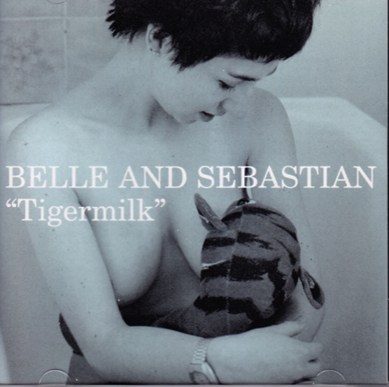
Sometimes the lyrics are a wee bit strange and surreal; the cast of characters Murdoch evokes in his lyrics can be pretty bewildering. The band’s slightly surreal vibe is indicated by the cover art for Tigermilk: a black-and-white picture of Murdoch’s then girlfriend, Joanne Kenney, apparently breastfeeding a toy tiger. Then take a look at the lyrics to ‘My Wandering Days are Over’ for example: ‘Six months on, the winter’s gone / The disenchanted pony / Left the town with the circus boy / The circus boy got lonely / It’s summer, and it’s sister song’s / Been written for the lonely / The circus boy is feeling melancholy’. You’re never sure if the characters are metaphors for existentially pained middle-class indie kids (lost in the job market/lost in the adult world circus of mad capitalism??), or actual protagonists in B&S’s musical universe. That’s the poetry of it – you get to decide. It all sort of makes sense, this girl with spiky black hair nourishing a toy tiger; sure, you can take it as symbolic, but it’s also just intriguing and slightly controversial enough to draw attention to a debut album.

One of B&S’s unique selling points is the whimsical fictions they weave through their ‘brand’ as a band. Take, for example, the sleeve notes to Tigermilk: they detail a cute little tale about Sebastian and Isabelle, the namesakes for the band.

Sebastian met Isabelle outside the Hillhead Underground Station, in Glasgow. Belle harassed Sebastian, but it was lucky for him that she did. She was very nice and funny, and sang very sweetly. Sebastian was not to know this, however. Sebastian was melancholy.

He had placed an advert in the local supermarket. He was looking for musicians. Belle saw him do it. That’s why she wanted to meet him. She marched straight up to him unannounced and said, ‘Hey you!’ She asked him to teach her to play the guitar. Sebastian doubted he could teach her anything, but he admired her energy, so he said ‘Yes’.

It was strange. Sebastian had just decided to become a one-man band. It is always when you least expect it that something happens. Sebastian had befriended a fox because he didn’t expect to have any new friends for a while. He still loved the fox, although he had a new distraction. Suddenly he was writing many new songs. Sebastian wrote all of his best songs in 1995. In fact, most of his best songs have the words ‘Nineteen Ninety-five’ in them. It bothered him a little. What will happen in 1996?

They worked on the songs in Belle’s house. Belle lived with her parents, and they were rich enough to have a piano. It was in a room by itself at the back of the house, overlooking the garden. This was where Belle taught Sebastian to put on mascara. If Belle’s mum had known this, she would not have been happy. She was paying for the guitar lessons. The lessons gave Sebastian’s life some structure. He went to the barber’s to get a haircut.

Belle and Sebastian are not snogging. Sometimes they hold hands, but that is only a display of public solidarity. Sebastian thinks Belle ‘kicks with the other foot’. Sebastian is wrong, but then Sebastian can never see further than the next tragic ballad. It is lucky that Belle has a popular taste in music. She is the cheese to his dill pickle.

Belle and Sebastian do not care much for material goods. But then neither Belle nor Sebastian has ever had to worry about where the next meal is coming from. Belle’s most recent song is called Rag Day. Sebastian’s is called The Fox In The Snow. They once stayed in their favourite caf’ for three solid days to recruit a band. Have you ever seen The Magnificent Seven? It was like that, only more tedious. They gained a lot of weight, and made a few enemies of waitresses.

Belle is sitting highers in college. She didn’t listen the first time round. Sebastian is older than he looks. He is odder than he looks too. But he has a good heart. And he looks out for Belle, although she doesn’t need it. If he didn’t play music, he would be a bus driver or be unemployed. Probably unemployed. Belle could do anything. Good looks will always open doors for a girl.

You’ve got it all here: the playful and ultra twee imagery ‘(she is the cheese to his dill pickle’), the hint of queer culture and crossdressing that sometimes runs through B&S songs (‘This was where Belle taught Sebastian to put on mascara’), the DIY elements, the spatial immersion in Glasgow’s West End as a kind of leafy wonderland where people own pianos in airy rooms overlooking gardens. It’s honest and cute and totally unashamed, totally uninterested in being cool. Compared with the stylised, rock’n’roll swagger of Britpop, this album (originally released in 1996 then rereleased in 1999) is so refreshing. The tale of Belle and Sebastian is a short story, more than an explanation of the album’s lyrics or ‘concept’; it’s a bit ambiguous, a touchstone for all the other B&S characters who populate later LP – it’s perhaps, most importantly, an indication of the band’s consistent literary bent.

‘Sebastian was melancholy’. Well, melancholy is probably the overriding emotion on Tigermilk. Melancholy being that feeling of sadness, yearning and inexplicable loss. An indulgent feeling, a languid and probably narcissistic feeling that is almost pleasurable despite lolling around in the negative. Freud, in Mourning and Melancholia (1915[17]) famously distinguishes mourning and melancholia thus: ‘In mourning the world has become impoverished and empty, during melancholia, it is the ego itself’.  Mourning is about the loss of a specific object, whereas melancholia is a vaguer feeling, a depression with no apparent or obvious source, a swallowing up of selfhood into narcissistic darkness. One of the reason’s I really like ‘I Don’t Love Anyone’ is its in-your-face rejection of the Coca Cola style let’s-all-hold-hands-and-be-happy version of love, the assertion of personal endurance and the often denigrated value of independence in a world where we’re all supposed to follow the crowd: ‘But if there’s one thing that I learned when I was still a child / It’s to take a hiding / Yeah if there’s one thing that I learned when I was still at school / It’s to be alone’. I was that kid who sometimes liked to walk around the playground alone, making up stories in my head – adults just assume it’s because you’re being bullied but there’s a golden value to imagination and it’s easier to forget that as an adult, easy to forget that sometimes you need time out from your friends to be in your own mind.

A lot of Tigermilk is about trying to negotiate personal identity in an often problematic adult world with few opportunities for anyone vaguely creative. It’s worth quoting a hearty chunk of ‘Expectations’ to demonstrate this:

Monday morning wake up knowing that you’ve got to go to school
Tell your mum what to expect, she says it’s right out of the blue
Do you want to work in Debenham’s, because that’s what they expect
Start in Lingerie, and Doris is your supervisor

And the head said that you always were a queer one from the start
For careers you say you went to be remembered for your art
Your obsession gets you known throughout the school for being strange
Making life-size models of the Velvet Underground in clay

In the queue for lunch they take the piss, you’ve got no appetite
And the rumour is you never go with boys and you are tight
So they jab you with a fork, you drop the tray and go berserk
While your cleaning up the mess the teacher’s looking up your skirt

We’ve all known (or been ourselves!) the weird kid obsessed with music, inviting abuse with every strange word spoken. Wear something black, a bit of eyeliner and you’re inviting folk to ask you if you “shag dead folk”. There’s always the one of many that has a whole collection of cool things to say, to contribute to the world, but ends up in retail, in a call-centre, maybe waitressing. Again, Belle & Sebastian are the band of the underdog, the folk (and there are a lot of them) who slog away at day jobs but don’t give up on their dreams – whether those dreams involve becoming a star of track and field, a model, artist, musician, writer.

Tigermilk, then, isn’t just a melancholy album; there are some feel good moments, such as ‘You’re Just a Baby’, which features handclaps and a nice rock’n’roll beat with a simple, serenading refrain: ‘You’re just a baby, baby girl’. Fundamentally, Belle & Sebastian are a pop band, and a damn good one at that. Stuart Murdoch recently wrote and directed his own film, God Help the Girl, which more or less demonstrates his near-religious philosophy of pop music, as the character James (fittingly played by the singer from pop/electronic band Years & Years) proclaims:

A man needs only write one genius song, one song that lives forever in the hearts of the populous to make him forever divine. […] Many women and men have lived empty, wasted lives in attics trying to write classic pop songs. What they don’t realise is it’s not for them to decide. It’s God. Or, the god of music. Or, the part of God that concerns Himself with music.

This is some fairly interesting religious imagery coming from a singer (Murdoch) who has always been openly Christian. And of course, the hyperbolic emphasis on music’s divine significance here is perhaps a cheeky dig at the ego of the pop star, but it also touches on the importance of universalism for pop. It’s easy to consume, it should transcend generations, it should be technically perfect – the satisfying work of a ‘genius’. But good pop, as Belle & Sebastian demonstrate, isn’t all bubblegum songs about loving your sweetheart – it also has that spark of something else. For me, B&S capture a very specific experience of existential bewilderment in the modern world, combined with the right amount of romance, comedy, storytelling and a healthy streak of cynicism. God Help the Girl is twee as hell, but it’s also a loving portrait of Glasgow, of the early days of being in a band, the freedom of summer days drifting down the canal with the world shining bright around you. It’s maybe also a portrait of unrequited love. And, crucially, it transforms that cliche, the power of music, into something sparkly and fun as well as serious and uplifting – it is a musical after all. Its ambiguous ending, with the heroine (significantly called Eve – more religious imagery!) finally leaving the city and on a train ride to London where she intends to try and make it ‘alone’ after her existential rebirth and artistic awakening in Glasgow, is perhaps its strongest point – it’s a feminist assertion of personal creative desire as opposed to remaining tied down to the things your friends want.

god-help7
The protagonists of GHTG: James, Eve, Cassie

Once again, Murdoch puts complete faith in his slightly damaged protagonists; he encourages us to just trust our creativity. Maybe that’s why I love Belle & Sebastian so much, because sure, their songs are mostly golden, pastel-hazed pop, but it’s not that simple; they embrace that wavering, magical and sad place between warm dreams and cold reality, and represent all the poor souls who live there in that limbo, such as the eponymous heroine from ‘Mary Jo’: ‘Your life is never dull in your dreams / A pity that it never seems to work the way you see it’. And even though such songs are full of melancholy, you’re still treated, as in an Arctic Monkeys song, to some brilliant lyrical candy: ‘Cause what you want is a cigarette / And a thespian with a caravanette in Hull’. So maybe that’s the special element, the thing that makes the everyday divine, that elevates the ordinary into a valid subject for pop music. And maybe, pleb that I am at heart, that’s why I love it.

Trip to Berlin

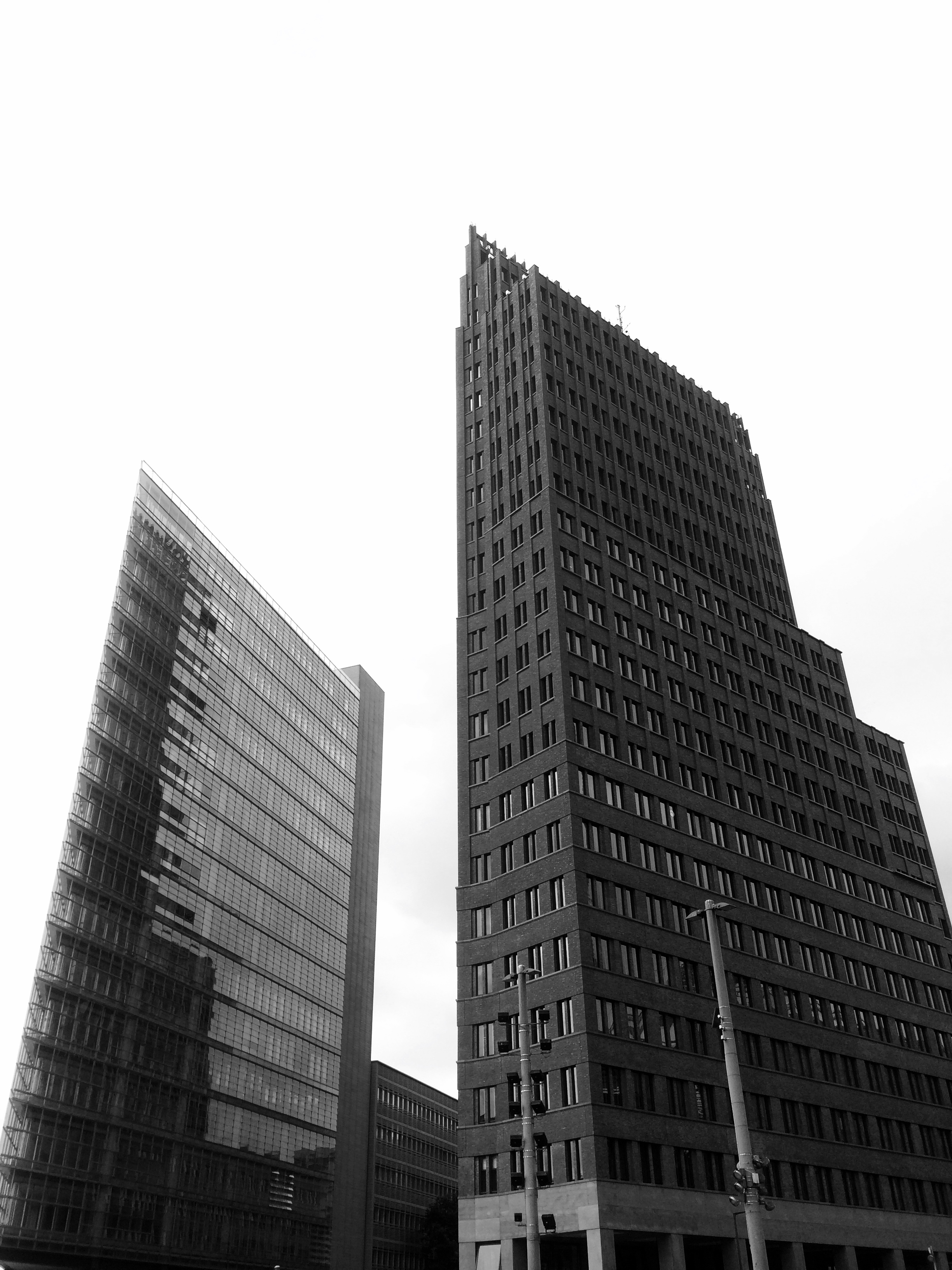
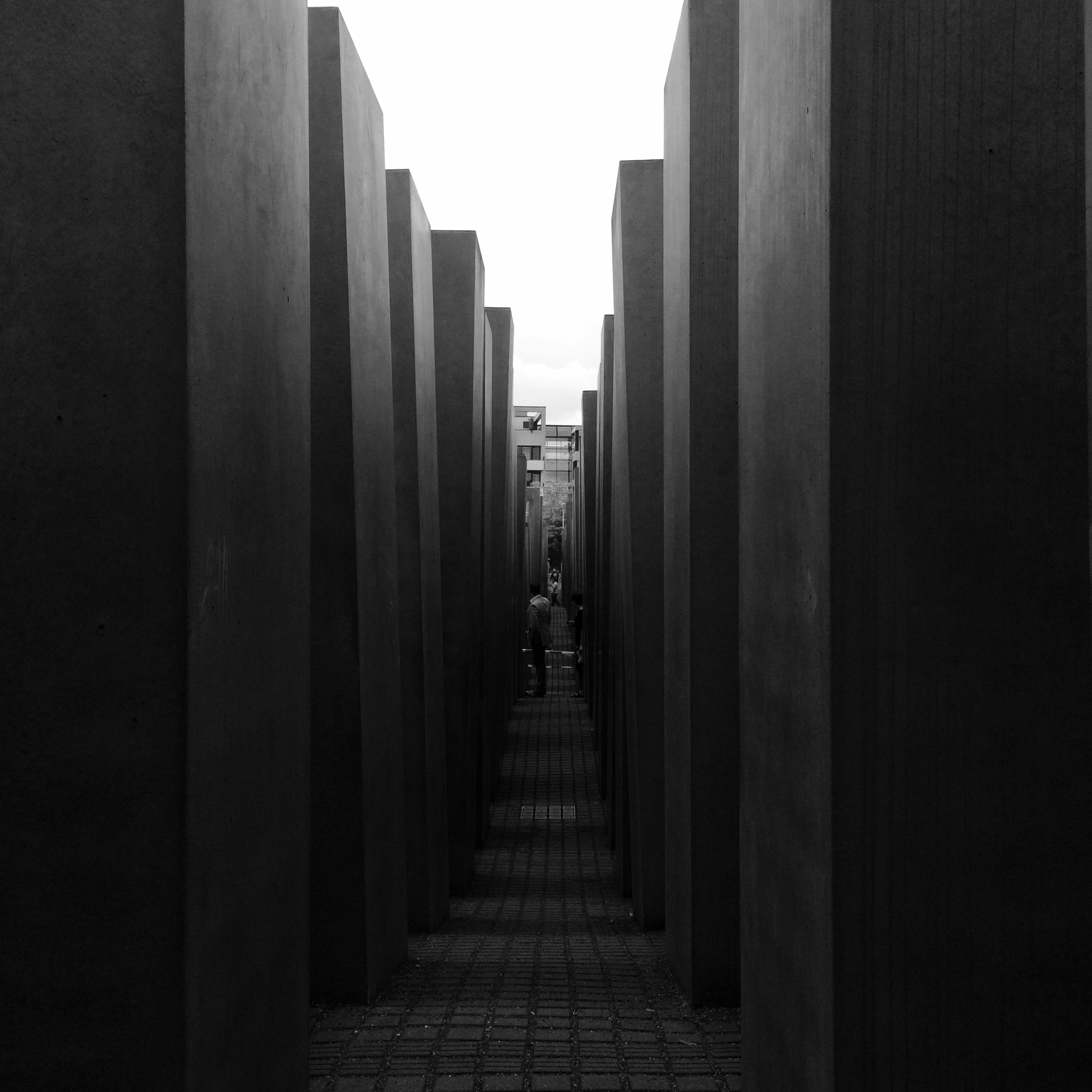
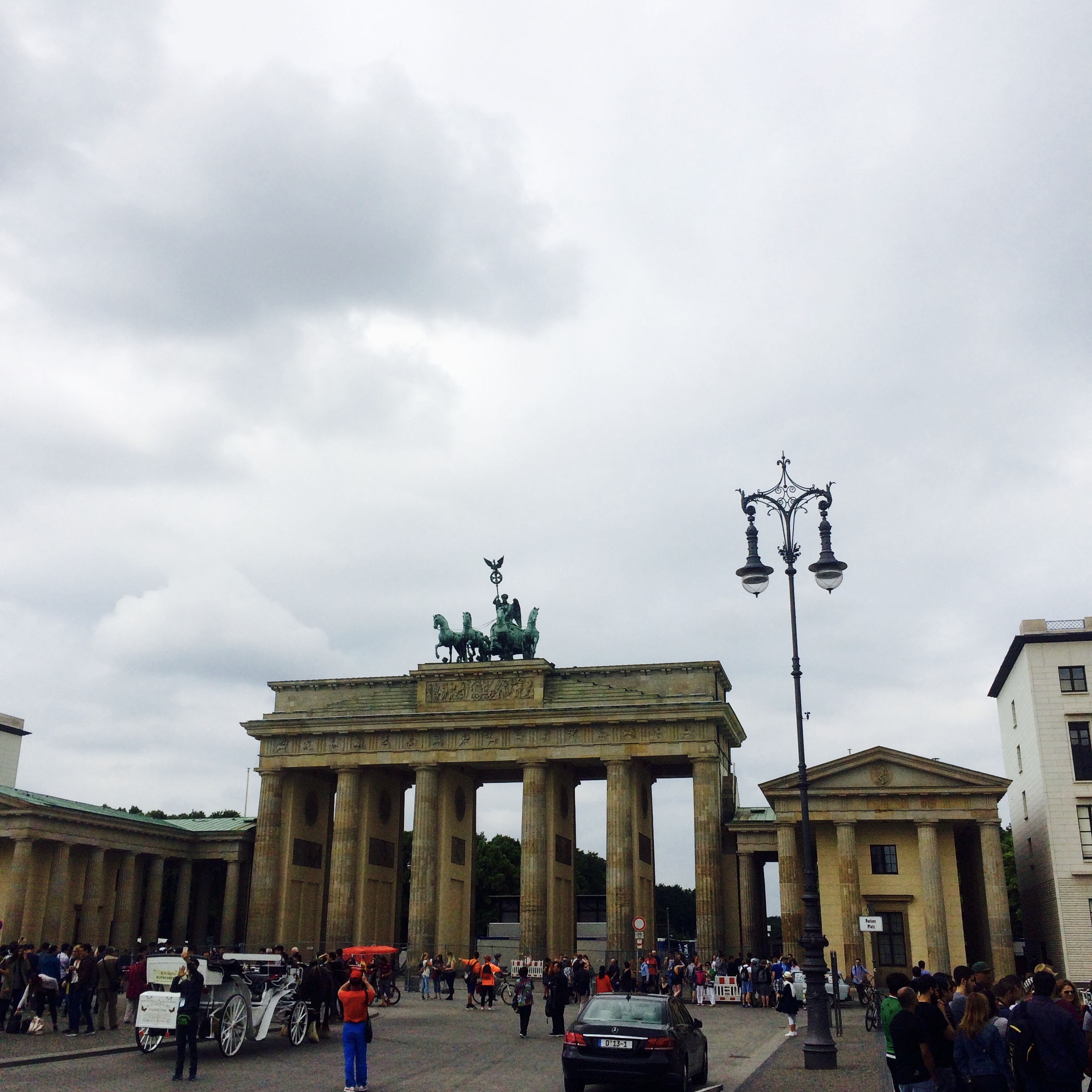
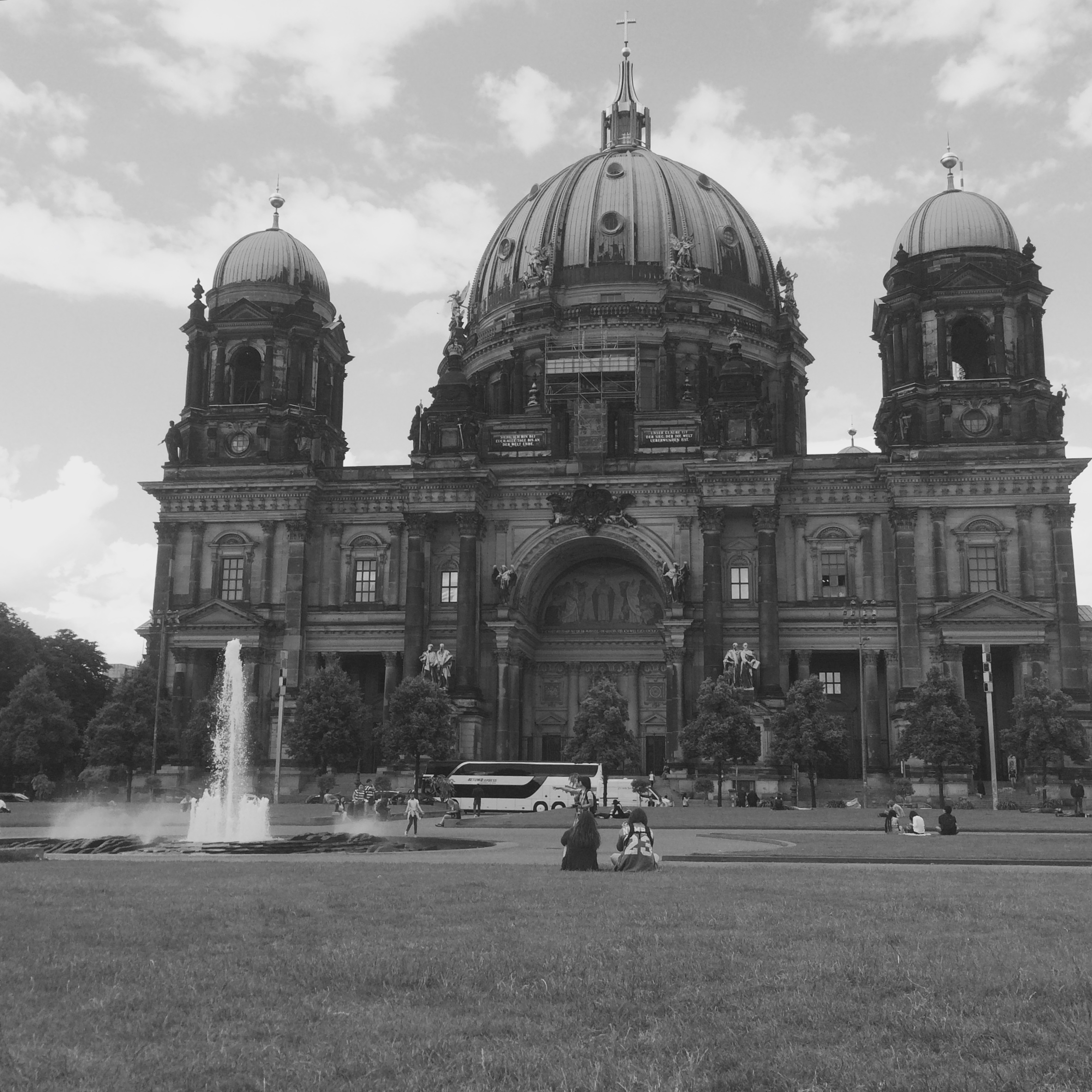
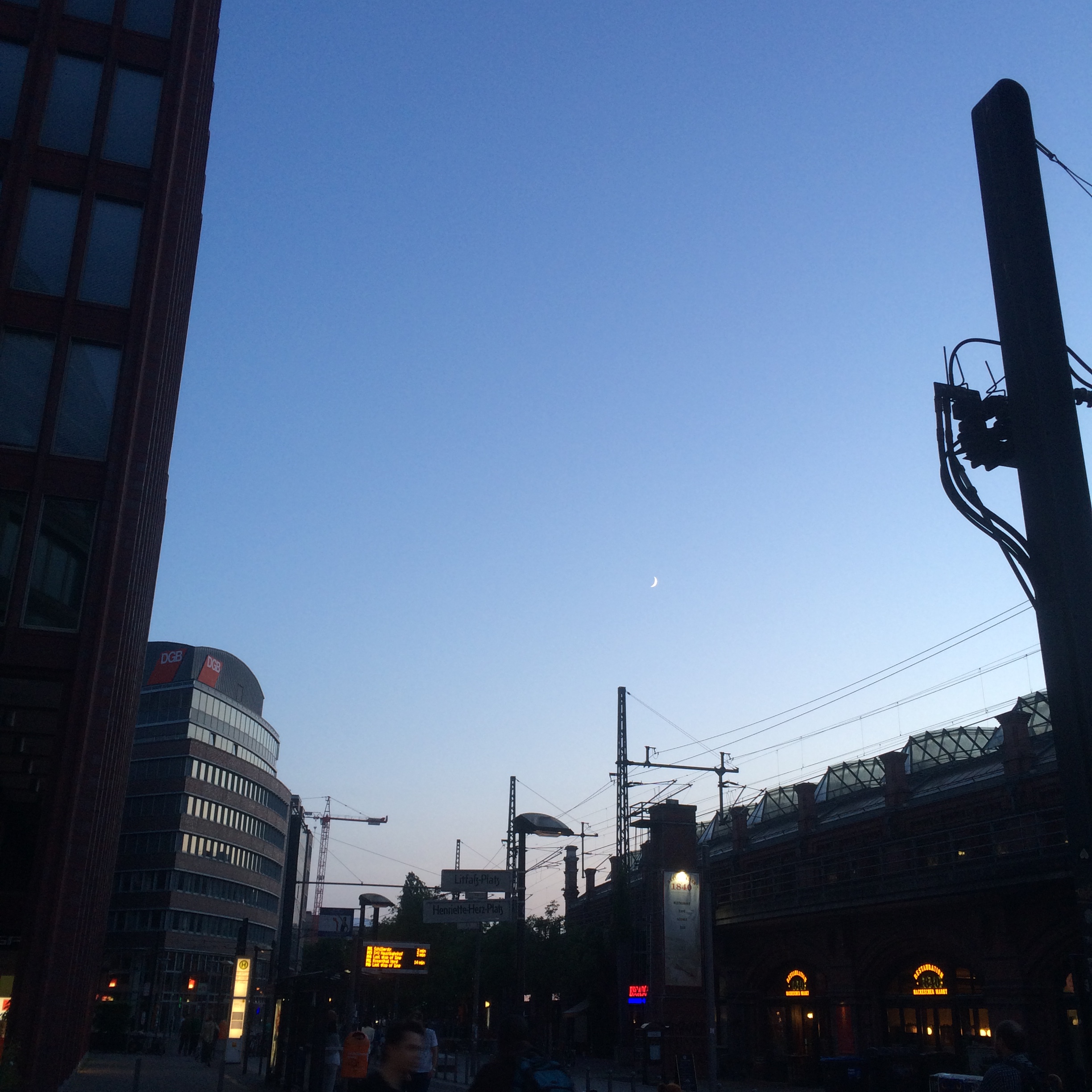
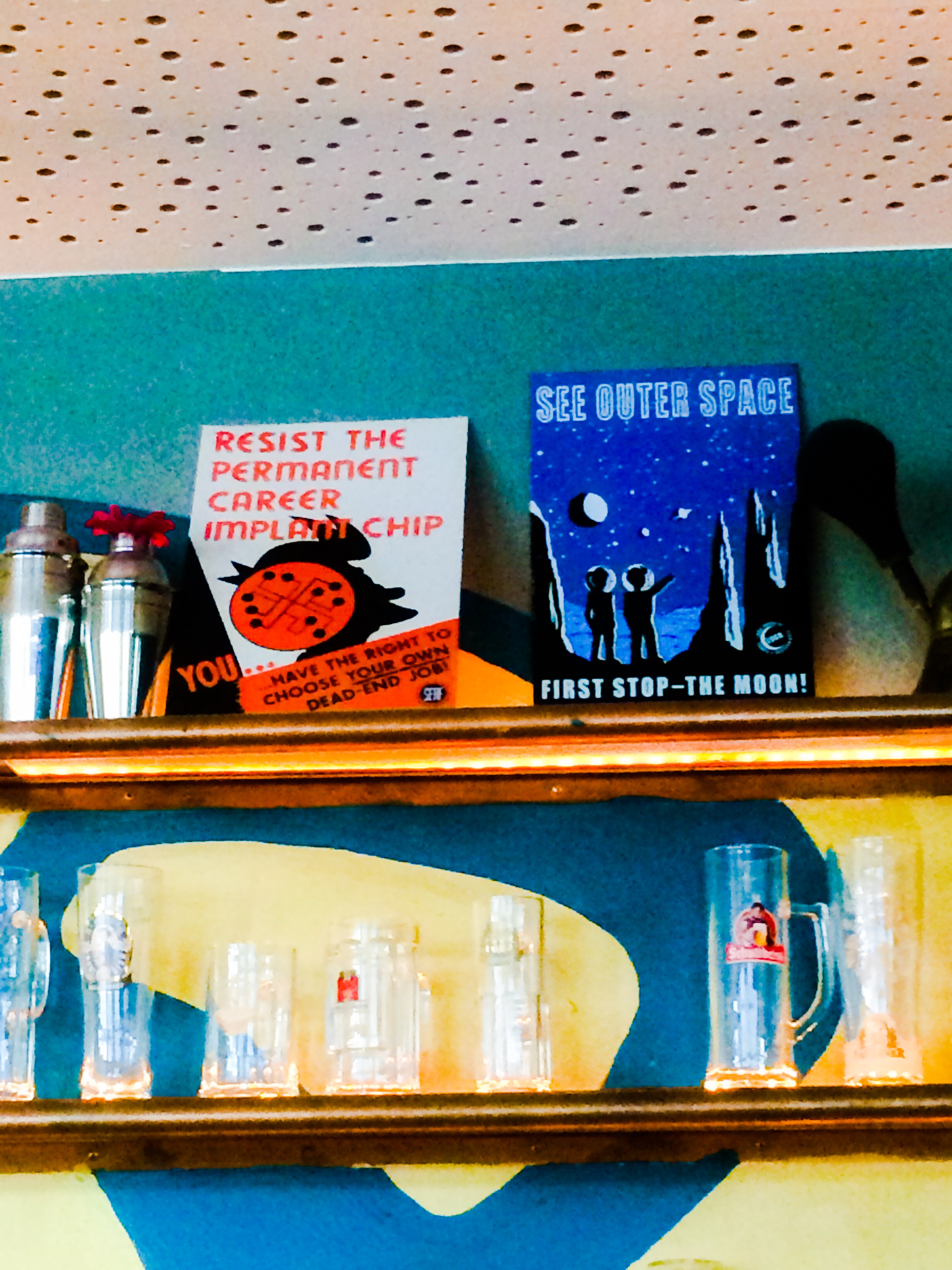
I haven’t been ‘abroad’ since Dublin in June 2014, so the prospect of Berlin was pretty exciting. I thought it was about time I spent my birthday somewhere different and I’ve never heard a bad word said about Berlin. We stayed in the Heart of Gold hostel, which is in Berlin Mitte, about ten minutes from Friedrichstrasse train station and a short walk away from Brandenburg Gate, Reichstag and Museum Island. This was my first time in a hostel and it felt a bit like going on a residential school trip combined with student halls; only unlike a school trip you had total freedom over your time, and unlike student halls people actually respected the place. The decor was kinda cool and space-themed, plus there was a pool table and unlimited free hot drinks and super cheap beer. The slightly rickety bunk beds were worth it in terms of price and location. Also, not many budget hotels will bless you with music ranging from Radiohead to German techno to obscure Cure albums to enjoy over your breakfast. I loved it.

I always forget how funny a place airports are. Their sense of spatial and temporal dislocation. Everyone just waiting; not exactly lounging around, but waiting all the same. Checking their phones, browsing the duty free, trying not to lose each other. If you’re like me and don’t go away much, you forget that whole other culture – that of the British holidaymaker. Screaming families and the endless churning crowds making their way to Spain, their unprotected, pasty skin volcanically craving the crack-over burn of continental sunshine. Groups of lads with Nike snapbacks making their way out to Zante or Magaluf for their sixth year holidays, my brother beside me tearing their outfits to shreds with his devastating fashion analysis.

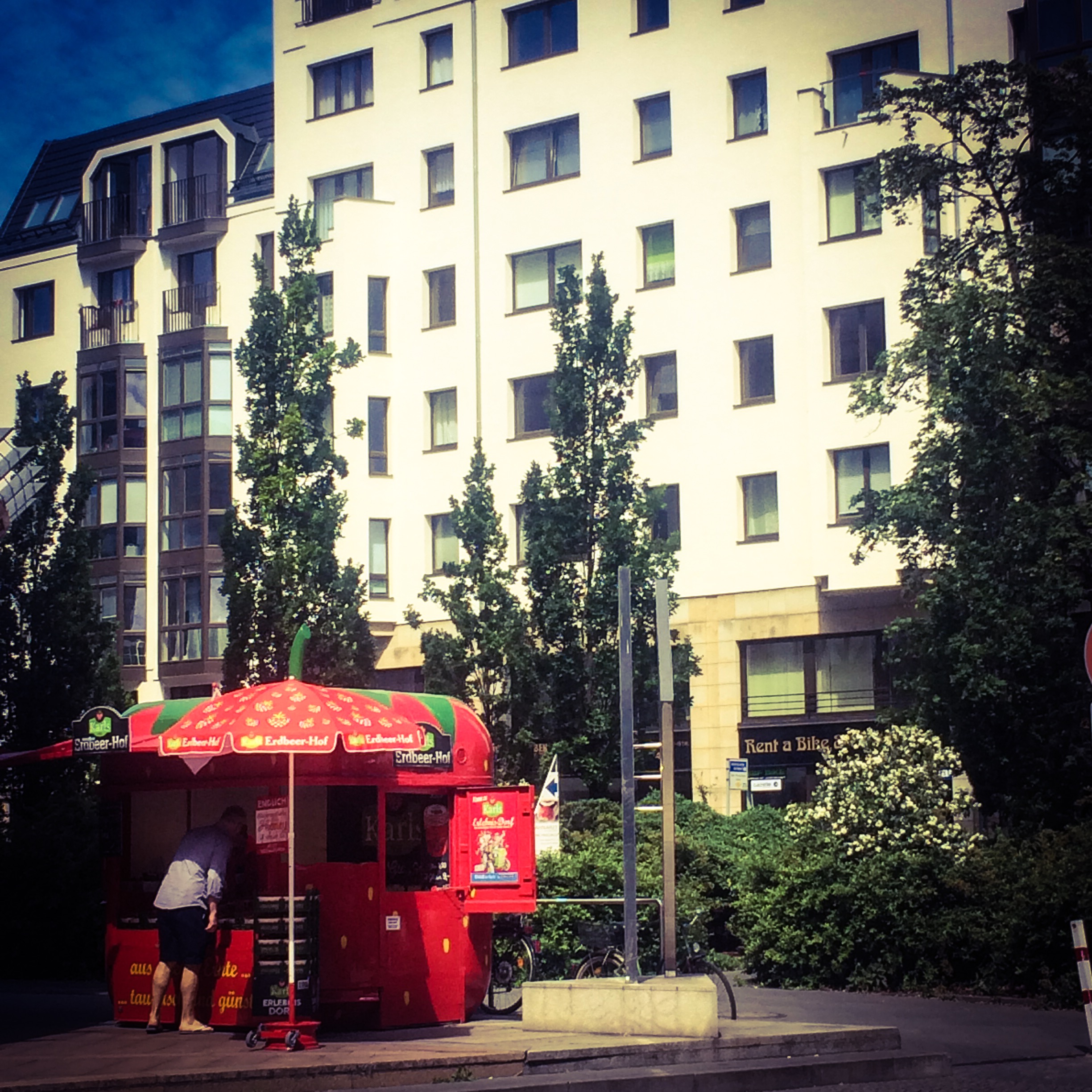
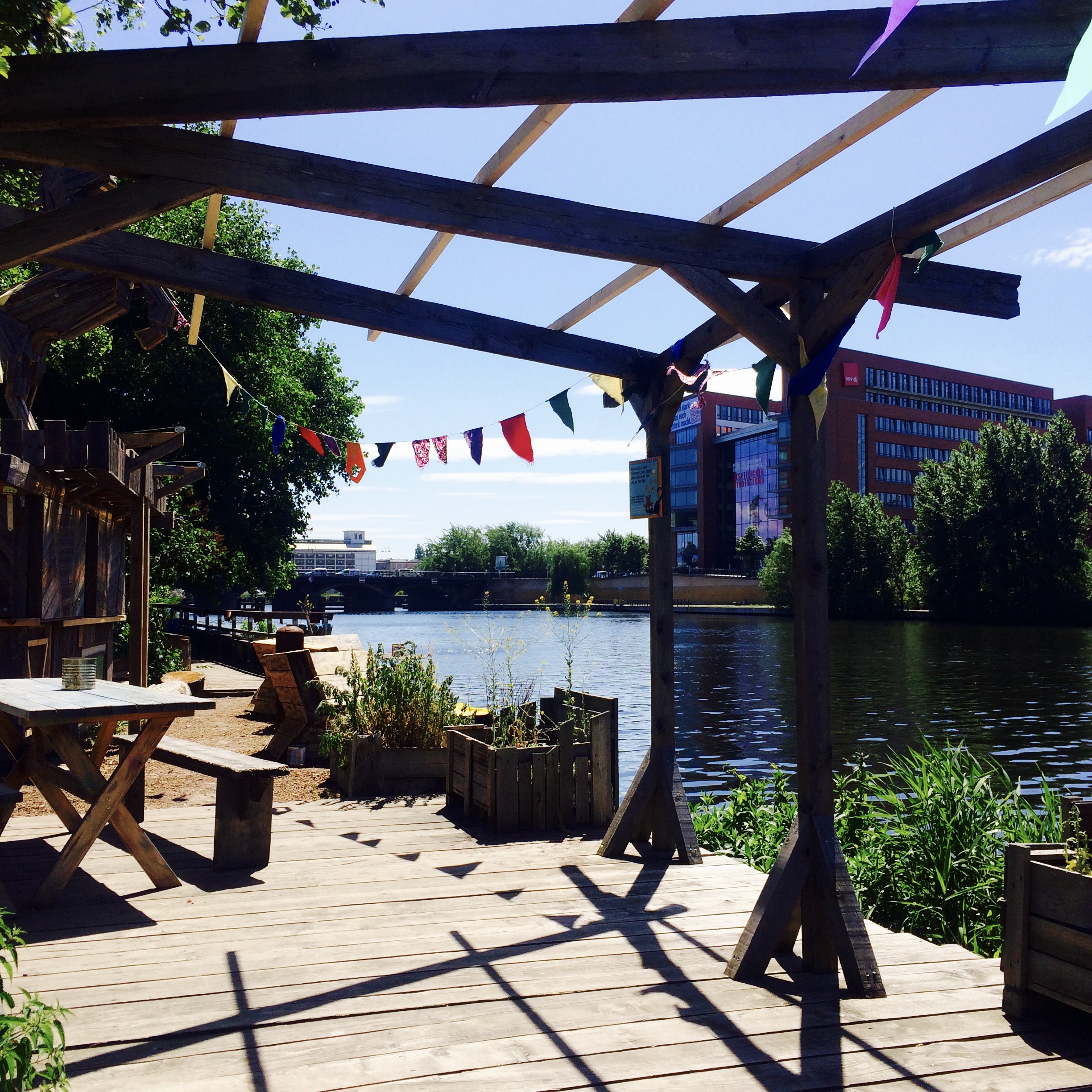
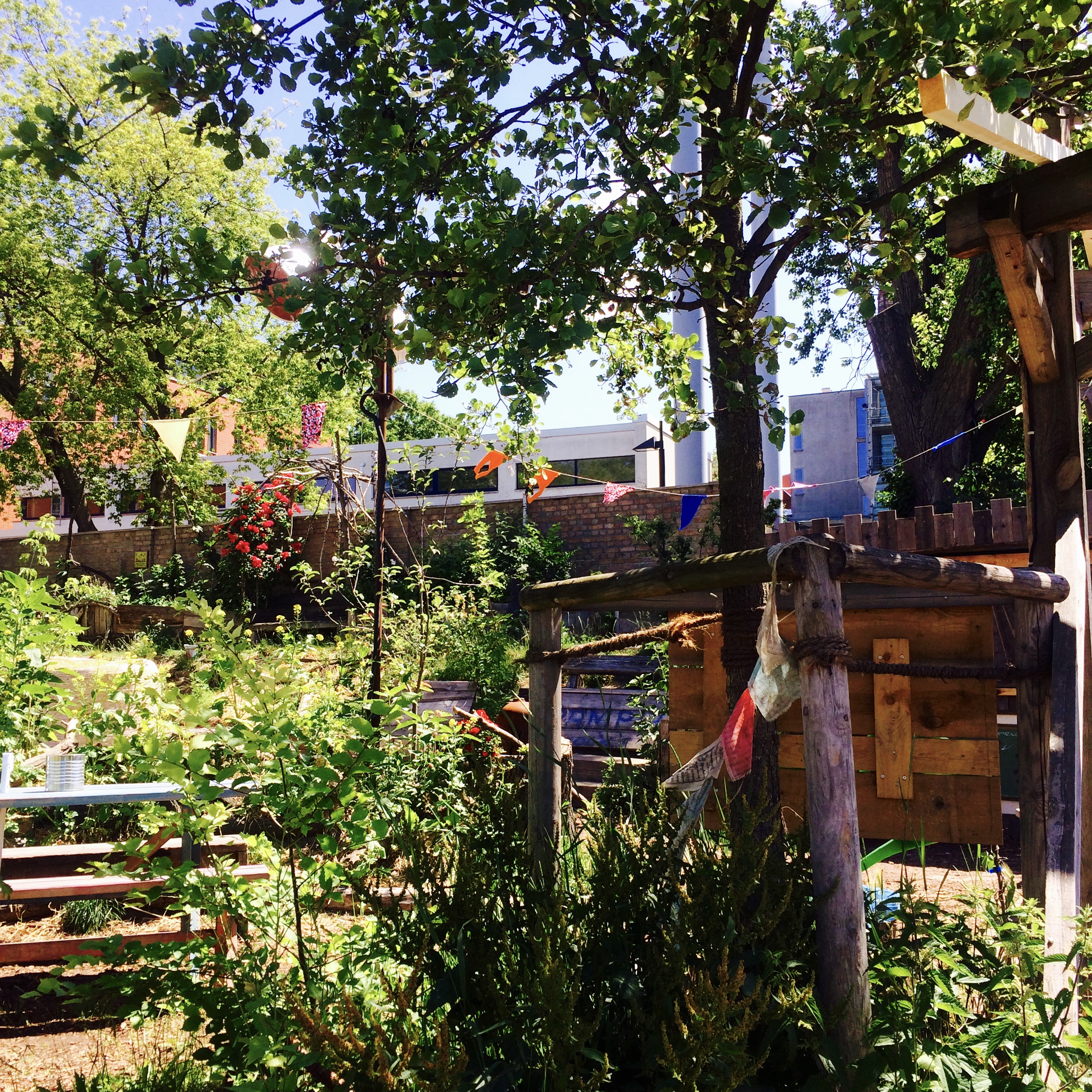
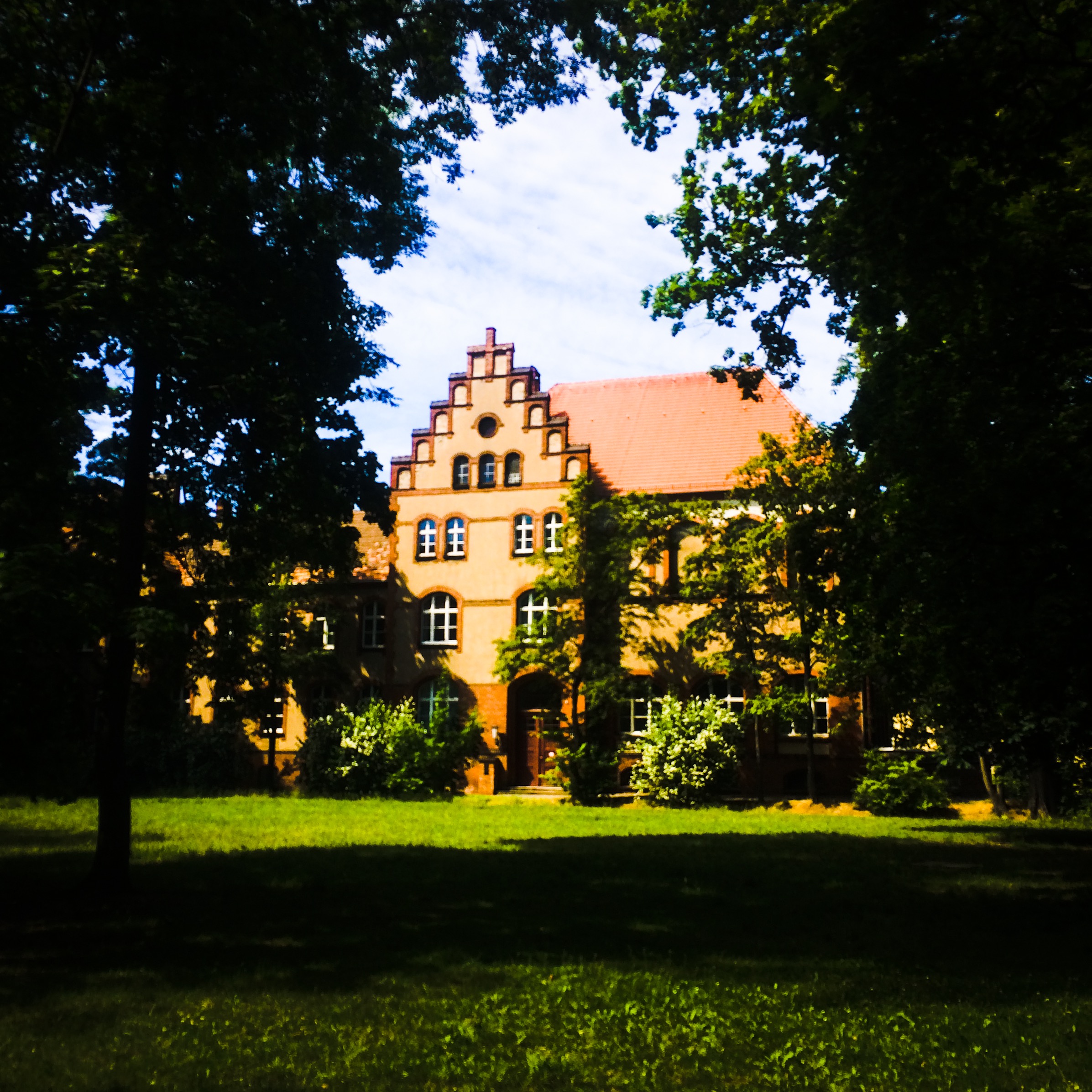
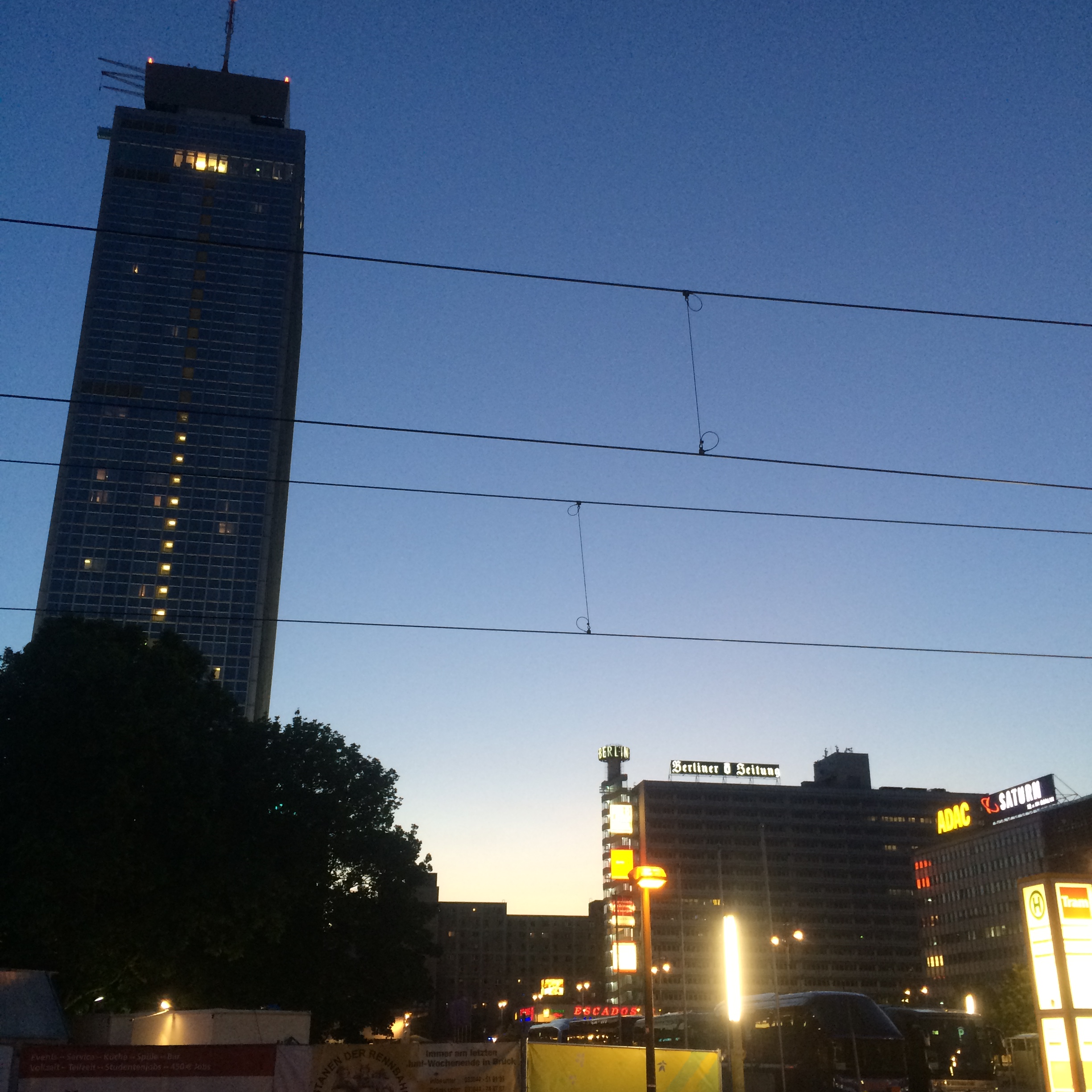
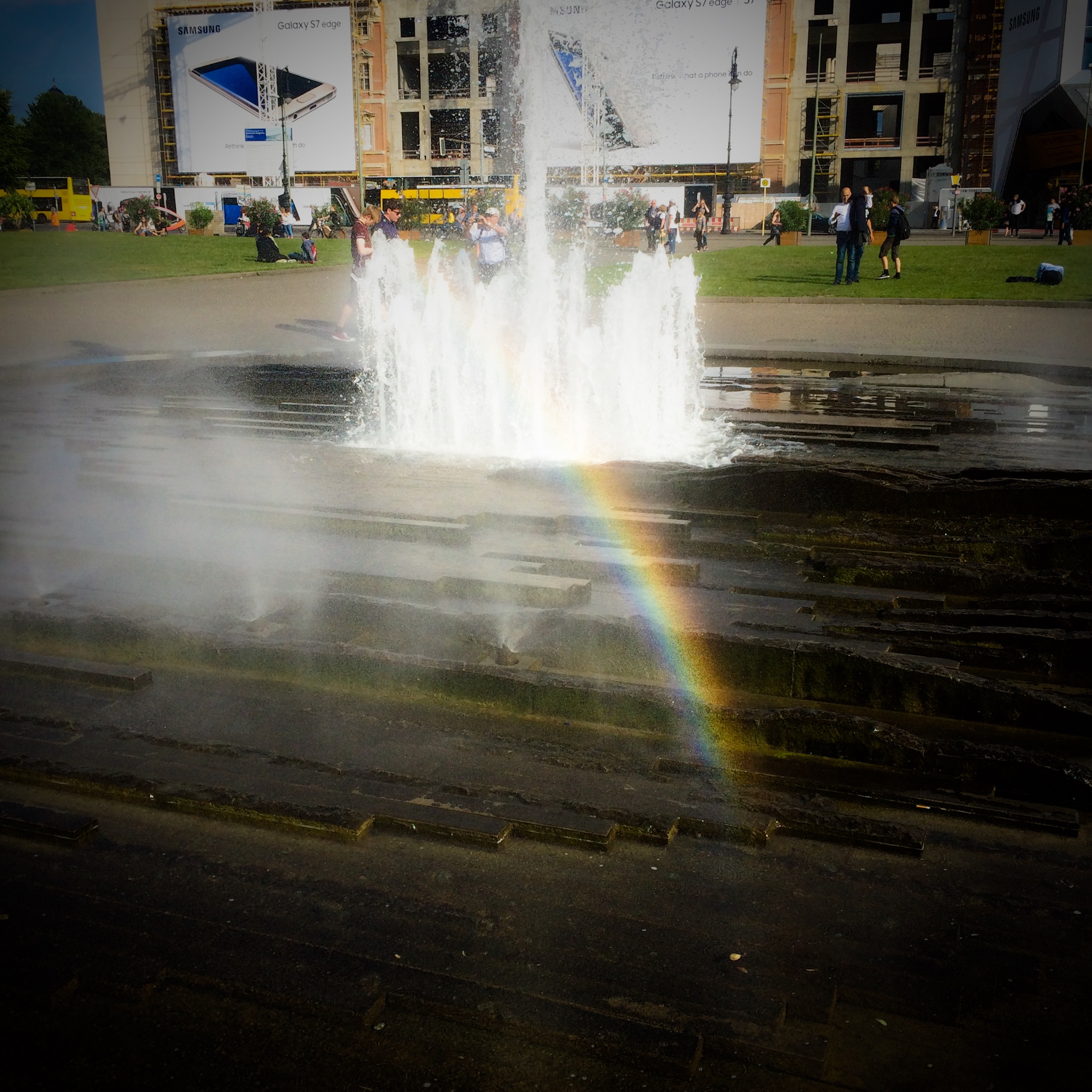
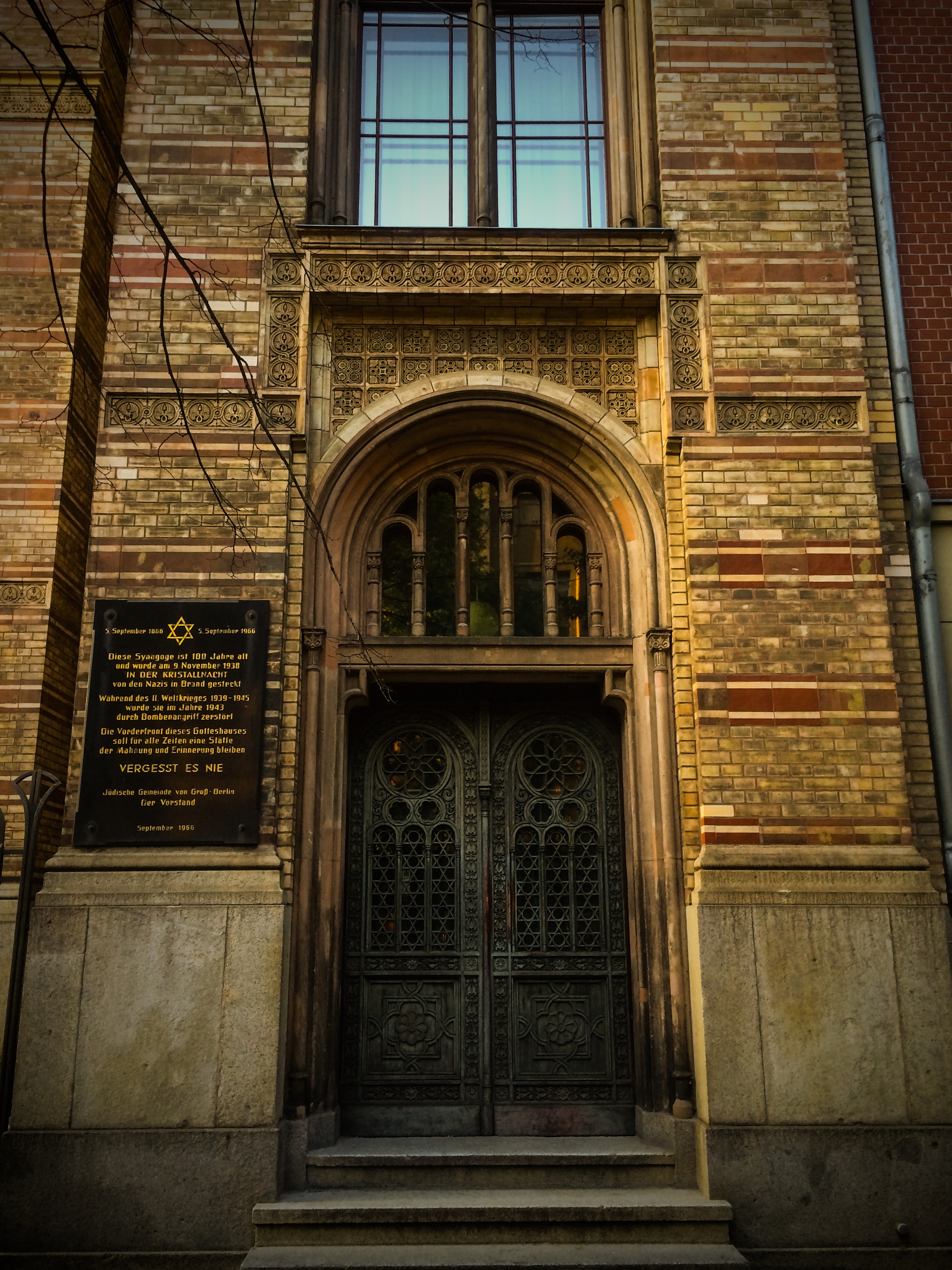
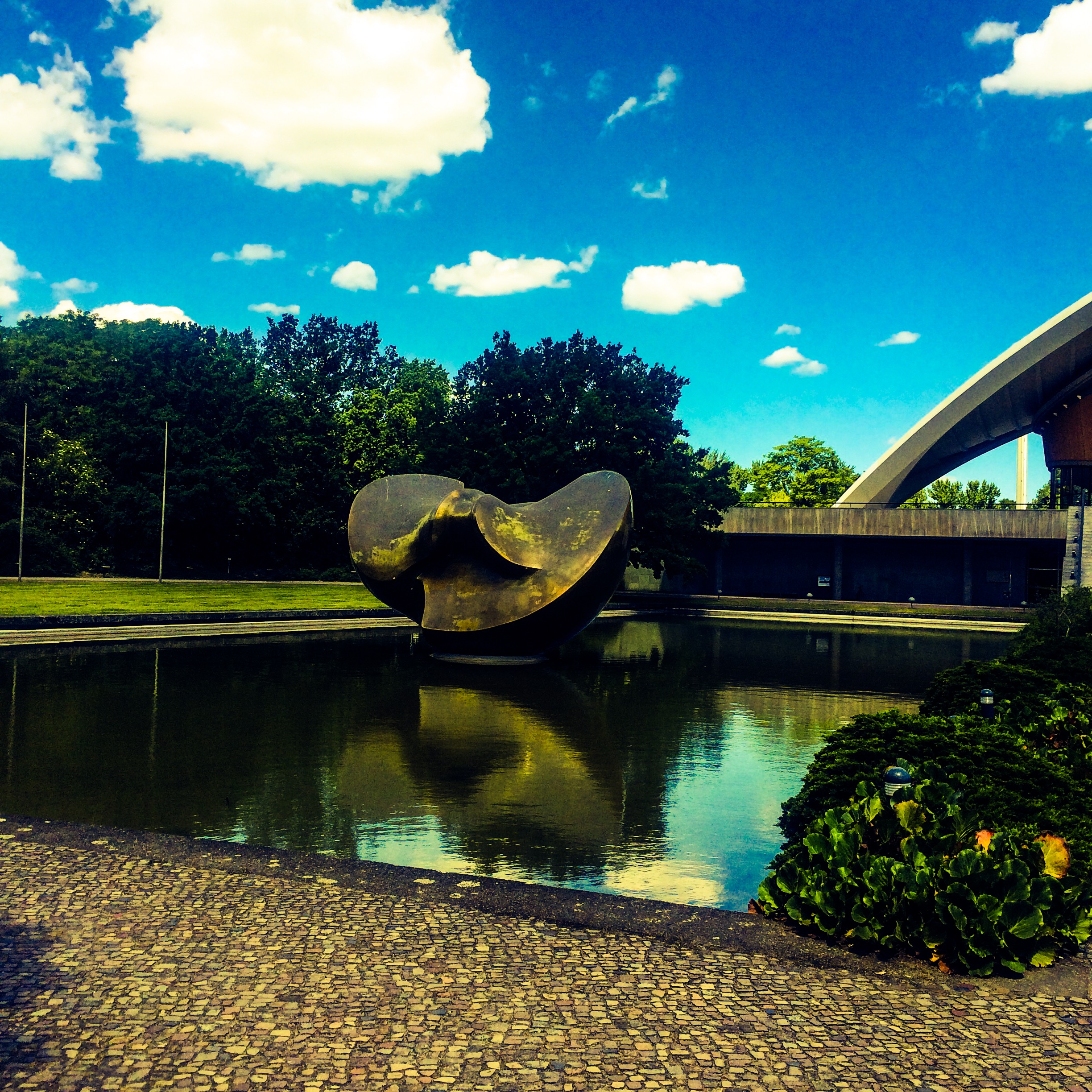
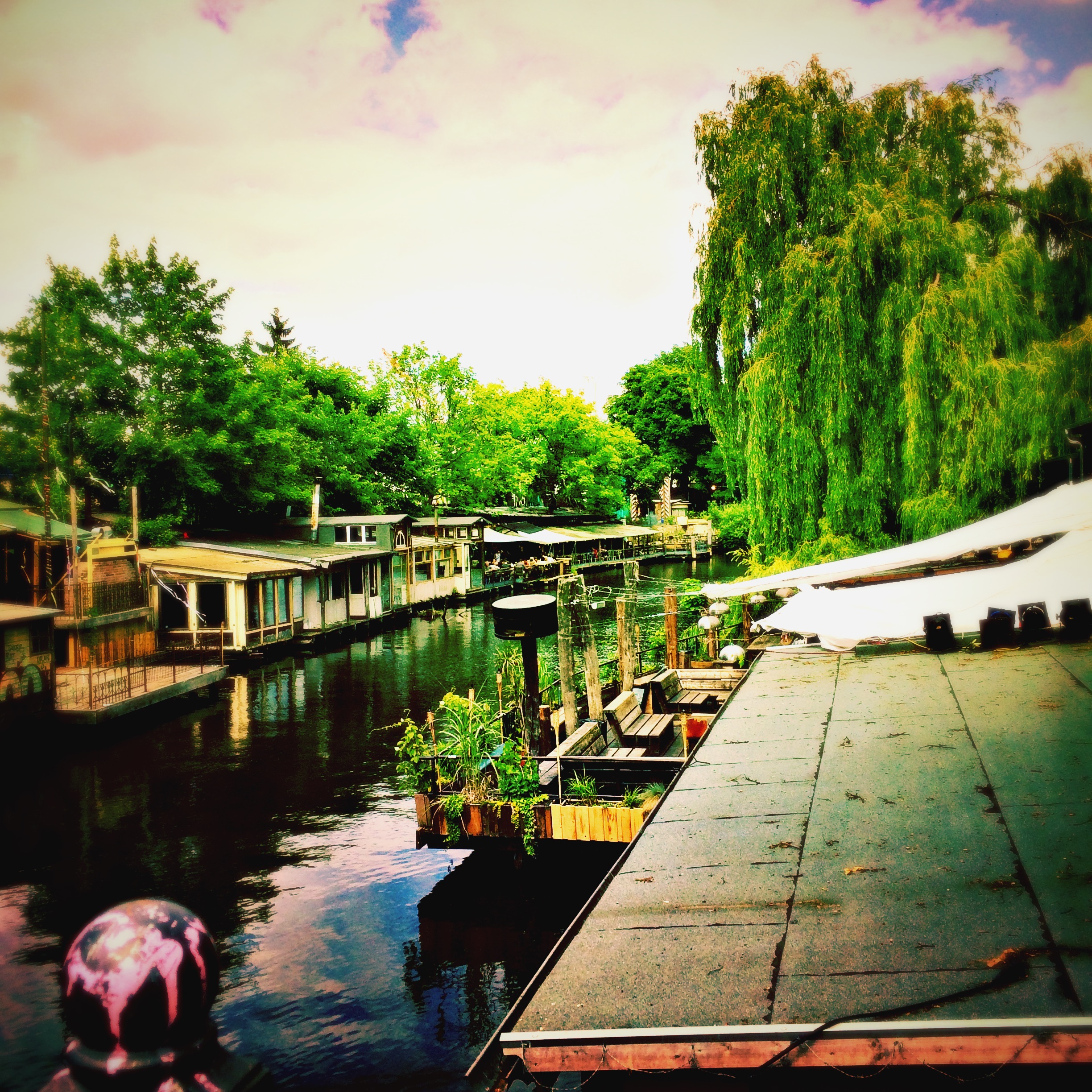
Berlin kinda has it all. There are vegan and vegetarian restaurants and cafes everywhere. We came across a place with hammocks that allowed you to concoct your own tea and watch the traffic go by as you swayed from side to side. Cool riverside cafes with bars embedded inside cabana-style sheds. Supermarkets which sell hummus and play Lana Del Rey on their speakers (what more do you need?!). A frankly mesmerising selection of Ritter and Lindt chocolates (the best). Parks where all sorts of people hang out, drinking beer and wine and throwing frisbee for dogs. It’s legal to drink in the street in Berlin and the vibe is always pretty chilled. The streets weren’t covered with litter, and generally the abundance of graffiti gave off the impression that to remove it would be to strip something pure from the city. It’s a colourful place, a dusty place (lots of construction going on), a green place. There’re parks everywhere, not to mention the massive Tiergarten, where you can lay around for hours, make friends at an outdoor bar, go rowing along the pond, check out a statue dedicated to good old Rousseau. There were little stands outside train stations which sold nothing but punnet after punnet of fresh strawberries. Beautiful Brutalism. Boutique coffee shops, vintage clothing stores, fruit and veg stalls everywhere. It’s super hipster, yes, but not in the kind of wanky obsessed-with-‘taste’ Shoreditch way, just in this laid-back, established way of cool. Plus, all the spirits seemed to be served as doubles, which was fun.

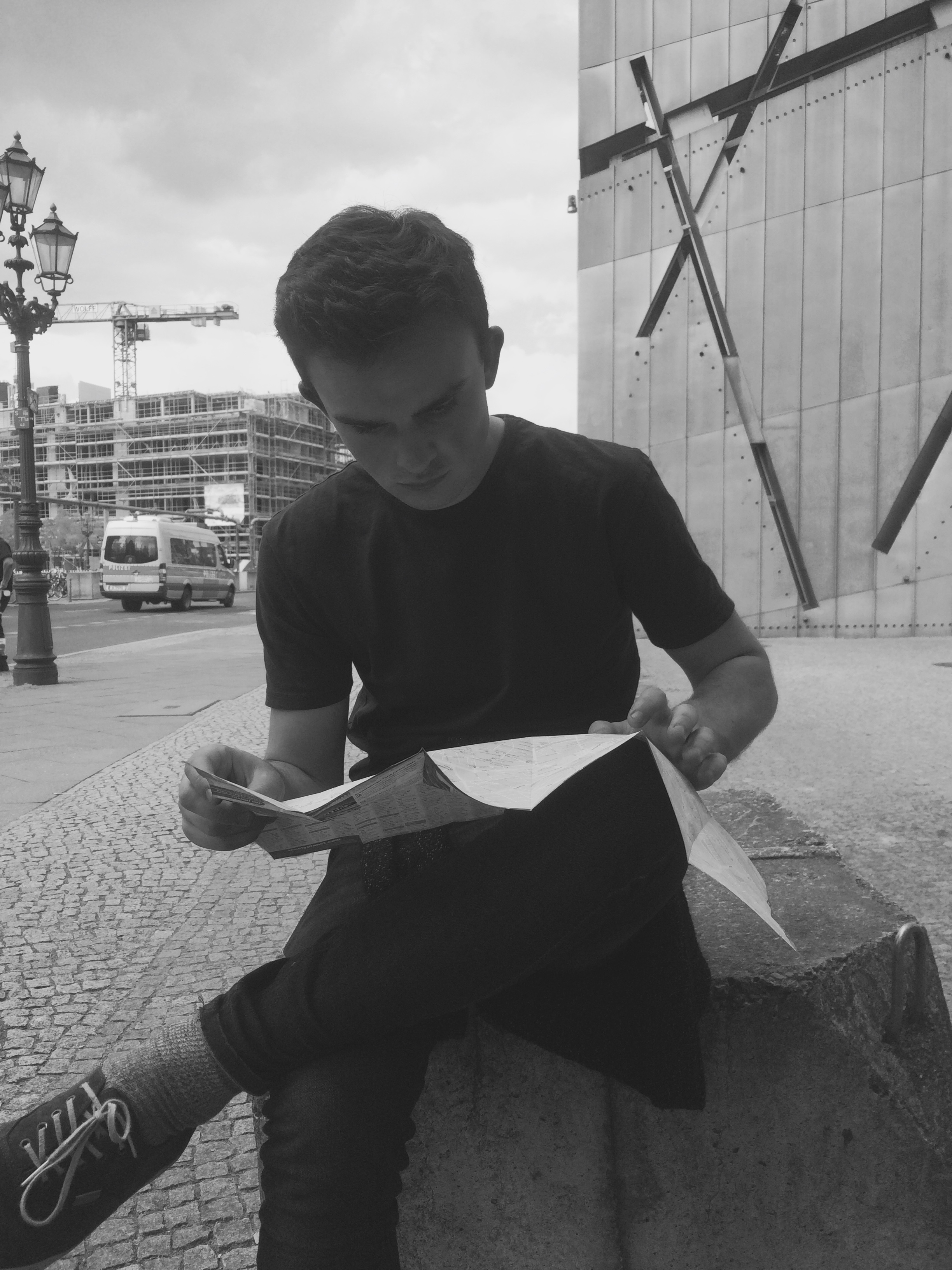
We walked around for hours and hours in the heat, sometimes catching a train, sometimes just walking some more. We walked more than 60km in three days, according to my phone! We saw the main shopping precinct, the parks, the lovely laid-back bar areas, the touristy stuff, the artwork at the East Side Gallery. I already want to go back, preferably with a group of pals who are brave enough to explore all the crazy warehouse raves, speakeasies, weird bars (especially The Black Lodge – think this might’ve freaked my brother out too much!)and clubs in the depths of Kreuzberg…

Some of my favourite Berlin things:

  • The place which used a gym bench as a bar top and sold my favourite whisky (Talisker)
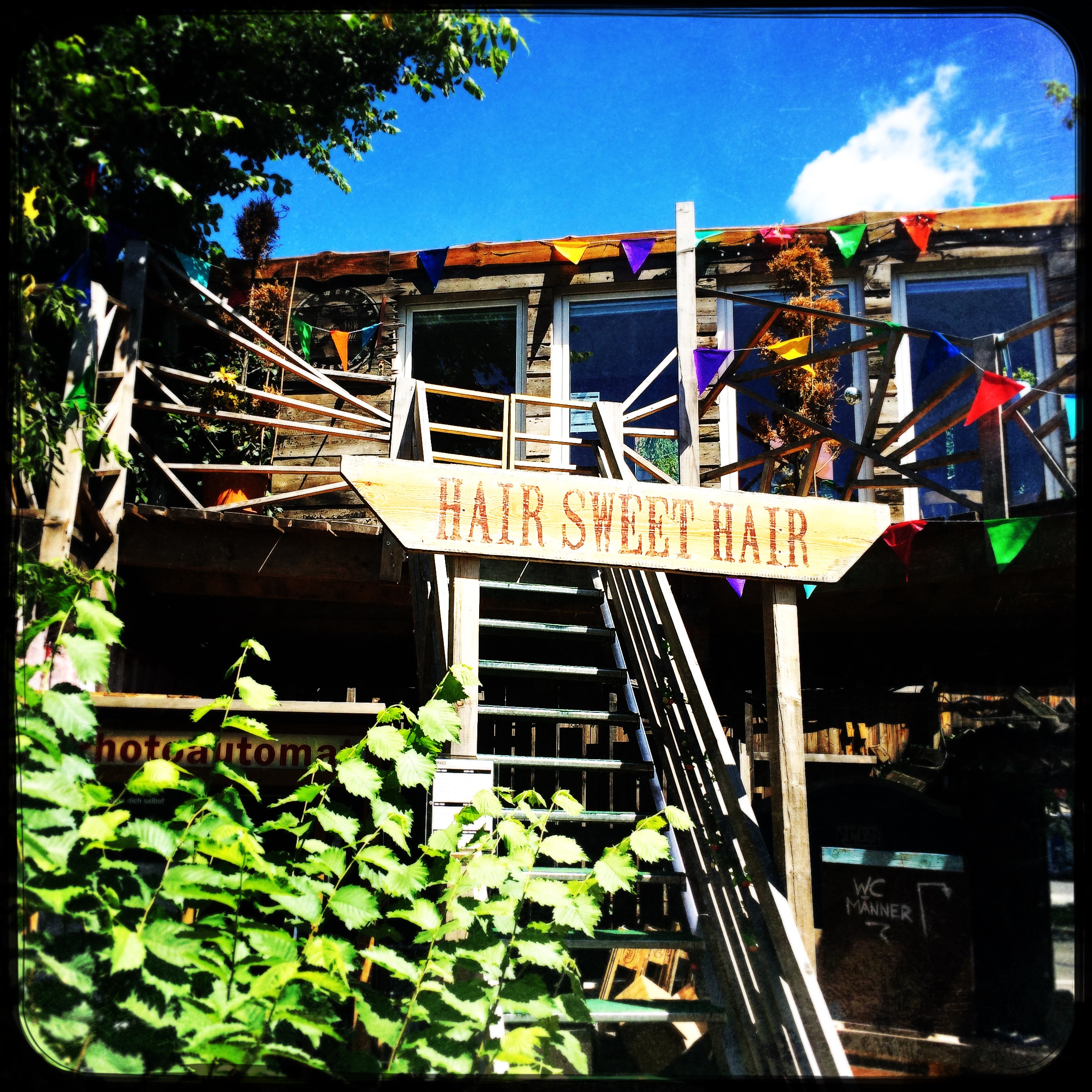
  • The riverside cafe with a hairdresser inside a treehouse
  • Double gin & sofa after walking for hours in the sun
  • The laid-back cafe vibe around Mitte
  • The crazy hotchpotch of people at Mauerpark
  • Ritte ‘Nougat’ chocolate, which is like those Guylian seashells only in a block of chocolate, yummmm
  • The African festival at Alexanderplatz (everyone looked cheerful)
  • All the lovely Americans we met at the hostel
  • Vodka bottles for like €1 at the supermarket
  • Seeing posters for loads of cool festivals, even though I won’t be going to them
  • The fact that cigarette machines still exist here!
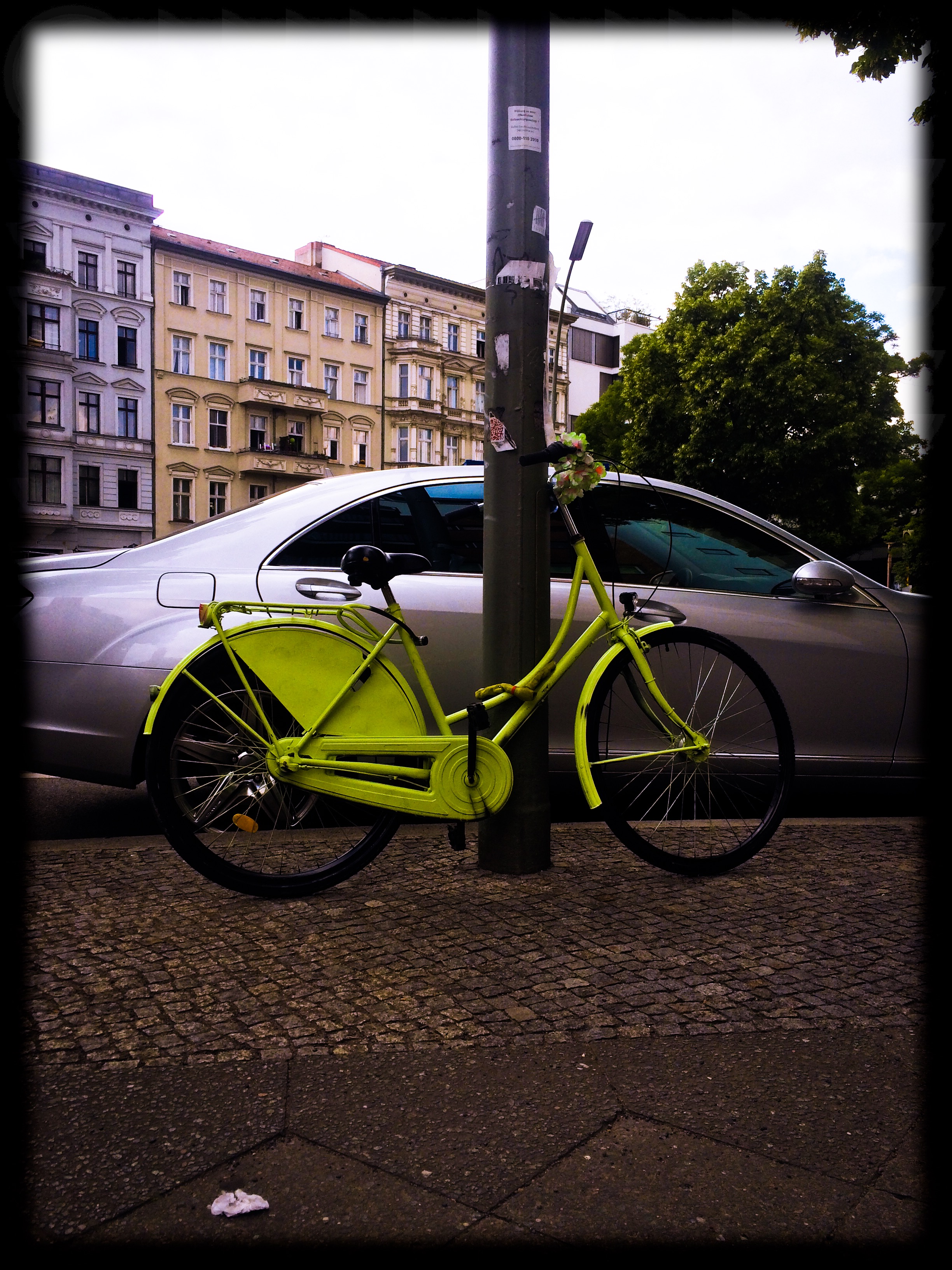
  • All the bright yellow buildings
  • The solitary man with long black greasy hair playing lovely sad dissonant songs on his cello, sitting under a bridge
  • Not having WiFi for a few days then coming home to lovely birthday messages!

The Dreamlike Nihilism of Bret Easton Ellis’ Less than Zero

IMG_3393

There’s something about Bret Easton Ellis. Whether it’s the alluring cool of a literary ‘Brat Pack’, the frisson implied by a 1980s enfant terrible or the fact that he published his first novel while still in college, aged 21 (the canny bastard), I find myself drawn to his presence both as a cultural persona and simply as a man of interesting writerly craft. I have been listening obsessively to his podcast for a few weeks now, engrossed in his attacks on the millennial ‘cult of likability’, on the pop cultural salivation over a tv ‘golden age’ and on the lack of context which accompanies the bandying around of quotes online (and the accompanying Twitterstorm). Part of it, I guess, is the perspective of a millennial (me) feeling they have something to learn from a Gen-Xer. Part of it is simply that Ellis does have his own particular brand of pop cultural and authorial genius. This article hopes to delve into this genius by looking at Ellis’ debut novel, Less than Zero, which I recently reread. 

5492920817_dda5b315ec_z
‘Fast Lane’ – Photo of Los Angeles by Neil Kremer

Turn up the TV. No one listening will suspect,
even your mother won’t detect it,
no your father won’t know.
They think that I’ve got no respect
but everything means less than zero

(Elvis Costello, ‘Less than Zero’).

See above the chorus from Elvis Costello’s song, ‘Less than Zero’, released in 1977 on the My Aim is True album. Costello has written that the song is about totalitarianism and fascism. What does it mean for Ellis to take this song as the title for his novel? – a novel which doesn’t exactly exude the anarchic spirit of 1970s punk, nor does it make any overt political critique. Nevertheless, Less than Zero is a political text on some level, in so far as it deals with the subject/self under late capitalism. Costello sings about something secret, an inner feeling that you can drown out with the static sound of television. What kind of secret is concealed here? The absolute flatness of existence, the alienating depression that creeps and inhabits your bones? I’ve got no respect. For what – the world? What do your parents matter in this life without boundaries, where morality thins to a flimsy image, where selfhood is nothing but the label on your trainers? This is a world of regression, degeneration, of falling from grace, redefining what the hell grace is. It’s the secret inner disgust for all that surrounds you. The sadness bursting in your brain, the endless lines of cocaine…

So goes the life of Clay, the protagonist from Bret Easton Ellis’ debut novel, Less than Zero. Published in 1985, it’s often lumped together with the likes of Tama Janowitz’s Slaves of New York and Jay McInerney’s Bright Lights, Big City as an exemplary work of the 1980s literary Brat Pack: writers who encapsulated the alienated experience of Generation X, often influenced by journalism and the movies as much as that elusive category of literature known as the Great American Novel. Less than Zero follows Clay’s return to his family home in Los Angeles after his first semester at college. Yes, it could be considered a Gen X Catcher in the Rye, where the apathetic perception of cultural phoniness plays out against a backdrop of sex, drugs and snuff films. However, while Salinger’s novel exposes the adult world as darkly sham and shallow, Ellis’ turns its attention to the synthetic lives of Clay and his fellow adolescents. Unlike a traditional bildungsroman, it lacks plot and narrative and that most perjured and celebrated of terms: humanist subjectivity. The question of character development in the novel is mostly a non-issue, as Clay ‘grows’ only in the sense of growing more detached from the world around him, more aware of his own indifference.

In a way, Clay is the perfect model of a disillusioned teenager, and Ellis nails the setting. Where better to lose all sense of self and reality than in LA, the city where dreams and visions are spun on film reel and everyone’s an actor, or at least the spawn of one. Clay and his friends live hollow lives, gorging themselves at the playgrounds of consumerism offered by the city: fancy bars and clubs, endless bottles of Perrier and expensive therapy. The novel more or less follows a repetitive structure, the narrative moving in a series of vignettes as Clay moves around, calls a friend from a payphone, drops by people’s houses, goes to a club, takes drugs, gets laid, hangs out by the pool, smokes a joint. Little else happens. It’s all in the accumulation.

I’m not saying this is an avant-garde novel, working through ‘accumulation and repetition’ in the way that Zadie Smith said of Tom McCarthy’s debut, Remainder (2005) in her famous NY Times essay, ‘Two Paths for the Novel’. Ellis is less interested in ripping apart the contemporary consumerist (and humanist) literary establishment than in using this establishment, its obsession with pulp (check out the noirish drug/snuff/pimp plot) and branding to unravel the vacuous experience of being young and glitteringly rich in the 1980s. Part of the novel’s point is questioning whether Clay ever really had a sense of selfhood or reality in the first place – whether such things exist at all. The wastefulness of contemporary culture trickles out of Ellis’ minimalist prose, which is just as effective as Joan Didion’s was in capturing the strange alienation of the mid-twentieth century. We are left longing for something more in the gaps between his sparse paragraphs, his dull and vacuous dialogue. This is all culture. This is all politics. Only, you wouldn’t know it from the novel itself.

No, the world of Less than Zero couldn’t be more insular. Its only connection to the world outside Los Angeles is through the brand names, the song lyrics and movie references which trail through the narrative as often as Clay’s car trails along the LA freeways. Yet if literature is about subjectivity, than the subjectivity explored in Less than Zero is irrevocably damaged, fractured and, if you’re a fan of Deleuze & Guattari, schizophrenic. It’s dispersed along the various signifiers that constitute culture. All of Clay’s perception is whittled down to tiny details: the catalogue of brand names, the repeated references to physical appearance (always tan, always blonde) and the drinks that people are cradling, the glamorous food pushed uselessly round a plate. It’s a highly cinematic narrative, which sometimes resembles a screenplay. Sections of prose often begin with brief indications of time and space, the opening words in bold to quickly situate the reader in a social setting, neglecting any poetic descriptions to set the scene in favour of blunt ‘headlines’: ‘It’s a Saturday night’; ‘At Kim’s new house’ ; ‘It’s Christmas morning’; My house lies on Mulholland’.

Perhaps, indeed, it’s not all that far (stylistically) from Made in Chelsea; except take away the tv show’s sparkling jouissance (its soaring indie pop and glorious Instagram-worthy visual filtering) and replace it with the endless merging of barren surfaces which make up Ellis’ novel. Replace the easily sweet pleasures of Made in Chelsea’s gin bars and contorted gossip and romance plots with sleazy LA mansions, snuff films, heroin and bodily dismemberment…While the lack of affect in Made in Chelsea contributes to a kind of narcotic addictiveness, in Ellis’ novel it creates a sheen of unsettling detachment.

brett

People are afraid to merge on freeways in Los Angeles.’ So goes the opening line of Less than Zero. It was only when I first picked up this book, about three years ago, that I realised the connection to Bloc Party’s ‘Song for Clay (Disappear Here)’. The song, an homage of sorts to Ellis’ novel, repeats several phrases, including ‘complete disdain’, ‘live the dream’ and ‘won’t save you’. It’s a song which builds slow and sparse and then suddenly thunders with a sharp guitar riff and pounding drums. It’s sort of the experience of reading Ellis’ novel: the headache, the endless migraine of details, the food and coke and insomniac joints in the early morning. People are afraid to emerge on freeways. What does it mean? Why does it repeat in the text like some fragment from a litany? I guess you could say it’s about the fear of opening yourself to someone else, of sharing problems, being personal and ‘genuine’. You know, take this interchange between Clay and his on/off girlfriend, Blair:

“Clay?” she whispers loudly.

I stop but don’t turn around. “Yeah?”

“Nothing.”

What the hell is genuine though? Even in the privacy of his narration, Clay struggles to admit any emotional depth. His focus is always on cool detail:

I’m sitting in the main room at Chasen’s with my parents and sisters and it’s late, nine-thirty or ten, on Christmas Eve. Instead of eating anything, I look down at my plate and move the fork across it, back and forth, and become totally fixated on the fork cutting a path between the peas. My father startles me by pouring some more champagne into my glass. My sisters look bored and tan and talk about anorexic friends and some Calvin Klein model and they look older than I remember them looking, even more so when they hold their glasses up by the stem and drink the champagne slowly; they tell me a couple of jokes that I don’t get and tell my father what they want for Christmas.

It’s the immediate present tense. It’s (in)tensely detailed. The sentences drag with repetition, long and slow, heavy and stoned. Clay replaces what would typically occur in such a scene with the mundane reality, pulling out the grotesque from the shiny film of appearance. Sure, to an outsider, Clay and his family would seem like any good looking LA clan out for a fancy meal. Yet it’s immediately clear that Clay feels very distant: not just from the image but from the family themselves. His fixation on cutting a path between his peas is a bit like the cars which won’t merge on the freeway: another symbol of separation, of dividing lines. The self in its shell, stunted. He splits the peas up into meaningless scattered matter. The novel is full of meaningless scattered matter, the endless push and pull of desire, ‘back and forth’. Anorexia is mentioned several times in the novel (Blair’s friend Muriel is hospitalised for it) and the consumption of food and drink is of course central to much of the action (settings; family lunches, dinners, expensive bars). Anorexia, you could argue, is the simultaneous consumption of culture (absorbing absolutely and indeed making literal the beauty of the image, thinness and surface) but also its rejection (literally refusing to consume, to accept the consuming impulse). It provides another symbol of the contradictory imperatives of postmodern culture.

So we have branding, so we have mental illness, disturbed appetites, boredom and beauty and the annual climax of consumerism: Christmas. So far so adolescent bildungsroman. Yet unlike Esther Greenwood in Sylvia Plath’s The Bell Jar (1963), Clay is quite content to sit around in a hullabaloo, watching the world swirl meaninglessly on by around him:  ‘No one talks about anything much and no one seems to mind, at least I don’t’. The fact that he has to qualify ‘no one’ to refer mainly to himself indicates how easily the micro reflects the macro, the self reflects the culture. Clay feels like his experience of boredom and alienation is pretty much endemic, therefore uninteresting. Ellis doesn’t exactly depict a special snowflake, a depressive uniquely at odds with his society. Sure, there are times where Clay feels particularly ill at ease with what goes on around him (he sometimes leaves the room when his friends’ sex games and suchlike get too unsavoury), but never makes an effort to stop what’s going on.

One way of looking at this aspect of Clay’s personality is by comparing him to Patrick Bateman, the serial-killer protagonist who narrates Ellis’ later novel, American Psycho. While Bateman is an active assailant, Clay is relatively passive. Stuff happens to him; he drifts through life. He never has much of an opinion, openly admits to not enjoying anything. Why does this make him interesting? Maybe he resonates the dullness of culture in such a way as to provide incisions that cut apart the surface sheen of everyday LA life…

Yet we cannot easily develop a ‘cool’ relation to Clay’s narration in the way that we can in American Psycho. The sheer volume of violence and repetition of brand names and daily routines that make up American Psycho’s narrative perhaps forces us to become desensitised to Bateman’s narrative, even to the point of distrusting its ‘veracity’. Is this an effect of Ellis’ intoxicating cataloguing or a defence mechanism to deal with the acts of extreme violence the narrator describes? Either way, there is a lacing of satire in American Psycho, a cynicism perhaps, which is far less, if at all present in Less than Zero. Indeed, amidst the bored, sparse descriptions of similar social encounters, there are moments of genuine poignancy which peek through the narrative. We get these mostly in the italicised ‘flashbacks’ where Clay relates stories about his childhood, about his holiday with Blair in Palm Springs; where he recalls these things with a flatness of affect, yet the sadness of these scenes sheds a kind of melancholy over the rest of the novel, which would otherwise mostly lack in emotion. About halfway through, Clay recalls a time when he thought he saw a child burning alive in a car crash, and how afterwards he started obsessively collecting newspaper clippings about violent accidents and crimes:

And I remember that at that time I started collecting all these newspaper clippings one about some twelve-year-old kid who accidentally shot his brother in Chino; another about a guy in Indio who nailed his kid to a wall, or a door, I can’t remember, and then shot him, point-blank in the face, and one about a fire at a home for the elderly that killed twenty and one about a housewife who while driving her children home from school flew off this eighty-foot embankment near San Diego, instantly killing herself and the three kids and one about a man who calmly and purposefully ran over his ex-wife somewhere near Reno, paralysing her below the neck. I collected a lot of clippings during that time because, I guess, there were a lot to be collected.

Clay’s involvement with the violent world of LA youth, then, has a root. It’s cultural, it’s endemic. Violence is rife in the media, spreading through the collective Gen X psyche. They grew up realising that they wouldn’t necessary be better off than their parents; that the economy did not owe them the same opportunities it did previous post-war generations. They grew up into a world of job insecurity, of decentred, fragmented wars. They grew up against the backdrop of the War on Drugs and the War on Terror, though perhaps millennials are more affected by the latter. In short, a globalised world of messy, liquid or late modernity (depending on whether you prefer your Bauman or your Giddens).

In the above passage, Ellis’ prose garners an almost incantatory sense of endless, meaningless violence being related through the media. All the place names he describes end in the same vowel sound (‘o’), creating an accumulating effect of repetition that desensitises us to the specificity of crime and instead forges a sense of its ubiquity. There is no emotional reaction which accompanies these stories; Clay merely describes them in a matter-of-fact tone. This emotional sparseness (characteristic of the entire novel) leaves an even more chilling sense of our culture’s paradoxical obsession with and indifference to violence. Ellis sums this up neatly with the tautological final sentence: ‘I collected a lot of clippings during that time because, I guess, there were a lot to be collected.’ No personal, subjective or cultural explanation is given for Clay’s interest in collecting the clippings; the habit becomes one of recursive, self-justifying meaninglessness. The explanation pans out onto Ellis’ novel as a whole, which also constitutes a kind of collection of clippings: vignettes from Clay’s brief stay back in LA, the cataloguing of brands, names, places; scenes of darkness and violence, the lack of a strong narrative thread to connect them.

Yet the kind of cultural and existential emptiness implied by such passages does not preclude the presence of some poignancy to Clay’s narrative. Sure, there’s a lot of violence, a lot of banality; but there are also moments which almost reach the level of personal reflection. We can compare this to American Psycho’s comparatively cold satire and lack of character ‘depth’ by looking at two very parallel scenes in each book. In these scenes, Clay and Bateman go to visit their mothers, who each ask them what they want for Christmas.

American Psycho: 

My mother and I are sitting in her private room at Sandstone, where she is now a permanent resident. Heavily sedated, she has her sunglasses on and keeps touching her hair and I keep looking at my hands, pretty sure that they’re shaking. She tries to smile when she asks what I want for Christmas. I’m not surprised at how much effort it takes to raise my head and look at her.

Less than Zero: 

My mother and I are sitting in a restaurant on Melrose, and she’s drinking white wine and still has her sunglasses on and she keeps touching her hair and I keep looking at my hands, pretty sure that they’re shaking. She tries to smile when she asks me what I want for Christmas. I’m surprised at how much effort it takes to raise my head up and look at her.

Aside from a few situational details (Bateman’s mother is in a residential home, Clay’s meets her son in a fancy LA restaurant), these passages are virtually identical. Except, perhaps, for one crucial line. In American Psycho, Bateman is not surprised by ‘how much effort it takes to raise my head and look at her [his mother]’, whereas in Less than Zero, Clay is ‘surprised’ by the effort. Thus while Bateman fits some kind of definition of psychopathy, utterly indifferent and lacking empathy for his mother, Clay is surprised at his own indifference, his struggle to display some kind of emotion or human connection. To merge on the familial freeway (to use a horrible phrase!). As readers, we can empathise with Clay far more than with Bateman, who locks us out with his construction of a cold and clinical world (see more about this here – an article I wrote a few years ago). Less than Zero is a novel more obviously filled with human pain, perhaps, than Ellis’ later novel, where the pain is certainly there, only more coded, buried inside violence, surface and image in an even more complex way.

Take, for example, the passages towards the end of the novel where Clay revisits his old school:

I used to pass the school often. Every time I drove my sisters to their school, I would always make sure to drive past and I would watch sight of small children getting onto yellow buses with black trim and teachers laughing to each other in the parking lot before classes. I don’t think that anyone else who went to the school drives by or gets out and looks around, since I’ve never seen anyone I remember. one day I saw a boy I had gone to the school with, maybe first grade, standing by the fence, alone, fingers gripping the steel wire and staring off into the distance and I told myself that the guy but live close by or something and that was why he was standing alone, like me.

We can imagine Clay glancing at this other boy, still trying to justify his presence there by means other than a shared moment of sentimentality. The only reason they have visited, Clay tries to say, is purely down to physical proximity. A meaningless walk. LA, then, is made up of intersections, connections and disconnections. Freeways that nobody merges on. You don’t just wander and end up somewhere significant, you drive places. The two could be friends, could’ve been friends, but Clay can only gaze at him from afar, as the boy too gazes on, seemingly at nothing. At distance. The core of the novel: absence. Always caught between meaning, between human connection, lost in the swamp of cultural signifiers that supersede any ‘deep’ emotion.

Clay’s attention to little fragments of visual memory here give us a sense of his warped nostalgia for childhood. His younger sisters are never described as having the innocence that Clay has lost: they steal his cocaine, idly watch porn and greedily snatch cheques from Daddy on Christmas Day. There’s the sweet yellow school bus, the laughing teachers, the familiarity of routine. Those rose-tinted things. You don’t get that kind of sentiment in American Psycho. It’s emotionally painful to read because this passage is sort of an interlude in the midst of the noir plot elements (Clay trying to get his money back from Julian, who is being brutally pimped; the rape of a pre-pubescent girl, foreshadowed by a horrible porno tape). It’s a burst of curious innocence amongst the ugly detritus of Gen X’s consumer lifestyle. Yet the classroom sweetness of yellow has become something altogether too bright, too painful for Clay to deal with. In an early scene in the novel, Clay describes the walls of a diner, Fatburger, as: ‘painted a very bright, almost painful yellow’. The colour of happy childhood has soured. It’s the colour of the Valium pills by his bedside. There’s the ‘grotesquely yellow’ moon that hangs ominously in the sky as Clay looks out over the business district, woozy from too many gin and tonics. As Clay returns to his former school, it soon becomes the yellowing of age, of moral decay:

I go to another bungalow and the door’s open and I walk in. The day’s homework is written on the blackboard and I read it carefully and then walk to the lockers but can’t find mine. I can’t remember which one it was. I go into the boy’s bathroom and squeeze a soap dispenser. I pick up a yellowed magazine in the auditorium and strike a few notes on a piano. I had played the piano, the same piano, at a Christmas recital in second grade and I strike a few more chords from the song I played and they ring out through the empty auditorium and echo. I panic for some reason and leave the room. Two boys are playing handball outside and leave the room. Two boys are playing handball outside. A game I forgot existed. I walk away from the school without looking back and get into my car and drive away.

Clay retraces his childhood steps, literally. He’s like a ghost, haunting the corridors of his youth, idly attempting to recreate the simple universe he once inhabited, squeezing the soap dispenser, reading the day’s homework from the blackboard. However he literally cannot locate/identify his former self, as he fails to find his old locker. Throughout the novel, we are given very little indication of Clay’s interests; he never even talks about what subject he studies out in New Hampshire. Yet here we have a snippet of something he once did: playing piano. There is something slightly uncanny about the older Clay standing at the same piano and striking a few notes, as if he were trying to summon up that younger self, the fragile doppelgänger. He even remembers the same chords. Funny how he remembers the music but not the game of handball. The fact that Clay panics is telling: he is literally allergic to his feelings, unable to deal with the sudden pain that comes from memory, from realising the loss brought on by time. His alienation is complete as he drives away, escaping his feelings as readily as all the times before, where he snorts coke to deal with a problematic or potentially emotional situation. The narrative also trails off, moving to another scene, another jump cut. There is nothing left to say, no coherence, no self-development.

This lack of narrative and self development or ‘growth’ is exemplified in Clay’s personal lack of futurity. Towards the novel’s end, Clay meets Blair for a drink and they skirt around the issue of their relationship. In a way, Blair sums up what we have come to learn of Clay: ‘You’re a beautiful boy, Clay, but that’s about it’. Yet we are left yearning for something more than beautiful surface. Sure, Clay as the narrator has given us many beautiful surfaces, but he has also exposed the rot beneath the surface, the absolute black nothing inside each person. Blair asks him up front: ‘“What do you care about? What makes you happy?”’ and his reply is explicitly telling: ‘“Nothing. Nothing makes me happy. I like nothing. […] I don’t want to care. If I care about things, it’ll just be worse, it’ll just be another thing to worry about. It’s less painful if I don’t care.”’ This is something we don’t really get in American Psycho. Clay actually admits his feelings, or lack of, and the way it’s expressed doesn’t come across as cold or psychopathic, but human and genuinely sad, a classic case of depression. We get this sort of emotional ‘revelation’ towards the end, after Ellis has carefully laid out the social context of Clay’s psychological and emotional numbness. Unable to think about the future, Clay seems to put off its existence, or anything that might change things as ‘another thing to worry about’. He cannot think positively, cannot be active in his likes or interests.

The question of futurity and passivity is also interesting in American Psycho, as an insight into what Bateman values in his killings. There’s a classically disturbing scene where seemingly at random Bateman fatally injures a young child at a zoo. His reflections follow thus:

Though I am satisfied at first by my actions, I’m suddenly jolted with a mournful despair at how useless, how extraordinarily painless, it is to take a child’s life. This thing before me, small and twisted and bloody, has no real history, no worthwhile past, nothing is really lost. It’s so much worse (and more pleasurable) taking the life of someone who has hit his or her prime, who has the beginnings of a full history, a spouse, a network of friends, a career, whose death will upset far more people whose capacity for grief is limitless than a child’s would, perhaps ruin many more lives than just the meaningless, puny death of this boy.

This view is obviously at odds with the overriding sentimentality and regret publicly voiced in the wake of a child’s death. We put great meaning on the futurity of the child, its association with a new life, with possibilities and an open future, a pure blank slate. Lee Edelman, in No Future: Queer Theory and the Death Drive, has written on how the child is held up as a glorified symbol of the future, of the onward march of heteronormative culture. We are ideologically forced to take the side of the child and the future because ‘the child remains the perpetual horizon of every acknowledged politics, the fantastic beneficiary of every political intervention.’ Edelman asks what it would mean not to be ‘fighting for the children’, and in a way, Ellis’ novel points towards this. Bateman doesn’t care about what the child stands for as a symbol of pure innocence and possibility to come, of what Edelman calls ‘reproductive futurism’. The queer, Edelman argues, is always pitted against this social conscience of reproductive futurism, as contrastingly selfish, narcissistic, antisocial and backward-looking – in short, the opposite of a collective drive towards development, progress and the future. Bateman, while hardly a queer hero by any means, interrupts the privileged ideology of futurity.

Indeed, he questions the value of the child because he lacks history. Without a record of decisions, mistakes, actions and memories, the child is reduced to pure matter, ‘small and twisted and bloody’ – he is animal, inhuman. This could obviously be taken as a moment of the novel’s token existentialism, the fact that, as Sartre put it, existence precedes essence: there is no inherent self, but only the values and meaning the human has created for herself through actions. It is also, however, a crucial component of the novel’s critique of various ideologies underpinning the yuppie world of consumerism which Bateman inhabits. Suddenly, a life can be described as worthless, ‘puny’. Bateman takes far greater pleasure in ravishing lives whose deaths entail a broader sweep of social impact. It’s as if he takes pleasure in destroying narratives, the networks of associations a person acquires through life. In doing so, he creates meaning: by destroying, Bateman has the pleasure of interrupting the consistency of social worlds, asserting his power. It’s the venture capitalist gone mad, staking his claim in all sorts of places, schemes and, well let’s face it, bodies.

So I guess I’d argue that part of Clay’s central pain is this disconnect with the future, his queer relationship to temporality. The sense that he’s drifting, which is pretty much now a ubiquitous social phenomenon among young adults, both from Gen X and millennials living in a post-recession world. When Clay’s friends ask each other what they’ve been up to, where they’ve been, the answers are always flat and vague: ‘“Not too much”’, ‘“I don’t know”’, ‘“Like hanging around”’, ‘“Shopping”’. Sometimes they simply repeat the question back to the questioner. One of the phrases that repeats a lot throughout the text is ‘Disappear Here’, which Clay reads off a roadside billboard. In a way, the phrase represents the limit point, the blind spot, the aporia into which meaning is deferred, the space of emotion where Clay cannot go. On a sunny Friday after Christmas, Clay hangs around the beach club, waiting for his friends: ‘I sit on a bench and wait for them, staring out at the expanse of sand that meets the water, where the land ends. Disappear here.’ It’s as if the phrase is dragged up in avoidance of interior reflection; its repetition supplements the kind of psychological detail that would appear in a classic realist or bildungsroman novel. The self has dissolved into the sign: the world of surfaces, of signs referring only to signs described by Baudrillard in Simulacra and Simulations, but also literally the billboard sign, the symbol of capitalism’s flattening of the self. Not unlike the billboard advertising Eckleberg’s eyes in The Great Gatsby. Disappear here: you pour your own meaning into the sign; sign after sign constitutes self. What is it that the eyes see?

And indeed there’s something uncanny about this. Clay’s repetition of disappear here throughout the novel only adds to its temporal sense of an unending present, with the run-on sentences and disjointed dialogue creating the impression of not only a stunted self, but also a stunted world. The more you repeat something, the more it becomes meaningless. The characters’ lives stop and start: plots about drugs and sex climax brutally then fizzle to nothing. As the narrative draws to an end, it doesn’t move towards closure, but leaves the reader with an empty feeling of being lost in the world of LA. Ellis really amps up the gothic elements which have been woven in and out of the text so far. Take, for example, Clay’s description of the Ellis Costello poster at the beginning:

It’s the promotional poster for an old Elvis Costello record. Elvis looks past me, with this wry, ironic smile on his lips, staring out the window. The word “Trust” hovering over his head, and his sunglasses, one lens red, the other blue, pushed down past the ridge of his nose so that you can see his eyes, which are slightly off centre. The eyes don’t look at me, though. They only look at whoever’s standing by the window[…].

The Costello poster substitutes for the spooky portrait which hangs traditionally in a gothic heroine’s bedroom. Presumably, Clay once had an interest in this poster, bought it for a reason – but now it seems eerie. The homely has become unhomely. Clay refers to the hypothetical subject ‘standing by the window’, the ghost who meets the gaze. Clay admits to being too exhausted to even be that subject, to even be the observed – ‘I’m too tired to get up and stand by the window’ – perhaps this is an early hint at his drive (conscious or otherwise) towards disappearing altogether. The elements of gothic which colour some of Clay’s narration give an expressionist tinge to his descriptions, externalising some of the inner fear and turmoil, the hollow sense of fear and emptiness at returning to a place that is no longer home, even when Clay gets his tan and starts to fit in. At a party in Malibu later on in the novel, Clay observes:

There are mostly young boys in the house and they seem to be in every room and they all look the same: thin, tan bodies, short blond hair, blank look in the blue eyes, same empty toneless voices, and then I start to wonder if I look exactly like them.

Is fitting in the same as disappearing? The boys appear strangely inhuman, little more than mannequins; uncannily voiced with the same dull monotone. It’s Clay’s sudden identification and self-realisation that startles here. Looking at the boys is like looking in the mirror and seeing many horrible doppelgängers surround you. There’s an opportunity for him to freak out about it, but instead he ‘tr[ies] to forget about it and get[s] a drink’. In short, he dissolves even deeper into the thick glaze of surfaces, spreads himself thinner as an image. When Clay first observes his bedroom poster, he’s feverish and ill, like the heroine in a gothic novel. We may not have the moors of Yorkshire, a la Wuthering Heights, but we do have the desert, the Hollywood hills and the accompanying coyotes.

As the novel starts to close, we get some spooky vignettes. Clay relates how his sister’s kitten disappears, leaving behind only ‘pieces of matted fur and dried blood’. He talks about the coyotes which sometimes come down from the hills:

On some nights when the moon’s full and the sky’s clear, I look outside and I can see shapes moving through the streets, through the canyons. I used to mistake them for large, misshaped dogs. It was only later I realised they were coyotes. On some nights, late, I’ve been driving across Mulholland and have had to swerve and stop suddenly and in the glare of the headlights I’ve seen coyotes running slowly through the fog with red rags in their mouths and it’s only when I come home that I realise that the red rag is a cat. It’s something one must live with if you live in the hills.

That final sentence almost seems un-Claylike in its resonating wisdom. It suggests the tone of a social commentator, reflecting on the environmental conditions of LA and lending a metaphorical weight to his words. The brutally devouring coyotes thrive on instinct; the youths of LA pursue physical gratification out of sheer boredom. How easily for the ‘red rag’ to become a slaughtered domestic pet. There is a surrealist vibe to this transformation of objects. In American Psycho, the transformation of the child into something ‘twisted and bloody’ is more classic horror, whereas there is a perhaps darker, eerier atmosphere to Less than Zero. The sense of emptiness, the canyons at night and the fog. Clay’s description has a slow-motion feel to it, drawing the reader into his stoned-out world. These frequent killings, we are reminded, keep happening against the backdrop of Clay’s friends, endlessly circling the freeways, making calls, popping corks, snorting coke.

7939193574_cf69153d46_z
Sunset over LA — photo by Neon Tommy

Clay himself, as I have already suggested, is a kind of ghost. He recalls the previous Christmas in Palm Springs, sweating in bed and struggling to sleep. The vaporous heat seems to cloy his mind, cloy the narrative. Think of the many references to the palms in Less than Zero: their shadows, their fragmented remains after storms and car crashes, their wildly shaking branches. It’s creepy and atmospheric in the way the swaying pines and Douglas Firs are in Twin Peaks. There’s the omnipresence of MTV, its serial carnival of flashing images, the humming numbness of Valium. Clay describing the ‘strange sounds and lights next door’, ‘visions of driving through town and feeling the hot winds on [his] shoulder and watching the heat rise up out of the desert’. In all the emphasis on Ellis’ interest in sex, drugs and violence, it’s easy to forget the importance of atmosphere. You can tell that the novel is influenced by film, self-consciously soundtracking itself (Squeeze, INXS, U2, the Psychedelic Furs), laying out scenes, drawing us in with its snippets of visual detail. The heat is stifling and everyone is sleepless, wired or stoned. The novel slowly moves towards Clay’s return to New Hampshire, like a fade to black at the end of a film: the final sections each start with some temporal marker in relation to his actual leaving: ‘The last week’, ‘Before I leave’, ‘Blair calls me the night before I leave’, ‘When I left’. In leaving, Clay seems to dissolve. His narrative closes with reference to a song called ‘Los Angeles’. A kind of montage of memories, of visual images stolen from another cultural source. Clay feeds on these images after leaving. The temporality is important. Has he broken into some other dimension, or is this a reference to how memory burns right through you (even memories that aren’t your own, memories from visual media – images and film)? My impression (and I have not yet read the sequel, Imperial Bedrooms), is that Clay is not moving into a new, open future; necessarily he still defines everything in relation to the past, to the dream world of LA, its perpetual, glittering, trashy present:

There was a song I heard when I was in Los Angeles by a local group. The song was called ‘Los Angeles’ and the words and images were so harsh and bitter that the song would reverberate in my mind for days. The images, I later found out, were personal and no one I knew shared them. The images I had were of people being driven mad by living in the city. Images of parents who were so hungry and unfulfilled that they ate their own children. Images of people, teenagers my own age, looking up from the asphalt and being blinded by the sun. These images stayed with me even after I left the city. Images so violent and malicious that they seemed to be my only point of reference for a long time afterwards. After I left.

After I left. After I left. The insistence on the posterior. The sense of grotesque sublimity, the reference point of LA contained in these almost unspeakable images of ‘people being driven mad by living in the city’. They ate their own children. Isn’t this the ultimate violation of linear temporality: literally consuming symbols of the future, one’s own legacy? Hypercapitalism, perhaps, creates its own kind of queerness.

Live Review: The Staves @ The Old Fruitmarket, Glasgow

source: www.thestaves.com
source: http://www.thestaves.com

My first encounter with The Staves was in the most mundane of places: a lift. It was a couple of years ago and they were playing downstairs in the venue where I work, and I remember being pretty gutted that I was working that Saturday night and couldn’t go and see them. Anyway, I’d mostly forgotten that they were playing by the time I was actually on shift. I got in the lift with my stack of glass trays and as the lift stopped at the next floor, three young women stepped in. I recall being in awe of their beautiful hair, dresses and denim and I knew instantly that they must be The Staves – they seemed even cooler in real life. I had a burning urge to blurt out I love your music but instead I stared down at my crates of dirty glasses, listening to them chat casually about where they were going to go for dinner that night. Rock and roll, huh?

Well last night I got to see them live (properly). When they played a couple of years ago, I got to nip downstairs for a quick look once service had quietened down. Instantly I was hooked by their soaring harmonies, and it was pretty rubbish having to drag myself back upstairs to work. With a full set, the spell never breaks. A venue like The Old Fruitmarket seems perfect for them, with just the right amount of nostalgic quaintness mixed in with a kind of gritty city cool: colourful fairy lights but also decent spirits behind the bar, a balcony which you can watch the stage from. They had support from Gabriel Rios who played this sort of expressive, beat-heavy folk music. Each song seemed to tell a story, and Rios himself was very comfortable chatting away between sets about Scotland’s breathtaking scenery and the even more breathtaking brownie he had sampled nearby before the show. I should add that the beats were made on a gorgeous big double bass; you know, the kind of fist-tapping thwack that echoes beautifully, syncopating with sweet strings to have you hooked. Anyway, it was a really interesting dynamic, with neat guitar playing and the strings and the rocky/hiphoppy/folky vocals. Yeah, something like that.

The Staves themselves arrived onstage not long after. Up amongst the blue plumes of smoke, they seem so ethereal, their voices suddenly soaring through the silent air, shimmering drum rolls and percussion accompanying but only after a while, like a rain shower after the first burst of sunlight. You can’t help but think of all sorts of mythical sisters: those of the tv show Charmed, for one. Especially when they do that thing where they gather round the mic and sing all these amazing, breathtaking harmonies which even the adoring crowd refuses to interrupt (till all the whooping cheers afterwards). They played lots of familiar songs, with key tracks from the new album, If I Was, like ‘Black and White’ and ‘Blood I Bled’ mixed in with shorter songs, samples of harmonies and snatches of tracks the audience hasn’t heard before. In-between songs, they lit up the stage with bits of sibling banter, telling us about how as kids they bonded together as a “triad/tripod/tricycle” and shut out their parents by developing a dialect borrowed from The Simpsons, Clueless and various other random films and tv shows. While one of them wistfully dedicates the next song to their parents, “wherever you may be”, another retorts “I’m pretty sure they’ll be in Watford right now” – cue giggles and mock gazing out over the ocean of dry iced audience. There are a lot of giggles and chat and you can tell they’ve really grown relaxed with their stage presence, and it really draws the audience in too. Just the right balance between ethereal and down-to-earth politeness, with that very English way of complimenting everything – the crowd, venue, support act – whenever they can: “This venue is fucking amazing”.

It all flows together perfectly, and the enchanting quality of their music comes through most, perhaps, on the handful of sweeter, more pared-down tracks they played from their debut album, Dead & Born & Grown. You get that sense of their pure, raw talent on more stripped-back tracks like ‘Eagle Song’, which has haunting sort of folky lyrics and there’s a sense of nostalgia to it: Oh, to be lost, / Oh, to be wasting my time. There’s also a feeling of deep history and time – Of old battles lost, battles won – and then the hopeful kick: Call me in the morning I’ll be alright. It’s a comforting song; one of my favourites. The new tracks have a bolder edge, but they have kept earlier material fresh with a more upbeat version of the lovely ‘Mexico’ from Dead & Born & Grown. It all just sounds amazing: clear, vivid, strong and tight. You can tell they are really great musicians, experimenting with loops and percussion and again firing out those haunting harmonies. They even threw in a cover of Bombay Bicycle Club’s ‘Feel’, which was really cool and successfully reworked the poppy Bollywood mashup feel of the original using their signature strings, sparkling guitar and those crystal clear, melodic voices.

There’s something I recall Conor Oberst saying about First Aid Kit in an interview/some video online, commenting on how they have this mystical sisterly quality about them that carries through in their voices. You really feel that too with The Staves. They have this lovely innocence in their earlier songs, which have a deep folkiness, a softer kind of choral vibe (a bit like Fleet Foxes) which is steeped in landscape (‘Winter Trees’ will forever remind me of one of my first winters at university, wandering around Kelvingrove in the crunching snow). Their cover of ‘Silver Dagger’ (unfortunately it wasn’t played last night) is just as lovely as Fleet Foxes’ and perhaps a fitting tribute to older folk legends: Joan Baez and Bob Dylan, for one example. The new album is certainly edgier and perhaps more fun (rock’n’roll?), but also has its dark, lonesome moments (fittingly, it was produced by Bon Iver), approaching more bitter subjects like relationships (Suffer me as I suffer you, ‘Blood I Bled’) and heartache (‘Don’t You Call Me Anymore’, which incidentally, they made a good joke saying that it was a song about cold callers). They play with silence and soft, lush melodies which build through rising harmonies, and not only is this a dream to listen to on CD (taking you back to the sleepy world of a Bon Iver album) but also a real kick live. All in all, The Staves at the Old Fruitmarket Glasgow was a gorgeous gig, the with an encore where they played new track (with lots of good hearty mmmmming) ‘Tired as Fuck’ and then a grittier version of ‘Teeth White’, where already you can feel their growing sense of rock’n’roll excess…And I wanna know / When I can start taking it slow / Cause I’ve had enough. Keep it coming!

All the Love for Little Comets

Paddington coats are just wonderful, you know?

I first saw them at Wickerman Festival, god knows how many years ago now, and we went to see them on recommendation of my brother. It was probably raining a bit but maybe there was sunshine coming out there from behind us as we stood at the stage. I think they were on before or after Fenech Soler, who you should check out if you like electropop, Friendly Fires, White Lies and all things with synths. Anyway, the band in question who we were watching are called Little Comets, and they play what can only really be described with any accuracy as ‘kitchen sink indie’. I’ve seen them so many times since – basically any time they come to Scotland, which is usually twice a year.

A cold windy Glasgow Monday and I’m sitting in Slouch on Bath Street, watching the snow fall down behind a window of fairylights. We’re discussing what songs they might play. We’re reminiscing about old festivals and terrible and great music from the past. The walk to King Tuts is short from here.

I’ve been to King Tuts many a time before. Embarrassing to admit though it is, the first gig I saw there was You Me At Six. There’s an energy to the place that seems to billow about like the dust off the walls. It’s a wonderfully tiny basement venue with clean toilets and a decent bar and lots of posters from bands that have played there before. There’s Belle & Sebastian and The White Stripes and Pulp on the wall. We go down the stairs and the air is close and thick and hot. We watch two support acts, one of which was the Dundee band Model Aeroplanes, who have a nice amount of energy and lots of lovely, floppy, sweaty hair and bouncy guitar riffs. Oh, and we sussed that the bassist looks kind of like Adam Driver from Girls. 

Reasons why I love Little Comets: 

  • They sing about so many different subjects, from adultery to love to fatherhood to sadness and hope and sorrow and domestic violence and corrupt politicians and poverty and girls named Joanna, Matilda and Jennifer.
  • They tour the U.K all the time and always come to Scotland.
  • They write lovely little blog posts about their lyrics.
  • They seem to genuinely care about the music over everything else and even founded their own record label to avoid being sucked into corporate pressures.
  • There are little snippets of poetry which adorn their songs: ‘tension in the twisted silence of our sheets’ (Isles). They like to talk about metaphors and similes and often their songs tell stories.
  • After gigs they sometimes give out cards for fans and they write nice silver messages on EPs when you order them.
  • They sound so tight live, with amazing harmonies and clear, bouncy percussion.
  • ‘Dancing Song’ is just the best thing ever to jump around too, even if it means you’ll get trodden on and elbowed in the ribs by teenage boys.
  • They write political lyrics without being remotely sanctimonious about their status as musicians writing about politics.
  • Their artwork is really cool and they do it themselves.
  • They are maybe the best male feminists in the music industry of this period, at least as far as lyrical content goes. I don’t know, show me anyone better.

LC_bigcartel_sanguine_EP

Well last night they opened with a track off their new album, ‘The Gift of Sound’, which in a corny kind of way was appropriate because that’s what musicians do, give us the gift of sound. They moved through a few new songs off of Hope is Just a State of Mind and also I was pleased to hear them play ‘Isles’ off the first album because it’s been a while since I’ve heard it. The gig was over-14s and standing there behind rows of fourteen-year-old girls and far-too-tall fourteen-year-old guys, listening to those opening lines ‘Economic downturn you can get a job | Apologetic parents you can get a job’ and I’m thinking god I’m so old that when the economic downturn was happening back in 2008 I was about fourteen and probably discovering Little Comets for the first time.

The last couple of Scotland gigs have been in Edinburgh and you could definitely tell that this was a Glasgow crowd. There were a bunch of lads around us who were giving it the ‘oggy-oggy’ football-match style chanting in imitation of the songs which was actually quite sweet (and funny and annoying) and the band looked sort of bemused and taken-aback; Rob at one point finished the song (can’t remember exactly but I think it was ‘Little Italy’) then said in wonder, “nobody’s ever done that before”. I spent half the gig sort of laughing at the absurdity and magic of it all, that strange reaction people have. I mean, it’s amazing to listen to ‘burly’ (haha) young (and middle-aged) guys with tribal tattoos shout out lyrics like: ‘And like for every victim | It seems the pain will not subtract or even calm | All this protracted by a state | In which the poor conviction rate for rape | Can often leave a woman feeling | More at blame than able’. And even if it’s just words being thrown out, at least they’re being thrown out into a room full of likeminded people who believe in the words that the band are singing; even if just for the melodies being woven, even if just because it plants that tiny seed of thought in their heads. It feels empowering, somehow.

Well they fired into well-loved tracks like Joanna and Dancing Song which got everyone jumping about like crazy. One of my favourite things about Little Comets gigs is that you get gorgeous ballads and also songs you can jump about and dance to. I saved my Converses from being pulled off, survived a mosh pit and did my fair share of hair swooshing. It wasn’t all that pleasant being flung against guys who stank of sweat and cheap aftershave and hair that reeked of Chilli Heatwave Doritos, but that’s just a gig curse and the music makes it worth all the stitches.

A highlight was everyone singing along to ‘Coalition of One’, which is probably my favourite track off their last couple of EPs. It’s a song that opens with the lines: ‘food banks spring open | like jaws dropping in time | the weight of man is measured | by the depths of a carrier bag’. It’s simple and powerful and it hits you and makes you think how wrong everything is in the world right now; specifically in Britain. In comparison to the heartbreak-heavy lyrics of other ‘indie’ bands, Little Comets are genius. In fact, you get the sense that people can’t believe they’re singing along to it. It’s almost like a surrealist image, dragging up some common found object and assigning a kind of tragic beauty to it, and then getting such a mix of people to sing it back to you, to throw it out into the air like a lost plastic bag drifting in the wind. There’s a frailty to many of Little Comets’ images: you only have to look at songs like ‘Waiting in the Shadows in the Dead of Night’ (It’s like barbed wire, this crucial touch | That holds me here, expects so much) and ‘Early Retirement’ (‘the promises you sew are | shallow footsteps in the snow | that you cover up’) to feel their concern with the beautiful ephemerality of experience, the soft alliteration that slips between their words. Watching Rob, lead singer and guitarist, standing over his keyboard, drenched in stage smoke and blue light, singing ‘The Blur, the Line, and the Thickest of Onions’, is enchanting and inspiring. I don’t mind throwing those cosy words around because these guys deserve it, they’re so dedicated and passionate. What other band has the guts to take on Robin Thicke-style sexism in the industry with lyrics like this:
But this filth stands on a quicker sand

Next to cold hard fear and the deeds of man

The abuse of body image as a form of control

And the typical portrayal of the feminine role

I have never been more appalled.

Pick me up with rhythms and waveform

That can symbolise a culture lost

Sing about the future like you mean to

I’m never going to count costs

Question the agenda of an industry

That only can objectify

You write about a non-existent blurred line

But not about abortion rights.

OK, so this might not be Mary Wollstonecraft or Virginia Woolf, but for an all-male band to write these lyrics and perform them gig after gig with heartfelt expression is a victory for any kind of feminism in the modern age. It’s questioning an industry from within and writing about issues that are hugely important to women and men – abortion, media objectification and so on – without framing them in a kind of gratuitous ‘pity’ narrative or ignoring them altogether. Music can be political without a band having to tie politics to their t-shirts, and Little Comets demonstrate this perfectly.

Indeed, the feminist content of their lyrics is also evident in ‘Violent Out Tonight’, which I would argue is a masterpiece of a song. With elegant, soaring harmonies (performed so well onstage too), a thumping, emphatic heartbeat of a drum rhythm, and haunting sliding guitar, it conjures a dark story that follows a brutal encounter between a man and a woman on a lonely street. It’s filled with poetry that shifts between the subtle and stark and by the end we too are left bruised and battered by the sad narrative it tells:

As they step into the dark

Only moonlight hides his treason

And the shadows skip like sharks

Through the gasps of air between them

She says: ‘Becalm your hands boy I thought

restraint was now your sentiment of choice?’

But as his fingers strike her blouse

All the words that he espoused

Lie deftly scattered on the ground amidst

the buttons he’s torn open

When sung aloud, the rhyming works here in a really interesting, disturbing and dissonant way. It’s a song that can silence a rowdy crowd into awed absorption. You let the sounds slide through you and you listen, as Rob’s voice ranges from painful constraint to effortless flowing notes. There is a tension and a release. You feel this release with more uplifting songs like the opening track from Hope is Just a State of Mind, ‘My Boy William’, which Rob describes on the Little Comets blog  as ‘really the most emotionally honest song that I’ve ever written, and also one of the simplest – it is just a message to my little boy William: my hopes for him’. You could tell the crowd loved every minute of the gig from all the clapping and shouting and singing along and jumping (might I remind you how rare it is to see people actually dancing at all at an ‘indie’ gig), but especially with these numbers you could tell how much everyone really respected these songs for what they were and the sort of joyful simplicity of innocence they evoke. It’s all fuzzy and you get that great feeling when you’re in a crowd and lots of other people are experiencing similar things to you and even though you might not be a father or mother yourself, you still feel that raw sort of love shine through, in a way that feels uniquely authentic rather than cheesy or sentimental. As the hard-looking bald guy with the tattoos chanted at the end of ‘My Boy William’: ‘he’s going to be a superstar when he grows up, just like you Rob!’. And well, if that’s not cute I don’t know what is.

One of my favourite parts of the night was when they were chatting between songs and Rob said that Matt (the bassist) had just noticed some wires on a bar above the stage which were still there from years ago when they last played. The band used to bring an assortment of pots and pans with them which they hung above the stage and used with their percussion, which I suppose justified the ‘kitchen sink indie’ label in addition to the soap-like drama and domesticity of songs like ‘Adultery’ and ‘One Night in October’ (I’m never going to get over the lines: ‘So I sit her down | And say this must stop | ’Cause all we do | Is argue and shop | She goes to Boots | I go to Argos | Complete with deceit | We stalk each aisle’). Well I thought it was very sweet that this little mark of days gone past was still there, even though King Tuts (mostly the bar) has undergone some renovation since. I remember that gig very vividly; I was in second year at uni and had just finished my horrible essay on The Tempest and Heart of Darkness and I was drinking Jack Daniels alone in my room and doing cartwheels I was so excited. My favourite album so far is the second one, Life is Elsewhere. I think it works best as an album (I need to give the new one some more listening to judge though) and the lyrics are sweetly dark and just the right level of mournful, joyful and sentimental. And I like the line: ‘I’d rather starve than become a member of your old boys’ club’ in a dig at Oxbridge culture which permeates the top levels of governance in Britain. All these songs have a double layered nostalgic quality for me now, reminding me of feeling a bit more lost and hopeful and innocent as I stumbled through my first years at uni. Now I’m coming to the end it feels right that there should be more songs to form associations with. It’s actually pretty weird because they tend to release a new EP with every semester, so it’s almost like a kind of diary where I remember things through Little Comets releases. Oh well, if you’re going to support your memory with techne then maybe it’s better that it’s music from one of your favourite bands rather than just shallow social media statuses…oh well, just my two cents to future generations… (and I should stop trying to understand Heidegger).

It’s also fitting that before their last song (well, I think it was their last song unless there was an encore – which they usually resist doing due to the arrogance and cheesiness of encores – we had to leave early so the troops could get the last train home), Rob was telling the audience that he likes this song because it reminds him of their early days of playing. ‘In Blue Music We Trust’ is one of my favourites off Life is Elsewhere: again it has that haunting, nostalgic quality that builds and swells as the song progresses and proves the perfect ending to an awesome gig. How magical too that it was so cold and crisp outside, and that I walked home through Finnieston in a snow storm with all those swirling flakes glowing orange under the lamplight, and feeling so calm and serene and dreamy because it’s rare that things in life can make you so happy, but I guess good music can, and feeling fresh and freezing after a steaming hot gig.

‘I suppose the thing I am proud of with our music is the fact that we’ve always followed our hearts and stayed true – we do what we love, and we work very hard but we’ve never compromised ourselves for it. If I could pass one message onto my little boy, other than how much we love him, is just to be true to himself and keep an open mind – there’s always more to learn…’ (Little Comets blog).