100 gecs – 10,000 gecs @ – Mind Palace Music Almost Nothing – Almost Nothing Bad Bunny – Nadie Sabe Lo Que Va a Pasar Mañana Beach Fossils – Bunny Belle & Sebastian – Late Developers Blondshell – Blondshell Bully – Lucky For You Caroline Polachek – Desire, I want to turn into you Cold War Kids – Cold War Kids crushed – extra life feeble little horse – Girl with Fish Fred again…, Brian Eno – Secret Life Gaz Coombes – Turn the Car Around HEALTH – RAT WARS Hozier – Unreal Earth Jam City – Jam City Presents EFM Julie Byrne – The Greater Wings Kali Malone – Does Spring Hide Its Joy katie dey – never falter hero girl Kelora – Gloomerald Lana Del Rey – Did you know there’s a tunnel under ocean boulevard Max Syedtollan – Disposables Mitski – The Land is Inhospitable and So Are We mui zyu – Rotten Bun from an Eggless Century Natalie Madigan – YANG Oneohtrix Point Never – Again PJ Harvey – I Inside the Old Year Dying Slowdive – everything is alive Sofia Kourtesis – Madres Sparklehorse – Bird Machine Sufjan Stevens – Javelin Sun Glitters – A ma z!ng Teenage Fan Club – Nothing Lasts Forever The Japanese House – In the End it Always Does The Kills – God Games The Lemon Twigs – Everything Harmony There Will Be Fireworks – Summer Moon Total Leatherette – Dappled Shade Vagabon – Sorry I Haven’t Called Vatican Shadow – Destroy Chemical Weapons Wednesday – Rat Saw God Wilco – Cousin yeule – softscars
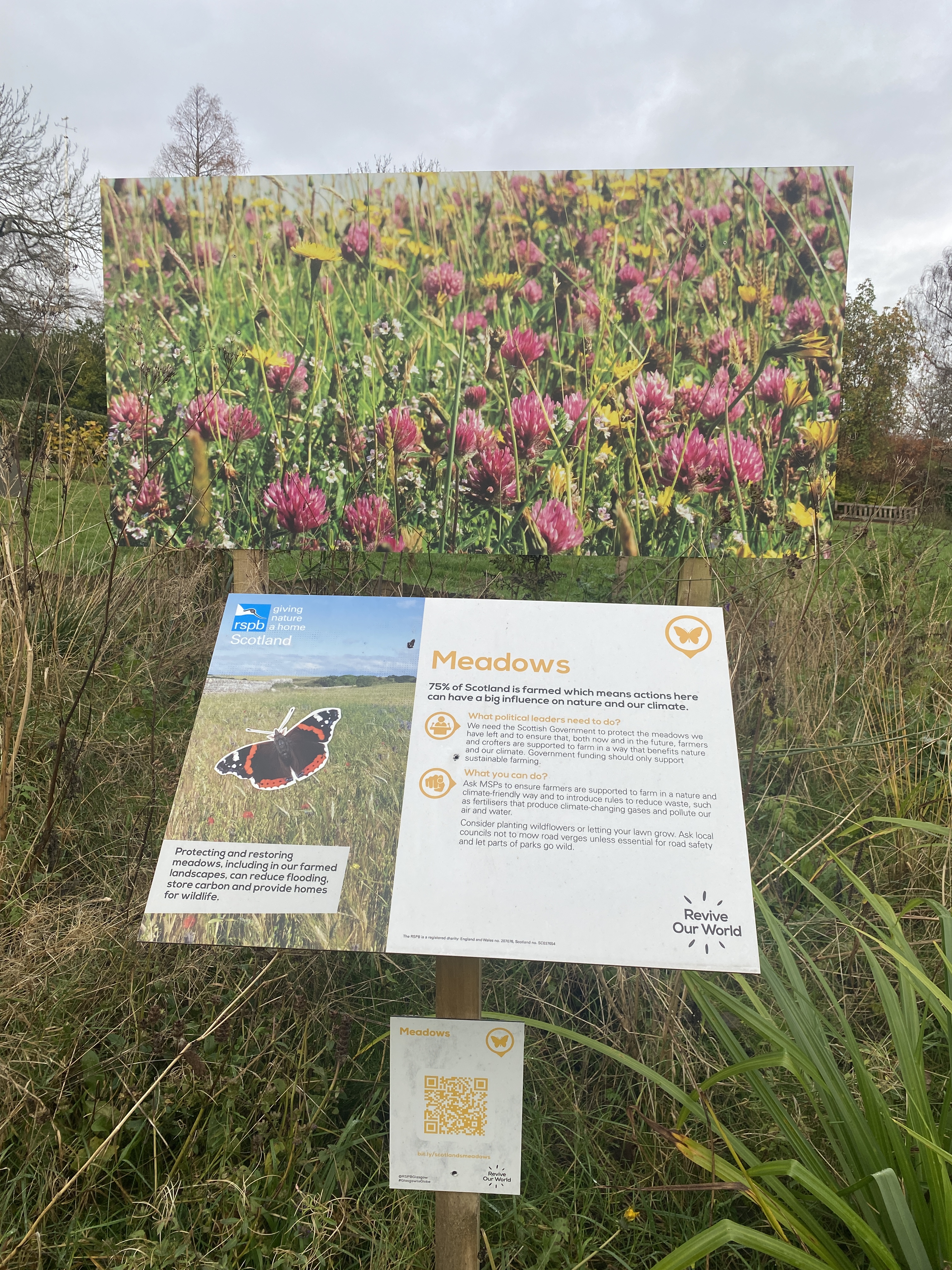
This is a talk about meadows. A meadow is a place of expanse and exposure, where Man shoots the mother deer in the Disney classic Bambi (1942). It is a site of slag heaps, fly-tipping, wild and opportunistic overgrowth; the edge land between industrial estates sprung up with buddleia against the odds. Ambling between creative and critical approaches, this talk makes a case for the gerund meadowing as a conceptual and methodological imperative for porous and cross-pollinating consciousness. The excesses of meadows suggest how we might glean forms of abundance and ongoingness from the discards of capitalist efficiency. We will take seriously the imperative ‘go touch grass’, not as pastoral consolation or escape but rather as a cultivating logic of regeneration. The aesthetic tendencies of meadowing — dense citation practise, polyrhythmia, borrowing from the im/possibilities of dream — are entwined with an ecological ethic of entanglement and suspension.
I am going to be in New York(!) for a few days in December, doing some readings with a motley crew of Scottish poets: Colin Herd, Jane Goldman, Iain Morrison, Nicky Melville.
So far, confirmed events are:
Sunday 17th, 12-3pm – Scottish Poetry Brunch at Torn Page. RSVP.
Monday 18th, 6:30-8pm – Poetry: A Christmastime Gathering with Four Scottish Poets at Frenchtown Bookshop. More info.
If you have any recommendations of cool things happening between the 16-21st of December in NY, hit me up!
Tomorrow I’m giving a paper on Caspar Heinemann, Sophia Dahlin and Callie Gardner at ‘Imagining Queer Ecologies’, a one-day online symposium hosted by the British Society for Literature and Science and the University of Oxford. [online]
Here’s the abstract:
‘In contrast to biodiversity’, argues Karlheinz A. Geißler, ‘“chronodiversity” is terra incognita’. This paper takes up the challenge to explore chronodiversity (the extent to which individuals have differing experiences of temporality) in a queer ecological context. Following Catriona Sandilands’ call for queer ecology to stress ‘an articulatory practice in which sex and nature are understood in light of multiple trajectories of power and matter’, I will look at contemporary poets whose negotiation of pastoral and lyrical modes offers a temporal experience of embodied difference. I am concerned with how queer poetry intervenes in modes of temporalisation which bind existence to a standardised temporal logic of consumption, expenditure, reproduction and labour. While pastoral is often associated with nostalgic and reactionary structures of feeling, I consider poets whose engagement with pastoral tendencies constitutes an ‘allergic’ aesthetic/ethic. Given that ‘allergy’ is rooted in both allos (‘other, different, or strange’) and ergon (‘activity’), it is fruitful to examine how poets reactivate pastoral modes through a queer and critical reimagining of desire and time. Reading poems by Sophia Dahlin, Callie Gardner and Caspar Heinemann, I consider formal strategies such as complex sentences, lists, imagery, lyrical present tense, citation and space, to dramatise the emotional and temporal conundrums of queer pastoral. I argue that these poets explore the possibilities of ‘queer asynchronies’ (Elizabeth Freeman, Time Binds) to rethink environmental consciousness in terms of (allergic) pastoral erotics which variously reflect and refuse the organising logics of heterocapitalist chrononormativity.
































 mariaology