
























A21 Trent Building, Nottingham, NG72RD
Wed 13th December 2023 3:30PM
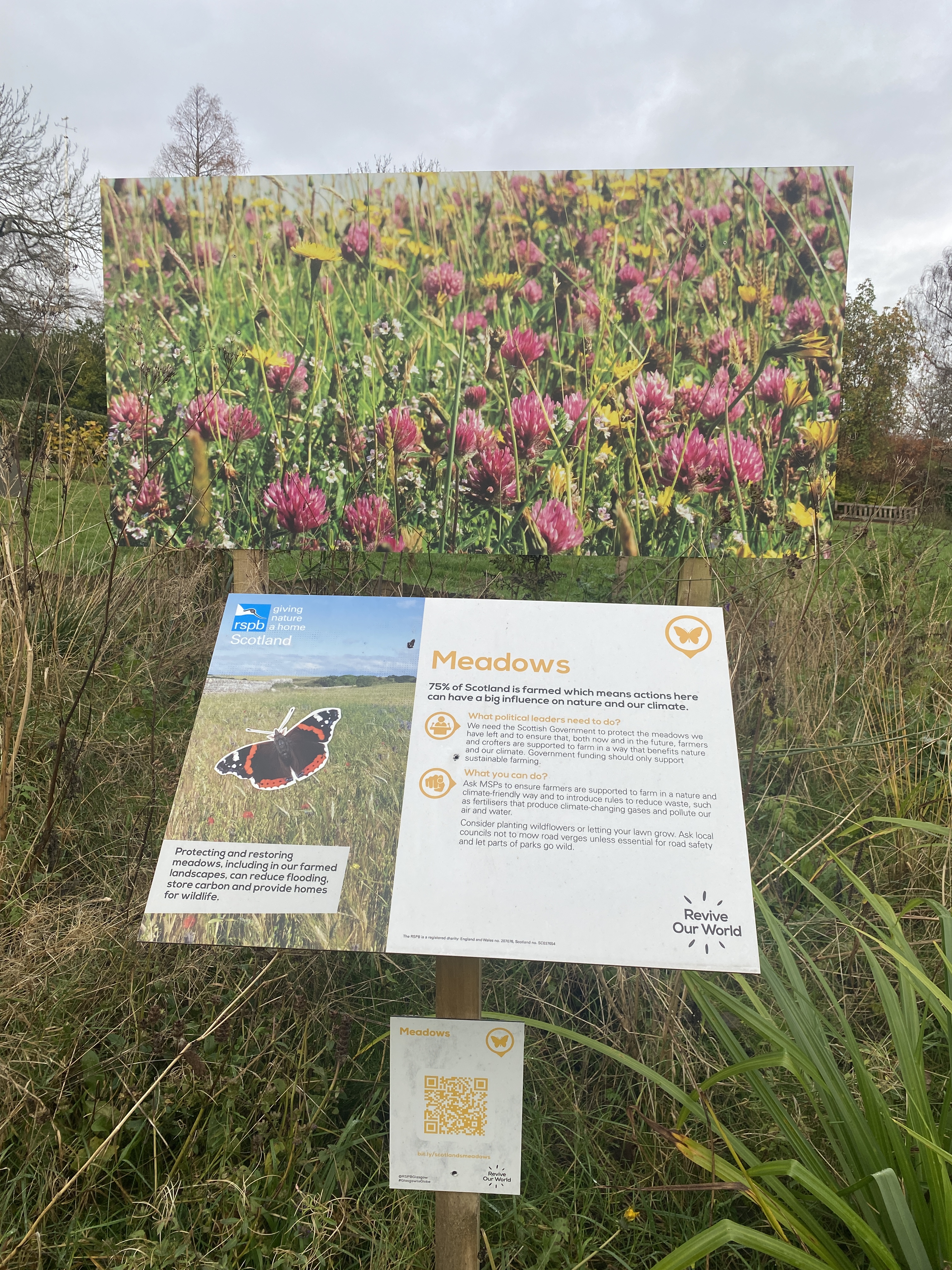
This is a talk about meadows. A meadow is a place of expanse and exposure, where Man shoots the mother deer in the Disney classic Bambi (1942). It is a site of slag heaps, fly-tipping, wild and opportunistic overgrowth; the edge land between industrial estates sprung up with buddleia against the odds. Ambling between creative and critical approaches, this talk makes a case for the gerund meadowing as a conceptual and methodological imperative for porous and cross-pollinating consciousness. The excesses of meadows suggest how we might glean forms of abundance and ongoingness from the discards of capitalist efficiency. We will take seriously the imperative ‘go touch grass’, not as pastoral consolation or escape but rather as a cultivating logic of regeneration. The aesthetic tendencies of meadowing — dense citation practise, polyrhythmia, borrowing from the im/possibilities of dream — are entwined with an ecological ethic of entanglement and suspension.

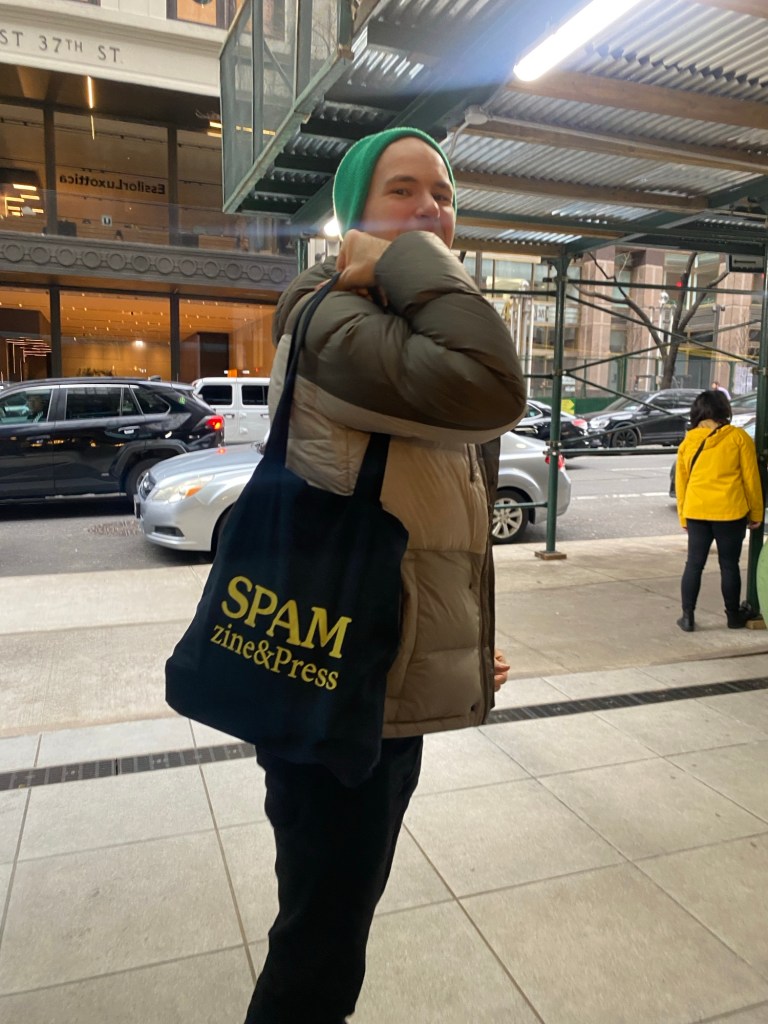
I am going to be in New York(!) for a few days in December, doing some readings with a motley crew of Scottish poets: Colin Herd, Jane Goldman, Iain Morrison, Nicky Melville.
So far, confirmed events are:
Sunday 17th, 12-3pm – Scottish Poetry Brunch at Torn Page. RSVP.
Monday 18th, 6:30-8pm – Poetry: A Christmastime Gathering with Four Scottish Poets at Frenchtown Bookshop. More info.
If you have any recommendations of cool things happening between the 16-21st of December in NY, hit me up!

Tomorrow I’m giving a paper on Caspar Heinemann, Sophia Dahlin and Callie Gardner at ‘Imagining Queer Ecologies’, a one-day online symposium hosted by the British Society for Literature and Science and the University of Oxford. [online]
Here’s the abstract:
‘In contrast to biodiversity’, argues Karlheinz A. Geißler, ‘“chronodiversity” is terra incognita’. This paper takes up the challenge to explore chronodiversity (the extent to which individuals have differing experiences of temporality) in a queer ecological context. Following Catriona Sandilands’ call for queer ecology to stress ‘an articulatory practice in which sex and nature are understood in light of multiple trajectories of power and matter’, I will look at contemporary poets whose negotiation of pastoral and lyrical modes offers a temporal experience of embodied difference. I am concerned with how queer poetry intervenes in modes of temporalisation which bind existence to a standardised temporal logic of consumption, expenditure, reproduction and labour. While pastoral is often associated with nostalgic and reactionary structures of feeling, I consider poets whose engagement with pastoral tendencies constitutes an ‘allergic’ aesthetic/ethic. Given that ‘allergy’ is rooted in both allos (‘other, different, or strange’) and ergon (‘activity’), it is fruitful to examine how poets reactivate pastoral modes through a queer and critical reimagining of desire and time. Reading poems by Sophia Dahlin, Callie Gardner and Caspar Heinemann, I consider formal strategies such as complex sentences, lists, imagery, lyrical present tense, citation and space, to dramatise the emotional and temporal conundrums of queer pastoral. I argue that these poets explore the possibilities of ‘queer asynchronies’ (Elizabeth Freeman, Time Binds) to rethink environmental consciousness in terms of (allergic) pastoral erotics which variously reflect and refuse the organising logics of heterocapitalist chrononormativity.


Samuel Tongue Cath Drake Maria Sledmere
Friday 24th November
12:00 pm – 12:50 pm
Main Hall
Our home is on fire and our houses unmade. When climate change is also (as Margaret Atwood puts it) ‘everything change’, how might poetry reckon with the far-reaching implications and existential contradictions of environmental crisis? In this panel discussion, we ask what tools exist for poetry to retune our senses, coexist with multiple species, tell stories of deep time while envisioning resilient and resistant communities. Our three poets will explore key strands into a climate-responsive poetics: elemental, collaborative, mindful, wild. With close attention to form and language, we discuss practical, ethical and poetic interventions in ecological thought.
Push the Boat Out Festival: Free tickets here.
A certain cinder catches in the milk. Autumn’s leaving. I have sensed it stealing me away.
Piles of wet, shiny, healthy leaves in the driveway of a mind.
So what if he took a few for sampling, put them under the microscope. It’s not that I had a drop of milk to give.
I watched seasons 1-3 of the show about silver wives.
He said there was a terrible anomaly: that’s all that’s wrong. He held me like nobody has ever held me before.
Winter passed through our embrace. I was a shook tree full of all of him inside me. Cinder.
Where did it come from? I was so full of the yellowing leaves. I was a choleric childlessness. I was let out at night.
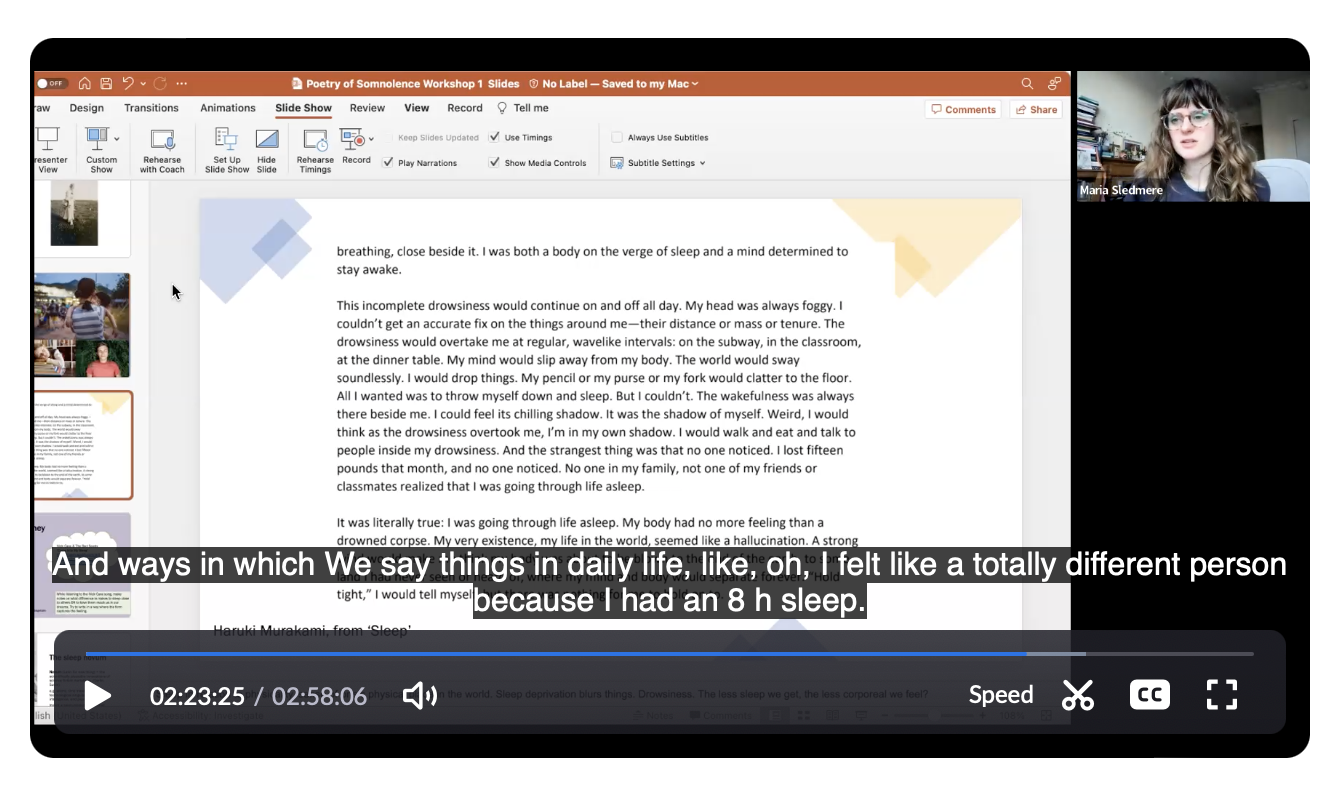
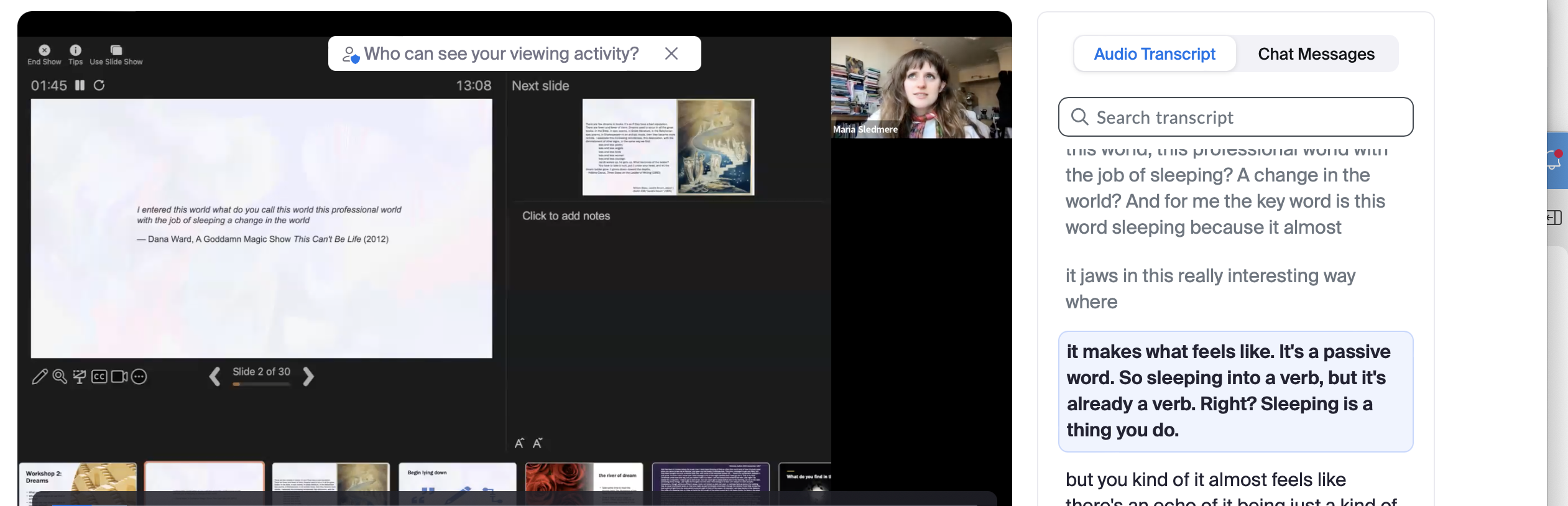
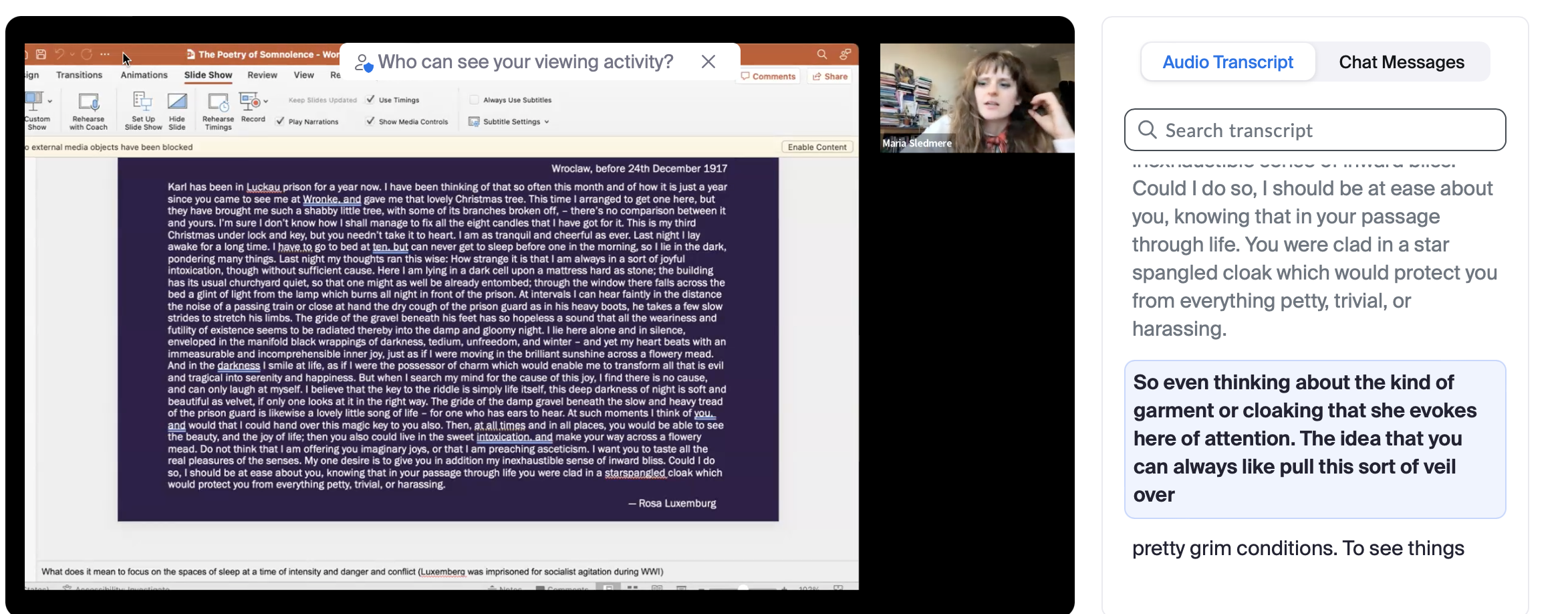
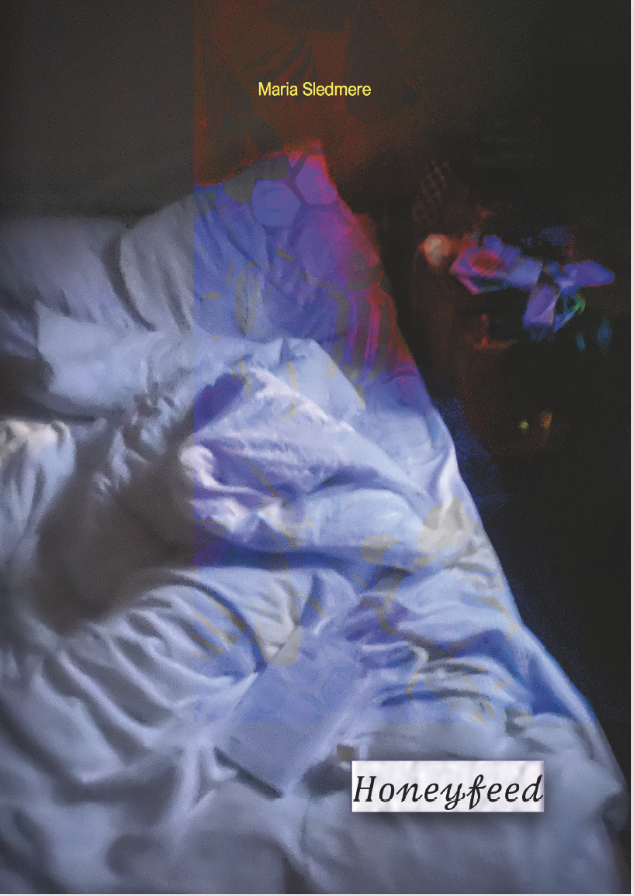
I spent the weekend in Zoomland with a group of really brilliant practitioners musing on the affordances of sleep and dreaming in our writing. We took the opportunity to discuss chronotypes, insomnia, hypnagogic poetics, oceanic feeling, nocturnes, dwelling and dreamwork among other things. Everyone has a relationship to sleep and what I love about these workshop spaces is the way so much is unlocked by paying attention to the liminal moments in the day. I really enjoyed hearing about how modifications to one’s writing environment (turning the lights off, going outside, changing the light temperature on your writing device) an affect what we write. We thought about darkness as discovery. We considered the lullaby. Sleep as a transformative force, sleep as anti-capitalist, sleep as a process of (un)becoming, sleep as trip and trance. Sleep and caregiving, sleep and safety, sleep and homemaking, sleep and the more-than-human.
Thanks to everyone who attended ❤
More events and work on sleep & somnolence will be announced in the new year!
For now, you can check out other Beyond Form Creative Writing opportunities here: https://www.beyondformcreativewriting.com