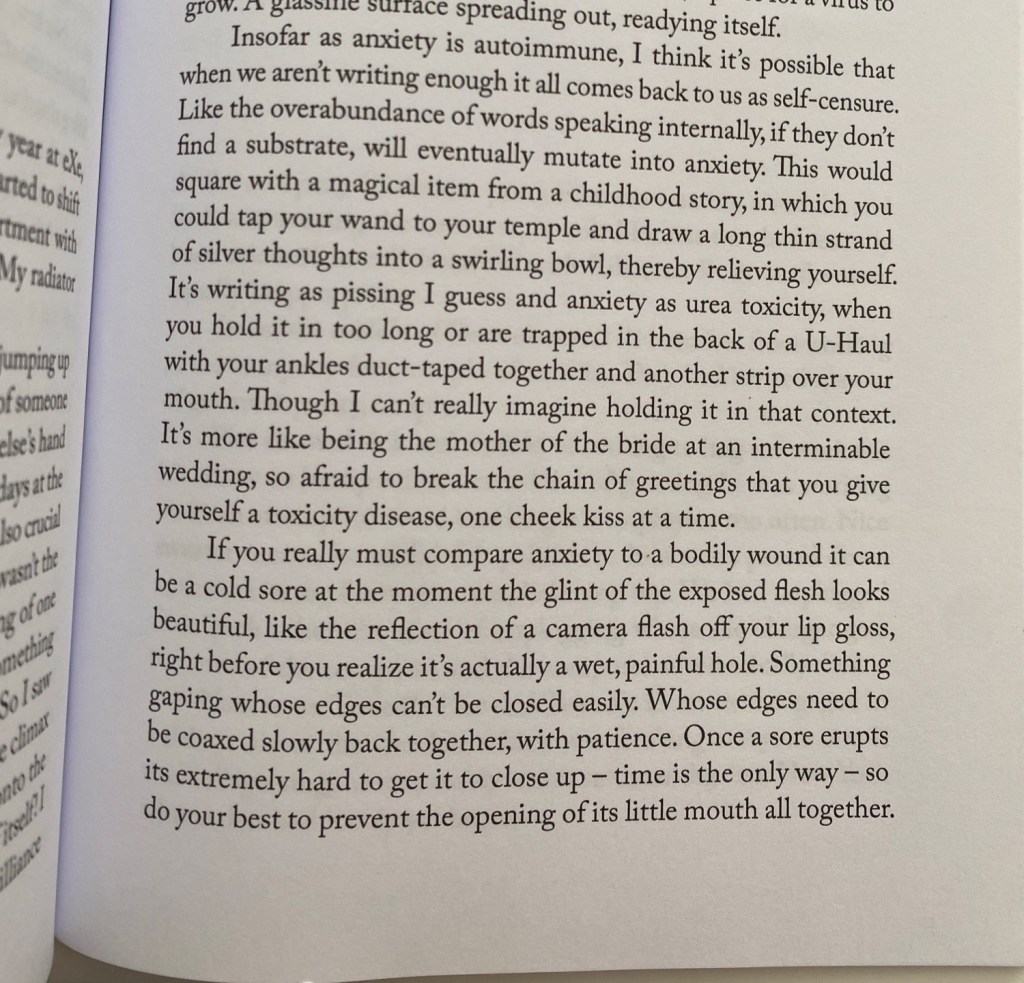
silver thoughts
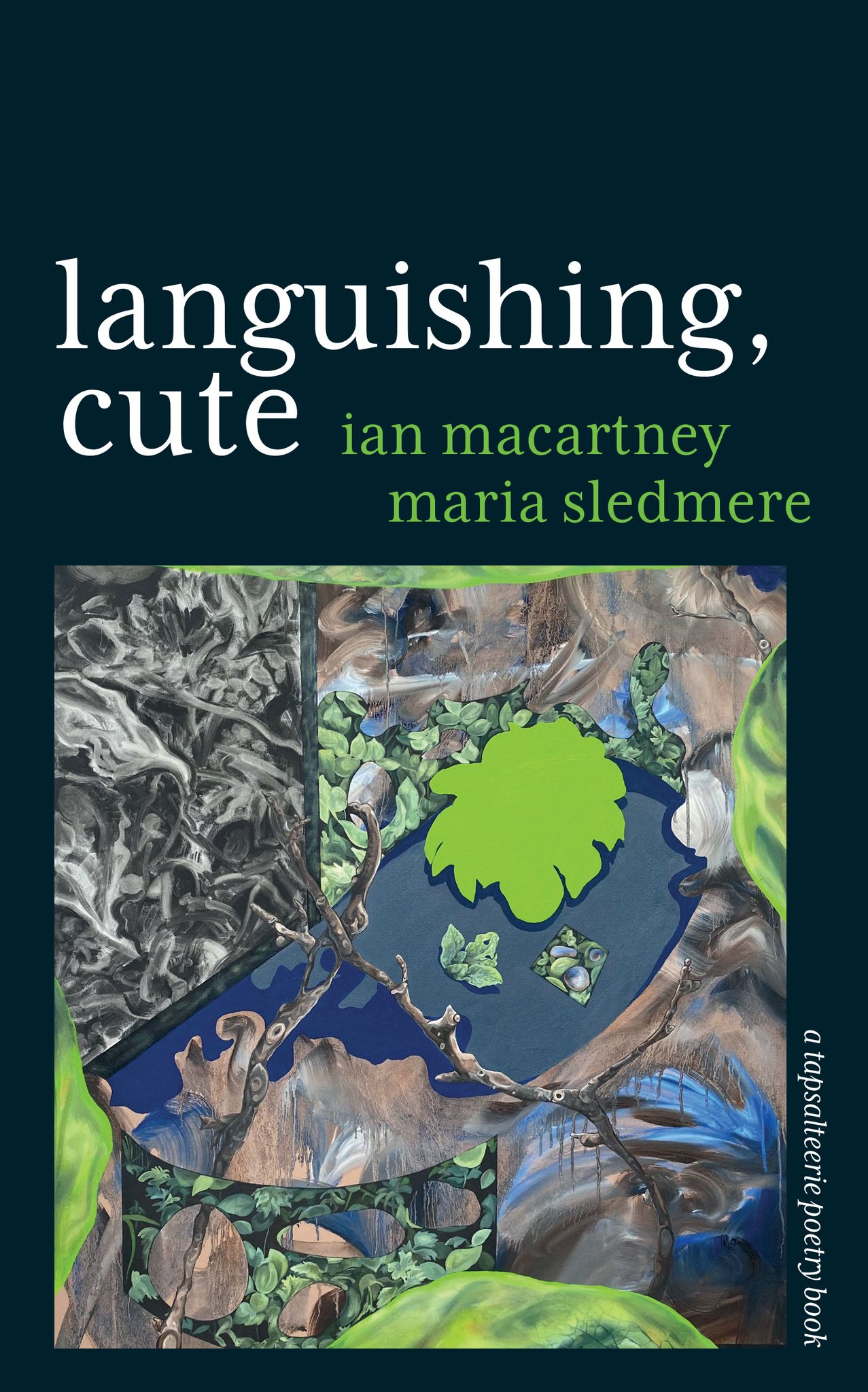
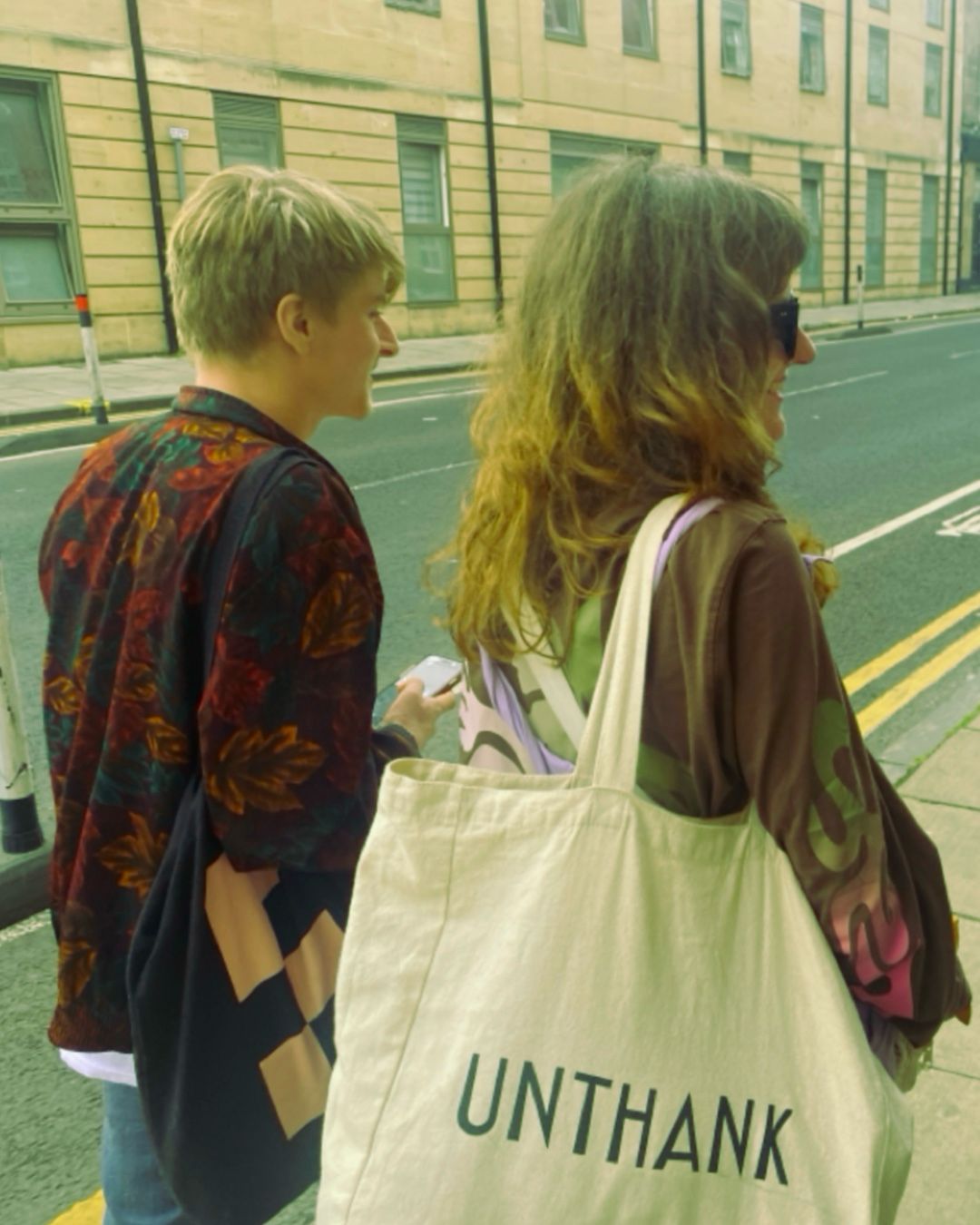
In August 2022, which legitimately feels a whole fat wormhole ago, Ian Macartney and I found ourselves working in Edinburgh for part of the summer. We met up at after-hours cafes (more prevalent in the capital, what you playing at Glasgow?) and walked around the Botanical Gardens where the staff promised ~*’Instagram flowers’*~ and we talked about our hopes and dreams and struggles as booksellers and teachers. Part of the emergent narrative concerned utopian ideals of Scottish infrastructure, where one could zip to Lerwick in a hyperloop heartbeat (all élan, not El*n) or at the very least catch a local bus on time, or unlock a hidden realm below the loch of Linlithg(l)ow. Part of it was about friendship, love and pop music. We were listening nonstop to Caroline Polachek and feeling okay about it. Pretty good actually. There was her vocal flipping over the crags, at sunset. I remember purifying my heart with orange liquor. Wearing a lot of lilac. Bleeding ink into industrial bedsheets. We were thinking about pivotal points where our childhoods overlapped with culture. We wrote things in documents and met in the months ahead. I did a lot of chaos cycles, late, trying to meet Ian at say, the Mitchell Library to go over some edits. A lot of awful things happened in the months intervening but there was this document we could splash land into and like turn on the light. Poetry’s coy ambience zonked up to warp speed. I liked doing this project a lot. I’m glad it’s in the world.
I think it’s in the same universe as say, An Aura of Plasma Around the Sun and Ian’s 2024 essay for Futch Journal, ‘solarity, reclaimed’.
We’re publishing the full collection, Languishing, cute with the wonderful Tapsalteerie, an indie press based in rural Aberdeenshire. Ian’s worked with them before via their pamphlet imprint Stewed Rhubarb Press and they published some of my poems in the 2019 anthology, edited by Calum Rodger, titled makar/unmakar: twelve contemporary poets in Scotland. We’re big fans of Duncan Lockerbie, Tapsalteerie’s founder and editor, who does so much for Scottish poetry and beyond.
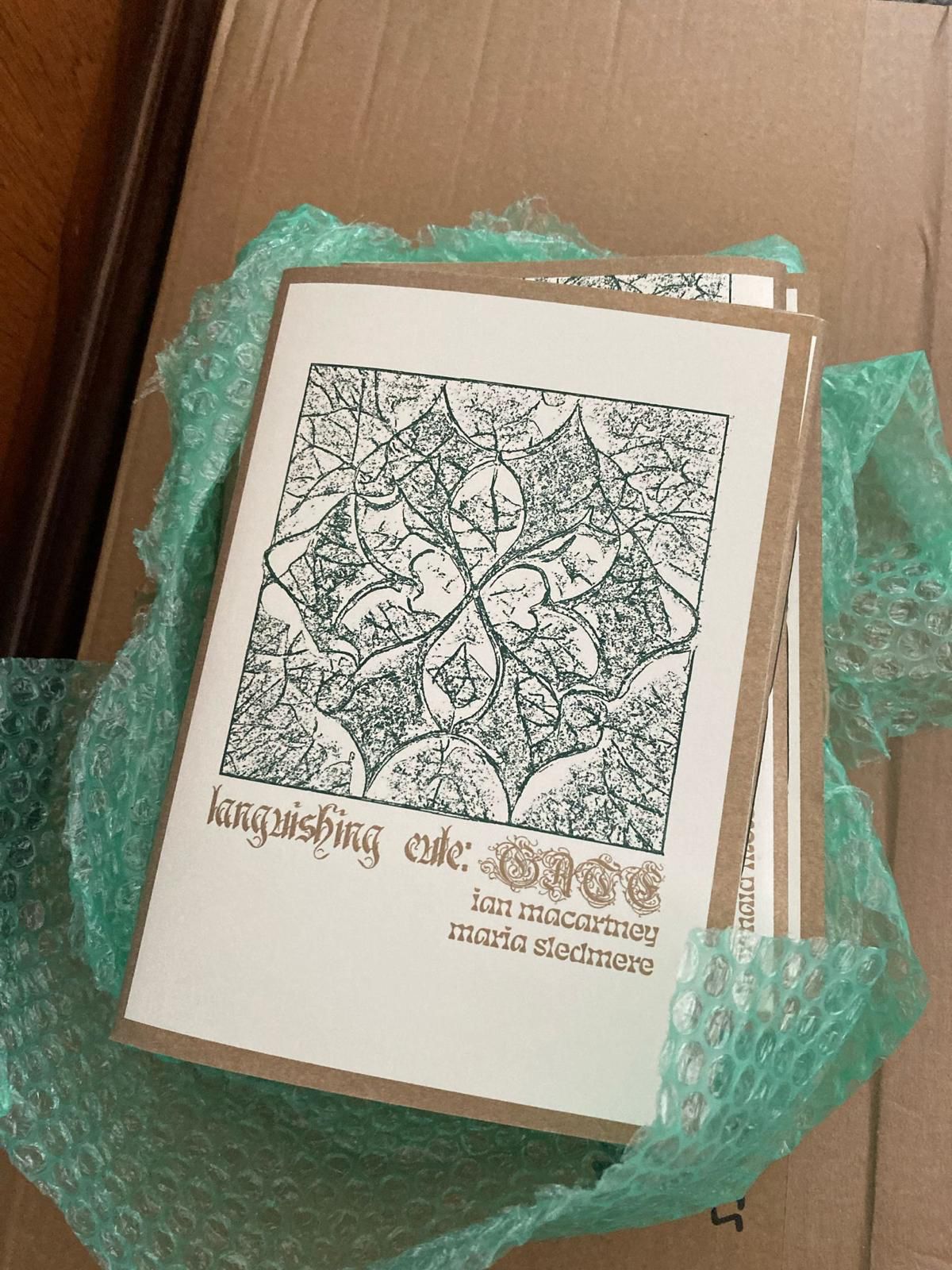
We’re also publishing, thanks to the exquisite printing of Earthbound Press, a separate riso pamphlet of b-sides titled The Gate. Look out for that at our launch events…
From the publisher
languishing, cute presents a collection of jittery missives that propels the speculative Scottish canon of Morgan, Gray and Mitchison into a maximalist ‘high femme goth surrealism’ via hyperpop, Celtic futurism and digital culture. Here the poets tend towards e-pistolary contemplations of retro-adolescence, fizzy ecology and mercurial slippy gurlhood to complicate notions of Scottish identity, nationhood, ecology, nostalgia and more.
Nice things people have said:
languishing, cute is the opposite of a flyting — that traditional bare-knuckles fight between two poets. Rather, the two poets here offer their worlds to each other in the gift of friendship and they listen back: it’s not a duel, it’s a jewel. Where they meet is in a place of Anglophone avant-garde stimulants — locating codes include Francesca Lisette’s Teens, Edwin Morgan, Tim Atkins and Peter Manson — and the dancefloor has Bunny Is A Rider pumping out in up-melancholy and autotune. At times this is glitch-poetry, funny, para-kitsch and mesmeric. At other times there are the amplitudes of tenderness and self-effacement in a palette of citrus and greenest day-glo. What’s also fascinating is the pressing together of the virtual and its tics with its mineral and viscose underpin, all via the very human. It’s a leap from body/mind to capital/digital and back again, flickering, a visit to Silicon Brig-a-Doon you’ll want to be the first to Insta.
– Richard Price
[…] Messy as a teenage tumblr, flashy as a strobe light, this is two exceptionally generous poets bouncing off the walls of the backrooms with the energy of a thousand monster energies… here ~The Glitch~ is not a glitch but a stitch between windows, the glue between a b2b set, the rhythmic green hills of algorithmic infinity … and yet these re-mixes and e-mails traverse an internet of metal and cable, the business of poetry is conducted by staples through sheets of reconstituted tree::: there’s something old-school, decidedly analogue about all this. It feels like you could feel it. It feels like the push of a button, the caress of a bright cool screen. Actually no it feels warm and coarse, a cosy transmission rumbling, re-tuning itself like you’re flicking from station to radio station, flickering between noise & dialectical noise, patterns emerging in the static as the ether unknots itself, and the stuff of life comes spilling out […]
– Dan Power
Endless aureate refreshment from Maria Sledmere and Ian Macartney, languishing, cute is a collection with all its push notifications turned on that still finds headspace to pay attention on the DL to form and poetic inheritance. There’s Sledmere’s elliptical take on William Carlos Williams’ fridge raid (with Kylie Minogue R osé instead of plums), the odd sestina, and plentiful nods to that Scottish experimentalist Edwin Morgan range from embedded songs of the Loch Nes[s]presso Monster to Macartney’s predictive geographies in time-travelling poems indebted to Morgan’s Sonnets from Scotland.
With spins to further Scottish topographies from Maybole to Lerwick, Sledmere and Macartney are often found shuttling east and west ‘w/ eloquent glitches’ across Scotland’s central belt, heading increasingly into CAPITALS when Macartney’s voice announces us into Superedinburgh Vaporwaverley/Edenbruh/the London of Scotland.
The internet’s vertigo is never far away from poems presenting like listicles. Sadly for any wannabe monetised content, in languishing, cute these poets may be trading futures, but their hacked hypernature is funding nobody’s wellness retreat.
– Iain Morrison
ORDER HERE FROM THE PUBLISHER
LAUNCH EVENTS
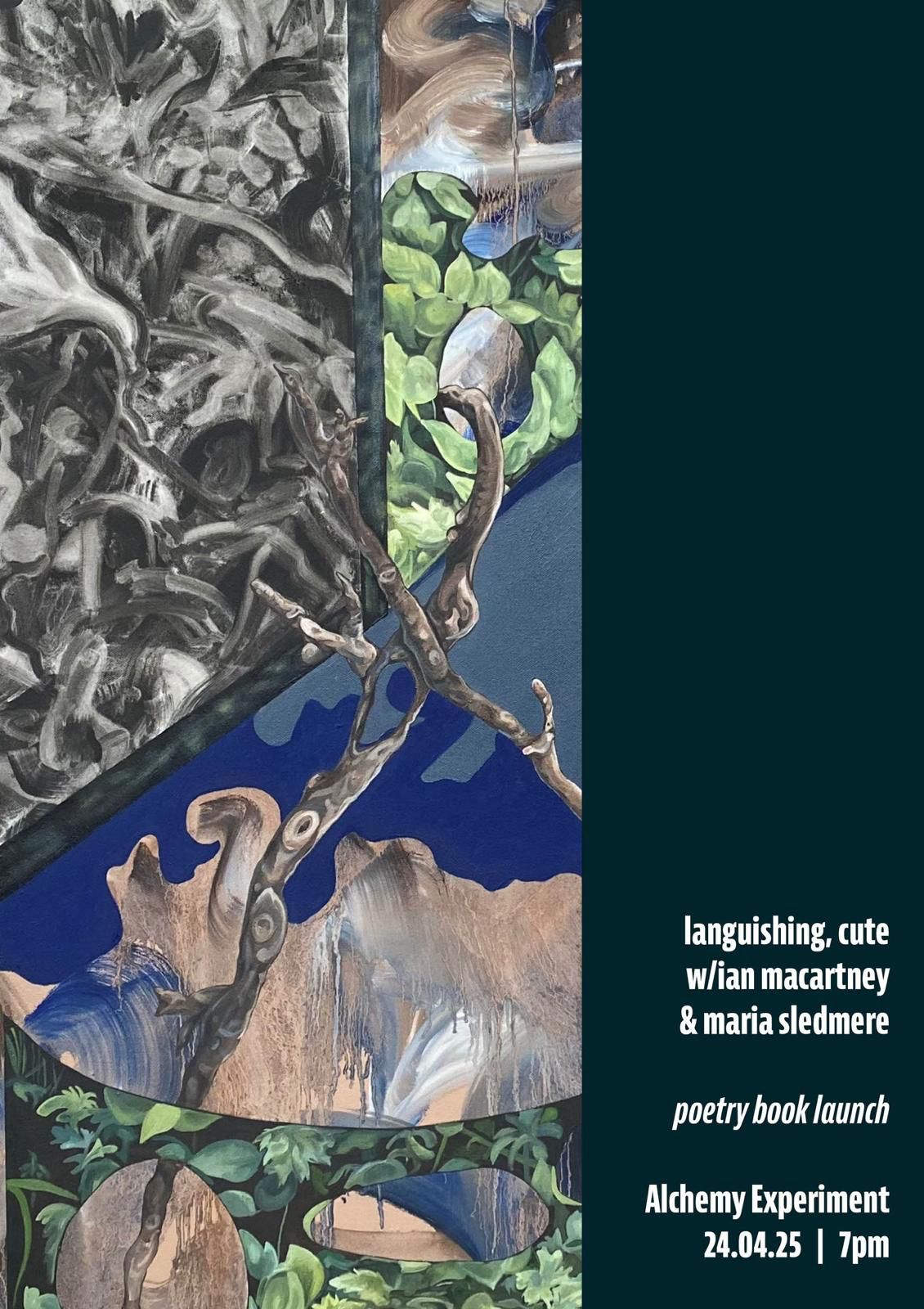
24th April, 7pm — The Alchemy Experiment, Glasgow (free entry – details)
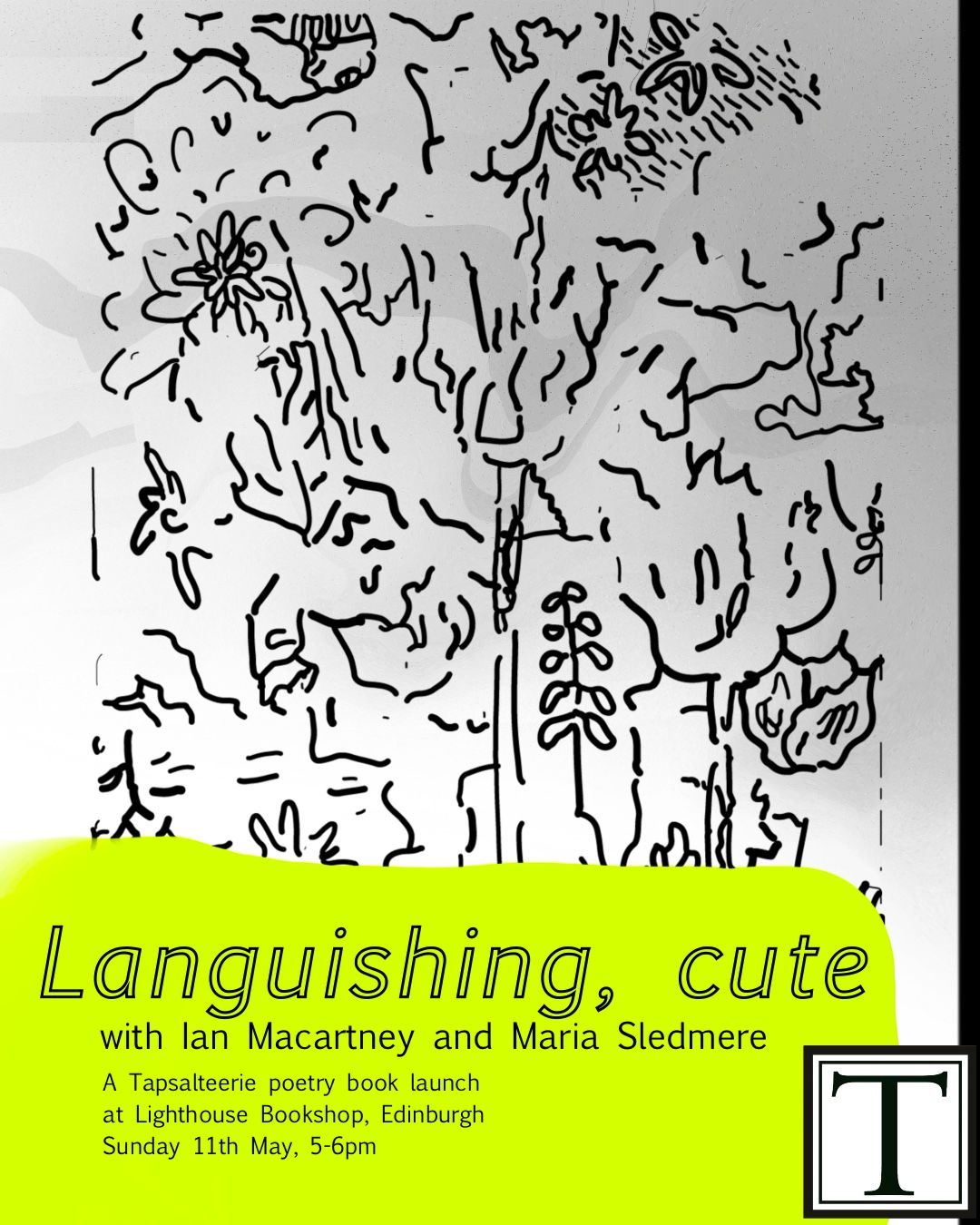
11th May, 5pm — Lighthouse Books, Edinburgh (arrive promptly! – details)
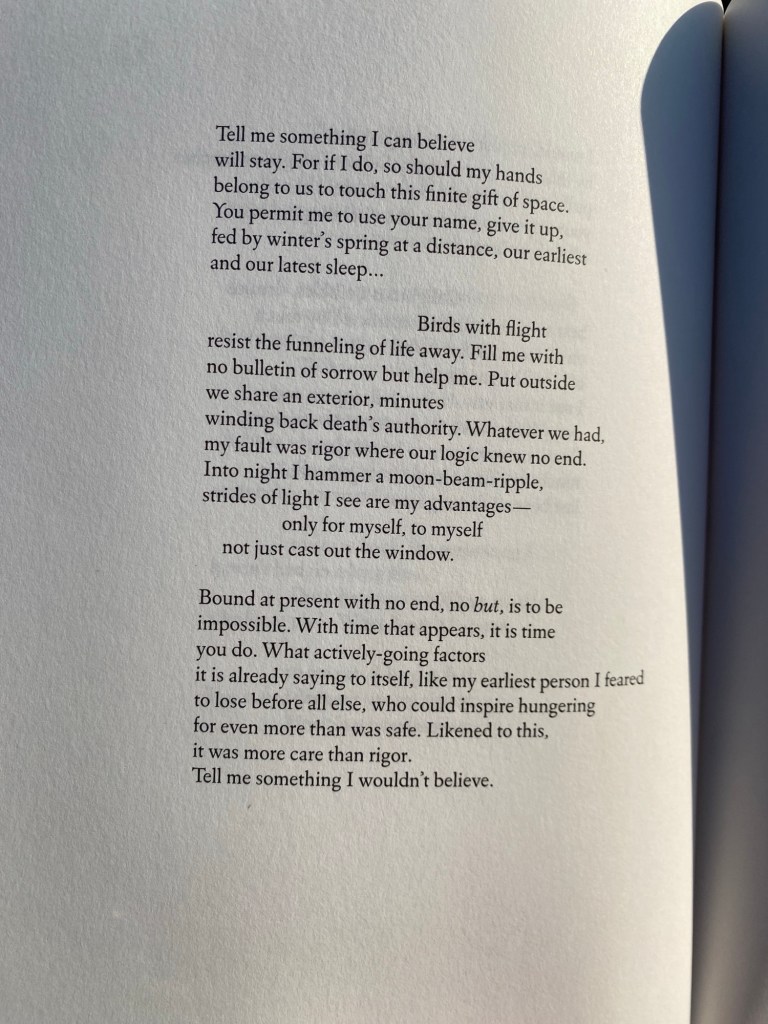
from Jennifer Soong, My Earliest Person (2025)
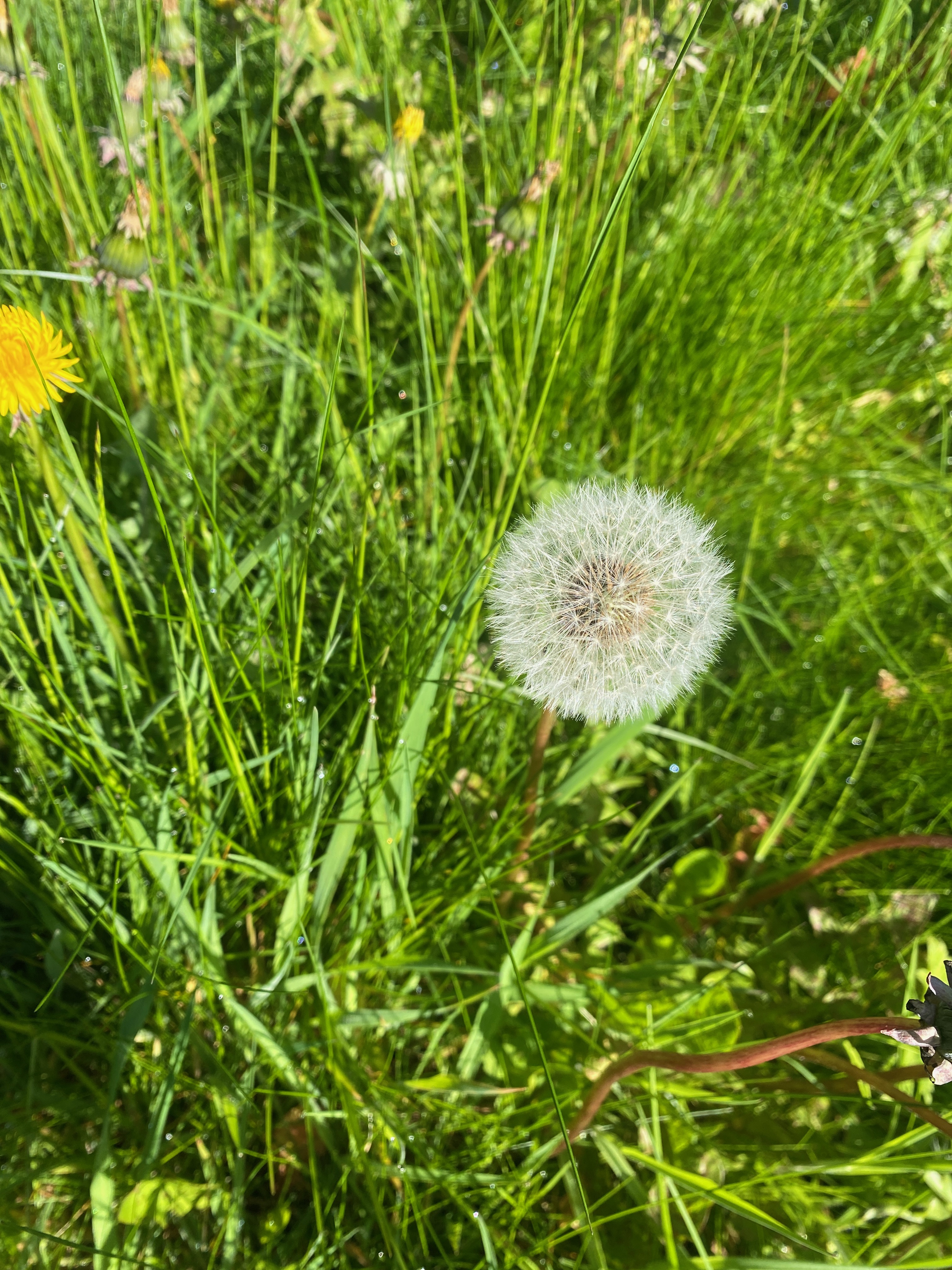
If you are in Nottingham, I’ll be reading at Dandelions Poetry at Broadway Cinema on 22nd April, 7pm. I’ll be joined by Charlie Baylis of Anthropocene Poetry. There will also be an open mic.
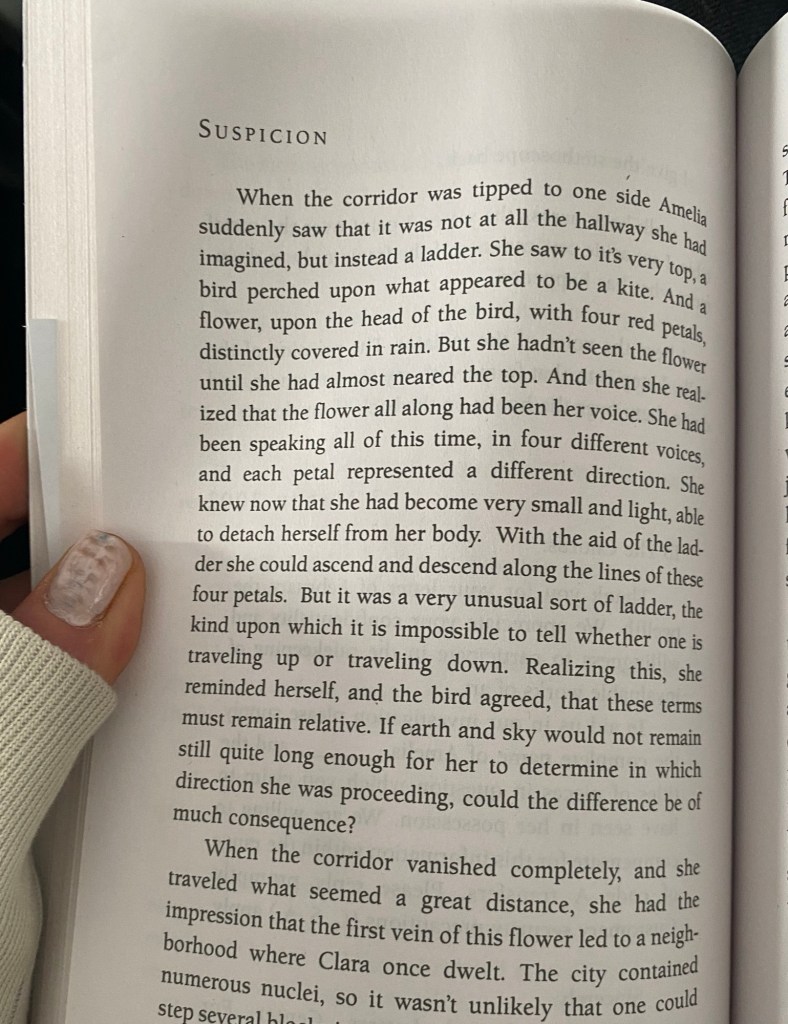
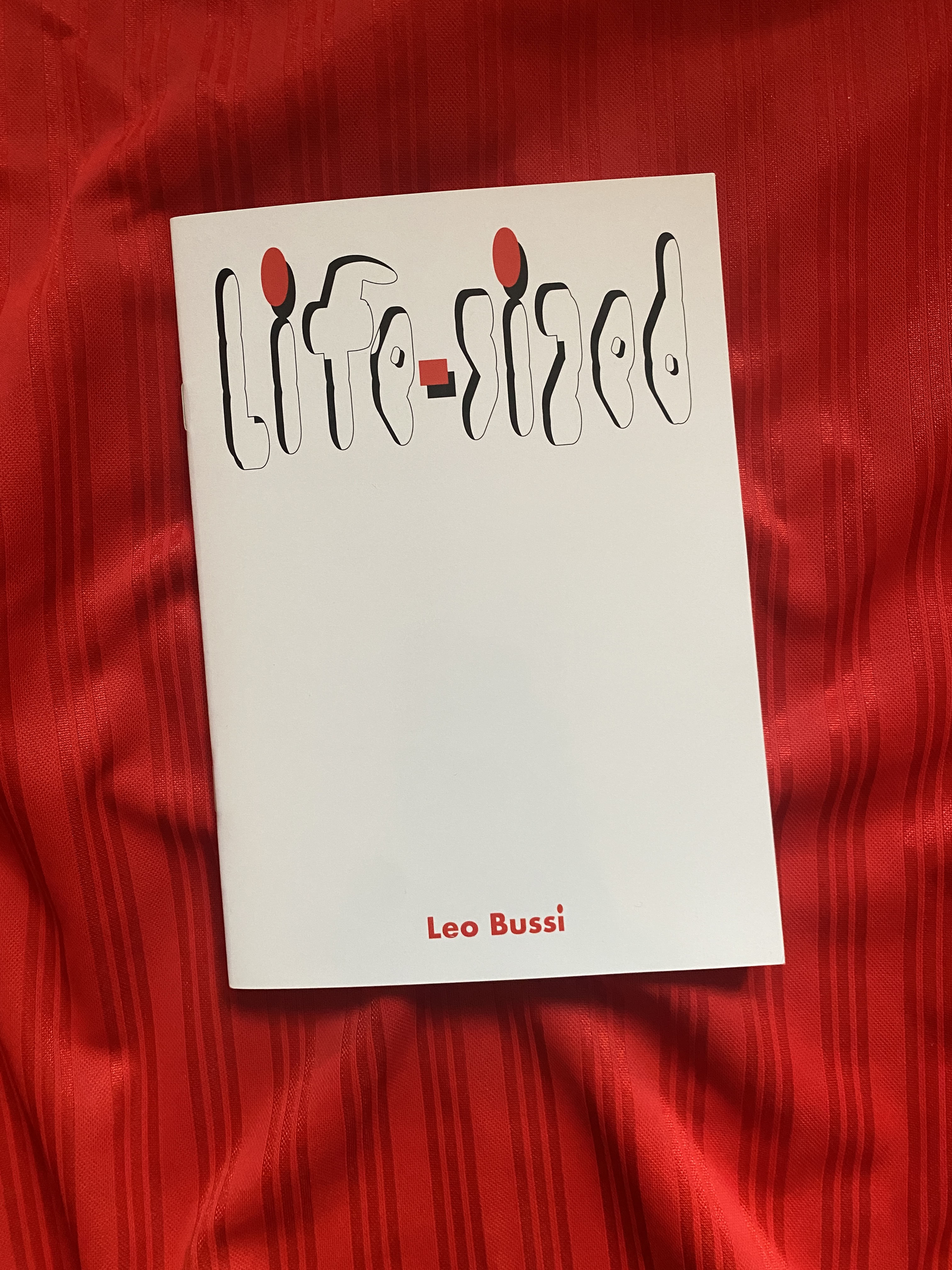
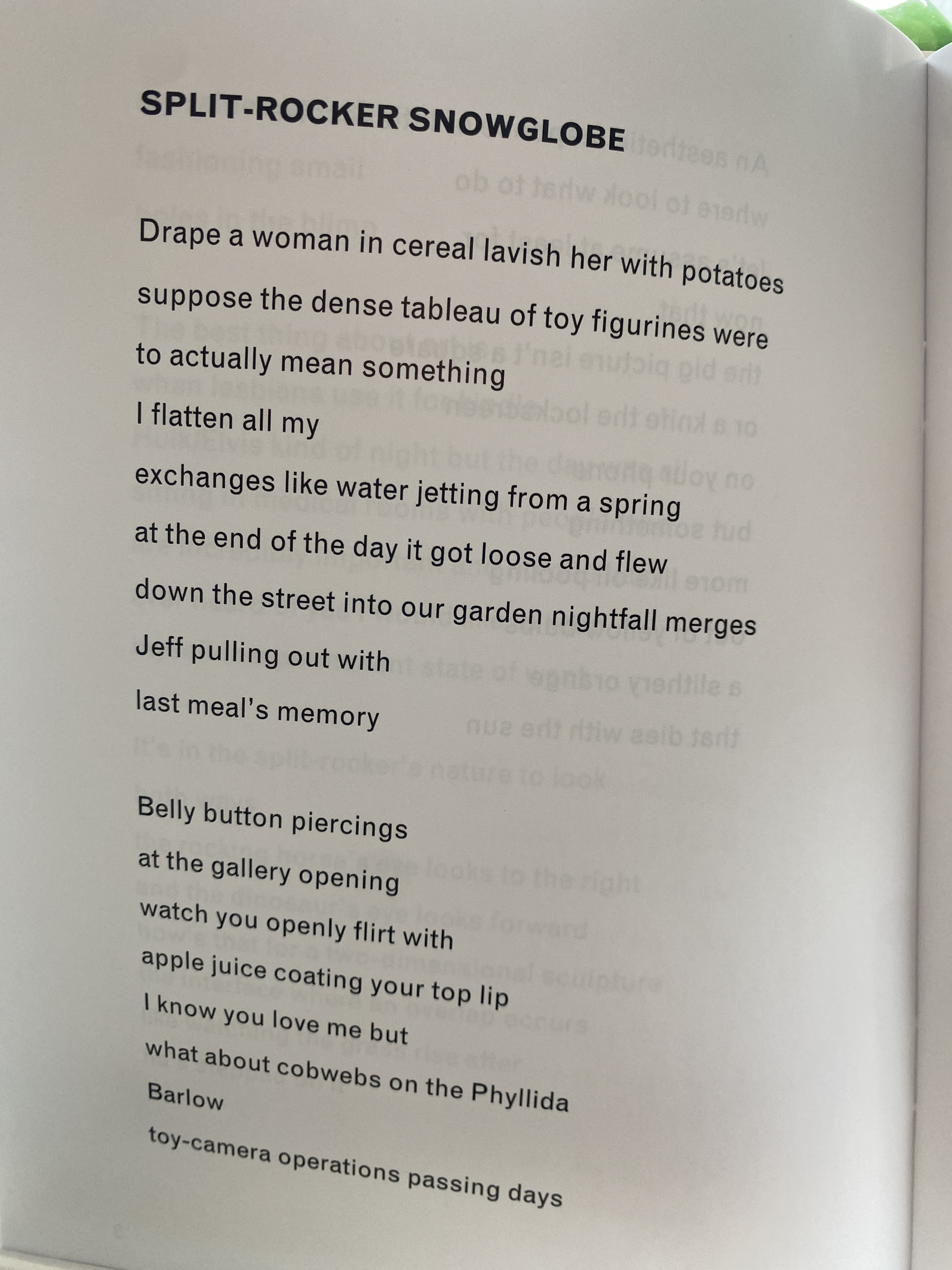
For a few months now I’ve been working as lead editor on Leo Bussi’s debut pamphlet, Life-Sized. I just wanted to say a quick word here about how awesome that’s been. I felt pretty jaded about running a press for a while because I was holistically exhausted and sick of the admin oblivion that is a non-profit tax return. This project has got me back in the game.
Leo’s work has charmed me ever since he read at the SPAM launch of Cocoa and Nothing (listen here) and we bonded over shared appreciation for a certain universally loathed, candy-named song. Editing Life-Sized has been energising because Leo is someone who kind of just comes with a fully formed poetic. And that’s informed by art and conversation and what Sue Tompkins calls ‘muscular sculpture’ and what Oli Hazzard calls ‘gorgeously goofy bathos’. He really has an ear for a line break which is sometimes comic timing and sometimes it’s object erotics and sometimes it’s the trompe l’oeil of the poem’s own jouissance. The poem feeling itself in cereal or nightfall or some kind of membrane.
AI-generated visual absurdism may have diluted the power of surrealism in culture but Leo’s poetry reaffirms the sharp gasp of the paranoiac-critical method. Here we have fused realities and toy scales – ‘Barbie version of Mount Rushmore’– played out in the synaesthetic poetics of a Jeff Koons expanded universe. If this is lyric then it’s also ‘Art-breath’ and everything might be desire but it’s also the agency of the brush and a line might be a gentle brush with erosion or it might be social realism i.e. ‘cucked and living in Britain’. My autocorrect tries to make cucked sucked and I want to tell my computer, you should be so lucky.
We are launching Leo’s book at Good Press on 20th March. It’s at 6:30pm, free and you can just show up.
You can preorder Life-Sized here.
You can also get in touch with SPAM Press if you would like to review the pamphlet!
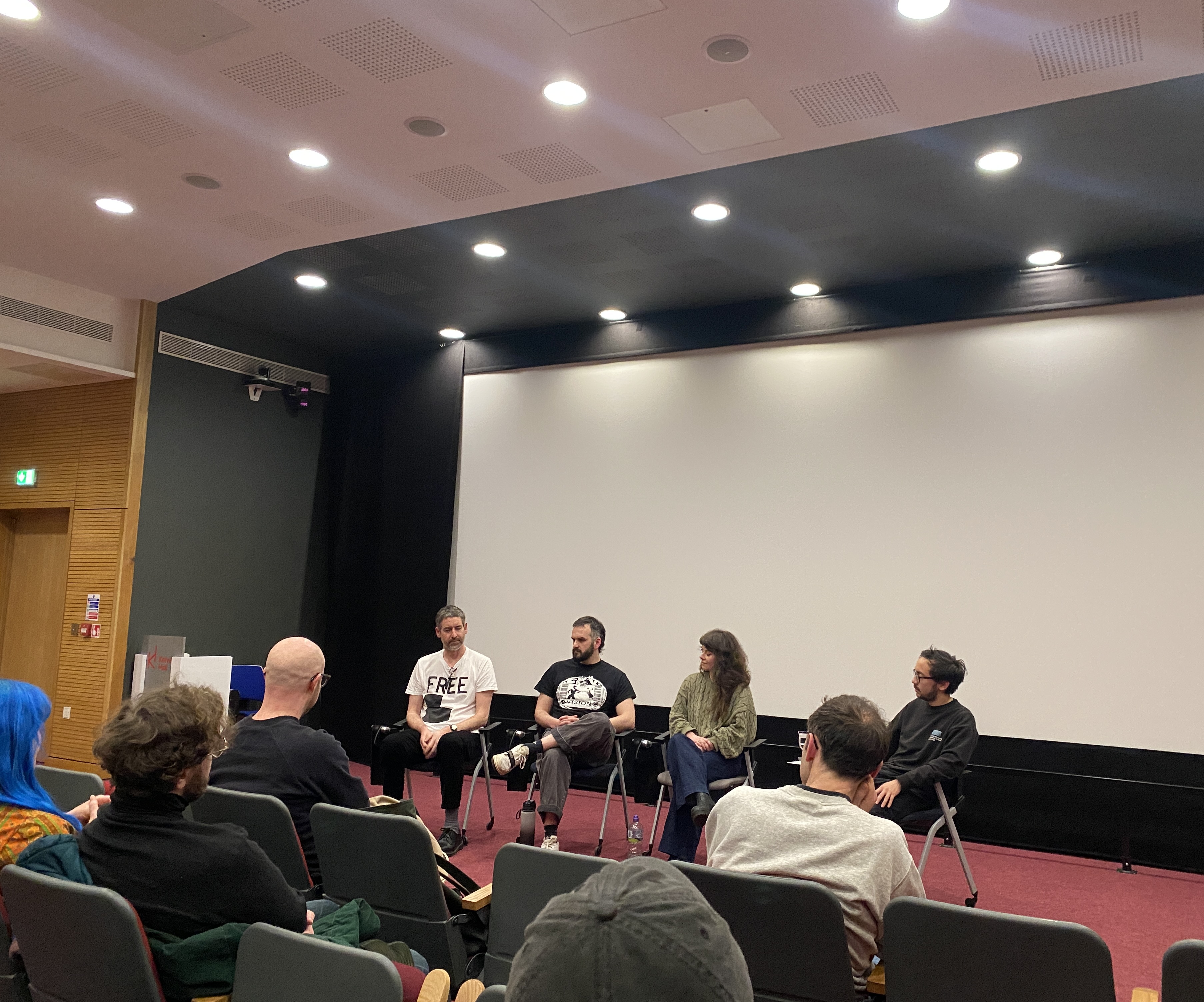
Last night I went to the Thinking Culture event: ‘I Dream of Wires – Film Screening and Panel Discussion’. It’s this film about modular synthesisers and the people who build, use and ultimately love them. Some people collect dozens of these instruments and get scared to record. The studio assemblages are like hyperobjects. It goes from being a musical thing to a techy thing, or this sublime encounter with wires. Some of the talking heads did say they were more like engineers, or more into hardware or just playing around. I found the film inspiring and charming. It was so great to hear from unabashed enthusiasts, some of whom comically shit-talked the digital in a way that was deeply satisfying. Anyone from Trent Reznor to Gary Newman, Legowelt, Doepfer and Modcan. You start seeing the tech itself as this circuitboard for attuning people globally who love something niche in a powerful way. That attunement is also to possibility. The circuitboard after all is an instrument. I loved watching guys hot wire stuff, or whatever it’s called, kind of moving around intricate cables, sparks, connections. It’s one of my favourite things, to let people go off on something they adore in this totally nerdy way. For the love of technicality. The way that the modular synths are more than vintage revivals.
Afterwards, there was a panel chaired by Kevin Leomo with artist Scott Myles and musicians Suzi Cook and Lewis Cook of the band Free Love, who now run Glasgow Library of Synthesized Sound (GLOSS), the UK’s first electronic musical instrument library. Myles has this exhibition, Head in a Bell, finishing up at GoMA right now, containing the Instrument for the People of Glasgow, a social sculpture made up of donations he blagged from Eurorack synthesiser manufacturers across the world. One of the things that struck me again and again in the film and the discussion was this notion of the social, especially in terms of the civic — that which relates to the duties or activities of folks living in a particular locale. Obviously much of this is urban, but I’m curious about the rural life of the synth (remote cabin studios notwithstanding).
One thread of the discussion I latched onto was around what is creativity and why does this question matter in the age of AI. Pretty soon, Lewis said, we’re going to have software that can simulate very well a track that sounds like it was recorded on tape in say, 1984. So why bother to make the track. What is the ‘worth’ in that labour, everyone ponders. Lewis, and I’m paraphrasing here, said he likes to come at instruments more as a wilful amateur than from a position of mastery. He talked about ‘approaching an instrument with a kind of naivety’. It would kind of get in the way if he knew everything an instrument does with that technical oversight. I was thinking about the relationship between creativity, play and amateurism (or what we might call newly coming to the thing, being a dabbler, a devotee etc) in terms of the vernacular possibilities of the modular synth. This is all very raw and speculative thinking, as a blog befits. Towards the end of I Dream of Wires, we have a lovely slowed-down shot of children interacting with a modular synthesiser which is placed outside. The effect is almost pastoral: sunlight on young faces, their curiosity blatant, the different colours of their little outfits standing brightly against the cool palette of the tech. The idea being: what would it be like to come at this as children? As well as: what will the musicians of tomorrow do with this tech?
This idea of the vernacular is one I nab from poetry. In Nilling (2012), Lisa Robertson writes:
a vernacular loosely gathers whatever singular words and cadences move a given situation, a given meeting, as it is being lived by its speakers. Characterised […] by wit, excess, plasticity, admixture, surge, caesura, the wildness of a newly turned metaphor, polylinguality and inappropriateness, the vernacular is the name for the native complexity of each beginner as she quickens.
What does it mean to ‘meet’ the technology of the past in the present? We could swap ‘singular words and cadences’ for samples, patches, presets and think about how improvisation turns a kind of ‘wildness’ into the surprise of new genres. Confronting the interface of a modular synthesiser is intimidating but also freeing because it is a machine that gives. And it will make a sound if you physically interact with it. And you keep building on that. In the film, social connection was mentioned again and again. Whether in shots of happy clubbers dancing away, the hands-on interactions of the Superbooth trade fair or in the social hub of Schneidersladen, a legendary synth store in Berlin, the film circles back to the idea that while there is a collector’s market for this stuff, it’s not always locked away. Even the hoarders like to come out and play sometimes, swap tricks or demonstrate. I like Robertson’s phrase ‘the native complexity of each beginner as she quickens’ as a description for what it means to come at an instrument, face on, learning through doing. Quickening.
The opening question for the panel was ‘When did you first get into electronic music?’ and the answers were a delightful mix of classical training, chance and play. I remember being fourteen trying to play Enter Shikari songs on my friend’s microKORG and this particular instrument being legendary in her self-mythology, like something that landed out of the sky. I remember raucous chiptune gigs, energy drinks, GBX anthems, nineties industrial and the explosive synths of happy hardcore with their Koonsian sheen and total west coast of Scotland Id. I remember how all of this was mediated through hardware: specifically, the Sony Ericsson phone, crackling home computer speakers or the way things sounded IRL massive so much to ring in our ears for days.
When we think about the transitional moment we are living through, with the accelerated capacities and tentacular reach of artificial intelligence, we should consider what we as human beings want from our creativity. This was a resounding proposition from the panel. The importance of social connection, spontaneity: how just being here at this event was also making me think and write again. The kinds of energy, power, connection you get from being in the room. Scott talked beautifully about how the modular synth was a way of ‘shaping electricity’; that could also form the plasticity of a certain musical vernacular. I thought about whether presets could serve as chronotopes hailing us back and forth in deterritorialised place and time. Again, remaking the vernacular. How creativity doesn’t always need efficiency. Lewis said something interesting about convergence of divergent thought. How you work with the practical and the abstract, sometimes needing a bit of one to go into the other. Efficiency can get in the way of meaning and feeling. You have auto-generated the perfect 2010s Eurobeat song. Now what? Slowing down the process can also quicken the senses. It’s how we get excited. Figuring it out. Connecting.
Lewis mentioned that some of the guys on the film had a ‘model railway’ vibe about them, the way they collected and connected synths and narrated that practice. It made me think about how that model railway art of making these insular sonic worlds allows for imagination and mind-wandering play, but you then have to actually connect it to the social to get the extra utopian jolt. This can sometimes be intimate and personal: the ‘ecstatic companionship’ (Scott) of listening to drone music. It could also be energising and collective. The music could stay boutique in the studio or it could be this charge, this conduit to reaching others. I like to think about everyone listening to drone in their bedrooms as tuning into some field of collective frequencies, the oceanic feeling of being apart, together.
Lewis said that one of the goals of GLOSS was to think through how to make a ‘luxury instrument’ available in a wider context, especially in such a divided city as Glasgow. When asked what piece of advice might you give to people interested in making their own electronic music, this is what the panel said (again, paraphrasing):
Suzi: celebrate your changing self and don’t be afraid of warping and letting that shape your practice
Lewis: don’t take yourself too seriously
Scott: always be doing, making sound and music, do it and don’t always try to understand it; keep making stuff and also redoing the thing; don’t be intimidated
Someone, I think Suzi, said ‘part of the balance is bringing in the chaos’. So I will go about my day with that Robertsonian wildness and celebrate indeterminacy, chance encounters, happy accidents.
~
This event was hosted by Thinking Culture. There will be a related gig at QMU in April.
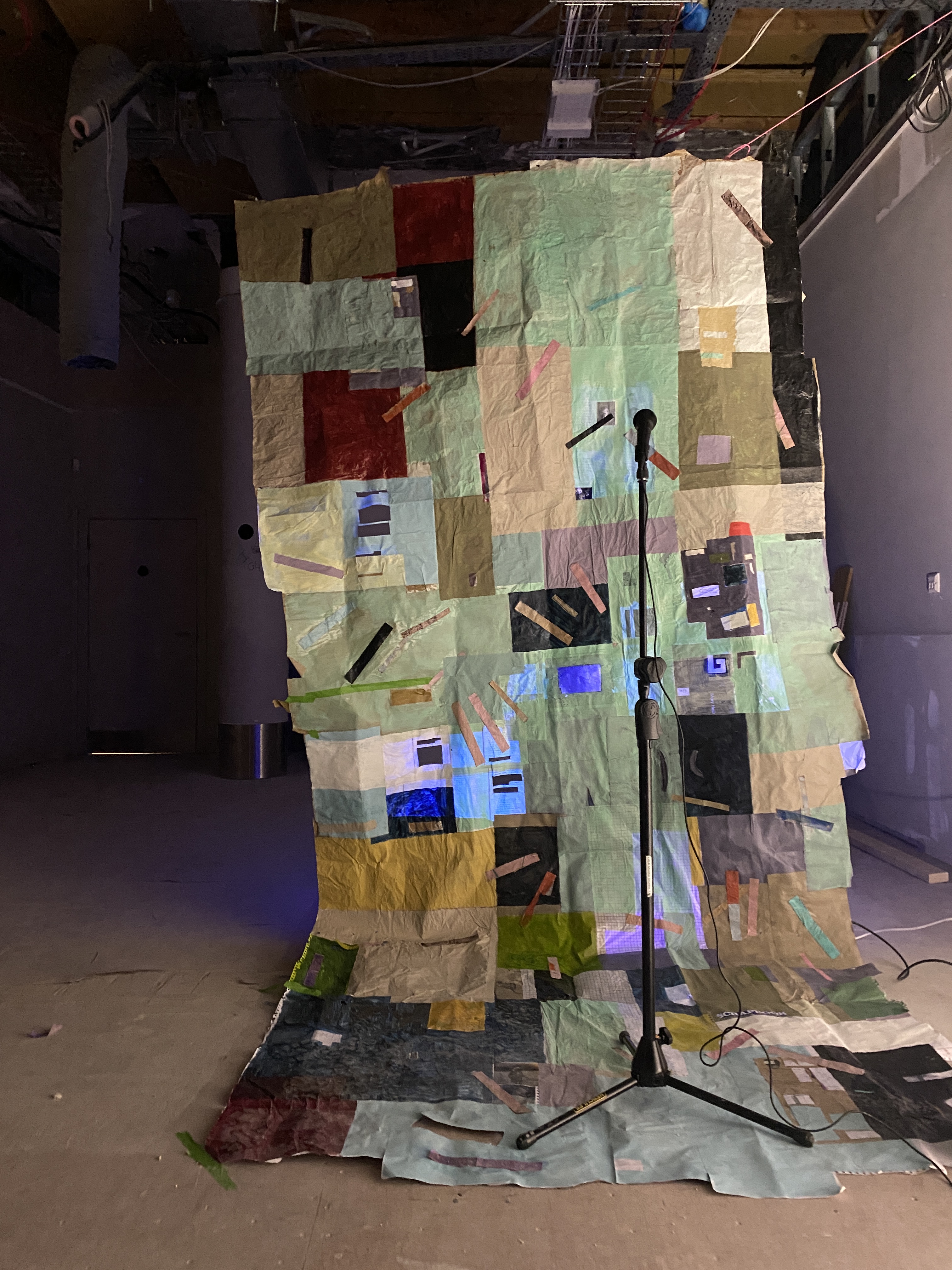
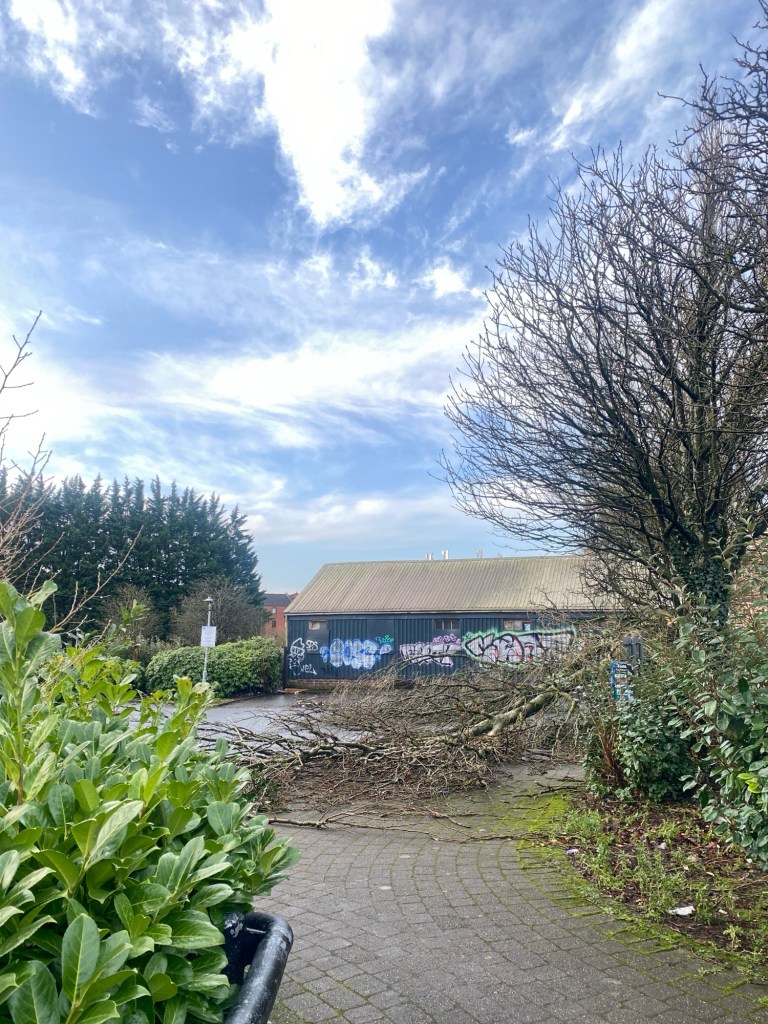
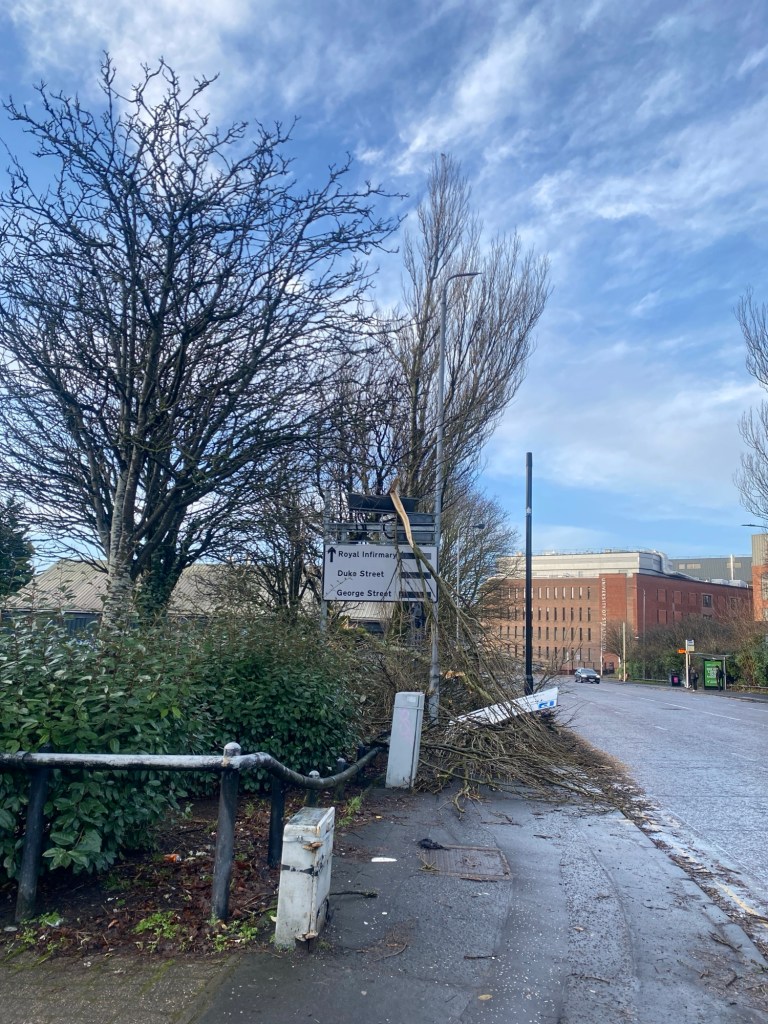
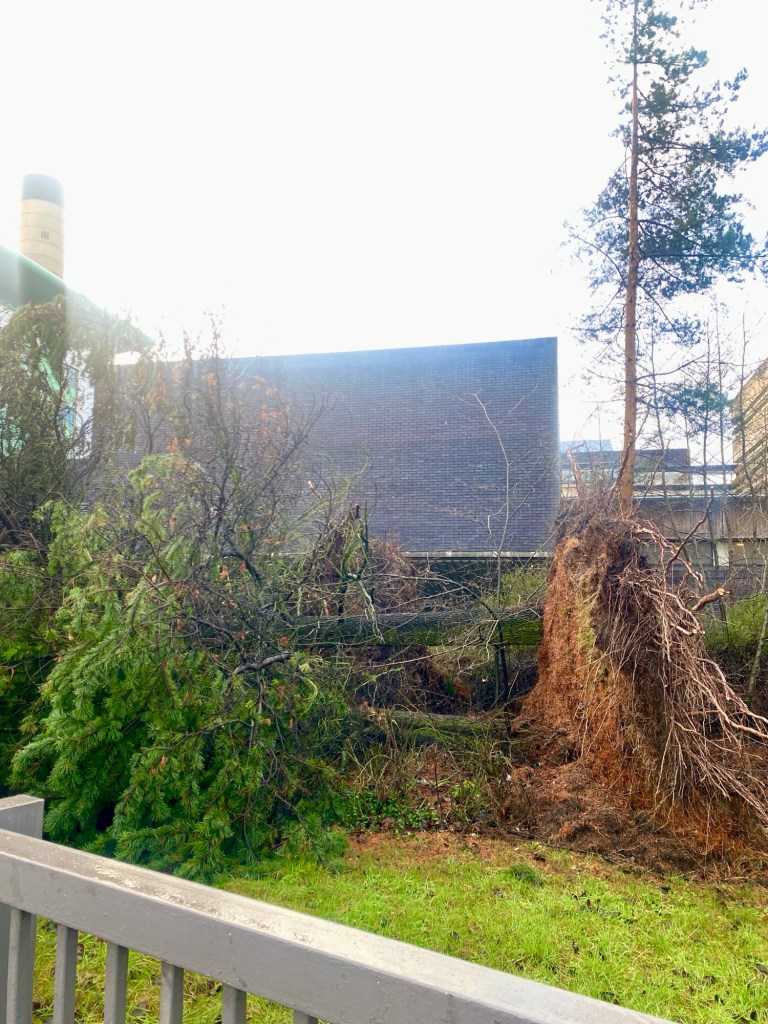
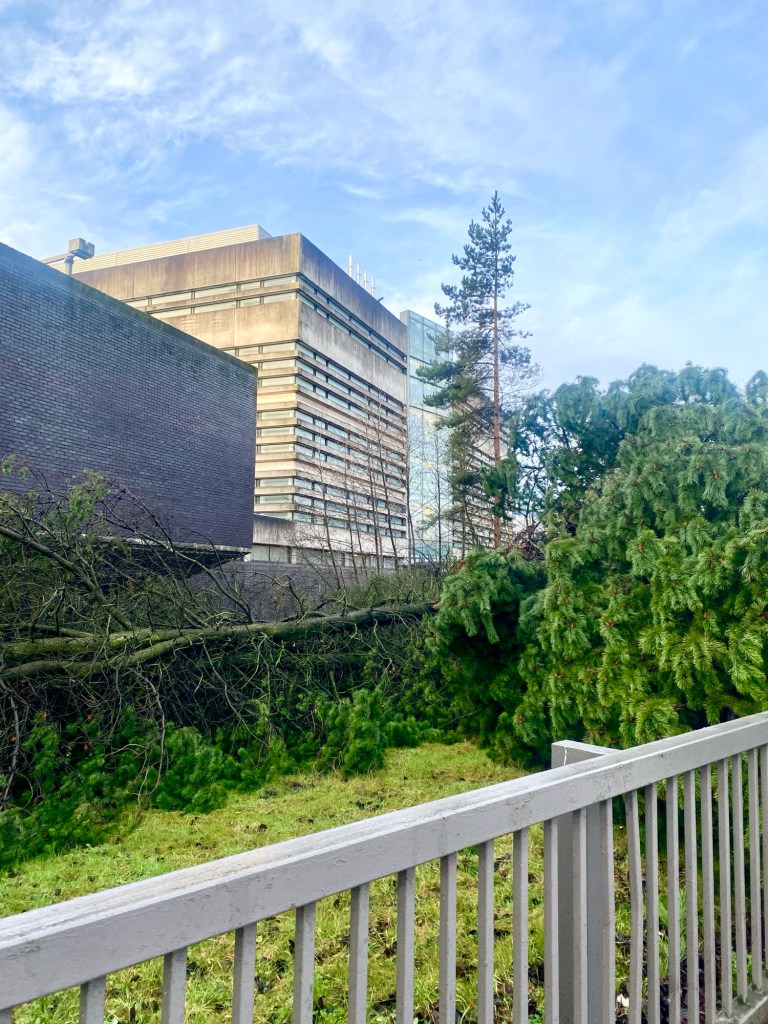
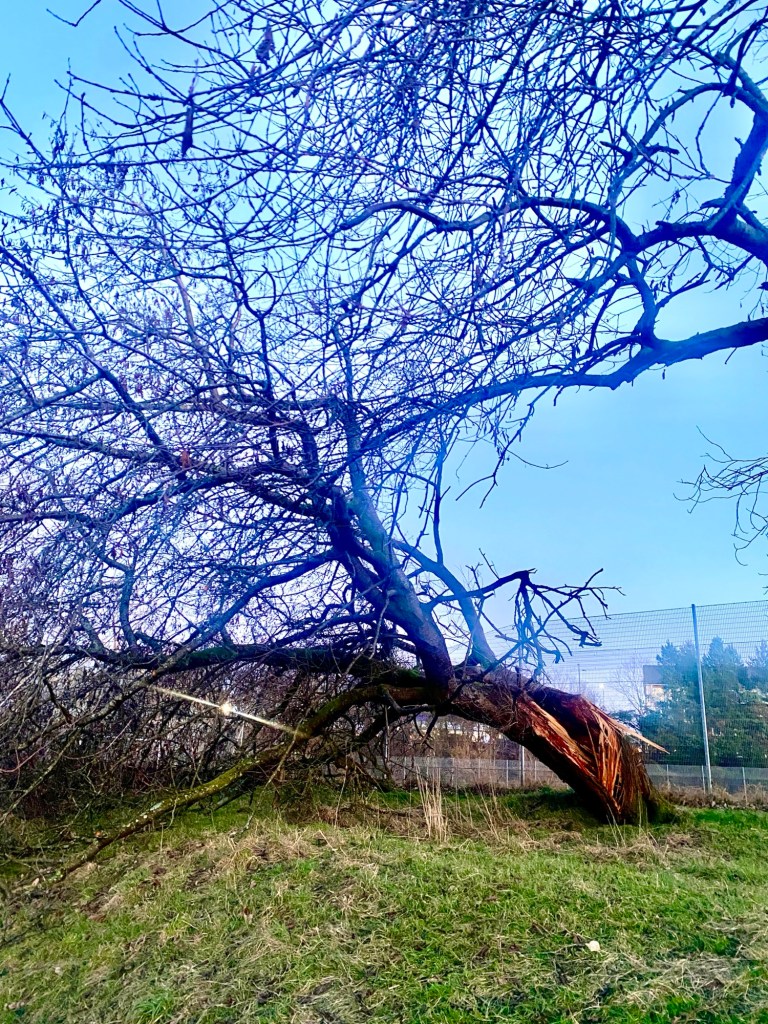
Snapfish was the app for picture-making with smile transistors of the print medium formerly digital doing it all in reverse. This was a theory fiction of sorts in that it referenced real-world Instagrams of the known in the room a knowing nod to the downtown of Glasgow housed as it was in Stories. What does it mean, Iphgenia Baal asks, for there to be a function called that, Stories. Our narrative sense is tabular and it’s no longer radical to put that logic to language and yet how else to express the compression effect of so much content in the 24hour window of when you wanted to say it. Say it with images and captions, the macrofication of everything somehow blowing up tiny moments a thought-unit could never be solar. The big sleep is a phrase she used and sensed somehow this was to come off Instagram and be as small as a baby in your own head you could seek relief in that, a gram of an instant like whatever the polaroid was supposed to. Develop immediacy in situ. Ravers must have had weddings according to the story and maybe to scroll past Sinead O’Connor clickbait and the manifest premise of Instagram mystics was to get at it: story. Children were political subtweets they didn’t consent to. I felt figural arrangements of the app hopping in negative space by which I mean, I was moved by the performance of app phenomenon / it’s giving ‘Home’. Who else is upset by the pivot to video and its attendant emphasis on the rectangle. I walked past a tree in the park and announced it looks like a television because it had a triangle kind of portal shape from where it had snapped in the storm and in my head in that instant a television could be a triangle. You could say ‘Snapfish’. Drew was like what’s the catch. Kirsty says three is her favourite number and Gabby says famously it is the magic one. Kirsty says it is all about triangles. At the end of Melancholia they sit in that triangle structure of sticks and wait for oblivion. What if there was an Instagram comprised of triangles always cutting the roundness of life off suitably into angles, spikes, slashes? I already feel so cubism. Gloria says she doesn’t like being in buildings that are in a state of decay. There are lovely metal bars draping like industrial stalactites and these kind of waffle insulations that give me trypophobia and the realisation that if I were to look at a waffle of any kind on an acid trip probably it would end badly — or worse, it would never end. Now thinking about endless waffle reproduction in fractal everafter it’s like I could float up to the ceiling and be a reverse maple syrup or ketchup bleeding upwards into the texture. That kind of schtick. Traditional reading is supplanted by ‘pure tapping’ because we all said so and Baal said in the story of many stories the tabs that indicate each one had shrunk to little dots since there were so many stories, barely room on screen to map them all. Oops an ellipsis. I remember the era where celebs having minor breakdowns in public would document them lavishly on the story function and the learning we did in that witnessing, as so-and-so saw and was never to be seen again at the bottom left for all the algorithm exchanged of your intimate pivotals. To come off the app, peel a tab; what’s it called almost a Berocca of presence I took densely to remember my friends. Let it melt fully into your gums before coming. Back in the room. Has anyone else had such random encounters on Hackney Road as the ones documented in Baal’s story of stories almost the same person with red curly hair running around in the rain trying to get home in some Covid Christmas, wedded to parasociality’s actual crisis. Too cold to undo my dirty-white jeans. We’d get stranded without narrative sugarcane to suck on and get over with. Afterwards, Leo says ‘I will never look at weddings the same’. fred spoliar in mesh reads a love poem inspired by the entwining of drunk ‘straight couples’ on the bus back from south side, implying all heterosexuals live north of the river and there is a conclusion to the poem’s occasion like ‘it’s love in its offensive modes I want’, striving for utopian couplets only to vivisect grace revealing all hope is a raindrop. Daisy says on Valentine’s Day a maggot fell on her hand, newly born, in front of the television. I said that’s a poem and sorry it will be so annoying to write it — the lovebug writes itself onto the nose. Warm hatching seems nice on a freezing Saturday. We are each to each our body heat. A real lentil would have been more wholesome. I hurt and was changed by the browser world. When fred said ‘yes I have hope’, the light in the room went out for real. Nell says there are two necessities (light, heat) but we can only have one. Well, to pretend iridesce I could take to the streets and try not to get hit by it. To walk around in these poems of memory another south of some city to would give up its public parks for spring and weedling trying to get at the same idea to fashion as intro. Weeds signify your lack of presence. Yes it’s baroque and if you don’t like it you can foil-wrap your heart and lob it politically. Playing the livestream in other locales as if to be thrice-selved only in poetry. When you conflate action with love, have you lost your love’s calibration in service of fucks? There is no cut-cookie of cautionary theory so much to break this in gently. Yes, the private property was and is a lie. This is why we squat in our art. I would feel better hanging upside down like the chrysalis I make of this endless chrysalis. Still, shareholders are why we can’t make the world we want and so fred reads the line ‘so frostwork adores a mitten on the fence’ or something to that effect. I pluck briefly that mitten to give to some kid / who will inherit my chilblains / their frazzled capillaries replace / this chrysalis. Sonnet we can’t be taped laboriously to a Hollywood applied rose blush of the dusk and blush drama of fervent childhood. Living situations fell apart like broken desultory Temu jewellery. We migrated the apps and tried not to fall in the Seine. Our sentences unfortunately were full of lead. Lillian Ross-Millard said ‘I make performance for video’ and there were the collected notes of chromophobia, fear of colour or a personal aversion to its manifest hues. The migraine dramaturgy of yellow and blue. Something felt pixelated like it genuinely lacked substance, could not outline itself for love nor money. Ross-Millard said the cold was felt in her solar plexus and I fell into that line ‘like getting your period and finding a wasp in the toilet bowl’ so much stinging in the sweet place. Like if you look at an object for long enough you can make of it Void. There was an account of the real life ballerinas catching fire during a performance of The Tempest. Real life ballerinas on fire I felt my sentences plié. I was replete with horror of what had been earlier told to me. This is sufficient fire for the world for now; meaning it’s time to perform it. Burn off the colour in everything / with the calories of a panic attack. When Myles Westman read, knelt down and softly, I wrote the phrase ‘unearth radio blood’, unsure of its origin. A loop played over the elegy and we circled the fateful day. Lines like fire licks. Systems, cataclysms. Lastly, Sam Keogh read about holes, butterflies, rorschachs. Said the word ‘rorschach’ several times as if making a rorschach of signification itself, sonic imprint: a little over then underflourished, quivering ink, accented. I thought of gross incidentals in industrial kitchens. For that to be a sort of lichen. Shipworms. Perils of them burrowing into silky poems. I wanted that honeycomb in the horrible waffle but not to stop. Waspish as a florid piss. Footnote telepathy. Parasite. Enamoured American soda. Fructose, cigarettes. Aluminium bonfire of remnant lager. Dogs. Squalor. Now I will go to the airport.
FAWN POWER
 mariaology