1993: the birth of the Web

Daily writing prompt
Share what you know about the year you were born.
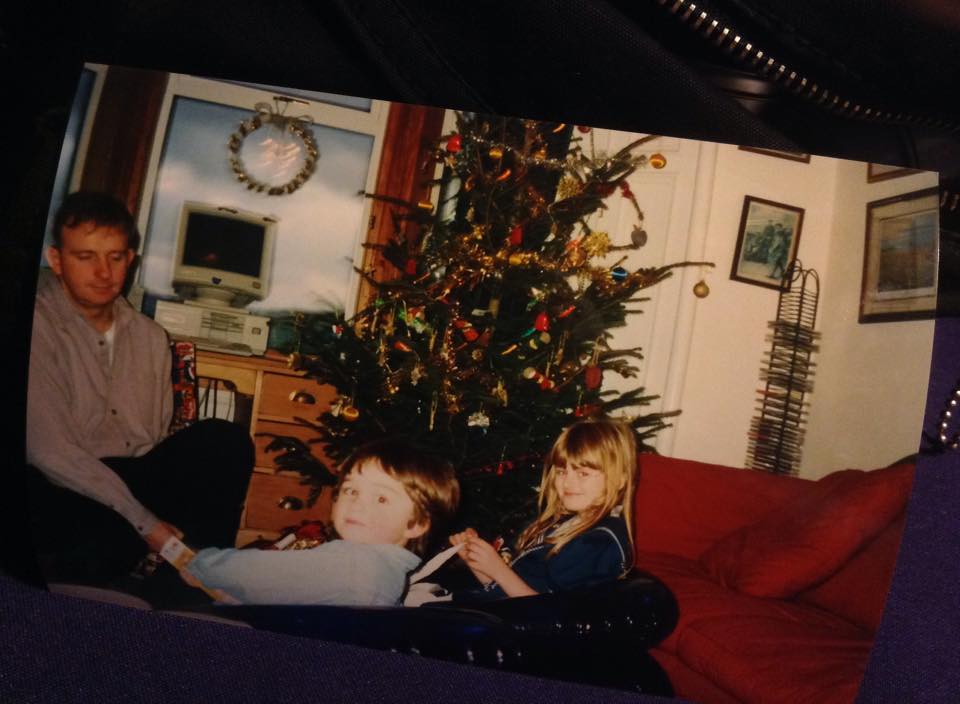
My dad, brother and I at home in the 1990s, overlooked by a magisterial PC

In 1993, the World Wide Web was released into the public domain. There are many histories of the internet and this one is pretty idiosyncratic. I like asking people when they got their first desktop computer. The internet of 1993 could be navigated through bright blue hyperlinks and you would drift between websites. You would type stuff into AskJeeves and have no idea what to expect. At school we had a ‘passport to the Web’ certificate that could be obtained by completing numerous training activities on a twee little software whose name I forgot. It was something like ‘CyberKids’ though surely that is a New York City raver subculture from a time not yet captured by the sleazification of all things indie 2000s. I imagine it was superior to the present Cyber Security Training on offer, in which actors pretend to discover pen drives in the street, gleefully insert them into work desktops only to find their screen literally blowing up in front of them. Nowadays, cyber security training is less about don’t talk to strangers and more about change your passwords regularly. I have a lot of floaty metaphors for the password changing which seem to all include underwear or car parts. Passwords though are pretty boring, clunky things but they’re also gauzy ephemera. Pieces of secret unlocking. Recently I spent an entire Sunday trying to unlock a 2011 MacBook. The password, when I found it again, accessing the deepest recesses of abstract memory, was unforgivably cherishable. I’ll keep it forever like a pet (I’ve already forgotten it).

I keep thinking about ressentiment as a sensation produced by the internet. I mean the internet’s failure. When I was a child, I adored the internet. Once we’d upgraded from dial-up, I would spend upwards of 12-14 hours almost nonstop on forums, games, LiveJournal, websites. I gravitated naturally from the virtual worlds of the Game Boy to the bigger screen of the laptop. Before I was even allowed internet access, I would simulate them by making endlessly complicated Powerpoints and Microsoft Publisher pages which connected to one another like a crude open world. I was beset by RAM crashes and Wi-Fi outages. We didn’t have broadband for a very very long time. My dad was one of the first in the village to have it. I would write letters to the broadband guy pretending to be my dad complaining about the speed of the internet. When I go back to the Shire now, I say things like ‘the internet here is ass’. I can’t get 4G at the semi-demolished and barely functioning station. We can’t find out if our train will come or not. We communicate as a brooding micro crowd, frowning and looking anxiously towards digitised screens whose flicker says only ‘delay’. There are no staff. The staff hide in a crisis. I can relate.

Ressentiment – deep hostility combined with powerlessness. The promise of an open world, a generous future, seems rotten. We hate it. It’s failed us. The sheen of that; it keeps nicking us like a pen knife writing sentences on the skin of our hard-worn feet. We can’t even quit the platforms, can we? The implied ‘we’ of a web community is now an absurdity. What have we seen of the Web in thirty years? Unimaginable horrors. Nevertheless, the perambulations continue.

Right now, I’m deeply interested in the dissonance between how we feel the internet ought to be structured, how it almost was, and what it’s become. The dream metaphors we might use for how it once felt to drift between websites, stumbling upon weirdness after weirdness, unlocking more zones of reality. This versus the algorithmic governmentality and corporate monopolies, ‘technofeudalism’ (Varoufakis) and the appification of it all. I think I got interested in poetry right around the time I fell out of love with the internet (2015). I would memorise passages of Charlotte Smith’s sonnets and learn to swoon over Keats. I felt there was something in the shifting stanzas, the intricacies of form, the dazzling surprises it produced and the infuriating difficulties of grasping the source code — a connection.

I still use the term ‘post-internet’ because I want to believe you can take what Tavi Gevinson in 2018 called ‘The utopian ideal of the internet’ and polish its ‘antiquated’ remains. You can still feel the affective charge of every Web-related signifier that has brushed your life. You can be desensitised to ‘internet discourse’ through the media proliferation of tales of digitality, its foreclosures of democracy, its moral flops, its proliferating conspiracies. But there are parts of you irrevocably brought alive by the internet. I am haunted by digital solastalgia. As a child who felt out of place, abjected from the beginning, I sought the Web as a place not for social belonging exactly but something more like beauty, information, elsewhere. I found little pockets of home all over the place. The web (I’ll stop capitalising now and step out of History) was an extension of the fictional landscapes I found in my dreams or when walking around, making up novels in my head which I did every day until I hit puberty and hormones ruined my brain forever (or whatever). I don’t really know where to find those places any more. They weren’t just artefacts and I know this because you can’t produce a screenshot of a website from 2003 and experience a sweet pleasing nostalgia in the way you could with say, a beanie baby. It was something about the world of it all, the navigation, the desire paths forged to get there. The post-internet, for me, is a lifelong quest in understanding that melancholia and homesickness of what comes after. What do I do with the feeling of ‘we can’t go back there, where do we go now?’. All this time, have I used the web itself as some elaborate metaphor for wanting more than a hostile, futile reality? It’s why I like infrastructure, databases, libraries: the promises of systems which take you somewhere. Which transit something. I also love loops, links and non-linearity.

What was the poetry that got me into poetry? It was Romantic in flavour, sometimes in era. Something between the locatedness and dislocatedness, the attention to daily life, the catapulting scale logic of the sublime, the dogged attempt to render the brain on Nature, the melancholy and mourning, the quiet adoringness, the slow accumulation of elements, the sense of quest, pilgrimage, the unexpected visitor at the door. The everpresence of something more mysterious than could easily be folded into waking life. The delicious fug of opium and promise of a language capable of killing pain. The shimmering excess. The imaginative extremities and morbid dullness of Romanticism were necessary supplements to what the web had done for my childhood.

I’ve been dwelling on this quote awhile, from a Spike article about ‘What’s after Post-Internet Art?’:

The technoromantic reimagines posting as liturgy, algorithms as messengers, and artists as saints. They reach into a glorified past for motifs and meaning that invoke the aura of life before memes.Their aesthetic flirtation with the materiality of technology is a double-edged sword, however, that blurs the lines between critique and commodity fetishization. The stakes for this ambivalence are high at a time when capitalist technology is threatening human dignity and agency. Do we really want to engender an emotional attachment to the internet?

Is the function of art to engender the emotional attachment or to transmute its energies into something other? In my day job, I spend almost a whole day a week dealing with academic misconduct cases relating to the plagiarism and hallucinations of Generative-AI. I am supposed to come up with ethical and interesting ways to engage new technology in the classroom, but I fantasise about whole server forms blowing up or quietly being sucked back into the toothpaste tube of Silicon Valley, as if none of this ever happened. At the same time, with two close family members currently undergoing heavy duty cancer treatment, I marvel at the wonders of modern medicine. I think about what Tracey Emin said when asked by Louis Theroux what she thought of AI, or whether there was room for AI art in the world. She says ‘thanks to robots […] that’s another reason why I’m still sitting here’ [presumably due to AI’s role in innovations in cancer treatment and her own recent experience of this]. She’s also like, ‘In terms of art, AI doesn’t really sit well with me, especially when I’m a compulsive, passionate, hot-blooded person who paints’. The contradictions of my feelings about machines get more extreme by the week. I feel born into this contradiction. It’s maybe why my former work twin Nigel would always leave old copies of Wired at my desk.

Does all poetry written after the ‘post-internet moment’ also risk the commodity fetishisation mentioned above? Insofar as it betrays its own lovingness towards the technology it otherwise seeks to critique? Do we want an archness of superior distance or can we do something else with that self-awareness? I think the affect touched upon by Kat Kitay’s piece in Spike is Romantic irony, you know when you realise the narrator is caught up in the situation being described. The Romantic poet speaker discovers they are also a character in the poem. There’s a kind of turn. Timothy Morton uses Blade Runner as a classic example of this, you know when Deckard realises he’s a replicant. Being asked the question, what do you know about the year you were born, for me is like being asked what do you know about what happened to the web? My life is a character in the web’s and the web is a character in my life. What’s the poem here? The continuous mess of everything enmeshed, written, performed, dialogued, deleted, drawn and coded in my lifetime. I have a hot-blooded relationship to the internet. It makes my fucking eyes twitch.

Is transmutation an alternative to merely engendering feeling? I like the word transmutation because I learned it from the great poet Will Alexander. It’s also used by Ariana Reines a lot. We’re thinking here about alchemical transformations in the realm of language, feeling, sensing. I want a poetry that is able to metabolise impossible feelings and in doing so, fuel its reader to think anew. Do I reassign the pain of childhood, the loss of some otherworldly dream, onto the external scapegoat of an enshitified internet? Is that okay? I think about all the times our art teacher made us sit at PCs unconnected to WiFi writing about the design of vintage radios and speaker technology. We had no access to books, the web or other resources to find out more about the designs displayed to us. So in lieu of history or context, we wrote acute, proliferating descriptions of what we saw. What it reminded us of. We found endless vocabularies for edges, colours, surfaces, affordances. This mind-numbing two hours a week was a little oasis from digital supplementarity. A cool, replenishing retreat from external stimulation. We sat on hard, tall stools and typed on clacky keyboards. A tiny little art factory. I had only my brain and the image. I didn’t know it at the time but I was learning that ekphrasis can have a communicative and transformative function. I wrote through the notion of writing about radios to escape the moment where I was supposed to be writing about radios. This did not prepare me for my Art & Design exam so much as it prepared me for poetry.

What do I do with my hatred of the internet? My yearning for it? I write poetry because poetry is a cheap form of that dream architecture I so longed for, all of my life, and I felt good making/using/playing. Marie Buck has a poem that says ‘The point of reading is asynchronous intimacy, and hopefully it works forever’. I said this to my colleague Rodge last week, when we were having one of our regular moments of private despair, and he prints it out and now it’s on the wall of my office. When I look at it I think about all the books out there and all the interesting things I’ve read on the internet and how connected I feel to other worlds. I just have to keep that connection going. I will never know what it’s like to have not been online.
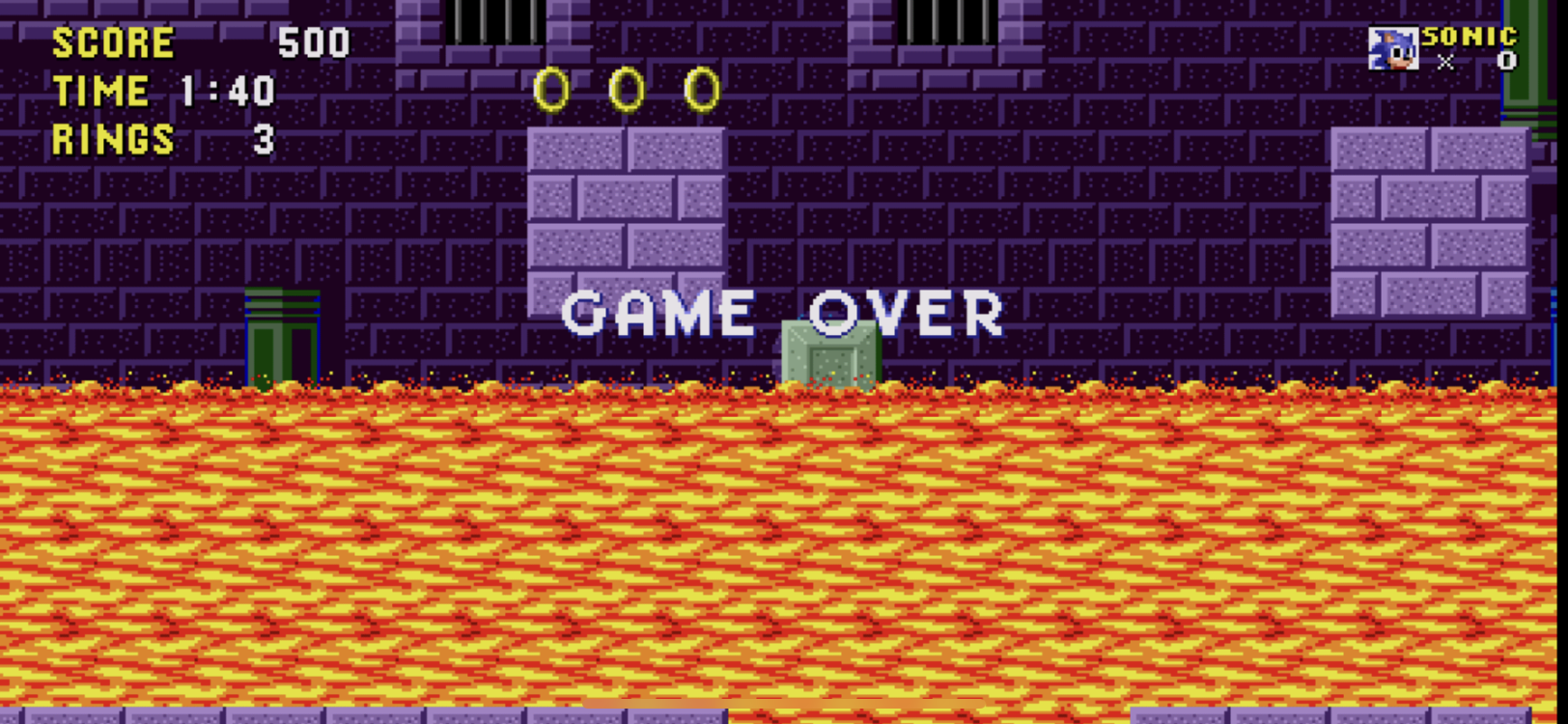
Marble Zone

My whole blood is this lava. I’ve been playing an iPhone emulator of the original Sonic the Hedgehog, a game we used to rinse for hours on the Megadrive at my cousin’s house as kids. Playing it now, I find passing through the levels extremely, maddeningly difficult. It might be the iPhone controls (I’ve been mourning the loss of BUTTONS ever since my last Blackberry in 2013) or it might be a general disintegration of spatial awareness and emotional regulation. Pushing boulders around, dodging spike-tipped chandeliers and rolling gushes of lava really sets my blood boiling. The land behind me is on fire and there’s not much time to hang around. But one thing I notice, as my lil Sonic sprite navigates the game, is that I can hear my cousin’s tween voice in my ear and my own silent childhood learning and listening. This is really comforting. Sweet tips she had about ring sites, springs on high, a hidden extra life. I keep dying in the game but I remember something of childhood. I don’t really have landscapes to easily go back to. The years behind me are on fire, but Marble Zone remains.

First Day

My first day at language was painful – wasn’t yours?

Comprehension passages were my forest experience, sexual discovery etc. Why was that girl stealing seeds?

First day as a tree, first day as a ginger. Quality of energy and tying your laces at crotch-level or solar adornment. Ugh. I never did learn to tan. I was always raining.

First day as a patient.

Write a detailed analysis of the means by which the writer captures a moment in time.

Aye for an aye.

Frozen trachea. Osteoporosis of form.

Don’t you understand the poem has to mean something? I mean it always does?

You are lucky if you wrote your name on a tree in 1993
because now it is nearly thirty years old
and the wound persists
a loose idea.

Didn’t you do it too?

I was a loose leaf

a marigold, love-in-the-mist
or simple bean.

Sap-hot.

All out of luck.

First word was duck

duck goose.

12/09/1998

I began life calloused on the thumb of the family. All my life I ate chalk. My first memory was volunteering the date in class. “It’s the 12th September miss”. What’s the year? They made me stand up to write it. That morning a bee had stung me behind the knee, in that very soft spot, and I hadn’t told anyone. I winced and limped to the board and wrote 12/09/1998. It was the summer the ash tree was felled and then the oak, and we all made nests from the heaps of cut grass and I tried not to cry when scolded for grass stains, my skirt too short, my sting. Did I not understand the task at hand? You need to help the boys beside you, they said, when you’re finished your work there’s always more to be done. I wanted to be done with it all at once, and to never do it again and bask in the slow, drawn-out time of my earned oblivion. Then I discovered coffee and had all these memories rushing to the loch where I learned the name of a baby swan, a cygnet, which sounded like a form of jewellery or grammar. “That bread has stones in it”, I would say when presented with brown slices of something seeded. Throw it all to the swans. The mothers did not know what to do with me. I would not eat the slabs of pink trembling on dinner plates, so I ate the sleepover candy, all of it, and slept through the films, the first to want to sleep in their company. The mothers were vicious with hairbrushes. Do you know what happened that day in 1998? I licked white powder off my forefinger, then my green thumb. I felt funny. Under the table, the boys showed me their easy-peelers, their cigarettes, their rusty little knives. Somebody telling me to focus. To stop. At any moment, I’d feel the ash, the wax, the writing all over me. I was in the birdshit deep in the loch, my sediment; I was a lot of work.

Playlist: May 2018

IMG_1092.JPG

If April is the sweetest or cruelest, May has become the strangest month. Not ever but ever at present. It is summer’s gatekeeper, but also something other. Nurse of darkness and grief, rushing in bright lines and new delusions. Keeper of shadows flickering among green. In previous years, the season when confusion blooms. A dull need that quickens with the light through dawn to dusk, that honeys the flesh and the flesh’s sense of itself as pearlescent. Coming to endings. I brush my hair smooth copper in a mirror and notice green rings beneath my eyes. My eyes turn green from the copper, the sun. Moss agates held to the light. My irises look less like little sad pools of ocean; more forest now, with secret capillaries. With vague fantasy, I keep planning day trips I don’t then take. The sense of this name or that, a train stop, a heady clifftop walk, is sometimes enough. 

Alcohol does me favours, then doesn’t. That absolute sinking sensation of four in the morning, the day already blooming before you a pale lilac silver that streaks the sky and exacts a sort of spermicide resistance to the nourishment of sleep’s regeneration. So you are still electric, pacing at six, drenched in the ersatz light of the screen. White upon white. Straining fingers. I leave early one day to buy crystals, snapping photographs afterwards of bluebells in public gardens. The bluebells hide miniature universes. Still entranced by the fairies; the barmaid knows because she offers me absinthe, green bottle labelled with a delicate eye. The beer garden teeming; cradling sticky glassware back to the bar. Couples come out in the sun, as if so many never existed before it got light and warm. I’m very small, like a vulnerable child, but then swollen and huge altogether. I can’t help the Alice comparison: that sudden shrinkage or growth, beyond the normal bounds of the human. I lust for the fall—that’s all I want now. Air rushing quick around my skull, a delicious plunge. Shake out plumage, feel ridiculous. Everything limps.

It all started with a simple accident: flipping my bike off the road, the front wheels spun thrice, a smashed head smashed knee smashed hand and leg. Smashed brakes. The most extravagant black-purple bruise spread down my shins, clustering like a brand new galaxy around the bloody wounds of my knee. To bleed with gleaming garnet blood. Shocking the folk outside bars with my bleeding. To feel fresh and young at the sight of your insides red against the old old blue of flesh. This youth, this youth. I pedal forever to exact the same feeling, the rush of getting back on again, unlocking the city. I seem to be terribly in love with falling. The streets feel dizzy, the shapes and forms of things are not what they are. I sense they have changed without telling me. The world knows a secret I don’t. 

Illness, as it hits. The invisible sickness. I become an overflowing jar of water when I drink, the brimming emotions about to spill—things I usually hide and quench and disguise. Need to piss in awkward situations. Things you can roll out with a bike ride, a cluster of lung sucks and cheek flush adrenaline. But when they get to the surface, they poison the air around you. I spend longer hours in bed in the morning, night shifts and gigs leaving me delirious. To unroll from the covers is an art hardly mastered. I spend hours drifting back into sleep’s coma: a settled levitation of uncertain images, which I try to translate upon waking. A friend and I keep a dream journal. I notice she is always noting faces in crowds: skins, layers, mirrors; juices and rinds and types of paring. My dreams grow more detailed over time, a side effect of writing them down, giving them the agency of language. They dance with image, they have additional emotional import.  

I walk across the city, because sometimes that seems the only safe thing to do. The colours in the park just shy of midnight. Pastels brushed and blurred by a child’s ham-fist. Chalked sentences around Woodlands. Pick up your dog shit. My nails grow long and strong and I do not clip them. I want them to seem like a pianist’s, as if at any moment they might pluck out a symphony. 

Something of grief scored into my bones. We lost someone we loved, after days of looking and sharing and fighting. My timelines overflow with collective sorrow and personal pain. I spend hours scrolling through tiny stories, slices of joy and memory’s catharsis. We have all been hurt in some way; there is a tear. What rushes in and scolds the fresh wound. It is the one grey drizzly day I remember of this May, utterly fitting. I walk along the Kelvin, listening to The Midnight Organ Fight over and over, hymn to my youth and so many others. The drone fills my blood; I do nothing to stop the rain dampening my hair, filling my shoes, dripping down my neck. Shake out my stolen Monet waterlily umbrella. Remember the bleak streets of Ayr, adolescence an age of cool slain time. Kicking litter, drinking. Rain. Falling into sick sick love then forgetting. The rain rain rain, the rain falling into the sea. It is a membrane I crave, the pale wet indifference to shroud my pain. Sand on skin. What glisters at the edge then beckons. I did not know it was possible to hurt so much for someone you barely knew. It hurt more, in a way, than forms of loss by blood. Family funerals. Toasts. Drunk, I walk back along bridges and try not to cry at the moon, the black black water. Something astride us, everlong waxing and waning. Photographs of plastic, closeup and swallowed in song.

I tore an elegy out of my hours in bed and maybe one day I’ll share it. Something in the darkness, heard.

By some miracle, I regain my night off to go see Phoebe Bridgers play Saint Luke’s. It is a warm night and I walk all the way from west to east; the football’s been on so the drunks stumble out of pubs in their green. She purrs something from the stage, like “So I heard y’all had a sports ball game on today”. We smile at the understatement, there’s a mesmerising space. I stand and my body is so weak my knees hurt and thighs burn and it takes every nerve in me to keep standing, to negate the presence of those around me. Her silvery voice slices through all that, makes perfect rivulets in my soul. When I think too much about it I can’t breathe. There’s a trembling of recognition, little swells of emotion that prick the whites of my eyes. What you thought you were over comes crashing again and over, over. The world whirrs and hurts. It’s barely enough to keep clinging. Walking home, seeing old friends, I felt exhausted: every pore stung but I was also exhilarated. Climbing the concrete city. That feeling of release. The sweet way her vowels lit up the Mark Kozalek cover, the encore. I imagine bright candles snuffed out one by one, the great murder and the guilt of afterwards. Cold and red. The soft caress of the senses, a temporary catlike imaginary. Darkness comes over, consumes the white space you left for happiness. You can’t have it without dreams; you can’t have dreams without darkness. I am dependent on this sorrow. Watching the Ohio river flow at night. These landscapes I know mostly through song, these burning reeds and the gilt-edged clouds over desert metropolis, lost coyotes. 

I start writing a novella, set between Britain, Berlin and some mysterious American prairie. Think cheddar-red sunsets, unrequited desire, distance. The indigo swimming pool, covered in leaves.

Distracting myself from everyday idleness, I go to see vast quantities of decent indie, mostly at The Hug and Pint or Glad Café. I take a break from an all-dayer to sit atop a hill in Queen’s Park, south side, watching the sky grow peachy. Chew fruit bars. Drink gin to feel better, in soft medicinal quantities. Do not write as I wish I could. Leave gaps. The pages don’t fill as I’d like. Walk back alone.

I think I am okay but then I walk over water and think of the cold decision. My mouth sours as though filled with the juice of an apple and any word I might have dissolves in the acid, prior to speech.

Remember as kids we’d build dams in rivers? Inefficient structures of misshaped rocks. The cool cola feel of water, smooth through our fingers.

In some hot bright room of the CCA, practicing Oulipo techniques with Lynn Crawford and Josh Thorpe. I write a handful of sestinas, a process that feels akin to weaving. I am paring threads. In times of crisis, I used to sit and make friendship bracelets, focusing on the unconscious flicker and flow of my fingers. The particular colours woven thrice. Pick six words and make do with their pattern, the possible. 

Iced Americano from Caffé Nero. Jolt of the nerves. Heat haze over Greenock.

A delay in the body akin to the moon. Waxing slow motion; glitch and lag; the sense of being dulled; the sense of being injured, cramped and twisted. Walk around, see friends, drink bright and early. Waves of hot agony. Go to poetry readings. The sparkle and trance of listening. Speaking. Record poems that settle a corridor of airwaves, signals, emoji. However the connection works. 

Get haircut. Scalp massage. Brighter orange bleeds to gold. Sodium. Get on a train. 

Loch Lomond never looked so good in green and gold and blue as it did that May of 2016. I lay in the bluebells taking pictures, feeling so restful, red-headed. Fire against green. Now I arrive and make it my imperative just to walk. Early evening of a Sunday and I want to walk my way out of a sorrow, past gaggles of boozy youths; the fresh wound of loss still there and irritating, itching and burning. It is hard to have ordinary conversations, so I take myself off. Everything is so green and the green is so necessary. My body is heat and then freezing. Later, he holds his cold fingers to my neck and we trade levels of shiver. Purple nails and tales of bad circulation. I trip up on my past and can’t help it, looking for the clavicle. The endless craving of a former body…

I parse more and more my botanical ignorance. 

Missing the last train home from Edinburgh, after a poet’s birthday party. Doors slammed shut in our face from the carriage. We missed the margaritas, and then the disco. Drank beer in the Meadows, contemplated snow. Menthol vape smoke and cluttered streets, strangers playing tennis all through the dusk. Lovely people. Record collection, good books for miles, pizza. Conversations sweet & real & funny.

The maidenhair fern grows healthy again. I have had her for two years and she’s seen frazzled stages. Clipped back, green again. Does that boy drive? She asked, in the car to the garden centre. I miss the winding corridors of plants, the paint samples, colour cards, smell of wet pine and murmuring water features. May goes on, regardless.

A series of goodbyes. One friend moves back to Greece, the other to the Highlands. Life goes porous with the temporary emptiness that nonetheless lingers without supplement. Miss our wee chats at all ours, in stairwells or pink-tinted texts. Cascading games of our rucksacks swung. I listen to Josh telling Canadian ghost stories in the restaurant: tales of a bride burned alive by tea lights catching her luminous dress, doomed to forever haunt some hotel in the vast, faraway mountains. The geography remains vague in my mind. The customers come and go or don’t at all. I polish cutlery to a deathly sheen.

Festival atmosphere of everywhere in sun. A sunny day in Glasgow, then another one. Minor riots in the park. How are we so blessed, it’s amazing. Botanical taste at the back of my mouth forever. Bewitched house plants, buttered bread rolls, cold tea, slabs of Aviemore carrot cake, tarot readings in Thai restaurants. I wish I could be more glistening. The air in the park at night smells musky and sweet, weed smells and seeds and greening. Saying goodbye without babbling. I noticed the blue, two iris skies at the station.

The last card pulled a cosmic future.

Run across roads to see old friends, nearly get knocked over. Every day I regret not waking earlier. Not going to bed, the struggle to sleep and reset again. Scared of the endless bleed of days.

Feeling kinda weirdly low. I think he’s one of the biggest inspirations in my life right now. Can someone inspire you, I mean in the way they deal with feelings? I value an honesty I can’t offer myself. Not yet. 

Rereading old Wordsworth and falling asleep while writing and leaving black dots of ink that seep through my diary. Opening scene of a whirlpool. Talk about Stonehenge with a singer from Portland I love very much. Something about the lapse of water, like every trickle another neglect. People walk round and round in circles, scrolling the whites of their phones as if in sync with the rolling traffic. In my childhood bedroom, I kept a framed photograph of the stones at sunset. I felt calm and serene and apart from myself, apart from time, when I looked at the stones.

I worked a 9-5 the day they found the body, his body. I was serving people with a smile I didn’t recognise and trembled all over and the sense of witnessing this alter-reality or shock, the opening of feelings I thought I’d forgotten. What went on inside the shell, a quivering. Hid behind crates of dirty glasses, in curtains. Tried not to cry on my lunch break, watching solo acoustic version of ‘Poke’ on my phone. Hugging everyone. Earnest conversations. Work is a family. Hot strong coffee takes the edge off. Sometimes no need to talk. The lyrics come again and they burn harder this time. I need to catch my breath. Regain metabolism.

Beautiful messages out of the blue.

Emotional hangover. Best cure, I dig among the piles of clothes in my room and pull out a hardback book: Sylvia Plath’s journals, Christmas gift from my mother in 2012. The book feels heavy and secure on my lap, like a complicated baby. Read her through sleep, while dinner is cooking. Steam, garlic scent, onions, steam. Her voice makes sluices through the fug of everything, so I can feel clear and real again. She mentions ‘the adrenaline of failure’, the up-and-down wavelengths of acceptance and rejection. A poet’s lot. Lust. Apple-bitten first encounters. Fears & jealousies, petty grievances. Genuine pain. Periods of drifting depression, absence of thought. Blood. Self-laceration. Womanhood. Fizzy inspiration, sociability. New challenges in life are a test of endurance. ‘Interesting’, she notes, as to whether she would ‘pass, keep myself intact’. How often are we aware of our everyday proximity to breakdown? 

Saturday October 10th, 1959. 

‘Feel oddly barren. My sickness is when words draw in their horns and the physical world refuses to be ordered, recreated, arranged and selected. I am a victim of it then, not a master’.

7.30pm Wednesday, October 17, 1959.

‘I don’t know why I should be so hideously gloomy, but I have that miserable “nobody-loves-me” feeling’.

Journal Fagment 31st December 1955 – 1st January 1956. 

‘Sun well up, losing red and paling into blinding gold, air fresh and cold, essence of snow melting in sun, checking baggage and wandering toward the sea in a strange city’. 

I will be flying to Munich in less than a week. The first time travelling alone without family. Somebody gift me with orientation. As though without sleep, the comedown slides across a map, egg yolk cool upon blue and green. My eyes won’t focus.

Leaving the flat after 4pm each day, I am a stranger in a world I recognise dearly then don’t. I am best in the early hours or late at night. Catching spiders on sidewalks. Everything between that is strange oscillation, is tuning in and out of social existence. What about when the words don’t come. So many trite feelings. A terrible love. The shapes of things. I’m walking with. All of Glasgow a building site, dust of destruction and foundations laid. Piles of concrete slab, churning tar; industrial scents lace the too-warm air. 

Where once I would say, hey I’m addicted to chocolate. Honestly, 200g+ a day! Now, it’s a serotonin craving. Simple as. Deficient.

Playlists make better sense of these feelings. Thin black lace, an open window. Warmth.

Easier not to just clack and bite.

Go to prom re-enactment. Balloons and alcopops, rhinestones; blue velour and slacker rock. Fall asleep, nearly, on the night bus, passing airport and eerie business estates. The pool and the plastic palms. Walk home, low battery, ruinous sadness. Insomniac documentaries about Karen Carpenter. Milk cookie eyes and innocent villanelles. Her voice a creamy river, glossy brunette, hometown glory.

We enter Gemini season. The energy shifts. Borderlines and places I can’t cross in my dreams, lost people glinting in distance. Blue folds of tumblr embrace me again. Streams of midnight images, pastel landscapes and metallic objects melted to abstraction. Things split and twin and I miss all my soulmates, past and present. Editing, editing. I miss when the truth felt less of a shimmer. Sleep it off, sleep it off.

The loud loud noise of all these feeds.

Out in the hot dusty yard of SWG3, disco ball scintillating in the sun, I see LCD Soundsystem with my friends around me. For once, that’s totally enough. Stand between two brothers. Smile all through set. There is a sort of ultimate feeling. I can change I can change I can change. Synths blister through me. Drums. Feel drunk when I’m not. Feel heady. The old chandeliereal, teenage way. Sun glitters. Swap limbs. Burst memories are easy.

Wander home through herbaceous border. Covet her 3am poems, blog posts. We stay up all night discussing complex crushes, then I’m sad because endings are happening all around me. Withdrawals. Wilted tulips. Little flurries of unexpected messages, best sensation. Campari with soda or cherry brandy, amaretto on ice and sharing a seat, clinking glasses and feeling breezy. Sitting in dark galleries on hay bales, waiting. Clutching cigarettes I won’t smoke but stole anyway. Talk of literary idols, musicians and artists. Writing things down with conviction, like: I love the new Stephen Malkmus album, so much! Sparkle Hard! The dreamy subsistence of the suburbs at dusk. Those shoes are shinier than my future. I hope he’s okay. Plagiarise conversations. You could boil it all down to a haiku, May a tiny, significant bulb of gorse: 

Luxury sadness
Twice for sale, gold and then green
Forget to mention.

*

Bob Dylan – Tonight I’ll Be Staying Here With You

Sharon Van Etten – The End of the World (Carpenters cover)

Cat Power – Metal Heart

The Twilight Sad – I Couldn’t Say It To Your Face (Arthur Russell cover) 

Manchester Orchestra – Architect (feat. Scott Hutchison)

Harrison Whitford – Poltergeist Love

Pavement – Type Slowly

LUMP – Curse of the Contemporary

Bright Eyes – Coyote Song

Common Holly – If After All

Sufjan Stevens – Romulus

Milk Carton Kids – Wish You Were Here

Mark Kozalek – Good Nostalgia

Fossil Collective – Disarm

Nap Eyes – Every Time The Feeling

Arctic Monkeys – Star Treatment

Iceage – Beyondless 

Parquet Courts – Violence 

The Brian Jonestown Massacre – Animal Wisdom

Kendl Winter – Shades of Green

Big Star – Thirteen

Hatchie – Sleep

James Blake – Don’t Miss It

Stephen Malkmus & The Jicks – Bike Lane

Sufjan Stevens – Make Out In My Car (Moses Sumney cover) 

The Innocence Mission – Look out from Your Window

Frightened Rabbit – Head Rolls Off

LCD Soundsystem – All My Friends

To the Sea

424755_10201122283849634_1826470522_n

Watching the sea is like watching something in pieces continually striving to be whole
Imagine trying to pick up a piece of the sea and show it to a person

—Emily Berry

Richard Dawson’s ‘To the Sea’ opens with anxious strings, unearthly vocal drones and harmonised chants that carry across a darkening, eldritch bay. There’s a shiver in my heart and a sense of the waves chopping apart what constitutes the sea, the sea, the sea. How much sea do you need for it to be sea? Is every wave an incantation—and if so, whose? What if you took whole eons and chunks of the sea away, would you be left with puddles or rivers? That word that shudders: estuary. When does the sea become ocean? I feel it is to do with a feeling. To feel oceanic is different to feeling the sea. There’s an intimacy with the latter, its intimation of bitter-green waters, childhood memories, tidal flats on which you take off your shoes and wade towards the water. The sea is a mirror for our feelings, but they don’t stay still—you can’t just project them. They change like light; the water answers. The water has its own shanties, stirred up by night tides that lick at the edge of the land less like lovers than knives. A silver kiss of sharpness and silence, a tiredness. 

How many times have we apostrophised the sea? Built into it myth, folded our cavernous longing through song and let ourselves out into the blue. The sea is a monster, a tyrant, a Leviathan; the sea is feminine, rippling, birthing and giving. We can never decide. The sea is the unseen foetus of sound in a shell, little figure as portal, an unwhorling. Imagine how its voice would look on a sonogram, the whispers. The sea is a place to blow away cobwebs, to unravel your hair and blink into wilderness. In ‘On the Sea’, Keats urges ‘Oh ye! who have your eyeballs vexed and tired, / Feast them upon the wideness of the sea’. The sea is expanse, expansive, expanding. We can stand at the edge and be caressed by its urges; the catharsis in that. The elastic edges, islands and coastlands and cliffs that shift and zoom and shrink with parallax. We whisper and the wind carries forth our voices. It’s good to howl at the sea, alone on a beach.

Then there’s Charlotte Smith’s catchily titled, ‘Sonnet: On Being Cautioned Against Walking on an Headland Overlooking the Sea, Because It Was Frequented by a Lunatic’. The sublime in this poem is born less from the sea itself, the Sussex Cliffs Smith walked all her life, than the ‘giant horrors’ of the man’s madness. A madness glimpsed readily enough by the speaker, at a distance: ‘He seems (uncursed with reason) not to know / The depth or duration of his woe’. His mind is the unseen deep of the sea. If reason is a curse, this state of nature in which the man has found himself can’t be so bad. He can only plunge through his days in a kind of ‘moody sadness’ of unknowing, an eddying through time: his ‘hoarse, half-uttered lamentation, lies / Murmuring responses to the dashing surf’. This primal communion between man and sea is met with the sensation of legend, adorned with a sonnet’s rhythm and rhyme. 

But the sea, equally, is a haunted place for all of us. I remember being obsessed with this Los Campesinos! song at a time in my life when I was stuck in the city with unhealthy constancy, wanting to wail for the blue back home. There’s a burn in your chest, then indifference again. ‘The Sea is a Good Place to Think About the Future’ is a song about a broken girl, intimate with and yet distant to the singer, starving herself in response to grief. What could be a self-lacerating song, a depressing lament, is lifted by the strings, the joined-up shouts, the catharsis of those candid lyrics and the way they break into chorus, so loud:

And all you can hear is the sound of your own heart
And all you can feel is your lungs flood and the blood course
But oh I can see five hundred years dead set ahead of me
Five hundred behind, a thousand years in perfect symmetry

The song swirls with the clutter of contemporary culture, our fraught politics and virtual addictions; but it draws towards the deep time of the sea, the abyssal possibilities fringing Britain with mist and grey. What could be a desolate song of dwindling spirit, bursts into that thumping, rousing chorus and the release in that, the release so strong. Waves crashing ahead of you, the splash-backs spitting your face with salt tears so that just to stand there is to have a conversation with the sea, with what hurts in the Earth and might hurt forever in you, but that’s okay. An inhuman empathy; the human washed out of language.

Why is it we need the sea to look ‘just like the edge of the world’? Why is we need the horizon of apocalypse ahead of us? Does love always require the threat of the ending; does death have us thinking of forever beginnings? There is the question of translation. Are we all, like Charlotte Smith’s ‘lunatic’ (she must be forgiven for her eighteenth-century lack of political correctness) just muttering in our pain to the sea? Who will hear us? In Emily Berry’s poem, ‘Picnic’, communing with the sea is like the kinds of communication you do in therapy. Trying to pick out the pieces that make up the story of the sea, the pieces that make up the story of grief, then ‘polish’ those uncertain feelings before ‘a man in a room’, whose ahhs and mhms are perhaps no coherent than the whispers of the sea. Sometimes we just need someone—something—to listen. Sometimes we just need to listen. 

Susurrations of the tongue and throat, the vowel sound sweetening eeeee. Sea, sea, sea.

Screen Shot 2018-05-20 at 18.14.22.png

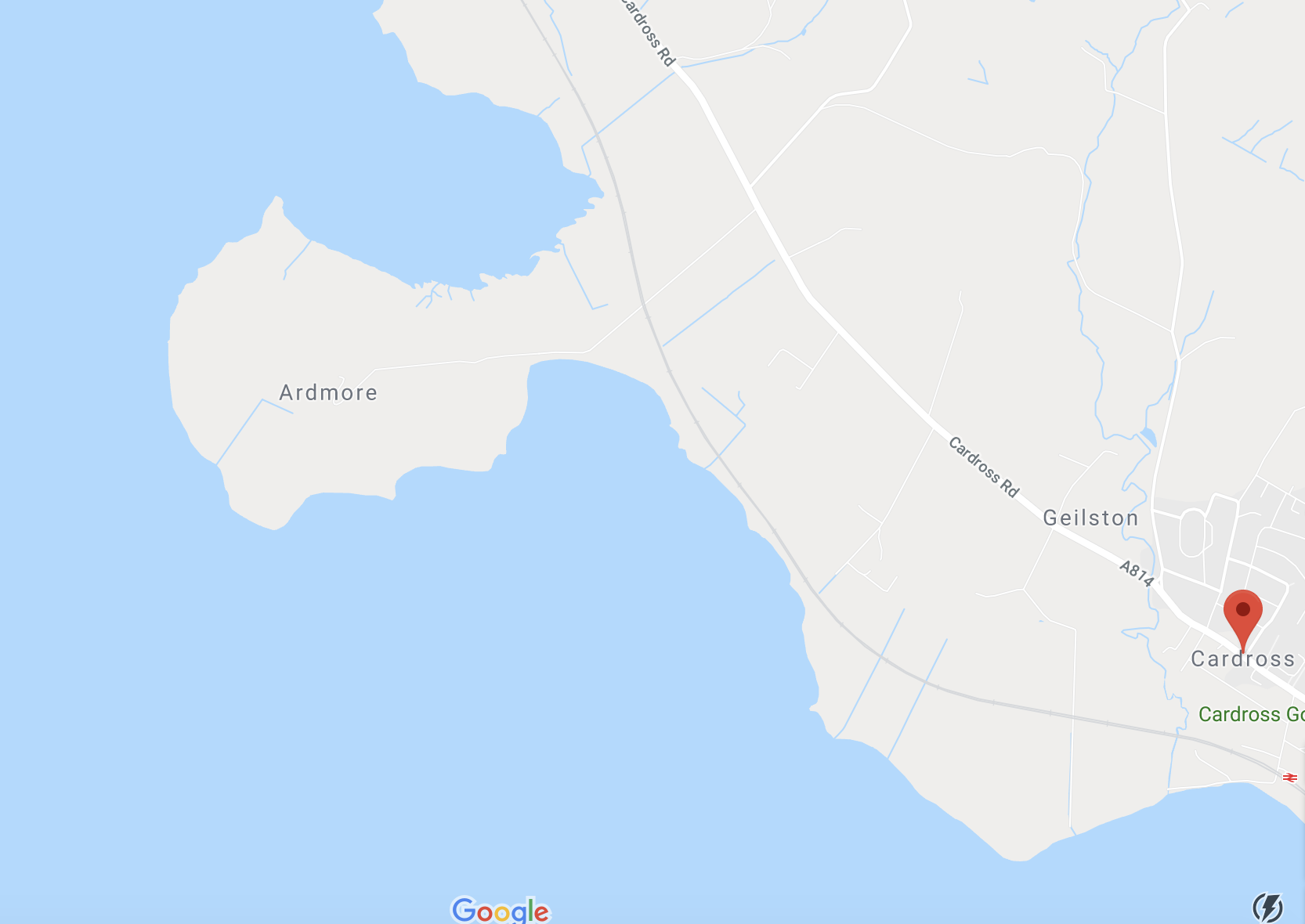
At the brink of most existential crises in my life, I revisit the sea. Summer 2016, I got a train to Cardross then walked a couple miles along a busy road, wildflowers growing in the verges past a cemetery, to Ardmore Point. The smell of the brine was like a drug: this vague area where the River Clyde becomes Firth and innumerable fragments of quartz are washed up on shore, residue of the sea’s mysterious industry. I looked across the water and I suppose I saw Greenock. There is so much of the jagged geography of westerly Scotland unfamiliar to me. The northness of names I have loved since childhood, the west coast forever of fishing villages, port towns, places of old time and tiny ruin: Luss, Arisaig, Applecross, Ullapool, Stornoway, Uist, Portree. A new indulgence in studying maps, mostly for a vague sense of where blue meets green. I have started to worry about sea levels. I keep a vague memory of my mother’s old home in Twickenham, where there are plaques to mark places where the river burst and flooded as high as the houses. The fields near my father’s house in Ayrshire become so easily sodden with water, a sunken valley where sheep sometimes drown. A favourite childhood memory is the single night we camped in Arisaig, and I’m sitting on a rock snapping fizzy laces between my teeth and watching a lurid strawberry sunset. Still I am filled with such sugary imaginings. The sand was so smooth, in the last light it seemed almost a mirror. It didn’t matter that we woke to torrential rain, with that sunset still within me. 

I open my sky-blue edition of W.S. Graham’s (Greenock-born) New Collected Poems and find ‘Falling into the Sea’: ‘Breathing water is easy / If you put your mind to it’. I think it is maybe a poem about dying, about the changes in the body, scary at first, a metamorphosis you adjust to: ‘Breathe / Deeply and you will go down / Blowing your silver worlds’. It is a plunge through new emotions, learning how to float in the bubbling eternity you have blown for yourself. Is this a dream? Is this a survival guide for the drowned? When you arrive on the ‘sea / Floor’, Graham suggests, you will encounter a ‘lady’ from ‘the Great Kelp Wood’ who offers you good British hospitality then ‘asks you / If you come here often’. How many times do we pretend we are mermaids as children, harbouring some hope of adoption by the elements. I spread my dreams on the sea like butter on a scone, the way they glimmer in the light then go. Are we recalling some anthropogenic trauma, deep embedded blue and sea green in our genes? In every deja vu there is a song, a half-remembered line with a context long forgotten: ‘Go down to the sea / And tell me what it is that you wanna be’ (Swim Deep). The sea is possibility, maybe; summertimes and sweet jangly, insouciant indie. Singing the greys, the blues, the self in crisis. The backdrop to so many of our deepest conversations, the murmurings melodic. The backdrop to perfect silence. When things went wrong in our house, we’d drive out and take long walks along Maybole Shore. We often didn’t talk; it was the wind in our ears and the kicking up sand and the smell of the salt that cleared the air, that did the work of unspoken feelings. There was the night two friends and I took vodka down Prestwick Beach and talked our lives out and embraced in the drunken rain, the spray of the water. It was so cold it burned the blood from our fingers, but we didn’t care. We were so fucking pure. 

Ten minutes listening to Drexciya in your living room and already I feel subaquatic again, 8am on a Sunday. Remember, we came from the sea. Our bodies are so much water and salt; we can hardly process any more of it. Crisping the lisp between here and there and what might drown. I was still a teenager when I sat by the harbour and twisted pink thrift into the plaits of my hair. I’d weave this space into a novel someday, the pain of the land sloshed up in geologic process; again the erosion, the sense of two worlds coming apart as a gaggle of teenagers stand lost in the waves, on the rocks and in water. It would all come to an end this way. I guess the bad techno thudded through every staccato chapter, the fault-lines of pointless dialogue. On a whim, I titled the whole thing West Coast Forever. Its universe was jagged, familiar and strange at once, self-destructive to the point of indulgence. I wrote it because I missed the sea, its harshness. I gave my twin protagonists eyes of green; two halves of what could be. I wanted to think about all the ways we are wild once, to try not to forget it. The sea is a lore we pass onto our children. The rocks we are not supposed to swim beyond, the orange buoys that mark the danger. The lives lost and loves found, the glitchy repetitions; the sand that thickens our mouths like overripe fruit, our words purpling and furring. 

Then there are gentler lagoons, bays which float out and away into grander blues. Clear and liquid lyrics, drizzling like moonlight or syrup over some wide and distant surface, the panoramic sea. The finger-plucked acoustic soothes and tells us what to do in its melancholic verse. Cat Power’s ‘Sea of Love’, Julie Byrne’s ‘Sea As It Glides’. I am obsessed with how these songs might sound, crackling and passed down to us over a ship radio, the edges worn away. The uncertain rasp of tuning in. I think of ‘Above the road (Skies of Blue)’ by Fionn Regan, or Johnny Flynn’s ‘Heart Sunk Hank’: antique and between times; recordings on a Voice-o-Graph; all white noise and sparseness, the yearning words. When I was twelve, I spent four days on a little fishing boat, bobbing up and down the Sound of Mull, between Oban and Tobermory. I lived off a Pepsi cup full of pick’n’mix sweets for the most of it, my sugar levels spiking like the rise and fall of the tide around us. Back then, I rarely noticed the wax or wane of silver and night, flesh and bone, blood and milk; I was only just learning to treat my body in cycles. There were very little times in the journey when we couldn’t see land, but Oh the loneliness when it went away.

When the mist came and there was only the greys. I used to play this game as a child, embracing my Pisces moon, thrashing through the waves and swimming out so far that someone on the sand would be shouting me back, roaring my name. I rarely cried; I dealt with my emotions that way. I liked that fort-da play of presence and absence, testing boundaries; the idea that I might disappear and become something other. The running against what resisted. I liked the way the waves licked my arms and thighs and stung me, the sand in my pores still flaking away later when I stood in the shower. The body catches a taste for the other world. It unravels. 

All weekend I’ve been listening to Frightened Rabbit, ‘Swim Until You Can’t See Land’, trying to heal the torn-apart strings of my heart. Ways we deal with loss, chasing the source. Some kinds of plunge are stilling, others sweep you up again and you’re back to before and the shock of it. You think you are okay but then again the sting behind your eyes, like somehow you let the sea in. This song will always feel new to me, a tune coming fresh out of hurt and to burst into something else altogether. There’s the rolling bass and energetic strums and the way the mood changes easy as weather between brilliant and bleak. I watch a YouTube video of Scott Hutchison singing an acoustic version in some courtyard; you can tell it’s spring from the two fire tulips that grow beside his bench. It’s spring like it is now, spring before the sunshine and colour felt wrong. There’s a helicopter flying overhead, so you know the world goes on and there are other bodies drifting into distance. And I miss him. I miss him. 

And the water is taller than me
And the land is a marker line
All I have is a body adrift in water, salt and sky 

Collapse again and again on the anaphora, the swirling, thirsty water. Who gets to wash up, who is vomiting their life and drying out on the sand and who presses a cool palm to their raging forehead? Why do we have these fantasies of saving someone from the sea? Is it a primitive fear: that we will lose everything we know that way; our life’s loves and possessions dragged away, river to firth to sound to sea. I flick through my Instagram stories this very morning, and my brother is filming the sea with his phone: an hour ago, ten seconds of grey-licking waves. He’s somewhere far away, I don’t remember—Bali, maybe. The sea is a trip-hop ballad, a rippling distance in which the ambient sounds don’t save me from thinking. The sea a great wash of the late 1990s, a millennial curve at the turn of distance. I think I think too much. Didn’t they worry, before 2000 came, that every system would collapse on zero? Didn’t Emily Berry describe the sea’s wee ripples as glitches? I long for the tidal flats and the drag of scavenging gulls in the skies above, howling some song that would save me. What are they hungry for, the circling birds? Arthur Russell is telling me to jump off the platform again; in the glimmer of that cello I can hear the echoes of a seascape blurred, pixelated to grey but alluring still. I plug myself in, deep in the chasms of sonic escape; here it is all wave and wave of shoegaze. The sea glows red before I sleep. 

IMG_4241

We need to break the waves, we need to break our minds. There’s a cleaving in there, hard as a diamond but liquid if you breathe deep enough the cold salt grey. It’s the saddest summer of my life and where was that aeroplane when I needed it, soft and sweet. Then neutral, oh so neutral; in all oceanic tang the lingering metallic taste. Do you miss me. I miss this. How blue the sea was from the air, so clear! One of maybe five songs I can play on guitar, the simple chord progression kills me still. How close his vocals are to the mic, that loudness an unabashed roar, a unified sound. My guitar strings are so old they sag like kelp strung across rocks deep below and in that looseness there’s a release, a new feeling. A lyric embrace which is the voice rising from platitude in earnest acrobatics and disappearing in a brass solo. The sway of the rhythm, I’m realising now, is a bit like the buoyed-up feeling of being on a boat, or watching the waves side-to-side from the land and finding your body a little seduced by the back and forth. Who is there on the shoreline, who waits? Before it gets dark, when we are still the sweet notes and the swaying trees. Little cross rhythms, a minor key and so far apart in our shadows and secrets. Ocean rain. I won’t say the name, I won’t say anything. 

The sea is a darkness we hold under our tongues. Sometimes when I think of it too much, I see myself as a siren. But Oh the cost of screaming in the night. Elizabeth Fraser in ‘Song to the Siren’, haunting and flawless: ‘Here I am / Here I am’. The way her voice curls and shimmers, like a whirlpool coming into itself upon shipless waters, swallowing those foolish enough to break their bodies on the sea—‘Oh my heart / Shies from the sorrow’. In what lick of tide may we assert ourselves. I flip up the lid of my laptop, see the screen, and all is a glorious ersatz blue. A whole thalassic core of thought. 

Berry again: ‘If a person standing still watched another person minutely moving would it / seem after a while as if they were watching the sea?’ How do we hold who we love in our vision, crawling at the brink of distance, disappearance? Why do they always become the sea? Why is there ever this scattering, and can that alone be the work of elegy—the between the between, the breezy, the needing?

Let go, for eternity
is too much with us
& not
with us yet. 

—Francesca Lisette


IMG_2973


Days of Scene

full-28

There was a brief period of my life where I was obsessed with Chicago. I thought all the best music came out of Chicago (maybe I could name three bands). It had a specific molten quality in my mind, like everyone there was never quite present but always dissolving at some point into the walls or sidewalks. There were basement clubs and people drank lager lager lager, a nod to cool Britannia, or else they swilled actual Liquor. I actually had no idea what went on in Chicago. It was possible everyone smoked in dingy bars and went about listening to jazz, feeling miserable. Did it rain much? All I had to go by was a Fall Out Boy lyric: ‘I’ve got a sunset in my veins / And I need to take a pill to make this town feel okay’. I was thirteen and still didn’t know what Seven Minutes in Heaven meant, let alone Sophomore; the spidery long titles made me feel Poetic. I was convinced Pete Wentz was the Bard of his generation. I still hadn’t seen any live footage of him goofing around onstage. I mostly thought of him in dark corners, sweeping his fringe aside, scribbling lyrics. Too much got spilled on the internet. I couldn’t believe when I found out he only played bass. 

Wasn’t there a gimmick with one of their albums, where you got special tarot cards if you pre-ordered? 

We used to stand on tables, chairs and cabinets back then, to get our selfies. Back then, they were prosaically named Profile Pics. You had to aim for a good mirror. The visible flash, you thought, was just a sunbeam addition to the general ~aesthetic~. You’d comment on each other’s photos, pc4pc. Like, Hello! It was good to get your legs in. Stripy knee socks or gauzy ripped tights. I wanted to wear a watch round my ankle like the lady with the white pumps at the party in Breakfast at Tiffany’s. I put rubber bands round my hair, dying it semi-permanent blue or pink, trying to get ‘coon tails. I backcombed with a religious zeal, scrunching as I walked to maintain the buoyancy. Hairspray wafted around us; a flammable aura of considerable permanence. There was an imperative to asymmetry, to looking a little like a lamppost. We all wanted to be skinny, we wanted the biggest hair. 

I grew addicted to the bright, popcorn guitar licks. The sugary vocals. They spoke to someone that wasn’t me; there was this constant apostrophe of the lost girl, the lost boy, the key to a locked diary. I felt like a year would pass and I’d slip into these narratives, grow tall, smelling the gas of those cigarette lighters my friend used to rig to make the flames a foot high. 

I don’t blame you for being you / But you can’t blame me for any name. 

There was this corny idea of the rock show, everyone bobbing their heads in time. It was basically prom without the couples and expensive dresses. We all dropped weight for it, we all found a sweat in the rhythm and heat. When I got sick, I watched Kerrang! TV for hours, probably still playing my Game Boy or something. They’d show FOB videos more or less on repeat. I waited up for my crush on MSN, gossiped with friends; maybe there was something in that cyan-coloured comic sans font he used. We drank Jolt Cola cut half and half with Glen’s Vodka. An electric shandy, six times your daily recommended caffeine. Running down the beach. Emoticon wars. Back then in the middle of nowhere, a text was like a radar signal sent from the deep.

2018, I try gifting my cousin’s baby daughter with a Hello Kitty hair clip. She doesn’t get it.

I wrote all sorts of pop punk lyrics all over my Sports Direct trainers. I like to think I turned up to gym class with these crappy white trainers, each one adorned with My shadow’s the only one that walks beside me. My teacher looked me up and down with disdain. I imagined she listened to Meatloaf on the car to work each day, wolfing tuna sandwiches. She said my trainers were too ‘flat’. She dragged me out the library, where I was often skiving; she made me play badminton for hours. I liked to reach and aim, slam something delicate and thin to the ground. That was kinda how it felt being in the world, trying to fly out all light and free, then some dude with a bat just whacking you back down, crushed and moth-like. Playing badminton felt vengeful. There were spiders in the showers of the changing rooms afterwards. There were kids in first year who would throw golf balls over a fence to hit us. If they smashed a window, we’d get the blame. Some of us stole fags round the back of the gym block, looking out at the Carrick Hills.

Walking the crossroads was my favourite escape. I liked the bit that unfurled into greenery, sheep, rolling hills. Sometimes I’d be climbing Kildoon, sitting by the falls. That was learning to breathe again. When a lorry came, I felt the rush pass through me like a terrible swarm of ghosts. I was rattling. 

There were diet pills you crushed with pro plus, sipped with diet coke or JD. 

In The Virgin Suicides, Lux writes the name of her crush on her underwear. This is a false start, by any means. In writing we only possess a shard of some other self. It’s only ever temporary. The shape of ribs, a smile, the cut of your bangs or hipbones.

Imagine writing a name now. Keats Keats Keats. Each iteration a tiny seed. 

Sometimes I liked to just lie on the concrete. 

In town, loitering is our ontological condition. We exist for no other reason. We browse but never buy things. Some of us sneak lip glosses, necklaces, bars of chocolate beneath our sleeves. I had a friend that could even steal booze and pills. I’ve saved up my daily lunch money just to get here on Saturdays. In Burger King, we kill time and snort vitamins for kicks. A year before the haze of legal highs set in. We are so young. 

All our talk is just procrastination. I watch you try on neon sports jackets in TKMaxx and it’s the best best thing. 

In Chicago, they had a scene. Sufjan sang about it on some movie they showed, eventually, on Sunday TV. Little Miss Sunshine. I’m not saying I identified with the nihilist son, but…I wished sometimes it was acceptable not to talk. The less I ate, the less I spoke. That was liberating, I suppose. I was in love with the place, in my mind / In my mind. 

There was the Easter holidays we played football down the Low Green every day, the last time in that year I remember being truly happy. All sorts of drama happened, breakups and makeups, and we watched it roll out from a distance. Smoked occasional menthols, hid under climbing frames, spun each other round in the night till we were dizzy. I never once grew tired of waiting at train stations. I had my iPod, my violet-lined eyes, my dreams. 

We walked along the river sometimes, deep in the foliage, and joked about places you could get away with having sex in. We counted the bottles of Buckfast, watched out for insects. Nothing seemed alive in the undergrowth. 

At school, there were never any practice rooms free so we sat on the floors of corridors, playing our shitty guitars. ‘Californication’, over and over, following some half-arsed tablature. The solo to Robbie Williams’ ‘Angels’ (how joyous I’d be if I knew ten years on a friend would make a vapourwave remix). I had no time for it–I was never coordinated enough for those licks and chords–but having the guitar in front of you was a kind of protection. You could talk all nonsense and pretend to passing teachers that you were doing work. As if they understood the mysteries of music. Regularly, the tech teacher would ask me, whenever I came to school with my trombone, if I was carrying a machete, an AK47. I nourished a kind of inward, low-level fury. Sometimes, they’d drop pennies at our feet for a laugh, as though we were busking. I wondered about all that copper and metal: where it went, eventually.

We wrote a song that ripped off the chords to ‘Brain Stew’ and my amp blew up someone’s boyfriend’s laptop. On weekends, there were sleepovers and we’d stay up till the wee hours, breaking apart massive bars of Cadbury’s Caramel while chatting to folk on MSN, Chatroulette, the laugh track of Friends or Father Ted in the background. There were only two buses home a day, and the rhythm of my Saturdays and Sundays was governed by that. I liked arriving home, sleepily, forgetting I once had a routine. It was wholesome to lie on your bed, listening to Mogwai, slowly sinking.

Occasionally, we went swimming. 

There’s a MySpace still out there with all these photos, histories stripped of context. Many of them are in sepia, owing to some new effect I’d discovered on my phone. It was a slide-up phone, designed for playing music out loud. It was like I wanted every memory to be always-already history, taking those sepia pictures. You can’t tell our age, except from the expressions, the thinness of our wrists. It wasn’t that we were innocent as such, it was just that we didn’t care at all. It was written on our faces, this not caring. Soon to be fun, let’s see. 

Every lyric iteration of html inevitably fades. What minimalist temple I had designed, stamped with diamond symbols and Crystal Castles mp3s, has since crumbled. It was probably a rip-off anyway. Wanting to look like Uffie, wanting to be cryptic, aphoristic. Coveting emotions as metaphoric fruit. All those bulletins, midnight reveries stolen from time on the family PC, are deleted. The endless, self-questioning quizzes. We learned more about ourselves, about each other that way than we ever did in a PSE lesson at school. We trod a dangerous line, exposing our confessionals. Last time you cried, last time you kissed someone, who do you trust no matter what? Sometimes it bounced back in unfortunate ways. 

This has been said / So many times that I’m not sure if it matters. 

Kanye calls his kid Chicago. He has that song ‘Homecoming’, with the cute piano riff, a monochrome world. I get a kick out of every library book that was published in Chicago. I have no idea what it means. The pages are dull and yellow, the text swims in a sepia sea. I can’t listen to those albums again without feeling some predictive force, a face from the tarot. It’s like every fast food ad has a burger that looks identical to the last, as though every diner uses the same stock photo database. All our desires grow uniform, in the envy of hair and boys and all consumables. Circling back. Do you think about me now and then? 

In Ayr, there are twin roundabouts bordering the station. I always got lost, trying to drive through both of them smoothly. I always came back round, caught in the westward trajectories of the next, the lights from Morrisons carpark smouldering into a school night sunset. Mostly I miss the booze and the dunes, the clandestine sense of just being there, cutting about in front of the ocean. Cutting out time as a fact of the water, the light; sirens cloying the air behind us. 

At the Turn of the Hologram Clock

IMG_0340 2IMG_2806

At the Turn of the Hologram Clock

[written this morning on the back of a terrible, asynchronous dream]

Returning to the town would entail a strangeness, of that she was certain. She knew the old walls, the grocers, the station store; knew how little they would have changed in the time she’d been away. Knew the same faces would glide by, new lines etched upon their skin but otherwise utterly familiar. She knew that deep dread would rise again, a sense of everything closing in. The square with the trampled flowers, the narrow streets. Even the trees, her mind’s flicker arborescent since 2015. The elms with their slender memory. The autumnal glut of rowan berries, so many beads of red. She knew the pavements where once she lay down, drunk on honey and love, orange and whisky. Blood vessels burst in her wide child’s eyes. Funny, she had never really been in love here. There was a boy once, but he was distant, deranged, slightly drugged. He rarely came down. All his thoughts were the gasp of a moonshine desire and his body was sullied with need, magnesium deficiency. He watched her always with a twinge of curiosity.

Back then when she ate, her veins rose like snarling vipers and she was ashamed. She ate to forget him.

All this gorgeous reverie was an incense stick piercing the soil, a night in the park, a stolen July. On the swings they sat, listening to the rhythmic glitch of the crickets. The space between them was ten years; ten years in which she had grown, her face bloomed like a rose. He learned a glossary of drugs and offered her his alien vocabulary. Eventually they lay on the tarmac, the moon encased by the skewed geometries of the climbing frame. Its colour and rust, the slow shed of its millioning flakes.

“This will be us in the future as we were before,” she murmured.

She had been running for hours to get here. Dropped the knife in a stranger’s garden, when she knew she was clear of the worst. She thought of that flat in the city; its musty smell, its entrapments, crumbs of cake. Her other half had kept her there, pierced needles through her flesh till she wept and bled. At the bus station, pleading with strangers for change, this place had seemed the single possibility. The town, the past; a promise in miniature.

She thought of the chestnut mare in the paddock south of the housing estate. Whether it was still there. She called him from a payphone; he had the same number, still lived with his parents. She thought of crooked ladies paddling around the health centre, swapping ill-informed platitudes on the state of the nation. The man who sold cigarettes from a van, emitting that scent of lust and vanilla ice cream whip.

She felt sick.

“We’re already who we are,” he replied.

“It’s not enough.”

Her body was constellated with pin-point scars. She let the straps slip down her shoulders, rolled over to face him. Something passed in the shadow of his eye, a midnight cloud; he was silently tracing the trajectories between each star, that map of her skin—sleeveless, arterial, easy. There was no ending to anything.

“Your eyes are like…” she wanted a meaningful statement. They had been here before. “Like summer meadows, emeralds. Freckled, sparkling, something. You’re so lovely.” She wanted a cigarette.

None of this really came through. Her words were transmissions, little shivers. The ground was so cold beneath them and soon they were falling, the black of it catching on the skin of their teeth. The past was there, alive in each blade of grass; singing its secret elegy, eerie in the leaves. It was so easy to slip back into sweet paralysis.

“You’re not as thin as you used to be,” he said, by way of breaking the dream.

“But I’m less solid,” she answered, turning through smoke, maybe to kiss him. For he was different now, and so was she.