I stir the coffee in time with my monotony. Footsteps from when the children used to play round here still haunt the kitchen walls. Everything tastes black, bitter. The plaster is peeling. I made friends with a spider who lived in the top corner of the window; while washing the dishes I watched it spring out for its daily kill. It was satisfying to observe the squirming flies, caught in the sticky web. I licked jam off a knife as the pincers squeezed their deadly juices. Sometimes I buy butter, but often it is too expensive and now I make do with the cheap stuff, which Tessa is always telling me to stop buying since it is full with nasty chemicals. I don’t mind. I like the sense of my body building up all those chemicals, my veins like rivulets of rock, acquiring their cholesterol, their calcium deposits. Darling, it is all geological.
Josh sends his love from the city. He has a new girlfriend, a very pretty young lady with reddish hair and soft, emerald eyes. Basically, she has walked off the page of one of the fantasy novels he read as a boy and goodness, how lucky he really is that she’s real! I will possibly never see him again. Her parents own a castle in Dumfries & Galloway and that is where he is spending Christmas. There will be extravagant banquets, servants, Christmas crackers stuffed with fivers and slivers of unisex jewellery. Charades by firelight and expensive brandy. Here, I have made a small effort at seasonal preparations. There are three jars of pickled onions, a tangled pile of fairy lights, a box of Foxes biscuits—which I have only just refrained from devouring on several recent occasions.
You see it is very difficult to restrain myself these days; there’s no one else around to stop me. Tessa will come for the day and we’ll watch the soaps and probably smoke a great deal of her Silk Cuts and not bother very much with the food. She has a wonderful taste in tacky festive music and so we’ll blast it out with the windows open, the cold air rushing in as we dance around the kitchen, the wine bottle bubbling with festive spells. It is one day of our lives together and it will be perfect.
Tessa can’t come at all. She has to work; she’s a nurse. In fact, right now she’s probably clasping a long thin syringe, sticking some viscous, silvery substance in someone’s skin.
I pour the dregs of the coffee down the sink, which is clogged with nasty pieces of something that might possibility still be living. The bin overflows, but I don’t bother. The thought of the ice-slippy steps and the neighbours gazing at my garish, half-hearted outfit somewhat disturbs me. I have thirty minutes before I must leave for work, but the clock doesn’t seem to be working and it’s uncertain as to whether I can trust it. The minute hand pulls slow and gelatinously over and over, never quite moving past itself, stuck in the honey-trap of its own echoes. My teeth feel dirty and coated, as if I’ve feasted on some delicious thing with a skin. In the mirror as I brush them I see my face contort like an animal’s. I have such furious eyes, the skin beneath them spilled with their shadow.
Accidentally, I rip my tights as I pull them over my knees, the gossamer threads unravelling so easily. The mohair jumper that I quite liked and thought quite smart indeed has a mysterious stain on its front, which I can’t quite explain. My fingers remain jam-sticky, even when I scrub them raw with fairy liquid. It is impossible to conjure a style from my hair, though by now I have learned to be content with this fact. I have a headache which feels like rocks pounding off rocks in a hollow cavern where salt spray lashes at the walls.
Somehow I am late for work. On the bus in the plexiglass of the windows I see the reflection of a girl who is very tall and wild, whose ragged face seems to have come from another place. It is only when I sit down, clutching my handbag and its absence of forgotten lunch, that I realise she is me.
ONE need not be a chamber to be haunted,
One need not be a house;
The brain has corridors surpassing
Material place.
—Emily Dickinson
It seems silly to write about one’s love for a house. After all, houses are inanimate things; they can’t feel or think, can’t love you back. It’s a bit materialistic, a bit capitalist perhaps, to love one’s property. Still, houses aren’t just houses. We are brought up in this world to experience ourselves through things. Not only is this the sociological and psychological consequence of living in a world where we define ourselves through the symbolic order of possessions, but it is also the personal, lived experience of assigning meaning to that which surrounds us, the structures and spaces in which we spill our being. What’s more, the very act of dwelling is charged with the problem of desire. We constantly pursue ownership and control over that which we occupy; constantly assigning possession, marking territory. As Karl Marx said, ‘the felt need for a thing is the most obvious, irrefutable proof that the thing is part of my essence, that its being is for me and that its property is the property, the particular quality peculiar to my essence’: we are, through and through, the things that we own, desire, lose. Maybe it is our seemingly irrevocable need for things that dooms us to a certain emptiness, a loss that prevents the fulfilment of the self.
The old Lacanian equation of desire as relying on lack. Maybe we love things more when we lose them. We start to think if we ever really had them in the first place; we question the possibility of possession altogether. In the void we clasp at meaning, like a baby blindly seeking nourishment.
When I was just three years old, my parents, my brother and I left a cramped cottage in leafy, small-town Hertfordshire for a three-bedroom, two-garden semi-detached house in Ayrshire, Scotland. Land of agriculture, Burns, Buckfast and teenage pregnancy. My first day at school, a couple years later, and I did not understand why everyone kept saying aye, still thinking they were making bizarre expressions of the first person pronoun, rather than simply saying yes. Ken was another strange one. Scotland was foreign and I was even more foreign. I spent most of my childhood trying to grapple with my Englishness, working out who the hell I was and what’s more, who did I want to be? Toning things down to avoid being bullied…but really, deep down, did I want to be different from anyone else? Slowly, the older I got, I felt the bright Scots words trickle into my vocabulary: hanek, gads, glaikit, wee, Ned, jakey. When my cousins visited, I found myself wishing I had the purity of that sweet, Hampshire accent, instead of my own brand of weird hybridity. When friends at school made jokes about Scotland’s superiority, their hatred of the English, the need for their country’s freedom, I felt that wavering sense of otherness, an instinctive need to protect my ‘origins’. As a child, England meant family; it meant going home and being ‘free’. Days out in the summer holidays to the sun-sparkly cities of Brighton and London; the suburban beauty of Milton Keynes in autumn. I liked how I was the only one in my primary school class who wasn’t born in Irvine hospital. When you’re a kid, you kind of like to be special.
Maybe it’s terribly ironic that I would grow up to become a pretty staunch supporter of Scottish independence; someone who works in a whisky bar and identifies more with the social milieu of Kevin Bridges’ standup than that of Austen novels, who cut their teeth drinking Frosty Jacks instead of White Lightning, who fell in love with a wasted seaside town instead of London, and spent inordinate amounts of time listening to endearingly miserable Scottish folk bands over whatever was ‘hip’ in Hoxton. When did the change happen? At what point did I stop mourning my lost English childhood, with its (probably false) promise of sunny summers, middle-class comforts and extra bank holidays? It was long before I started to associate much of England with the heartlands of UKIP and Brexit, long before I realised that Scotland did things differently (socially and politically) to the rest of Britain, and that this was a very good thing.
I guess part of it was realising I didn’t really belong in England either. I couldn’t play the cool and demure English rose, not all the way. For one, with the lack of sun up north, my naturally blonde hair faded, and I’ve now settled on a Celtic shade of copper red. Back then family members would point out queer things I said, like when I relayed stories about folk ‘battering’ each other at school, or how it was ‘pishin’’ it down with rain, or my periodic and derisive expressions of ‘haneck’ whenever anything unfortunate happened. My brother and I would amp up our ‘Scottish’ banter whenever we were down south, cracking jokes and putting on our rough Ayrshire accents the same way any Brit does abroad. I started to realise that I sort of loved the strangeness of Scotland: the Ceilidh dancing we had to learn in P.E, the pervasive aura of folktales, of haggis and kelpies; bottles of Irn Bru that I was forbidden from drinking as a kid, the stern broad Scots of the man on the tape who announced the beginning of every French Listening paper. I wasn’t sure how well I fit in, but I liked it anyway. It started to feel like home.
Home. The year before I left for uni.
***
In my hometown of Maybole, there is a strict policing of difference. The smoke plume of neds at every bus stop will be the adjudicators of any risqué fashion you choose to indulge in. If you wore black and a slick of thick eyeliner, for example, they were sure to enquire whether you ‘shagged deed folk’; if you wore a miniskirt you were a ‘wee hoore’; if you were a guy who had slightly long hair you were a ‘poof’; skinny jeans made you – perhaps the ultimate insult – ‘an emo’. In our school, there was the Mosher’s Corner, the Farmer’s Corner, the Smoker’s Corner, to name just a handful of territories whose policing often bordered on the militant. In first year, I witnessed a friend being shoved headfirst into a spiky hedge because he tried to ‘invade’ the Farmer’s Corner. At the Mosher’s Corner, which took a couple of years to gain full acceptance, you were pelted with stones by bored and angry first years, or scolded by irate P.E. teachers, who had to pass through the area and always liked to pull you up on inane details of uniform. Don’t tell me I can’t wear my stripy knee socks to school when that guy’s cutting about in a tracksuit.
In the midst of this battlefield of identities, is it any wonder I loved my house? The one place where I could be whatever I wanted? Whenever we had to write our address down at school, I relished scribbling down the house name, Daisybank, with all its pastoral resonance. Compared to all the places I have lived in Glasgow (room such and such, flat 1, 2, 3 etc), having a house name is a proper luxury. It was on the road to Turnberry Golf Course; ten minutes walk from the Ranch caravan park. I had a pal who owned a dairy farm nearby, and the woman a few doors down bred collie dogs. For some reason, we always seemed to live beside ministers. In a way, Maybole is the epitome of rural quaintness: it is famous mostly for its former glory as a cobbler’s paradise, for being the meeting place of Rabbie Burns’ parents, for having a relatively crap golf course, a sixteenth-century castle and once upon a time a couple of lemonade factories. You’re ten minutes drive from the sea and surrounded by vibrant green hills studded with pretty villages. The air is fresh and the water tastes great. There’s even a train line.
Still, it’s difficult to appreciate all that stuff as a teenager. I started to dream of Glasgow as this mythical solution to all my problems: a place of cosmopolitanism, where people read poetry, played in bands, and didn’t care what anyone thought of them.
It was only when I moved away from home, got a flat in the city, that I realised the extent of my weird sense of belonging to this silly wee town where technically I had no roots.
***
The last time I properly cried was the day I said goodbye to Daisybank and Maybole for the last time. I paced round the empty rooms, hearing the silent creak of the floorboards, memories passing by me as fleetingly as moths, leaving me with this overwhelming sense of grief. It was like saying goodbye to the entirety of childhood, the last eighteen years of my life, all at once. Unlike most people, we didn’t move around much and this was our home all that time, through thick and thin, good times and bad. I realised how protected I had felt by the presence of the house, its strong sandstone walls, the elaborate latticework of memories that had wove themselves into every structure, every smell and texture and object.
I sat on the train back to Glasgow, staring at the late summer scenery pass behind me, feeling like I had severed a limb.
I don’t know what it is that made me feel that way. Maybe it was the garden: the pond we made with water reeds and frogspawn pinched from the lake at Culzean (the pond in which at my sixteenth birthday party, my friend lost his Buckfast bottle), the faint scent of the lilac tree and its treasure trove of bluebells in May, the memories of bonfire nights, Easter egg hunts, performing original plays; the August weekend when a friend and I climbed the rowan tree and picked every red, gleaming berry – each one to our childish eyes as precious as a ruby. Maybe it was the peace sign my Mum’s ex-boyfriend mowed into the front lawn. The lingering whiff of failed baking experiments that still haunted the kitchen, popcorn burnt to the bottom of the pan, bowls dissolved in liquid heat, vague explosions in the oven (the door of which had to be constantly propped open by a chair). The mice that lived in the piano, the washing machine that shook so violently we had to put a brick in it.
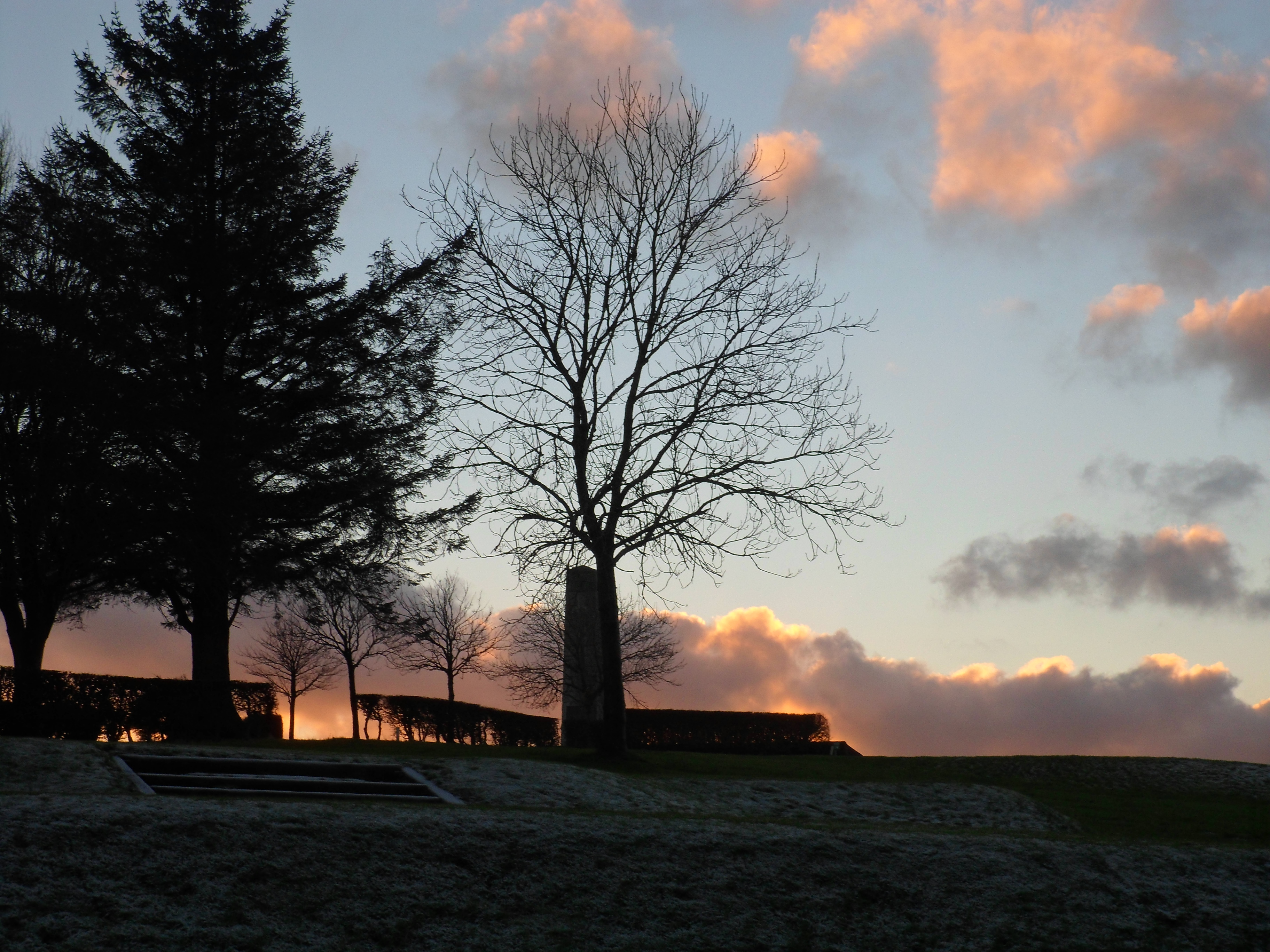
Maybole Golf Course & The Memorial monument. Winter 2014.
The bike rides up into the Carrick hills; the hysterical impersonations of bleating sheep, chasing chickens and pheasants off the roads. Feeding lambs in spring, horse-riding and jumping off hay bales. Long walks with friends, where we deconstructed the universe as the sun bled its final light behind the Kildoon monument.
The summer we painted the wall of the den at the back of the garden, purple and orange, and I got black floor paint, thick as molasses, on my brother’s leg. He was about six and it didn’t come off for weeks. The concrete steps I fell down once and grazed my side so badly I could hardly move. The cities we drew with chalk on the patio, until the rain came the next day to wash them away again. The nights of mild teenage trauma, when I crawled into the space beneath my bed to calm myself down. All the people that came and went, who knocked on the back door or else rang the bell at the front. Afternoons alone in the corner of my room, hunched over chord sheets and trying to play Paramore songs on guitar. Parties with gin served in secondhand teacups, with contraband vodka smuggled in Coke bottles, with the perpetual background flicker of my frozen iTunes library, which everyone cracked a shot at.
Halloween parties with ersatz cobwebs strung from every surface, bowls of punch and fistfuls of body glitter; dubstep thundering from the upstairs study.
The secret room next door to the bathroom which we never discovered, because you had to knock the wall through. Sometimes, when I was lying in the bath, I liked to think about what was on the other side. What wild and weird stories I could fathom from that dark place of possibility? You could see the skylight in the garden and I thought maybe someone had died in there and the previous owners had decided to seal it in.
Previous owners. It’s strange, when you settle so deeply into a house, you think you are the only person to have ever lived there. I remember being about six years old and finding a little plastic doll under the gas fire once and thinking how disturbing it was to think of another young girl playing on the floor of the living room, as I was. The mere thought of her presence could only be a ghost to me, as transient and fantastical as the people on tv.
There was the man next-door who thought we were dirty hippies, but still gifted us with various vegetables grown in his greenhouse, and murmured a gruff hello when we were in the garden.
The long grass meadows out front across the road, where once we made snow angels in winter and walked the dog, where now there’s an estate of houses.
My wee bro and I hanging out on the patio. Don’t think I have aged at all to be honest.
The home videos from when we first moved in: plastic toys scattering the grubby carpet, school friends garbed in 90s fashion (lilac or orange crop tops, white peddle pushers and velvet hairbands) draped over the ugly, velcro sofa. The dent in the wall from a misfired golf ball; the scorch mark on the carpet where someone dropped char from a shisha pipe. Places on my bedroom wall, behind the plaster, where I scrawled Green Day, then Cat Power lyrics; ‘star pupil’ and various Kerrang stickers that couldn’t be peeled off the wardrobe (also the Metal as Fuck sticker we stuck on the lamp, which I’m sure still lingers, irrevocably); the cupboard under the stairs with the camping gear, the old washing machine and the pervasive smell of must. As soon as you opened the door, you were simultaneously attacked by a falling hoover, a bag of tent pegs and a canopy of jackets.
Whole evenings and afternoons, lost to playing Sim City on the old computer. Waiting patiently for dialup to connect, doodling on wee notepads that my dad brought back from hotels on his business trips. Sifting through stacks of Standard Grade artwork, band posters, electric guitars, music stands, golf clubs, tennis rackets and folders of homework.
I could go on forever listing details. I guess it’s the nature of missing something that you link things together, this endless concatenation of memories. You think it would be claustrophobic, living in a small town, but one of the things I’ve always missed since moving out was the space. You could run up and down the stairs, pretend the floor was lava and jump from sofa to sofa in the living room, stare out the big bay windows not at a yard of bins and more buildings but at the rolling, sprawling countryside. Hear the jackdaws in the chimney, watch the butterflies flutter around the Buddleja, the sunflowers bloom in June after the dying of the tulips. Life had a rhythm; you paid more attention to nature: the creeping in of the spiders in September, the wasps in August that nested constantly outside my mother’s bedroom, to the point where her windowsill was a nasty holocaust of their dying bodies.
My childhood home was flawed. There was the icy drafts that blew in through the floorboards, the lack of a shower, the grit that sometimes spat out the taps, the sound of lorries trundling past, the toilet that struggled to flush, the kids out back that belted JLS songs as they bounced on their trampoline. Sometimes the roof leaked, we had to clean the gutters, the hot water stopped working, the carpet always slipped on the top step of the stairs. Somehow though, despite their irritation, these flaws were endearing. It’s different, I think, when you own a property compared to when you rent: when you own it, the flaws are just something you sort of live with, rather than demand your landlord to fix. When you explain them to guests, you’re only ever semi-apologetic. The embarrassing parts (the Alan Partridge lap dance postcard on the fridge, the broken oven, the cracks in the kitchen tiles which our friends and I used to take apart and reassemble like puzzle pieces, the precarious stability of the garden wall) become something you’re sort of proud of. It seems kind of absurd now to think that one time, in the middle of the night, our garden wall literally just collapsed, blasting bricks across the patio and shattering the wooden bench, sending its splinters as far afield as the neighbour’s garden.
Maybe it’s that shambolic charm that drew me again and again to Dodie Smith’s novel, I Capture the Castle, as a preteen. I wasn’t just obsessed with the lucidly beautiful voice of the young heroine, her story of unrequited love and the struggle to grow up amidst slightly meagre and crazy circumstances, but also her descriptions of the crumbling castle which her family called home. She describes her first impressions thus:
How strange and beautiful it looked in the late afternoon light! I can still recapture that first glimpse – see the sheer grey stone walls and towers against the pale yellow sky, the reflected castle stretching towards us on the brimming moat, the floating patch son emerald-green water-weed. No breath of wind ruffled the looking-glass water, no sound of any kind came to us. Our excited voices only made the castle seem more silent.
The image is imprinted on her memory, relayed back through her diary; as still as a flower pressed between the pages of a book, as the motionless water, a reflection of a very specific and idealised point in time, the fresh perception of this place that would become the crumbling though romantic ruin of a poverty-stricken home. It is clear that much of Cassandra’s descriptions of the castle are filtered through the discourse of fairytale, though in a knowing, reflexive way, that recognises the flaws of such fantasies. Her sister, Rose, will not be the perfect princess, English Rose though perfect she is; neither will she be the perfectly objective narrator. I just adore the scene when they are drinking outside the village pub: cherry brandy for Cassandra, bright green creme de menthe for Rose, to bring out the russet shades in her hair.
Sitting outside in the comparative paradise of my own garden, I enjoyed the traditional Scottish though equally vibrant liquor of Mad Dog 20/20 to season my youthful palette (unlike Rose, I don’t think my choice of tipple ever worked very well to seduce rich and handsome American suitors). I had the smell of woodsmoke in my hair, the wind coming in off the near-distant sea with a faint and familiar saltiness, the taste of health. There’s something so lovely about that nostalgia, when you can see yourself outside of yourself, picturesque in your childhood surroundings.
The den beneath the sycamore tree and all its long-faded paint.
In a way, I guess I sort of thought as Daisybank as my castle. We didn’t have a mote, or a crumbling turret, but we had a garden of long grass and dog daisies and a steep drive that kept the floodwater out and the crazed night dwellers away (once, my mother parked the car on the road and some random jakes literally tipped it on its side, so she woke up in the morning to it pouring oil all down the street, like it was weeping sadness and blood). It’s hard to recreate that sense of absolute safety, of home — where all your memories have long seeped into the walls, where you first wept at a book, kissed a boy, got blackout drunk on whisky. All the birthday cakes and candles, the mean words said and the reparations. It’s like the house has witnessed the sweetest and darkest parts of ourselves and god knows it must be a burden to bear those secrets.
It’s kind of impossible for me to imagine the house with new people living in it. It’s even difficult to imagine Maybole without my family living there. You sort of stay in touch via Facebook pages, you have the odd dream about walking down the high street or buying a roll in the deli or sitting on the swings at Miller Park, but you can’t really imagine it just going on being. Like a kind of clockwork village, it stops in your mind when you’re no longer there; when your roots are sort of severed. When people I’d known a long time found out we’d sold the house, they talked about it with the almost the same level of sadness and compassion they would on discovering a close relative had died.
It was a bloody good house; I don’t think I’ll ever live somewhere as nice and homely again – or at least it’ll never be quite the same. There’s just something about the place you grow up in, a magical and elusive quality. I can start to describe it, the pink and orange light seen from the patio on winter mornings, the daffodils on the kitchen table, steam from the iron, the flicker of Sonic the Hedgehog games on the old television, the space under the desk where my dog used to hide on fireworks night; but then here I am again, slipping back into details. You can’t grasp it; it’s in all of these things. Like love. It’s supplementary, in the Derridean sense that it has no inherent presence or meaning: it’s just all the things you try to hold in place for a moment, the mesh of connections and space of interplay that forms, pliably, impermanently, when you try to grasp at the meaning.
Houses are, perhaps, more than houses. Every writer, every intellectual discipline under the sun has spent centuries debating the meaning of ‘home’, but perhaps houses themselves are equally strange and uncanny. What does a house mean to us after we have vacated it, stripped it of all the stuff that made it personal to us? Can it still be a home? I must admit, I don’t imagine myself living in my old house anymore; I can only see it as it was before. I can recall myself standing in particular locations: the feeling of waking up in my bed, or standing at the sink, washing up on a Sunday evening, watching the birds out the window. Yet when I try to think about how it might be decorated now, what the people inside are doing, I draw a blank. You can’t picture it like in the the Sims; can’t just imagine the drama of the lives within.
Many authors have anthropomorphised the houses in their books. They become characters in themselves, or at least acquire some kind of emotional or physical sensitivity to what goes on in and around them. Toni Morrison, in Beloved, describes the house, from Denver’s perspective, as ‘a person rather than a structure. A person that wept, sighed, trembled and fell into fits’: the domestic space is as much a character as Denver herself, it takes on the qualities of and indeed reacts to the events which take place within it. You know that eerie sense of dust settling, of silence and weightiness that falls upon a house after an argument? There’s something to it. An ethereal feeling, a kind of knowingness; as if the house itself could somehow be conscious.
Perhaps the most famous instance of an anthropomorphised house is that of the Ramsay’s holiday home on the isle of Skye in Virginia Woolf’s novel, To the Lighthouse. Woolf takes a hefty chunk out of her narrative to describe the process of decay that unravels the household in the Ramsay’s absence. Significant family events, such as marriage, childbirth and death, are confined to parentheses, while intensely lyrical descriptions of the details of the changing conditions of the household are given centre stage:
[Prue Ramsay died that summer in some illness connected with childbirth, which was indeed a tragedy, people said, everything, they said, had promised so well.]
And now in the heat of summer the wind sent its spies about the house again. Flies wove a web in the sunny rooms; weeds that had grown close to the glass in the night tapped methodically at the window pane. When darkness fell, the stroke of the Lighthouse, which had laid itself with such authority upon the carpet in the darkness, tracing its pattern, came now in the softer light of spring mixed with moonlight gliding gently as if it laid its caress and lingered stealthily and looked and came lovingly again. But in the very lull of this loving caress, as the long stroke leant upon the bed, the rock was rent asunder; another fold of the shawl loosened; there it hung, and swayed. Through the short summer nights and the long summer days, when the empty rooms seemed to murmur with the echoes of the fields and the hum of flies, the long streamer waved gently, swayed aimlessly; while the sun so striped and barred the rooms and filled them with yellow haze that Mrs. McNab, when she broke in and lurched about, dusting, sweeping, looked like a tropical fish oaring its way through sun-lanced waters.
I just adore this passage for several reasons. It’s full of poetic devices which bring the house itself to life: all the personification which renders objects and shadows and light into living, breathing things. The recurring consonance of the l sound which leads us, liltingly, through all sensory encounters; as if we, occupying and flying through the sentences, were as light as air, a travelling dust mote, surveying the situation. L is a flickering kind of sound, fluttering, leading onwards, somehow soporific. A line like this sends tingles up your spine: ‘the stroke of the Lighthouse […] came now in the softer light of spring mixed with moonlight gliding gently as if it laid its caress and lingered stealthily and looked and came lovingly again’. The sentences and descriptions flit between movement and stasis: the loving caress and the sudden shift of a rock, followed by a hanging, a loosening, a suspension. Everything seems to be swinging, swaying; the material of the house unfolds and unravels like a shawl. The zanily surreal image of the housekeeper Mrs. McNab trying to control the chaos in the manner of a ‘tropical fish oaring its way through sun-lanced waters’ is deliciously both amusing and vivid, conjuring a sense of the beauty of this interplay of order and decay. It’s a clashing sort of image, the vibrancy juxtaposed with the dulling surroundings, but the effect is to exoticise, just ever so slightly, the whole scene. We are invited to look closer, as if peering through a fish tank. This is more than just a house laying to waste in its owners’ absence. Real empathy is stirred for the house itself:all the ghosts that inhabit the walls, the absence that tears at everything. Objects and noises, the vacant trails where once human footsteps made their passage. Mrs. McNab, in all her matronly cleanliness, is but a colourful fish, pulling itself fleetingly through the reeds. All our efforts to clean up the world, to annihilate its disorder, are perhaps similarly slightly futile.
Throughout Time Passes, Woolf contrasts and holds together opposites: day/night, abstract/specific, growth/decay, movement/stasis, beauty/waste, absence/presence and life/death, to name a few. At once we lament the abandoned house, while also marvelling at the ‘power’ of nature’s ‘fertility’ and ‘insensibility’: the way in which dahlias, giant artichokes, cabbages and carnations continue to flourish amongst the house’s decline. She might as well be describing the inconsistencies and tensions within the psyche of an actual human character. Time veers between eternities and instances; the sheer significance of a death (here, Prue’s) is passed by fleetingly, another stain upon the already well-blotched backdrop of war, a different trauma to the slow, inevitable decline of the house. The writing here is both photographic and cinematic: moving through the stillness of random snapshots to the build-up and unravelling of a time-lapse. Isn’t that like life, like memory itself?
***
‘Some days in late August at home are like this, the air thin and eager like this, with something in it sad and nostalgic and familiar’
— William Faulkner, The Sound and the Fury
Maybe home is all about the seductiveness of boredom, the comfort of merely occupying space. Maybe its familiarity is what contains an inherent sadness: a sense of loss stemming from that which we cannot regain, despite our close spatial proximity. Like someone you love but who has changed, irrevocably, drifted out far beyond your reach. Like lost innocence and joy, the way we were before we knew certain things; before life happened, in all its terrible narrative beauty. Quentin’s reflections in The Sound and the Fury have a degree of universal application. Late summer and early autumn; the turning of the seasons, the fading of the year. We spend more time indoors as the air thins to a coolness; we retreat into the safety of houses. Each year, we think back to blackberry picking in gardens, cooking soup on the stove, going back to school. One of my favourite (and pleasantly simple) opening lyrics, from Stornoway’s song ‘Zorbing’: ‘Conkers shining on the ground / the air is cooler / and I feel like I just started uni’. It’s details like that that send us home. Reminders that time moves in loops; that constantly we are living through our memories, mixing the strange and new with familiarity. You don’t necessarily need a specific physical location to be ‘home’. Maybe it’s more complex and slippery than that. Sure, I miss Daisybank like hell, but it’s the details I miss most, and like everything else, with age they acquire that golden, treacly glow of nostalgia. Maybe I don’t need to be Scottish or English or anything at all. I just need to find home. Then I can begin again.
Home is where one starts from. As we grow older
the world becomes stranger, the pattern more complicated
Of dead and living. Not the intense moment
Isolated, with no before and after,
But a lifetime burning in every moment
And not the lifetime of one man only
But of old stones that cannot be deciphered.
There is a time for the evening under starlight,
A time for the evening under lamplight
(The evening with the photograph album).
Love is most nearly itself
When here and now cease to matter.
— T. S. Eliot, Four Quartets
My wee bro & what was probably my first bike in the kitchen, 1997.Christmas 2014 in the kitchen2011
We brought you home for the first time one sunny day in the year 2000. Seems strange saying that now: the year 2000. I guess it was a long time ago; before Twitter and being a grownup and even 9/11. Nobody even really had mobile phones then, did they? I guess that makes you special, that you were born in the year 2000. You might’ve been a dog, but you were a proper Millennial.
You were such a tiny thing, with little floppy ears and massive brown eyes like polished conkers that blinked back at me full of curiosity. You were a collie dog, except there were crosses in you, so that you had lovely patches of chestnut brown on your face. Mum wanted to call you Bella, but for some reason this annoyed me at the time – probably because there was some Disney princess with the same name, and/or I had some ridiculous mythical title lined up for you. I remember when Twilight first came out, years after you were born, I couldn’t stop giggling at how the protagonist shared her name with my little old dog. But Bella means beautiful, and beautiful you were. You spent all afternoon scuttling round the garden, nibbling playfully at our ankles, before falling asleep in the flowerbed. We really panicked until we found you, curled up among the bluebells and buddleja.
I think having a puppy is a brilliant idea to lessen sibling rivalry. My brother and I spent less time pulling out each other’s hair and shoving each other about over who stole whose Game Boy game and more time throwing ball for our new dog. We took you to Kelburn Country Park and you walked about a mile with your tiny legs before giving up. Mum and Dad took turns to carry you all the way to the car. After that you rarely let anyone try to lift you up – you always retorted with a snarl when they offered. Maybe you were embarrassed at having once had to be carried. You were as sporty and competitive as my father. Probably because when you were a bit bigger he used to take you out running for miles and miles. You were like the wind, chasing after a ball or dashing after Dad’s bike. He took you to some of the finest golf courses in Scotland. Mum, my brother and I took you to some of its remotest campsites, where you would curl up in a tent with us as the rain and wind howled outside.
One of the best thing about collies is their ears. Floppy and fluffy; soft and furry on the outside and pink and waxy on the inside. When I was younger I could sit and stroke your ears for hours; it was such a comfort, like the way a baby sucks its thumb or a stressed-out adult chews their fingernails. One day, one of your ears suddenly pricked up, straight and triangular like an Alsation’s. The other remained flopping over for another week or so before joining its partner. They never fell back down again, but remained tall and alert. They were a bit like rabbit ears, the way they fell back when you were scared or angry, but mostly just stood up with a look of mild absurdity or surprise, like when people pluck too much arch into their eyebrows. You could probably hear everything in the world, with ears like that.
You had crazy amounts of energy. You went through a phase where all we had to do to exercise you was take you to an open space and shout, ‘Ready, Steady, Go!’ and you would run around us in endless, frantic circles, occasionally yelping with excitement. It was as if we had unlocked some unknown, race dog gene in you. Whenever we were in public, you would abandon your loyalty at the drop of a hat (or stick) if it meant you could get someone to play with you. When we were tired of playing endless games of fetch, you would wander off and drop your ball or stick at the feet of some other family, before sheepishly trundling back when we called your name repeatedly. There were a few times where you gatecrashed people’s games of frisbee and ended up winning (or breaking their frisbee with your teeth).
You would cut up people’s lawns with the amount of running you did. If we went for a walk with you, you’d trot on ahead then circle back to check we were all still together, as if we were sheep. You weren’t a trained collie or anything, but clearly you had the protective instinct in you. Like when you went through a phase of dragging my beanie babies into your box, as if you were pretending they were your puppies. I used to resent the way I’d have to put my beloved, saliva-slathered animals through the wash, but now I guess it’s kind of sweet.
Then there was the bi-annual task of giving you a bath. It was a feat of will for both us humans and you. If we tried to call you into the bathroom, the merest hint of the word ‘bath’ would send you running. Once, you hid in the laundry basket. My job was often to keep you soothed while Mum rubbed your coat with flea shampoo and my brother sprayed you with lukewarm shower water. You were awfully fussy about temperature. There was one time when you managed to get one half of your back covered in white wet paint and we had to shower you outside with the hose. You would think that you’d be grateful for the warm indoor shower after that, but maybe you had a short memory.
I’d like to apologise for the time we were staying in the Lake District and we had been out walking and you were covered in mud and stinking river water (funnily enough, you loved water when it involved jumping in oceans, lakes and rivers for sticks), and I decided the best thing to do would be to give you a shower. The problem was, we thought human shampoo would be too harsh for you, so we ended up washing you with vegetable oil and vinegar, because I’d read online somewhere that oil was meant to be nourishing for your hair, and vinegar good for your scalp. I think they meant olive oil, or coconut oil or something, because afterwards you smelled like a chip shop; although your coat was super shiny. Maybe that was just the grease. Still, you didn’t seem to mind because you got lots of smothering attention and god knows how many dog treats as a consolation afterwards.
Perhaps you were at your best at Christmas. There was something about the festive season that you just loved. Maybe it was having the family together and having everyone in high spirits. You could sense human problems as quick as you could sense someone turning on the hoover. If we were having some kind of argument, you would always sit in your box quivering and looking sad. At Christmas, you morphed into a four-year-old child, ecstatic at the prospect of presents, food and Santa. When we were unwrapping our own gifts, you tried to butt in with your paws pattering everywhere and your nose sniffing every present we opened. I used to tie all the excess ribbon, string and tinsel around your collar, so that by the end of Christmas Day, you were as decorated as a festive reindeer, or a walking advertisement for Paperchase. Often, we would paint your nails sparkling red with Rimmel’s finest, and have to explain to fellow dog walkers that no, our dog’s feet weren’t bleeding, she just happened to have her seasonal manicure.
You were a much-loved dog, and everyone who visited us at Christmas seemed to bring you some kind of present, which you gratefully whined over excitedly until us children had helped you unwrap it. You were bought stockings of doggy chocolate and other treats, your favourite Schmackos sticks, fluffy toys and weird squeaky creatures. When I was too young to buy you my own present, I’d carefully pick a stuffed animal toy that I didn’t want anymore and pass it on to you, as a sibling passes down old, grown-out clothes. As I got older, I graduated onto collars. I bought you the prettiest, tackiest, gothiest collars I could find in the aisles of TK Maxx and Poundland. You had red, gold, studs and skulls, leopard print and silver glitter. When I was Christmas shopping this year, I walked accidentally down the pet aisle and it brought a tear to my eye. I was surprised at how much I missed this; it was like walking up the stairs and mistaking empty space for the final step. I was reminded that you were gone.
I have to admit, there were times when you could be hard-going. You had a temper, which maybe you learned from the people around you (hell, nobody’s perfect) and you did bite people a few times when you were over-excited or pissed off. Nothing serious, but enough for us to fall out with you over. But only for a few days, until the sorrowful look on your face as you plodded into the kitchen melted our attempts at icy reserve.
Another problem was that often you also had terrible breath: a sort of stale, fishy smell that we could never work out the origin of. We had some of your bad teeth removed; we gave you dental chews. Sometimes the smell was okay, but you could really notice it up close when you were panting happily in people’s faces. I blamed your diet, which consisted of dog biscuits and ASDA SmartPrice tins of meatballs. The odd helping of tuna. I used to gag and hold my nose as I poured the grim pasty reddish mess into your food bowl. You seemed to love it though, especially Lidl’s Luxury Irish Stew that you had for Christmas Dinner. When you were old and frail and your joints were riddled with too much arthritis, we had to squirt a horrid-looking medicine in your dinner and find ingenious ways to get you to take your pills. The most effective way was to crush the pill and roll it up in a piece of brie – you always were a dog of class.
In car journeys, you’d either be an angel or a nightmare. My brother and I would argue endlessly about how we were going to shove your arse off the seatbelt so we could buckle ourselves in and set off onto the road. It was better when we were old enough to sit in the front. Sometimes, you got to sit in the front while we had to pile in the back. You would sit bolt upright, back straight and ears pricked high as you looked straight ahead. One time, a ticket lady made a joke about how handsome Mum’s husband was. When we drove off, it took her a while to realise that the lady was joking about Bella, sitting up all serious and erect in the seat beside her.
In traffic jams, you would get fidgety and whiney, which didn’t make life much better amidst the din of Motown music on Radio 2 and the smell of the steaming poo you had done, now tied up in a bag on the dashboard, slowly releasing its awful odour. There were some tough hours but we got through them together. Luckily, you fell asleep and the traffic eventually dissipated enough that we could stop at a service station and dump your mess and spray the car with aftershave. I used to hate the way that you’d never get out the car when we stopped on long journeys, like you thought we were going to leave you behind.
You used to hate when we went off to school in the mornings, as you jumped up at the window, scratching the glass with your paws, or sat whining at the gate. But there were other ways of keeping you involved. You had your own MSN, Bebo and Facebook accounts. You were a popular dog. When we took you for walks around Maybole we literally had to fight the strays off you because clearly you were the sassiest bitch in town. The box that you slept in even had the Kerrang! sticker to prove it.
And well, there isn’t much else left to say. You were the best dog a kid could ask for, with your endurance, energy and sense of humour – your almost human personality. It feels weird talking about pets passing away; perhaps there’s less of a taboo around animals than there is humans dying, but still, not many people write about their dead pets. I still talk about you in the present tense, and get pissed off when people correct me. It’s a year since the vet came for you because you had fatal tumours, and a year since you last sat in your box, a year since last Christmas. I’ll never get used to the space you left, the way you’re not there to jump up excitedly when I come home to Maybole. Not there to take for walks, even though you were slow as a tortoise in the end. I didn’t want to be sentimental, writing this; but it’s true, I miss you.
My experience of watching Black Mirror: White Christmas was a sharp departure from the usual mindless festive telly fare. Like a lingering nightmare, it will hover over the dreamy limbos of television’s ‘Christmas Special’ tradition for years to come. Black Mirror (while we can certainly argue that some episodes are better than others) has successfully created a lethal concoction of technological speculation, sharp drama and black humour that stands out amidst the genres of science fiction, reality tv or documentary which tend to be employed to convey the themes explored in Black Mirror’s fictional anthology series. Themes like the impact of technology on our everyday lives, relationships, desires, minds.
On Twitter, the show’s writer, king of cynicism Charlie Brooker, promised that his Christmas offering wouldn’t be anything darker than what writers at the BBC had in store for the residents of Albert Square, but having only read a handful of bemused Facebook statuses to account for said Eastenders episode, I don’t feel fit to judge between the two programmes. Black Mirror delves into the future that hangs over us like an Apple update that keeps stalling our computers. The future that is five minutes (or, if your MacBook is as slow as mine, five hours) away. Drew Grant of The New York Observer has aptly described Black Mirror’s episodes as ‘self-contained parables about the modern condition’. The parable is a good description of Brooker’s show because it highlights the importance of the moral conclusions and dilemmas which entangle every episode. In this one-off Christmas Special, Brooker weaves three tales together through a darkly layered story of love, loss, crime, voyeurism, punishment, seduction and of course technology. What comes out at the end is a Beckettian acceptance of the futility of time; a sense of the fragility of everything in the face of time’s endurance. Watching Brooker’s characters recount the bittersweet and painful tales of their lives, against the sinister backdrop of technology and the ironic happiness of Christmas, I was reminded of Beckett’s play Krapp’s Last Tape. The protagonist Krapp stares into and sometimes physically leans over a tape recorder, which plays back the tapes he has made himself, voices recalling distant and familiar memories. There is the same sense of alienation and poignancy, the same mechanical desire that intermingles in the softness of human despondency.
What drew attention to this particular episode was its casting of Jon Hamm as a lead character. Hamm has become something of an icon for his role as the womanising advertising director Don Draper in Matthew Weiner’s period series Mad Men, but in this feature-length Black Mirror episode he proves his talents lie beyond smoking, nipping bourbon, cheating and delivering great advertising speeches. Hamm isn’t known for playing sinister figures, but then Brooker is never so simple as to create any such ‘simple’ characters. In Black Mirror, the basic components of the technology presented (often already recognisable in our daily lives) are underpinned by an endless constellation of questions and implications. Everything is always layered, complex, ethically challenging – from the ontological questions about what is really real in our hyper-mediated modern lives, to how new technology plays out in more concrete areas like the justice system. This is not a one-dimensional view of the future, but a conversation woven with logical gaps, technical and ethical problems, which invites the audience’s participation. We create our own fates; Brooker doesn’t dictate the determinism of technological evolution, but reveals our own often regrettable involvement in our dystopian downfall.
The show begins in a remote cottage where a man named Joe (Rafe Spall) awakens to the sound of familiar Christmas music. He looks gloomily in the mirror and touches a photograph of a girl that’s stuck there. He walks into the kitchen to discover what appears to be his roommate, Matt (played by Hamm), whipping up Christmas dinner. The tale then unfolds as the two sit down, and the charismatic Matt persuades Joe to be a bit sociable for once and enjoy some conversation over lunch with him. It’s uncertain what the relationship between these two men really is. The story proceeds through a series of flashbacks, as Matt tells Joe all about his past. The story is meant to explain why he is here, since Matt is looking for Joe to tell him why he is here. This central setting for the story that frames the narrative from start to finish harks back to that old tradition of framing devices that is often used in what we might call ‘ghost’ stories of sorts. Journeys to the dark heart of human nature: think of Marlow, travelling up the Thames in Joseph Conrad’s Heart of Darkness as he recounts his tale of colonial horror along the Congo in Africa; think of the epistolary narrative of Mary Shelley’s Frankenstein; think of Wuthering Heights, where much of the story comes to the reader through the yarn woven by Nelly Dean the housekeeper as she sits knitting and talking to our primary narrator, Lockwood. In all these texts, characters are not so much human beings as they are shadows of discourse, and maybe you could say the same about the state of people in the digital age…
Such framing and meta-awareness of storytelling is of course prominent in cinema too, although often for different purposes beyond the sense of alienation and epistemological confusion evoked by such literary techniques. The likes of Martin McDonagh, in his stage dramas and screenplays, employs this technique or trope to reflect on – among other things – the problem of mediated reality in a so-called ‘postmodern’ era. In Black Mirror, Brooker goes beyond the televisual technologies which defined the era of high postmodernism to incorporate a future of duplicating, haptic and intensely interactive technologies. It is hard to shoehorn this programme into ‘science fiction’ or ‘crime fiction’ or merely ‘dark drama’. Everything is ambiguous, just like White Christmas’ central location. The audience doesn’t know what or where here is, other than a snow-coated cottage in the middle of nowhere. There’s a flickering fire and sense of impending disaster. Matt jokes that the cottage was only meant to include essentials, but weirdly that included a string of red tinsel. You can’t get away from Christmas, as Joe’s unfortunate avatar finds out in the episode’s end. In the three parts, we shift between the stories of Matt and Joe, as well as a broader story about the systemic use (and abuse) of technology, and the interwoven stories of the characters whose lives connect with our protagonists’.
You see, this is Black Mirror; things are never straightforward or linear. Matt used to be some kind of romance coach who provides dating advice to men by talking to them internally like an inner voice. Taken out of context, the person in question would look like they were talking to imaginary voices, like a caricatured schizophrenic. Implanted technology allows Matt to witness every action taken by the other man, Harry, through Harry’s own eyes. What kind of panopticon effect would this have on our consciousness, if we knew that everything we saw was being seen in directly the same manner by someone else? I’m immediately thinking of Google Glass here: technology that interacts with the optical function, that projects information between the eye, the world and the brain. Our own perception is shared through wireless communication, in ways that maybe we can no longer control. There are sinister consequences here, as Matt’s advice inadvertently leads the other man, Harry, to successfully seduce a rather unstable woman who is convinced that since they both hear voices they should pass to the ‘next stage’. The next stage being death; not just quitting her job, it turns out. She feeds him poison and he dies right there on screen, for Matt and his audience to see. It turns out that Matt helps shy and lonely men seduce women as a hobby, and in turn shares the footage of these encounters with other men, in what seems to be a sinister extension of contemporary internet ‘live-cam’ pornography. Only, the woman and man in question don’t know the extent to which their actions are being viewed and exploited. It doesn’t seem too far off from the hacking scandals that plagued the likes of Jennifer Lawrence’s iCloud only this summer. The story deals with these issues of consent and broadcast communication on the one hand, but also the ease with which Harry succeeds in seducing women with Matt’s tricks is a little chilling (not merely just unconvincing). In the context of a wider narrative on mediation, it makes us reflect on how much human attraction is based on pre-scripted ideas that are encoded in our brains from so much exposure to romantic discourse – from the old technics of writing and literature to computer games and cinema.
The poison scene weirdly reminded me of a corrupted version of Shakespeare’s Hamlet, where Hamlet’s father is killed by having poison fed into his ear. An untimely revenge; perhaps the consequences of inauthenticity. The ghost of Hamlet’s father reappears in the play, and even when he is not present, the spectre of his wish haunts Hamlet’s frustrated consciousness. White Christmas is also concerned with ghosts. We might even consider the title an ironic reference to Bing Crosby’s ‘White Christmas’: ‘I’m dreaming of a white Christmas / Just like the ones I used to know’. Well, these lyrics seem pretty sinister in the context of this episode, where what’s white is the symbolically smothering snow and the egg-shaped ‘cookie’ device that connects to an implant in people’s brains. An implant that duplicates the self into a ‘cookie’, a cookie which is externalised and given a simulated body. A body that might not be real, but is certainly sentient.
If we used to know Christmas as pure and white, all love and peace and Sainsbury’s-spouted Christmas truces and freedom from suffering, Black Mirror throws this day of spirited possibility into suspicion. The twist of the tale reveals a moral dilemma that haunts the use of such duplicating technology that takes us towards the realm of cloning; but, as in episode Be Right Back, keeps it close enough to the present state of technological reality to really disturb. Is it wrong to harm things that aren’t real, but still feel pain? Can we keep our simulated extra-selves as slaves to enhance our lives, even if it forces them into a lifetime of torture? What does it do to our personal identity to be physically conscious of doing harm to some simulated duplication of ourselves?
As with Hamlet, the theme of retribution runs rife through the episode. Partners punish one another through ‘blocking’: a way of cancelling out an entire person – as you may do on Twitter and Facebook – only in real life. The person in question becomes a pixellated greyish blur, like a glitch from a computer game that you can never quite get close to properly, even though they could still do you physical violence. Weirdly enough, the blocked figures in White Christmas reminded me of Pokemon Red and Blue’s ‘Missingno’, which appeared as an odd remainder of scrambled code that never quite got fixed in the games’ final cut. A Pokemon that appeared mysteriously without indexical recognition; an unknown creature. The name ‘Missingno’ also seems somehow relevant here, as it stands for ‘missing number’, as if the human in question was stripped of his/her name and personality, and left only as the grey matter of their brains, the bureaucratic residue of a ‘missing number’, 1984 style.
Only, unlike the geometric shape of Missingno (oddly resembling a missing puzzle piece), in Black Mirror you still see the human outline of the person you block. The fluid movement of their head and limbs. Their speech roars at you like a radio out of tune and communication will never ultimately travel as you want it to. Even in photographs, the blocked person dissolves from view. An absence cut permanently from your life; or at least until they unblock you. With great precision and a balance between steely analytic satire on contemporary social media and emotional humanity, Black Mirror explores the human consequences of such technologies: heartbreak, misunderstanding, new forms of enduring punishment. Matt is ultimately punished for his role in inadvertently causing Harry’s murder by being universally blocked, so that all humans are to him blobbed and distorted like a sea of Missingnos, and to everyone else, Matt becomes a red blur. We might think back to the days of MSN Messenger, where if we blocked someone from talking to us, on their Contact List we would forever appear as the red ‘Appear Offline’ icons. Always within reach but never fully present or within contact, we would linger elusively on their list of contacts but every message they tried to send would be lost in the ether. Technology, from the beginning, is a story of both absence and presence, communication and severance. It is all too easy to talk to someone across the globe, to love them truly even though they may be a stranger; it is equally all too easy to cut someone out of your life seemingly forever at the click of a button, given how much time we devote to living online.
Being blocked. Source: theindependent.co.uk
I think it’s appropriate that such an episode is aired at Christmas time; the time when everyone finds themselves worshipping at the circuitboard altar of a new tablet or phone or smart-watch. It issues a kind of warning, at the same time as being dramatically gripping and comedically entertaining. We live in an age of Sony hacks, Gamergate, iCloud leaks, attempted murders committed by children under the influence of online Creepypasta mythologies, Twitter abuse storms and the rife availability of online child pornography, smartphone apps which track your every dietary intake and calorie burned, as if you were some cookie of yourself trained and disciplined by the ethereal whims of your own idealised higher being. Technology is clearly something we frequently use to abuse ourselves and one another as human beings; it brings out whatever darkness is already in our nature and provides the platform for exhibiting this darkness more effectively. If we lose ourselves to this ease of abuse, where will we be in five, ten, twenty years time? Maybe only Charlie Brooker knows.
If Back to the Future got some things right about 2015 (pollution, nostalgic 1980s cultural revival), and others pretty wrong (hover-boards and flying cars) it’s difficult to say how much Black Mirror gets right about our future. The most chilling aspect of all Brooker’s episodes is perhaps how much they touch on a prosthetic logic whereby we lose ourselves to the tools we employ to help us that is already in operation today. A prosthetic logic that only needs a few more steps in Santa’s workshop to become Brooker’s nightmare vision of reality. There is nothing wrong with the technology itself per se, the show suggests, but the way we lose our humanity by giving ourselves up fully to the wonders of its operation. Surely the best metaphor for this is Oona Chaplin’s character, who literally forges a double of herself (called a cookie) and enslaves this poor spirit animal to a life of making toast and adjusting the volume of ambient music, simply for the benefit of a more efficient and technically-enhanced lifestyle. If we surrender all morality and consciousness to the endless improvement of this so-called ‘lifestyle’, aren’t we forgetting the things that make life worth living? White Christmas ends with Matt drifting out into the ultimate alienation of universal blocking, and Joe in a hysterical condition in his prison cell whilst his cookie lives in an infinite torture of Wizzard’s ‘I Wish it Could be Christmas Every Day’ being played on repeat while he exists forever trapped in the isolated kitchen. This manic but also slightly funny conclusion reveals the show’s unique blend of human sympathy and nightmare desolation. No matter how many times he tries to smash the radio, the song keeps playing. It’s like that time Celebrity Big Brother decided to lock Basshunter in a room for six hours with his song ‘All I Ever Wanted’ playing on repeat really loudly. Sure, Brooker’s ending is a bleak reminder that Christmas isn’t always great for everyone; but it’s also a reminder that you should be careful what you wish for. After all, it’s easy enough to become slaves to the technology that enchants us, but not so easy to sever ourselves from this technology, once we’ve realised that it’s usurped our humanity, and maybe even our sanity.
It was the morning after the busy Black Friday weekend at work, and, predictably, I slept in. The rain was pouring down thick and fast and Glasgow was a gloomy vat of grey. There was a need for something warm and enchanting in this mist that overshadowed Christmas.
Every year, my Mum, brother and I try to find something to visit – it’s become a kind of tradition. An acoustic gig, a play or a film, usually. In past year’s, we’ve seen the likes of Pearl and the Puppets, Great Expectations; a long time ago, it would be Maybole Bazaar or the Carrick Christmas Show. Sometimes it’s true that the older you get, the better things are. There was a year when I was supposed to go see Frightened Rabbit at The Arches with some friends, but a heavy snowdrift cancelled out all the trains and so I had to content myself with a night at home studying Higher Sociology…
Anyway, this year I found myself on the train to Edinburgh on Sunday morning. Since the weather was a gloomy storm of wind and rain, we decided to go to the cinema. I always like the thrill of going to a cinema I haven’t been before – even if it’s got the same pick and mix, popcorn machine and seats, there’s still something exciting about navigating the screen doors and the dark staircases. We went to the VUE cinema. Mum was keen on going to see Paddington. I was pretty sceptical; I mean, I’m not too keen on animated films, and I agreed with my brother that it might end up being a bit…childish. Probably like going to see Frozen, although I wouldn’t dare to be so controversial as to comment on that film, and anyway I haven’t seen it. Certainly, when we sat down to watch the adverts, there were a lot of commercials for toys and cereal and films that come with a ‘U’ certificate. A baby behind us intermittently crying. We exchanged Sibling Glances. What was this going to be?
I suppose in my mind I’ve always lumped Paddington in with Winnie the Pooh, The Wind and the Willows, Watership Down and Beatrix Potter: fuzzy, anthropomorphic children’s tales which hold prime place in the history of children’s literature. Yet all these tales tend to have a hidden dark side: like all traditional fairytales, their simple stories of adventure are interwoven with commentaries on the likes of family, love, violence and perhaps even racism. So I wasn’t sure what to expect from Paddington, but as I waited for the adverts to roll out, I was imagining that perhaps this would be more than just a plain old children’s film. Maybe it would reach the stature of one of the only children’s films I like, the (I think) highly symbolic Bug’s Life.
Paddington begins in the midst of ‘darkest Peru’, recounting a colonial tale whereby an English explorer named Montgomery Clyde makes friends with two bears and tells them upon his return to England that they will always be welcome in London if they ever visit Britain. The whole film holds a self-conscious ironic mockery of British colonialism, like some postmodern update of Conrad. Imperial knowledge is held by the ‘Geographical Society’ who cruelly banish Clyde for his benevolent approach to the ‘natives’.
Soon after, we witness fantastical elements of the bears’ lives as they live alongside their nephew in the wilds of darkest Peru. These lives are remarkably sophisticated, featuring an intriguing marmalade-making machine and a radio crackling with the sharp tones of BBC R.P. informing distant listeners about life back home on the streets of London. There are also some very nice hats. The simple harmony of the forest is disrupted one day by a violent earthquake, which leaves the female bear Lucy effectively a widow as the other bear Pastuzo disappears. Lucy sends her poor bereft nephew away to London to seek adventure and fortune by sneaking him onto a ship, and retires peacefully to a retirement home for bears.
After this, the film follows a somewhat bizarre but delightfully heartwarming immigrant narrative. The young bear finds himself alienated in a strange city, acquires himself a ‘British’ name (Paddington, after the train station he arrives at), and then a suitably quirky and very English family to adopt him. The Browns (with Downton Abbey’s Hugh Bonneville as the dad and Made in Dagenham’s Sally Hawkins as the mum) embody that kind of slightly dysfunctional, messy and a bit bizarre middle-class family that holds mythological status at the heart of our culture. Yes, there is the threat of stereotype, but the film carries off these qualities generally well as they mould perfectly into warm, fairytale figures that chime in various ways with cultural caricatures without becoming too flat or prescriptive. The stern, paranoid father and the liberal, empathetic mother; the boy obsessed with building things; the girl choked on embarrassment and fear of seeming ‘weird’ to her friends. The Scottish and slightly alcoholic housekeeper, Mrs Bird, who can predict things with her knees and saves the day towards the end of the film by distracting a security guard with copious shots of whisky.
We might compare this play on well-loved family archetypes it to the likes of TV comedies My Family or Outnumbered, which features semi-improvised scripts depicting the chaos of modern family life. The overly-inquisitive little sister Karen, the perpetually-stressed mum, the wearied father, the embodied chaos of Ben, the youngest brother, the sulky teenager. What makes Paddington shine above any TV drama is the simple humour of its script and the cinematic magic of its costumes: Nicole Kidman’s sharp heels and trench as she stars as the villainous taxidermist who seeks to capture and stuff our beloved bear for the Museum of Natural History, Sally Hawkin’s outfits (all marvellous colour-clashing, woolly hats and embroidered cardigans), and that iconic blue duffle coat and red hat that Paddington wears himself. Let’s hope sales of said duffle coat go up in the aftermath of this film because I’m more than happy to see it everyday, especially in that lovely cobalt colour that Paddington sports so well:
Then there’s the magic of the house itself, which features a giant spiral staircase and walls painted with a Japanese cherry blossom tree, the blossoms of which bloom or fade beautifully according to the emotional tone of the story.
As Paddington adjusts himself to (human) family life, the audience goes through scenes of low-level cognitive estrangement, as Paddington explores everyday human life and tries to make sense of it, with amusing consequences: flooding the bathroom, using a toothbrush as an ear-cleaning cotton-bud, mastering how to use the escalators at the tube station. As I said at the beginning, I’m not generally a great fan of animated films, but Paddington carries off its loveable animal protagonist flawlessly, down to the details of individual water droplets shaking off each strand of his fur. Originally, Colin Firth was set to play the voiceover for Paddington, but he stepped down after worrying that his voice didn’t sound quite ‘open’ enough for the young bear. Instead, Ben Whishaw got the part and the sweet dulcet tones that so charmed us in his portrayal of Romantic poet John Keats in Jane Campion’s Bright Star are here perfect for the innocent wide-eyed charisma of Paddington. It’s a remarkably technical process; Whishaw had to wear a kind of helmet so that the animated Paddington bear could match the facial expressions and head movements of his kindred (human) spirit.
London is a dream in this film. From the grand corridors of the museum to the polished floors of Paddington Station (I imagine a much-needed plug for Network Rail…) and the snowy streets, it provides a romantic backdrop to Paddington’s adventures that makes us fall in love with the old city all over again. Sometimes I get very sick of London, especially the way it always flickers through media as this glassy corporate giant full of rich people with perfect lives (I’m thinking of the sweeping shots that open The Apprentice or basically every shot in Made in Chelsea that isn’t an awkward closeup of someone’s glakit face). The London of Paddington is a city of nostalgia, drenched in snow and old antique shops and red telephone boxes and a Dickensian wallet thief. Peter Capaldi playing an archetypal nosy old neighbour with a cockney accent and Doctor Who scarf. The family portrayed at the heart of the film are at once old-fashioned (the boring, distant father that perhaps echoes the banker father of Mary Poppins?) but deal with relatively modern issues: the presence of technology, the moodiness of teenagers. It’s this blend of the nostalgic and contemporary that really adds magic back to London itself, that spins a fairytale of visual beauty and enough narrative suspense to keep you hooked to the end (there is the encroaching threat of Kidman’s cold cyborg of a villain coming to kill and stuff our beloved protagonist).
Aside from the lovely visuals and fairytale storyline of good vs. evil, there’s the narrative of the Other which I already touched upon. Paddington experiences both alienation and welcome, and simultaneously the audience goes through the motions of heartbreak and compassion. Initially, he finds himself spurned by Mr Brown for his clumsy inability to fit into the household without making a mess of everything. In the cold rain he wanders the streets, and finds shelter with one of the Queen’s Guards who kindly offers him an emergency sandwich that he has stuffed under his enormous hat. Paddington is of course perfect for Christmas time: there is the message of family love, compassion and understanding, but also that simple narrative of sharing food that means so much in the shared gluttony of the festive season. There’s a reason we buy a tin of Roses or Heroes or Quality Street and it’s not just because it offers choice, but also because it’s a shared pleasure. Much like the film itself (I recommend everyone sees it on the big screen where the glorious visuals can really come to life).
You can look to the likes of Derrida or Donna Harraway to academically unpick the importance of understanding animality and other species for recognising the animal in us. By the end of the film, we realise that species shouldn’t divide us or cause fear or hatred or hierarchy. It’s wrong to treat another being as an instrumental object: something to be prized and displayed and stuffed. Go to Peter Singer for some philosophy too; I recommend ‘All Animals Are Equal’ (1974). It’s wrong to treat the Other with anything less than the respect you’d give to your own ‘species’. If bears and humans can become family, then can’t we all as humans get along in the turbulent times of the terrorism and threat and anti-immigration rhetoric of the 21st century?
What draws the immigrant narrative out from this Every(bear’s)man’s tale of immigration is the interspersed classic calypso songs which a band play throughout the action. Michael Bond’s children’s books were written, as Tim Masters (BBC 2014) points out, around the time when a new immigrant community were settling in Notting Hill – the place where Paddington himself finds a home. The songs are all positive and cheery, telling a story of endurance in the face of hardship and rippling with a fresh, hopeful spirit. The kind we need for 2015. By invoking the positive narrative of the Caribbean settlers in the mid-twentieth century (who came to help rebuild post-war Britain), the film implicitly critiques our contemporary societal stance on immigration. All the fear-mongering rhetoric that gets whipped up by the likes of UKIP is exploded in this heart-warming tale of love and discovery and acceptance of difference. It’s a classic tale of the journey of the Outsider that could be applied to anyone who has had the experience of settling into a new community as some kind of racial/ethnic/sexual/physical Other. And perhaps this, more than anything else, is the enduring magic of Paddington. So I’m glad I went to see it.
(On a side note, the only thing I was sceptical about was the heroic pigeons who essentially save Paddington at the film’s climax – not to put to fine a point on spoilers – I can’t see pigeons ever acting so benevolently. But then maybe that’s a terrible species bias that I should work on myself).
Bibliography:
Masters, Tim, 2014. BBC News Online. http://www.bbc.co.uk/news/entertainment-arts-30196290
Christmas begins with a different ritual for everyone. For some people, it’s when the radio stations start playing familiar Christmas hits from the 80s. For others, it’s the first bite of a mince pie crumbling its buttery sticky sweetness in your fingers. For most supermarkets, it’s the day after Halloween, when the shelves are quickly stocked with tins of Roses and Quality Street and Celebrations and a Christmas tree is rather humbly erected in every store’s entrance. For me, it used to be when we started making cut-out paper snowflakes at school; when they would play Christmas songs on the old stereo system that crackled when anyone walked near it, as if it were possessed somehow. Or a trip to a pound shop to buy our dog an artfully tacky sparkly collar and/or chew toy and/or basket of treats. These days I’m involved in buying sparkly socks more than dog collars, but the sentiment is still there.
Some people are super keen for Christmas and have their trees up right from the first of December. In the library during exam period the festive jumpers are out in full swing, as are the seasonal lattes (Praline and Pumpkin Spice) retrieved from the Byres Road Starbucks. In our house, the tree usually doesn’t get put up until Christmas Eve; since our cousins from England would sometimes come up to us, we would wait for their arrival to decorate it, late in the evening, before leaving out a carrot, mince pie and brandy for Rudolph and Santa.
Traditions, however, change just like people. At school, Christmas came with the baggage of P.E. becoming training for social dancing throughout December. No Scottish child has been exempt from the painful awkwardness of having to choose a sweaty-palmed partner and learning to dance often incredibly complex steps (I’m looking at you, Strip the Willow) to the amusement of all their peers. And that’s if they’re lucky enough not to be left last and paired with a teacher. Of course, the older you get, the less embarrassment tends to dominate your entire consciousness, so dancing becomes more fun. You know, I would even go to a ceilidh of my own free will now, although back then I thought it was a form of torture cooked up to torment children out of enjoying their Christmas. It didn’t help that the school dance also involved the necessity of buying a compulsory sequined party dress (not a fun enterprise when you are a ten-year-old tomboy that hates shopping) and a dinner whose only option for vegetarians was salt and vinegar crisps (I swear I’m not really complaining). Still, the brutally hilarious fights over ‘he wiz dancin with ma girlfriend’ that you could witness outside afterwards while waiting to be picked up made the night somewhat worth it.
At secondary school, playing in the brass band forged new festive traditions. There were the rehearsal days for the Christmas concert, where you got to take a whole morning out of class, carrying your instrument down to the tinselled town hall and sit for hours munching snacks from the local Spar and watching everybody else perform. Then there were the primary school tours, where we would pile into a mini van and play in the surrounding school assemblies for the generous payment of a box of chocolates that were swiftly devoured before lunch. You felt so important, playing up there on a stage and being praised by your old teachers while all the little kids watched you with wide-eyed wonder and you remembered that you were in that crowd only a few years ago, hoping that someday you could be the big kid on stage with the shiny instrument adorned with tinsel.
When Glasgow’s shoppers’ wonderland, the aptly-named Silverburn, opened its doors, a new tradition was created. Picking me up after a hard day at college, Mum would drive me up to the shopping centre and we would do the last bits of our Christmas shopping. There’s a certain magic to the indoor consumer paradise, with all the lights and the giant snowglobe for kids to get pictures in and the seductive glow of expensive shop windows. Everything was warm and clean and once we’d done our shopping we’d go for a mince pie at Starbucks, where we could look out over all the people dressed in reindeer jumpers and laden with glossy shopping bags. These days, traditional Christmas has become more fashionable and you can go to see the Christmas markets in pretty much every British city. It all has a German and Scandinavian flavour which still feels a bit refreshing. We used to always go up to see the lights at George Square, a tradition that seems very sad and innocent now after yesterday’s heartbreaking incident, but nevertheless retains importance in my memory – and many people’s memories, I should imagine. There’s also the lovely, extravagant decor of traditional department stores which resonates the Christmas magic of the early twentieth century: I’m thinking Princes Mall and House of Fraser in Glasgow, then Jenners and Harvey Nichols in Edinburgh. I’m sure London too has much to offer, although sadly I only get to experience that through my half-hearted attempts to join my family in watching the terrible Christmas specials of Made in Chelsea.
George Square
It used to be that we’d go to Culzean to collect twigs and fir cones and sprigs of holly for decorating the house. We’d spray them with gold and dip them in glitter. Sometimes we still do that, as if living out the old ritual of making Christmas cards that Mum made us do every year when we were at primary school. I love crafting and firmly believe that it’s one of the most relaxing things you can do. A few years ago I went through a phase of making loads of candle holders out of glass jars which I painted with acrylics. At school there was always the last few days of term where people wandered about not doing much and hardly going to class. Teachers would wave us away with a ‘Merry Christmas’ instead of teaching us and we’d sit and watch Meet the Fockers on repeat (at least in primary school we had the enterprise to bring in board games) and wish we’d decided to skive. Often I retreated to the art department where we could make snowflakes and paint bottles and pretend we were little again.
At uni, the last classes are a bit more exciting. For one thing, mulled wine often factors in. Also, the fear (in first and second year at least) of Christmas exams. I used to hate how university decided to give us exams in December, with only a week to study for them. It was incredibly stressful, but in the long run I suppose it was a good thing because we didn’t have to study much over Christmas, as we did with the January prelims for Highers and Advanced Highers. Sometimes, the fear makes Christmas all the more sweeter. I remember in my first year at uni, I’d just gone with a friend to an impromptu gig at Brel on Ashton Lane. It was Rachel Sermanni and the singer from Admiral Fallow who were playing acoustic sets and it felt very wintry and magical. And when I left, to go back to my flat to cook chilli bean soup and study, it began to snow as I walked up Great George Street. It was one of those enchanting moments when you feel everything swell up and really seem to mean something. Like you’re in a movie. I was finally so happy to be in Glasgow and a student, even with three exams that week. It’s hard to not love your university and city when it looks like this:
After exams (and more recently, essay and dissertation hand-ins) comes all the comforting Christmas rituals that I love so well. Buying sparkly nail polish and the December edition of Vogue which weaves a fantasy of luxury office Christmas parties thats nowadays I have the (privilege?) of serving if not just imagining. Seeing fairy lights being put up in the restaurant where I work and all the Black Friday and Christmas bookings looming before us. Decorating the Christmas tree at home each year with new decorations got in our stockings. I missed out on decorating the Christmas tree at school, but came back from Belmont one day to see that we’d managed to procure one for the sixth year common room, and someone had decorated it artfully with ornaments worthy of any John Lewis special collection: a load of empty crisp packets.
My flat at Christmas time, 2012
Still, sometimes makeshift Christmasses can be fun, or at least interesting. My brother and friend Jack randomly phoning in and singing ‘Last Christmas’ live on BBC Asian Network radio. Stringing a half-hearted bit of tinsel and some Poundland fairy lights over my bookshelf. In first year at uni, we had a festive dinner party in halls, but seeing as I’ve always prioritised exams and studying over pretty much everything else, I ended up cooking my own vegetarian option which was incidentally the only thing I had in the fridge: a fried courgette. Even so, the party poopers (obviously I was included) were the ones who had to scrape all the meat scratchings and grease off the dirty pans like a band of Cinderellas until one in the morning while everyone else was having a good time at the QMU’s Cheesy Pop. Still, it was a lesson in the underside of hospitality…
My Mum’s nutroast
Arguing about who will do the washing up is a regular feature of our household at Christmas, as it probably is pretty much everywhere. It’s not so bad when you do it together. That’s the festive spirit, anyway. Then on Boxing Day we tend to go for a nice long walk – one year it was along Ayr Beach and through Belleisle, another through Maidens and Culzean, in past years it will have been places in England. Christmas Day used to be an early dinner and then sitting in the hallway stuffing myself with Quality Street and playing the new Pokemon on my Game Boy Advance while everyone else watched the Queen’s Speech and boxsets of Only Fools and Horses. We still retain the tradition of eating bagels for breakfast (I wonder is this some kind of strange nod to our Jewish ancestry?), but nowadays it’s more a cheeky Amaretto or some Bucksfizz (maybe it should adapt and be Buckfast) and a lovely walk up to Maybole monument through the golf course and dinner at about eight when the crappy oven we have at home has finally decided to roast the parsnips. Both have their magic. The best part is still the waking up early to open my stocking. This year, I’ll be working Christmas Day, so I’ll have my Christmas on Boxing Day. But that’s okay, because Christmas is what you make it.
A typical Christmas scene…Bella worn out from opening her many presents…


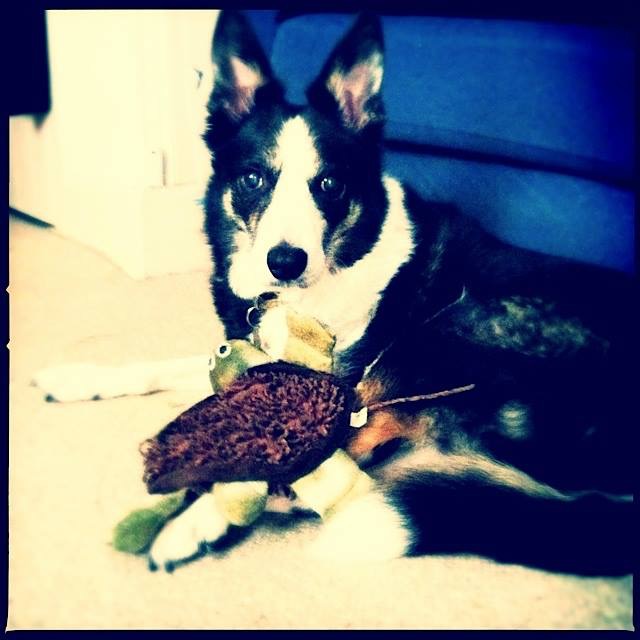
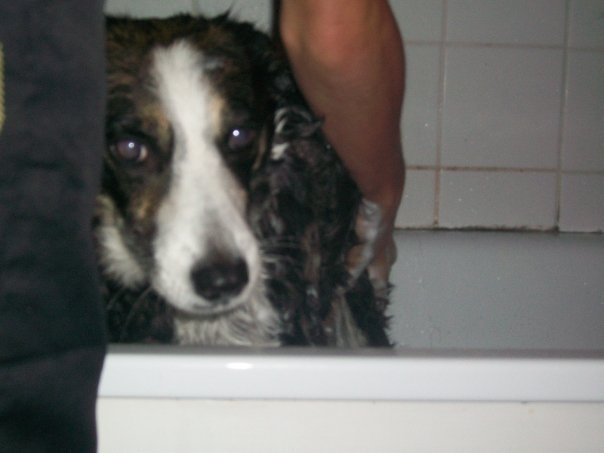
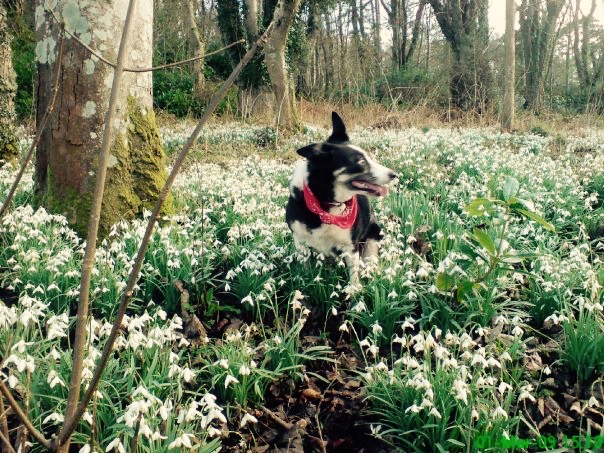

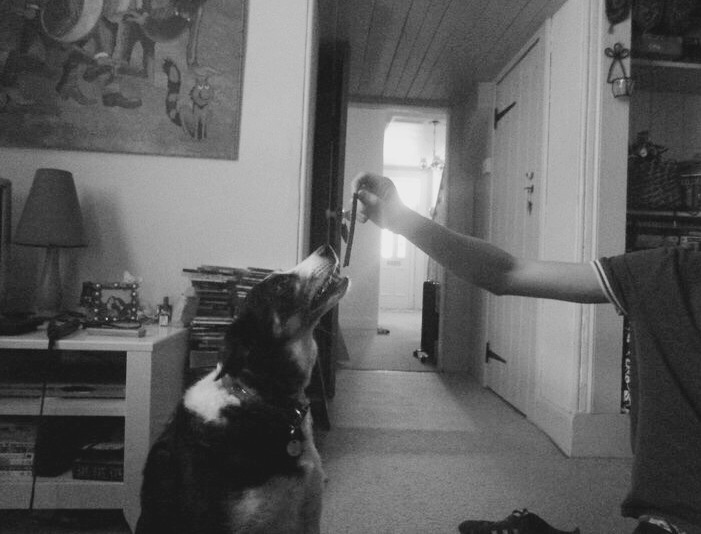

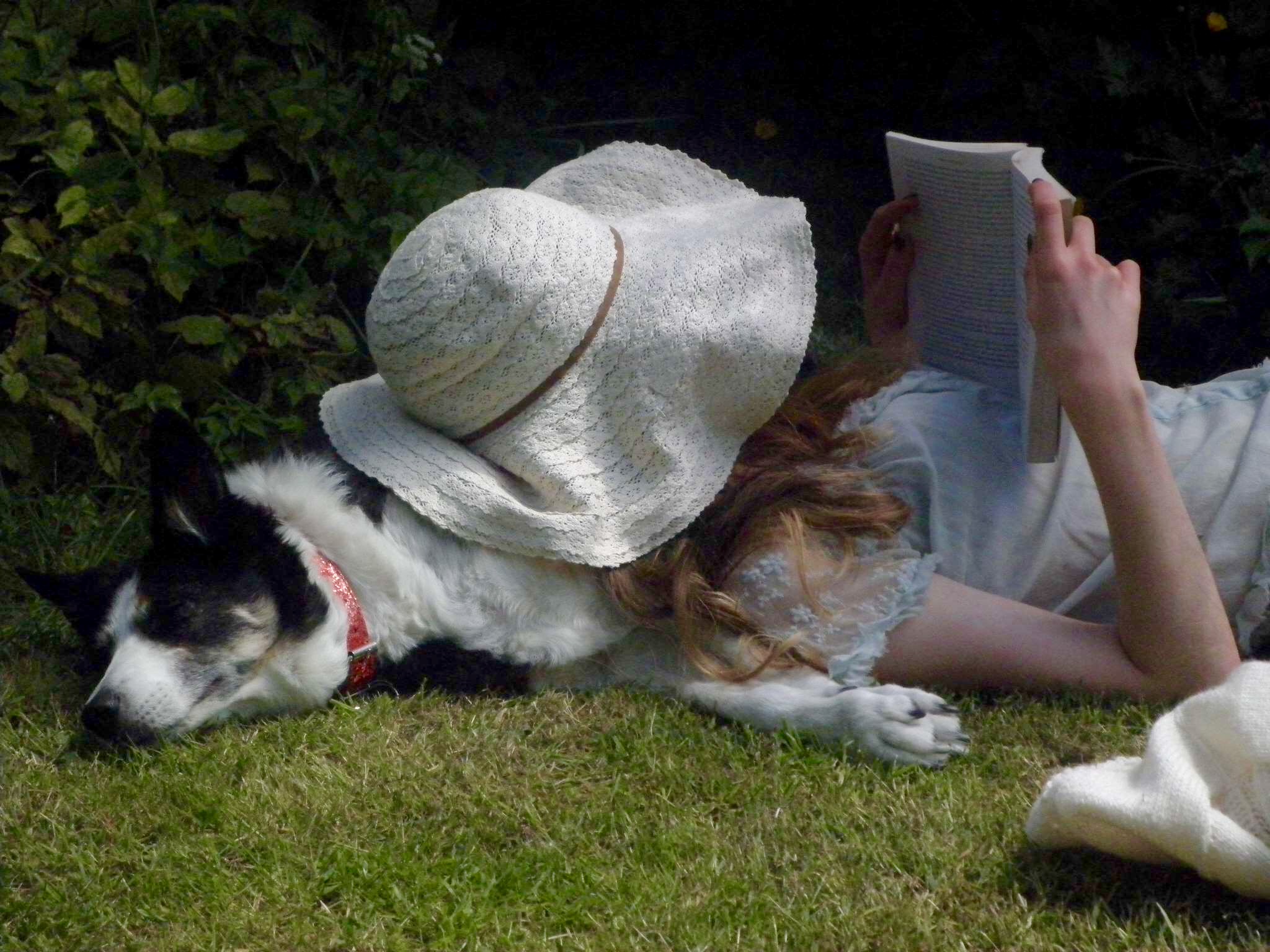
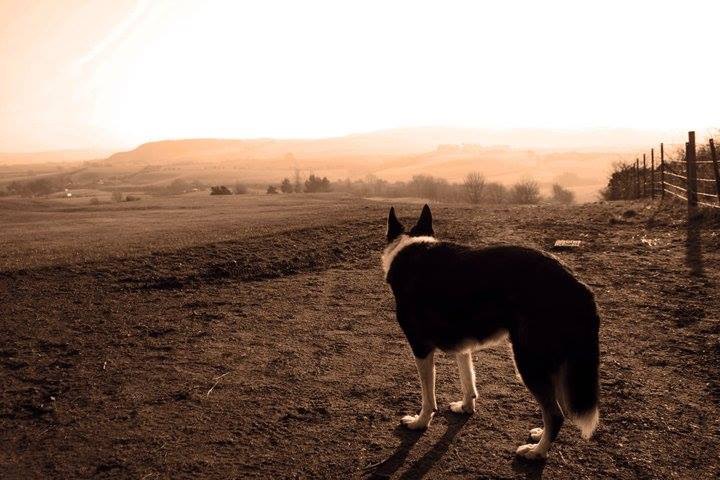
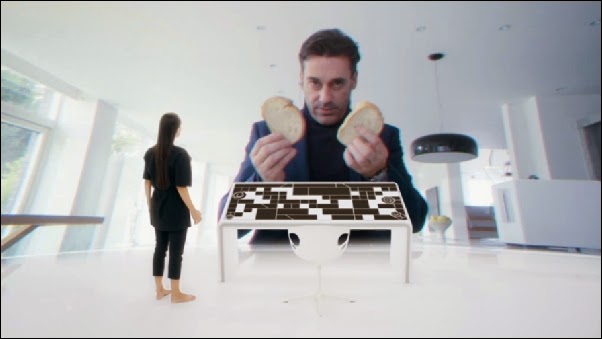
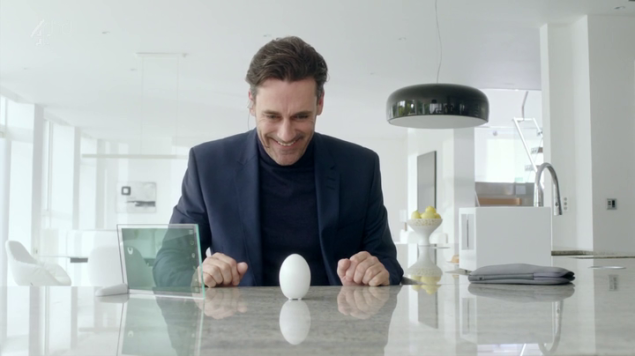

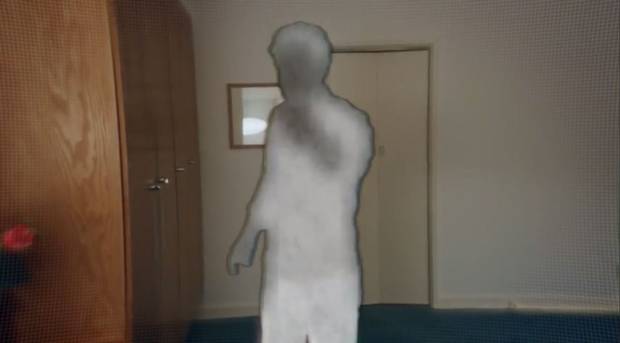
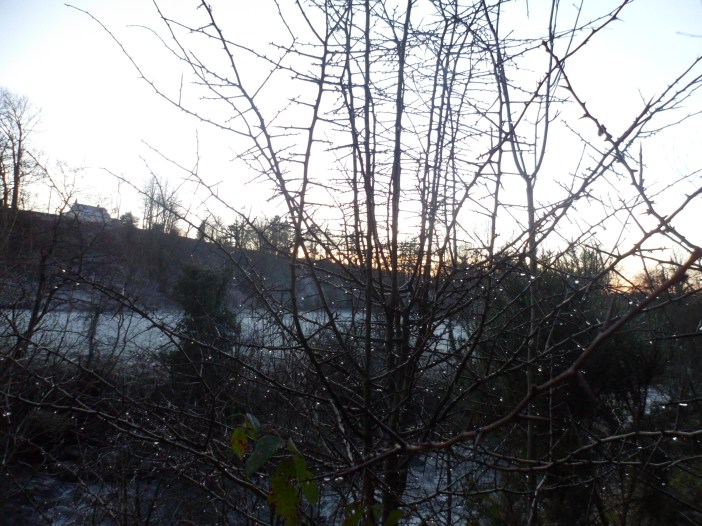
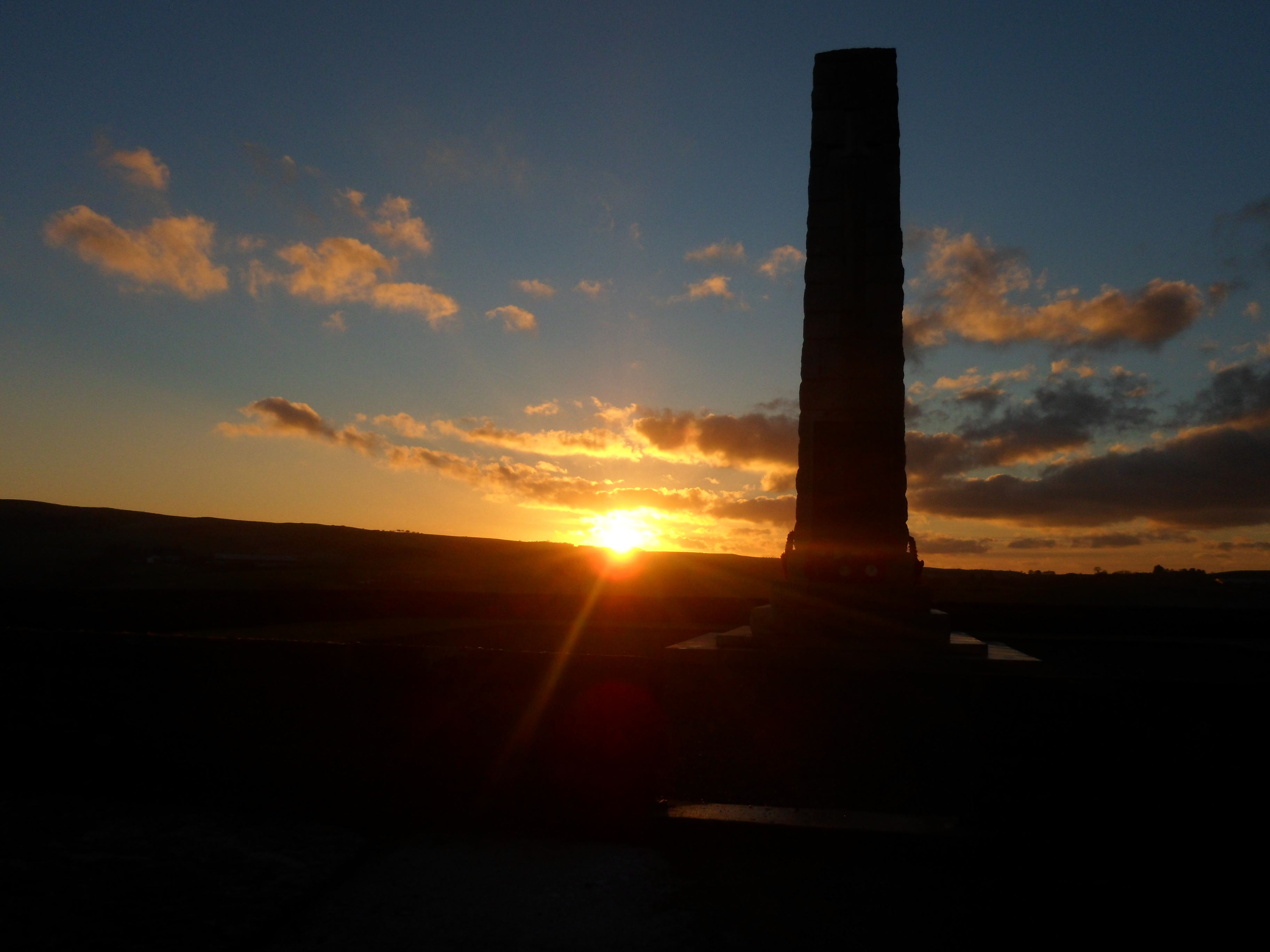
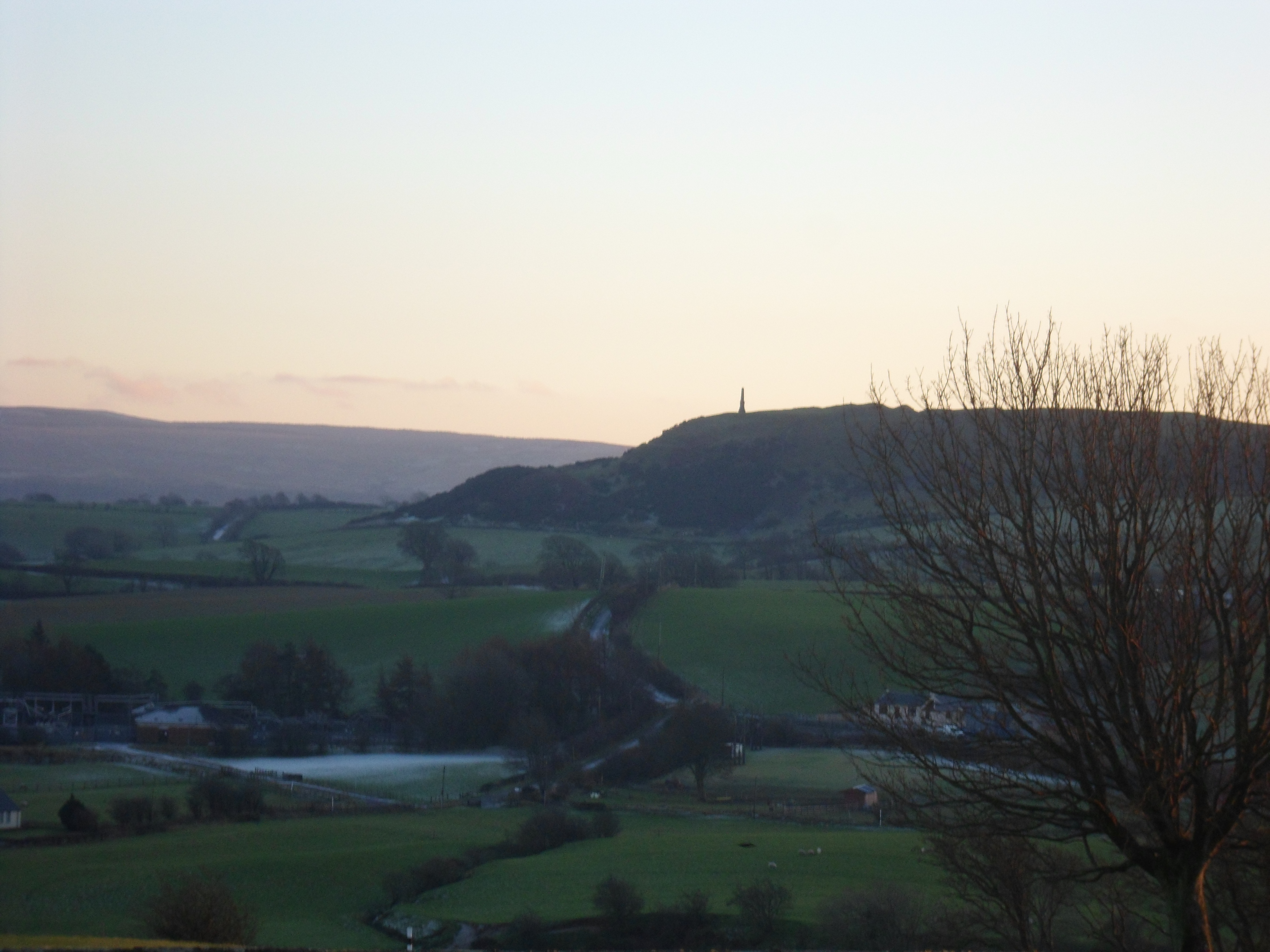
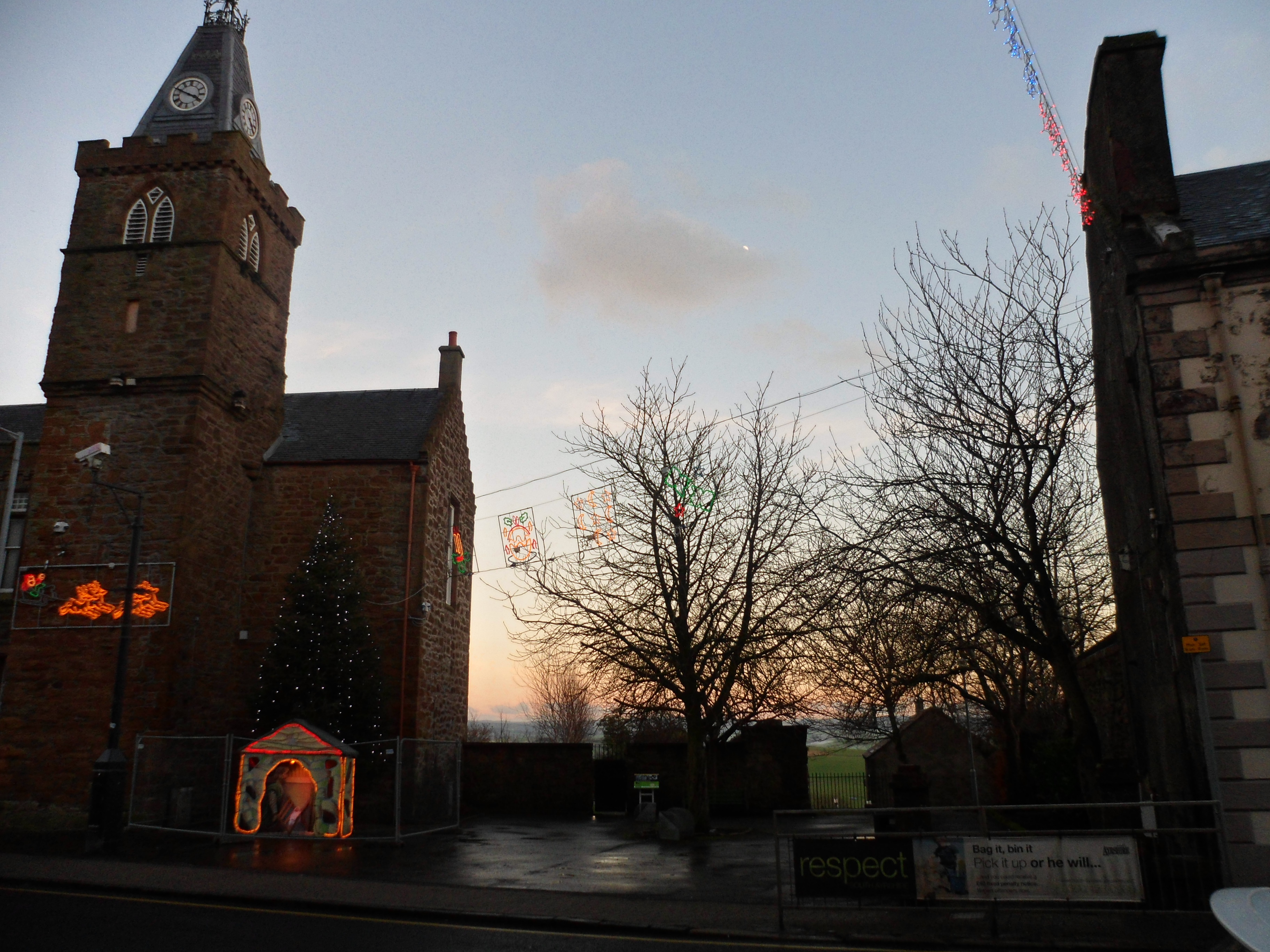


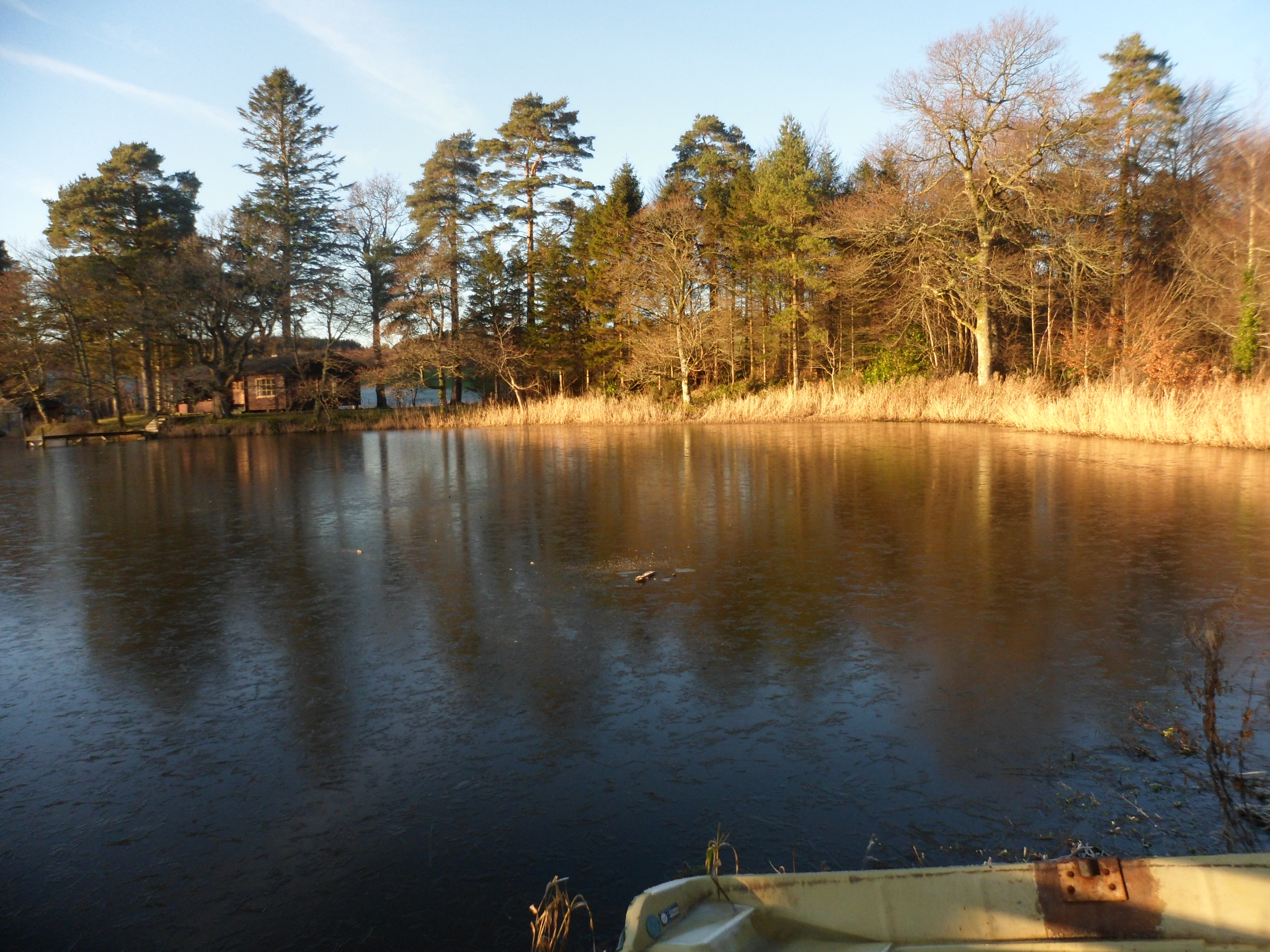
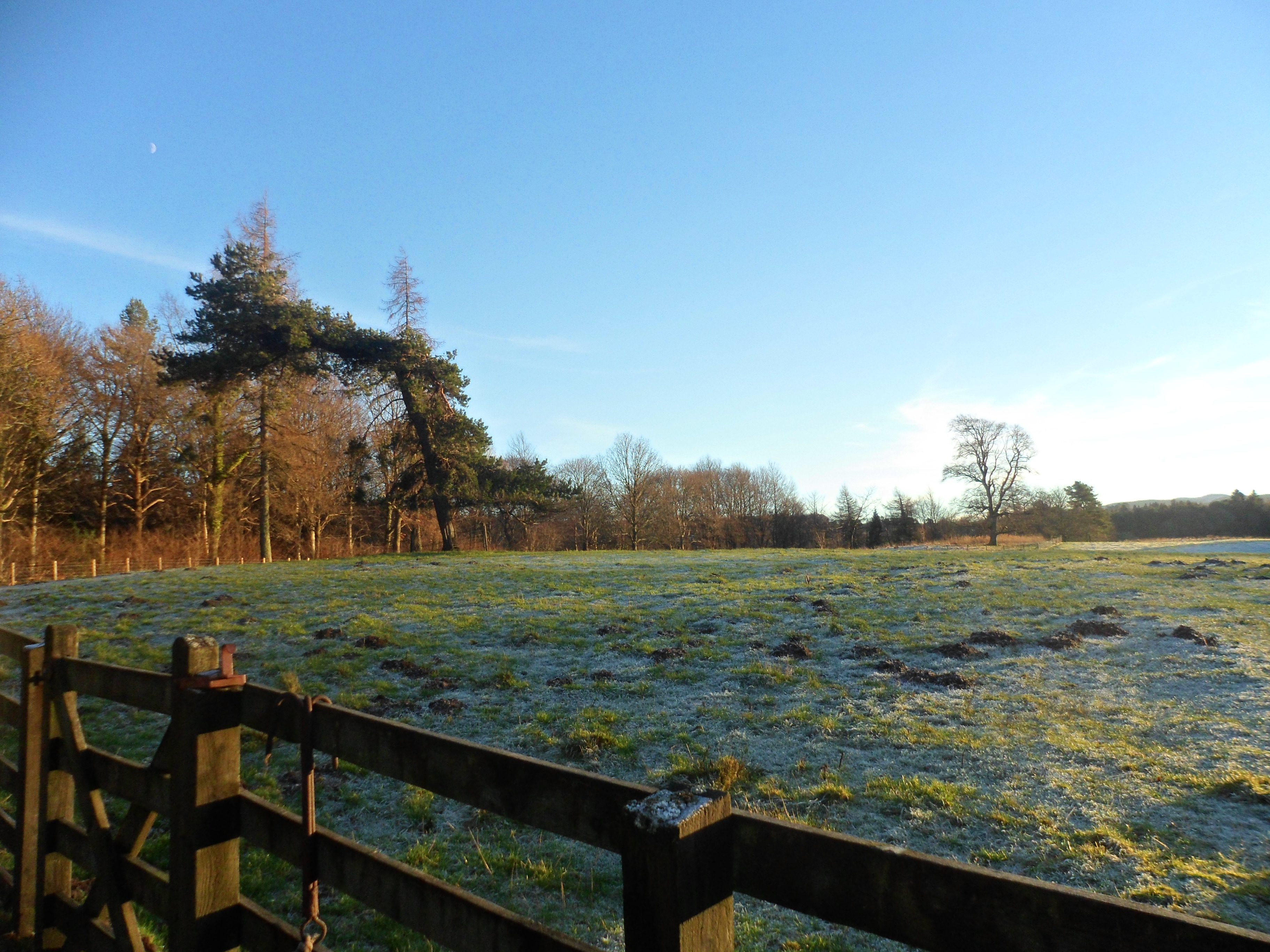
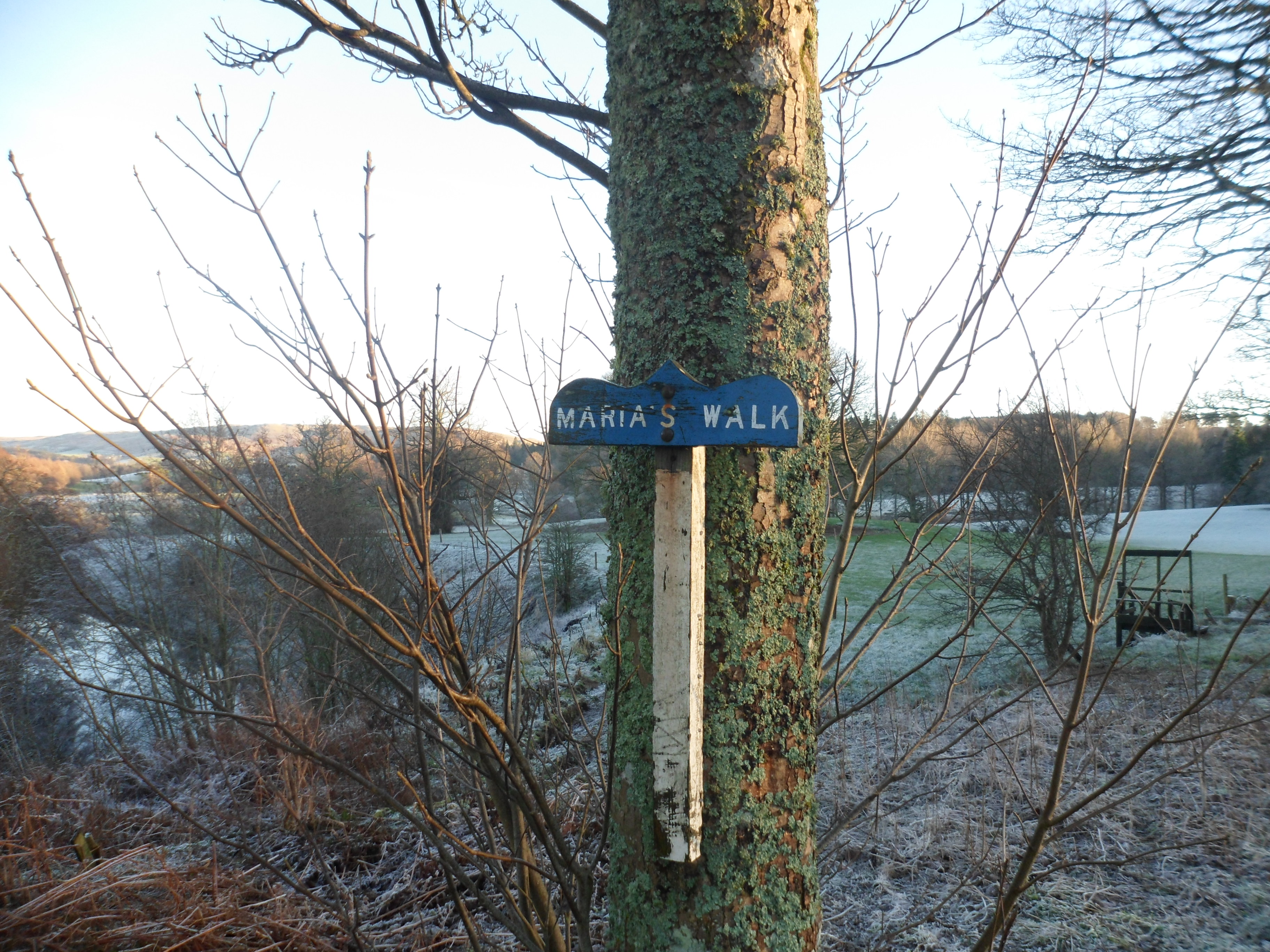
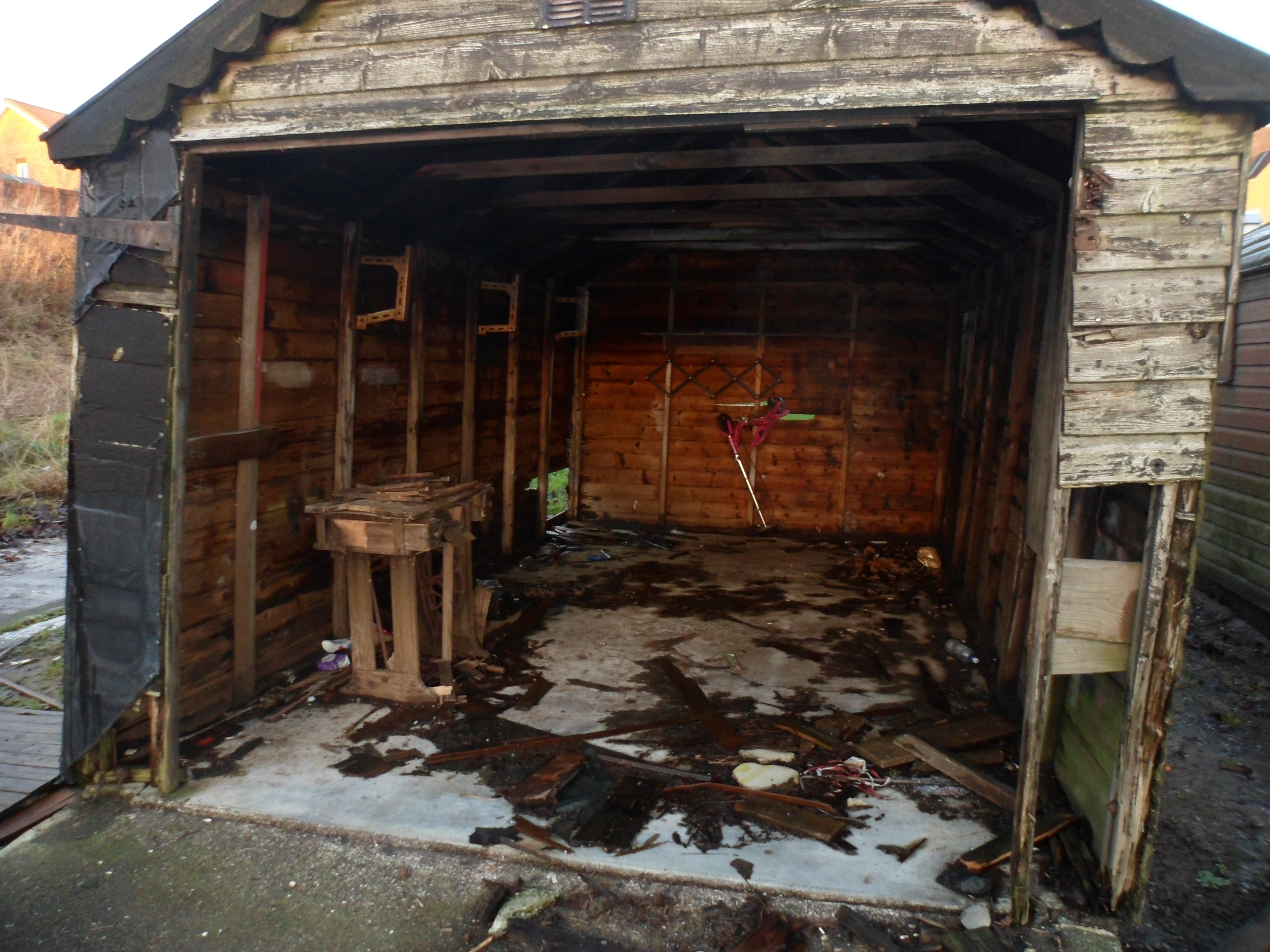
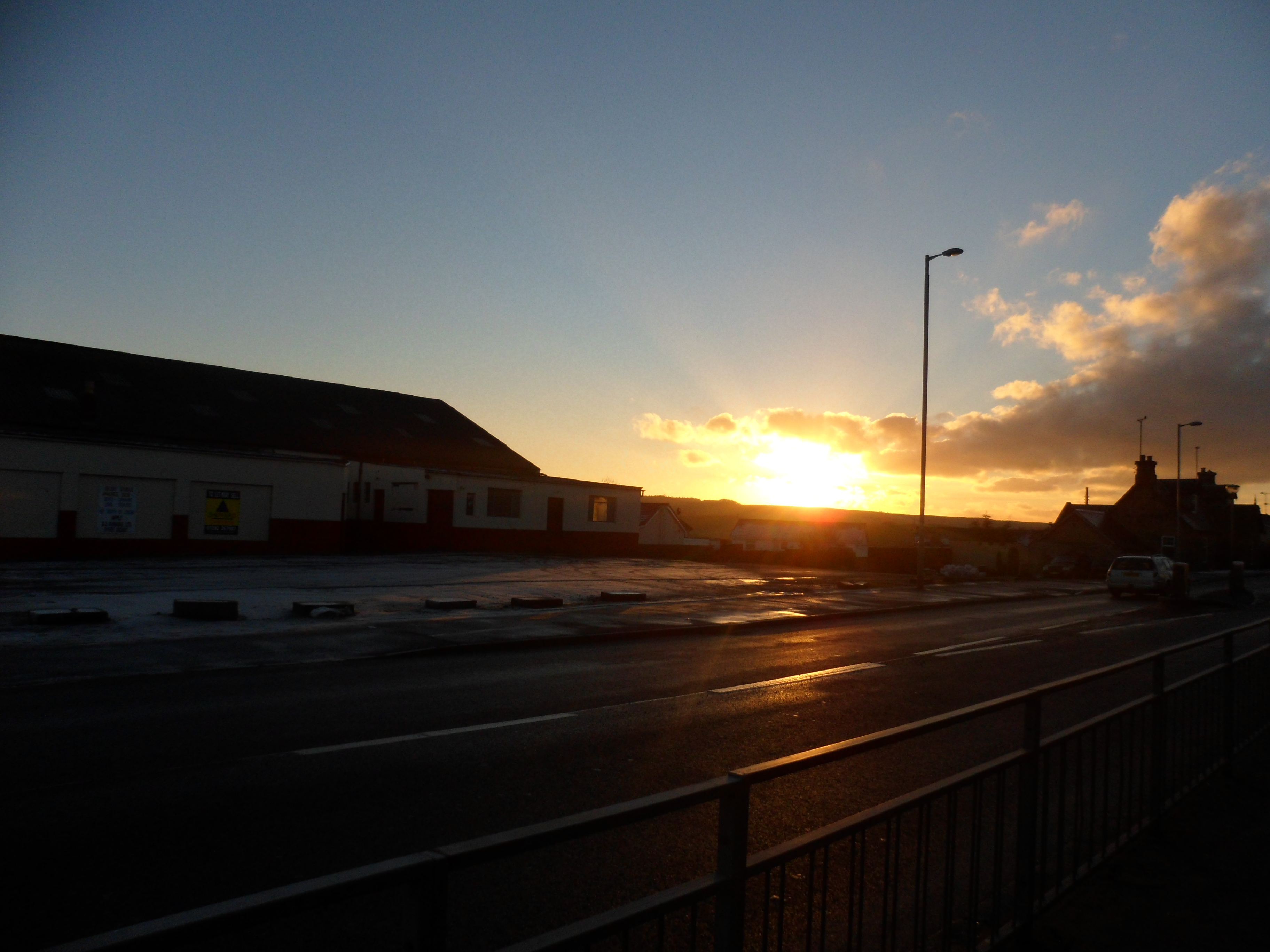
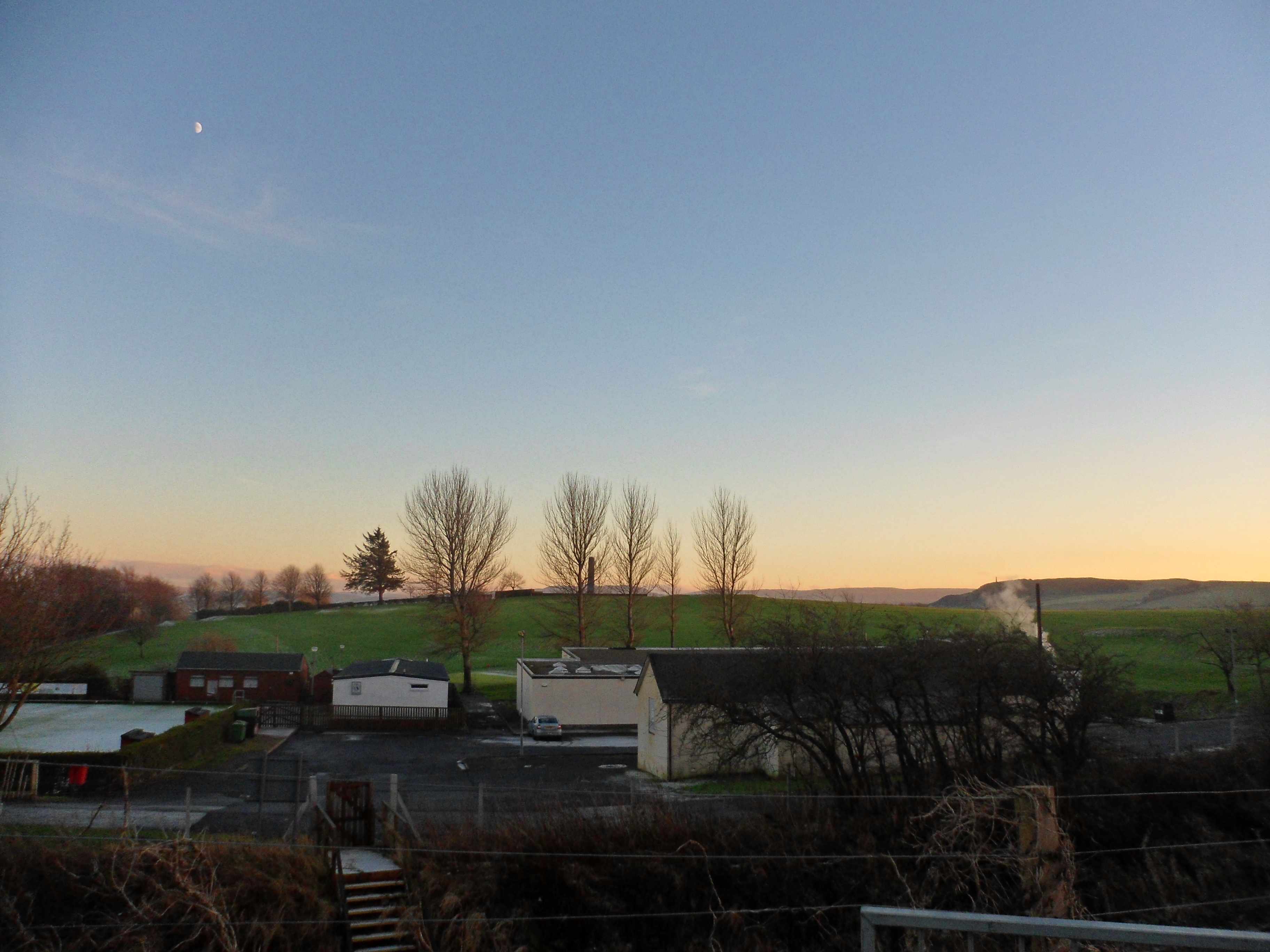
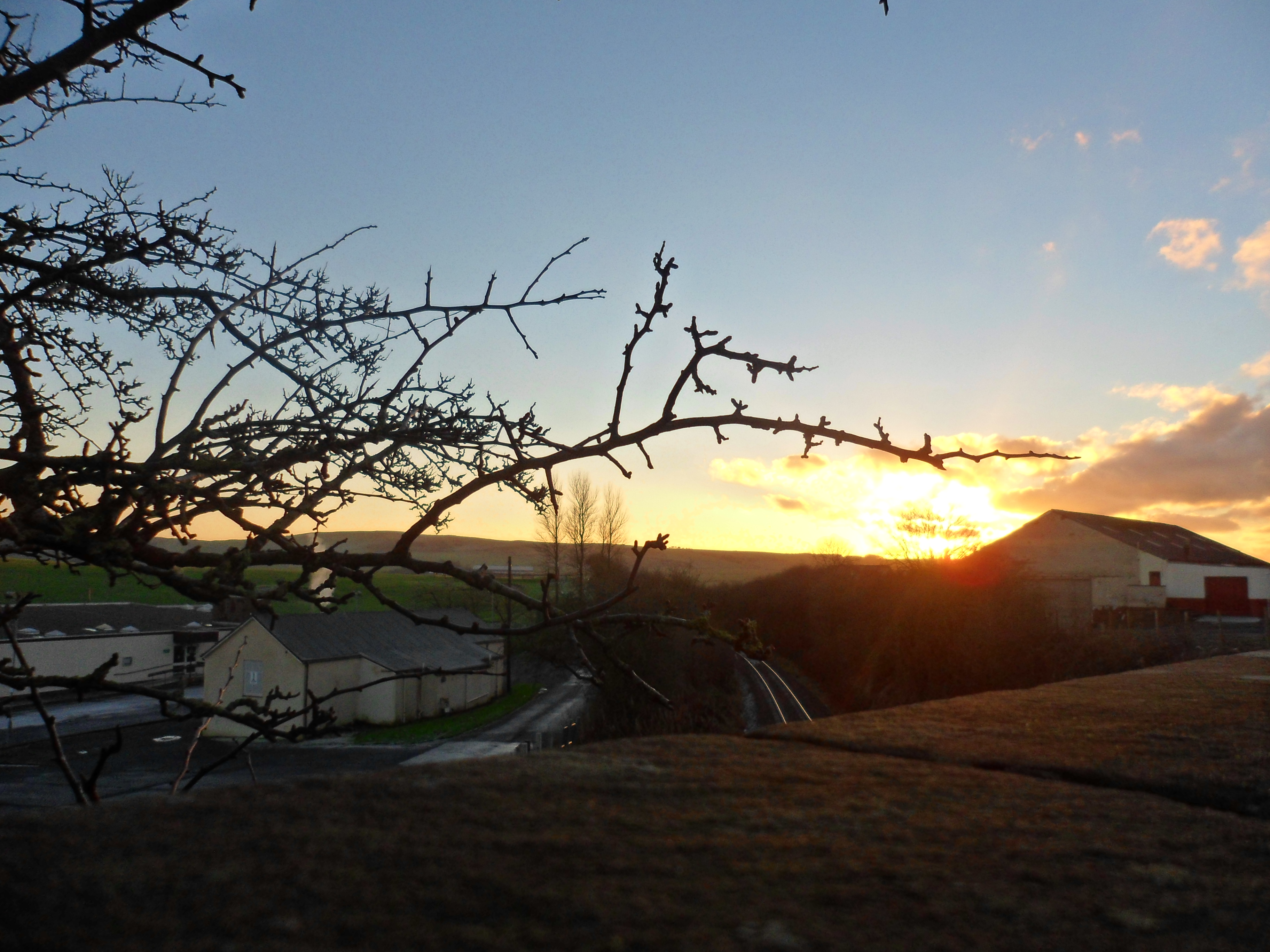
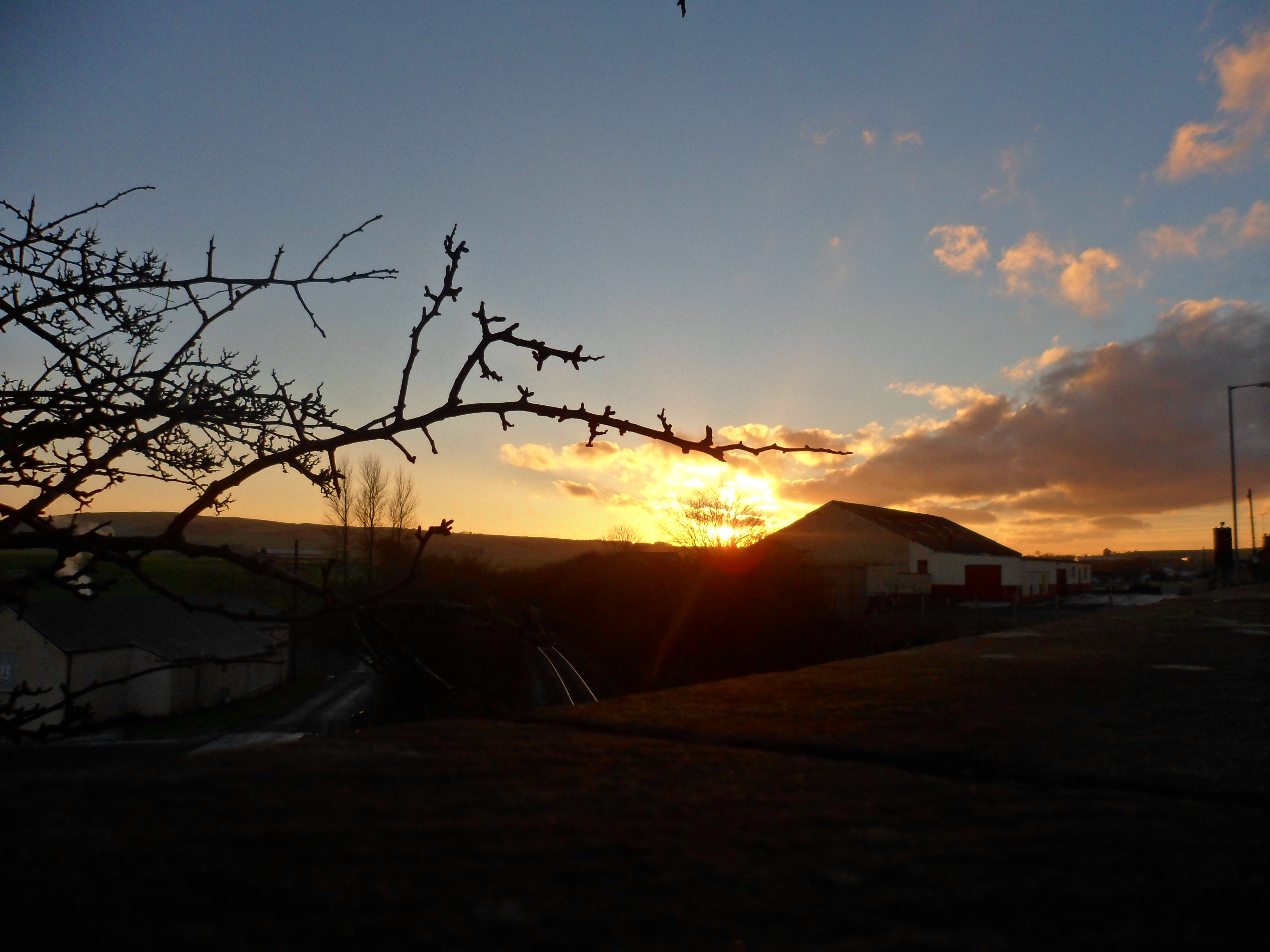
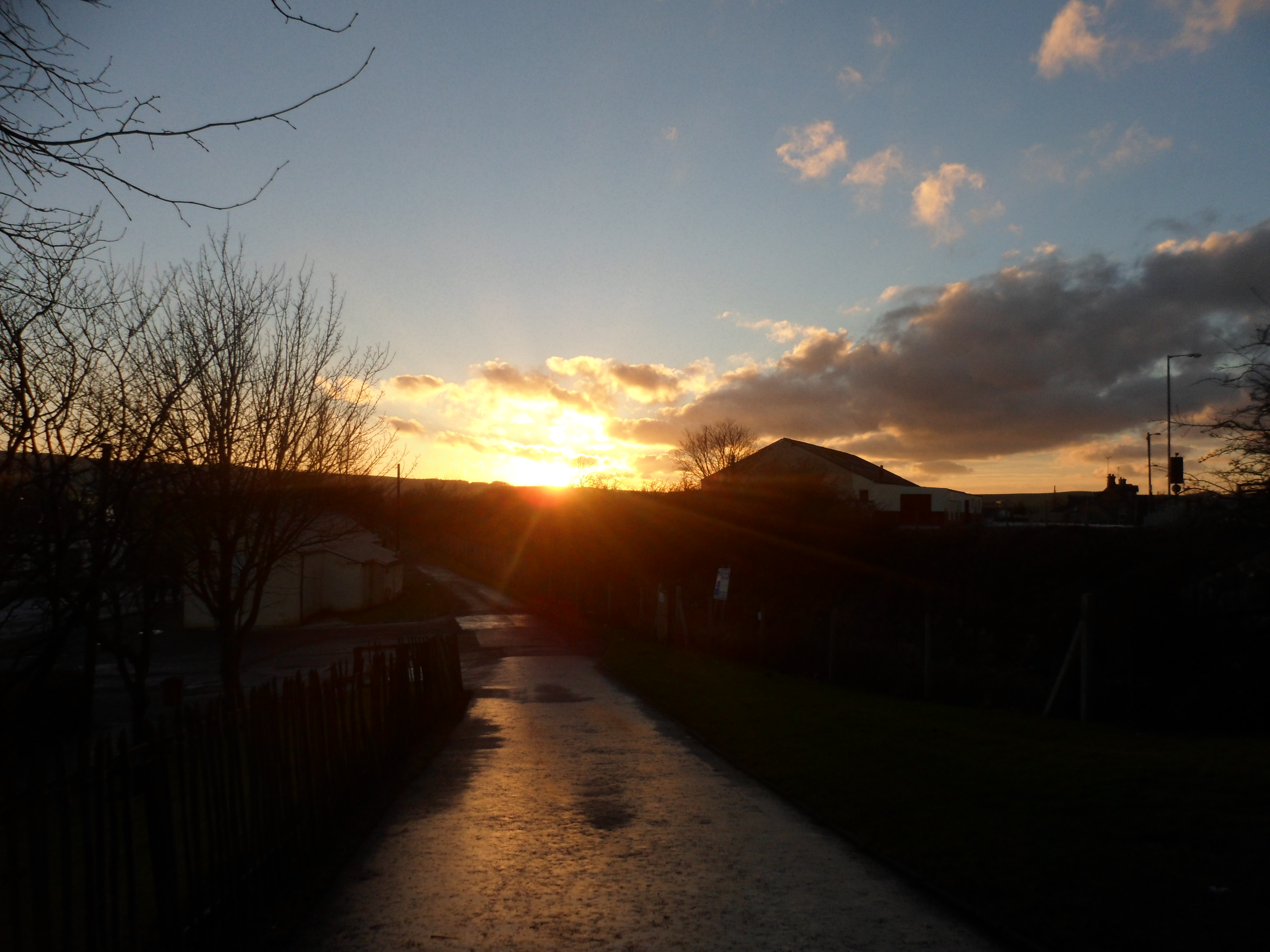
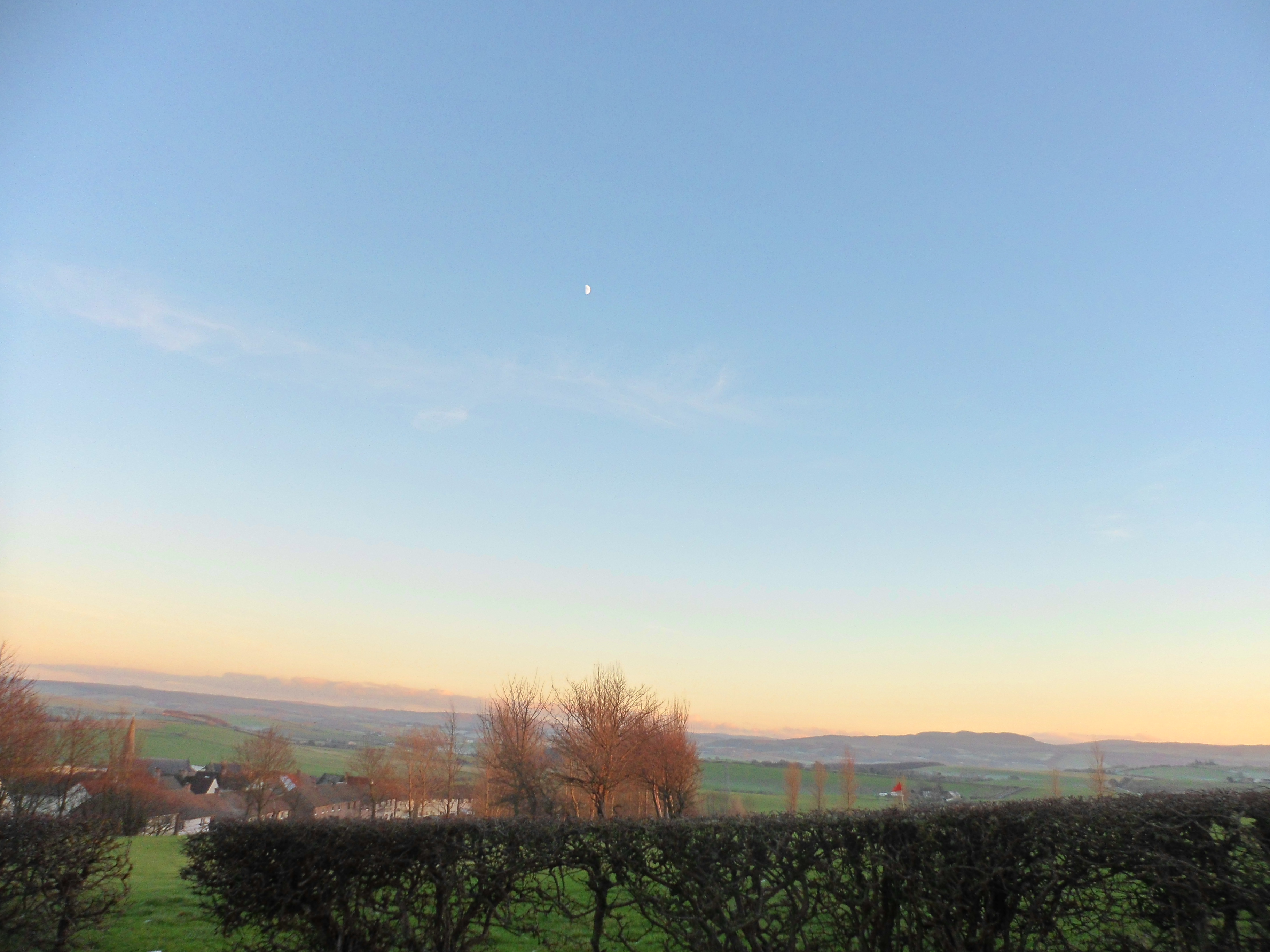
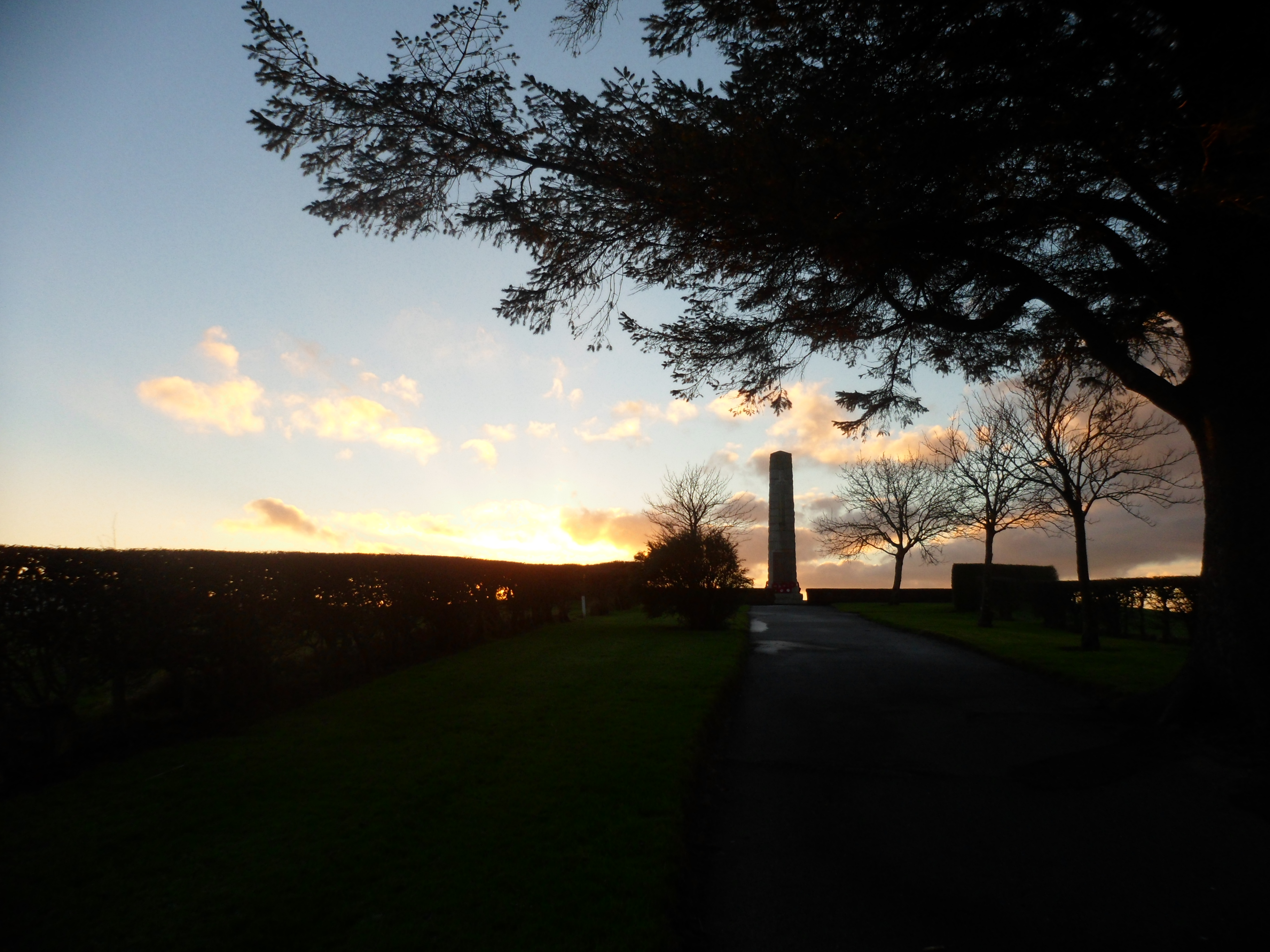
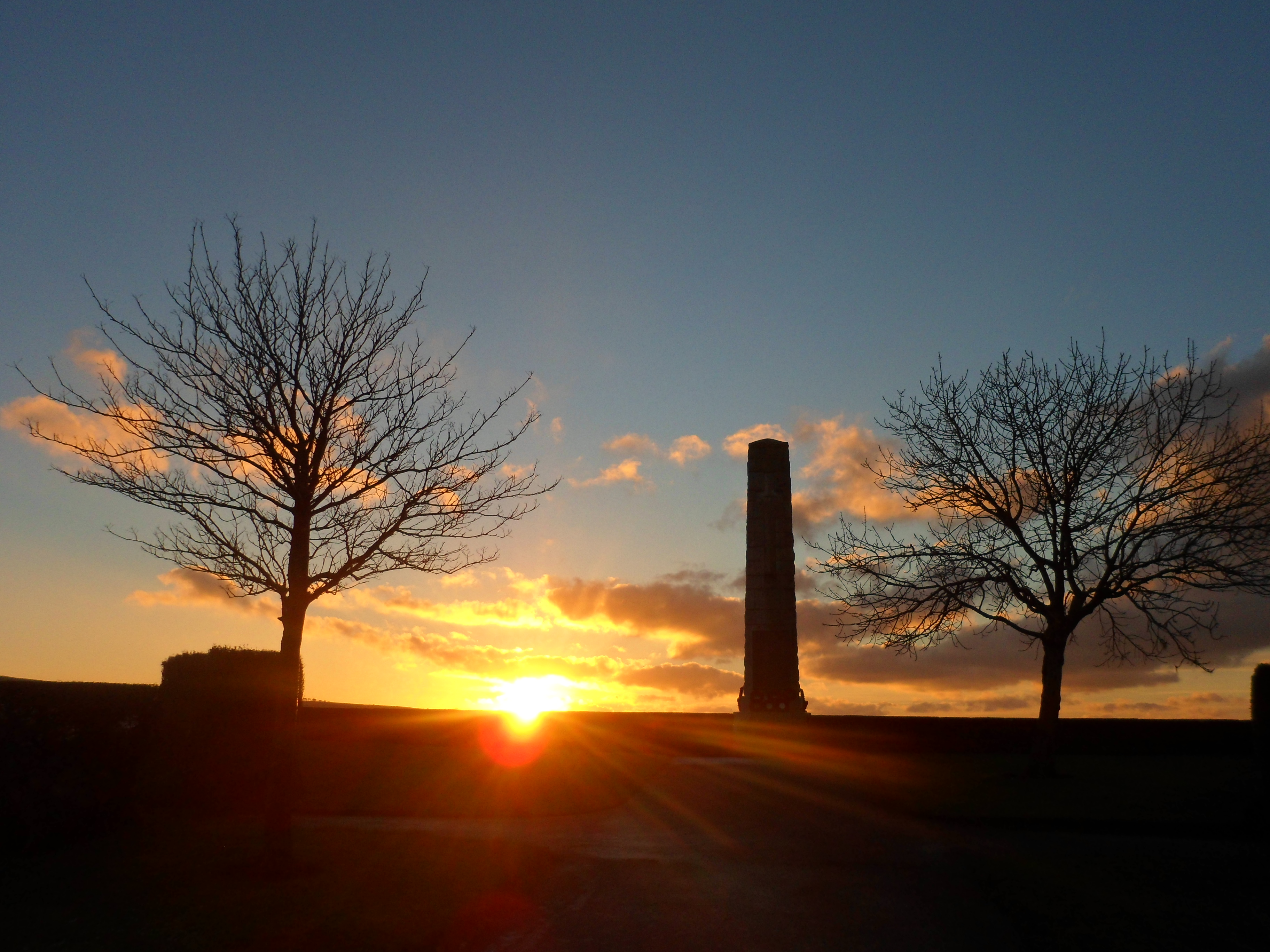
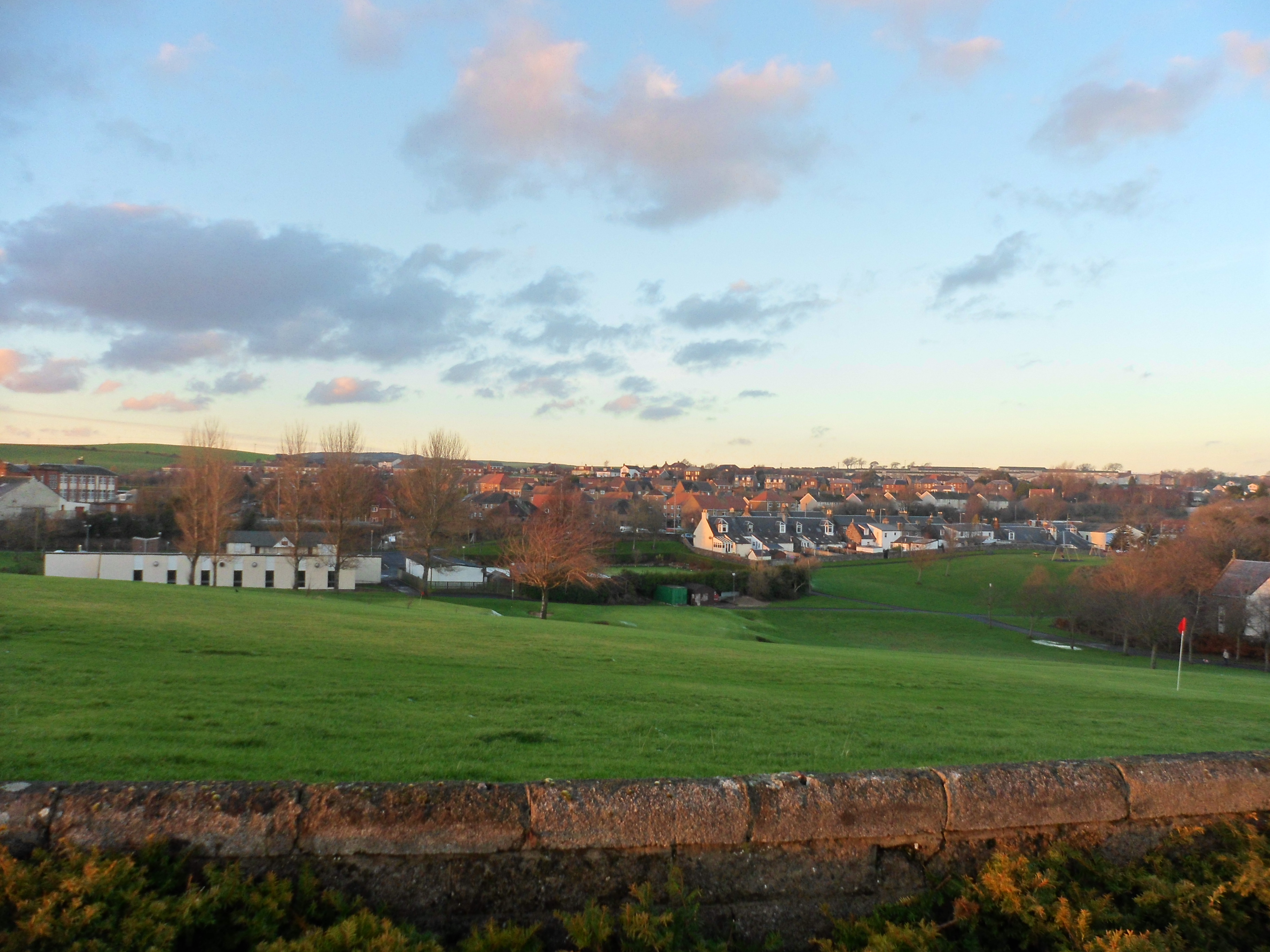
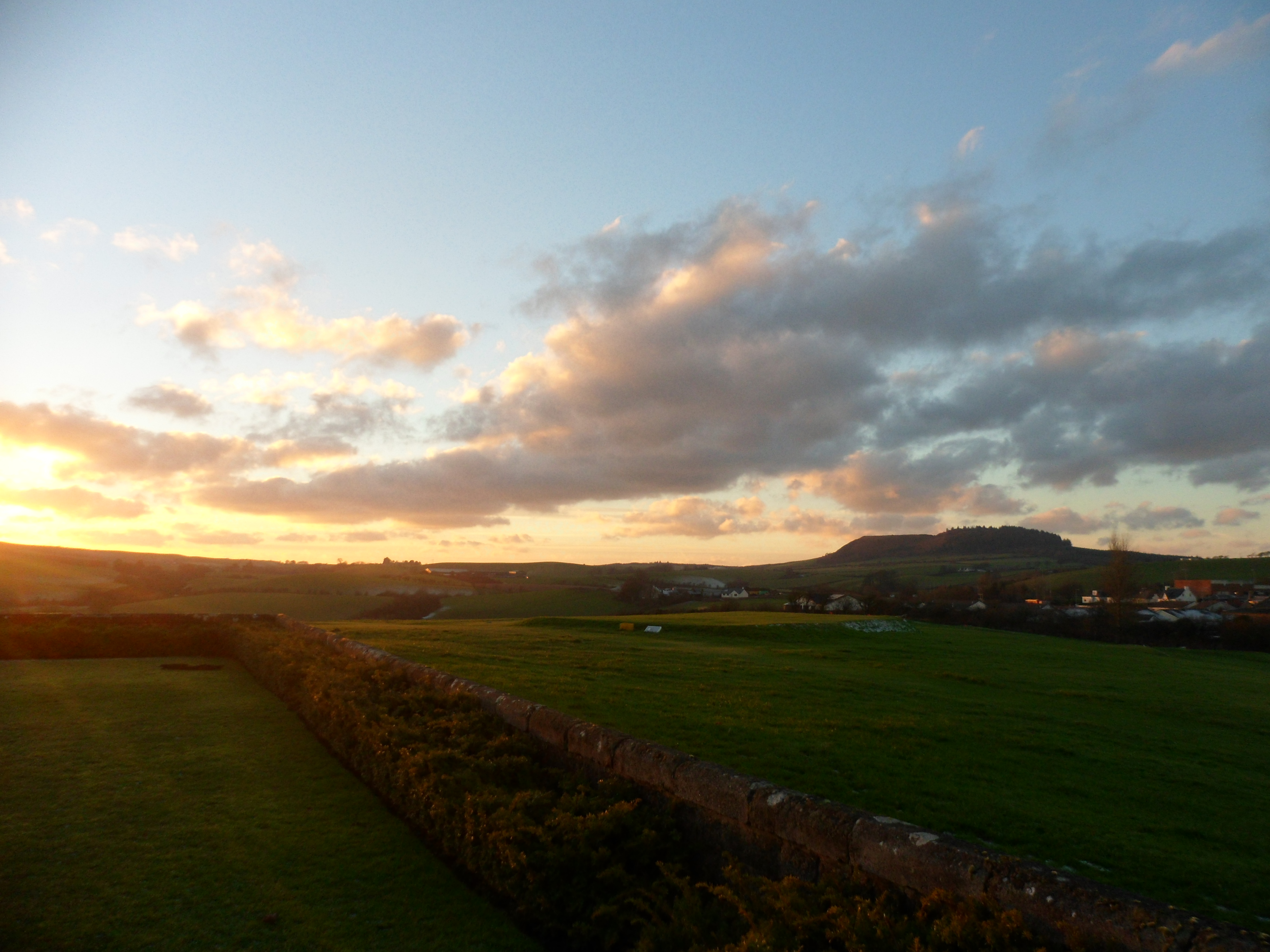

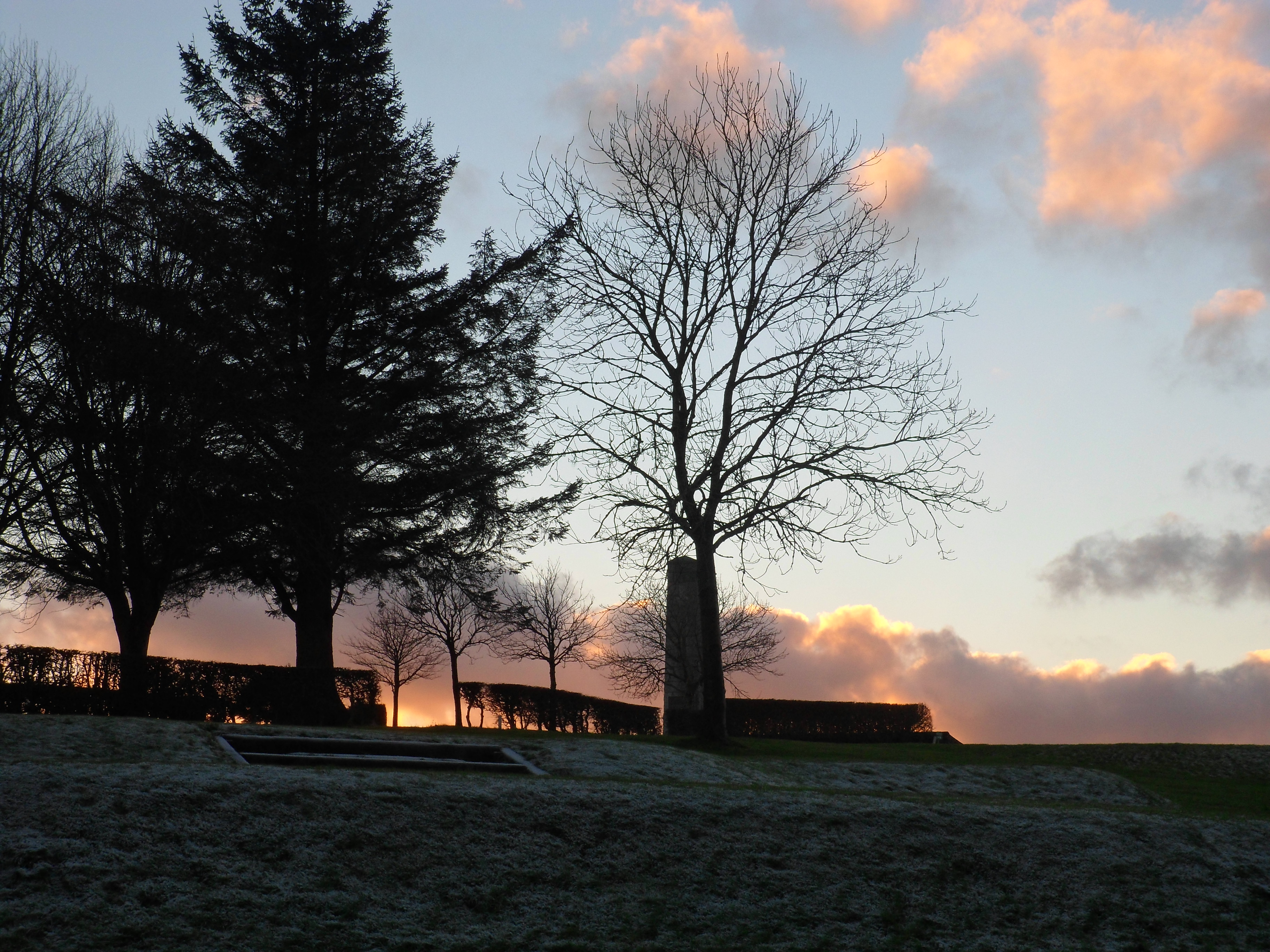

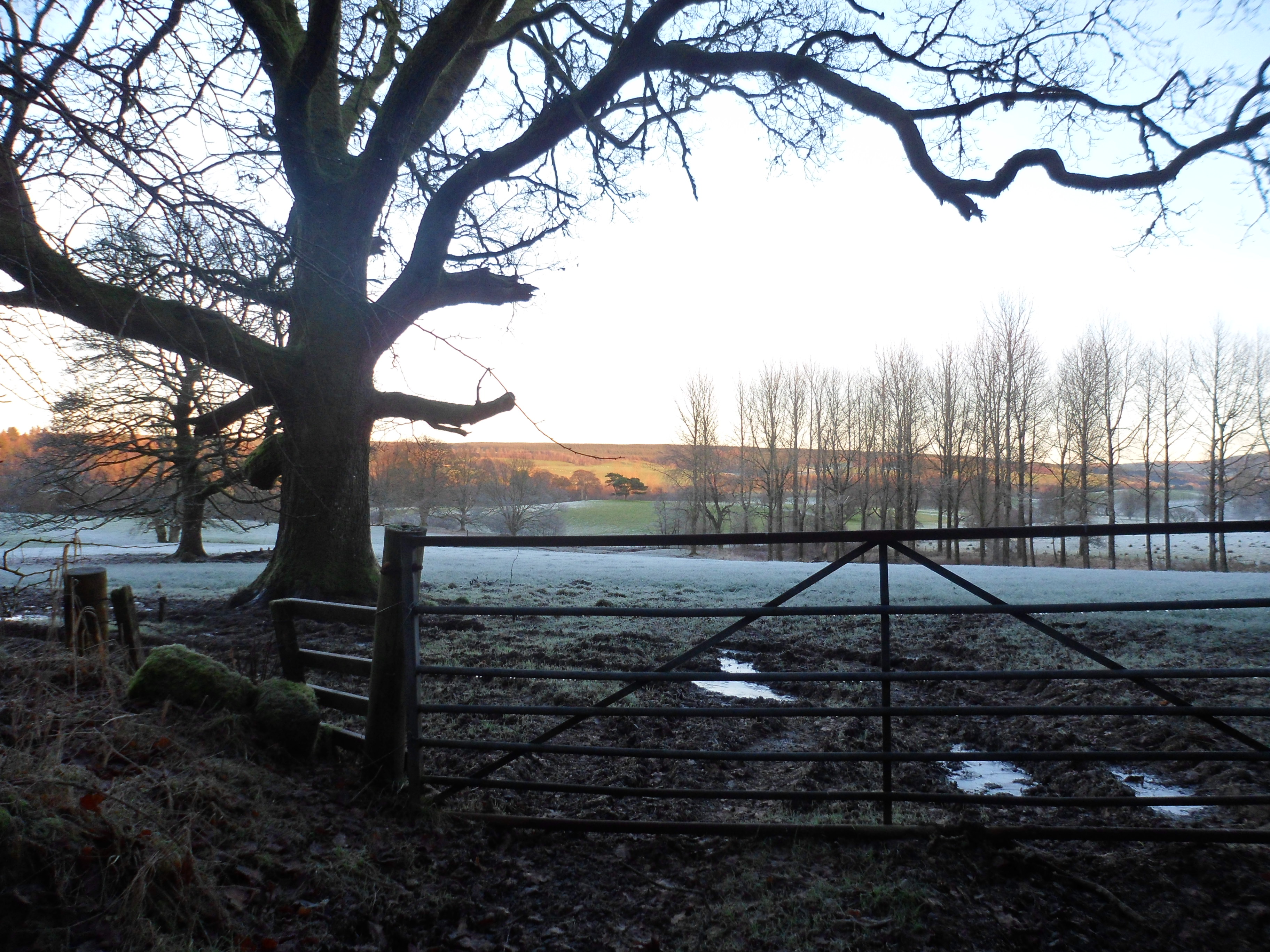
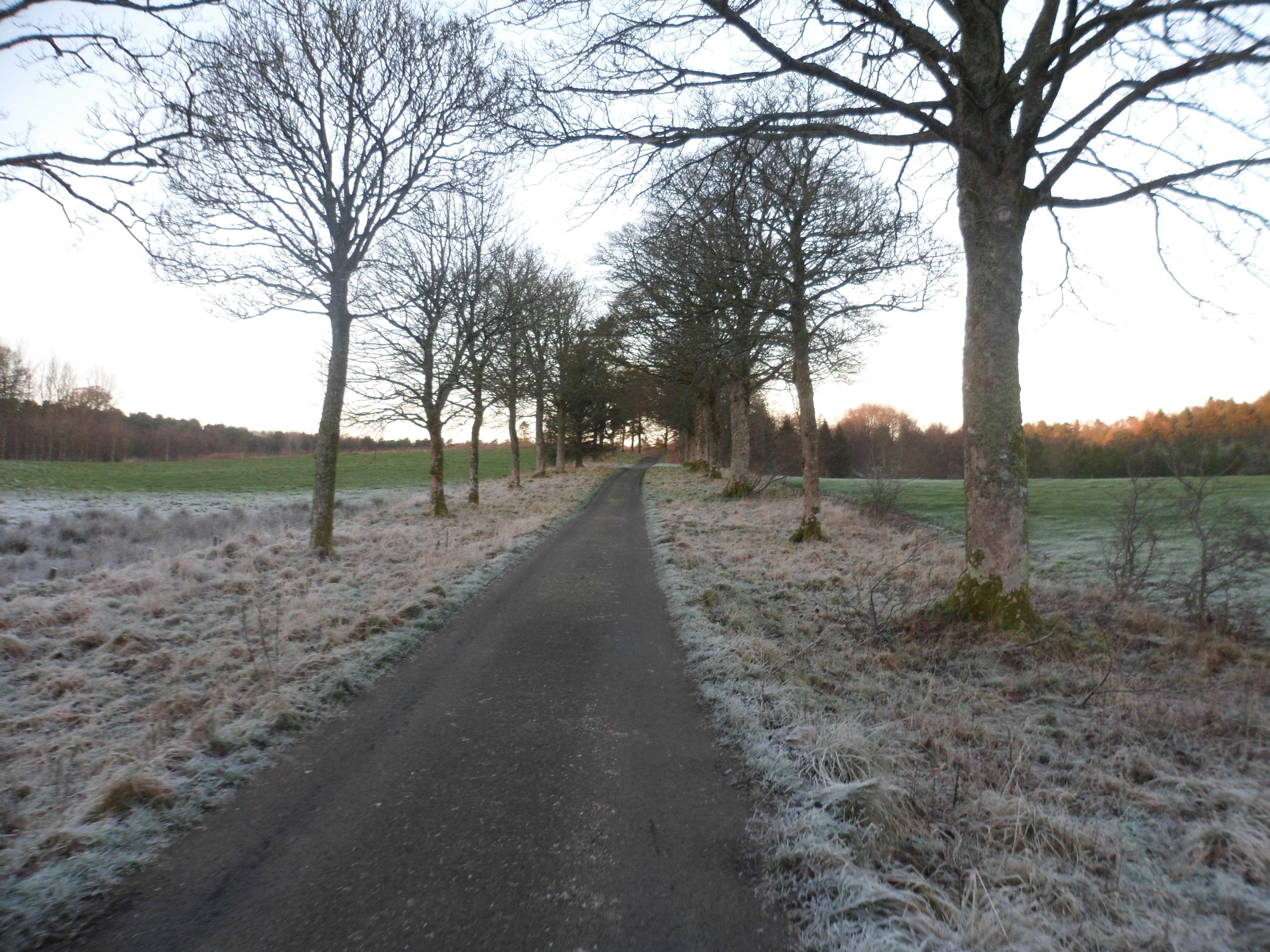
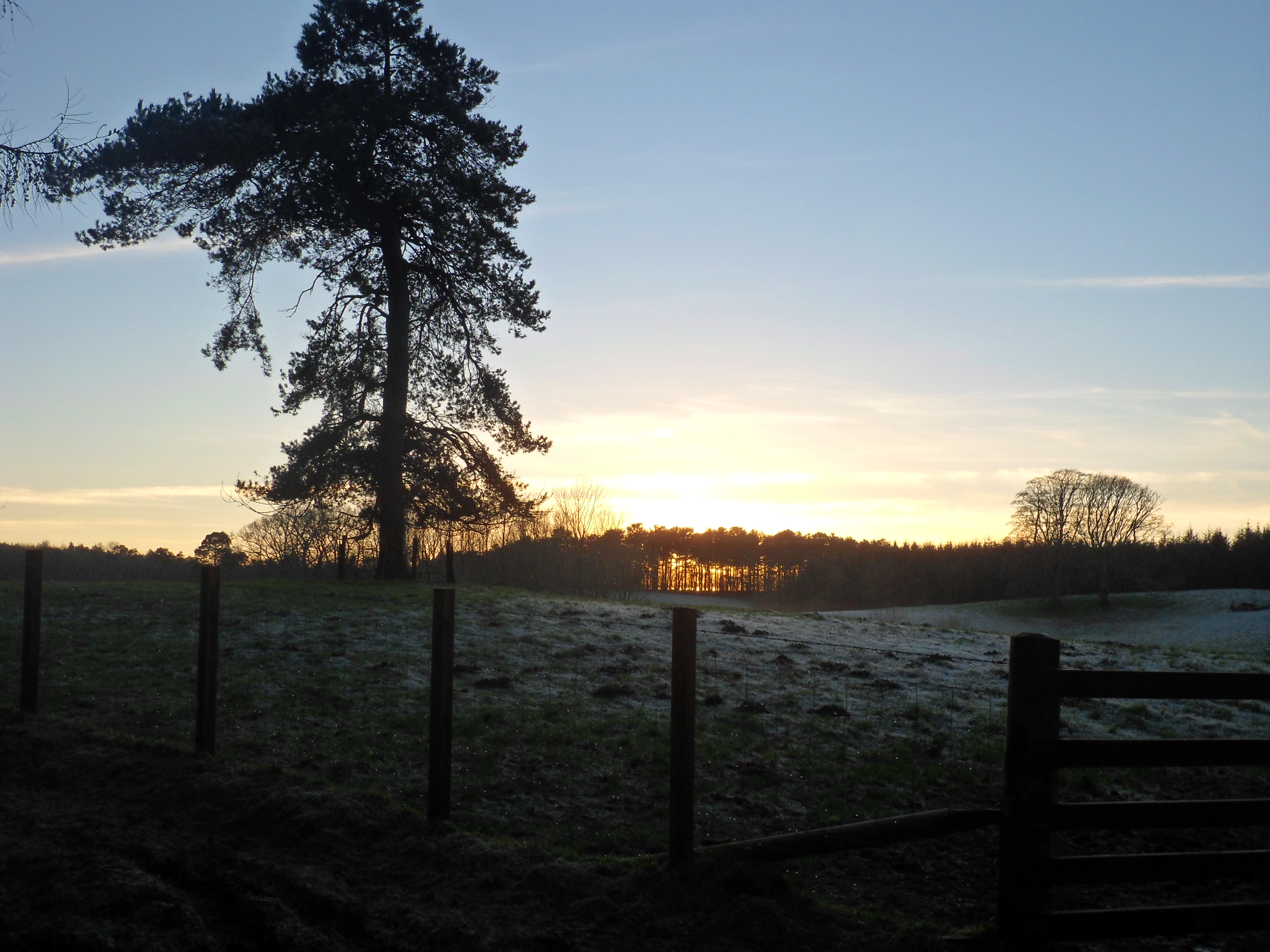
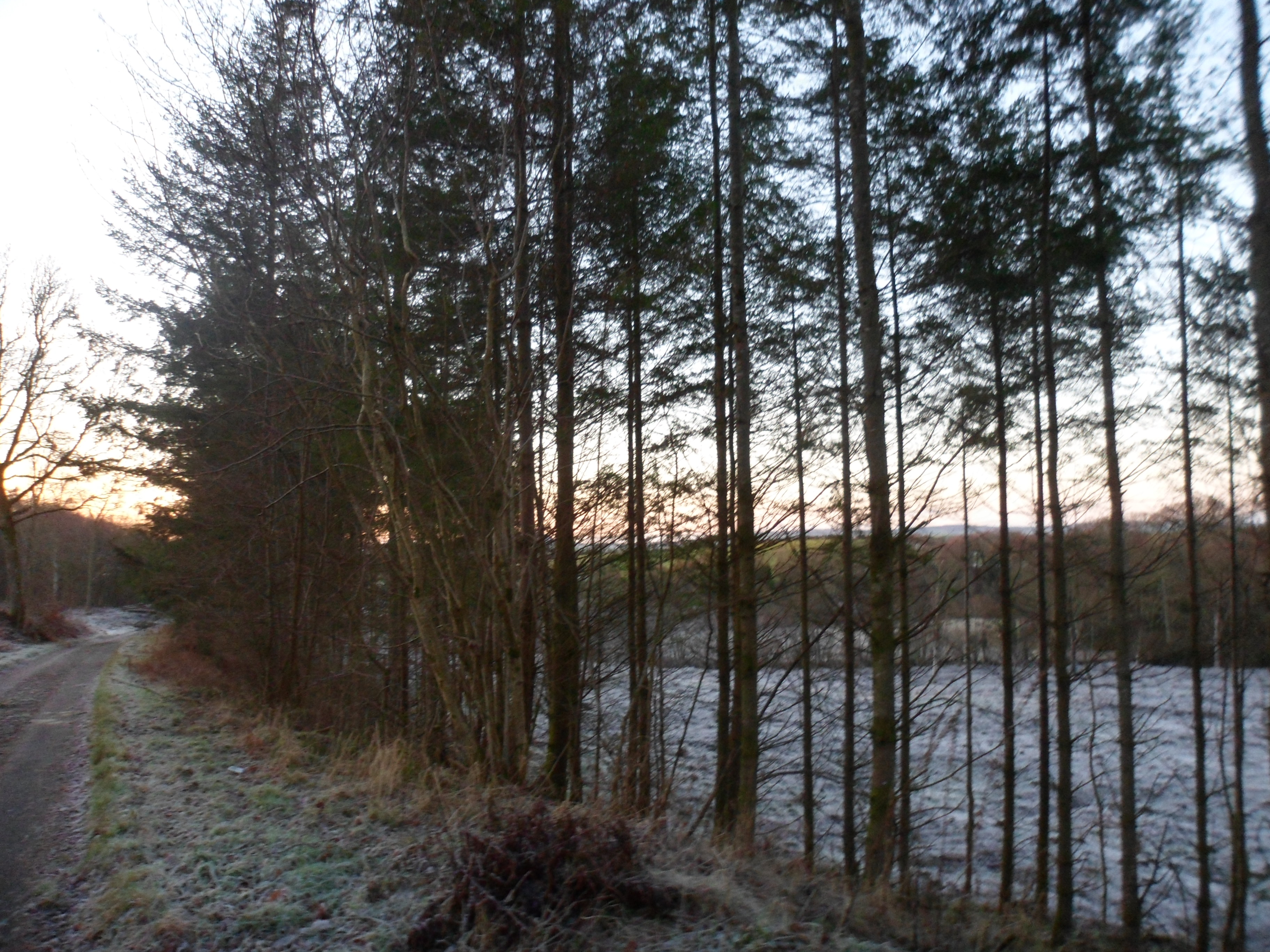
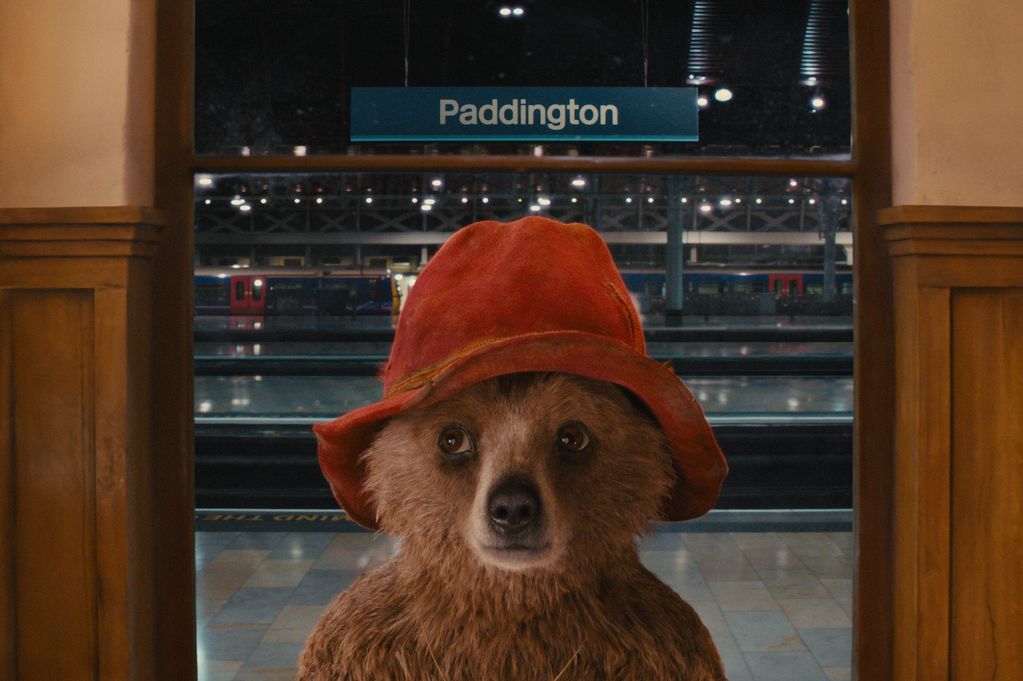

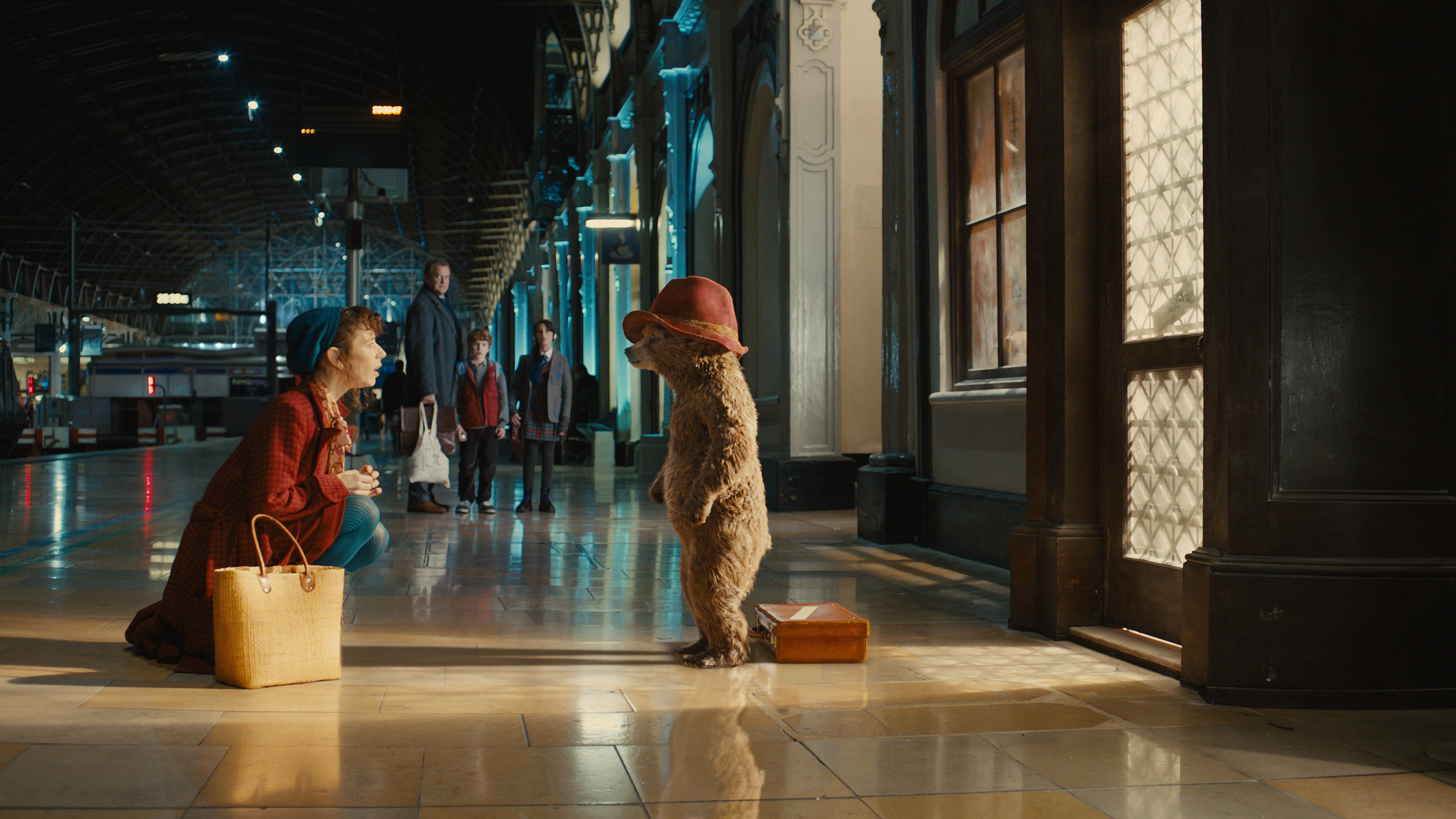


 mariaology