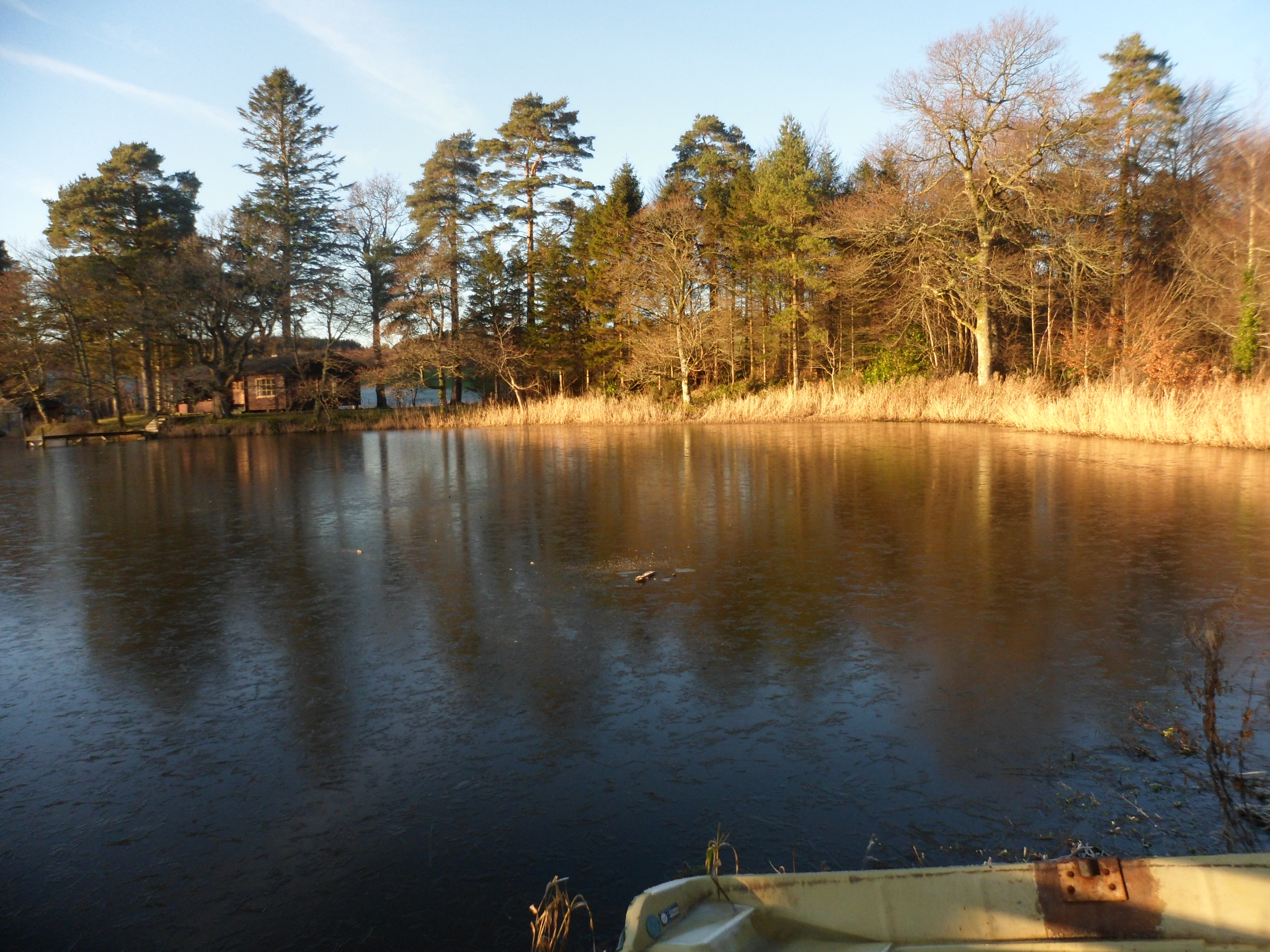
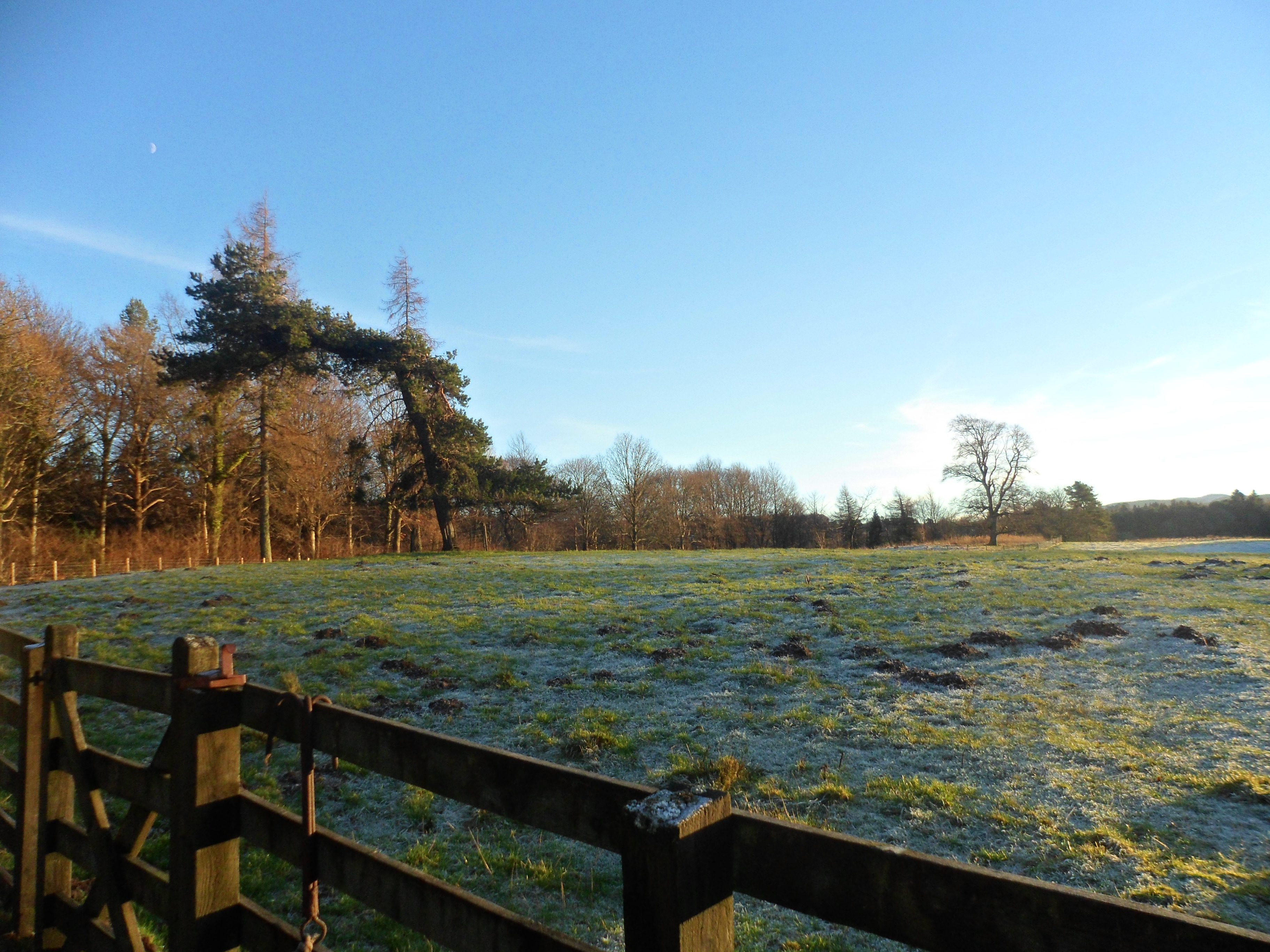
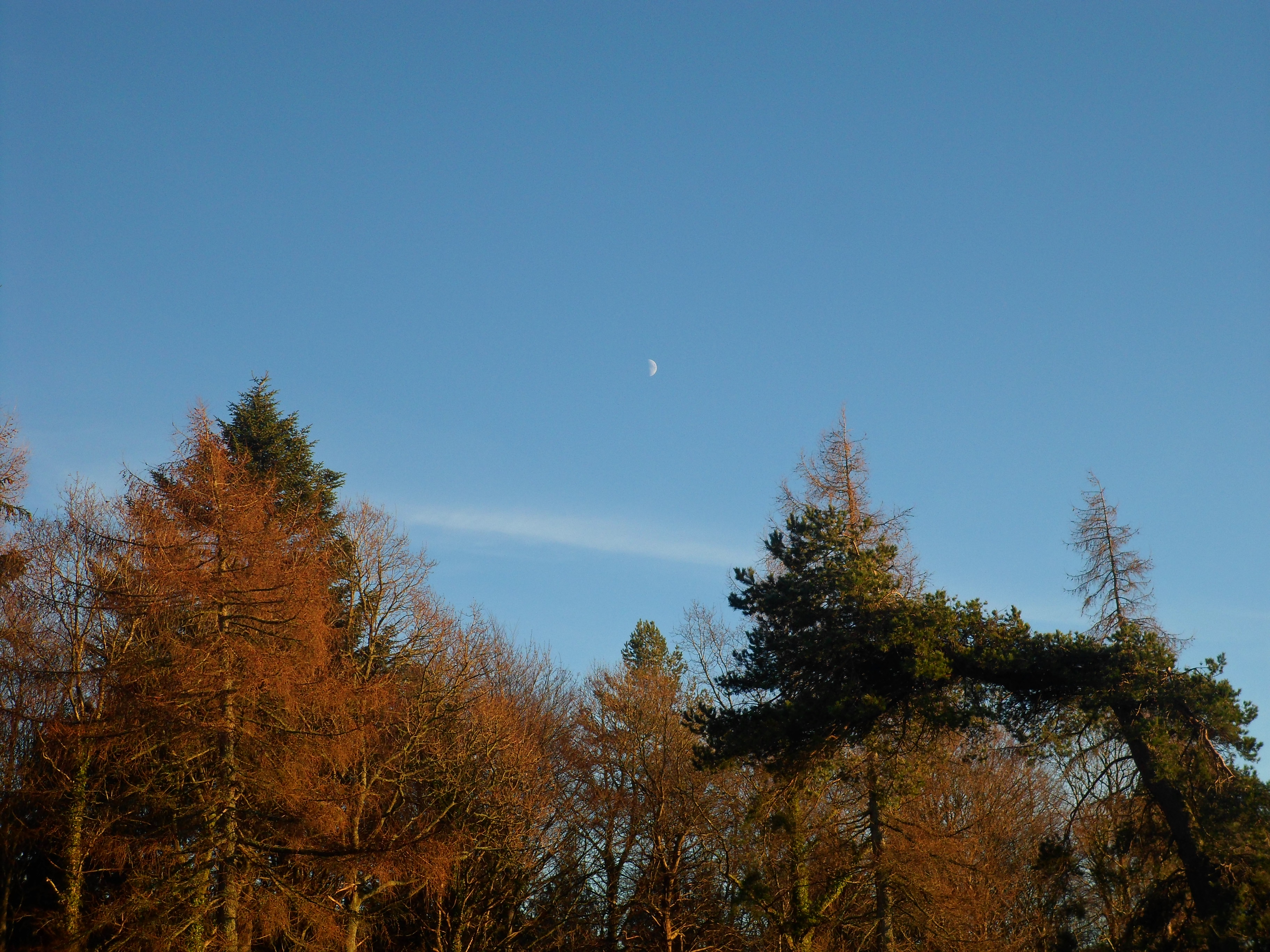
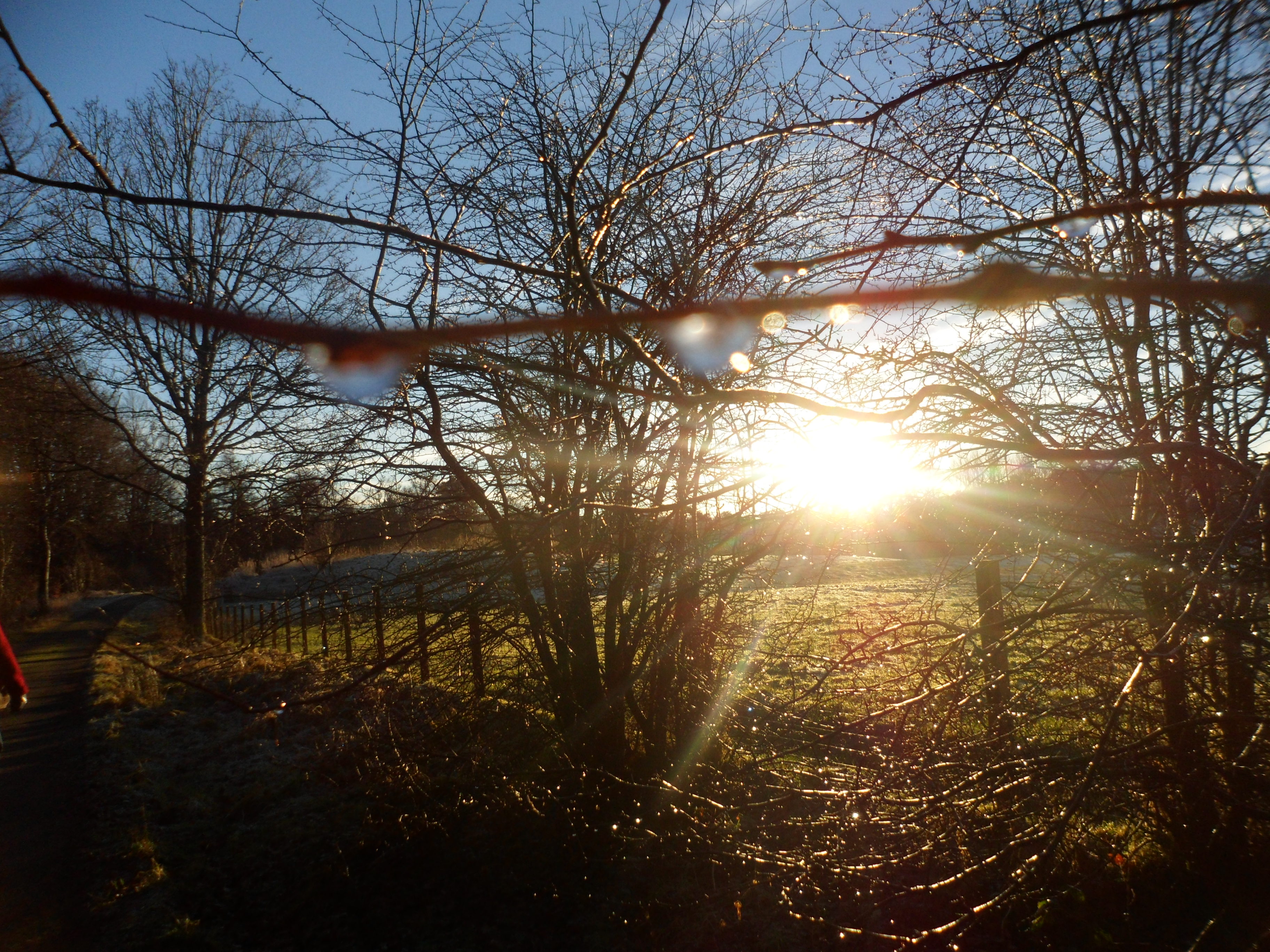
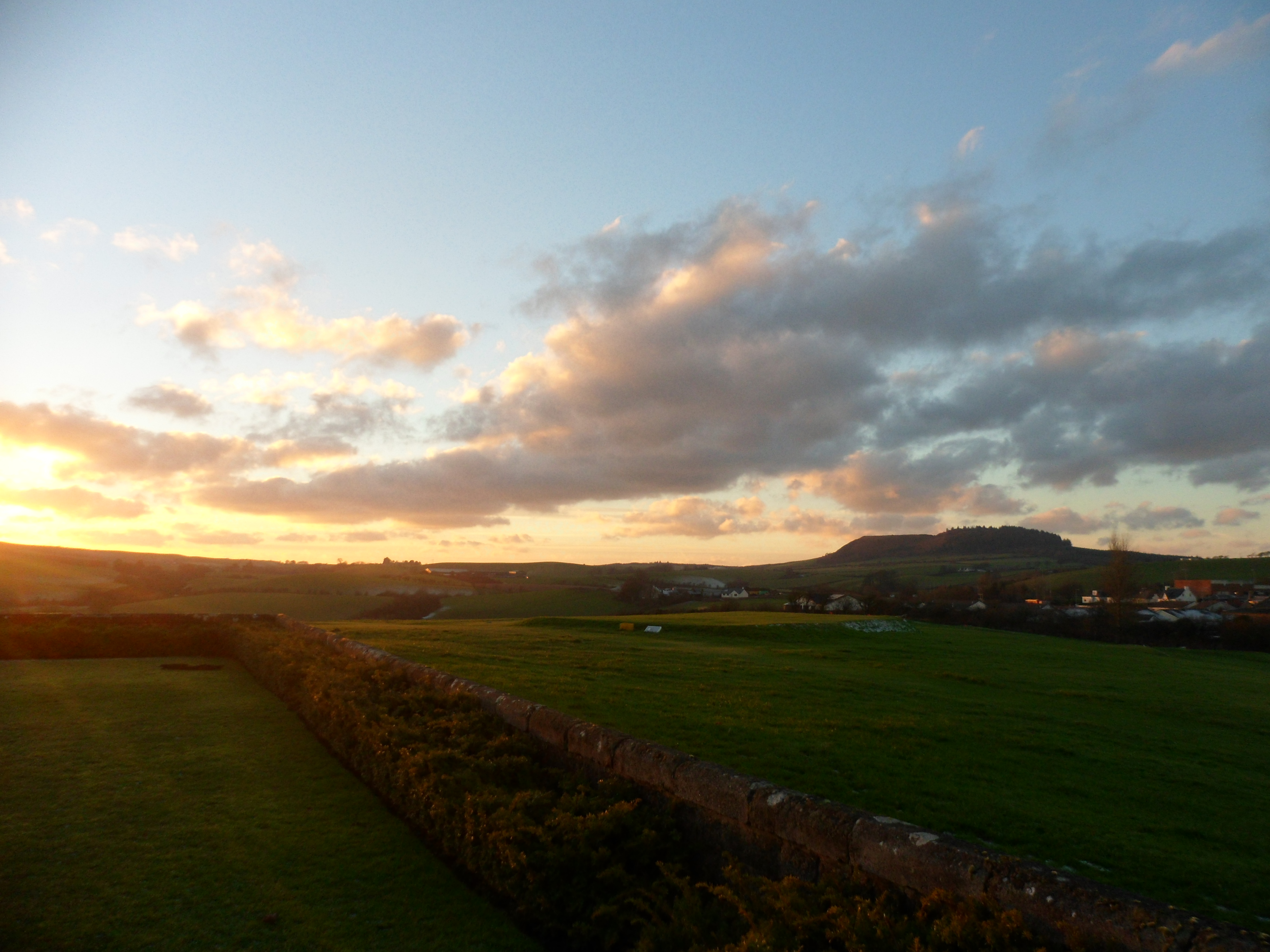
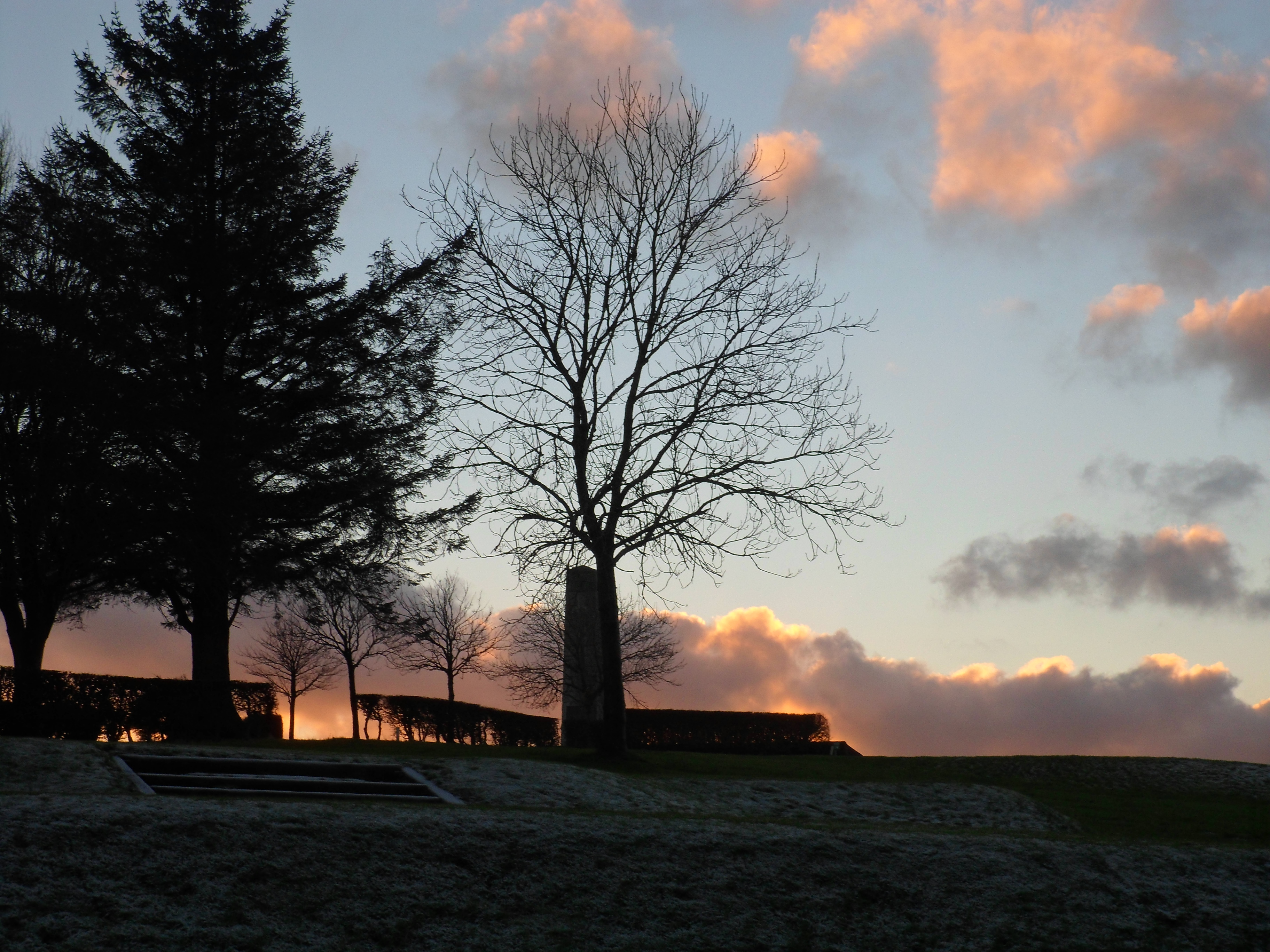
Dorothy

Dorothy

Dorothy’s Opiates is the name of the real Arcadia 
not to be busted, learning that sleep deprivation is a kind of
spiritual death from a podcast featuring the Nap Ministry
I set off to sleep under three duvets: one is representative 
of snow, the other a sleep mode, the other a body. I write to you
from beneath this slumberous context to wonder why anyone
who ever lived in a single glazed tenement loved the cold.
I can think of reasons: always something to look forward to
such as the crocuses and milder temperatures, the searching of
someone to warm you, wanting to dissolve into their skin
this someone who is never cold like you. I can’t explain this cold
but I can summarise its various sensations, cold as in a kind of disease
that eats your bones from the inside with terrible icicles 
and lives in your back as a demon, cackling from within your kidneys;
a small child dependent on your energy, the cold needs fed.
The cold is in your chest, your throat, your head. 
It throbs in your fingertips until they are red and puffy and burning
like nothing else you have ever felt: imagine every orgasm of your life
summarised and congealed as an opposite evil — pain — and concentrated
in the tips of your fingers, as though a malformed heart had grown 
in each one, beating out of time, each heart individually failing 
at the tips of your fingers until the pain spreads out like a juice
all the way down your fingers, hot, the nerves pulling into your arm
but it is so concentrated at the tips, you can’t really move 
and to hit them against each other is like clanging vegetal matter
against blunt metal, they are thumpy and numb, now the pain 
is melting it becomes a warm sensation of somewhat release
as though only a generalised bruising of the nervous ends 
of all your digits. And by this time I hope I’ll have gotten home
to run them perilously under cold water, bringing them to room temperature
as if they could crack off and crumble into snowflakes of ache
it takes ten minutes or more; after which they will sting 
with the feeling of having been battered. And it will happen again 
the second your blood spikes, you go outside; they may as well 
have been trodden on or run over by a van the way they feel right now.
I ask you sometimes to squeeze my hands so hard it bursts the blue of us.
            Once I knew a worse cold
accordant to body weight this kind of cold is all-consuming for all seasons
of the year, a kind of inverse fire that licks your insides with its ice 
so you feel it as a constant in your sternum, the cold that is eating 
the meat of your ribs so you become a delicate succulent, always with 
sugar on your mind, wanting to be watered. Always watering yourself
fruitlessly
    and feathered of flesh, wilted
as if to float upon a snowdrift and not leave footprints.
                                    Sometimes it is barely to speak 
or, having dry Januaried the masses, some lubricant of society was missing
sorely from our dreams. So we did not dream of touching each other
so much as falling from breezeblocks, frosted, the hard fuck that doesn’t come
bounding down stairwells to greet you at sun-up with cigarettes and coffee,
which you cannot touch, which aggravates your nerves to a passion. 
Nicotine, caffeine, dopamine. The endocrine systems of our dreams 
    are running on empty
and I have fed this day with the manifest boilersuit, as though to fix my own boiler
with mechanical prowess, die in your arms and so on. There are parts of the city
whose arteries confuse to the point of a general surge, desirous of insulation
    and drivers 
arrange the marzipan animals of their dashboard tenderly. 
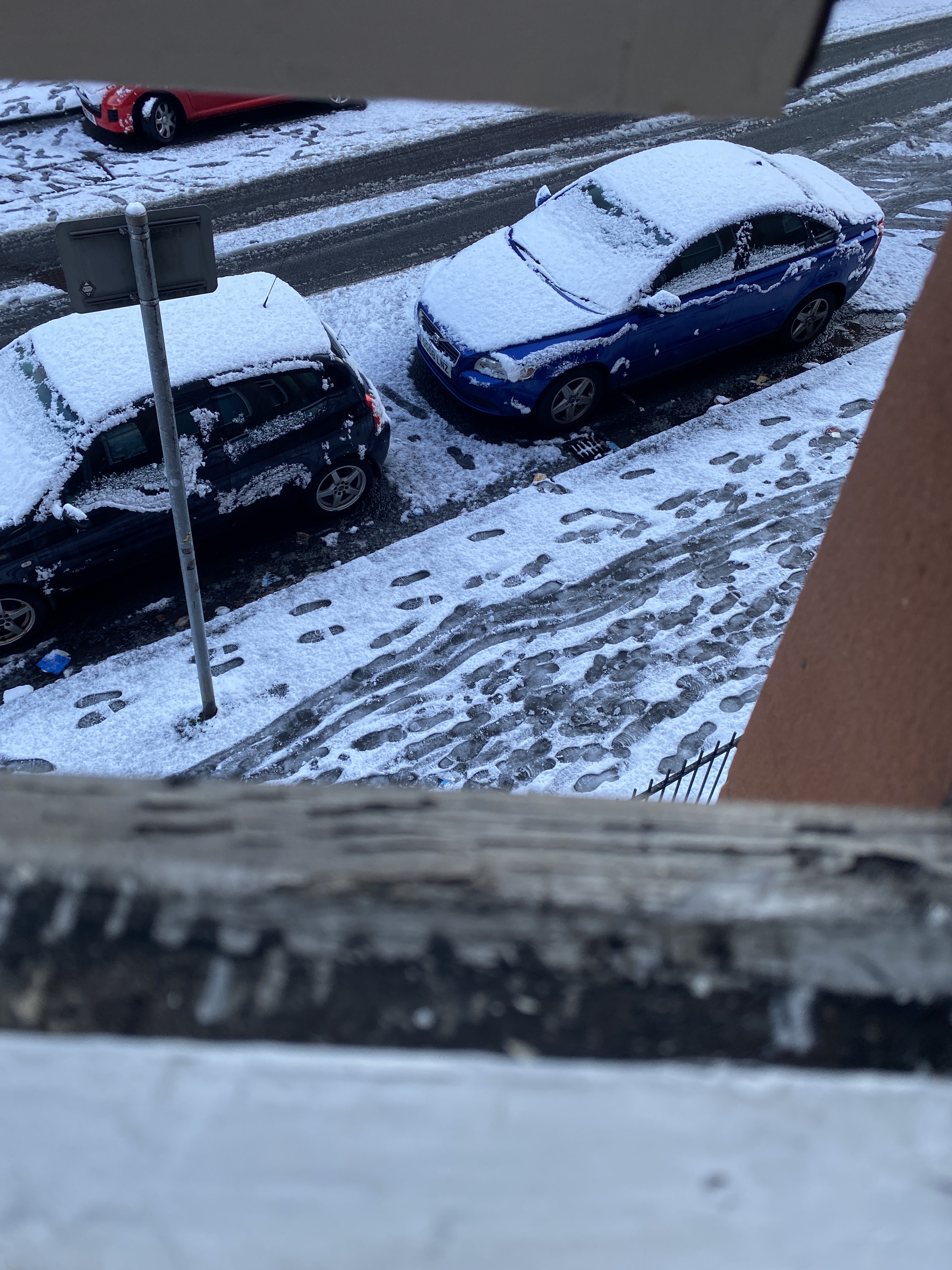
            Snowfall. The first of the year’s cold drama
gone to pick up a wardrobe through the Narnias of other vinyl records
caught on the loop of the sweltering imaginaries a slice of life, of liquorice.
   Flying by the Vogue Chippy of Cumbernauld Road.
You play loose with it, as if the rain alone would melt 
what meadow remains of the innocence. A summary of the movie
of other Januaries: asking if I am a bad feminist for not liking such-and-such 
a book, the enclave of housing utopias, the sunshine duration of the ad 
for Stella Artois, the scene in All is Forgiven where the drunk kids dance 
to The Raincoats’ version of ‘Lola’. I want to be inebriated 
with chips and cheese on the corner and kissing you darkly
in the overlit takeaway. Anniversary of another fascist coup. 
The cold in blunder, spraying my tongue with Vitamin D, worrying about sleep.
                        ‘Dorothy’ is a song by Kevin Morby
in the video, somebody plays a trumpet underwater. I drape a cardigan
over my daughterhood, pull stories across my knees until I am deep 
in the grass with you, the snow grass, a long sore note, we have pink faces
keeping up with each other’s sleeps, to rotate
in the bed, the powdery dreamscapes gathering form. 
            Dorothy,
Your warm apparition not to be sold or bought, an account 
of the aspirin sunlight, too much, taking the flower pill 
that makes me react as a plant, long stem in your arms 
and coaxed of sap. 
   Calcium is a luxury to those who might keep their flesh self-
sustained and hard and warm. I thought of Kansas and corn 
with the morning yoghurt as a viscid snow, spoonfuls 
of what we are missing to kiss 
goodbye of the freezing streets of Partick, melt in your mouth, 
   the pressure of boilers
adjusted by release, the way our bodies incline to the light
even when it is missing, how I wish you could trade
kisses for calories of actual heat, the truthfeel of one in the morning
stands for baggies of memories
    the prized alacrity of exercise, 
            I insufflate 
                                   the nervous internet.
            If this poem really were sentient, this would be the queue 
for the doctor’s office, which is a location after all, novel
in its banality, after the fact of actually being here, a state of waiting
requiring the mortal presence of your body.
  I stopped asking what a poem can do
when it seemed like I was done typing 
with my fingers searing hot white words like arrows 
tearing the flesh as they wrote, O Dorothy, listening 
   to a band called Trapped in Kansas.
I was born. Wrestling with duvets to change the music sheets
afresh, up close with the soot-covered mountains, 
called to the room with thermometers jammed 
in the hole of the poem, its quavers jostling with old composition,
   bloodstream, organ, snow.
                                             It is safe, it is safe. 

Playlist: March 2018

IMG_0249

IMG_9922

IMG_0032

I was turning all the lights off, trying to mute history. There were several moments in which it felt like things were changing, possibly blossoming for the better. The aftermath stung and went backwards again. There was a song about the M62 I followed briefly, thinking about motorways more generally and something expansive and grey, crossing the Pennines eventually. For a week, I wrote down descriptions of the sky. Mostly they read: the sky today is grey. I then started noting the patterns in Dorothy Wordsworth’s journals, which often begin with vignettes of the morning:

3rd February. A fine morning, the windows open at breakfast.
6th March. A pleasant morning, the sea white and bright.
26th May. A very fine morning.
31st May. A sweet mild rainy morning.
2nd June. A cold dry windy morning. 

Mostly, she summarises the day. There is much letter-writing, Coleridge dining, William writing. Walking, cooking, taking guests. There is a rhythm and comfort to her entries, the circling of Ambleside, the sauntering in sun and air. Days condensed and hours expanded, cute little details in pastoral glimpses: ‘Pleasant to see the labourer on Sunday jump with the friskiness of a cow upon a sunny day’. She sees into the life of things. She inspires me to mark the simple, joyous moments of daily existence. Like walking home along Sauchiehall Street (the nice part towards Finnieston), close of midnight, seeing a couple in each other’s arms, sobbing, the man with a bunch of flowers held behind his back. They were not by any means striking flowers, probably bought cheap and last minute. I wonder what sort of gesture they were supposed to convey. At what point in the night did he decide to buy them; did he attain them from those wandering women who pray upon drunks with their floral wares? Did he cut himself, ever so slightly as he paid for those unlovely thorns? Is love always a form of apology for self? The self when it expands beyond too much of itself, hotly craving?

17th March. I do not remember this day. 

It seems irrelevant to say, today is Easter Sunday. Jackdaws torment me in the expensive fruit of a wakeful morning. I imagine pomegranate seeds falling from a pale blue sky. These days unfold with wincing clarity, like the hypnotic drag of a Sharon Olds poem: ‘I could see you today as a small, impromptu / god of the partial’. There are things we are maybe not supposed to remember. As if survival were a constant act of lossy compression. Like a contract between two people, pinkie promise, except one of you has broken it. Has let out the glitches. Your dreams and daily reveries are full of the content you’re not meant to remember. You are clasping this thing as if it might live again, and indeed it might really. It is not easy to simply file away memory. Its particular phraseology of physical pain comes floating to the surface regardless. There are techniques of displacement. Letting yourself shimmer in the wind. It was one more step to be gone again. So every song I went to put on, clicking the laptop, he was like, stop, it’s too sad. When they ask what’s wrong and you’re smiling instead, worrying the edge of your lips into muscles you don’t recognise at all. The room was a singular bottle of beer and a breeziness to other people’s sweetness. They wear lots of glitter and laugh as we did once. They are singing. I feel like the oldest in a test of forever. But anyway this is all only temporary. Things break down but they do not go away.

30th March. Walked I know not where. 

I watch a film about plastic in the ocean. They haul fish after fish, bird after bird, prise exorbitant quantities of bottle caps, ring pulls, microbeads and indiscernible fragments from stomachs and lungs. It is quite the display. Hopelessly choking. Seems obscene to describe that deep blue as ever pure again. There are patches of plastic in all its particles swirling. It makes not an island exactly, more like a moment in species collision. Whales absorb plastic in the blubber of their skins, digesting slowly the poisons that kill them. I wrote a story about a whale fall once. The protagonist trains in swimming, in underwater breathing, in order to enter other worlds: ‘This place is a deep black cacophony; you hear the noises, some noises, not all the noises, and you feel the pressure ripple pulling under you’. There have been bouts of sleeplessness this month that feel like dwelling inside a depleting carcass. If every thought dragged with subaquatic tempo. Blacking out at one’s desk into sleep. Forgetting in the glare of screen flickers. I meet people for coffee and feel briefly chirpy, stirring. There are pieces of colour, uncertain information, clinging to the shuddering form of my body. Do not brush my hands, for fear of the cold. I am so blue and when he squeezes my fingers my insides feel purple. The woman at the counter remarked on the cold of my hands. I am falling for the bluest shade of violet. How anyway in such situations I become the silent type as I never do elsewhere. So ever to cherish a bruise as violet or blue. I polish vast quantities of glassware, lingering over the rub and sheen. One song or another as 4.30am aesthetic.

Emily Berry: ‘All that year I visited a man in a room / I polished my feelings’.

The questions we ask ourselves at work form a sort of psychoanalysis, punctuated by kitchen bells and the demands of customers. What superpower would you have? The ability to live without fear of money. We laugh at ourselves as pathetic millennials. I have nothing to prove but my denial of snow, power-walking up Princes Street on the first bright day of the year. The sky is blue and the cold flushes red in my cheeks. But I am not a siren, by any means; I wish mostly for invisibility. The anthem for coming home the long way is ‘Coming in From The Cold’ by the Delgados, feeling the empathy in lost dreams and the slow descent into drunkenness that arrives as a beautiful warning. Like how he deliberately smashed his drink on the floor in the basement out of sheer frustration with everything. The ice was everywhere. As though saying it’s complicated was an explanation for that very same everything. The difficulty of cash machines. Emily Berry again: ‘I wanted to love the world’. In past tense we can lend shape to our feelings. Will I know in a week or more the perfect metaphor for this dread, this echo chamber of grey that longs to be called again? I punch in four numbers.

I covet my exhaustion in slow refrain. There are people whose presence is an instant comfort. There are people you’d like to kiss in the rain; there are people you’d kiss in the rain but never again. What of the gesture of that bouquet? Surprise or apology? The sky is catching the mood of our feelings. Is this a melancholic tone of regret, or maybe an assured and powerful one? I twist round the memory of a mood ring; its colours don’t fit. I photograph the rings beneath my eyes, finishing an eleven hour shift. She shoves rose-petal tea biscuits under my nose but I smell nothing. I watch the chefs at work, caressing their bundles of pastry and sorrow/sorrel and rocket. I climb many stairs and assemble the necessary detritus of another funeral. Sadness requires a great deal of caffeine.

I eat mushrooms on toast with Eileen Myles. I long for the lichens on the trees of Loch Lomond. I sleep for three hours in Glasgow airport, on and off, cricking my neck and drifting in and out of vicarious heartbreak. Lydia Davis is often perfect:

But now I hated this landscape. I needed to see thing that were ugly and sad. Anything beautiful seemed to be a thing I could not belong to. I wanted to the edges of everything to darken, turn brown, I wanted spots to appear on every surface, or a sort of thin film, so that it would be harder to see, the colours not as bright or distinct. […] I hated every place I had been with him.

(The End of the Story)

Must we coat the world in our feelings? What of the viscosity that catches and spreads on everything? There is an obscenity to beauty in the midst of defeat. Year after year, I find myself dragged into summertime sadness. There is so much hope in the months of June and May, soon to dwindle as July runs spent on its sticky rain. The lushness of a city in bloom, all fern and lime, is an excess beyond what dwells inside, the charred-out landscapes of endless numbness—or ever better, missing someone. We covet the world’s disease as externalisation of our hidden pain. Let things fragment and fall away; let there be a sign of change in motion. How hard it is to be happy around depleted friends; how hard it is to be sad among joyous friends. They pop ecstasy and go home for no reason. It is self-administered serotonin that mostly buoys up the souls of the lonely. There were songs from the mid-noughties that now sound like somebody shouting down a coal mine. I want to offer them a smile and a cup of coffee. It’s all I have, the wholesome concatenation of smooth flat-whites.

There is a song by Bright Eyes, ‘If Winter Ends’: ‘But I fell for the promise of a life with a purpose / But I know that that’s impossible now / And so I drink to stay warm / And to kill selected memories’. Winter’s demise in conditional form. Alcohol convinces us of a temporary rush into the future that blooms and is good, is better than before. The drinkers I know have muffled recollections, blotted out mostly by false nostalgia. We covet a swirling version of life in the present, its generous screen flickers, its spirals of affect. We pair off in the wrong. There are days when nothing will warm me up—not the dust-covered space heater, not the hot water bottle, not the star jumps that scratch heart-rates out of the hour. Was it the same sensation, hanging on for his vowels on a hazy afternoon, four o’clock stolen from whatever it was I was supposed to be doing?

Summer, however, is forever. It is supposed to be best. The clocks skip forward.

I learn to riso-print. To work with the uncertain blot and stealth of brighter inks. What results is a marvel in teal and burgundy, splashed with cyan. See it as past with glitters of future.

In a cramped, fourth floor hotel room in Amsterdam, I lay on my bed, leg-aching, listening to ‘Shades of Blue’. Yo La Tengo get it, the vaporous sprawl of the days upon days, days replacing days: ‘Painting my room to reflect my mood’. It is a kind of overlay, the new versions of blue which are deeper maybe than they ever were before. Which lend alter-visions to original blues, the ones you thought were bad before. I see my first IRL Yves Klein in the Stedalijk museum. Words elude this particular blue. It is deep and extravagant and more oceanic than the ocean would dream of. I have no idea what materials or dreams created this blue. Lazuli, sapphires, the pigmented stain of a rare amphibian? It is the steady, infinite eye of the Pacific. It is sorrow itself, the wound of the world. The Earth bleeds blue, not red. It is this kind of blue, a supranatural blue. After the first crisp cold of a new blue day, the rest of the week is brumous and mild. My feet get wet in a cemetery. I learn that Paradise Valley is an affluent town in Arizona, and not in fact merely a Grouper album. I drink mint tea all week to detox, then stay up all night when I get home. The gin sodas sparkle within me for days, but I’m feeling guilty.

The canals are parallel, the streets are winding. There are neon and fishnetted girls in windows, drolly sipping mysterious drinks. Their eyes are heavily lined. Nobody is looking. The air is warm and spicy at night. The tourists admire displays of various erotic paraphernalia; I take pictures of the lights splashed gold on the water. They say if you get to know the place, you can really settle into a meandering layout. A guy at work supplants my name for ‘Marijuana’. I wonder if ever I’ll be someone’s Mary Jane, and what that means in the long run. Feels like a Green Day song. Marijuana, they’ll say, Marijuana I miss you. There are pockets of Finnieston that waft forever between early summer and fullness of June; evenings hung by the scent of a stoned hour poised on forever. I stay sober. I think of the river, the people and dreams it steals. The world crystallises with ridges of cold, so I must sleep beneath sheets in my click&collect coat. Blue-fingered, shivering.

Carl Sagan’s ‘Pale Blue Dot’ has been lingering on my mind: ‘Consider that dot. That’s here. That’s home. That’s us’. I keep writing out line after line, just for the sake of avoiding full stops. I’m not yet ready for that singular compression, even as it strikes in its simple beauty.

There was the massive, narcotic blue of the sky from the airplane. A blue you can cling to. A blue you descend through.

Lana Del Rey: ‘Blue is the colour of the planet from the view above’.

Pop singers these days are attuned to new scales. That Bright Eyes song opens with a whole lot of static and children shouting, rasping. It is like watching some black-and-white film in a museum, shudders of war or monsters in every low boom and flicker. There are ways we strum ourselves out of the mourning. It’s okay to be enraged and frustrated. Oh Conor, how I love you: ‘and I scream for the sunlight or car to take me anywhere’. So when things fall apart, fray at the edges, I’m thinking of myself as a place, a location elsewhere, ‘just take me there’, and the ridge of my spine is a highway that ends where the best palm glows afire by its imaginary desert. The curve of my neck and uncertain horizon, something of all this skimming around by the brink of etcetera. What else do I have to say but, ‘it’s gonna be alright’, not even realising when I am quoting something. It is hot here, adrift on this sofa, then cold again.

The walks grow ever more indulgent, Mark Kozalek humming in my ear. I think of all his familiars. I think of my younger self thinking of all his familiars. Is it cats or is it women. How many supplements do we make of lust?

The day afterwards, it’s best to drink again. Grapefruit is cleansing. You can order whole pitchers but I choose not to. A certain suffusion of gossip and horror, ice cubes crunched between teeth to ease up the gaps where I’m meant to speak. I see Hookworms play the Art School and they were incredible: they were a rush they were eons of dizzy vigour and sweetness, the music you want to surrender to. I stop giving customers straws with their orders. It snowed again. I wasn’t drinking; I was wearing green for Paddy’s Day. I was so tired my eyes felt bruised. I keep dreaming of islands, motorbikes, exes; broken tills and discos. The flavour of these dreams in surf noir; like even in the city it’s as if a tidal pull is directing everything. I don’t mind being sucked away into nothing; I don’t mind feeling the impulse of a pale blue dot. At least in my sleep. A good collapse. The order of pain is reducing.

29th June. It is an uncertain day, sunshine showers and wind.

This week I will find a hill for my vision. New forms of erasure. I see myself boarding a train.

~

Yo La Tengo – Shades of Blue

Bright Eyes – If Winter Ends

Iceage – Pain Killer

Tessela – Sorbet

Bjork, Arca, Lanark Artefax – Arisen My Senses (Lanark Artefax remix)

CZARFACE, MF DOOM – Nautical Depth

King Gizzard & The Lizard Wizard – Barefoot Desert

Grouper – I’m Clean Now

Sean Nicholas Savage – So It Appears

Snail Mail – Pristine

Little Comets – M62

Manchester Orchestra, Julien Baker – Bad Things to Such Good People

Hop Along – How Simple

Frankie Cosmos – Apathy

Sharon Van Etten – I Wish I Knew

Amen Dunes – Believe

Cornelius, Beach Fossils – The Spell of a Vanishing Loveliness

Sun Kil Moon – God Bless Ohio

Good Morning – Warned You

Lucy Dacus – Addictions

The Delgados – Coming in From the Cold

Belle & Sebastian – We Were Beautiful

Mark Kozalek – Leo and Luna

Pavement – Range Life

Firestations – Blue Marble

The World is a Beautiful Place & I Am No Longer Afraid to Die – Heartbeat in the Brain

Manic Street Preachers – Dylan & Caitlin

Bob Dylan – Just Like Tom Thumb’s Blues

Crosby, Stills & Nash – Hopelessly Hoping

Courtney Marie Andrews – Long Road Back to You

Grateful Dead – Box of Rain
All the Love for Little Comets

Paddington coats are just wonderful, you know?

I first saw them at Wickerman Festival, god knows how many years ago now, and we went to see them on recommendation of my brother. It was probably raining a bit but maybe there was sunshine coming out there from behind us as we stood at the stage. I think they were on before or after Fenech Soler, who you should check out if you like electropop, Friendly Fires, White Lies and all things with synths. Anyway, the band in question who we were watching are called Little Comets, and they play what can only really be described with any accuracy as ‘kitchen sink indie’. I’ve seen them so many times since – basically any time they come to Scotland, which is usually twice a year.

A cold windy Glasgow Monday and I’m sitting in Slouch on Bath Street, watching the snow fall down behind a window of fairylights. We’re discussing what songs they might play. We’re reminiscing about old festivals and terrible and great music from the past. The walk to King Tuts is short from here.

I’ve been to King Tuts many a time before. Embarrassing to admit though it is, the first gig I saw there was You Me At Six. There’s an energy to the place that seems to billow about like the dust off the walls. It’s a wonderfully tiny basement venue with clean toilets and a decent bar and lots of posters from bands that have played there before. There’s Belle & Sebastian and The White Stripes and Pulp on the wall. We go down the stairs and the air is close and thick and hot. We watch two support acts, one of which was the Dundee band Model Aeroplanes, who have a nice amount of energy and lots of lovely, floppy, sweaty hair and bouncy guitar riffs. Oh, and we sussed that the bassist looks kind of like Adam Driver from Girls. 

Reasons why I love Little Comets: 

  • They sing about so many different subjects, from adultery to love to fatherhood to sadness and hope and sorrow and domestic violence and corrupt politicians and poverty and girls named Joanna, Matilda and Jennifer.
  • They tour the U.K all the time and always come to Scotland.
  • They write lovely little blog posts about their lyrics.
  • They seem to genuinely care about the music over everything else and even founded their own record label to avoid being sucked into corporate pressures.
  • There are little snippets of poetry which adorn their songs: ‘tension in the twisted silence of our sheets’ (Isles). They like to talk about metaphors and similes and often their songs tell stories.
  • After gigs they sometimes give out cards for fans and they write nice silver messages on EPs when you order them.
  • They sound so tight live, with amazing harmonies and clear, bouncy percussion.
  • ‘Dancing Song’ is just the best thing ever to jump around too, even if it means you’ll get trodden on and elbowed in the ribs by teenage boys.
  • They write political lyrics without being remotely sanctimonious about their status as musicians writing about politics.
  • Their artwork is really cool and they do it themselves.
  • They are maybe the best male feminists in the music industry of this period, at least as far as lyrical content goes. I don’t know, show me anyone better.

LC_bigcartel_sanguine_EP

Well last night they opened with a track off their new album, ‘The Gift of Sound’, which in a corny kind of way was appropriate because that’s what musicians do, give us the gift of sound. They moved through a few new songs off of Hope is Just a State of Mind and also I was pleased to hear them play ‘Isles’ off the first album because it’s been a while since I’ve heard it. The gig was over-14s and standing there behind rows of fourteen-year-old girls and far-too-tall fourteen-year-old guys, listening to those opening lines ‘Economic downturn you can get a job | Apologetic parents you can get a job’ and I’m thinking god I’m so old that when the economic downturn was happening back in 2008 I was about fourteen and probably discovering Little Comets for the first time.

The last couple of Scotland gigs have been in Edinburgh and you could definitely tell that this was a Glasgow crowd. There were a bunch of lads around us who were giving it the ‘oggy-oggy’ football-match style chanting in imitation of the songs which was actually quite sweet (and funny and annoying) and the band looked sort of bemused and taken-aback; Rob at one point finished the song (can’t remember exactly but I think it was ‘Little Italy’) then said in wonder, “nobody’s ever done that before”. I spent half the gig sort of laughing at the absurdity and magic of it all, that strange reaction people have. I mean, it’s amazing to listen to ‘burly’ (haha) young (and middle-aged) guys with tribal tattoos shout out lyrics like: ‘And like for every victim | It seems the pain will not subtract or even calm | All this protracted by a state | In which the poor conviction rate for rape | Can often leave a woman feeling | More at blame than able’. And even if it’s just words being thrown out, at least they’re being thrown out into a room full of likeminded people who believe in the words that the band are singing; even if just for the melodies being woven, even if just because it plants that tiny seed of thought in their heads. It feels empowering, somehow.
Well they fired into well-loved tracks like Joanna and Dancing Song which got everyone jumping about like crazy. One of my favourite things about Little Comets gigs is that you get gorgeous ballads and also songs you can jump about and dance to. I saved my Converses from being pulled off, survived a mosh pit and did my fair share of hair swooshing. It wasn’t all that pleasant being flung against guys who stank of sweat and cheap aftershave and hair that reeked of Chilli Heatwave Doritos, but that’s just a gig curse and the music makes it worth all the stitches.

A highlight was everyone singing along to ‘Coalition of One’, which is probably my favourite track off their last couple of EPs. It’s a song that opens with the lines: ‘food banks spring open | like jaws dropping in time | the weight of man is measured | by the depths of a carrier bag’. It’s simple and powerful and it hits you and makes you think how wrong everything is in the world right now; specifically in Britain. In comparison to the heartbreak-heavy lyrics of other ‘indie’ bands, Little Comets are genius. In fact, you get the sense that people can’t believe they’re singing along to it. It’s almost like a surrealist image, dragging up some common found object and assigning a kind of tragic beauty to it, and then getting such a mix of people to sing it back to you, to throw it out into the air like a lost plastic bag drifting in the wind. There’s a frailty to many of Little Comets’ images: you only have to look at songs like ‘Waiting in the Shadows in the Dead of Night’ (It’s like barbed wire, this crucial touch | That holds me here, expects so much) and ‘Early Retirement’ (‘the promises you sew are | shallow footsteps in the snow | that you cover up’) to feel their concern with the beautiful ephemerality of experience, the soft alliteration that slips between their words. Watching Rob, lead singer and guitarist, standing over his keyboard, drenched in stage smoke and blue light, singing ‘The Blur, the Line, and the Thickest of Onions’, is enchanting and inspiring. I don’t mind throwing those cosy words around because these guys deserve it, they’re so dedicated and passionate. What other band has the guts to take on Robin Thicke-style sexism in the industry with lyrics like this:

But this filth stands on a quicker sand

Next to cold hard fear and the deeds of man

The abuse of body image as a form of control

And the typical portrayal of the feminine role

I have never been more appalled.

Pick me up with rhythms and waveform

That can symbolise a culture lost

Sing about the future like you mean to

I’m never going to count costs

Question the agenda of an industry

That only can objectify

You write about a non-existent blurred line

But not about abortion rights.

OK, so this might not be Mary Wollstonecraft or Virginia Woolf, but for an all-male band to write these lyrics and perform them gig after gig with heartfelt expression is a victory for any kind of feminism in the modern age. It’s questioning an industry from within and writing about issues that are hugely important to women and men – abortion, media objectification and so on – without framing them in a kind of gratuitous ‘pity’ narrative or ignoring them altogether. Music can be political without a band having to tie politics to their t-shirts, and Little Comets demonstrate this perfectly.

Indeed, the feminist content of their lyrics is also evident in ‘Violent Out Tonight’, which I would argue is a masterpiece of a song. With elegant, soaring harmonies (performed so well onstage too), a thumping, emphatic heartbeat of a drum rhythm, and haunting sliding guitar, it conjures a dark story that follows a brutal encounter between a man and a woman on a lonely street. It’s filled with poetry that shifts between the subtle and stark and by the end we too are left bruised and battered by the sad narrative it tells:

As they step into the dark

Only moonlight hides his treason

And the shadows skip like sharks

Through the gasps of air between them

She says: ‘Becalm your hands boy I thought

restraint was now your sentiment of choice?’

But as his fingers strike her blouse

All the words that he espoused

Lie deftly scattered on the ground amidst

the buttons he’s torn open

When sung aloud, the rhyming works here in a really interesting, disturbing and dissonant way. It’s a song that can silence a rowdy crowd into awed absorption. You let the sounds slide through you and you listen, as Rob’s voice ranges from painful constraint to effortless flowing notes. There is a tension and a release. You feel this release with more uplifting songs like the opening track from Hope is Just a State of Mind, ‘My Boy William’, which Rob describes on the Little Comets blog  as ‘really the most emotionally honest song that I’ve ever written, and also one of the simplest – it is just a message to my little boy William: my hopes for him’. You could tell the crowd loved every minute of the gig from all the clapping and shouting and singing along and jumping (might I remind you how rare it is to see people actually dancing at all at an ‘indie’ gig), but especially with these numbers you could tell how much everyone really respected these songs for what they were and the sort of joyful simplicity of innocence they evoke. It’s all fuzzy and you get that great feeling when you’re in a crowd and lots of other people are experiencing similar things to you and even though you might not be a father or mother yourself, you still feel that raw sort of love shine through, in a way that feels uniquely authentic rather than cheesy or sentimental. As the hard-looking bald guy with the tattoos chanted at the end of ‘My Boy William’: ‘he’s going to be a superstar when he grows up, just like you Rob!’. And well, if that’s not cute I don’t know what is.

One of my favourite parts of the night was when they were chatting between songs and Rob said that Matt (the bassist) had just noticed some wires on a bar above the stage which were still there from years ago when they last played. The band used to bring an assortment of pots and pans with them which they hung above the stage and used with their percussion, which I suppose justified the ‘kitchen sink indie’ label in addition to the soap-like drama and domesticity of songs like ‘Adultery’ and ‘One Night in October’ (I’m never going to get over the lines: ‘So I sit her down | And say this must stop | ’Cause all we do | Is argue and shop | She goes to Boots | I go to Argos | Complete with deceit | We stalk each aisle’). Well I thought it was very sweet that this little mark of days gone past was still there, even though King Tuts (mostly the bar) has undergone some renovation since. I remember that gig very vividly; I was in second year at uni and had just finished my horrible essay on The Tempest and Heart of Darkness and I was drinking Jack Daniels alone in my room and doing cartwheels I was so excited. My favourite album so far is the second one, Life is Elsewhere. I think it works best as an album (I need to give the new one some more listening to judge though) and the lyrics are sweetly dark and just the right level of mournful, joyful and sentimental. And I like the line: ‘I’d rather starve than become a member of your old boys’ club’ in a dig at Oxbridge culture which permeates the top levels of governance in Britain. All these songs have a double layered nostalgic quality for me now, reminding me of feeling a bit more lost and hopeful and innocent as I stumbled through my first years at uni. Now I’m coming to the end it feels right that there should be more songs to form associations with. It’s actually pretty weird because they tend to release a new EP with every semester, so it’s almost like a kind of diary where I remember things through Little Comets releases. Oh well, if you’re going to support your memory with techne then maybe it’s better that it’s music from one of your favourite bands rather than just shallow social media statuses…oh well, just my two cents to future generations… (and I should stop trying to understand Heidegger).

It’s also fitting that before their last song (well, I think it was their last song unless there was an encore – which they usually resist doing due to the arrogance and cheesiness of encores – we had to leave early so the troops could get the last train home), Rob was telling the audience that he likes this song because it reminds him of their early days of playing. ‘In Blue Music We Trust’ is one of my favourites off Life is Elsewhere: again it has that haunting, nostalgic quality that builds and swells as the song progresses and proves the perfect ending to an awesome gig. How magical too that it was so cold and crisp outside, and that I walked home through Finnieston in a snow storm with all those swirling flakes glowing orange under the lamplight, and feeling so calm and serene and dreamy because it’s rare that things in life can make you so happy, but I guess good music can, and feeling fresh and freezing after a steaming hot gig.

‘I suppose the thing I am proud of with our music is the fact that we’ve always followed our hearts and stayed true – we do what we love, and we work very hard but we’ve never compromised ourselves for it. If I could pass one message onto my little boy, other than how much we love him, is just to be true to himself and keep an open mind – there’s always more to learn…’ (Little Comets blog).

Living with Chilblains

IMG_1872 IMG_1722

Seven years ago, I was a fresh-faced pre-teen on my first (and only) residential school trip. We went to Aviemore, a town in the north of Scotland renowned for its snowy mountains. We had a great weekend at the hotel, living off pick’n’mix (the hotel food was a case of cold, mushy macaroni cheese or going hungry), drinking J20s, gossiping, room-swapping, snowball-fighting and generally behaving like a pack of twelve-year-olds left to make their own amusement.

Ironically, the worst part of the ski trip was the skiing. The novelty of going up in a cable car was removed by the feeling of being packed like sardines up against big scary people in serious gear, with formidable looking metal poles and goggle-glasses that made them look like bugs. And when we finally got up on the mountains, the conditions were so awful, with blizzards and ice, that I couldn’t feel my brain from the whipping wind, I couldn’t stand for two seconds without falling and more to the point couldn’t see two metres ahead of me. It didn’t help that our instructor was useless, failing to teach us how to stop, turn direction, or even stand without falling. We were all indignant about our lack of pole provision. How were we supposed to maintain any sense of balance? If one of us went down, we grabbed whoever was closest, resulting in a domino-descent of bundling bodies, laughter, crying and billowing snow. Safe to say I came home blue with bruises.

About an hour in, I had given up trying to ski, and was more focused on trying to block out the sense of seething cold that was gnawing into me. The skiing instructor rolled her eyes when I showed her my blue little fingertips. My own fault, of course, for not bringing proper gloves. Instead of heavy-duty snow gloves I’d opted for the pretty sequinned woolly ones from Accessorize. They were fingerless.

Our teacher had apparently been handing out ski gloves at breakfast to the poor souls who didn’t have any, but I think I must have been focused on surreptitiously putting salt in my friend’s drink or something and missed out.

Well, I’ve suffered for that mistake. Since that fateful trip, I’ve been plagued with chilblains. I can deal with the toes – many people get them in their toes. You don’t have to do much with your toes. The fingers, however, are a whole other league of pain. Every year, at the threshold of winter, the dreaded chilblains creep back, like so many electric currents stinging my fingers. Sometimes they’re even there in summer, with the icy threat of air conditioning, or more likely the bitter bite of a Scottish ‘breeze’.

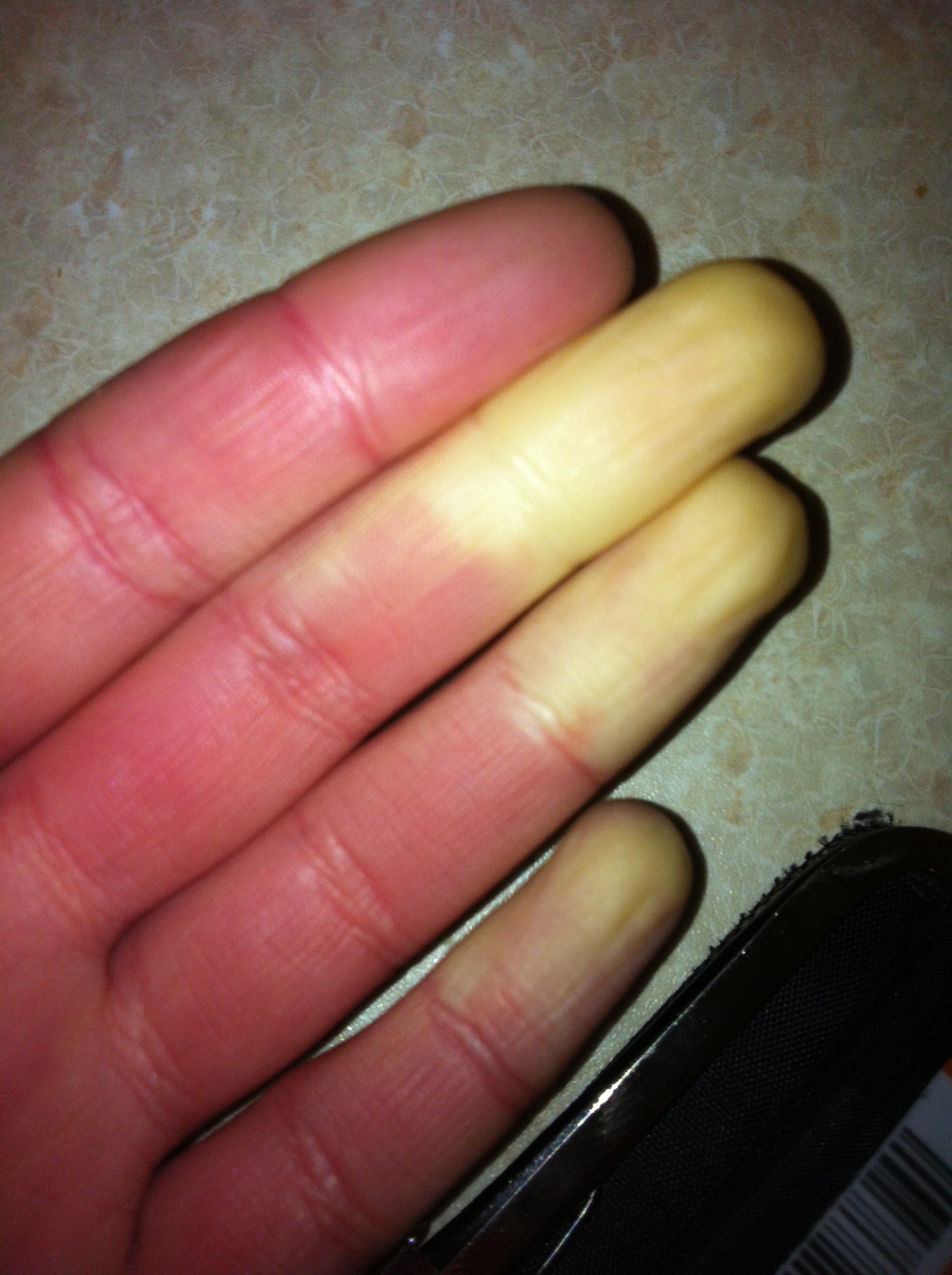
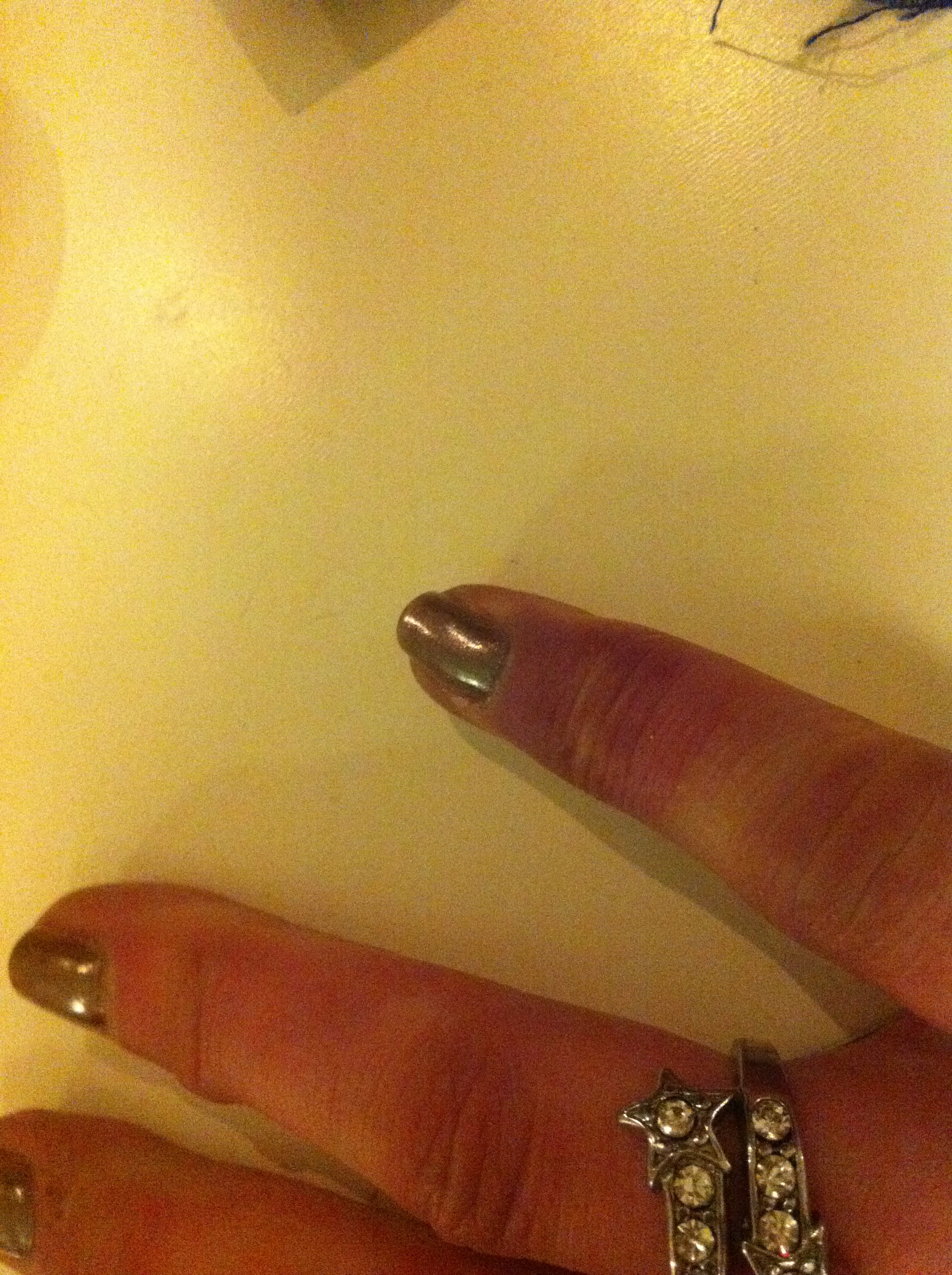
It’s like this: your fingers at first feel deathly numb, and maybe they’ll go bright white, yellow or purple. If you touch them, you can watch the colour burst and fade in a sphere of strange pressure. When they start to warm up again, after some brisk handshaking or running them under luke-warm water, they surge and swell painfully, often going bright red. It’s just this burning that travels relentlessly up and down your nerves. Sometimes I look in the mirror and it’s funny because they’re a completely different colour from the rest of my body, as if I’ve dipped them in paint.

Well, often they stay swollen for weeks, and that’s the worst part. Not only do you have horrible, fat, stumpy fingers, but also you have fingers that struggle to write and type. And then the itchiness. Like so many nerves tingling and writhing beneath your skin, simultaneously so awfully hot and then once again breathlessly cold. I have the hands of death: touching my fingers is like touching ice.

So yes, I’m still wearing gloves in May, and might have to through June and beyond. I apply hand-cream every five minutes to stop my skin cracking, I walk as much as I can and do star-jumps in my room, because they say that boosting circulation and keeping warm is all you can do.

And well, it seems that there is a pretty simple moral to this story: function over fashion. I should’ve listened to my mother and taken the ugly grey ski-gloves over the pretty but useless ones. Ah, but what self-respecting twelve-year-old with an eye for style would have done that? Also, it’s possible that I’d have gotten chilblains anyway. ‘Reynaud’s syndrome’ – which is probably what I’ve developed, checking the symptoms, although I’ve never been diagnosed – is most common among young woman, and usually occurs in the late teens. Check, check – that’s me. So perhaps I’m just unlucky, just dreadfully fated, to suffer the bane and pain of these chilblains. I’m guessing the Aviemore semi-frostbite I experienced didn’t help (permanent nerve damage never does), but I refuse to take all the blame for my condition. I also blame genes – my Mum and my Nan both get chilblains, albeit in their feet.

Reynaud’s doesn’t really have a cure, so I don’t have much option except keeping up the star-jumps, drinking ginger tea and making sure I don’t smoke (nicotine contracts nerve muscles). Let this be a warning to all those who want to go skiing, but also a message to help you appreciate having lovely, slender, warm and normal-coloured fingers! I am a girl with serious hand envy.