Trip to Berlin

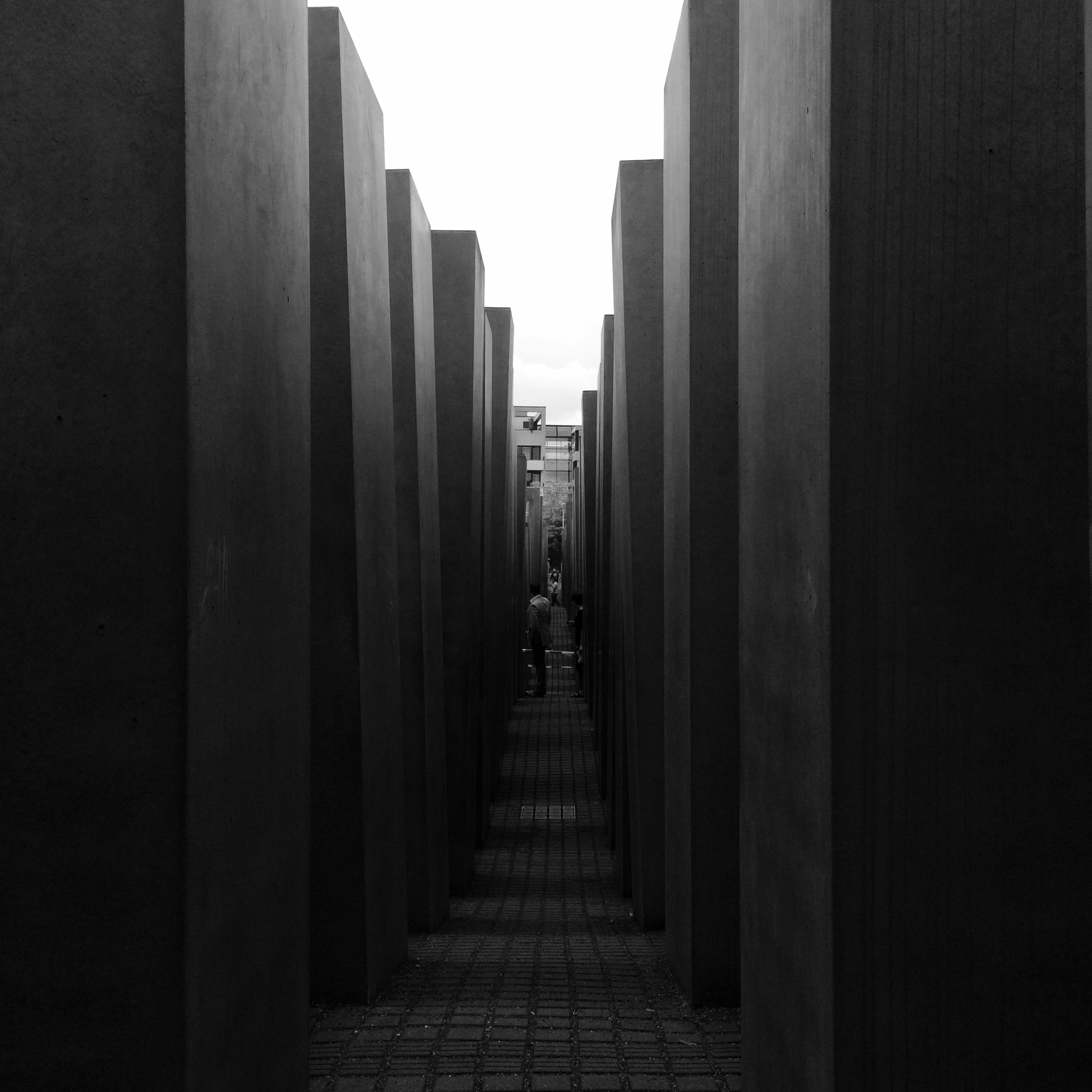
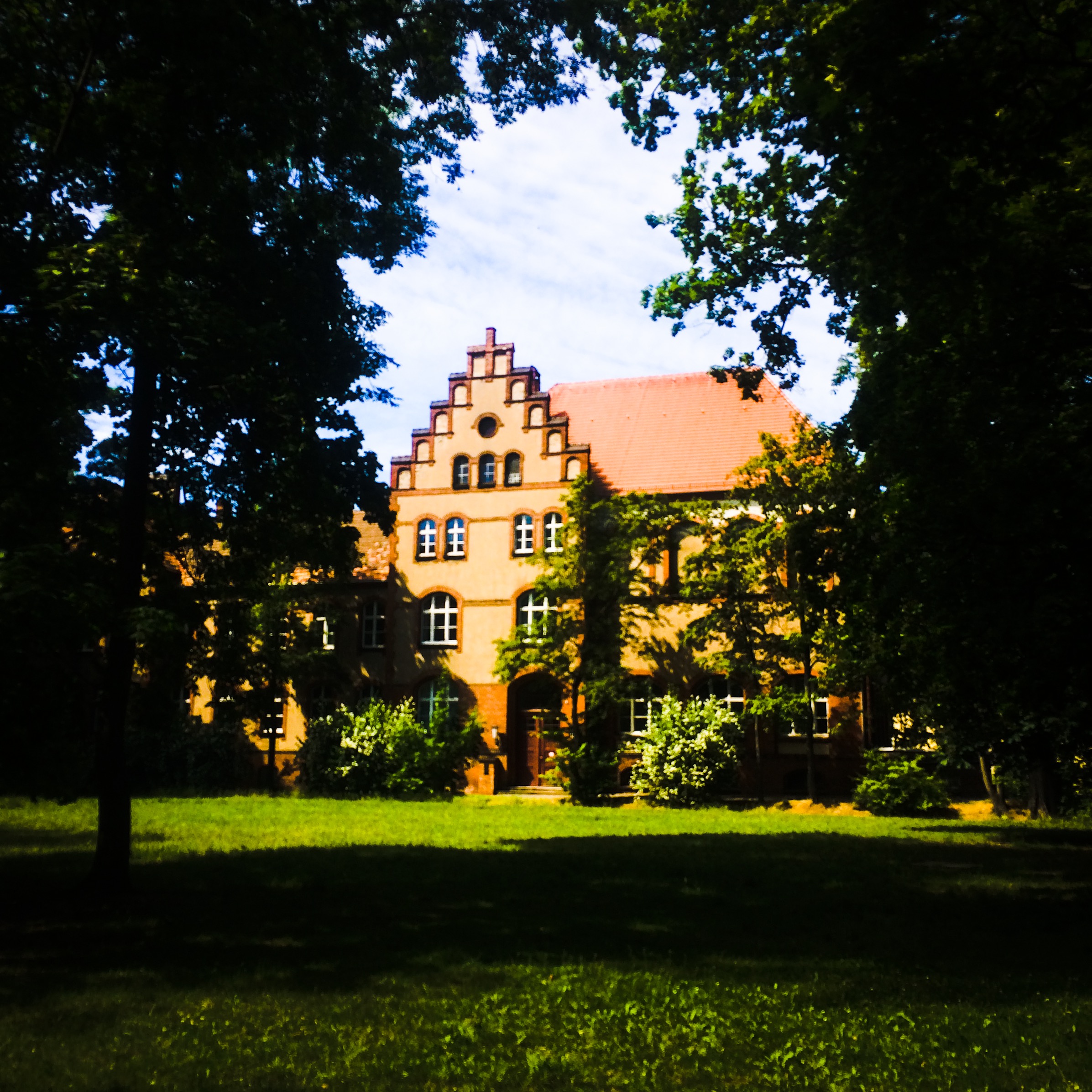
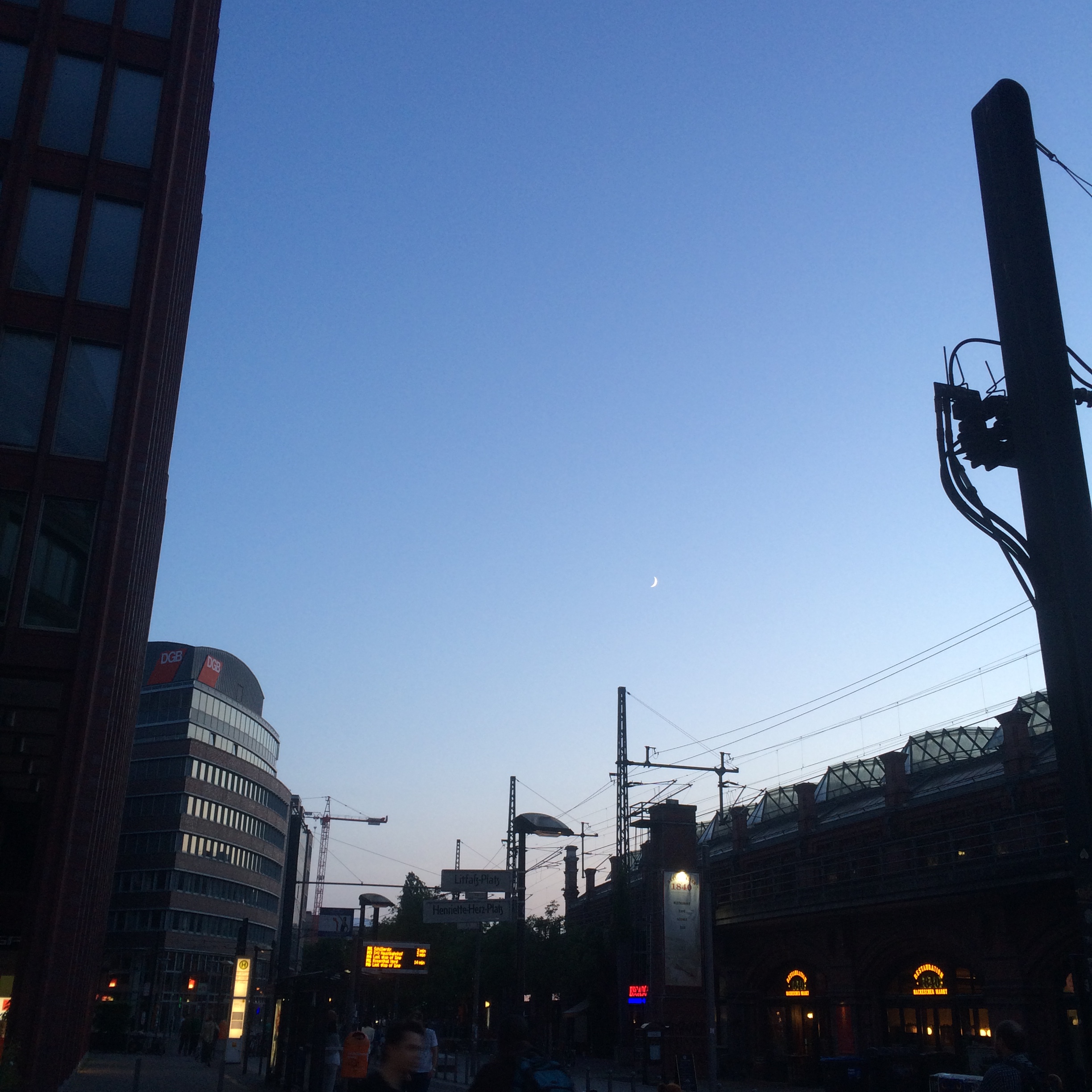
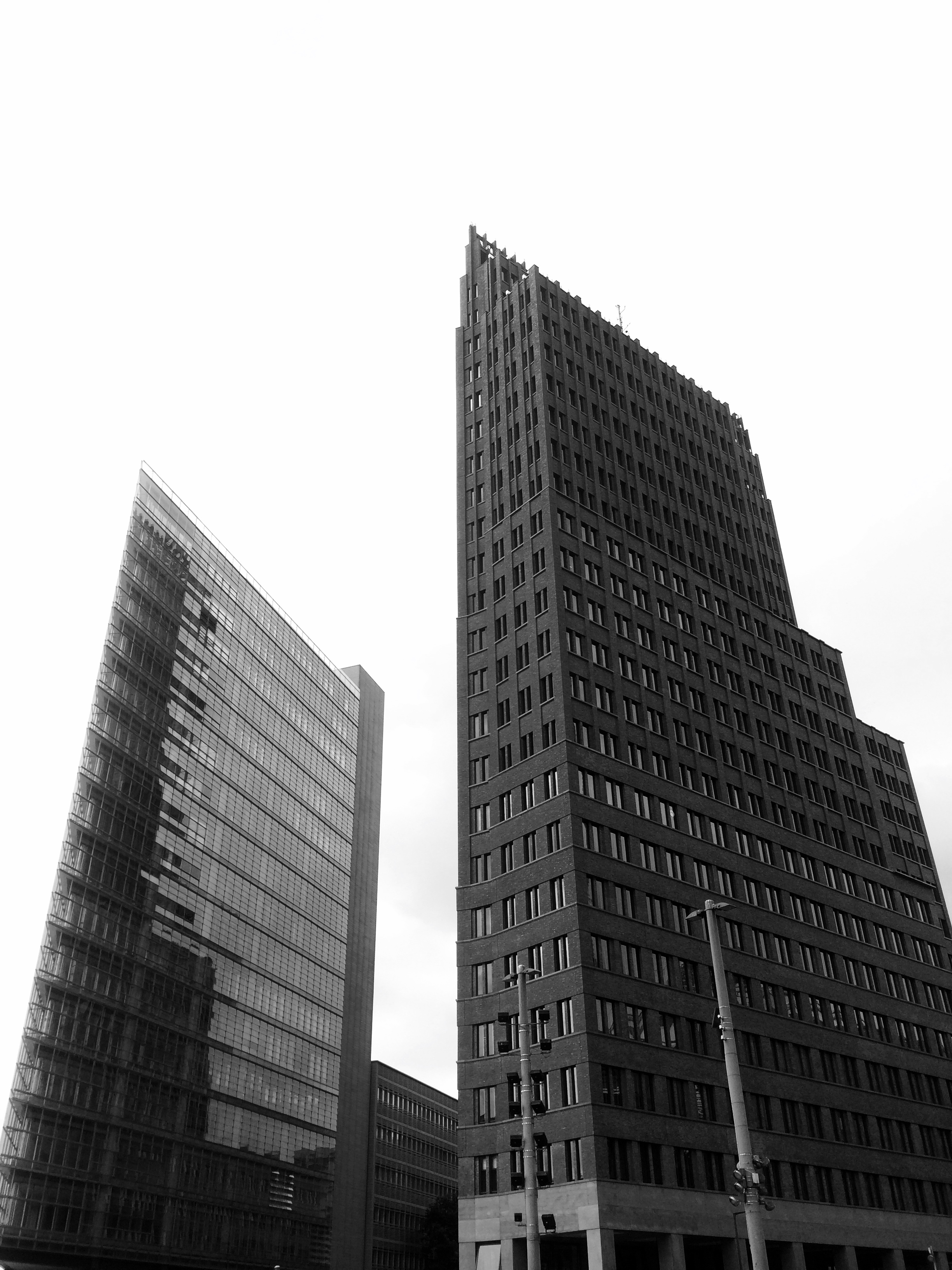
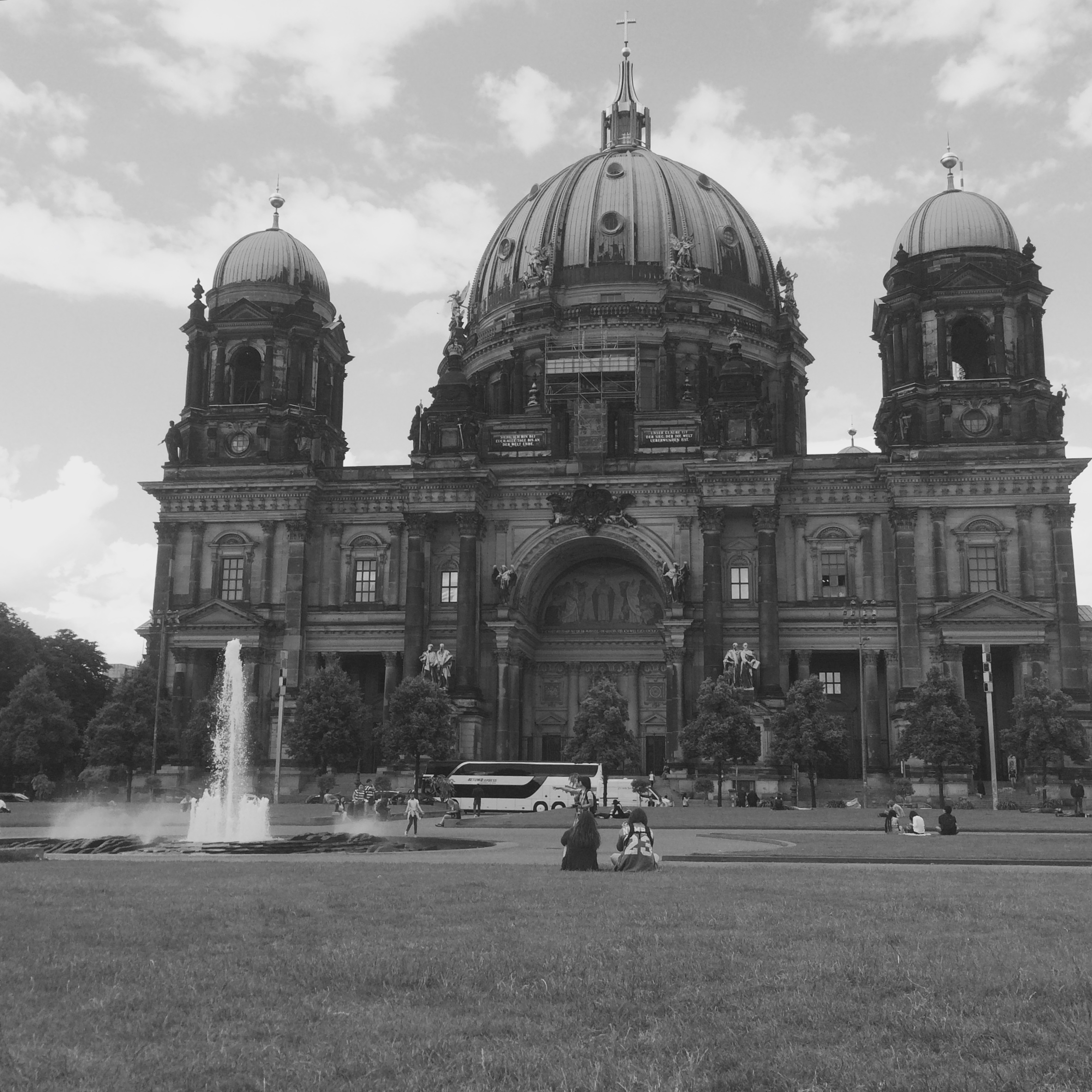
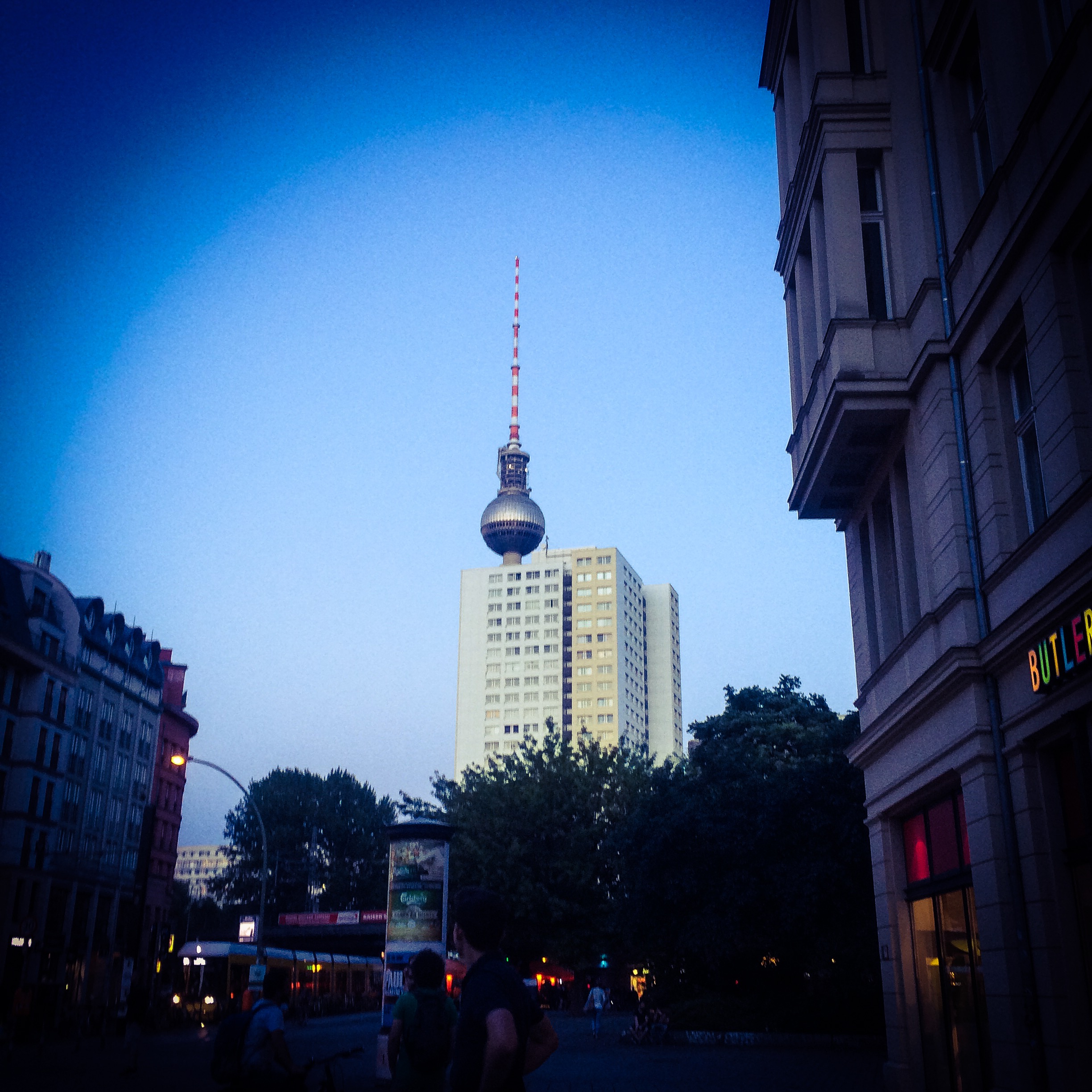
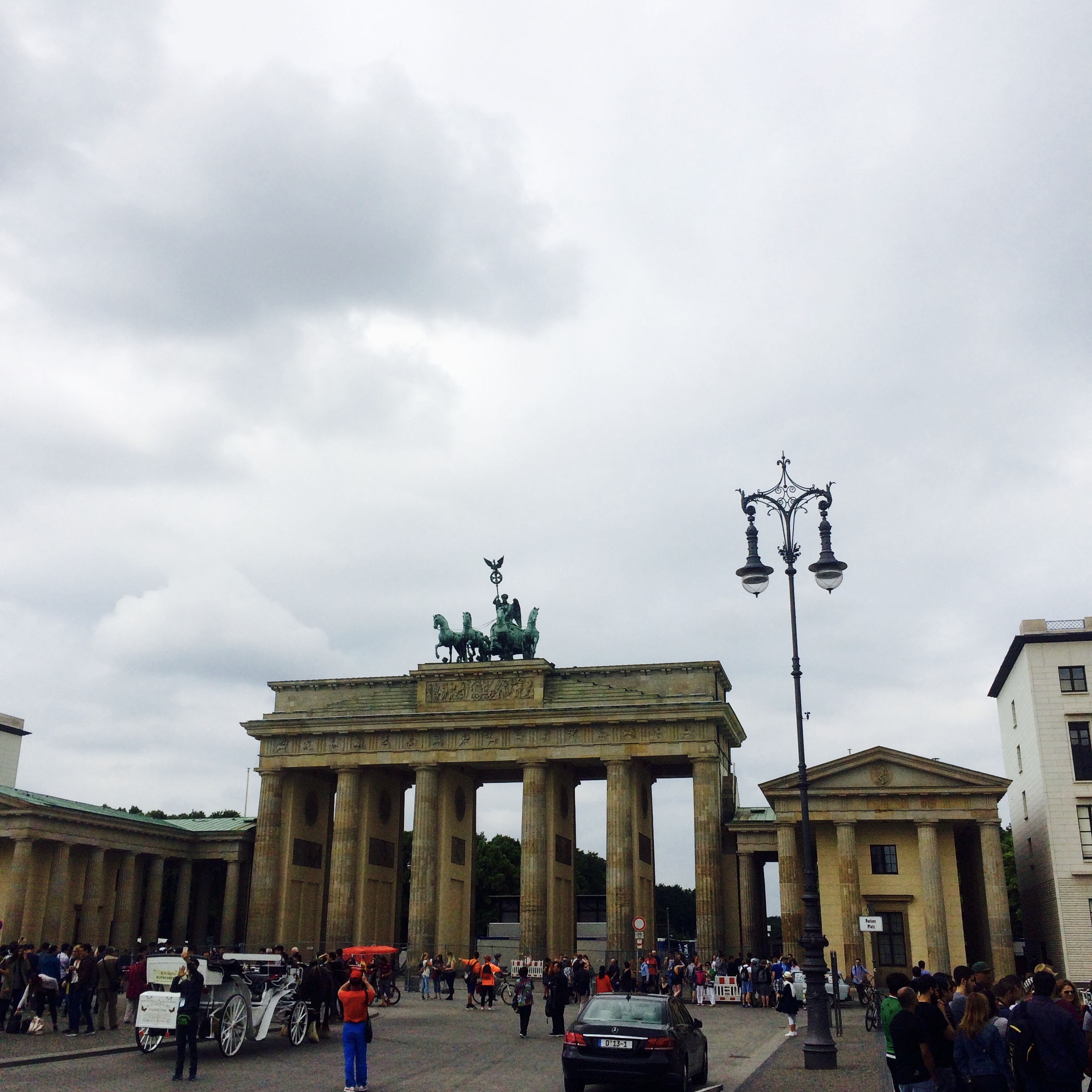
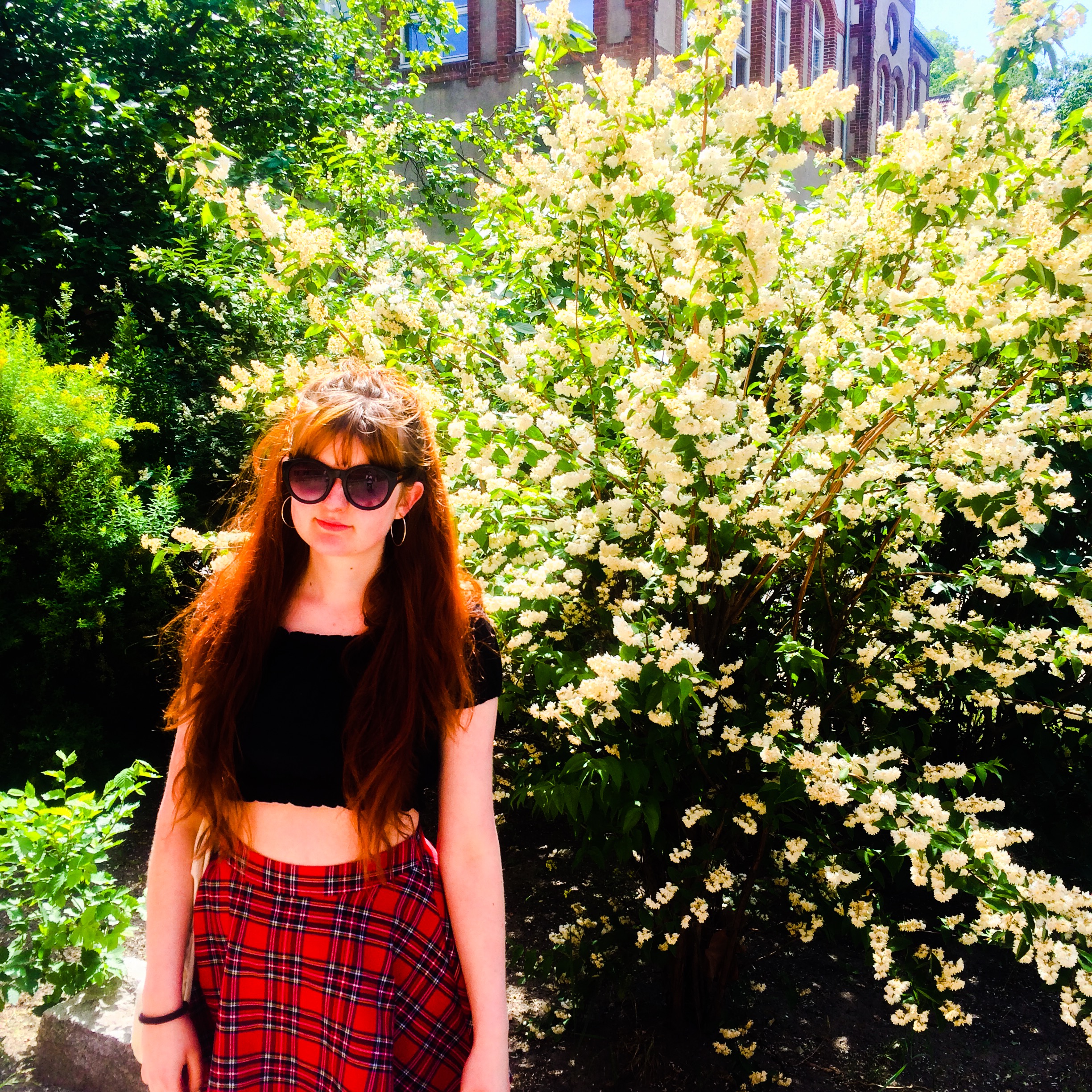
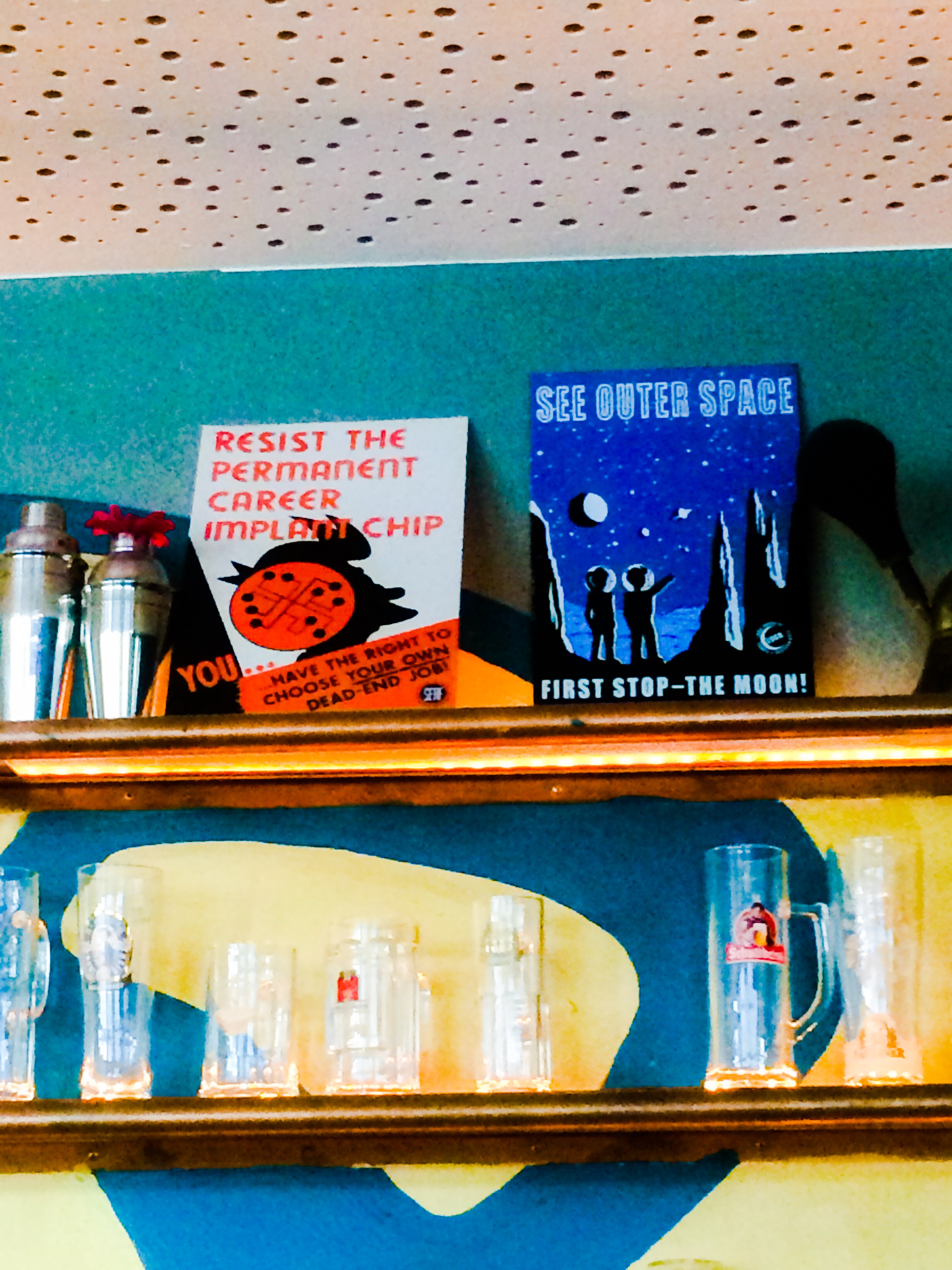
I haven’t been ‘abroad’ since Dublin in June 2014, so the prospect of Berlin was pretty exciting. I thought it was about time I spent my birthday somewhere different and I’ve never heard a bad word said about Berlin. We stayed in the Heart of Gold hostel, which is in Berlin Mitte, about ten minutes from Friedrichstrasse train station and a short walk away from Brandenburg Gate, Reichstag and Museum Island. This was my first time in a hostel and it felt a bit like going on a residential school trip combined with student halls; only unlike a school trip you had total freedom over your time, and unlike student halls people actually respected the place. The decor was kinda cool and space-themed, plus there was a pool table and unlimited free hot drinks and super cheap beer. The slightly rickety bunk beds were worth it in terms of price and location. Also, not many budget hotels will bless you with music ranging from Radiohead to German techno to obscure Cure albums to enjoy over your breakfast. I loved it.

I always forget how funny a place airports are. Their sense of spatial and temporal dislocation. Everyone just waiting; not exactly lounging around, but waiting all the same. Checking their phones, browsing the duty free, trying not to lose each other. If you’re like me and don’t go away much, you forget that whole other culture – that of the British holidaymaker. Screaming families and the endless churning crowds making their way to Spain, their unprotected, pasty skin volcanically craving the crack-over burn of continental sunshine. Groups of lads with Nike snapbacks making their way out to Zante or Magaluf for their sixth year holidays, my brother beside me tearing their outfits to shreds with his devastating fashion analysis.

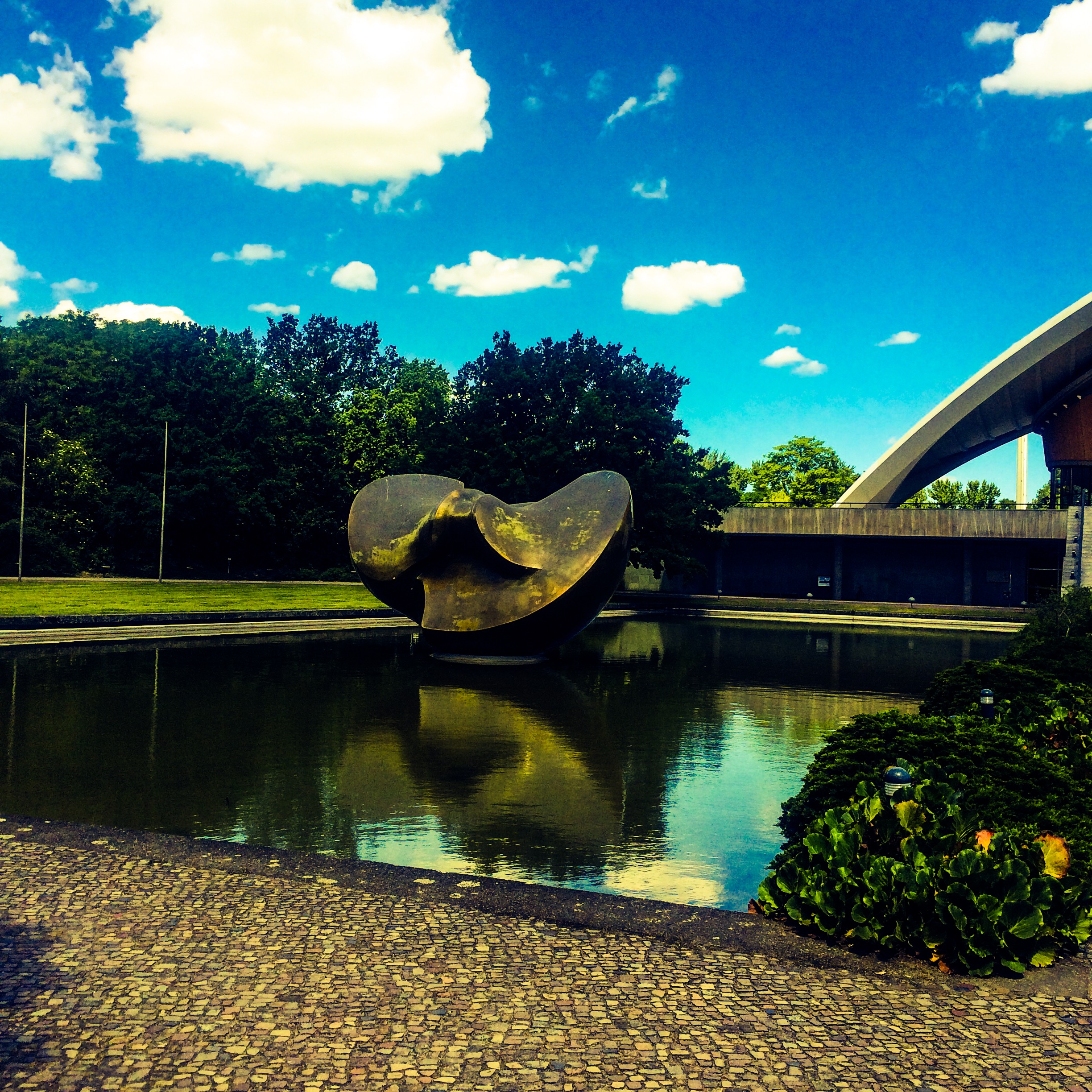
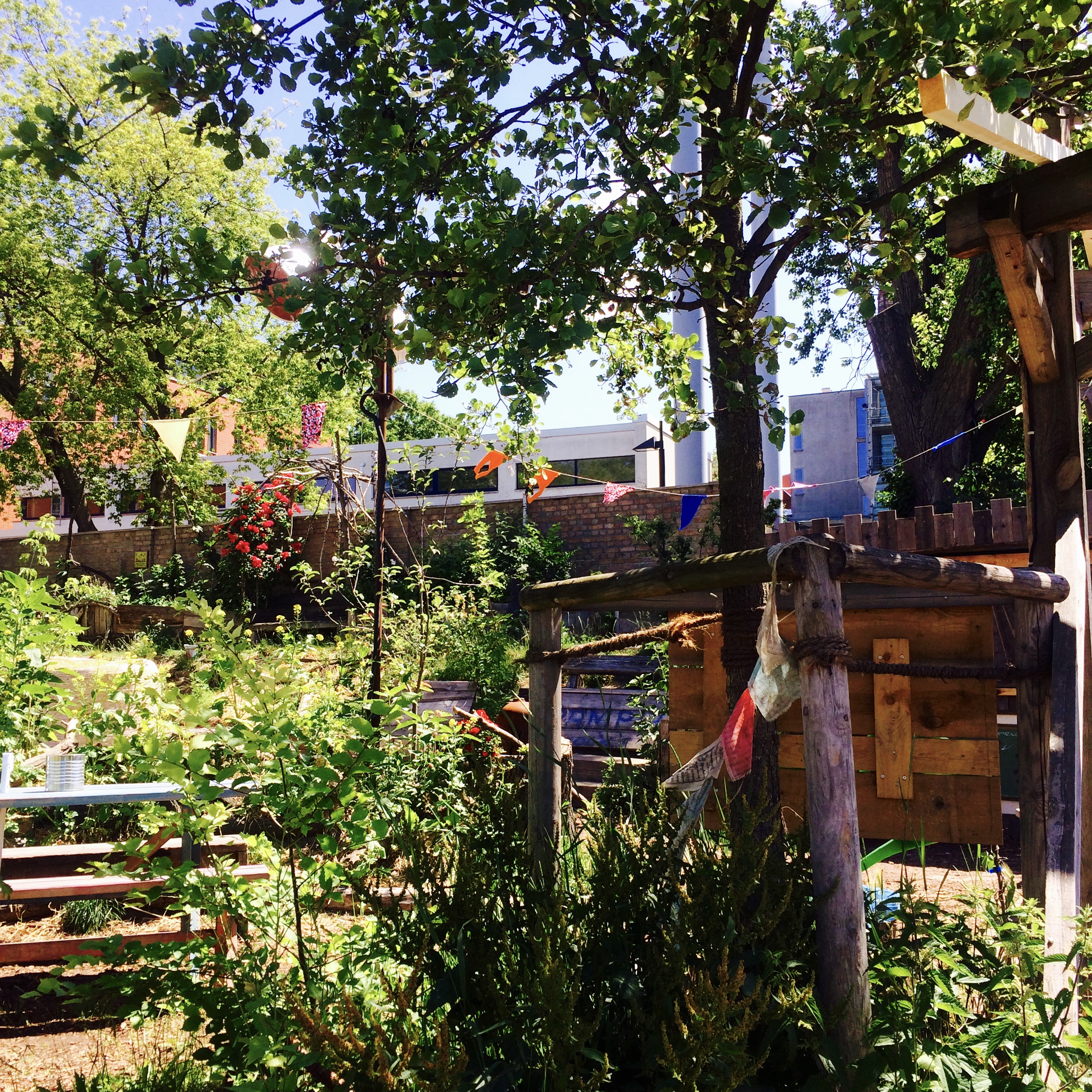
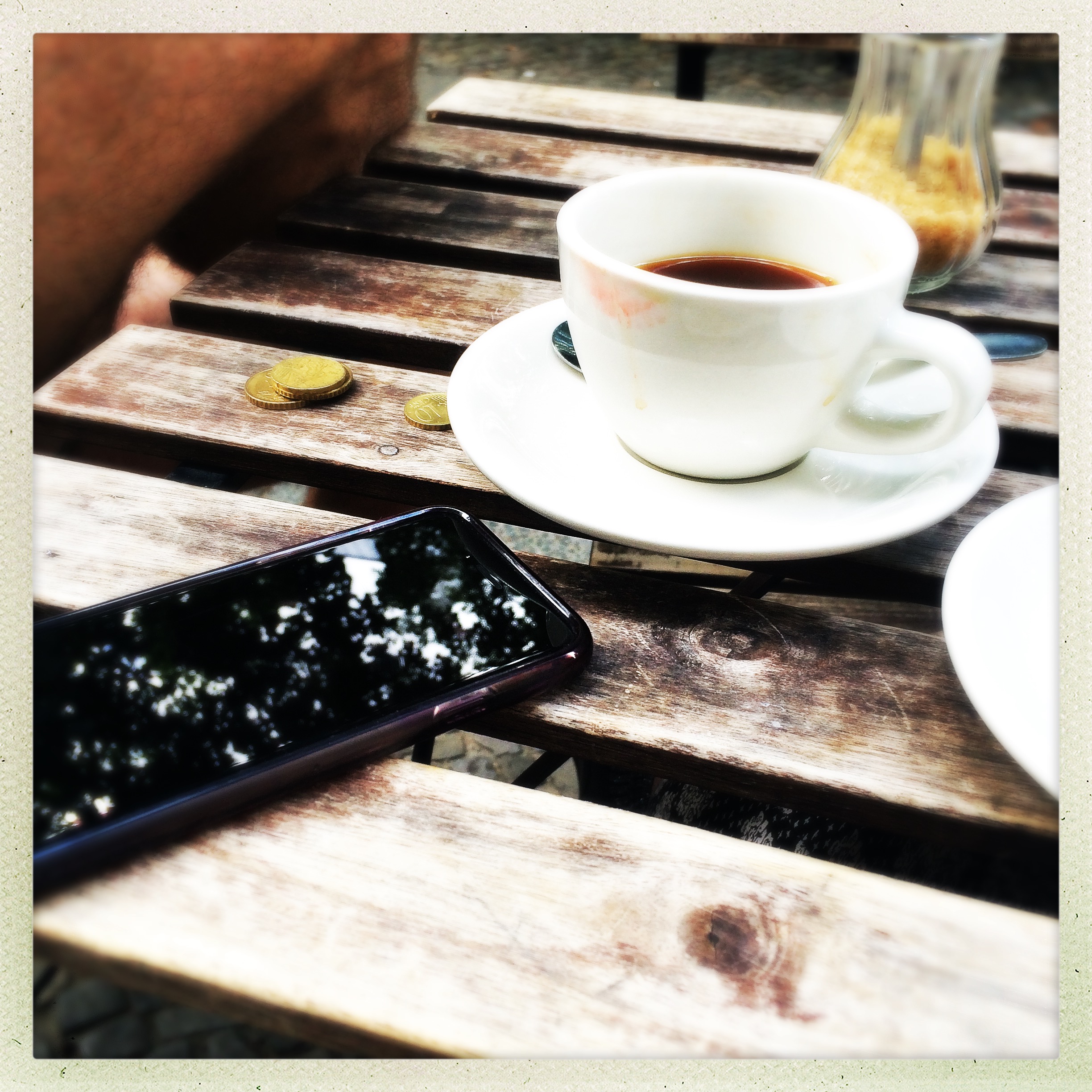
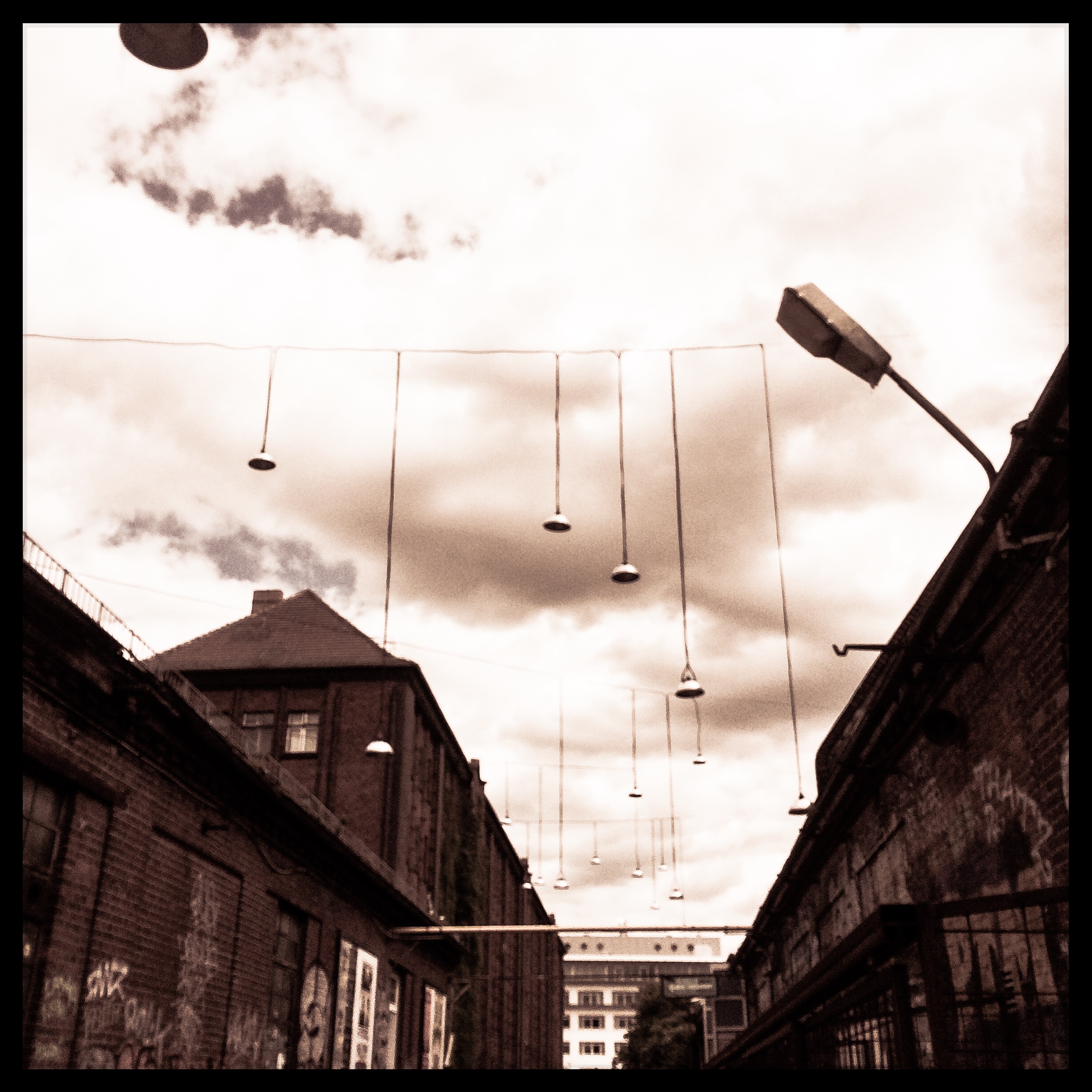
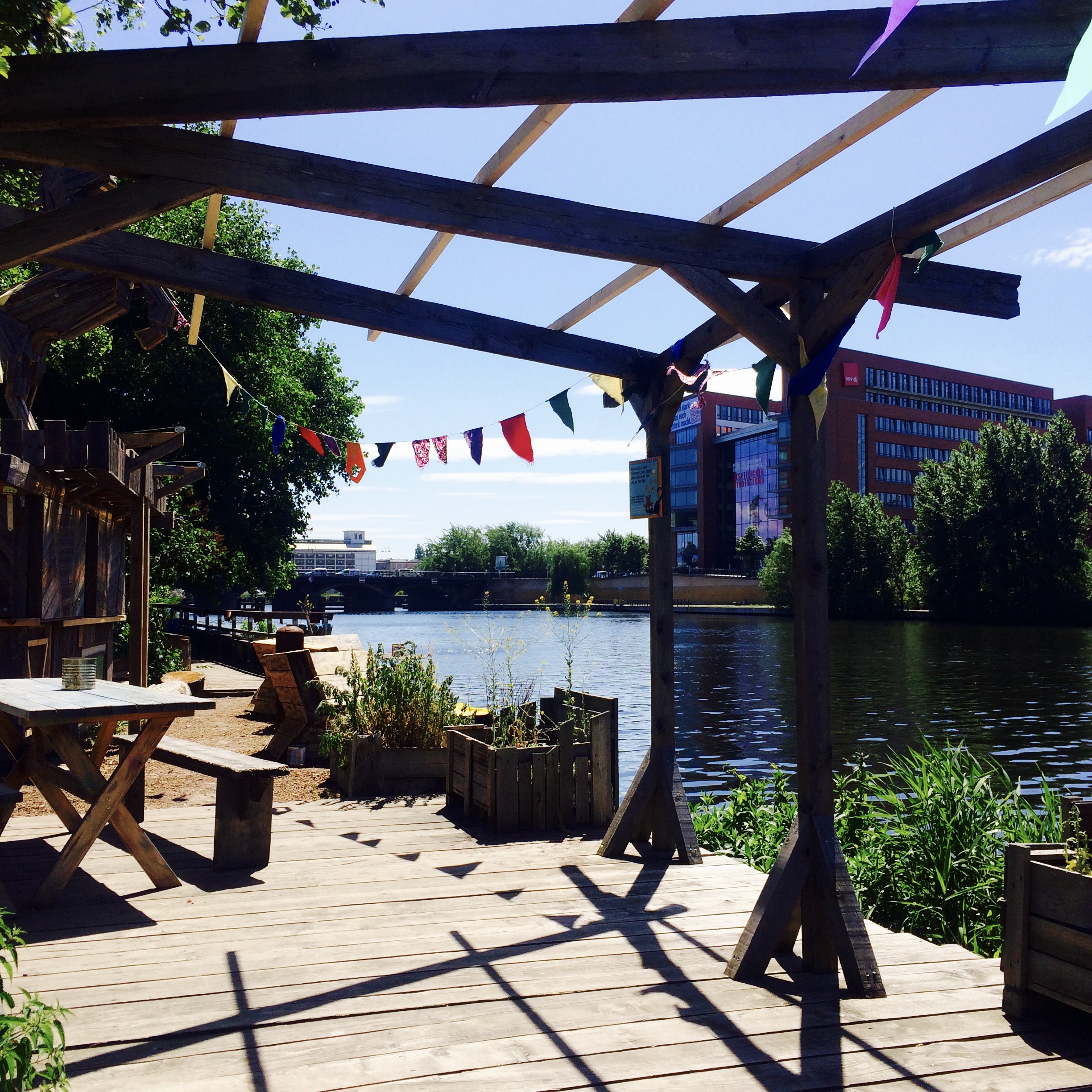
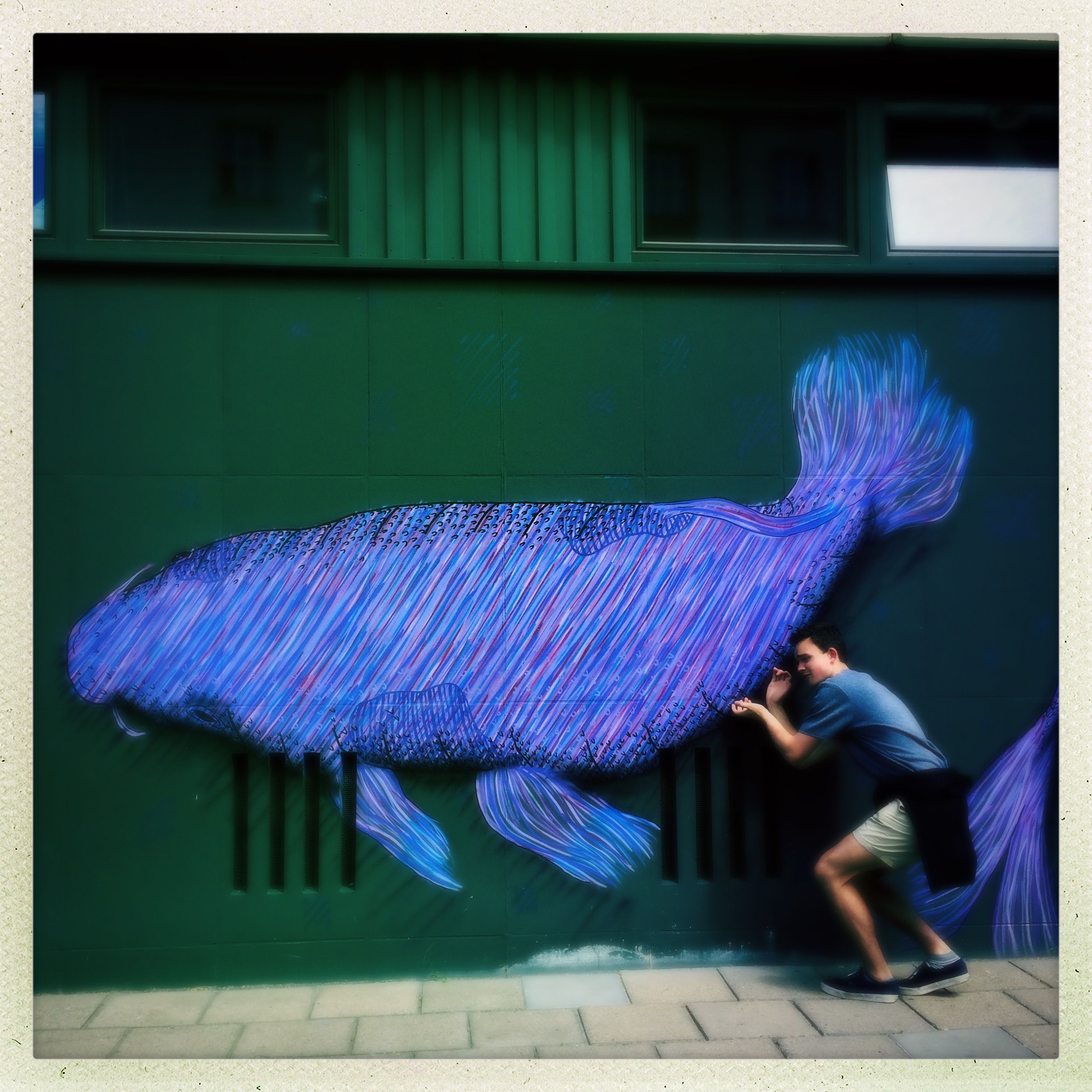
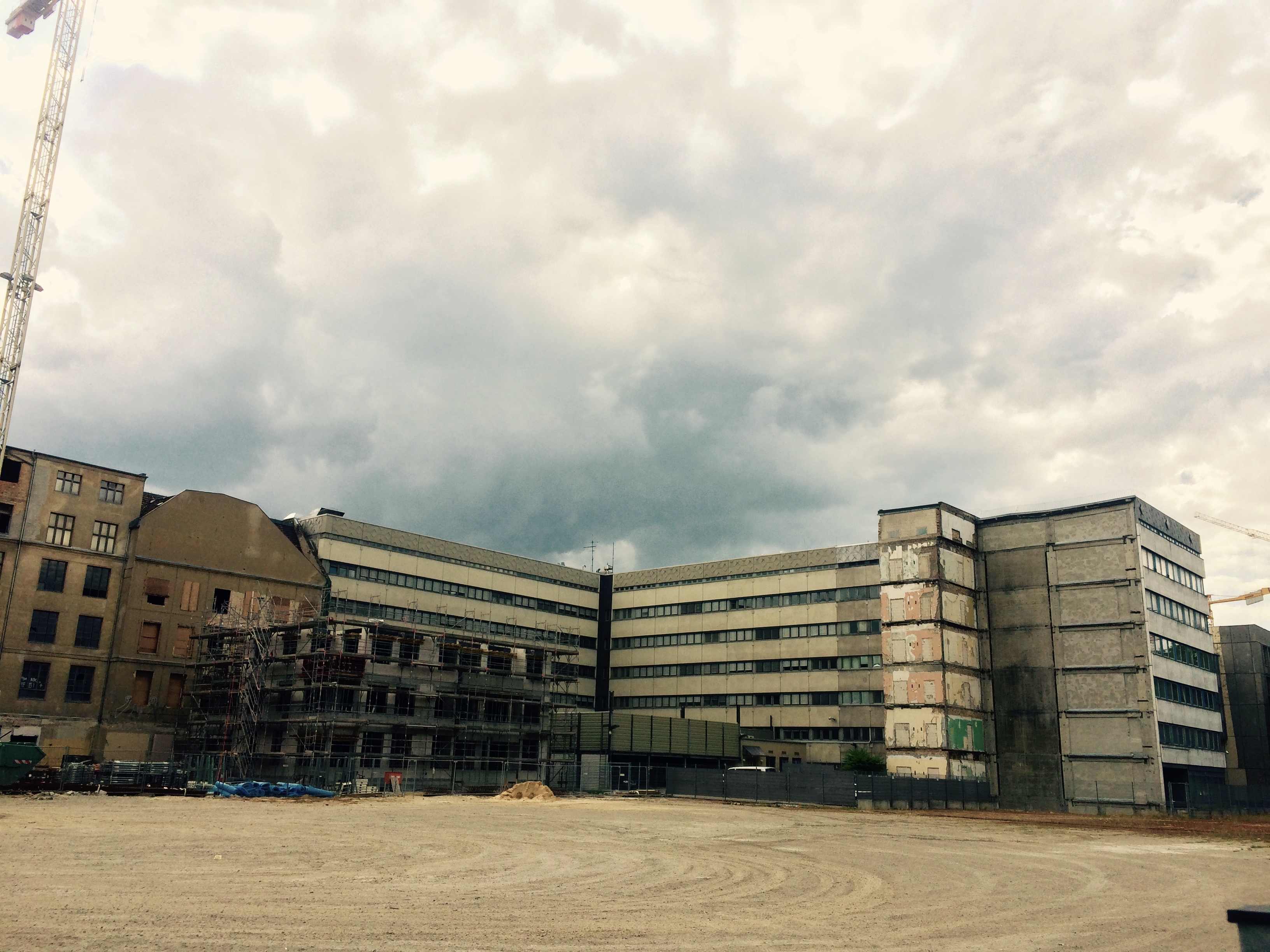
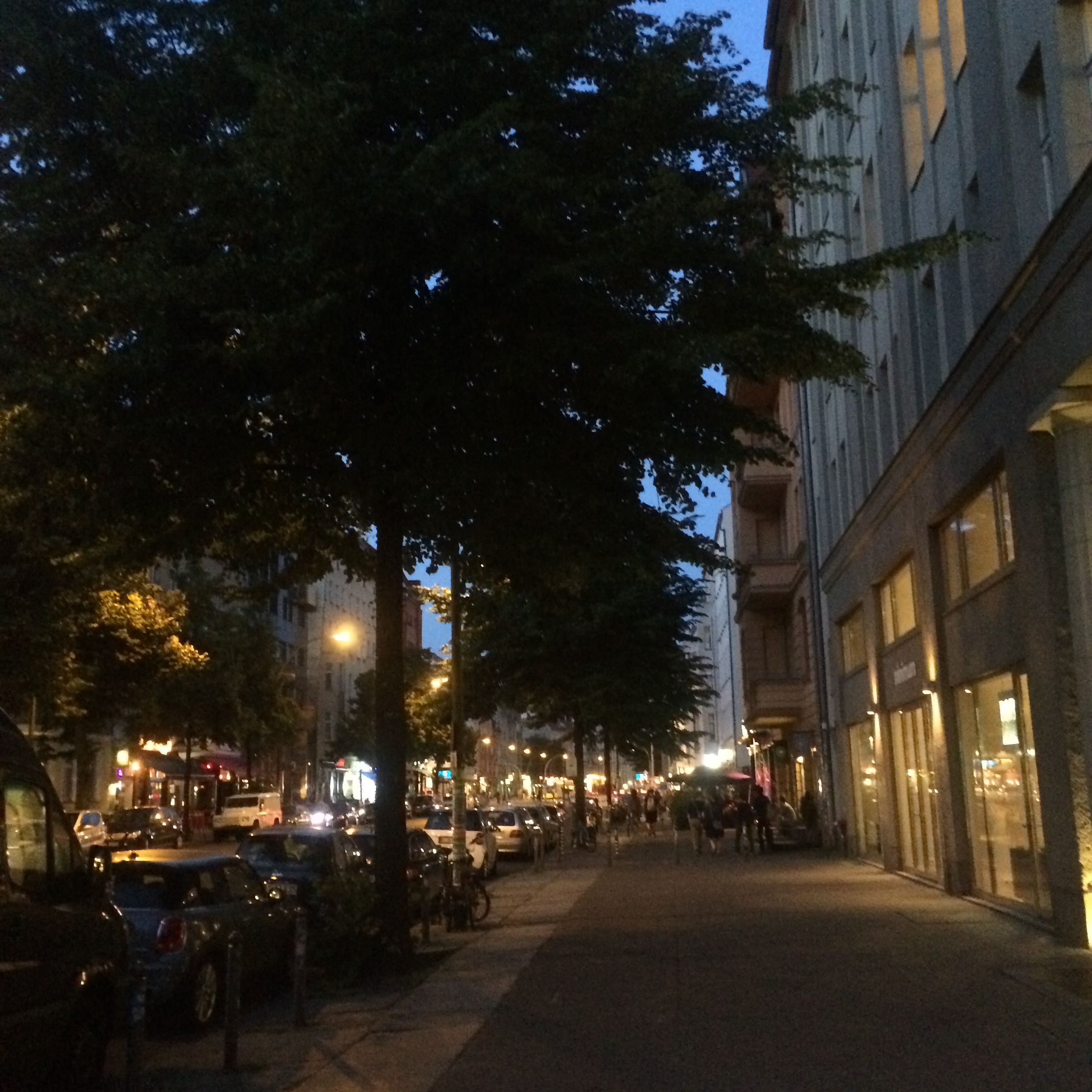
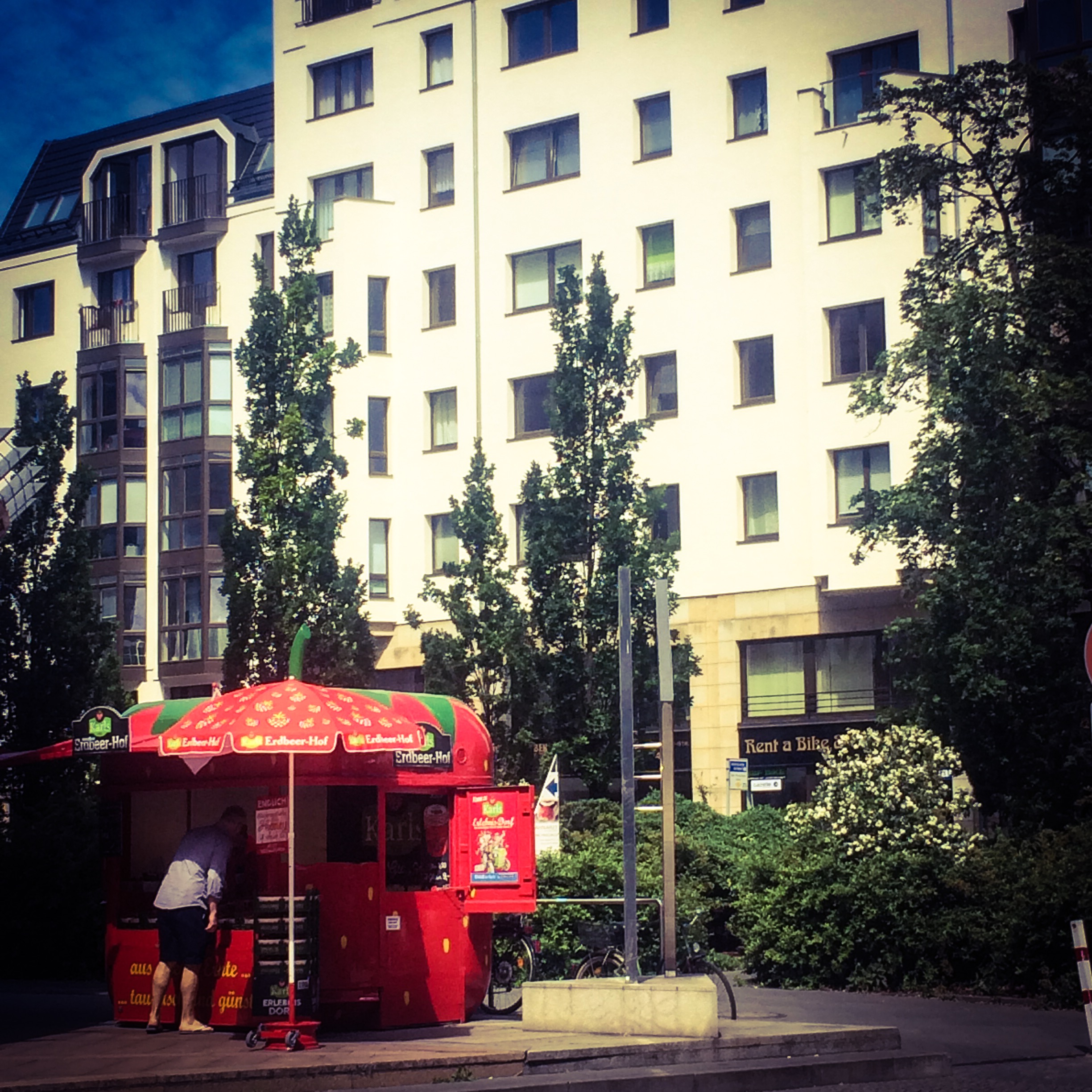
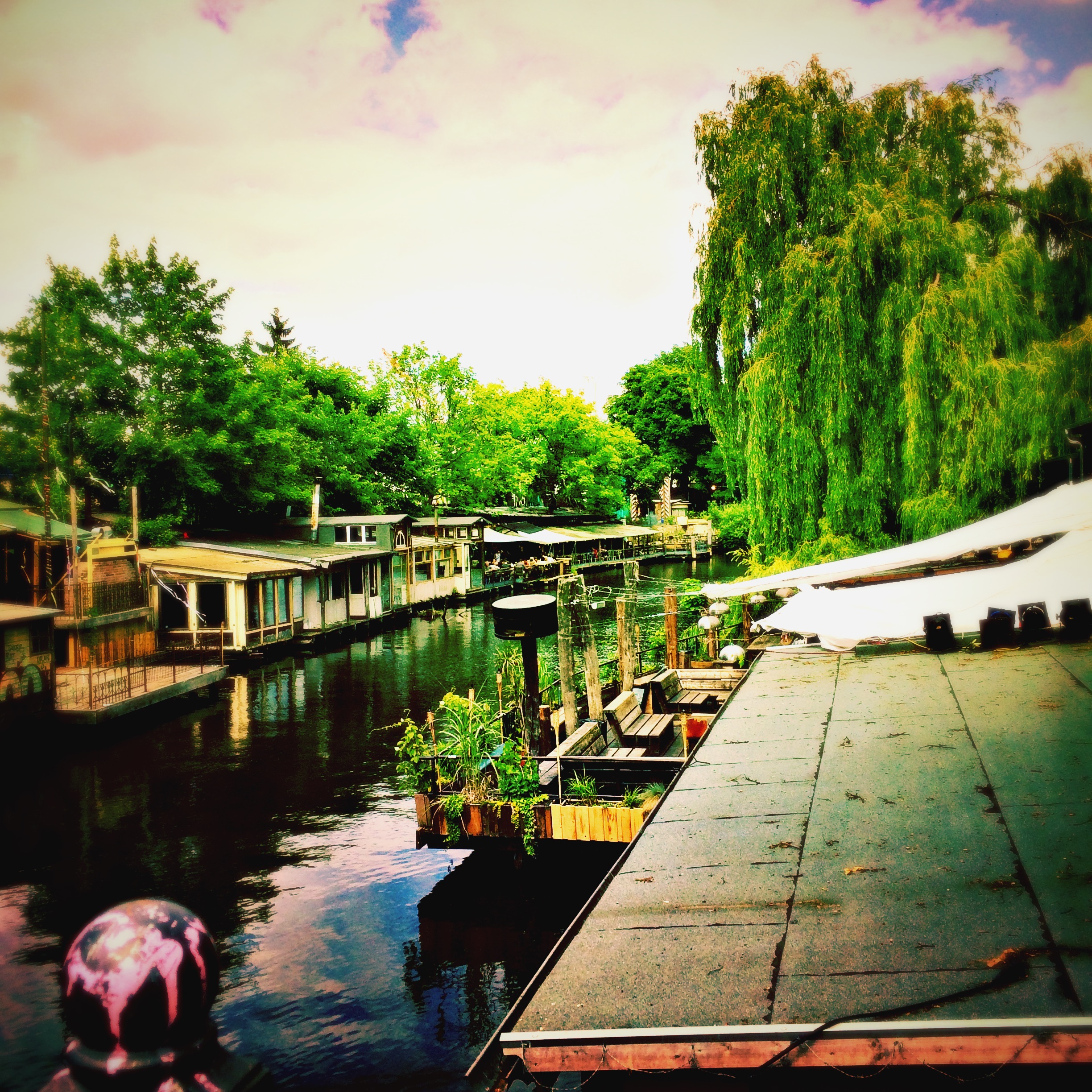
Berlin kinda has it all. There are vegan and vegetarian restaurants and cafes everywhere. We came across a place with hammocks that allowed you to concoct your own tea and watch the traffic go by as you swayed from side to side. Cool riverside cafes with bars embedded inside cabana-style sheds. Supermarkets which sell hummus and play Lana Del Rey on their speakers (what more do you need?!). A frankly mesmerising selection of Ritter and Lindt chocolates (the best). Parks where all sorts of people hang out, drinking beer and wine and throwing frisbee for dogs. It’s legal to drink in the street in Berlin and the vibe is always pretty chilled. The streets weren’t covered with litter, and generally the abundance of graffiti gave off the impression that to remove it would be to strip something pure from the city. It’s a colourful place, a dusty place (lots of construction going on), a green place. There’re parks everywhere, not to mention the massive Tiergarten, where you can lay around for hours, make friends at an outdoor bar, go rowing along the pond, check out a statue dedicated to good old Rousseau. There were little stands outside train stations which sold nothing but punnet after punnet of fresh strawberries. Beautiful Brutalism. Boutique coffee shops, vintage clothing stores, fruit and veg stalls everywhere. It’s super hipster, yes, but not in the kind of wanky obsessed-with-‘taste’ Shoreditch way, just in this laid-back, established way of cool. Plus, all the spirits seemed to be served as doubles, which was fun.

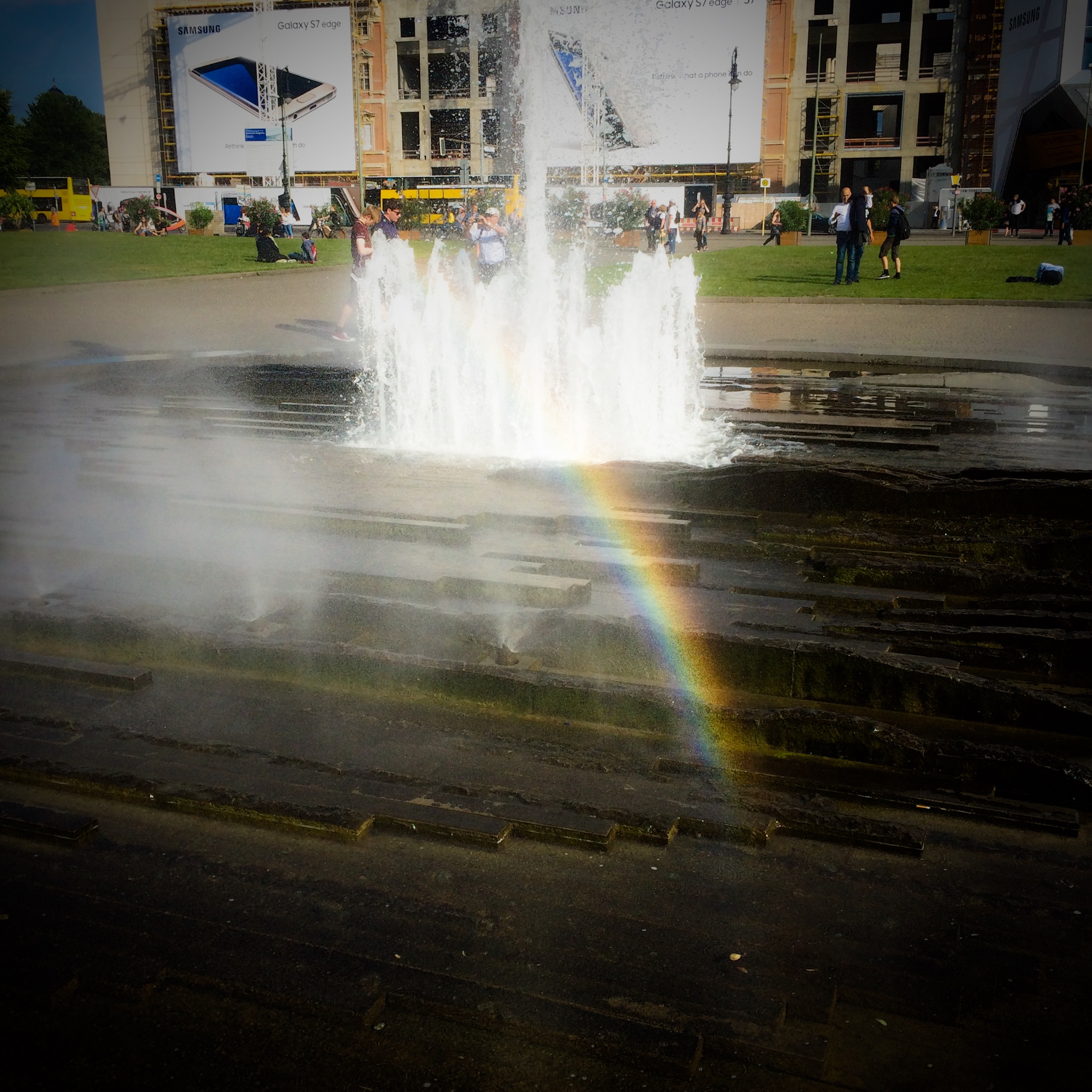
We walked around for hours and hours in the heat, sometimes catching a train, sometimes just walking some more. We walked more than 60km in three days, according to my phone! We saw the main shopping precinct, the parks, the lovely laid-back bar areas, the touristy stuff, the artwork at the East Side Gallery. I already want to go back, preferably with a group of pals who are brave enough to explore all the crazy warehouse raves, speakeasies, weird bars (especially The Black Lodge – think this might’ve freaked my brother out too much!)and clubs in the depths of Kreuzberg…

Some of my favourite Berlin things:

  • The place which used a gym bench as a bar top and sold my favourite whisky (Talisker)
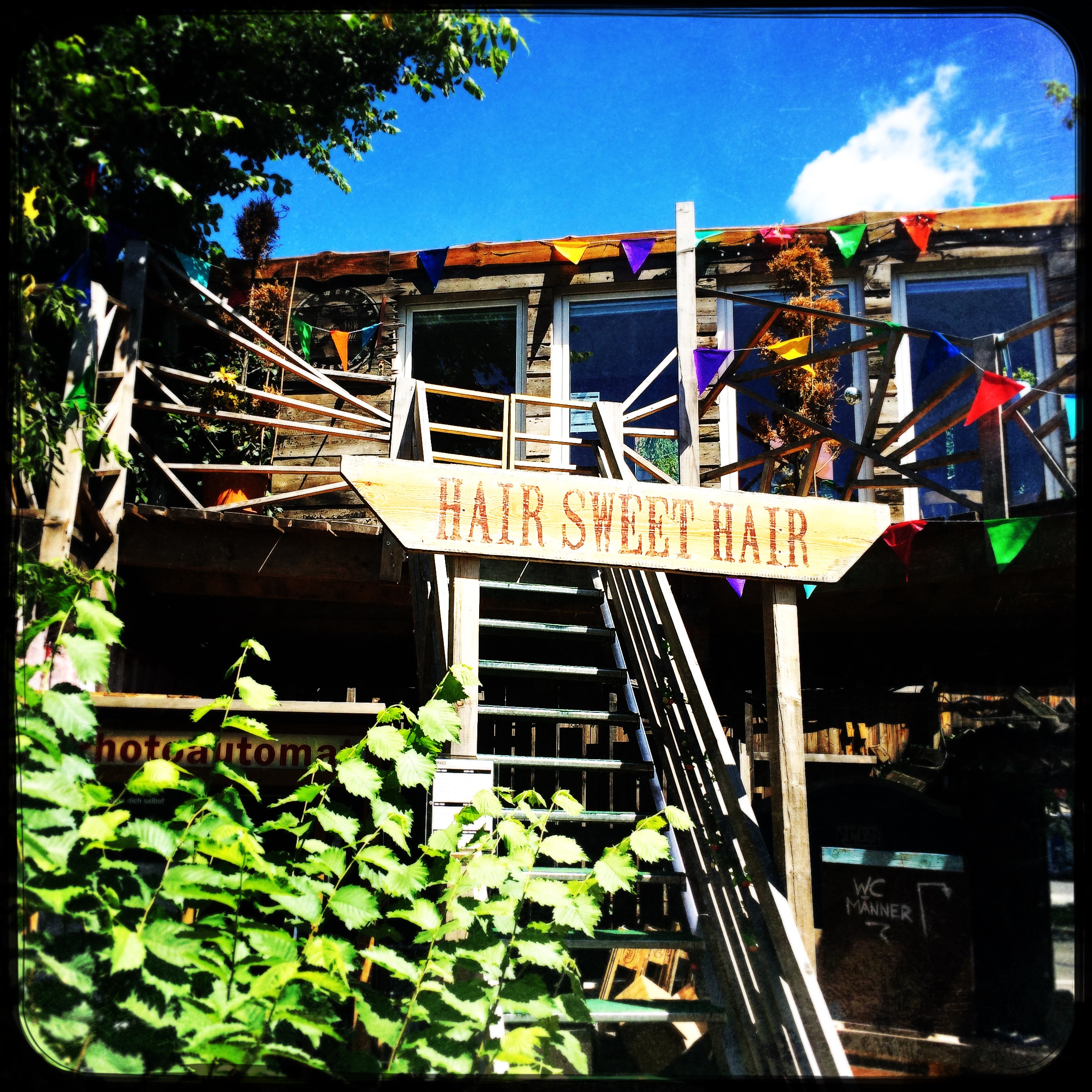
  • The riverside cafe with a hairdresser inside a treehouse
  • Double gin & sofa after walking for hours in the sun
  • The laid-back cafe vibe around Mitte
  • The crazy hotchpotch of people at Mauerpark
  • Ritte ‘Nougat’ chocolate, which is like those Guylian seashells only in a block of chocolate, yummmm
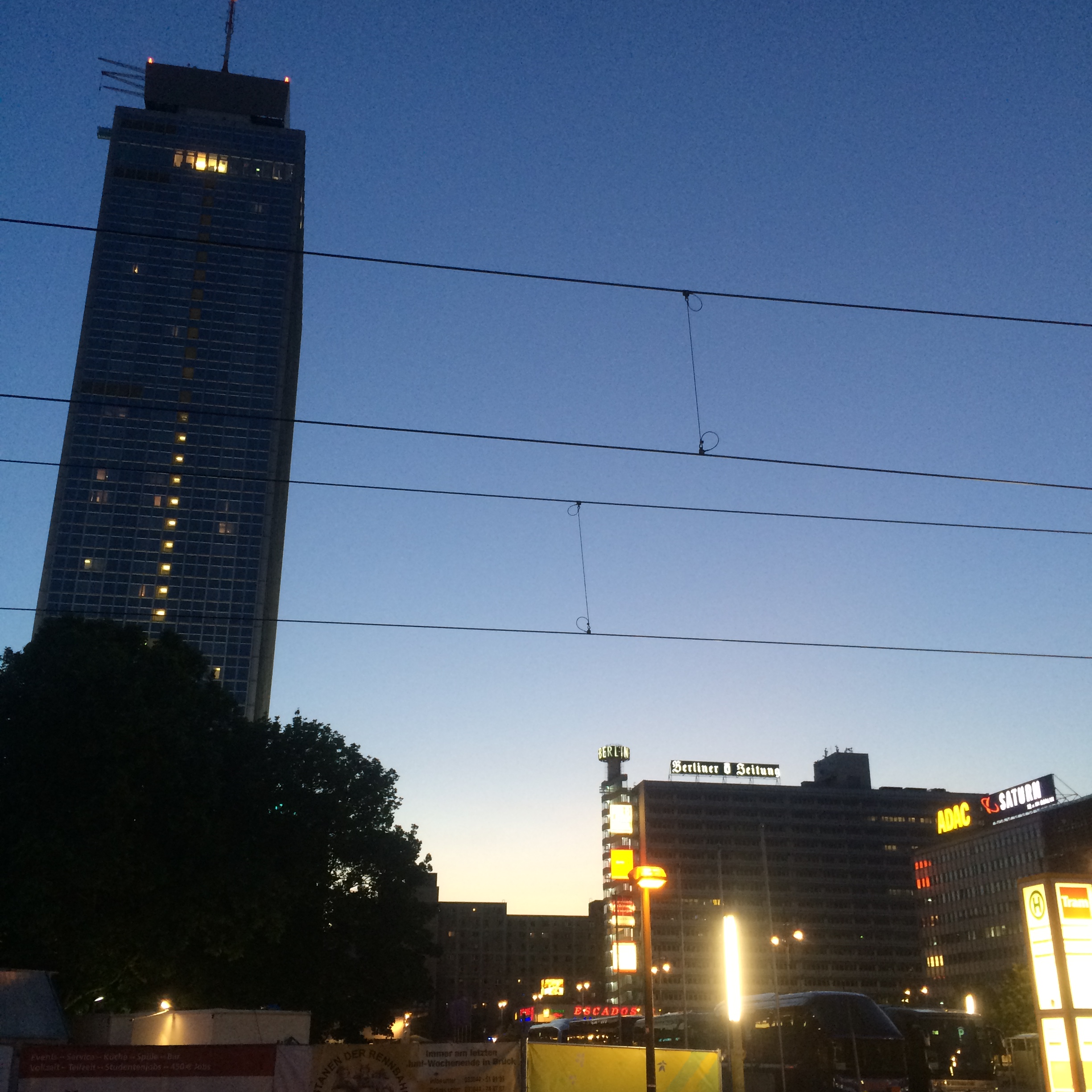
  • The African festival at Alexanderplatz (everyone looked cheerful)
  • All the lovely Americans we met at the hostel
  • Vodka bottles for like €1 at the supermarket
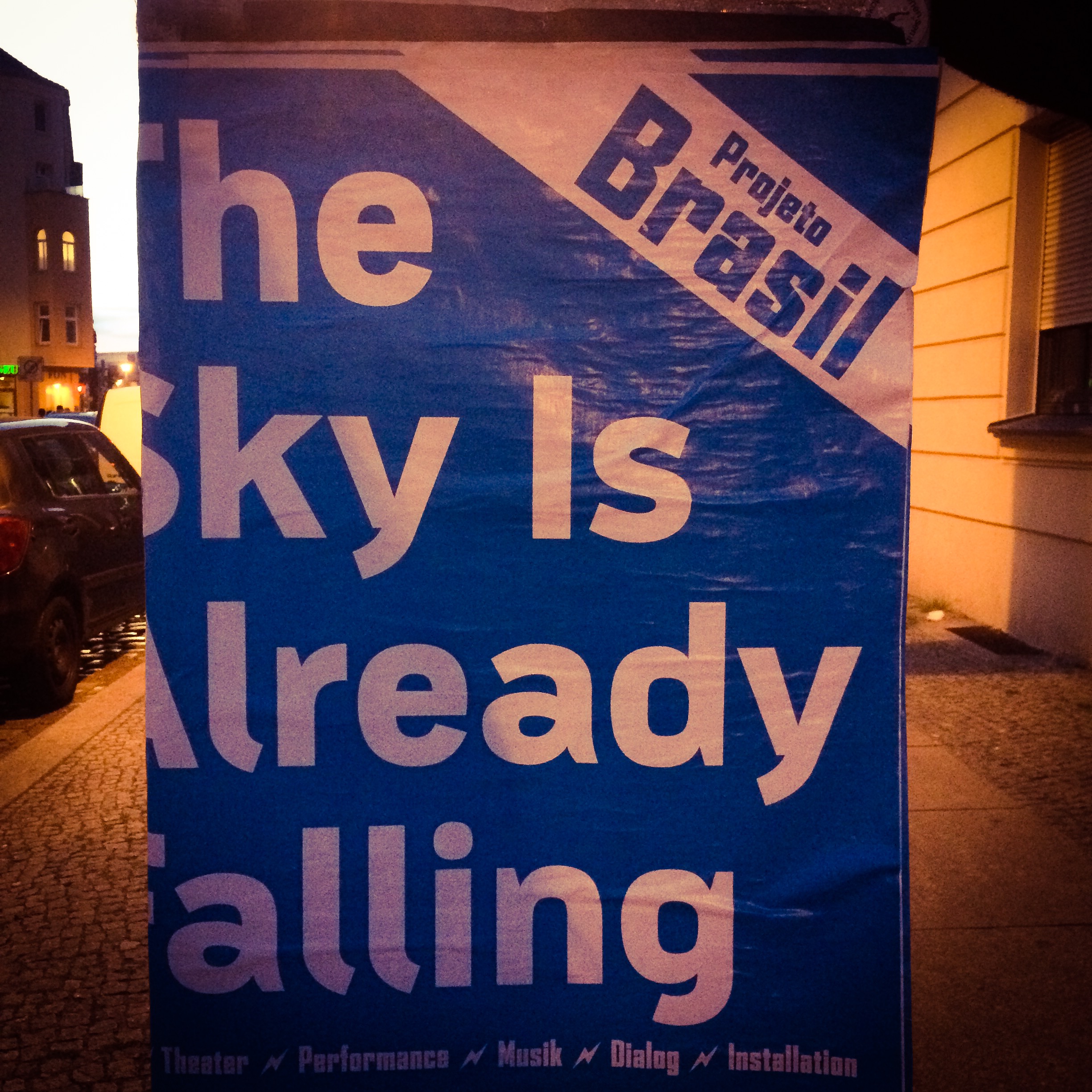
  • Seeing posters for loads of cool festivals, even though I won’t be going to them
  • The fact that cigarette machines still exist here!
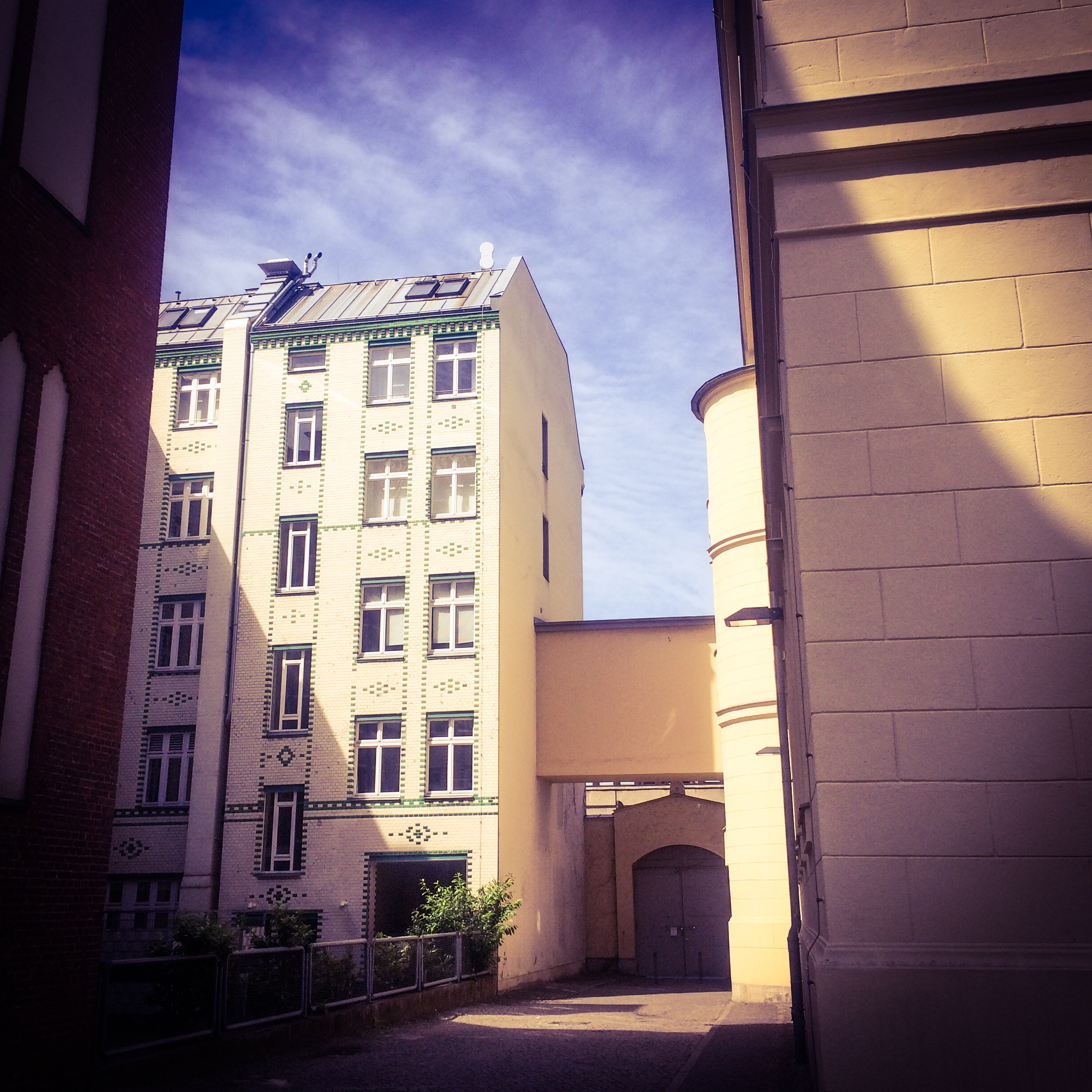
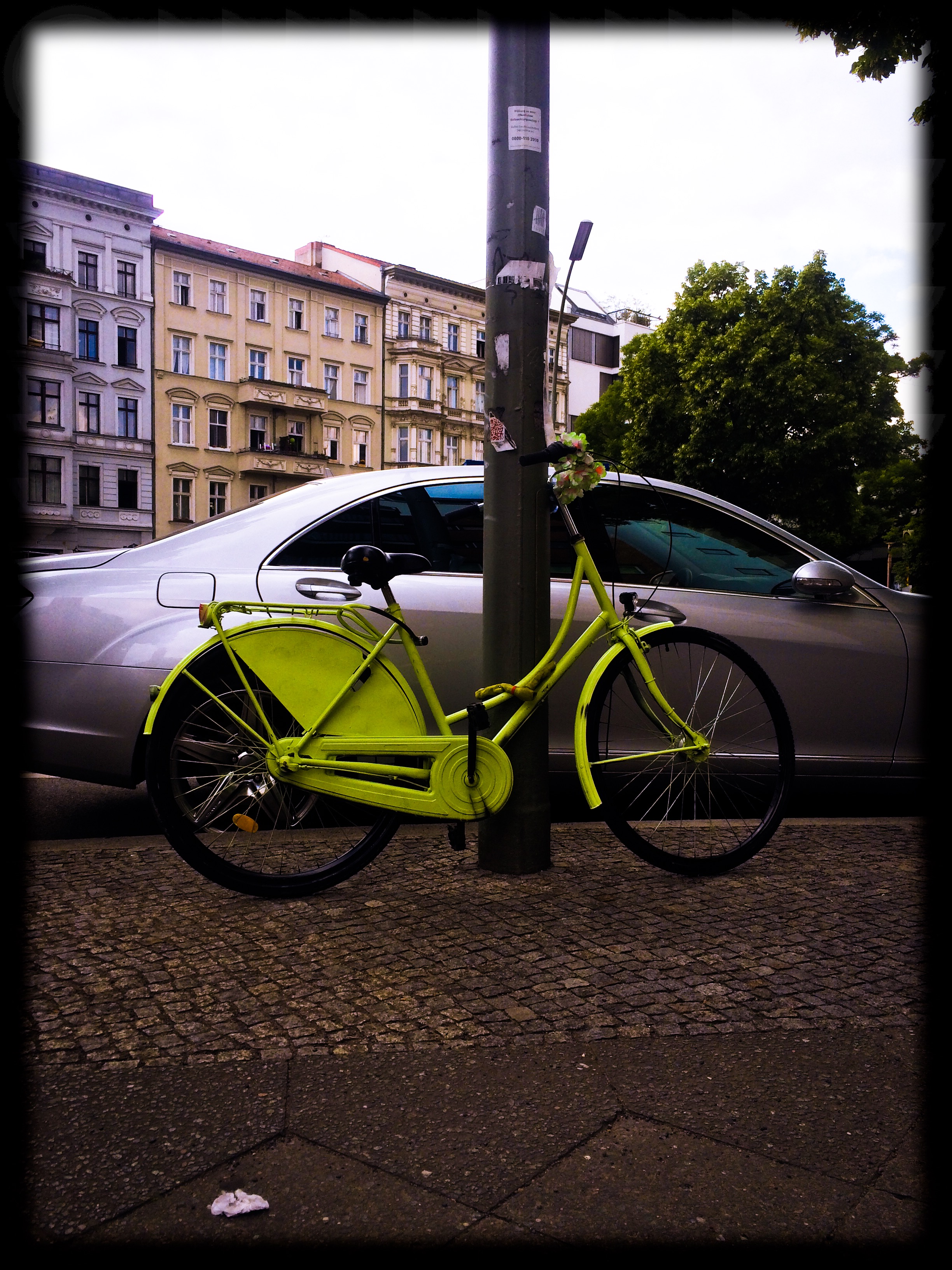
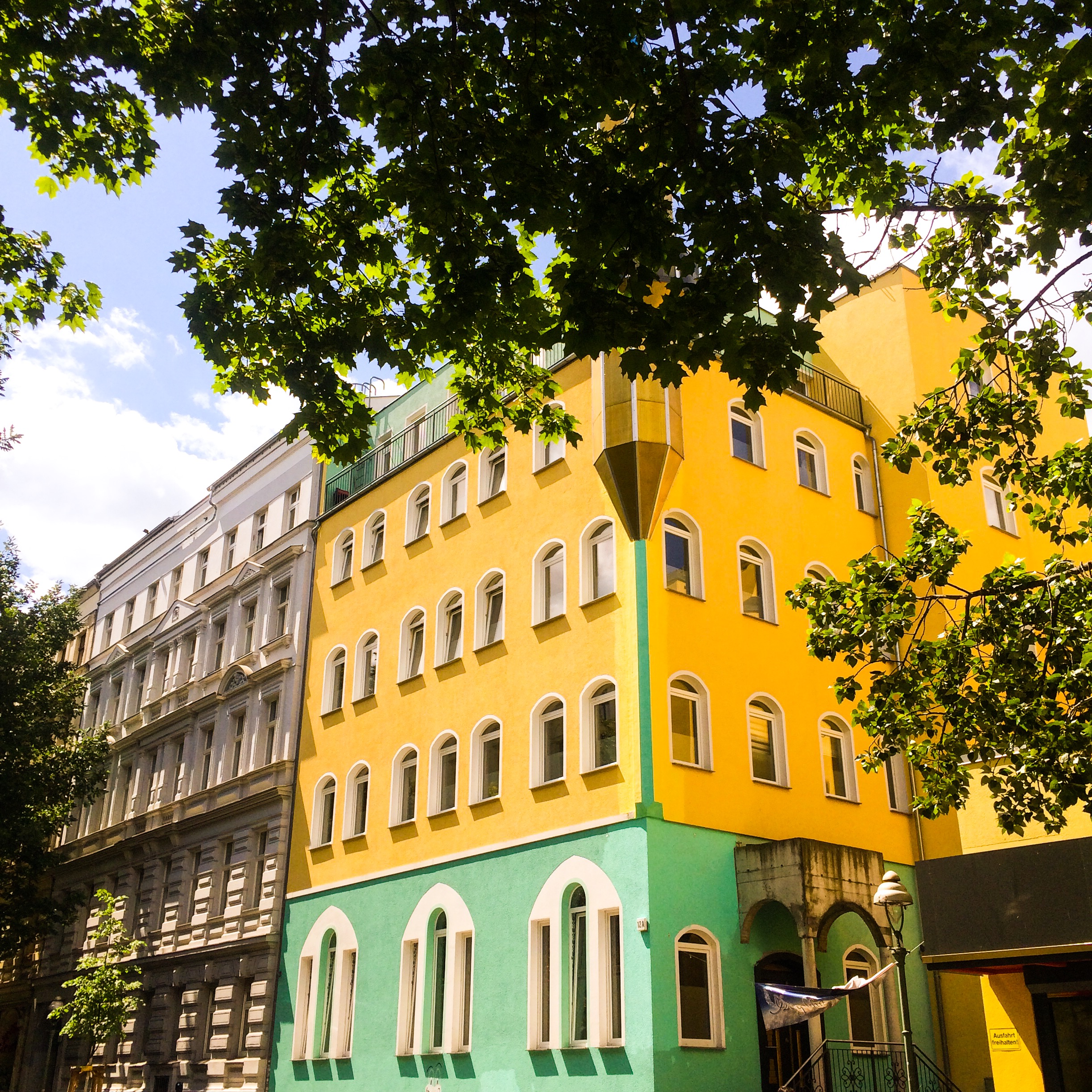
  • All the bright yellow buildings
  • The solitary man with long black greasy hair playing lovely sad dissonant songs on his cello, sitting under a bridge
  • Not having WiFi for a few days then coming home to lovely birthday messages!

The Wisdom of 18-year-old Sylvia

On a relatively unfrequented, stony beach there is a great rock which juts out over the sea. After a climb, an ascent from one jagged foothold to another, a natural shelf is reached where one person can stretch at length, and stare down into the tide rising and falling below, or beyond to the bay, where sails catch light, then shadow, then light, as they tack far out near the horizon. The sun has burned these rocks, and the great continuous ebb and flow of the tide has crumbled the boulders, battered them, worn them down to the smooth sun-scalded stones on the beach which rattle and shift underfoot as one walks over them. A serene sense of the slow inevitability of the gradual changes in the earth’s crust comes over me; a consuming love, not of a god, but of the clean unbroken sense that the rocks, which are nameless, the waves which are nameless, the ragged grass, which is nameless, are all defined momentarily through the consciousness of the being who observes them. With the sun burning into rock and flesh, and the wind ruffling grass and hair, there is an awareness that the blind immense unconscious impersonal and neutral forces will endure, and that the fragile, miraculously knit organism which interprets them, endows them with meaning, will move about for a little, then falter, fail, and decompose at last into the anonymous soil, voiceless, faceless, without identity.

From this experience I emerged whole and clean, bitten to the bone by sun, washed pure by the icy sharpness of salt water, dried and bleached to the smooth tranquillity that comes from dwelling among primal things.

From this experience also, a faith arises to carry back to a human world of small lusts and deceitful pettiness. A faith, naïve and child like perhaps, born as it is from the infinite simplicity of nature. It is a feeling that no matter what the ideas or conduct of others, there is a unique rightness and beauty to life which can be shared in openness, in wind and sunlight, with a fellow human being who believes in the same basic principles.

This is taken from Sylvia Plath’s journals. She wrote this just before she turned 19. I love the way she transitions from natural details out into meditations on time and life and love,  the way her words have a flow or rhythm which sort of mirrors that rippling wind, the clean and constant wash of tidal water, and then the serenity of the standstill moment.

Hillhead St.

IMG_0485

Springtime, 2012; first spring in the city. Living on Hillhead Street, with the cat, Miller, who used to mill around and curl his sleepy tail round your ankles at lunchtime, purring at the sun. It was sunny all through April and May. Early mornings in the library, level eight and nine with the light flooding the windows warming and pure, a dish of sun butter melting over sandstone buildings. The best seats, the computer screen a dull mist of unimportant philosophies. Walks along the Kelvin, tangles of fern and wild garlic and the solitaries who wander, sometimes stumbling, always clutching a spliff or a bottle of Bell’s or Buckfast. Coughing their pearls of greenish spit into the river. Summer of the Olympics, no care at all, sugar rush of coke and chocolate buttons and long evenings staring insomniac out of a tiny dorm window. The Decemberists, or Conor Oberst’s croon in the wanderings out to town, to the station or the Necropolis. Smell of cigarettes wafting from rooms below. So far, but not so far, from home. The red glow of the sun at dusk, the silhouettes of house plants, the sound of footsteps.

The Dunure Labyrinth

IMG_2643

Overgrown in summer, late summer with the lushness of August
fattening in the green bloom of another afternoon
exploring these spots on the west coast.

The labyrinth hasn’t been here for long;
laid down by volunteers
it etches out a vision of something otherworldly–
Pictish, perhaps, or else Pagan
and the strange age of overlap
where still we worship the unknown,
feel breezy and free in uncertainty.
Keats called it negative capability.

She will wander alone into the labyrinth,
scuffing her shoes in the gravel,
trying to deny the way the stones grow before her
rising like those of Stone Henge,
monuments to some elusive god.

Where all she sees are the sea flowers,
the saltiness sticking in her lashes,
soon she will be sucked in, the last gold drops
of sunlight just distant memories
tacked to the glass of her mind,
which ripples in the sea breeze
always wanting its tidal sweep,
its final sleep.

(You can get here on the bus and by walking through the village to the coast, somewhere down near the castle which perches on the cliffs. There are many paths through overgrown bracken and nettles, paths which wind down the cliffside along to the beach. There are benches and a couple of info signs and many views out to Arran, the particular grey green of the Firth of Clyde. The sea gulls here are less aggressive than the ones in Ayr, and sometimes you can see cormorants, which are of course more interesting. When you get to the maze, you have this lovely spot which is naturally sheltered from the wind and you can sit at peace with the world).

Apple Blossom

Apple Blossom

April, the sweetest candy of a pink-tinged sky blessing the late afternoon. Rebecca has sat in the garden for hours, watching the birds nibble from the feeder and splash around by the pond. This is her Grandpa’s garden, though he no longer enjoys it. They have him cooped upstairs on a dialysis machine, in a bedroom that smells of sweat and death. Rebecca is not allowed up there: the air, her mother says, is not fit for a young and blooming girl.

She misses her Grandpa. She remembers him mowing the lawn on Sunday afternoons, stooping with his bad back. She remembers him commending the shapes of his moon-faced daffodils. She remembers him singing Frank Sinatra in velvet baritone while pruning the roses.

The roses are now out of control. They cluster all over the flowerbeds along the path, dangling out with their swollen, sumptuous heads. They have grown so tall that they bend over, crippled with the excess weight, the stems stretching to breaking point. Grandpa would be so disappointed if he witnessed the state of his roses.

Sometimes, Rebecca liked to peel off a petal or two. It was hard to resist; once she took the first few, the others came off so easily and they just slid softly into her fingers. Vivid trails of pink and red petals are now strewn along the gravel path, where Rebecca has walked like a bridesmaid.

At the back of the garden is the apple orchard. In winter the trees are gnarled and bare silhouettes, and not a soul would dare enter the darkness between them. Now that spring has arrived they boast their pretty bows of white, flaky blossom. Every year, Grandpa used to send glossy photographs of the apple blossoms to Rebecca and her parents, who lived far away down in London and rarely made it up to visit. The sight of those lovely trees was always a dream to the young girl who yearned for the country.

“When can we go and see them for real?” Rebecca would sigh.

“Oh, sometime in summer. Maybe Christmas.” They were so often dismissive like this. They had waited too long to see him and now he was dying. Even Rebecca knew it.

She was growing quite bored now, in the garden with no-one to play with. She knew there would be supper soon: hot buttered crumpets with a dark smudge of Marmite melting inside them. Real Earl Grey (loose leaf) because that was the only tea Grandpa had in the cupboard. Rebecca thought it smelt a bit fusty, but you could read the tea leaves at the bottom of the cup afterwards. She thought she saw a bird in hers that morning.

Yes, she was quite bored. The hula hoop which she had brought up from London lay abandoned on the lawn. She had tossed away her tennis racket somewhere into a dense clump of shrubs, because it was no fun to play by yourself, hitting a ball against the shed wall. A bag of marbles had burst open on the patio, the little glass balls having long rolled away, to settle amongst their brethren of grass and gravel. Rebecca had no toys left and besides, she was so tired of them all.

Even the insects had bored her, with their slimy indifference to her existence, their urgent desire to escape her clasping girlish fingers. She couldn’t give a toss about snails and slugs, or even butterflies anymore.

It was in this moment of tedium that she spotted the boy through the hedge. She couldn’t believe she had never seen him before. It was a difficult thing not to be spotted, not to make a peep, but Rebecca crawled expertly into a gap and tried not to breathe as she watched him. He was lying on his front, kicking his long legs back and forth. From this angle, he looked about fourteen. His hair was sort of ginger but also sun-bleached, as if he had spent a long time outside in a streak of good weather that Rebecca must have missed. He looked like something the sun had offered as a blessing. She could see his freckles, the concentrated curl of his lips. He was drawing in a big sketchbook which was flipped open, so that sometimes the breeze rippled the pages. Rebecca felt her heart hum and flutter in the cage of her chest, like some swarm of insects had trapped itself deep within her. He was so beautiful.

She wanted to crawl right out of the hedge into the next-door garden, step into the other world where he existed. She wanted to talk to him, ask for his name. See what it was that he was drawing. She felt like the secrets of the world would unlock themselves once she had learned his name. The sapling of herself would unfurl and a bounty of happiness would overflow from her body like the golden leaves in autumn.

“Rebecca!” she froze. It was her mother calling. She had been searching all over the garden for her daughter and now here she was, discovered in the hawthorne with white blossoms caught in her hair and a strange smile on her lips. She saw there were tears in her mother’s eyes, clinging and spilling like rain from the knots of tree trunks. How could there be tears at a moment so pure, so lovely?

“It’s Gramps,” she gushed, “he’s, he’s gone!” And so her mother pulled her out of the hedge and clutched her in her arms, held her so tight Rebecca thought she would burst. It didn’t make sense: he’s gone, he’s gone. As her mother sobbed into her hair, she watched the apple blossoms being blown away by the gathering night wind. Next-door, the boy stretched out his long limbs, packed up his things and disappeared.

(This little story emerged out of a longer short story project combined with prompts from Glasgow Uni Creative Writing Society’s Flash Fiction February challenge (‘renewal’ & ‘orchard’)). 

Tempest

Out from a colourless tundra
comes the turning wind, the wind
that rattles the glass of a window
knife-thin,
willing outside the world within.

Down in the park the pathways flood,
so gurgling glugs
of chocolate water swirl and seep
and spill from the river,
like blood burst from an artery.

Across a sky of aching grey
the flock of blackbirds fly,
showering outwards in sparks of darkness—
a blink and they will fade.

Turn around in sparkling rain:
the glaze that clings to twigs and leaves,
saliva soft and silver glinting,
like water on a house’s eaves,
lushly splashing
the webs of spiders.

Behind the sway of hollow trees,
their million fingers twinkling,
there is a spread of endless green,
a distant summer—
the luxury, my own decision.

Here, out of the storm you now appear,
a tangle of whiteness: white scarf,
white floss of hair. Your sadness
lost to me now, a fragment
as the rain blinks on and off
and loses my vision.

Top 15 Albums of 2015


(in alphabetical order…)
beach-house-depresssion-cherry-album1

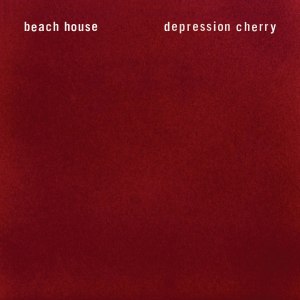
Beach House, Depression Cherry 

It’s moody and melancholy and perfect for Sunday afternoons in winter, where hardly an hour of light graces us with its presence. The singing is woozy and lush, the track titles are typical Beach House (‘Wildflower’, ‘Levitation’, ‘Days of Candy’) and a mellow, dissonant drone seems to drift over most of the songs. There’s a whispery feeling to the vocals and a scratchy-sounding organ keyboard. Also, the album is coated in soft red velvet, so the physical copy is pretty beautiful, and there’s definitely a ‘tactile’ sense to the music itself, with all the sparkling effects and the echoing texture of Legrand’s voice. I like Beach House for the same reason I like Cocteau Twins: the music enfolds you like the atoms (or pixels?) of another world – it doesn’t sound 100% human, there’s something too mystical about it. The band released a website with typed lyric sheets, which adds to the sense that the whole album is a hazy collection of dream poems. It was released in late summer but I have listened to it a lot more in winter; it’s like the sound of  Victoria Legrand’s hazy, drifting vocals is better suited to the cold weather, the whiter light, the sheen of ice.

Favourite tracks: ‘Space Song’,  ‘Levitation’, ‘PPP’.
beirut-no-no-no

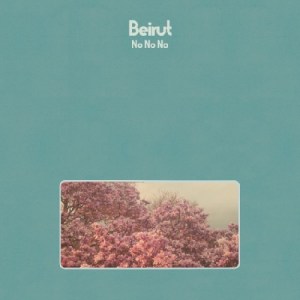
Beirut, No, No, No

There were a few weeks where I sort of just played this album on repeat in the restaurant where I work. Generally it was pretty harshly reviewed and there is a sense that single tracks stand out more than the whole. Still, I appreciated that cheerful continental folk vibe to get me through the autumn and winter with its remnants of pastel-hazed summer. Even though the songwriting might not be as *original* or *inventive* as 2011’s The Rip Tide, you can have a lot of fun with some staccato beats and percussion. Plus I love a bit of brass.

Favourite tracks: ‘No, No, No’, ‘Gibraltar’, ‘Perth’.
packshot

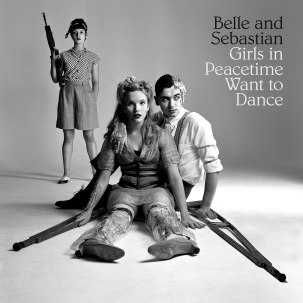
Belle and Sebastian, Girls in Peacetime Want to Dance

Just the sort of lively pop weirdness you need to brighten your January, when the album was released. I love Belle and Sebastian, the way they create simple catchy folk-pop but base it around stories and characters and inventive lyrics about lost girls and ~cutely~ wayward indie kids. There’s a bit more experimentation than usual on this one: from the funky disco atmosphere of ‘The Party Line’  and ‘Perfect Couples’ to the epic near-7-minute dance track ‘Enter Sylvia Plath’, there’s something for everyone. ‘Nobody’s Empire’, which approaches the subject of lead singer Stuart Murdoch’s MS, reveals Murdoch’s general genius for lilting melodies punched through with a weightier-than-usual buildup and bass line. ‘Ever Had a Little Faith’ is maybe the closest song to old-school Belle & Sebastian. Generally this album is full of interesting licks and typically witty lyrics, and its experimentation lends well to repeated listening.

Favourite tracks: ‘Nobody’s Empire’, ‘The Party Line’, ‘Enter Sylvia Plath’.

1035x1035-MI0003841720

Blur, The Magic Whip

Blur’s first album since 2003, The Magic Whip is kind of a mystical, surreal experience. Along with the artwork (a neon ice cream and some Chinese lettering), the album’s whole vibe sort of reminds me of this weird game I used to have for Sega Megadrive where you could do fight scenes on top of an apartment roof in the depths of Tokyo. Everything was blurry and glitchy and full of bright lights against the backdrop of glittering darkness. The Magic Whip is set in Hong Kong rather than Tokyo, but it has that strange sense of futuristic metropolitan darkness. It takes away the grunginess of Blur and sonic spaciness of 13 and enters a more self-aware, perhaps even ‘postmodern’ (ugh, the implications of that term) territory.

Well, for one there’s the obvious cultural borrowing from Hong Kong, where the album came together; there’s also the sense of meta-britpop on songs like ‘Lonesome Street’ and ‘I Broadcast’ which update the whistle-along laddish bounce of 1990s culture for a more accelerated version of the jaded digital and cosmopolitan era (‘Lonesome Street’ is overlaid with the sound of someone reporting – on the news? – sparkling synths and echoing city street noises). The sense of absurdity and collapse, like in ‘I Broadcast’ where the chorus falls into the repeated line: I’m running being played over Graham Coxon’s sharp guitar. It’s a complex and intriguing album with some sweet bass lines and dreamy Damon Albarn vocals. Listening to it really does sort of take you somewhere else. Also, ‘Mirrorball’, the record’s final song, sounds almost like it belongs on a David Lynch soundtrack.

Favourite tracks: ‘Ghost Ship’, ‘Pyongyang’, ‘My Terracotta Heart’.
clarence_clarity_-_no_now

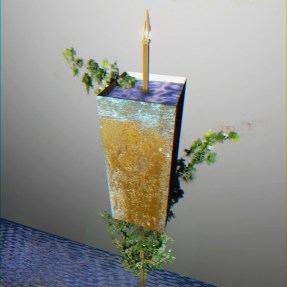
Clarence Clarity, No Now 

From the glitchy, 90s Windows computer aesthetic of its videos to the vibrating bass, disco rhythms and shrieking guitars and falsetto vocals, this is one crazy good album. Not many folk are brave enough to put out 20 tracks on their debut album, but the effect of doing so sort of drags you underwater into a world of sound that’s electric as a field of lightning, as shrieking neon as that purple lava you get in Sonic the Hedgehog 2, Chemical Plant Zone. Sorry, is that mixed metaphors? Who cares, with music like this, everything is mixed to fuck. 

Some of the songs have a cinematic feel, which is hard to define except for a sort of atmosphere created by all the glitchy sound effects and samples (listen to the start of ‘The Gospel Truth’, for example). It’s a relief when Clarity strips back into ‘purer’ or softer vocals (see ‘With No Fear’), but also a great feeling when the effects pedals step on again, like having water thrown over you. Cold, shocking, refreshing. Kinda like the whole album. You’ve got references to ‘worm holes’ and ‘cancer™ in the water’ and all sorts of surreal cyber imagery and staccato vocals in reverse (‘Tathagatagarbha’ is straight out of Twin Peaks’ Red Room, right?). ‘Those Who Can’t, Cheat’ is the kind of psycho disco death funk they would play at the end of the world. I was lucky enough to see Clarence supporting Jungle in Edinburgh this year and I can say that it all sounds sweet as hell live – the band’s energy really plays out the craziness of the album – which isn’t always always the case when the production is one of the best parts.

Favourite tracks: ‘Those Who Can’t, Cheat’, ‘Bloodbarf’, ‘Will to Believe’.

(Also, I think ‘Hit Factory of Sadness’ is one of my favourite song titles ever).

FoalsCover

Foals, What Went Down 

I guess the critical/commercial success of Foals’ fourth album (in October they were voted ‘Best Act in the World Today’ at the Q Awards) means I don’t need to say much to justify my choice. I’ve been with Foals ever since they were bouncing out math rock on early Skins, and this album was no letdown. For one, it has several tracks which follow in the footsteps of ‘Spanish Sahara’: ‘London Thunder’ is a beautiful, atmospheric track with a lovely build, and even Lana Del Rey has sung her praises for ‘Give It All’, which addresses love as a kind of fragile presence/absence, of digital melancholia – ‘Give me the way it could have been / Give me the ghost that’s on the screen’. ‘Birch Tree’ has that sort of upbeat, syncopated feel reminiscent of ‘My Number’ (from Holy Fire). Other than the softer tracks, it’s a whole lot rockier than previous albums, especially on the frenzied ‘What Went Down’ and jangly guitar rhythms of ‘Mountain at My Gates’. I listened to this all throughout the month it took to move from my old flat, so it will always have that sense of dislocation and haunting futurity for me… (plus the stress of shifting boxes and scrubbing kitchens).

Favourite tracks: ‘Mountain At My Gates’, ‘Birch Tree’, ‘London Thunder’.

music-gaz-coombes-matador-cover-art_1422624416

Gaz Coombes, Matador

I have to confess that while Matador was released in April, I didn’t actually listen to this album until about a month ago, when I found out my cousin (the lovely Hannah Lou Clark) was supporting him on his UK tour dates. I saw Supergrass a long time ago when they supported Coldplay at Bellahouston Park, but I don’t remember much of it, especially as I was right at the back! This is such a gorgeous album though, I swear I’ve listened to ‘Matador’ on repeat to and from work for the last fortnight at least. It has great range and depth, another fine example of the maturity that can come out of the Britpop era. Coombes can sound both delicate and powerful, and there’s a certainty, a sureness, to this record. There are songs whose haunting atmosphere is complimented by stunning but simple lyrics (‘Worry fades the soul away / I’ll take the hurricane for you’ – ’20/20’) and climactic choruses. If I close my eyes I imagine this song being played over a dramatic film scene, like someone running through city streets, a breakdown, things exploding, changing. Something like that. I know it’s cheesy but there are definitely songs on this album which you could call sublime in the true sense of the word. Disorientating, awesome, majestic, powerful. Gospel influences, electronic beats, acoustic guitar. I’m still in love with it.

Favourite tracks (this was difficult, and may change): ‘The Girl Who Fell to Earth’, ‘Matador’, ’20/20’.

5f30eab1

Kurt Vile, B’lieve I’m Going Down

Aw man, there’s just this beautiful twang to Kurt Vile’s music that is so addictive. It’s not just his hair. The country twang of guitars, his sweetly droning, idiosyncratic voice. You can see the influence of Nick Drake, maybe a touch of Dylan, but also a very modern sense of disconnectedness, of goofiness even – the sense of being very self-aware but at the same time alienated from who that self is. Some of the songs sound a bit ballad-like, but there’s always a kind of dissonant, bluesy twist. He really nails his lyrics and imagery too: ‘I hang glide into the valley of ashes’, ‘A headache like a ShopVac coughing dust bunnies’. The twinge and stuffed wordiness of ‘Pretty Pimpin’ proves strangely addictive, as does that developing, repeating, turning, twanging guitar riff. ‘That’s Life, tho (almost hate to say)’ is a darker, sadder sort of folk ballad. Generally, it’s an album to listen to dreamily, maybe on a car journey, but also one that goes well in the background of bars, because it’s lively enough, and pretty damn cool.

Favourite tracks: ‘Pretty Pimpin’, ‘That’s life tho (almost hate to say)’, ‘I’m an Outlaw’.

Lanadelreycapa

Lana Del Rey, Honeymoon

I could rave about Lana all day. She has the genius of Lady Gaga, Bowie and Madonna in her creation of the ‘gangster Nancy Sinatra’ persona, but an old-school Hollywood voice that haunts and croons and glides over dark, sweet melodies. Honeymoon is very much a coherent piece of art. It’s a very visual album, much in the tradition of Del Rey’s previous work (the monochrome vibe of Ultraviolence played out in the gloomy, stripped back energy of the Dan Auerbach produced songs). Picture a summer-hazed beach with pastel huts and neon-signed strip clubs, peeling paint. Lana writhing about in her mint green muslin in the video for ‘High By the Beach’. It’s her dark paradise, a retro realm of sweet pop richly infused with jazz, blues, R&B, trap, disco and poetry. The loveliest recital of T. S. Eliot’s ‘Burnt Norton’ I’ve ever heard, soft and haunting. A Nina Simone cover. Tracks like ‘Salvatore’ and ‘Terrence Loves You’ really demonstrate the crystal clarity of her voice, as well as the strength of her range. The title track can be described in many ways, but I prefer the terms glimmering and cinematic. Really, it was the perfect soundtrack for a melancholy, post-graduation summer — except I swapped the retro cars and ice cream for long walks in Glasgow rain.

Favourite songs (again, so hard): ‘Terrence Loves You’, ‘Honeymoon’, ‘The Blackest Day’.

7af7acd9

Laura Marling, Short Movie 

It’s quite lovely to witness Laura Marling’s music maturity. From the honest folk pop of Alas I Cannot Swim to the stronger, mythological tones of Once I Was an Eagle, she has really developed and expanded her sound, not just in a literal sense but in a metaphysical one too. Does that make sense? I mean the way that her music opens worlds up. Eerie, dark soundscapes and cessations of space, interruptions and pauses and softly twangling guitars. Opening track ‘Warrior’ is spellbinding, allusive and elusive; full of echoes and misty vocals, guitar licks that curl round and round. It feels distinctively American, as opposed to, for example, the Englishness, countryside sweetness of I Speak Because I Can. There’s a sense of being lost, looking for something (‘the warrior I’ve been looking for’), of endlessly journeying.

For most of the record Marling steps away from the acoustic songwriting (delicate, but sometimes forceful) which won her fame in earlier records; her electric guitar simmers through the tracks, building around her increasingly impassioned vocals. On ‘False Hope’, a track about Hurricane Sandy, she steals us away from the vague landscapes of ‘Warrior’ to the metropolis, the Upper West Side, where darkness falls and electricity fails as she tells us of the storm. The weather plays pathetic fallacy to the storminess of the singer’s mind: ‘Is it still okay that I don’t know how to be at all? / There’s a party uptown but I just don’t feel like I belong at all / Do I?’. ‘False Hope’ slides into a more traditional Marling track, ‘I Feel Your Love’, which rolls along like a nice old folk song, a bit Staves-like maybe, but more haunting. Her more ‘spoken’ delivery of vocals, intertwined with some searingly brief high notes, in ‘Strange’ for example, bring to mind Joni Mitchell. At times she addresses different characters: spurned lovers, young girls who mirror herself, the ‘woman downstairs’ who’s lost her mind. The overall effect is less introspective, and more fleeting, transient: the self behind the voice slips in and out of view, through various narratives and images. There’s a restlessness which contributes to the Americana vibe, but one which is perhaps also simply the natural expression of a successful singer songwriter still only 25, trying to find her way in the world…

Favourite tracks: ‘Warrior’, ‘False Hope’, ‘Worship Me’.
large

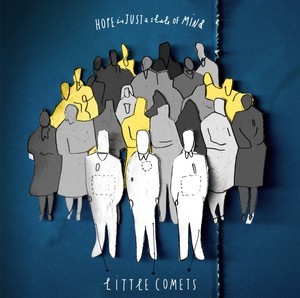
Little Comets, Hope is Just a State of Mind

My favourite band for kitchen sink indie…I like how Little Comets ease you into their changes in sound through various EPs released throughout the year. With the tingly guitars released on ‘Salt’ and the earnest lyrics, a ballad (‘The Assisted’) and emphatic drumming (‘Ex-Cathedra’) of ‘The Sanguine EP’, listeners were prepared for what was to come on Hope is Just a State of Mind, which seems to head towards what might be called a more eccentrically pop direction. One of my favourite things about this band is how they delve into the political and there’s certainly no avoiding it on this album, from the dig at Robin Thicke’s gender politics in ‘The Blur, the Line, and the Thickest of Onions’ to the lethargy of rock and roll in ‘Formula’ and the cultural demonisation of single motherhood in ‘The Daily Grind’: ‘You must feel so proud / Stigmatising every single mother / While your own world’s falling down’. Songs like ‘The Gift of Sound’ and ‘Formula’ have a more straightforward energetic pop vibe, whereas ‘B&B’ begins with an accapella moment and revolves around the repeated line: ‘my own mother cannot take me back’. There’s lots of thudding drumming and a swinging sort of emphatic, repetitive melody. The song, incidentally, is about bedroom tax and Robert Coles has eloquently said of the lyrics:

‘Lyrically the words came quite quickly as I always had the “even my own mother cannot take me back” line in my head from writing the melody. I knew it was going to be about politics: specifically the patronisation of people by the political class in both ideology and delivery, and the way that my own region has been altered by the blue hoards of conservatism.

The title stems from a tweet by Grant Shapps regarding the last budget – “budget 2014 cuts bingo & beer tax helping hardworking people do more of the things they enjoy. RT to spread the word”. Beer and Bingo – because there’s nothing else to do.

I think the first verse is just frustration with the attitude put across by politicians that suggests that they think people are total idiots – policies light on detail, simplistic ideology, framing debates in headlines, constant ill behaviour. Plus from the other end of the scale the total demonisation of the less well off in the swingeing benefit cuts typified by the bedroom tax. I just think it is bizarre and to treat us with this brazen amount of contempt.

It really got me thinking about the north east getting so bashed up in the time of Thatcher – destroying lives and communities because of a need to dominate on an ideological level. I think the second verse tries to convey the depressing notion that beyond this pain, she also eradicated trades and skillsets that had been built for hundreds of years without the prospect of anything new, or transferability. To extinguish a trade, a way of life…. Wow….. That’s a pretty crazy course of action.

It’s almost like she stole those years from us – and it feels a little like it is being echoed now. Taking away what someone relies on is oppression, and this is being felt in communities across our country today – horrified in the knowledge that it will continue until people are so battered that they accept it. The worst part is if you look closely enough, past Grant’s apparent carrot you can see the joy in the eyes behind the ghastly stick, and they look frighteningly familiar” (Source: Little Comets’ Lyric Blog).

I guess I’ve included the quote because I think the politics have become more direct in this album and it’s interesting to flesh out the backstory here. Sure, there have been plenty of ‘northern’ bands before, but rarely have I listened to a pop or indie band who engage with their politics so directly and so articulately (usually this space is reserved for punk or rock – Manic Street Preachers of course, representing a ‘marginalised’ Welsh perspective). Aside from lyrical content, you’ve got the usual pleasures of Little Comets harmonies, shredding guitar licks and bouncy rhythms. ‘My Boy William’ is wonderful live, the way it builds up and everyone following the drum rhythm. ‘Little Italy’ is great fun too, with its cascading melodies (liiiittalll iiiitaaalllyyyyy I reeAAd heeEre) and syncopated rhythm. It’s true, on this album (especially on ‘Salt’), the songs are very up and down, rarely straightforward and often lines are lyrically and melodically convoluted; this isn’t a criticism but more a reflection of what seems to be a desire to push the formulaic boundaries of pop, to infuse guitar chords with lush vocal harmonies and ringing percussion. To represent detailed, difficult subjects in pop is never going to be easy, but Little Comets nail it in their own unique, beautiful way. Look forward to seeing them again live next year!

Favourite tracks: ‘Don’t Fool Yourself’, ‘Little Italy’, ‘The Blur, the Line & the Thickest of Onions’.

The-Maccabees_Marks-To-Prove-It_cover

The Maccabees, Marks to Prove It

Well, to be honest I never would’ve thought I’d be including The Maccabees on my 2015 albums of the year. Over the last few years, I haven’t spared much thought for the band other than as another soundtrack to the general indie trend of the last ten years: a band mentioned frequently in NME perhaps, soundtracking lovelorn scenes in movies, but nothing particularly distinct other than in their creation of twee indie pop. However, one night after work I was lying on the floor recovering from a terrible shift with the radio on, listening to X-Posure With John Kennedy on what used to be XFM. The Maccabees were talking through their new album and playing the songs, and I was pleasantly surprised by how intriguing the sound was, as well as how articulate the band were in talking through the writing process and the stories behind the songs. I guess the next day I went out and bought the album. It definitely sounds a long way away from ‘Toothpaste Kisses’, though the added kazoos and varied percussion doesn’t spoil the simple joy of good plain songwriting. The songs have a weight to them, a grander atmosphere, especially the weird dissonance on the likes of ‘River Song’. ‘Silence’, however, is quietly beautiful, drifting along soft piano notes, subdued vocals and a somewhat eerie sample of an answering machine voice.

Where once you would recommend The Maccabees mostly to fans of The Mystery Jets, Pigeon Detectives or Futureheads, this album feels much more grownup, darker somehow, wilder and expansive. The lyrics vary in subject from the gentrification of London’s Elephant & Castle (the band’s hometown) to heartbreak (‘When you’re scared and lost / Don’t let it all build up’) and well, happiness (‘Something Like Happiness’). It’s refreshing to have a song that does just feel like at times like a gentle old ode to joy: ‘If you love them / Go and tell them’. ‘Marks to Prove It’, the opening track, feels confident and bouncy, with a sharp riff and assured vocals. It would fit in with a fast pop set from The Futureheads, but the rallying battle cry that precedes Orlando Weeks’ voice announces something slightly stranger, a record with new edge.

Favourite tracks: ‘Silence’, ‘River Song’, ‘Something Like Happiness’.
Currents_artwork_(Tame_Impala_album)

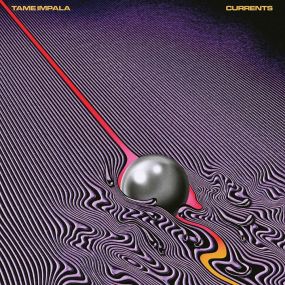
Tame Impala, Currents 

I was introduced to Tame Impala mostly from one of the chefs at work playing it in the kitchen on Sunday mornings, and weirdly enough his psychedelic brand of synth pop seems appropriate preparation for a day serving Sunday roasts to hungover customers. It’s the swelling bass and brilliant synths that really catch you, the smooth falsetto and tingling production. You can tell Kevin Parker is a dream at studio magic, with flawless instrumental arrangement that makes for a sound that could be big or chilled, depending on how you play it. There’s some dark keyboard drama, there’s a lovelorn anthem (‘Eventually’) and what might tenuously be described as weird disco funk. For some reason (maybe all the synths, gossamer vocals and vintage-sounding guitars?) has a ‘bedroom-made’ feeling, but with a much slicker production than the DIY element might suggest. Some songs sound like they belong on a long, atmospheric train journey across a space desert; others sound like they’d fit on the cuts of drama interspersing a video game. There’s a dreaminess to songs like ‘Yes I’m Changing’, but a more radio-friendly funkiness to the likes of ‘The Less I Know the Better’, or even ‘Love/Paranoia’, with its silky beats and finger clicks. As the album progresses, the theme of heartbreak starts to really solidify and I guess that’s the overriding drive of the songs – a heartbreak that slows and stifles, morphs between introspection and the temptation of mild bombast.

Favourite tracks: ‘Yes I’m Changing’, ‘The Less I Know the Better’, ‘Love/Paranoia’.

81-uo32700L._SL1500_

Stornoway, Bonxie

This was a lovely album to enjoy in spring, from the hopeful folksiness to the cute origami bird on the cover. I guess it got me through that period of hell in my life that was finals. I would go on walks around Kelvindale where all the cherry blossoms were, listening to the soft acoustic licks and all the soothing bird sound effects. It’s an album to enjoy by the sea perhaps, full of a sort of longing. There’s the noise of distant foghorns, the rolling harp-like guitar and sparkling xylophone over the drifting shimmer of a wave-like cymbal. This is probably my favourite Stornaway album, or at least equal to the debut, Beachcomber’s Windowsill because of its more folksy atmosphere, its immersion in nature — the sense of being lost, deliciously lost by the edge of the ocean. ‘The Road You Didn’t Take’ especially boasts a shanty-like chorus which adds to the nautical theme and sort of swells up like you’re caught at sea, singing along irrevocably. Melodies build up to climaxes and fall back down into subdued, slower choruses, as if the speaker tries to articulate something about his surroundings (the beautiful environment) but fails to express them entirely. Sweet, comforting guitar licks glide us through (e.g., the start of ‘Sing With Our Senses’). Vocals are never aggressive, only sometimes shrill and generally soothing – like a bird’s? Apparently over 20 types of bird donated their song to the album, and let’s not forget that singer Brian Briggs is a Dr. of Ornithology! It’s just a lovely escapist sort of album, reminding you of seaside holidays from years ago, that childlike ability to sink into your surroundings and find wonder in a leaf, a taste of salt air, a bird call.

Favourite tracks:  ‘The Road You Didn’t Take’, ‘We Were Giants’, ‘Between the Saltmarsh and the Sea’.
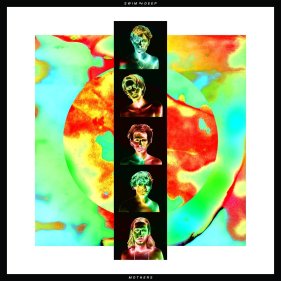
81HZecd+uwL._SL1500_

Swim Deep, Mothers

It seems everyone has been describing this album as Swim Deep’s foray into psych-pop. You only have to take a glance at the warping colour bleed of the cover art to pick up those vibes. The honey sweet guitar pop of Where the Heaven Are We has morphed into something heavier, more saturated. There are so many influences, but I suppose you could start with psychedelic music, house and kraut rock. Lots of bursting, colourful synths. It reminds me of The Horrors’ Primary Colours, not only because it’s a ‘change-around’ album, but also the subdued, atmospheric reworking of prior image and musical style. Songs like ‘Honey’ and ‘The Sea’ from their debut album were chilled and loose with catchy melodies, and while Mothers retains the catchy melodies, its style has tightened up a bit. The instrumental elements are more complex; songs open up a multilayered world rather than the silver stream of a simple pop tune. ‘To My Brother’ has an epic quality, building up to the chorus with some extravagance – weirdly, the sort of mistiness of the vocals and quirky synths remind me of Seal. I’m not sure why, or whether that’s even an accurate comparison, but the link just popped into my head. I love the way critics have compared ‘Namaste’ to discordant game show music, which obviously fits in with the 1990s vibes of the video. All that beige, those glasses, the sense of mania reflected in the music! It’s more mature maybe, but still fun.

Favourite tracks: ‘To My Brother’, ‘Namaste’, ‘Imagination’.

A few others…

  • Beach House, Thank Your Lucky Stars (two albums in one year, ‘nuff said)
  • Florence & the Machine, How Big, How Blue, How Beautiful 
  • The Libertines, Anthems for Doomed Youth (listening to it to drag up the old nostalgia of discovering the first albums, for the lovely production and Doherty vocals on ‘You’re My Waterloo’ and Carl Barat’s very English swagger).
  • Prides, The Way Back Up (Stewart Brock has come a fair way since Drive-By Argument (big up a band from Ayr!) but the wide, electronic sound of Prides has its heart in the original synthiness of Drive-By Argument which developed into more distinctly electronic side-project, Midnight Lion. Obvious comparisons are to Chvrches, but maybe also a bit of Daft Punk. Radio-friendly but I’d imagine really big and energetic live, plus whenever I hear them I get sweet teenage nostalgia for Drive-By Argument).
  • Sufjan Stevens, Carrie & Lowell 
  • Years & Years, Communion (sparkly EDM pop with plenty of pluck, from a band whose singer starred in Skins and Stuart Murdoch’s indie flick, God Help the Girl).
Tropical

IMG_012301

Tropical

You used to worry about the palms: there was something wrong,
you said,
if the palms weren’t sighing.

You relished the soft peel of the wind through those palms,
the ones by the hotel garden.
We’ve been here every year
since Dad died.

The white beach sand is a mouthful of moonlight.
We sit up late drinking crushed fruit
and you say strange things, as you always do—
have you ever eaten a mango in the bath?
You would live your life like that,
all the time you said, eating mangoes in the bath.

All that pulp and mess, all that flesh.
Dad died in the spring, when blossoms
of soft pink cherry gathered on my lawn.
The baby lolled around in it like April snow
and we watched her giggle, ribbon
flying out from her hair. He would’ve loved that,
seeing her there.

The cancer took the green out his eyes,
ate the skin of his face.
Even when they pumped him full of fat and creamy vitamins,
the bones kept poking, pointing.
His face was a mask of something;
I couldn’t let the baby near it.

I imagine you prefer it here
to back home. You like the ooze
of the days, the way the maids make the beds;
the emerald green of the parakeet,
early mornings where the tide sparkles. Still,
you saw signs in everything.

Dad used to come visit during monsoon season.
He wrote reams of prose,
lapping up slushfuls of rain. He wrote
in the small hours, when he wasn’t working.

We lost the notes.
We’ve only the stuff on his business trips,
lost code on his laptop.
We haven’t a sense
of what to him was sharp or clear, what it was
that brought him over.
Just the whispering palms, the sleepy tense—
one day I’ll take the baby here.

Mortal Thing

Gentle capillary
So small as the daisy, pulled
into petals from the precious lens
of a leaf.

Unfurl the tangles like twine;
only soft
as an organ,
and underneath
the quick pulse
of some other body, the beautiful body:
that lies over there and empty,
still empty in the yellow light
of this warm morning.

(Written from GU CW’s last week’s prompt ‘capillary’)

On Words, Romanticism, Ramblings and Meanderings

I am coming to the end of the Glasgow Uni Creative Writing Society’s ‘Flash Fiction February’ Challenge. The aim is to write one piece of flash fiction a day, following prompts that are posted on the blog. The best thing I have probably achieved since I wrote my 10,000 word ‘The Quest’ story (complete with self-made Photoshop image and realistic fire effects) aged eleven is successfully averaging at least 700 words a day for a whole month (some days writing 700, other days moving upwards of 1300…). The reward is not just having a little portfolio of stories to go back and edit in the summer, but the habit of discipline that’s been earned. I have learned that I need the motivation of ‘completing something’, and that sharing one’s work and discussing it with others helps to feel better about writing. There is also the satisfaction of word count. If I averaged at least 700 a day, then that’s at least 19,600 for all of February. If I doubled my word count and did that for two months, I’d have a respectable 80,000 word novel. It’s an encouraging fact. Even if the content is sometimes pretty crap, I have something to work with! I just have to keep up the daily habit. It’s a bit like crack, only not so addictive, and cheaper. And, well, you have to work for its effects.
One of my fascinations is with the daily routines of successful writers. Not necessarily just literary authors, but philosophers, artists, journalists – even mathematicians. Anyone who gives up a significant chunk of their day to solitary writing, creating or just working. There is a fabulous blog called ‘Daily Routines’ which is the ultimate procrastination: putting off work by reading about how others work. It’s refreshing to see that not everyone needs a wee dram or French cocktail to get the imagination flowing, though it seems to be a recurring theme. As well as the time of day and the choice of stimulant, I’m a little bit obsessed with peoples’ medium: the effects of the pen, pencil or keyboard; how one’s writing implement impacts upon their style, speed and even argument.

Susan Sontag. Source: nymag.com

For instance, Susan Sontag on her writing routine:

I write with a felt-tip pen, or sometimes a pencil, on yellow or white legal pads, that fetish of American writers. I like the slowness of writing by hand. Then I type it up and scrawl all over that. And keep on retyping it, each time making corrections both by hand and directly on the typewriter, until I don’t see how to make it any better. Up to five years ago, that was it. Since then there is a computer in my life. After the second or third draft it goes into the computer, so I don’t retype the whole manuscript anymore, but continue to revise by hand on a succession of hard-copy drafts from the computer.

[…]

I write in spurts. I write when I have to because the pressure builds up and I feel enough confidence that something has matured in my head and I can write it down. But once something is really under way, I don’t want to do anything else. I don’t go out, much of the time I forget to eat, I sleep very little. It’s a very undisciplined way of working and makes me not very prolific. But I’m too interested in many other things.

One day I want to write a big essay looking at how writing style changes according to how you get the words on the page (I even bought a beautiful typewriter to test that out). I love the idea that Sontag uses layers and layers in her writing and editing: the process of writing on top of writing, of scrawling and scoring out like the palimpsest diary Cathy in Wuthering Heights creates on the margins of a bible. Like Heidegger with his under-erasure being.

I also find it fascinating how people can study and write with music playing around them. I used to be a lover of total silence: a pure space in which I find the need to fill up the void with words. Now I can sometimes do with a bit of ambient sound: coffee shop clattering, birdsong, falling rain and so on. It makes a difference whether you are in the actual space (writing in a real garden or a coffee shop, for instance) or in the hyperreal zone of generated sounds (there are excellent Youtube sources of ambient sound, from whale-song to fire crackling in a grate). One will distract me to write about immediate details, the other soothes you into a weird creative ‘roll’ where you can pour out your words or nonsense like code streaming out in hyperspace. OK, I’m being self-indulgent.

And indeed, there is a self-indulgent aestheticisim to all of this: the endless procrastination involved in selecting the correct font for a piece, the need to rearrange one’s desk or shuffle books or change your pen or whatever it is. Yet there is something more important here that relates to publishing itself and the way literature often gets sucked into a commercial vacuum (think of the likes of the Brownings’ letters or Shakespeare’s sonnets which get beautifully repackaged in time for Valentine’s Day) . The original text is beautified by the paratext, and what is left is perhaps more of a consumer object than a discourse of words and sentences. There is an emphasis on white space, the chic luxury of thick paper and the gaps between printed letters. James Fenton said that, ‘what happened to poetry in the twentieth century was that it began to be written for the page’. But what is this page? Is it the sublime landscape of print paper stretching out its possibilities of unblemished whiteness? Or perhaps the virtual page: the ever-changing Internet archive that risks the dreaded 404, this page is missing; that risks alteration and collaboration and manipulation – and is this not a good thing? It is poetry changing, in transition; undergoing the morphological process of the human into cyborg. An automated computer voice reading aloud, staggering over the dashes and tildas and sharps, the onomatopoeia and enjambment like a child having a crack at reading Derrida. Il n’ya pas hors text: there is nothing outside the text/there is no outside-text (he writes in Of Grammatology).  When somebody reads aloud I imagine the words before me, drawing out of the page like butterflies coming to life; I can’t help it, it’s the way I learned to play with poetry. The world I like is the enclosed, shy space between the black ink and the reader’s eyes, the moving lips so silent.

The Mariner's ship and the Albatross. Source: thestage.co.uk
The Mariner’s ship and the Albatross. Source: thestage.co.uk

Like the ‘fluttering stranger’ that Coleridge observes as a child at school in ‘Frost at Midnight’, words in poetry become strange: there is an uneasiness to them that we cannot quite place. Verbs, adjectives and nouns are not what our teachers told us. You cannot fix them to a blackboard, and anyway chalk crumbles. While butterflies might be pinned down and classified by their colours, words are dependent on each other for meaning. So signification sifts in swirls of dreamy reading, and the mind makes connections. The imagination stirs and sometimes forgets them. Footnotes adorn the margins and confuse us, as they perhaps do in Coleridge’s ‘The Rime of the Ancient Mariner’, where we are driven into warmer but often more perplexing territory, as Coleridge’s gloss is less an academic explanation, and more a multiplicity of voices. At once, he joins in the action, ‘Like vessel, like crew!’ – yes, ‘her skin was white as leprosy’ – and we too catch this virus, moving between microbes of words that open and mutate through the strangest imagery. We shift between and through things with Coleridge’s metonymy, as in the gloss: ‘[a]nd its ribs are seen as bars on the face of the setting sun’. What are we to make of this being, ‘a Death’: an embodied spirit whose translucency both stirs and disturbs and amuses us, all at once? Aesthetics and meaning all blur into one.

Mount Snowdon. Photo by by Scott Wylie. https://www.flickr.com/photos/scotbot

With Romanticism what we often get is the journey, the progression through space, selves and substance, and through visual experiences: the sublime, picturesque and the beautiful. Not to mention the ugliness of Frankenstein’s monster, mirrored in Mary Shelley’s own monstrously patchworked collation of tropes and terrors and texts (imagine being raised on Milton but growing up like Rousseau  – being both Satan and a noble savage – now that is Otherness embodied, surely?). We follow Wordsworth up Snowdon and along the Alps in his glorious Prelude, with the seamless switch between interior musings and the expansive, golden panoramic shot that reveals the gaping ice and mountains, the tracks the subject’s wandering thinness:

The unfettered clouds and region of the heavens,
Tumult and peace, the darkness and the light,
Were all like workings of one mind, the features
Of the same face, blossoms upon one tree,
Characters of the great Apocalypse,
The types and symbols of eternity,
Of first, and last, and midst, and without end.

(Wordsworth, Book VI of The Thirteen-book Prelude, lines 566-572).

Where nature itself merges into one terrifying being, where opposites uncannily forgo their differences to become ‘features | of the same face’ and still the sweet ‘blossoms upon one tree’, we are in a sublime landscape, and then in the pastoral garden. The subject stamps himself upon the mountains, as the mountains are stamped upon him; we recall, with the help of the OED, the varied meanings of the term ‘character’: as both noun (a literary figure of self/person; a sign or symbol used in writing, print, computing; a code; the properties of a substance) and verb (‘to distinguish by particular marks, signs, or features’). Wordsworth’s figure is the self encoded in the text, the lonesome Romantic imprinted in his white sublime of Snowdon, going deep into the very properties of the rock itself. All is viscous, melting subject into object. All is, as Timothy Morton so aptly puts it, a mesh: where there can be nothing ‘out there’, as we are all a set of strangenesses, part of an existence that is always coexistence; and yet we are not simply part of a holistic collective, but connected in our differences, in our mutations that separate, stick and undo us. There are those clouds which seem ‘unfettered’ and yet even they cannot rise above the poet’s vision, the tacky link of aesthetic projection that takes nature from unified cliché  to a space of wilderness in which things move between abstraction and reification, and humans move with them in the ambiguous space between – like those viruses that multiply and mutate, ‘first, and last, and midst, and without end’.

This dangerous, homogenised idea of ‘landscape’ can be undone by thinking of it textually: as a palimpsest too of sorts, where human language adds layers to our understanding, alters our relationship with nonhuman things of the living and non-living. In writing and reading ‘nature poetry’, we are reconfiguring our place in the mesh; just as a drop of colour upon a single Paint pixel shifts the impression of the whole picture.

While Romanticism takes us on these messy forays into psyches and space, in the twentieth century we have, as Fenton has suggested, the poem as object: the poem as visual play on the page. The attempt to make the poem an object, to get to the very basics of objects. Think of Ezra Pound’s Imagism: ‘The apparition of these faces in a crowd; | Petals on a wet, black bough’ (‘In a Station of the Metro’). Think of William Carlos Williams’s notorious modernist poem, ‘The Red Wheelbarrow’, in which Williams’s poetics bring the object into stark and colourful being, like an object being rendered on some kind of graphic design program. Assonance coats our visual impressions so that we can almost taste what we see, the wheelbarrow ‘glazed with rain’. On the page, the poem too is a spilling of rain, of long lines dripping into single words, of basic objects hardening, forming. The ‘red wheel | barrow’; the ‘white | chickens’.

The Yellow Book. Source: http://www.johncoulthart.com/feuilleton/tag/fin-de-siecle/

There is also the lovely aestheticism of the fin de siècle: the beautiful margins and separation of art and text in the The Yellow Book, and of course Husymans’s jewel-encrusted tortoise, which eventually dies from the weight of its ridiculous embellishments. Does a text too collapse under the weight of its stylistic ornamentation? The fashion for minimalism perhaps gives way to this assumption, and yet what about the explosive textuality of Finnegans Wake, Gravity’s Rainbow; anything by Henry James, or for that matter, Angela Carter? Art for art’s sake is not a dip into vacuity, but is necessarily a political statement, a textual position, after all. An attempt to escape the shading blinds of ideology. You might write a dissertation on the politics of purple prose; you might float buoyantly along the clear river of Wikipedia readings.

And now I have lost my place in the forest and cannot find the light again. Birds tweet shrilly and their song is like stars tinkling and various shades of darkness hang in blue drapes from the bowers of pine trees. If I look around I see the jewel of every dew drop glisten and I know that it is twilight. I am looking for something particular: that silent speck of a presence; that which evades me every time I turn over each new leaf. Only I know that I cannot see, cannot see the gathering of these particles; the light is fading and soon the day will close its drapes.

These are just words after all, and who would cling to them?

Some further words:

Derrida, Jacques, 1967. Of Grammatology.

Edgar, Simon, ‘Landscape as Story’, Available at: http://www.lucentgroup.co.uk/the-landscape-as-story.html

Morton, Timothy, 2010. The Ecological Thought.

Huysmans, J. K. 1884. À rebours.