In 2022, SPAM Press obtained some funding from the Edwin Morgan Trust’s Second Life Award to run a year-long project titled Brilliant Vibrating Interface: Queering the Post-internet through Poetry and Practice. My co-investigators on the project were Kirsty Dunlop (SPAM’s current editor-in-chief), Alice Hill-Woods and Loll Jung, with Ian Macartney later joining to co-edit our print publication. We squeezed a lot of activity out of that money: community workshops online and in Glasgow, a few reading events, print publication, ‘digital sibling’ and physical installation, podcasts and an online magazine interview with contemporary sonneteers.
Recently, Kirsty and I wrote an epistolary chapter reflecting on the project and its significance in terms of identity, inequality, belonging, poetry scenes, queerness, Glasgow and the labour of love that is small press publishing. In our chapter we talk about the format of the project, Scottish literary scenes from the nineties to present day and the challenges and rewards of moving between print and digital (what we call SPAM’s ‘resolutely hybrid project’). We explore in more depth the poetry and visual art which found a home in our project and proffer up some poetics for how to think about queerness in the context of ‘small nations’ such as Scotland. This takes us everywhere from CAConrad’s bubbles to Legacy Russell’s glitch feminism to Edwin Morgan’s sumptuous strawberries.
The chapter is out now as part of an anthology, Queer in a Wee Place: Small Nations, Sexuality & Scotland. To quote from the publisher’s website, the book ‘explores identity, inequality and belonging in animated conversations about how queerness moves through place – and how place, in turn, shapes queer lives’. Queer in a Wee Place contains chapters written by researchers of many disciplines and practices – from sociologists to poets – on subjects ranging from the utopic gaze on queer film to legacy and queer elders, disabled queer student experiences of higher education, Scotland’s menstrual landscape, hate crime and queer provincialisms.
The book is available in paperback form for what is a very reasonable price (for an academic book!) from Bloomsbury. You can ask your library to order it in for you 🙂
You can also read it for free via Bloomsbury’s Open Access service here.
Our archive of materials relating to Brilliant Vibrating Interface, including workshop handouts, podcast episodes, interviews and the online exhibition (what we called a ‘Digital Sibling’) can all be found at http://www.spamzine.co.uk and on the EMT website.
Tonight I wore what can only be described as a billowing tent and cycled in the rain to the SPAM x sincere corkscrew AFK event. Summer is over, sorry. The newish Away from Keyboard series has so far featured poets-poets-poets — local and visiting — with some exceptional forays into prose. Tonight’s affair was premised more on the prose-y variety, with flash fiction, short stories aplenty, but also music and poets reading to music. A London poet recently said all the poets are now doing ‘sonic poetics’ and this trend has made its way north. I’ve been wanting something more durational for a while. Longer readings that feel like a proper ‘set’. Having sound in the mix trains us to listen longer because we are listening beyond listening for ‘meaning’. This event was set up nicely so that the first few performers did their punchier sets and then the final two were longer. I wasn’t involved in organising this one so also quite nice to just sit back a bit.
First up was Anna Walsh. My first time seeing them read after much hype from Kirsty over the years. Their short story pamphlet Stag Do / Fantasy Hornjust came out with brand new London-based indie, Ssnake Press. Anna read a piece set in PureGym, ‘the best spin class in Shawlands’. It was funny, closely attuned, turning a sharp lens to the ennui and im/possibilities of desire, and made me think about the gym as a terrain of fantasy triangulated by disgust and expenditure. A toxic combination that is fun to sublimate through multitasking on the StairMaster, whether you are sending emails or texting e-girls. The observational plane of fiction would then cut up into self-reflexive moments of becoming-object. Here are my thighs. They are moving shapes. Sweaty hair. Here is the screen showing a beach. The pink disinfectant spray. In my notebook I wrote: What can you trust of how human relations conspire in the endorphin farm?
Sean reads with a beam of light splitting the room
Anna’s reading was short and sweet, followed by the blazing Tom Byam Shaw who delivered some hits from the cesspools of late capitalism. A disturbing anecdote featuring a licentious coworker at Footlocker. The reterritorialising of terror as gender reveal party… ‘We have a gender…it’s a war!’. A story about Chernobyl Cat Girl at the rave, ‘a party without respite or rest’. These are fictions which tremble with the hurtling premise of assured combustion. Tom’s book is coming out soon with sincere corkscrew. Launch at Mount Florida Books on the 3rd October. Following Tom was Sean Turner McLeod. Nobody knows if they have ever heard Sean read before. His author photo definitely wins best prize (if you didn’t see it, he’s standing in a picturesque river looking fierce af, exhaling dragon-quantities of vape smoke). He has been published ‘widely and discreetly’ and his work is great, witty, delivering its critique in lashes of sardonic commentary on everything from the gentrification of Glasgow to self-hating ghostwriters, poverty tourism, the Sunday night tv spectre of our Scottish childhoods, Neil Oliver, whose ‘voice made you drink’ (intone that darkly). Sean is good at verbal sparring and he essays with ease around many things vivid, for instance, the ‘controversial’ Joan Eardley painting of a male nude. Sean, I hope we will hear you read more!
Ian reading playlist poem in Xiu Xiu tee. Poets drinks of choice: IPA, tap water, whisky
After a break we had Ian Macartney, cohost of the night, deliver a virtuosic list poem about playlists. A smart, discursive cascade which was hallmark Macartney, traversing pop culture, geopolitics and counterfactual plot twists of recent Scottish history. One of the first lines was ‘The playlist is a commons’. Ian is a true lover of songs and the anguish of how much love for the playlist is distorted by the cynical, algo-ploy of subscription profiteering comes across in the poem’s argumentative rivulets and sparkle. It got me thinking to how so much of this blog used to be ‘playlist posts’ where I’d diarise lightly around a playlist, as a way of marking time. At some point, I fell out of love with the playlist form. Too long, sprawling and tantalised by algorithms, I lost the ardour for ‘looking’ that precedes any possible curation. What then soundtracked my life since I stopped making monthly playlists? An album, or a single song. So how did that transform the flow of time itself? Did I get ‘too old’ for playlists? There was a loud tone. It was found resounding in everything. Summer’s faded peach. Plaster peach. Crooning afternoons. This one plucked lyric. Is that true though? I remember having a collaborative playlist (‘E-WASTED’) for my 30th birthday party and on the night, the pub wouldn’t let us turn it up loud enough to hear it. But we played it anyway, all 24 hours and 54 minutes, knowing it was there, knowing we’d never get through it. Registering time in its variety. I wrote in my notebook: Once the modal curation of the playlist was a way into writing but then I stopped thinking of songs in their lily pad potential to cross the river of whatever mood or walk you were caught in. So what, did I wear the songs instead? I let them wear me out and I wore them to death. The songs were hot freaks! Ian’s playlist poem was a poem of nowness, enacting its ‘repetitive pattern in space’. I heard a girl downstairs shriek ‘Bye, love you!’ and thought — that’s one for the playlist. Add ‘Bye, love you!’. Midway through the reading, Ian holds up a piece of paper revealing an obscure, eleven-sided shape. I hope the mathematical reality of the poem is some kind of angel number squaring of 11 and for the playlist to transform from anaphoric placeholder to the reflexive imperative — play [the] list — as you wish. Start the poem. Perform. An eleven-sided playlist for being born again. For this to be a gesture of love, obviously. & ofc, fuck Spotify – tho I have spent over half my life listing songs on its lifeless interface.
Maddie reads!Zeo and viola!
Following Ian, Madeleine McCluskey of Big Red Cat zine read some short stories with a fairytale flair. There was an island setting, ‘spindly earrings’ and ‘menthol cigarettes’. A girl who dies. Friendship, hunger, ‘a burrow formed where lunch ought to be’. I thought about the cruelty of fiction and how we must die and plotting towards endings and hunger as a grammar of prolonging. A few performers this eve list 1999 as their d.o.b. in the author bios and it got me thinking to what a fin de siècle aesthetic might be like. I wouldn’t say anxiety was a running theme exactly. Neoliberal hell obv. But maybe an archipelagic consciousness of hopping between — something about working with what is shorn up amidst so much erosion [more thoughts needed]. Elsewhere supplants elsewhere’s interminable now. We had another break then Zeo Fawcett did a set of live viola playing with backing tracks and singing. He is so so talented and the songs were unique and compelling, shifting the tone of the evening. He had this story about missing out on hanging outside Boots being an emo because of having Gaelic singing lessons as a teenager. Sometimes I wish I’d had the Gaelic singing lessons instead of hanging outside the Odeon being an emo. There was a song called ‘Feeling really impermanent right now’. Later, I start to identify too much with a rain drop running down the window in a memory of a bus window in a 00s tv show.
Charlie & Texture Texturescattered poems & tartan carpet
Introducing Charlie McIlwain to his Texture Texture outfit, Ian attests to the success of their connection, claiming that ’email is the way forward’. Honestly not enough people in the room questioned the boldness of this claim. I want him to be right about it though and briefly I parenthesise all communication to the epistolary promise of endless more soons like the swooning glut that would end platform capitalism and reunite us with wild cognition, in just enough time to save the world. For now, this chance pairing of Charlie and Ian will do. This is a fucking great set of surreal, whipsmart k-hole cantos delivered with register switch ups that surprised at every turn. Hilarious and devastating, with fitting improvised drone from Ian. I thought of Spicer’s radio and how there would be aliens in the ancient walls of The Doublet dictating this through the frequencies of wave machine. One regular punter from downstairs popped in by accident and stood in mesmerised bewilderment (nah, rly he was just giving glaikit) before turning back and losing the opportunity to have his head blown off by poetry. We had ‘white fire violetted daddy’, we had ‘sleep is just cloth’, ‘you can use your ass like an appliance’, we had literally two pairs of glasses, ‘stop killing Lorca’, imploring ‘the language is in trouble’ folded into ponderings borrowed from W.S. Graham, we had ‘Hegel ate a crow’, ‘the furniture will not endure perception’, we had Brian Wilson and John Clare ‘and shall I know that sleep again’. Listening was like trying to trip talk with someone who is not tripping and in the duration of that performance (idk 30 mins or so?) I let myself (what comprises brain matter of synapse and syntax) be scrambled by signifying mayhem and enjoyed every minute. Go buy Charlie’s Elegy [Model Interaction Trend] now you fools!
When I found the remnants of some kind of pop-up carnival show on Kelvin Way, cycling home, dis-articulated along the road in luminous obstacle, I knew I was still riding through Charlie’s poem.
~
Thank you for reading! This write-up is for K. and anyone else who couldn’t make it – plus I forgot to record the audio for this one sorry! but one day we will upload the mp3s from AFKs of yore…and this one will be remembered in the hearts & minds of all who attended… xx
In August 2022, which legitimately feels a whole fat wormhole ago, Ian Macartney and I found ourselves working in Edinburgh for part of the summer. We met up at after-hours cafes (more prevalent in the capital, what you playing at Glasgow?) and walked around the Botanical Gardens where the staff promised ~*’Instagram flowers’*~ and we talked about our hopes and dreams and struggles as booksellers and teachers. Part of the emergent narrative concerned utopian ideals of Scottish infrastructure, where one could zip to Lerwick in a hyperloop heartbeat (all élan, not El*n) or at the very least catch a local bus on time, or unlock a hidden realm below the loch of Linlithg(l)ow. Part of it was about friendship, love and pop music. We were listening nonstop to Caroline Polachek and feeling okay about it. Pretty good actually. There was her vocal flipping over the crags, at sunset. I remember purifying my heart with orange liquor. Wearing a lot of lilac. Bleeding ink into industrial bedsheets. We were thinking about pivotal points where our childhoods overlapped with culture. We wrote things in documents and met in the months ahead. I did a lot of chaos cycles, late, trying to meet Ian at say, the Mitchell Library to go over some edits. A lot of awful things happened in the months intervening but there was this document we could splash land into and like turn on the light. Poetry’s coy ambience zonked up to warp speed. I liked doing this project a lot. I’m glad it’s in the world.
We’re publishing the full collection, Languishing, cute with the wonderful Tapsalteerie, an indie press based in rural Aberdeenshire. Ian’s worked with them before via their pamphlet imprint Stewed Rhubarb Press and they published some of my poems in the 2019 anthology, edited by Calum Rodger, titled makar/unmakar: twelve contemporary poets in Scotland. We’re big fans of Duncan Lockerbie, Tapsalteerie’s founder and editor, who does so much for Scottish poetry and beyond.
We’re also publishing, thanks to the exquisite printing of Earthbound Press, a separate riso pamphlet of b-sides titled The Gate. Look out for that at our launch events…
From the publisher
languishing, cutepresents a collection of jittery missives that propels the speculative Scottish canon of Morgan, Gray and Mitchison into a maximalist ‘high femme goth surrealism’ via hyperpop, Celtic futurism and digital culture. Here the poets tend towards e-pistolary contemplations of retro-adolescence, fizzy ecology and mercurial slippy gurlhood to complicate notions of Scottish identity, nationhood, ecology, nostalgia and more.
Nice things people have said:
languishing, cute is the opposite of a flyting — that traditional bare-knuckles fight between two poets. Rather, the two poets here offer their worlds to each other in the gift of friendship and they listen back: it’s not a duel, it’s a jewel. Where they meet is in a place of Anglophone avant-garde stimulants — locating codes include Francesca Lisette’s Teens, Edwin Morgan, Tim Atkins and Peter Manson — and the dancefloor has Bunny Is A Rider pumping out in up-melancholy and autotune. At times this is glitch-poetry, funny, para-kitsch and mesmeric. At other times there are the amplitudes of tenderness and self-effacement in a palette of citrus and greenest day-glo. What’s also fascinating is the pressing together of the virtual and its tics with its mineral and viscose underpin, all via the very human. It’s a leap from body/mind to capital/digital and back again, flickering, a visit to Silicon Brig-a-Doon you’ll want to be the first to Insta.
– Richard Price
[…] Messy as a teenage tumblr, flashy as a strobe light, this is two exceptionally generous poets bouncing off the walls of the backrooms with the energy of a thousand monster energies… here ~The Glitch~ is not a glitch but a stitch between windows, the glue between a b2b set, the rhythmic green hills of algorithmic infinity … and yet these re-mixes and e-mails traverse an internet of metal and cable, the business of poetry is conducted by staples through sheets of reconstituted tree::: there’s something old-school, decidedly analogue about all this. It feels like you could feel it. It feels like the push of a button, the caress of a bright cool screen. Actually no it feels warm and coarse, a cosy transmission rumbling, re-tuning itself like you’re flicking from station to radio station, flickering between noise & dialectical noise, patterns emerging in the static as the ether unknots itself, and the stuff of life comes spilling out […]
– Dan Power
Endless aureate refreshment from Maria Sledmere and Ian Macartney, languishing, cute is a collection with all its push notifications turned on that still finds headspace to pay attention on the DL to form and poetic inheritance. There’s Sledmere’s elliptical take on William Carlos Williams’ fridge raid (with Kylie Minogue R osé instead of plums), the odd sestina, and plentiful nods to that Scottish experimentalist Edwin Morgan range from embedded songs of the Loch Nes[s]presso Monster to Macartney’s predictive geographies in time-travelling poems indebted to Morgan’s Sonnets from Scotland.
With spins to further Scottish topographies from Maybole to Lerwick, Sledmere and Macartney are often found shuttling east and west ‘w/ eloquent glitches’ across Scotland’s central belt, heading increasingly into CAPITALS when Macartney’s voice announces us into Superedinburgh Vaporwaverley/Edenbruh/the London of Scotland.
The internet’s vertigo is never far away from poems presenting like listicles. Sadly for any wannabe monetised content, in languishing, cute these poets may be trading futures, but their hacked hypernature is funding nobody’s wellness retreat.
Earlier this year I published some poems in the anthology Pink Witch. Some of the other anthologised poets will be reading and in conversation with Zoe Venditozzi, co-founder of the Witches of Scotland campaign on 26th September. Event starts at 7:30pm and is at the Sauchiehall Waterstones in Glasgow.
‘An evening of poetry, feminism and witchcraft with the poets of Pink Witch chat with Zoe Venditozzi, co-founder of the Witches of Scotland.
A chance aside by Zoe Venditozzi of the Witches of Scotland campaign inspired the poems of Pink Witch, which question identity, vilification and the names historically used to constrain women. Now for the first time, the poets chat with Zoe and discuss the inspiration behind these dark, insightful and frequently humorous pieces. Witches of Scotland is a campaign for a legal pardon, an apology and a national monument for the thousands of people executed for witchcraft in Scotland. The campaign was set up by Zoe Venditozzi and Claire Mitchell KC. Their podcast has over 70 episodes. Pink Witch is topical, intimate and eclectic, in turns sombre and funny, lighthearted and reflective, by some of Scotland’s best women poets.’
What a fucking privilege to sit down with a writer whose work not only touches a nerve but leaves a whole room of folk feeling inspired, invigorated and just the right amount of raging about the world to go and do something good about it. Graeme is an eloquent, generous speaker who came to StrathWrites last week to talk to us about his memoir, The Cloud Factory, along with his debut novel The Young Team (2020)which has made waves for its frank engagement with Scottish gang culture, masculinity and the vitality of Scots language. Graeme read from the end of The Cloud Factory, a work which feels like memoir dialled up to the communal document of what it feels like to be both inside and outside of something, to memorialise it and to work right through it, to know what was beautiful and also painful beyond words, camaraderie and shattering, refusing to paper over the cracks in reality, to note their presence and texture, to send up lost pals and those who never made it, to speak measuredly about how class and gender affect everything, to meditate on addiction, self-medication, faith, to find a turning point, to know what the past does, ‘stored as a memory in yir very cells’. He’s an author that gets it — the inside violence as much as the outside — and it’s clear from listening to him and watching a room full of folk listening to him that he can negotiate what goes unsaid with clarity and determination. After the reading we all just talked for ages, people sharing their stories and their experience of working in schools and what it means to teach and mentor and edit and pull each other through the muck of it all. What I loved most was everyone just speaking in their strongest tongue, telling stories.
~
StrathWrites is a series of writing events and workshops supported by the Strathclyde Jubilee Engagement Fund and the Strath Book Club. I’m lucky enough to work with the wonderful Jenny Carey from the Institute of Education — she’s swiftly become a radiant presence in my life and we’ve had loads of fun collaborating on these events.
READ: Extract from The Cloud Factory by Graeme Armstrong, in Granta
For anyone who missed Thursday’s event with Graeme, in lieu of a recording here’s a transcript of the workshop handout:
‘In place ae a realistic dialect portrait, authors create mutations where narrative is transacted in a ‘higher’ form. The clarity ae thought n expression afforded tae oor native guide default tae a more palatable Standard English. Meanwhile, the low, wild demotic dialect is reserved fur characters, who become linguistic puppets dangled on strings ae supposed authenticity. Characters ir reduced tae caricatures by this effect, their true dialect offered as dialogue canapés tae the unfamiliar reader, satiated by the apparent otherness ae the partial linguistic exhibit. They provide the local reader nae such nutrition. Oor language becomes a motif n isnae truly represented or respected by it. Nae working class Scot thinks in RP. Kin yi imagine? The willin suspension ae disbelief fur us is broken. An elevated n alien Standard English narrative voice betrays the remainin realism they have so carefully n respectfully crafted.’
— Graeme Armstrong, ‘Standard English is oor Second Language’, Literature Alliance Scotland
‘My culture and my language have the right to exist, and no one has the authority to dismiss that.’
— James Kelman’s Booker Prize Acceptance Speech 1994
Prescriptive grammar, in other words, becomes the sound made flesh of prescriptive pronunciation. The tawdry little syllogism goes something like this:
1. In speaking of reality, there is a standard correct mode of pronunciation.
2. In writing of reality, there is a standard correct mode of pronunciation.
3. In reality, correct spelling and correct syntax are synonymous with correct pronunciation.
Putting it another way, if a piece of writing can’t be read aloud in a “correct” Received Pronunciation voice, then there must be something wrong with it.
— Tom Leonard, ‘Glasgow Stir-Fry: Chopped language pieces on “the language question” in answer to a request’, Poetry Ireland Review
Drug-inspired delusion or Christmas epiphany, A cannae say fur sure but everyhin changed fae that night on. A never used drugs again n the violence wis finished tae. Suhin stirred in that wee flat that feels fundamental tae ma life noo. Maybe it wis always kinda there n just a ringin phone, never answered. The mare A sat n scrutinised it days later, A felt stupid n that kinda exposed way that speakin aboot faith sometimes makes yi feel, like if yi told any yir pals they would rip the pish oot yi n aw laugh. That feelin started tae pass. A dunno the ins n oots ae aw this either. The required leap that faith demands is complicated tae the best ae us, but ask yirself this, who really made the clouds? N when they clear, ask yirself, who put aw they fuckin stars up there? No everybody hus faith n that’s sound. A don’t minister tae anycunt, but A know the difference it made tae me wis life or death. That’s no nuhin.
Gangs huv dominated ma life. A’ve spent the last decade recoverin fae them n tryin tae find the words fur it aw in ma writing. That’s twenty year ae gangs in total. Their effects on yi ir far-reachin n complicated. Substances n drink ir used by many as self-medication. The aggression n hypervigilance that years ae gangs create don’t just disappear. They’re stull somewhere below, stored as a memory in yir very cells or expressed as violent tendencies.
— Graeme Armstrong, The Cloud Factory
WORKSHOP ACTIVITIES
Word bank warmup
Share what you consider to be an unusual or personal word – perhaps one you associate with place/location or a dialect word. Share a definition with the room.
Then pick someone else’s word and use that as a prompt for some free-writing.
Discussion: collocation e.g. ‘pishy pubs’. What effect do these have on our sense of familiarity with the world of the prose and the associations we have between words?
Voice
Writing dialogue: write a conversation between two people who come from a place you know really well. It might be your hometown or your current neighbourhood or a place that’s connected to your family somehow, or just a place you’ve spent a lot of time. Think about the textures of familiarity that are revealed in the language: experiment with dialect, code-switching and loanwords.
Now write about the relationship between these two people using the same dialect that they speak in. Whether your narrator is third person omniscient or first person, experiment with writing in dialect so that there isn’t a stark difference between how the characters speak to each other and how the narrative ‘speaks’.
Memory triggers
Think of a photograph or significant object that holds memory for you. Describe it in detail and use it as a springboard for writing a poem or story. Be as personal as you like.
Turning points
Write about a turning point in your life where you realised something, or had to make a decision to live differently.
This event took place on 21st March 2024 at the University of Strathclyde.
Calling all ye poetry scamps: join us for the launch of a new Tapsalteerie anthology on Burns Night (25th January).
Sleekit: Contemporary poems in the Burns stanza
Sleekit: Contemporary poems in the Burns stanza, edited by Lou Selfridge,collects recent poetry in the form by some of the most exciting poets writing in Scotland today. Here are poems which conform to the structure of the Burns stanza alongside poems which seek to stretch and twist it; poems in Scots, English, and JavaScript; poems on topics as diverse as buffalypso, sex toys, and Robert Burns himself. The work in Sleekit shows the vital role the Burns stanza plays in contemporary Scottish poetry.
Joining us to read we have Stephen Dornan, Roshni Gallagher, Josie Giles, David Kinloch, Simon Lamb, Iain Morrison, Jeda Pearl, Calum Rodger, Maria Sledmere, Gill Shaw, Stewart Sanderson & Kate Tough,with an introduction from Sleekit editor Lou Selfridge too!
It’s been a real pleasure and twang of the heart to work with Aaron Kent on this anthology for Frightened Rabbit. How to make sense of all that salt and the greys in your eyes looking back through the years as if to still be sitting in the living room with a whisky, listening to ‘It’s Christmas So We’ll Stop’ or like analysing lines with the passion of teenagers trying to make sense of everything that can only be felt in the body, or walking backwards or into the wind and sea. Thank you to everyone who sent us work and especially to our brilliant contributors who have shared something really special. This will be with us in the world at the end of March, a weird three years on since my first Broken Sleep release with Katy Lewis Hood which came out on 31st March 2020. What times we constantly live in.
~
The Last Song is a poignant tribute to one of the most beloved bands of our time. This book takes readers on a journey through the heart and soul of Frightened Rabbit’s music, exploring themes of love, loss, and the human condition with raw emotion and lyrical beauty. Each page is a powerful reflection on the band’s songs, offering a new perspective on the music that has touched so many lives. Whether you’re a die-hard fan or discovering Frightened Rabbit for the first time, The Last Song is a must-read for anyone who appreciates the power of music to move us and inspire us.
PRAISE for The Last Song:
Scott and Frightened Rabbit left us a wonderful legacy of music and words in their wake. This collection shows that that legacy doesn’t have to be a passive, inert thing; the ripples of their writing continue to spread ever outwards, making tiny changes as they go. This is a beautiful tribute to art, and to an artist we still hold in our hearts.
— Frank Turner
List of contributors
Foreword by Aaron Kent and Maria Sledmere Laura Theis Ian Farnes Emma Whitelaw Alice-Catherine Jennings Catriona Murphy Anthony Desmond M Mccorquodale Geraint Ellis Michelle Moloney King Aaron Kent Jo Higgs jade king Carl Burkitt Tulian Colton Andrew Blair Charlie Rose Evans Maria Sledmere Kyle Lovell Vita Sleigh Gavin Baird Lynn Valentine Al Crow
Telling a story is not like weaving a tapestry to cover up the world, it is rather a way of guiding the attention of listeners or readers into it.
— Tim Ingold, ‘The Temporality of the Landscape’
It seems I am happiest now when out in the country. Brought coachwards through Maryhill, Bearsden and north to the Trossachs, warmly we arrive where the air is clear and there are plenty of lichens to prove it. Something relaxes within my chest, the familiar twangs are settled.
On the road, we talk of stories and allusions. There is a cipher in the heart of Scotland and a myth that says more than etcetera. I jokingly call it Rob Roy of the Anthropocene and something makes sense.
October tells a story of all that has happened in summer. The leaves fall like words but never ask for discernment. One of us asks, What is the intention of the wind? It is easy to grasp what the people and the pollen and the tractors are doing. But what of the wind, most aleatoric of weatherly elements?
We arrive here to think through a specific term: Tim Ingold’s notion of ‘taskscape’. This notion brings temporality to an otherwise static conception of landscape: it factors in the performance of all entities involved in a landscape’s conjuring and perpetuation. Birds singing, workmen whistling, the whir of traffic, groan of thunder, sigh of trees. I stir up a whole anthropomorphic cauldron; its ingredients activating each other, bubbling and working. Ingold would prefer a more symphonic metaphor. Everything is performing some task or another, enmeshed in a complex, living system — what Ingold calls an ‘ensemble’ of ‘mutual interlocking’. The ‘taskscape is to labour what the landscape is to land’. To dwell in the taskscape is to enact a form of noticing that is multisensory, a way of attuning that picks up the subtleties of crackle and static within the picture, and in doing so reminds us of (multi-species) sociality, time and life: ‘the landscape is the congealed form of the taskscape […] the landscape seems to be what we see around us, whereas the landscape is what we hear’. Our guide for today’s trip, Dr David Borthwick of the University of Glasgow, presents us with paper ‘frames’ to remind us of this difference between landscape and taskscape, active and passive.
We shoot pictures of frames within frames, we flatten. I try to capture with my phone the green and the gold and the red and the light, but I cannot capture the fullness of surround sound, of medial sense, that makes a taskscape. And even with field recording, where would the motion of the water be? With video, how could the heat of the sun be felt? The smell of carbon coming off the road, and mingling with the forest’s brackish aroma? The burr and clunk of a passing lorry, laden with logs, which was more of a ribcage rumble than anything heard? Is writing able to capture some of that sensory dynamism?
Archaeology, for Ingold, is the study of ‘the temporality of the landscape’. The beat of its rhythms and actants, their play and tasks. Sometimes a taskscape eludes measurable time. The ease of synchrony. It could be time split into multiplicity. The time of the myriad ants trailing over pine needles in infinite fractals, the time of composting, the endurable time of the woman who works in the wool mill, the waitress who serves us coffee. Labour as glitch and repetition. The gift shop has summoned Christmas early with excessive trinkets, each one a throwback to a prior nation, the act of (re)imagining, Scotland the Brave contained on a keyring.
When we linger too long in one moment, Dave warns us we are burning daylight.
But we linger awhile by a grave. ‘Because I could not stop for Death – / He kindly stopped for me –’. Maybe we are mesmerised in churchyards because a slumbering looms beneath us, compelling. What is the work and the sound of death? Is it perhaps Emily Dickinson’s famous ellipsis, the almost-just-so of each fat dash? Is this the punctuated work of dwelling?
The grave belongs to one Robert Kirk, ‘The Fairy Minister’ best known for his book The Secret Commonwealth: a book about fairy folklore, witchcraft, ghosts and second sight. People have placed silver coins on the symbols adorning his grave. There is a currency to this kind of mourning, that blurs into well-wishing. Maybe it is more of a summoning. We learn that Kirk’s fairies were human-sized, tricksy and prone to following us, often as doppelganger creatures with their own mortality. Kirk had set out this alternative ontology, not entirely incompatible with his Christianity. These fairies live off of light, their flesh is comprised of air congealed. Idly I browse Wikipedia for further anatomy: ‘somewhat of the nature of a condensed cloud, and best seen in twilight’, their bodies are made ‘pliable through the subtlety of Spirits that agitate them’. The internet weaves stories around the things I am seeing. I click off my phone and instead breathe information in through my lungs, closing my eyes when the light is too bright and catching soft rainbows inside my lashes. These speckles of rainbow are my fleeting sprites, made of air and light and shining.
We ascend Doon Hill through burnished woods to find a shrine. There is a tree in the middle of a clearing where people have tied bright rags or ‘clooties’, along with loom bands, glitter, ribbons and a stray satsuma. Lichenous twigs are piled as offering, pennies and sweeties and conkers collect. We talk about whether these human trinkets make us feel closer to the tree, question our role as observers, the slide between intimacy and distance. The key word here is ‘kitsch’: these are mass-produced items, cheap commodities, remnants of sentiment and transient tourism. I am reminded again of the objects on sale in the Aberfoyle gift shop. Looking upon this kitschy monument, are we compelled or disgusted? Are such human-made objects utterly incongruous with the rustic landscape, or does their presence remind us of how land exists in time, is formed in continuums, assemblages, ensembles of affect and process and change. Dave tells us the last time he visited the tree, it was surrounded by mass quantities of plastic — presumably toys, wrappers of sweets, litter made sacred by fact of arboreal proximity. A sign down the hill says biodegradable clooties can be purchased in town. A problem was identified and the ecosystem of the land and the shrine shifts in tandem. There is perhaps a new aesthetic. Nothing is static, not even a monument. Lichen and moss spawn on a grave, a fly lays eggs inside a lost silk bow.
We admit the brightly coloured things, pastel and garish among the autumn hues, kind of gross us out. But we can’t stop looking. In Ecology Without Nature (2007), Timothy Morton says kitsch
exerts a fascinating, idiotic pull. It is often synesthetic, and it has no power except for the love we invest in it. Kitsch is the nearest thing in modern culture to the shamanic ritual object. Kitsch is immersive. It is a labour of love: you have to “get into it”. It poses the problem of how the subject relates to the object in a striking manner.
The more we look at the tree, the more we feel the pull of millioning time zones: the midges at night that might glow around it, the people who came and went, who took and stayed and left. It is only after we’ve been staring and puzzling the shrine for a while that Dave tells us the story behind it: ‘What if I told you…’. It’s important that this story exists in the conditional; for it too is a part of the taskscape, a melody played among the rest. The shrine began after the Dunblane school shooting, when a local primary school teacher brought her pupils up the hill to this tree, where she encouraged them to lay something of themselves in its roots. There was the hope of some kind of catharsis: a gesture towards memorialisation, to make a hurt world wholesome again. Dave suggests the term, ‘a secular spiritual’. The tree becomes a collage of innocence, of selves in time. When the pressure of being a ‘subject’ is too much, we call to the ‘object’. We want of the tree a longevity denied to others. There is some kind of empathy between species. Does the tree speak back? Here I am in this realm of kitsch and already yearning for a sort of panpsychism, a promise of communion, of relief and immersion.
Dave offers an answer, ‘To bear witness to landscape is to undertake an act of remembrance’.
The shrine began as a response to a deeply human calamity, but I wonder how this would function in the case of ecological destruction. Do people visit flood-sites, ruined forests, the ravaged remains of wildfires, with a similar sense of necessary ‘return’: the elegiac act of imparting one’s sorrow, sympathy and regret? Tying a ribbon to a tree, perhaps with the string of a message — is this part of ‘a new culture of eco-confessionalism’, which Stefan Skrimshire summons in his recent article ‘Confessing Anthropocene’ (2018)? Riffing on Jacques Derrida’s thoughts on witnessing and confession, Skrimshire suggests that: ‘the essence of the ethics of confession is that I never confess for my “self” in that modernist sense, but I always confess the other in me’; when we confess, we realise ‘the other’s desire for forgiveness operating in me’. My urge to lay down a flower, a toadstool, or some other jewel of the wood, is an act of remembrance and witnessing that also admits how such other species speak through me. I recognise the impossibility of asking for forgiveness for ecological crimes that exceed my limited comprehension; I gesture towards the small worlds of these things and how their hurt, their life and precarity, resonates inside me.
Perhaps what we need, in addition to confessions, are spells. I think of Robert Macfarlane and Jackie Morris’ recent book of acrostic spell-poems for children, The Lost Words: A Spell-Book (2017), which seeks to encourage children to recognise biodiversity, to perform little charms that ask us to notice the beauty of species before they disappear. While Macfarlane and Morris’ work gestures more towards the flora and fauna of the past and present, we might also think of enchantment as an attunement to the kinds of deep time inaccessible within ordinary human comprehension. Cautiously, Ginn et al. (2018) advocate Jane Bennett’s mode of ‘enchantment’ as ‘an uncanny and unsettling reminder of vast forces beyond one’s control. We might try to channel these forces in more or less enchanted ways, but success [in terms of progressive politics] will remain elusive’. Enchantment means noticing material vibrancy, the activeness and collaborative potential of everything in and around us, even while aware of the limits. It means thinking with, and wondering.
So we are still, so we listen. A little chill creeps in. I am grateful for shelter within these trees, the steps of their roots built into the hill. The wool in my fleece, which makes me look slightly sheep, but keeps me warm.
‘Enchantment is not a choice (although receptivity to enchanting experience can be cultivated); it is usually something that arises unbidden’ (Ginn et al.). I suppose we are doing our own work of enchantment, listening to Dave’s tales as we break fresh ground on the Highlands, trying not to think of ourselves as mere tourists — trying properly to see and hear and temporarily dwell.
Another fairy shrine…
Is folklore a form of environmental seduction? I listen to the trees, the way the wind speaks through them. I note all my instances of anthropomorphism. Okay, so Rob Roy was blatantly used to sell Scotland to American tourists, and, as a ‘thoroughly mythical character’ in Walter Scott’s fictional depictions, ‘the embodiment in life of all that the Romantic writer seeks in art’ (Leslie Fiedler). I wonder who our heroes are in the anthropocene, and whether they are human, and how we might queer them. If Roy is ‘the very spirit of risk and of the wilderness which he inhabits’ (Fiedler), then who might embody the spirit of global risk society (a la Ulrich Beck), who renders a wilderness once rich now spent and depleted by the actions of anthropos?
I miss when I was little and the woods were full of magical creatures, where now I often just see Buckfast bottles, fire pits, broken glass and other evidence of human activity. Of course the latter was there all along, it is a question of noticing. Does enchantment really have a summoning, interventionist function, stirring political desire, or is it more about consolation?
Maybe the anthropocene demands a kind of imaginary vigilantism? Letting rainbow smoke off into the taskscape, performing poetic intervention. Explode the light of all that action, demand appreciative feedback loops of refraction. This is nature hyperreal and this is it inside me and in you; this is it just as it is, this is why it matters. This is ‘the matter / of all of us mattering’ (Elizabeth-Jane Burnett).
The sound of a distant wood saw does its work. We fold back and descend to Aberfoyle.
Somebody spots this bird or that. Their branchly flitters an interruption, a quaver in the staves of the day, one talk flowing after another. As if to say, we are not gone yet; we are here and we still make sense.
The sun squints into my eyes, makes rainbows. The air is crisp and I crave orange juice, a supply of this light I could bottle, smell of mornings and woodsmoke.
We cruise along Duke’s Pass and make it to Loch Katrine. When I drink Tennents in Glasgow, sipping my yellow tin, I am drinking the water of this loch. Whenever it might taste bittersweet, or clear or cold or good, a remnant of that originary gold is present. To advertise your freshwater source is perhaps itself an act of ecological kitsch, a gesture of synecdoche that craves its place-name, its blue security. But I love it as I love the gold of these mornings. Drinking the landscape to drunk immersion.
There is of course also the light on the water, its scintillations just there, rippling, like someone spilled mercury. Silver and gold, but nothing of Christmas yet. There is a rhythm, just as Wordsworth and Nico both said, there was a pleasure there or then. To push such beauty into past tense. Miranda tells me about wild swimming and I’m already relishing a sort of burn and shudder within my extremities, the plunge of cold which is doing its work, shocking my body.
Noticed things:
Murmuring burns Clumps of moss, soft & bottle-green hills in miniature
Pale teal lichen Intimations of meadowsweet The wires black-taped to rocks (origin & purpose indeterminate) A fine specimen of birchwood polypore clamped to its tree Tiny waterfalls A fluffy pig sleeping in the sun
What is the intention of the wind?
Wanting to preserve my tired light feeling, I decide against coffee. Calm as I am, sleep-deprived and attuned to things as though they were already wisps of memory. To make of a landscape only medial presence, and thus richer than if it were grand and static. We can’t look at the gorgeous sweep of the hills for too long, but we stare at the mushroom and the grave and the tree and the pig.
These harvested fields of depleted green, this sense of the real-time seasons.
Dave tells us the legend of Sir Walter Scott visiting the Wordsworths, and being so disgruntled by their continual serving of porridge that he jumped out the window and ran for the pub. I think of Jazzer in the Archers and this archetype of the Scotsman with his fondness for pints, company and hearty dinners. I think of these men as a weird continuum, the overlapping currents of cultural narrative.
Like porridge, the Trossachs are truly nourishing — as in, all your carbs and protein at once. I come back softened yet inclined to wildness. Home to Glasgow, I want to go back and walk and walk. Is this what David Lynch meant by The Return with the new Twin Peaks; as in, this odyssey towards belonging, the wind in the douglas firs, the cherry pie taste of a former present, always already slid into retro?
Rob Roy was also known as Big Red. Before he was co-opted as a folk hero, tartan-filtered & highly masculine, Rob Roy was a shapeshifter, a problematic noble savage. I remember a childhood trip to visit his grave, wandering the moors with my mother and father, unable to find it. Now I can just see it on the internet, but as jpeg the image is spectral, flat and distant, overgrown with ferns and pixels. By necessity, compressed. But in fact it wasn’t his grave we were looking for, but his cave, somewhere along the banks of Loch Lomond.Memory acts in slippage of language. I have invented the moors for my own ecological ambience, adding the wind and the mist, a childhood hunger for the warmth of a car and a packet of crisps. How do we carry our own taskscapes, or is it more that they haunt us, making their overlays of locality, literary story and myth? I don’t think we ever found that cave, and thus how could I confirm that it even exists?
Imaginary outlaws of ecological rupture. Where might we forge a folklore for the anthropocene, in its always unfolding, its gesture towards archival pasts and residue futures?
Ingold: ‘For the landscape is a plenum, there are no holes in it that remain to be filled in, so that every infill is in reality a reworking’.
A porous landscape is the illusion I want, pouring in dreams of milk and honey, preserving Romantic patches of mystery. Is this why people wedge pennies in trees? What are they trying to keep out or in; whose time are they buying?
I used to always be unnerved by the viewpoint symbol on a map: half a sun, half a symbol for buffering. As though the landscape’s vista were beaming out from the person, or beaming back into. Subject and object, difference and deferral. Was each line one of sunlight or current or spirit? What is it really that we’re supposed to be seeing?
So I get home and I take out my phone and skip through the roll of images. So I scroll through my notes. I close my eyes and there are imprints of sound and sense, the warmth and chill, the wind ripping raw my ungloved fingers, the flash of my hair flaring fire in light. There is so much to parse in place-names, these histories in miniature I can hardly manage. Dan Hicks (2016) revisits Ingold’s concept of the task-scape and concludes that archaeology is actually ‘the study of the temporality of the landscape revisited’.
Back in Glasgow, I hold the word ‘Aberfoyle’ in my mouth like a toffee. I’m trying to make it last a long time, hoping it won’t melt.
In Gathering (2018), Alec Finlay writes: ‘sometimes people say and repeat place-names simply because they like to hear them’. I am so ignorant of the complexities occurring within the Trossachs, within this taskscape or that. The delicate filigree of history, literature, tourism and labour. But I hope by merely feeling pleasure, learning the names and lay of the land, listening for its shimmers, I am doing something of the work of dwelling, appreciating, gesturing towards a sense of care, mixing myself with the wind and all of its unknown intentions.
We could make a list of all the places we’ve been, the things we’ve noticed:
‘may these place-names be, once again, useful in the world; may we be inspired by them to remediate the landscapes they describe’ (Finlay).
I fold out a map and think of the future, dotting at random. There is so much I don’t understand. Space is a palimpsest of half-remembered places; sometimes you can’t traverse it clearly. Maybe there are holes, or pores, or fissures. So anyway, you tell a story.
The air is full of spells, and names, and fairies.
~
The trees of Twin Peaks
Bibliography
Burnett, Elizabeth-Jane, 2017. Swims (London: Penned in the Margins).
Fiedler, L., 1997. Love and Death in the American Novel (Illinois: Dalkey Archive Press).
I always have this sensation, descending the steps at Edinburgh’s Waverley Station, of narratives colliding. It’s a kind of acute deja vu, where several selves are pelting it down for the last train, or gliding idly at the end point of an evening, not quite ready for the journey home. The version that is me glows inwardly translucent, lets in the early morning light, as though she might photosynthesise. I remember this Roddy Woomble song, from his first album, the one that was sorrow, and was Scotland, through and through as a bowl of salted porridge, of sickly sugared Irn Bru. ‘Waverley Steps’, with its opening line, ‘If there’s no geography / in the things that we say’. Every word, I realise, is a situation. Alighting, departing; deferring or arriving. It’s 08:28 and I’m sitting at Waverley Station, having made my way down its steps, hugging my bag while a stranger beside me eats slices of apple from a plastic packet. I’ve just read Derek Jarman’s journal, the bit about regretting how easily we can now get any fruit we want at any time of year. He laments that soon enough we’ll be able to pick up bundles of daffodils in time for Christmas. The apples this girl eats smell of plastic, of fake perfume, not fruit. I’m about to board a train that will take me, eventually, to Thurso and then on via ferry to Orkney. I wonder if they will have apples on Orkney; it’s rumoured that they don’t have trees. Can we eat without regard to the seasons on islands also?
I needn’t have worried. Kirkwall has massive supermarkets. I check my own assumptions upon arrival, expecting inflated prices and corner shops. I anticipated the sort of wind that would buffet me sideways, but the air is fairly calm. I swill a half pint of Tennents on the ferry, watching the sun go down, golden-orange, the Old Man of Hoy looming close enough to get the fear from. Something about ancient structures of stone always gives me vertigo. Trying to reconcile all those temporal scales at once, finding yourself plunged. A panpsychic sense that the spirit of the past ekes itself eerily from pores of rock. Can be read in a primitive braille of marks and striations. We pick our way through Kirkwall to the SYHA hostel, along winding residential streets. I comment on how quiet it is, how deliciously dark. We don’t see stars but the dark is real, lovely and thick. Black treacle skies keep silent the island. I am so intent in the night I feel dragged from reality.
Waking on my first day, I write in my notebook: ‘the sky is a greyish egg-white background gleaming remnant dawn’. In the lounge of the hostel, someone has the telly on—news from Westminster. Later, I’m in a bookshop in Stromness, browsing books about the island while the Radio 2 Drivetime traffic reports of holdups on motorways circling London. Standing there, clasping Ebban an Flowan, I feel between two times. A slim poetry volume by Alec Finlay and Laura Watt, with photographs by Alastair Peebles, Ebban an Flowan is Orkney’s present and future: a primer on marine renewable energy. Poetry as cultural sculpting, as speculation and continuity: ‘there’s no need to worry / that any wave is wasted / when there’s all this motion’. New ideas of sustainability and energy churn on the page before me, while thousands down south are burning up oil on the London orbital.
When we take a bus tour of Mainland Orkney’s energy sources, we play a game of spotting every electric car we see. Someone on the bus, an academic who lives here, knows exactly how many electric cars there are on the island. There’s a solidarity in that, a pride in folk knowledge, the act of knowing. On the train up to Thurso, I started a game of infrastructure bingo, murmuring the word whenever I spotted a pylon, a station or a turbine. Say it, just say it: infrastructure. Something satisfying in its soft susurration, infra as potential to be both within and between, a shifting. Osmosis, almost. The kinesis of moving your lips for fra, feeling a brief schism between skin and teeth. A generative word. Say it enough times and you will summon something: an ambient awareness of those gatherings around you, sources of fuel, object, energy.
The supermarkets in Kirkwall seem like misplaced temples. This was me idealising the remoteness of islands, wanting to live by an insular, scarcer logic. The more we go north, the more scarcity we crave—a sort of existential whittling. Before visiting, I envisioned the temperature dropping by halves. On the first night, warm in my bed, I write: ‘To feel on the brink of something, then ever equi-distant’. The WiFi picks up messages from home. Scrolling the algorithmic rolls of Instagram, I feel extra-simultaneous with these random images, snapshots of happenings around the world. Being on an island intensifies my present. In Amy Liptrot’s The Outrun (2016), a memoir of recovery and return on Orkney, Liptrot writes of ‘waiting for the next gale to receive my text messages’. On the whims of billowing signal, we wait for news of the south to arrive. Maybe I was an island and I wanted my life elsewhere to vanish, disappear in a wall of wind; I wanted to exist just here, in a hullabaloo of nowness.
I say an island, but of course Orkney is more an archipelago. And I’m on the Mainland, home to the burghs of Stromness and Kirkwall. Here for the ASLE-UKI conference, there wasn’t time to visit the harbour at Scapa, or the neolithic village of Skara Brae or the stone circle Ring of Brodgar. I spend most of my time in the town hall opposite Kirkwall’s impressive, sandstone cathedral, aglow by night with fairy lights strung in surrounding trees. Yes, trees. Orkney has trees. They are often gnarled-looking and strange, stripped by wind or held up inside by steel plinths. Anthropocene arboreal hybrids. But still they are trees. Using my plant identification app, I find hazels and birches. Autumn is traceable in the swirls of thin leaves that skirt the pavement, tousling our sense of a general transition.
At one point in the trip, we visit the Burgar Hill Energy Project in Evie, alighting from the bus to stand underneath several massive turbines. The sound is wonderful, a deep churning whirr that feels like the air pressed charge on repeat. Under the chug chug chug of those great white wings we gathered, listened, moved and dispersed. I watch as our tight knit group begins to fragment; we need time apart to absorb this properly, little cells bouncing off and away from each other, quietly charged, loosening dots of pollen. Some of us finding the outer reach of the hill, looking for a view or panorama, leaning back to snap a photograph. I film the shadows windmilling dark the rough green grass. Capturing the turbines themselves seemed almost obscene. I don’t know why I was making them into idols, afraid to reduce them to pictures. It was easier to glimpse them in pieces, a flash of white, synecdoche. My friend Katy and I agreed the best photos were the ones out of focus, a bird-like blur against the blue.
Places I have been hit by wind:
The cloisters at the University of Glasgow, a wind-tunnel roar to blast out your thoughts post-exam.
The hills of Aviemore, my first and last time attempt to ski.
Ayrshire beaches in winter, icy particles of hail cast into my eyes and ears.
The last day of the Wickerman Festival, wrestling with tents that needed drying and folding, the wind blasting against my cliff of a hangover.
On the deck of a ferry, mascara stinging the black black veil of my lashes.
I am an air sign, Gemini, and there is something about losing your breath to elemental forces. I think I once finished a poem with a phrase like, ‘lashing the planetary way of all this’. We used to stand in the playground at school, brandishing our jackets like polyester wings, letting the wind move us forward, staggering in our lightweight bodies, our childish intuition of the way of the world. The pleasure in surrendering. Making of your body a buffeted object. Returning to Glasgow, I soon find myself hit with a cold, preemptive fresher’s flu; a weight on my chest, a diaphragm lag. A sense of my body heaving against itself.
On Orkney, I can smell the salt from the sea. Earlier in the summer, I was struck with wisdom tooth pain, the kind that requires salt-water rinses every half hour, not to mention agonised gargles of whisky. Wasting my precious bottle of Talisker. Amid the haze of those painkiller days, I felt closer to an elemental heat. Metonymically, I was inhaling islands. The taste of self-preservation, of necessary self-sustenance, is never as strong and unwanted as when you want a part of yourself to be wrenched out of you. Pulling teeth is an easy metaphor for lost love, or other forms of psychic distress. Breaking apart, making of the self an archipelago. There’s that song by The National, ‘I Should Live in Salt’, which always sticks in my head in granular form, occasional line. Refrain of refrains, ‘I should live in salt for leaving you behind’. I never knew whether Matt Berninger was singing about preservation or pain, but I saw myself lying down in a kelp bed, child-size, letting the waves lap over my body, salt suffusing the pores of my skin. Begin again, softer.
The rain here is more a tangential shimmer. I wake up to it, dreaming that my window was broken and no-one would bother to fix it. Fear of boundaries loosened, the outside in. The future as a sheet of glass, a shelf you could place your self on and drink. Salt water rinse and heat of whisky. We leave the hostel early and wander beyond the Kirkwall harbour, to the hydrogen plant bordering an industrial estate. Katy and I discussed our fondness for industrial estates as homely reminders. She would go running, and wherever she ran the industrial zones were inevitable. As if in any city you would reach that realm, it called you in with its corrugated fronts and abrasive loneliness. My love for the canal, biking up through Maryhill where the warehouses watch serenely over you, loom behind trees, barely a machinic rumble disturbing the birds. We traced the edge of a man-made waterfront, a crescent curving lip of land. The way it curled was elliptical, it didn’t finish its inward whorls of land upon water, but still I thought of Robert Smithson’s Spiral Jetty, or the cinnamon buns I bought from the Kirkwall Tesco. Finding a bench, we ate bananas for breakfast, looking out at the grey-blue sea, our fingers purpling with the cold. I like to think of the banana, Katy said, as a solid unit of energy. Here we were, already recalibrating reality by the logic of pulse and burn and calories. Feeling infra.
I love the words ‘gigawatt’, ‘kilocal’, ‘megabyte’. I like the easeful parcelling up of numbers and storage and energy. I am unable to grasp these scales and sizes visually or temporally, but it helps to find them in words.
We learn about differences between national and local grids, how wind is surveyed, how wave power gets extracted from the littoral zone. My mind oscillates between a sonar attentiveness and deep exhaustion, the restfulness gleaned from island air and waking with sunrise. I slip in and out of sleep on the bus as it swerves round corners. I am pleasantly jostled with knowledge and time, the precious duration of being here. Here. Here, exactly. This intuition vanishes when I try to write it. A note: ‘I know what the gaps between trees must feel like’. Listening to experienced academics, scientists and creatives talk about planes, axes, loops and striations, ages of ages, I find myself in the auratic realm of save as…, dwelling in the constant recording of motion, depth and time. Taking pictures, scribbling words, drawing maps and lines and symbols. We talk of Orkney as a model for the world. Everything has its overlay, the way we parse our experience with apps and books and wireless signals. Someone takes a phone call, posts a tweet. I scroll through the conference hashtag with the hostel WiFi, tracing the day through these crumbs of perspective, memories silently losing their fizz in the night.
I grew up by the sea, in Maybole, Ayrshire (with its ‘blue moors’, as W. S. Graham puts it), but a lot of my thalassic time was spent virtually. I loved video games like The Legend of Zelda: The Wind Waker, where the narrative happened between islands, where much of the gameplay involved conducting voyages across the sea. The interstitial thrill of a journey. There were whirlpools, tornados, monsters rising from the deep. On Maidens Harbour, I could hardly reach that volcanic plug of sparkling granite, the Ailsa Craig, or swim out to Arran; virtually, however, I could traverse whatever limits the game had designed. The freedom in that, of exploring a world already set and scaled. Movement produced within constraint. In real life, mostly our bodies and minds constrain. What excites me now is what I took for granted then: the salt spray stinging my lips, the wind in my hair, the glint of shells bleached clean by the sea; a beautiful cascade of cliches that make us.
‘To wake up and really see things…passages from a neverland.’ Back in Glasgow, fallen upon familiar nocturnal rhythms, I find myself craving the diurnal synchrony I achieved in Orkney. Sleepy afternoons so rich in milky light. The vibrational warmth of the ferry’s engine, activating that primitive desire for oil, the petrol smell at stations as my mother filled up the car for journeys to England. My life has often been defined by these journeys between north and south, born in Hertfordshire but finding an early home in Ayrshire. Swapping that heart for air, and all porosity of potential identity. Laura Watt talked of her work as an ethnographer, interviewing the people of Orkney to find out more about their experiences of energy, the way infrastructural change impacts their daily lives, their health, their business. Within that collaboration, she tells us, there’s also a sense of responsibility: stories carry a personal heft, something that begs immunity from diffusion. Some stories, she says, you can’t tell again. The ethics of care there. I wonder if this goes the same for stone, the stories impregnated within the neolithic rocks we glimpse on Orkney. Narrative formations lost to history’s indifferent abstraction, badly parsed by present-day humans along striated lines, evidence of fissure and collision. All that plastic the ocean spits back, co-evolutions of geology and humans. Plastiglomerates along the shore. But Orkney feels pure and relatively litter-free, so goes my illusions, my sense of island exceptionalism. I become more aware of the waste elsewhere. The only person I see smoking, in my whole time there, is a man who speeds his car up Kirkwall’s high street. Smoke and oil, the infinite partners; extraction and exhaustion, the smouldering of all our physical addictions. Nicotine gives the body a rhythm, a spike and recede and a need.
We learn of a Microsoft server sunk under the sea, adjacent to Orkney. There’s enough room in those computers, according to a BBC report, to store ‘five million movies’. And so the cloud contains these myriad worlds, whirring warm within the deep. Minerals, wires and plastics crystallise the code of all our text and images. Apparently the cooler environment will reduce corrosion. I remember the shipyard on Cumbrae, another island; its charnel ground of rusted boats and iron shavings. The lurid brilliance of all that orange, temporal evidence of the sea’s harsh moods, the constant prickle of salt in the air. The way it seems like fire against all those cool flakes of cerulean paint. I wrote a blog post about that shipyard once, so eager to mythologise: ‘Billowing storms, sails failing amidst inevitable shipwreck. It’s difficult to imagine such disasters on this pretty island, yet there is an uncanny sense to this space, as if we have entered a secret porthole, discovered what was supposed to be invisible to outsiders…The quietness recalls an abandoned film set’. Does tourism lend an eerie voyeurism to the beauty we see, conscious of these objects, landscapes and events being photographed many times over? Perhaps the mirage of other islands and hills glimpsed over the blue or green is more the aura of our human conceptions, archival obsession—the camera lights left buzzing in the air, traced for eternity.
I come to Orkney during a time of transition, treading water before a great turn in my life. Time at sea as existential suspension. There have been some departures, severings, personal hurts, burgeoning projects and new beginnings. A great tiredness and fog over everything. ‘Cells of fuel are fuelling cells’. At the conference, my brain teems with this rich, mechanical vocabulary: copper wires and plates and words for wattage, transmission, the reveries of innovation. There is a turning over, leaf after leaf; I fill up my book with radials, coal and rain. My mind attains a different altitude. I think mostly about the impressions that are happening around me: the constant flow of conversation, brought in again as we move between halls and rooms, bars and timelines in our little human estuaries. We visit Stromness Academy, to see Luke Jerram’s ‘Museum of the Moon’: a seven-metre rendition of lunar sublimity, something to stand beneath, touch, lie under. I learn the word for the moon’s basaltic seas is ‘Maria’, feel eerily sparked, spread identity into ether. We listen, quietly, in the ambient dark, taking in composer Dan Jones’ textures of sound, the Moonlight Sonata, the cresting noise of radio reports—landings from a future-past, a lost utopia.
On Friday night, Katy and I catch the overnight ferry back to Aberdeen. Sleep on my cinema seat has a special intensity, a falling through dreams so vivid they smudge themselves on every minute caught between reading and waking. Jarman’s gardens enrich my fantasy impressions, and I slip inside the micro print, the inky paragraphs. I dream of oil and violets and sharp desire, a pearlescent ghost ship glimmer on a raging, Romantic sea. Tides unrealised, tides I can’t parse with my eyes alone; felt more as a rhythm within me. Later, on land I will miss that oceanic shudder, the sense of being wavy. I have found myself like this before, chemically enhanced or drunk, starving and stumbling towards bathrooms. We share drinking tales which remind me of drowning, finding in the midst of the city a seaborne viscosity of matter and memory, of being swept elsewhere. Why is it I always reach for marinal metaphor? Flood doors slam hard the worlds behind me. There are points in the night I wake up and check my phone for the time, noticing the lack of GPRS, or otherwise signal. I feel totally unmoored in those moments, deliciously given to the motioning whims of the ferry. Here I am, a passenger without place. We could be anywhere, on anyone’s ocean. I realise my privilege at being able to extract pleasure from this geographic anonymity, with a home to return to, a mainland I know as my own. The ocean is hardly this windswept playground for everyone; many lose their lives to its terminal desert. Sorrow for people lost to water. Denise Riley’s call to ‘look unrelentingly’. I sip from my bottle, water gleaned from a tap in Orkney. I am never sure whether to say on or in. How to differentiate between immersion and inhabitation, what to make of the whirlwinds of temporary dwelling. How to transcend the selfish and surface bonds of a tourist.
The little islands of our minds reach out across waves, draw closer. I dream of messages sent from people I love, borne along subaquatic signals, a Drexciya techno pulsing in my chest, down through my headphones. My CNS becomes a set of currents, blips and tidal replies. A week later, deliriously tired, I nearly faint at a Wooden Shijps gig, watching the psychedelic visuals resolve into luminous, oceanic fractals. It’s like I’m being born again and every sensation hurts, those solos carried off into endless nowhere.
Time passes and signal returns. We wake at six and head out on deck to watch the sunrise, laughing at the circling gulls and the funny way they tuck in their legs when they fly. These seabirds have a sort of grace, unlike the squawking, chip-loving gulls of our hometowns, stalking the streets at takeaway hour. The light is peachy, a frail soft acid, impressionist pools reflecting electric lamps. I think of the last lecture of the conference, Rachel Dowse’s meditations on starlings as trash animals, possessing a biological criticality as creatures in transition. I make of the sky a potential plain of ornithomancy, looking for significant murmurations, evidence of darkness to come. But there is nothing but gulls, a whey-coloured streak of connected cumulus. The wake rolls out behind us, a luxurious carpet of rippling blue. We are going south again. The gulls recede. Aberdeen harbour is a cornucopia of infrastructure, coloured crates against the grey, with gothic architecture looming through morning mist behind.
Later I alight at the Waverley Steps again. Roddy in my ear, ‘Let the light be mined away’. My time on the island has been one of excavation and skimming, doing the work of an academic, a tourist, a maker at once. Dredging up materials of my own unconscious, or dragging them back again, making of them something new. Cold, shiny knowledge. The lay of the heath and bend of bay. I did not get into the sea to swim, I didn’t feel the cold North rattle right through my bones. But my nails turned blue in the freezing wind, my cheeks felt the mist of ocean rain. I looked at maps and counted the boats. I thought about what it must be like to cut out a life for yourself on these islands.
Home now, I find myself watching badly-dubbed documentaries about Orkney on YouTube, less for the picturesque imagery than the sensation of someone saying those names: Papay, Scapa, Eday, Hoy. Strong names cut from rock, so comforting to say. I read over the poems of Scotland’s contemporary island poets, Jen Hadfield for Shetland, Niall Campbell for Uist. Look for the textures of the weather in each one, the way they catch a certain kind of light; I read with a sort of aggression for the code, the manifest ‘truth’ of experience— it’s like cracking open a geode. I don’t normally read like this, leaving my modernist cynicism behind. I long for outposts among rough wind and mind, Campbell’s ‘The House by the Sea, Eriskay’: ‘This is where the drowned climb to land’. I read about J. H. Prynne’s huts, learn the word ‘sheiling’. Remember the bothies we explored on long walks as children. There’s a need for enchantment when city life churns a turbulent drone, so I curl into these poems, looking for clues: ‘In a fairy-tale, / a boy squeezed a pebble / until it ran milk’ (Hadfield, ‘The Porcelain Cliff’). Poetry becomes a way of building a shelter. I’m struck with the sense of these poets making: time and matter are kneaded with weight and precision, handled by pauses, the shape-making slump of syntax. Energy and erosion, elemental communion. Motion and rest. My fragile body becomes a fleshwork of blood and bone and artery, hardly an island, inclined to allergy and outline, a certain porosity; an island only in vain tributary. I write it in stanzas, excoriate my thoughts, reach for someone in the night. I think about how we provide islands for others, ports in a storm. Let others into our lives for temporary warmth, then cast ourselves out to sea, sometimes sinking.
Why live on an island? In Orkney we were asked to think with the sea, not against it. To see it not as a barrier but an agential force, teeming with potential energy. Our worries about lifestyle and problematic infrastructure, transport and connection were playfully derided by a local scholar as ‘tarmac thinking’. Back in a city, I’ve carried this with me. The first time I read The Outrun was in the depths of winter, 2016, hiding in some empty, elevated garrett of the university library. I’d made my own form of remoteness; that winter, more than a stairwell blocked me off from the rest of existence. Now, I read in quick passages, lively bursts; I cycle along the Clyde at night and wonder the ways in which this connects us, its cola-dark waters swirling northwards, dragged by eventual tides. I circle back to a concept introduced by anthropologists at Rice University, Cymene Howe and Dominic Boyer, ‘sister cities of the Anthropocene’: the idea that our cities are linked, globally, by direct or vicarious physical flows of waste, energy and ecological disaster. This hydrological globalisation envisions the cities of the world as a sort of archipelago, no metropolis safe from the feedback loops of environmental causality, our agency as both individuals and collectives. On Orkney, we were taught to think community as process, rather than something given. I guess sometimes you have to descend from your intellectual tower to find it: see yourself in symbiosis; your body, as a tumbled, possible object: ‘All arriving seas drift me, at each heartbreak, home’ (Graham, ‘Three Poems of Drowning’).
These bias-cut days of diagonal action, mostly slow rise and decline, drift into restless though feathery sleep. ‘The dreamer in his corner wrote off the world in a detailed daydream that destroyed, one by one, all the objects in the world’. So goes Bachelard and my own sense of crawling, hovering, in the cracks between things. Letters, cups of tea, cutlery, brushes and pens, awakenings. I worry that making a fantasy means reality won’t happen. You can spend too much in your dreams. I pay my debts in daily wandering, lifting plates and cracking hard metal off the grinder to fill up the cylinder with further coffee. Speak standard grade French for ebullient tourists. A, petit pois! What was it he said? A vast divergence between work and vocation. What splits in you and hurts evermore like a skelf. I’m waiting at the bar for a check, looking miserable because elsewhere in my head.
The heat brings fights to the park. I seem unable to read in daylight.
Caffeine dissolves all sticky platitudes of self-surrendering, the negative web. Objects I love become loss, so I stop. Pull out the game. Everyone I know seems to be moving away. There are these Instagrammed images of shifting reality. I ‘like’ them as if to say…
So maybe I go home but not really. So maybe in my father’s car, passing the house I grew up in which now has a shiny white 4×4 in the driveway. There is a dj with the same name as a boy from my school who wore ill-fitting boots. Remember I told him I was pregnant with triplets. I know every road and house in this town. Nothing alters on the virtual maps.
Two miles south. There is this playground in the forest, pine-built tunnels that lead through the treetops. I shimmy my way through child spaces, accessing the world from a miniature angle. I chew away low-level anxiety. We sit in the park, rolling buttercup stems between our fingers. Think in yellow, and have no thorns to distance me. There is so much to discuss but this chat is symbolic only; mostly between, mostly hungry. I cycle around Govan in aimless circles, prolonging the river with industry. People sit on walls outside their houses, but they are not talking or rolling tobacco or playing chess.
Half of this month is a blue-dark nothing. No difference between eve and day but shades of blue. 4am my friend, our twilight spirals. I’m aching.
I spend a weekend in Munich and meet the illustrious Robert Macfarlane, who wears a mushroom pin badge and enthuses on Sebald. The Bavarian meadows are everything. I write condensed sentences in my notebook, sometimes unsure of source: ‘The painting asks the viewer to prefer shadows to sun’, ‘The brain’s sweet opening to calm and green’. I am travel tired, pleasantly so, and involuntary naps overlay with words—so images stir around me, lift from the page new worlds. I take photographs to mark a certain summer. Foxgloves, cash machines, the margarine tree; gorge of solstice which gives into poems.
We share wine outside. I lace my sangrias with a bottle of port, you’d call it darkling sunset, but not a good taste. How often this month have you woken to fog in your head?
Black-and-white plate of burnt kale.
Is our depression competing? Compression.
Admissions of sickness, 39 likes, mustang. He only smokes when drinking.
Maybe we don’t need sleep at all!
What lore of virtual archipelagos? I think of each chat log itself as an island.
My brother came home on the last day of May. Now off to Israel he leaves in our flat a blue bag of avocados, three fillets of salmon which rot in the fridge.
Sometimes time does me a favour. The way roses look at four in the morning, gilded with lamp light against husky sky, a faint azure. The hazy look of Lana roses, a vintage filter in always already.
The tenements were blood meridian. Sun moving west.
Scrunch salt to make curls in my hair. Post-chlorine shower feeling. Involuntary.
Wake to your messages, drop more before sleep. Two blue ticks. See everyone and then again everyone leaving. Homesick for dialect, yelling haneck. A mosher at heart requires eyeliner always. I keep some old stone beneath my pillow.
The lines around your eyes, a ring for every hour not slept.
Fall into chorus of gulls and whispered recordings. All of my gross human narcissism.
A birthday. Rose dress and fishnets, refusal of dancing. Middle-name. Tanqueray forever.
I resolve to make new—
Slim readings, okay so I swore and did not cry because I’m saving my hot bright tears for July. Cute motivational pastel skies. Line after line being temporary.
There’s a song but I just want everyone glowing around me.
When they played ‘Keep Yourself Warm’ in Sleazy’s.
I would look up, intermittently, through a canopy of light-filled leaves. I’m sorry.
As if nothing happened, / I’m so busy, I’m so busy.
When it burned down we were in the street, all interlocked, we could see the embers. Blue and red. Helicopters overhead and my heart in my throat, something lisping the skin of my ribs.
The comedown just happens. I’m not the only one who’s numb.
Invitations to the Catty all weekend.
Work a whirlwind of smiles and graduations. Bottles of prosecco forgotten and balloons that go missing in minor scandal. I try to be better. Accessing all these families. There’s heat and light and a barbecue; ‘Some Velvet Morning’ dragging the scene to its sunburned, surreal conclusion.
I hope something pure happens, softens inside me. Precarious mentality preserved in blue.
Little sweet, cycloramic tweeting.
After that article, feeling wholly grateful for my vision. I mean she had scars on her irises.
Does anyone ever want pineapple juice?
Slimmer now, reflection in coffee shop windows then not. Near tears on the phone. It’s mostly viral, the body’s bright omens. Everything revolves or resolves around you.
An hour a day I actually feel adult.
Calum does my tarot again and this time there are mermaids, mountains, a perfect circle.
Rodefer, Rodefer, Rodefer:
‘Breeze, trembling trees, the night, the stars. And there you are, in a manner of speaking.’
Infinite ugly gas bills from winter.
Disclosing my name as if to say, the end is near. Everyone lovely is reading Remainder. So talk of football and residuals, the free cappuccinos. A system.
‘You two look intimidatingly cool.’
I start painting again but find it hard to mix colour. I want the authentic, luminous lime. There will be a triangle off-centre in the heart of this landscape. Is it even a landscape.
Bike through gushing rain to get back to the present. We dwell awhile in the darker mezzanine, listening to the passing trains, the motorway traffic like hard waves sloshed against a sea wall.
My excuse is, this is all just sketching.
Better for energy, blessedness! A very old episode of Grand Designs.
Somebody somewhere is square-going a seagull while you read this.
Jazz gigs & taxis.
Fear of swallowing moss is utterly irrational, totally a Virgo thing. Intelligent attention.
She is likely to put on a facade of indifference.
Feel bad as ever for bailing.
Slather myself in factor 50, go out to embrace the evening. It’s half past three and I wear white cotton, 30 degrees washed and then a whole new 30 degree heat. Times the right way you make ninety, then three, the year of my birth. Somehow survived a quarter century.
I drink black coffee and watch seven swans moving towards me slowly.
Back on the west coast, I want Lee Harwood to describe the sea. Thin haze of blue Arran and my childhood dreams.
Later.
Even managed to change the sheets. The electricians came without warning.
Late.
Walk 20k steps for the sake of a stranding. June is all over me.
Skewed in a sunburst pleat, I wear less and contain my reactions.
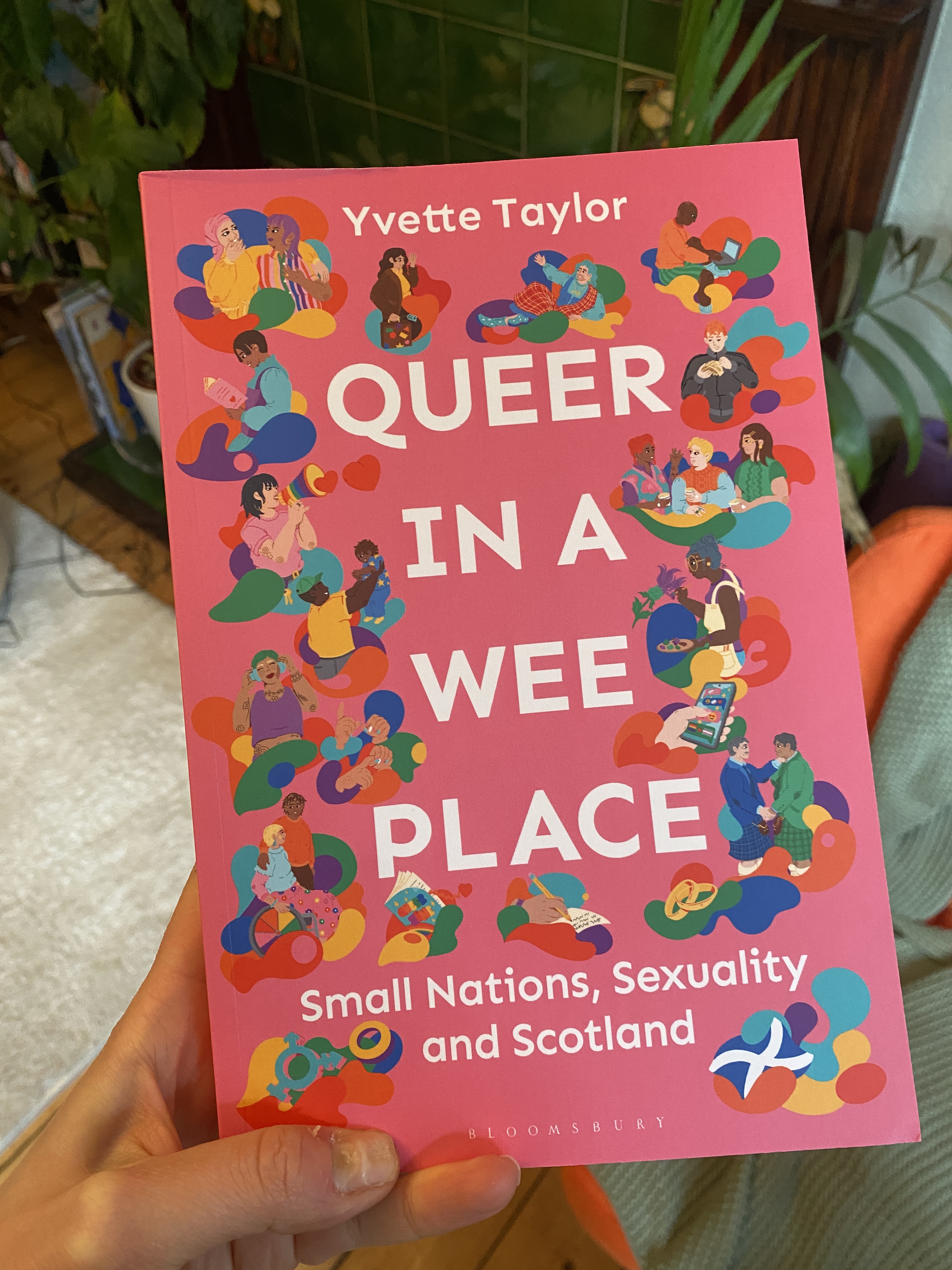
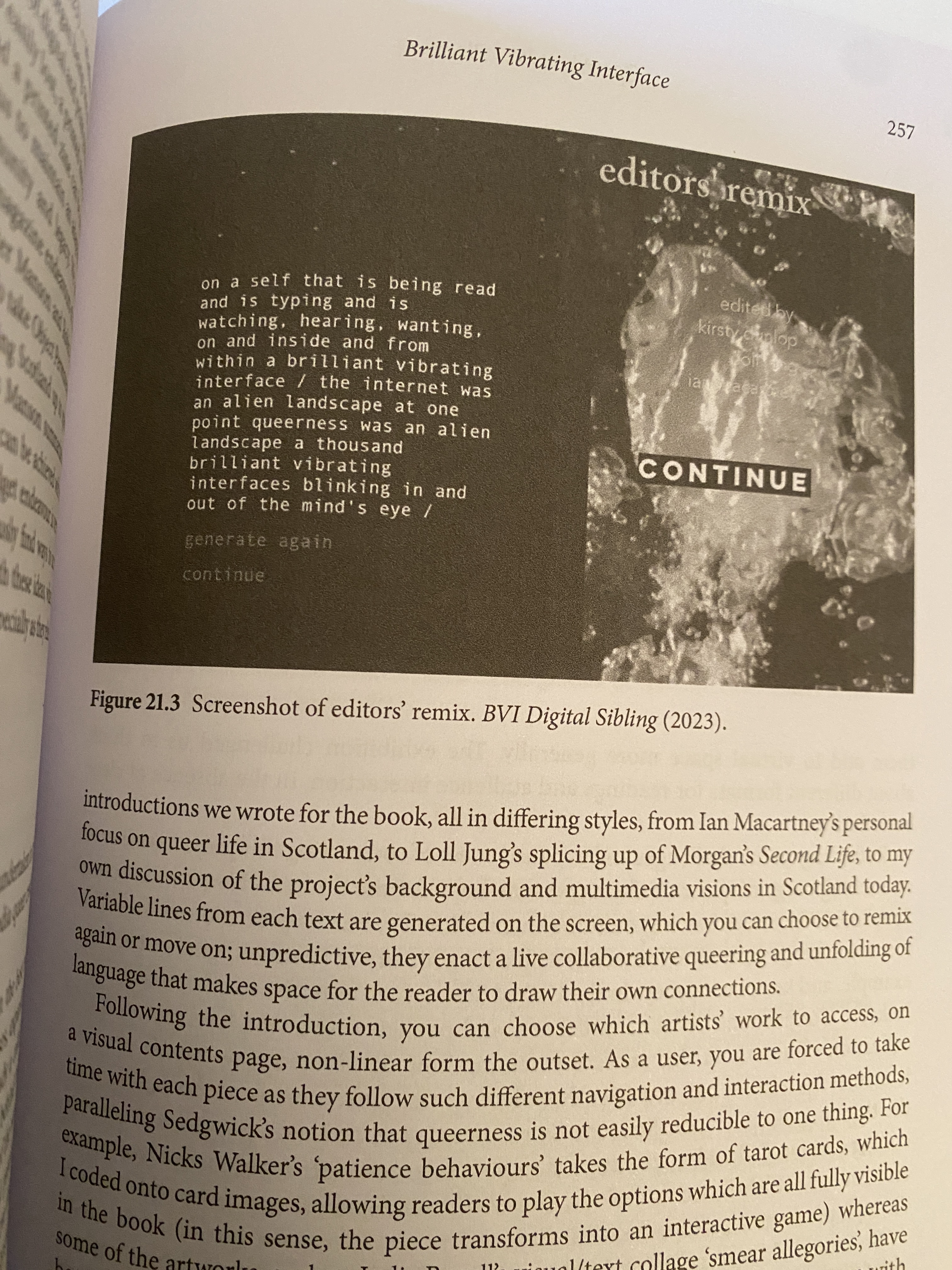


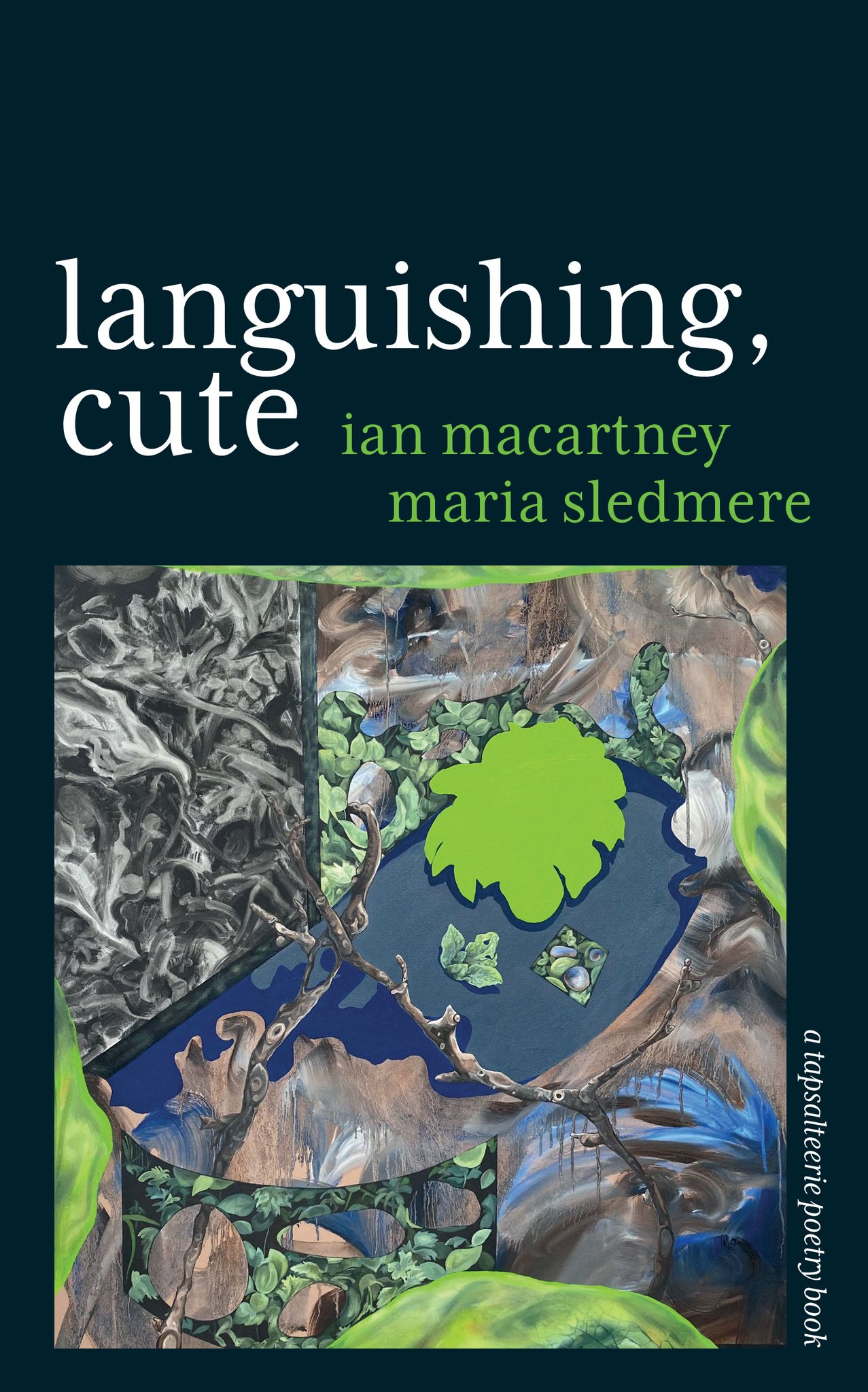
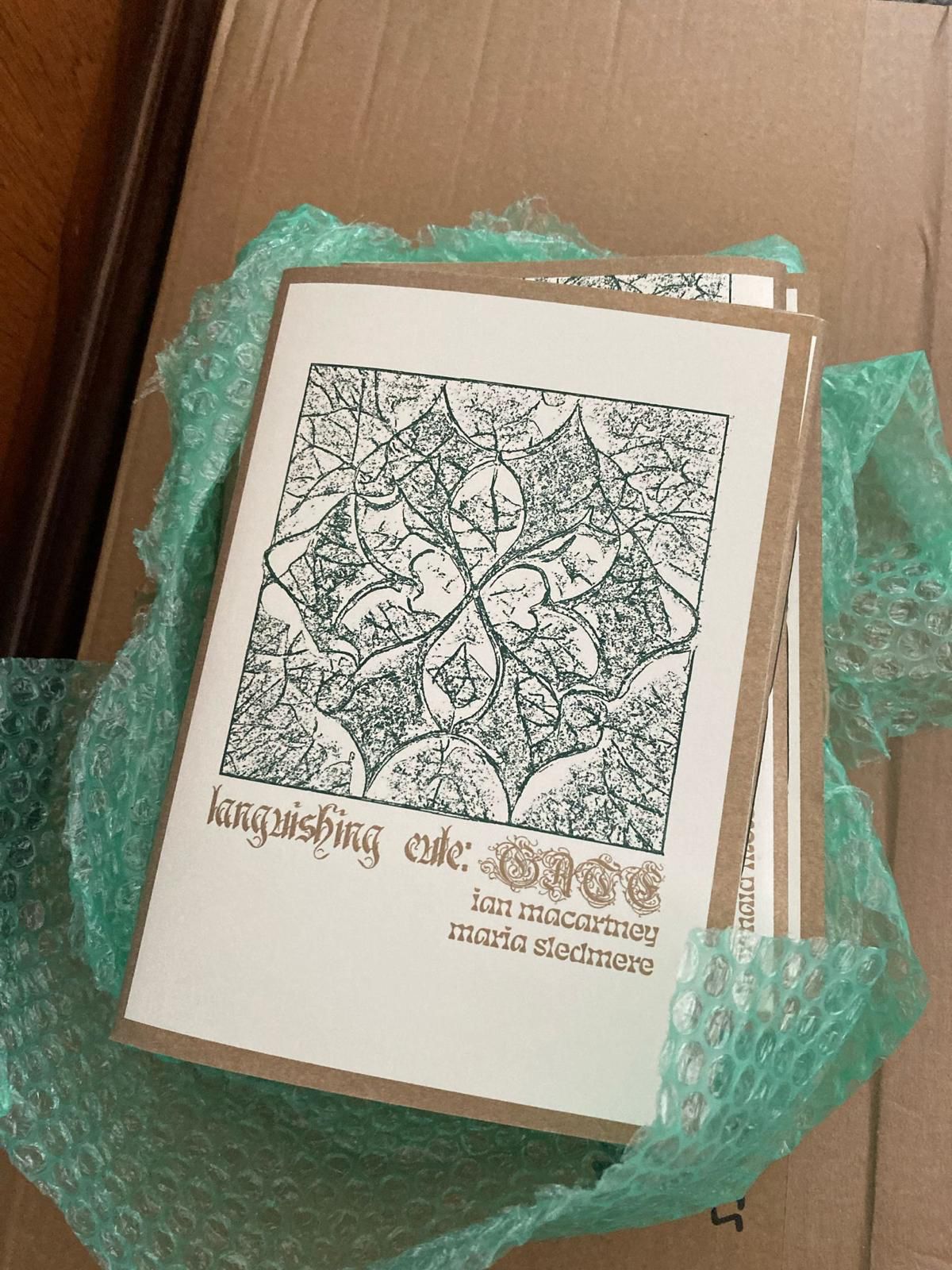
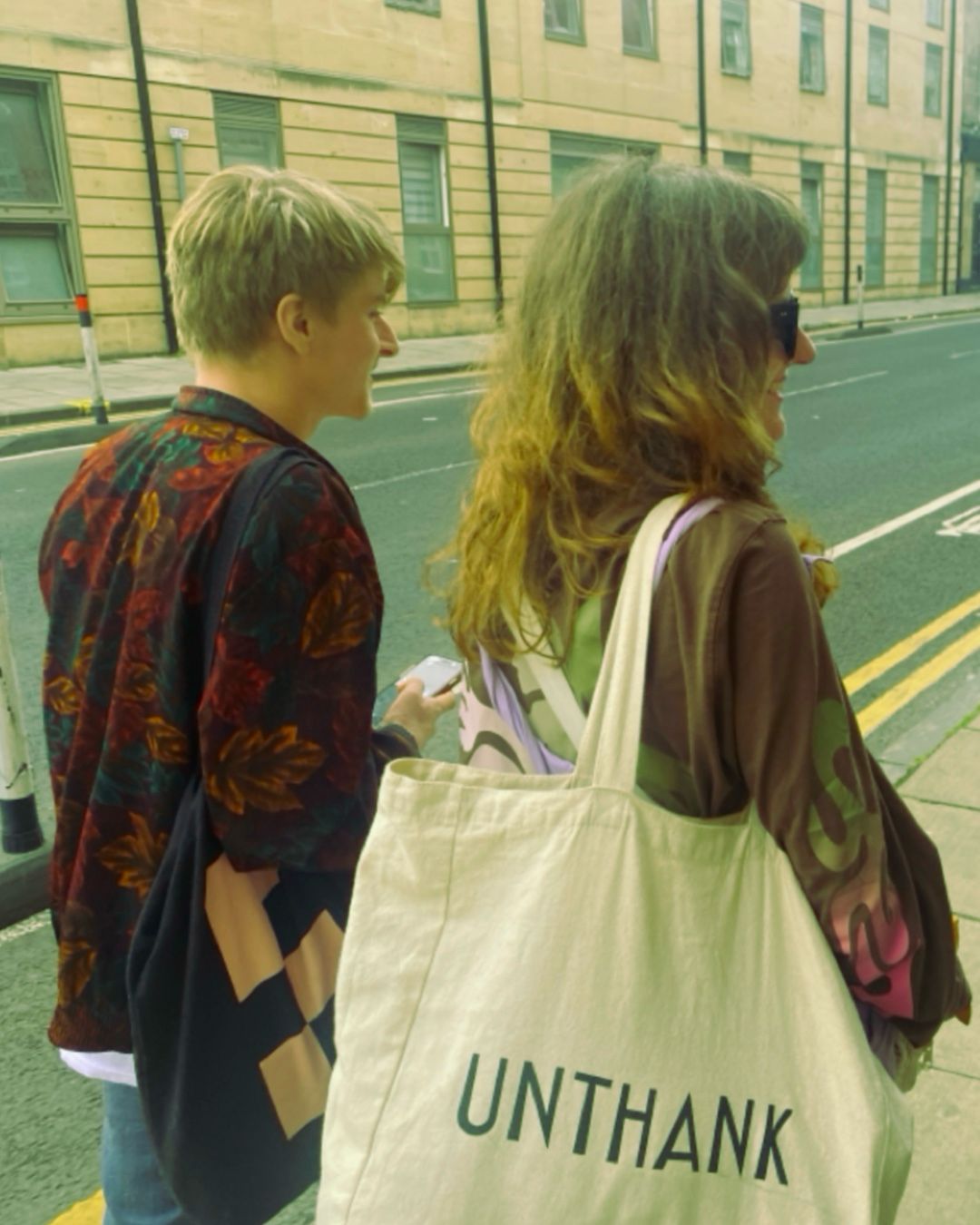
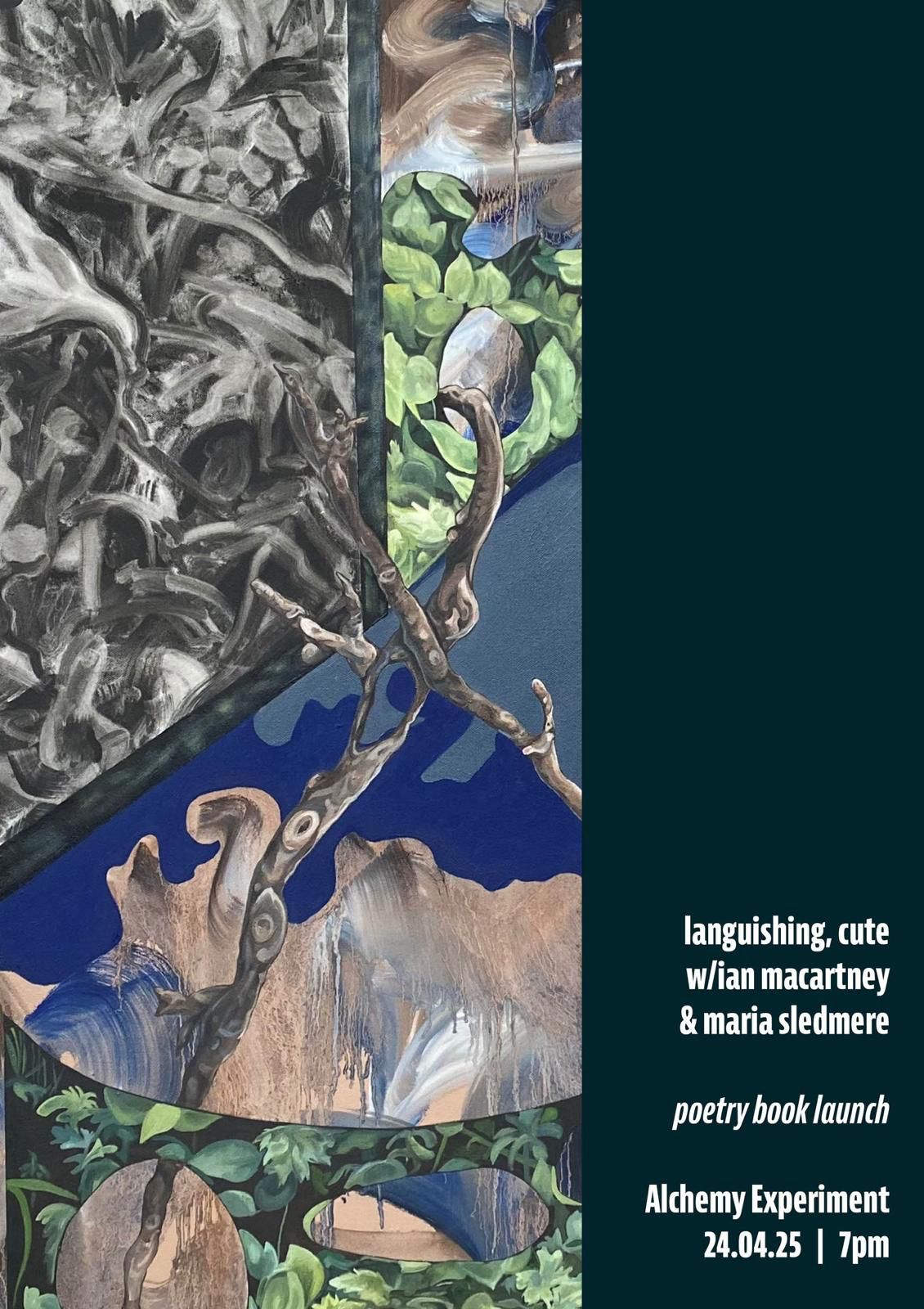
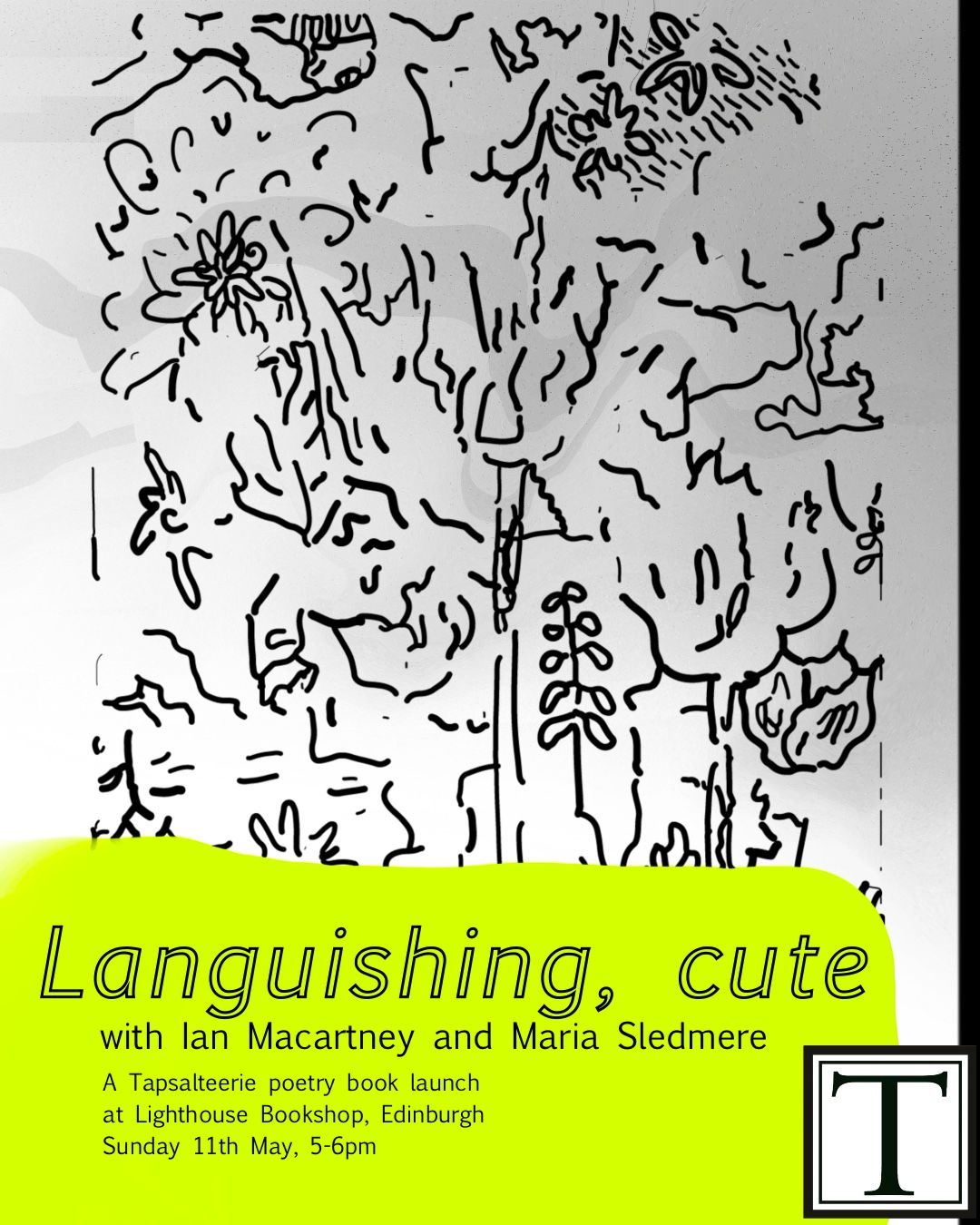
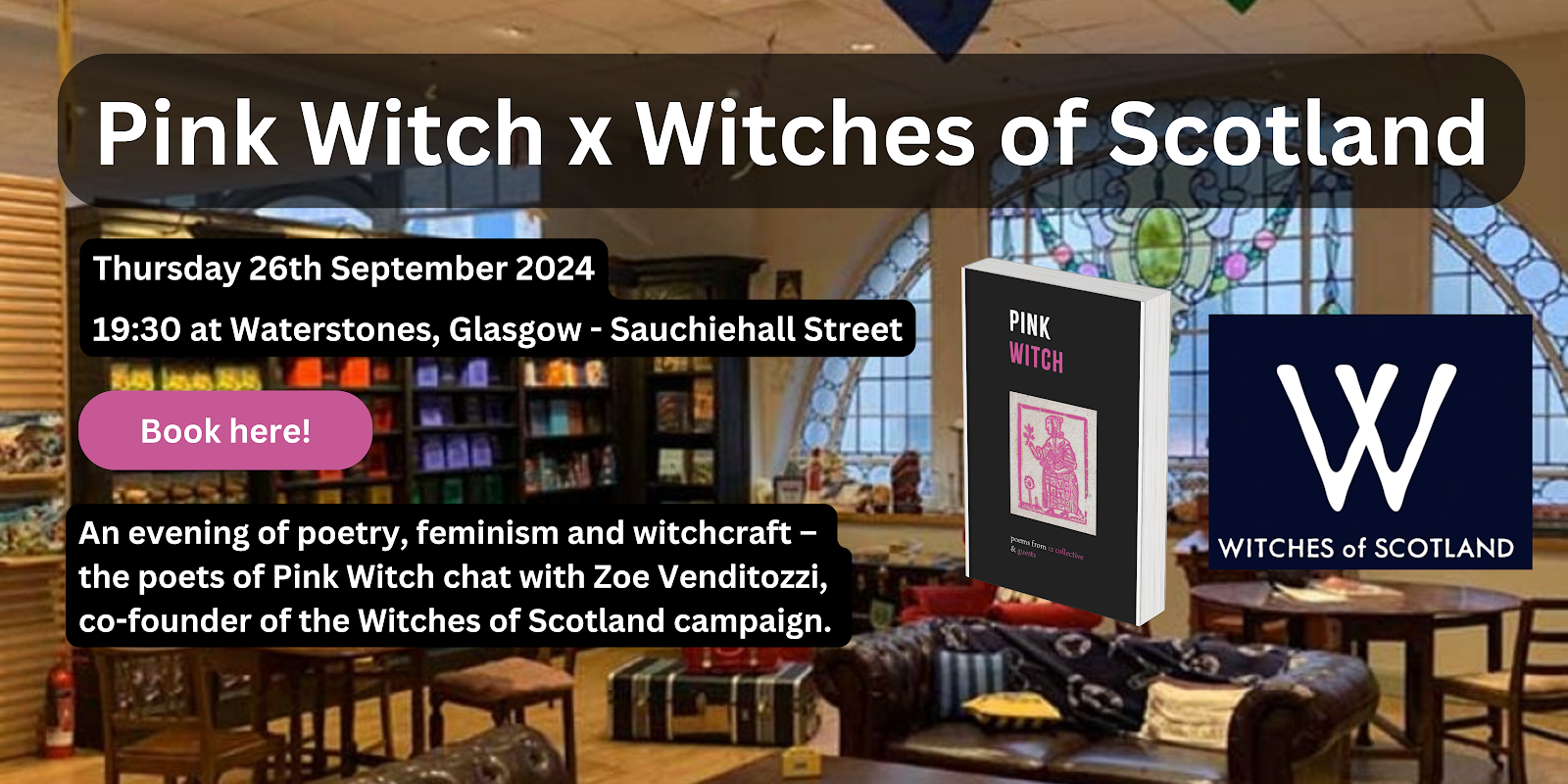
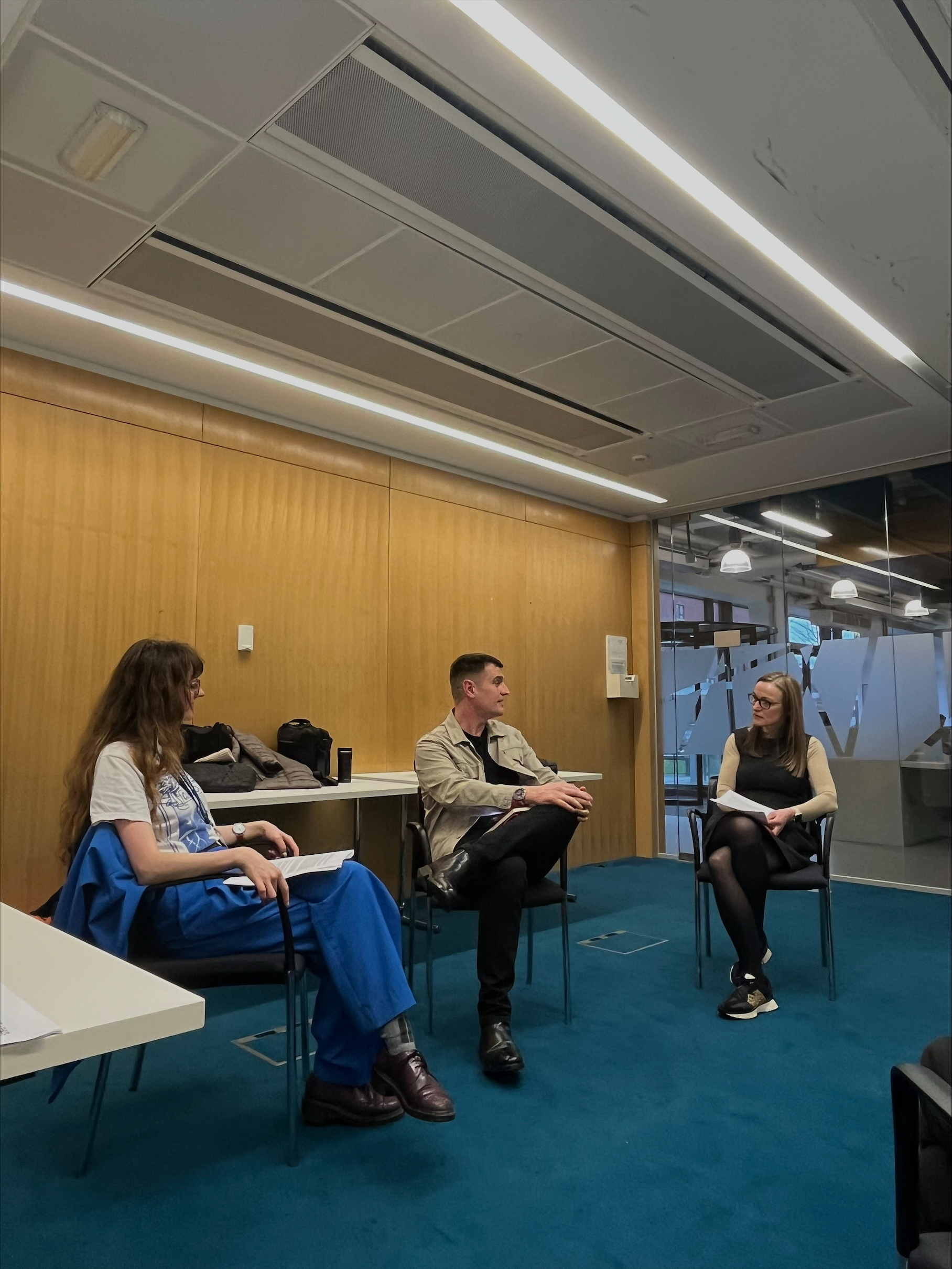
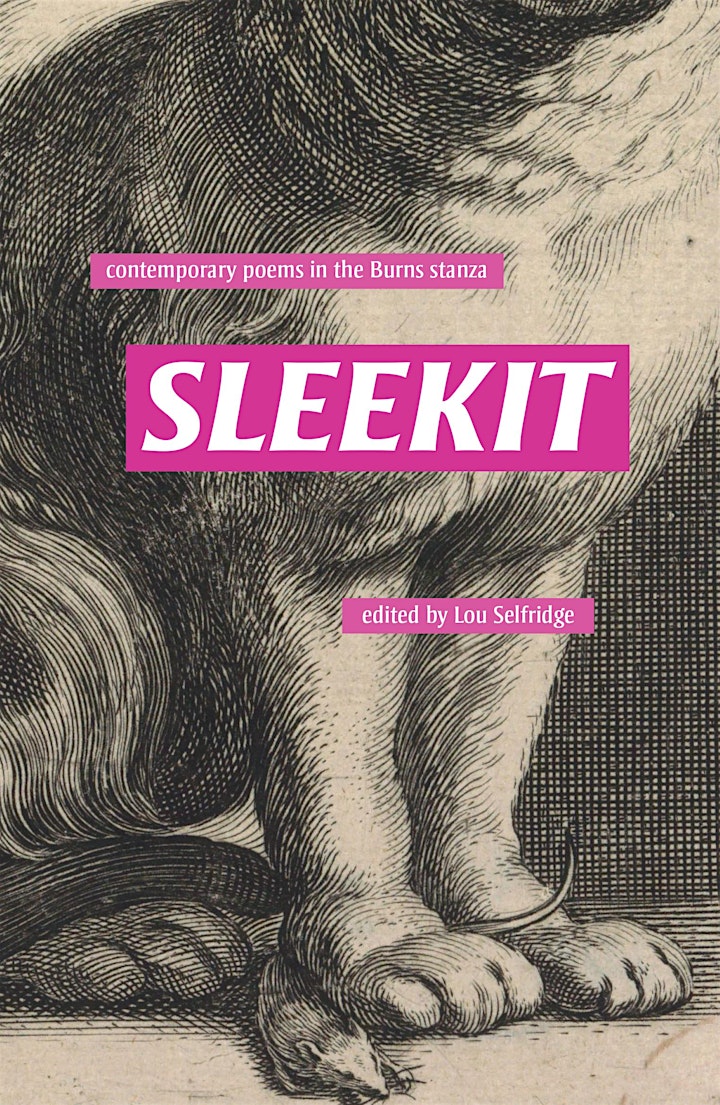
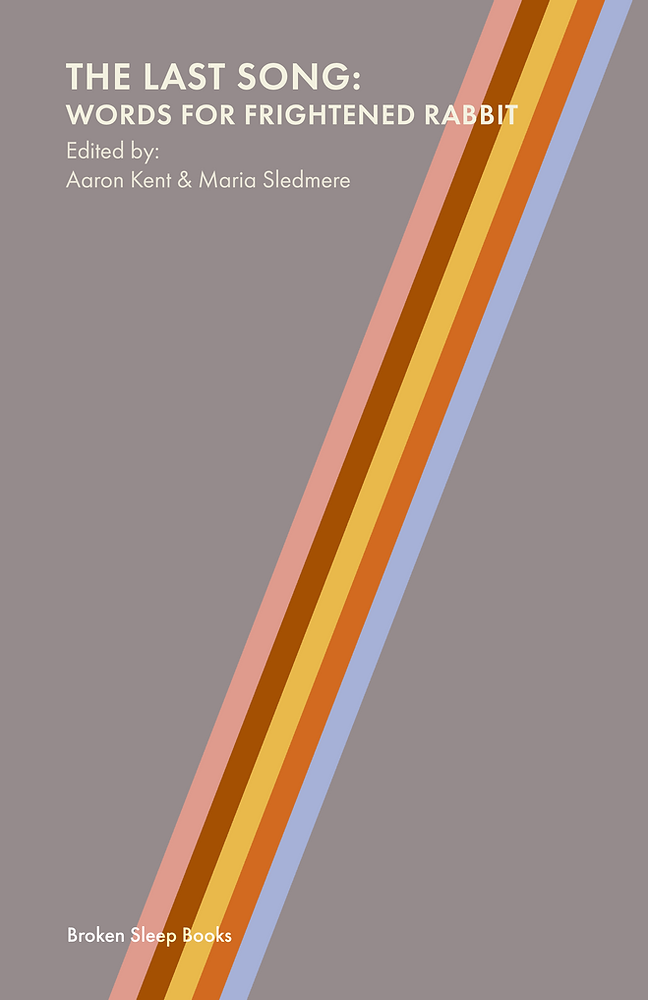
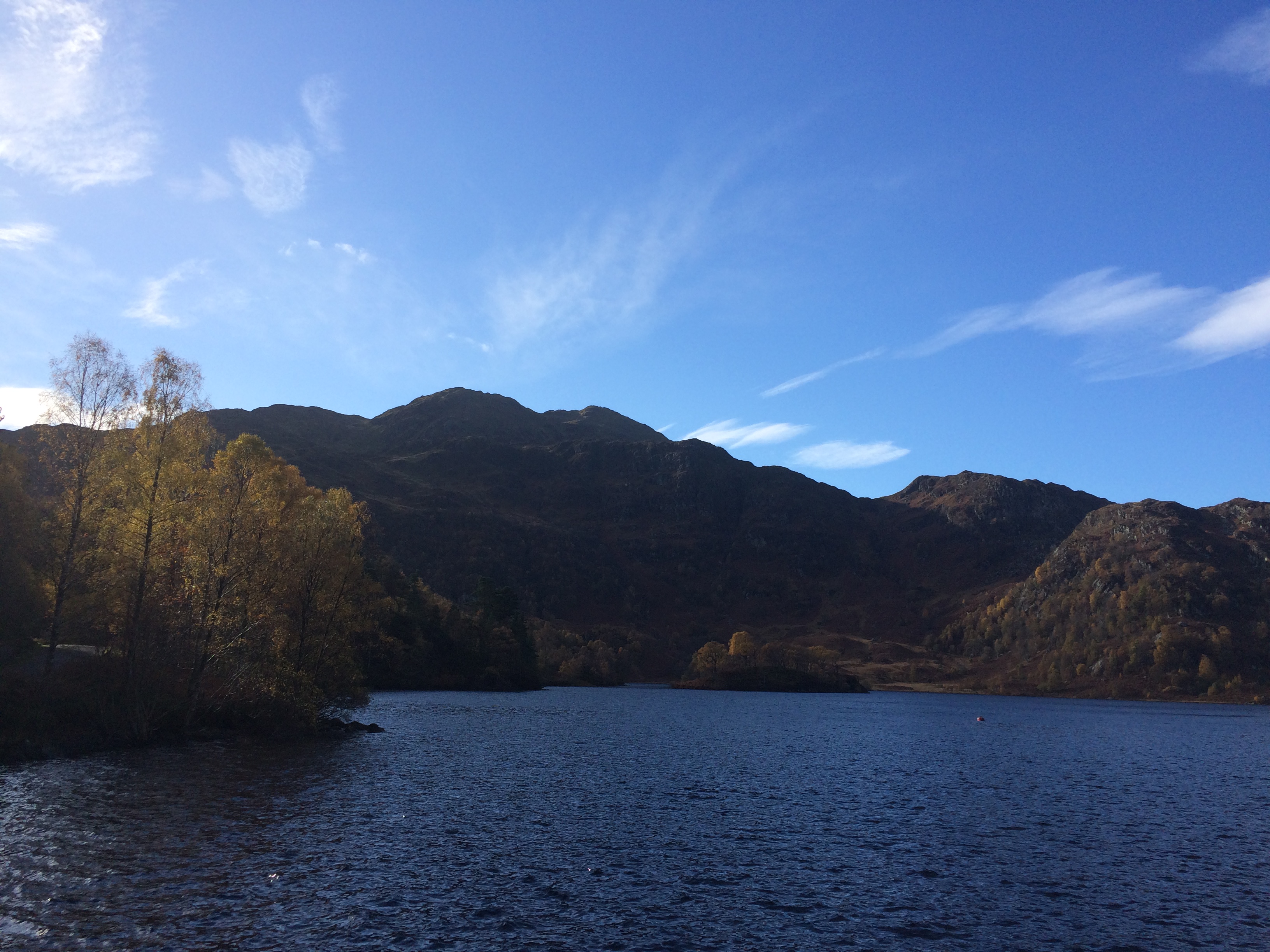
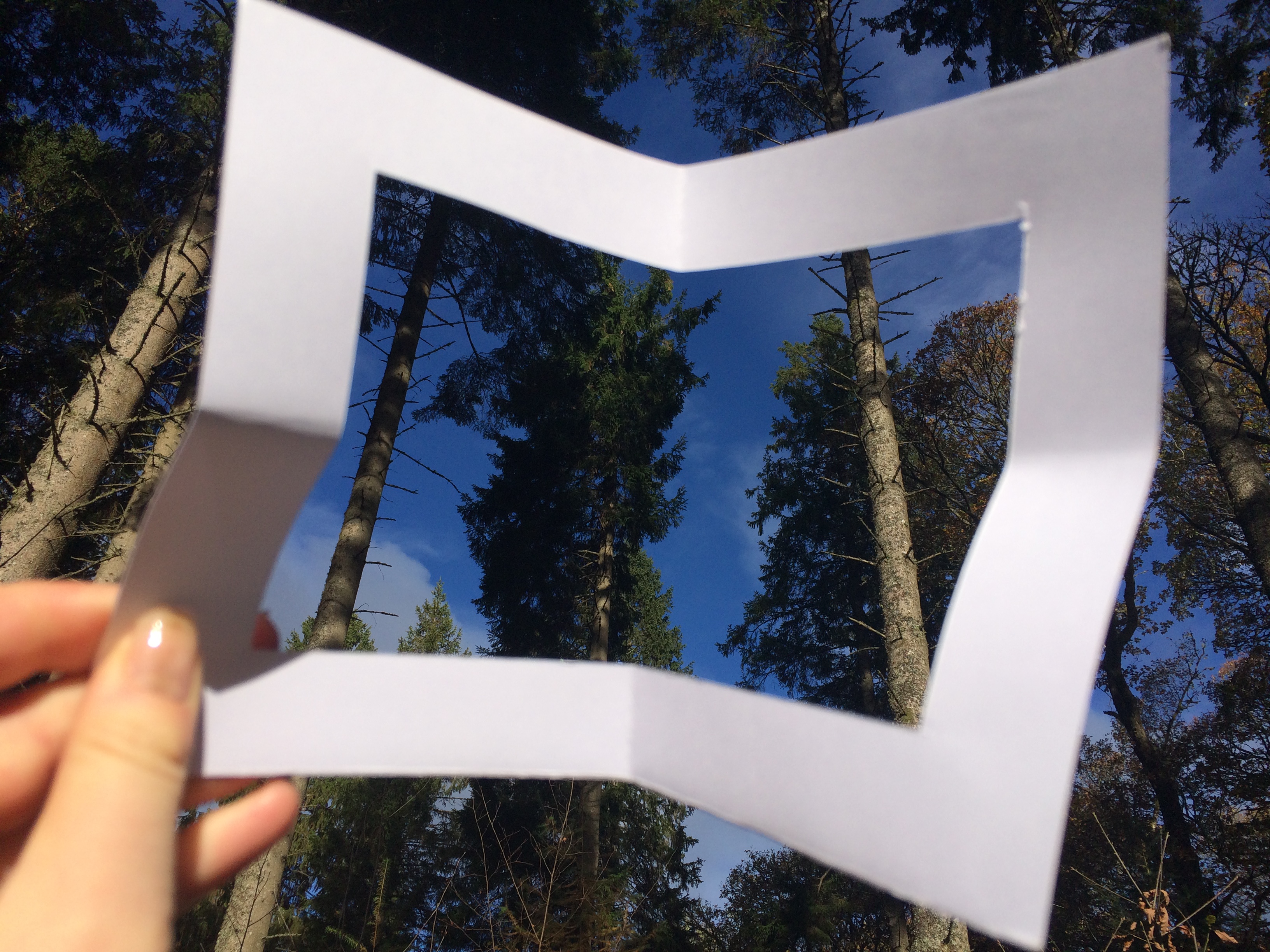
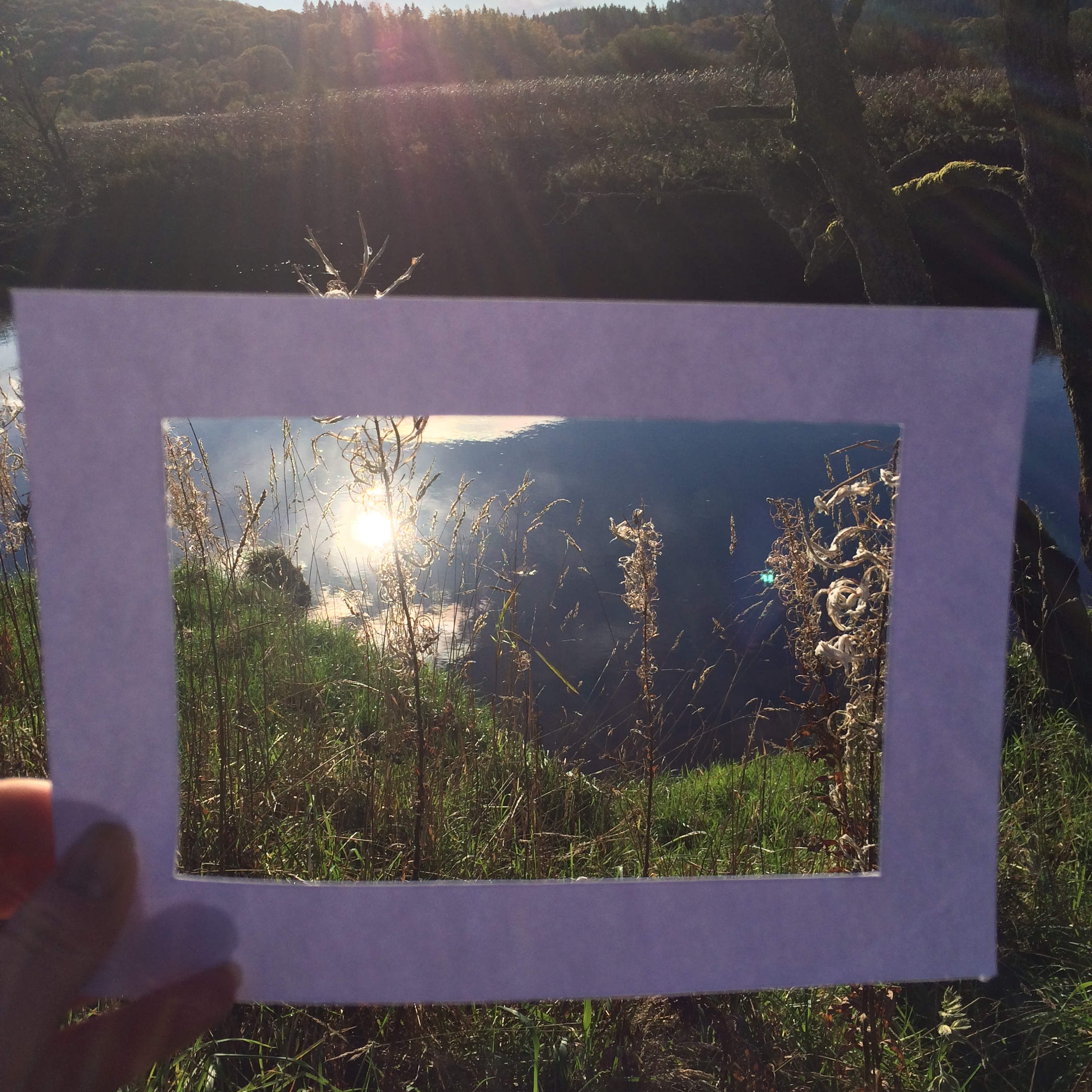
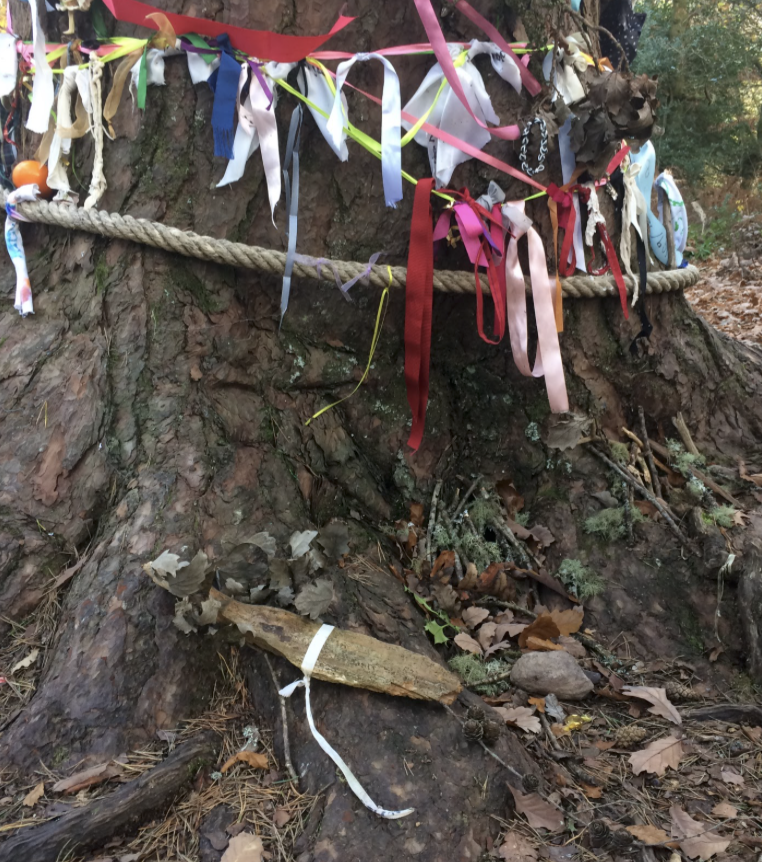
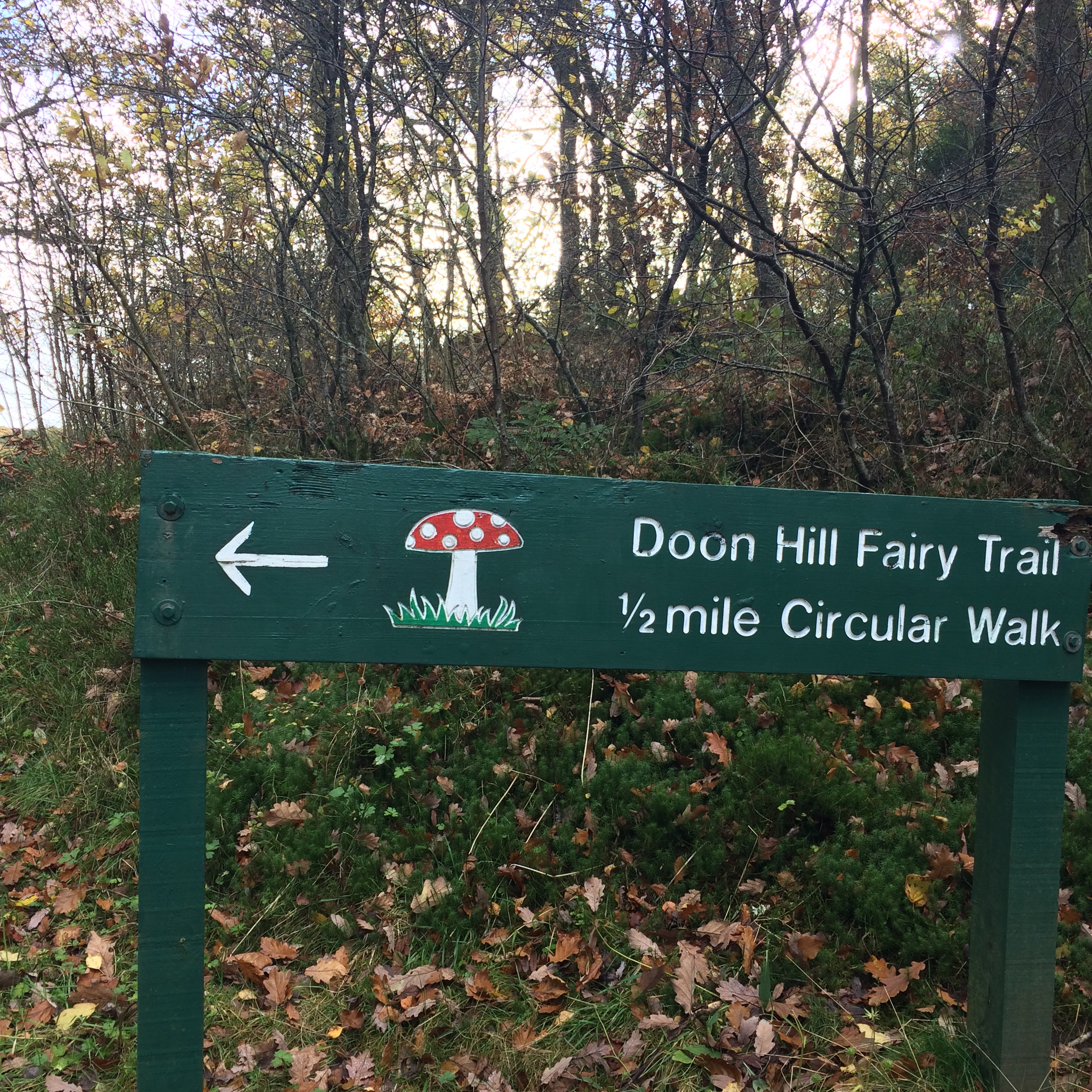
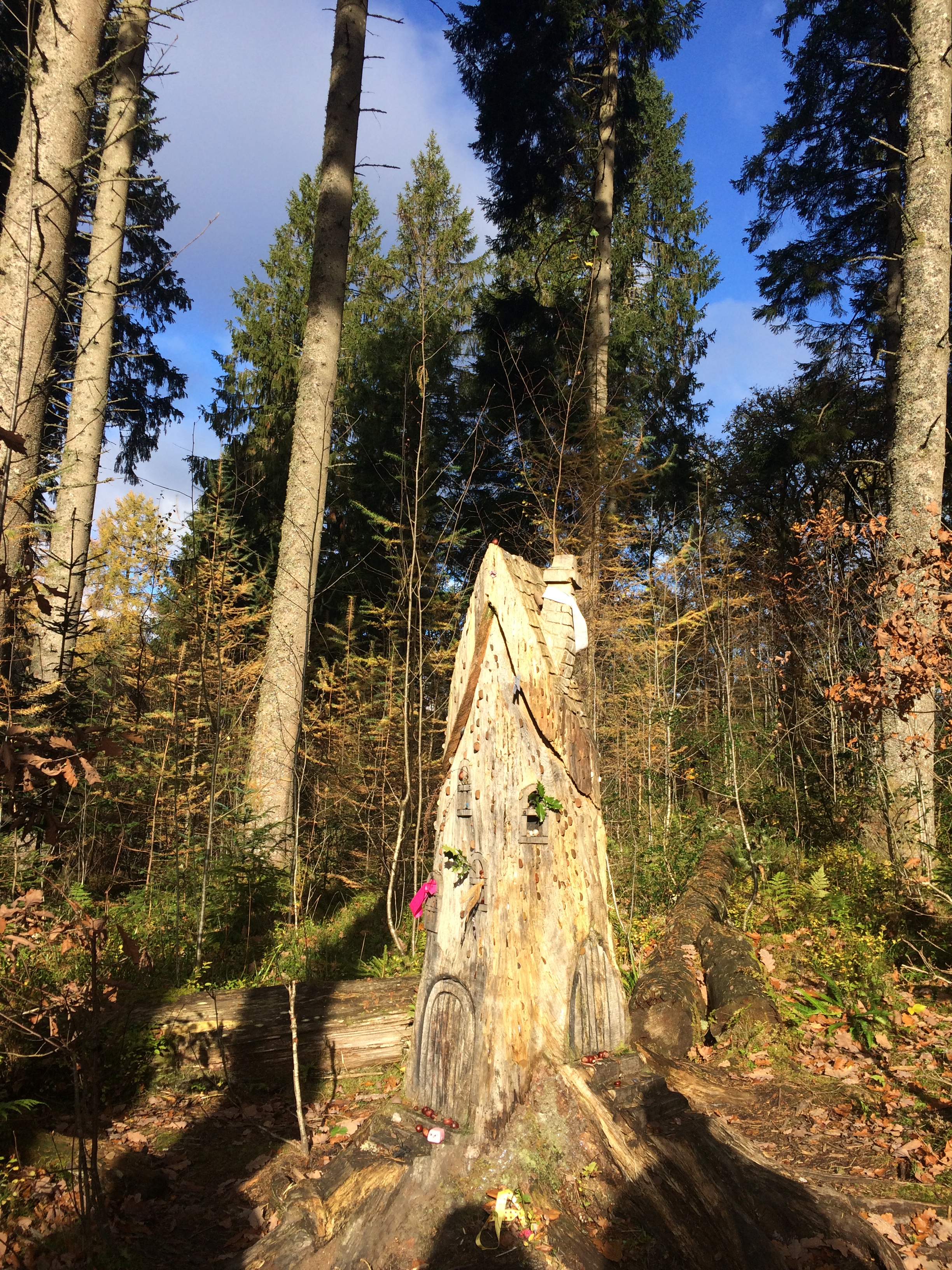
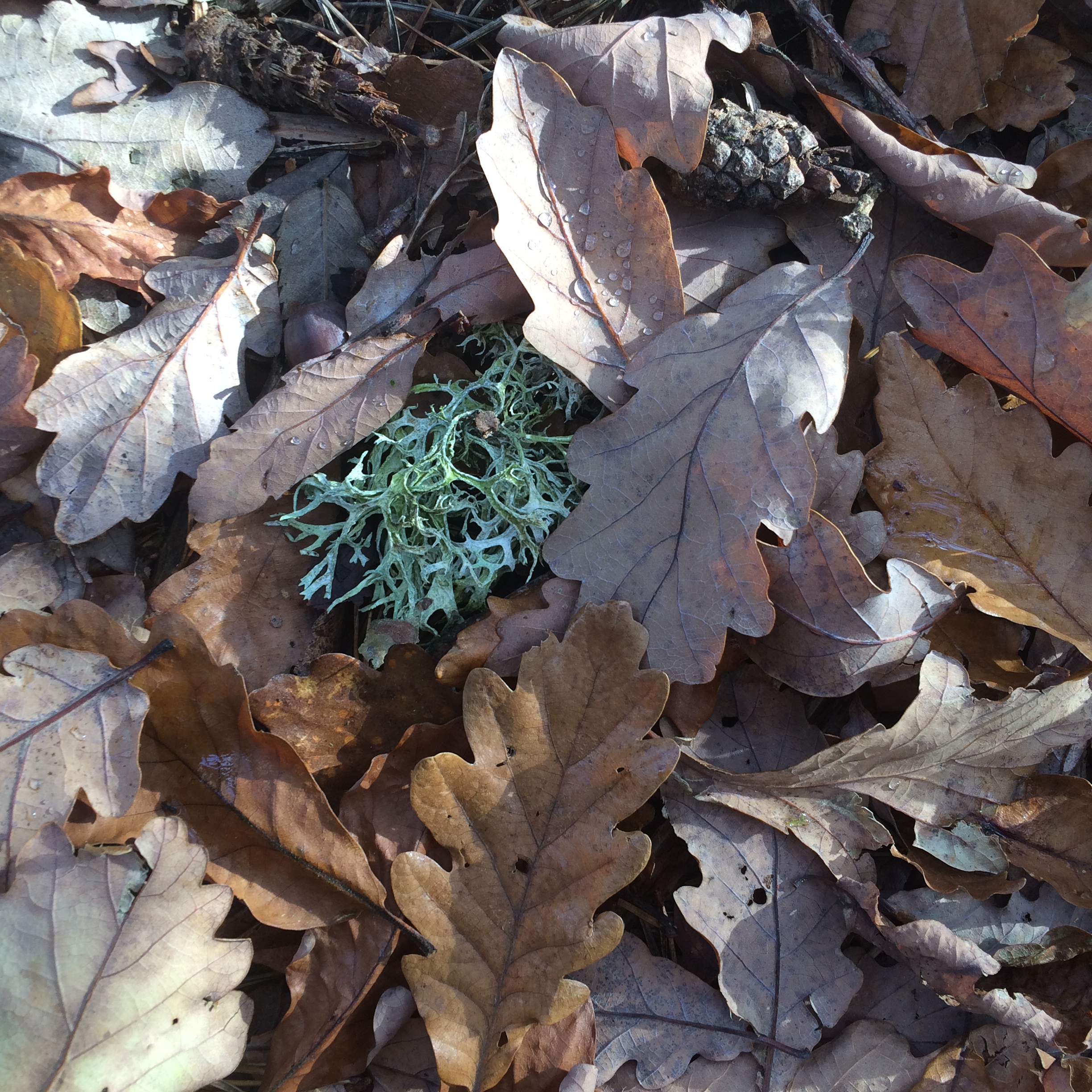
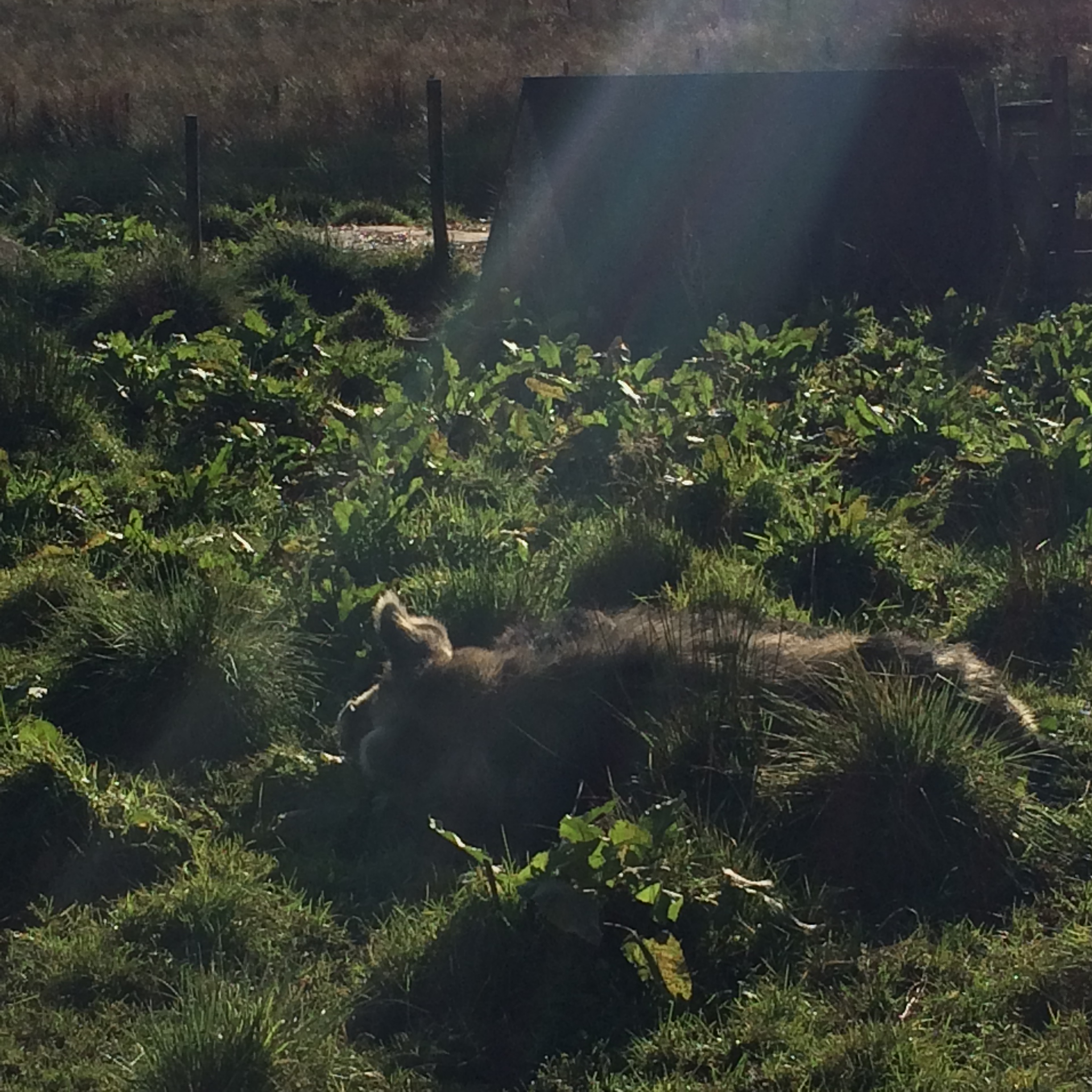
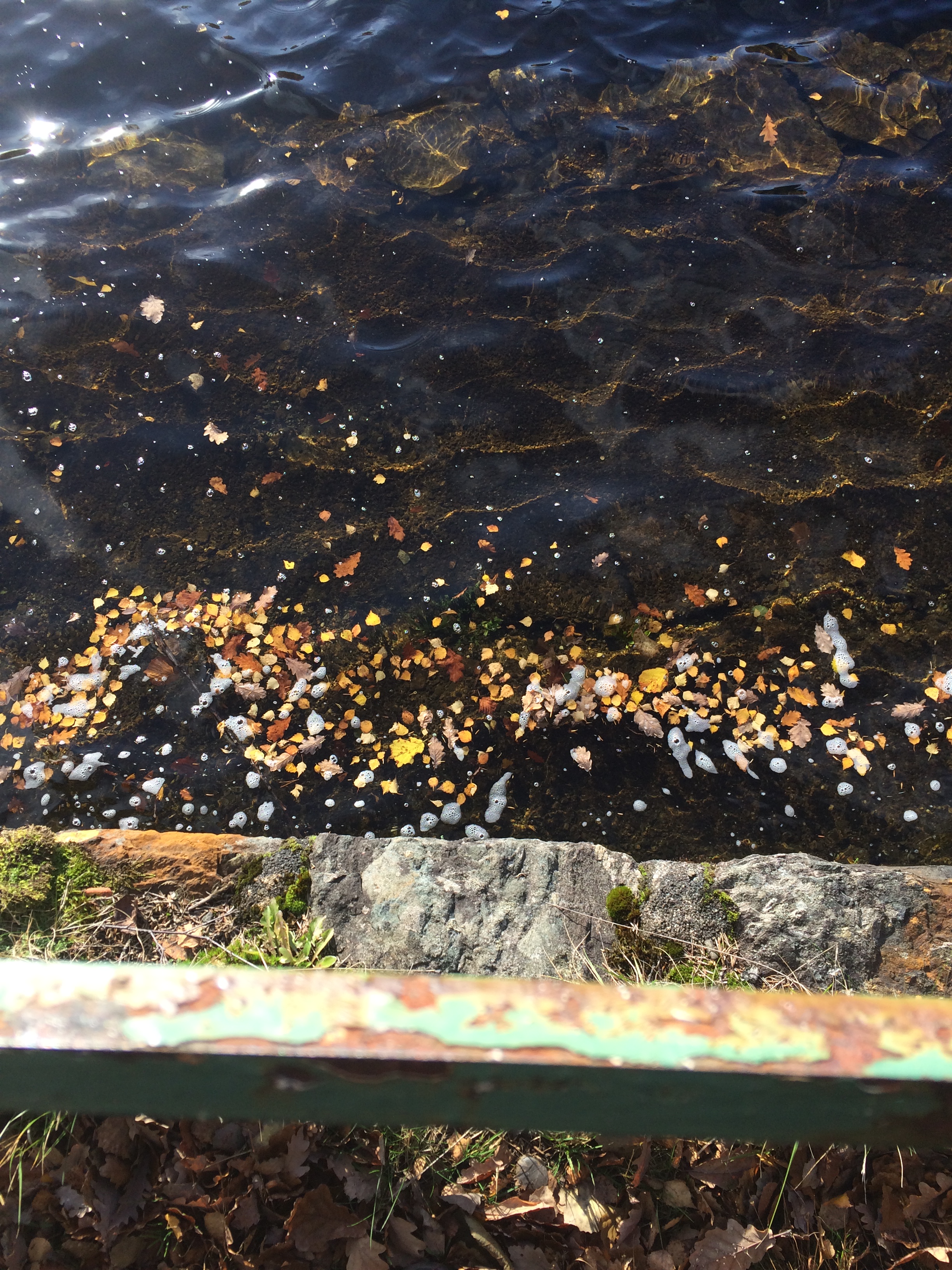
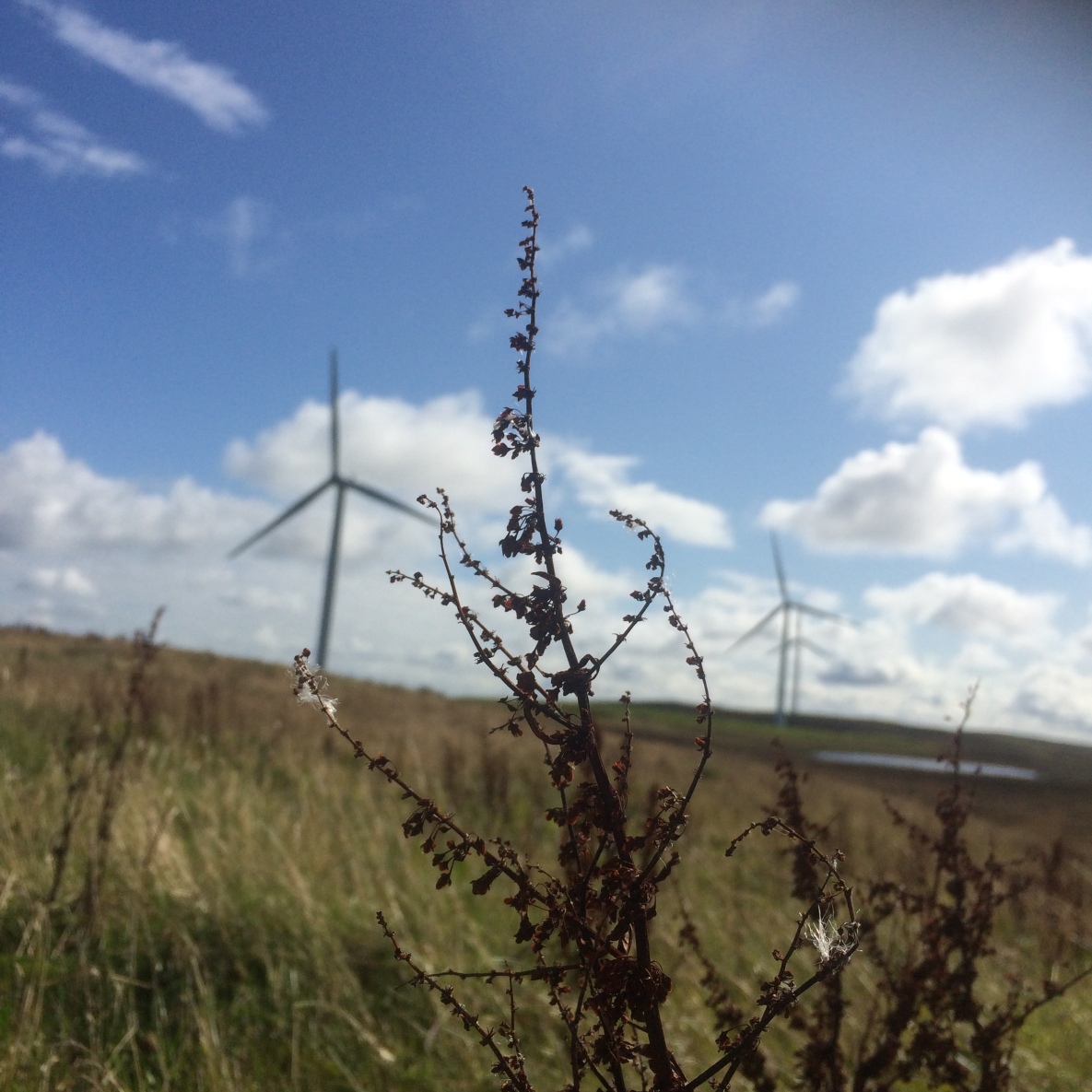
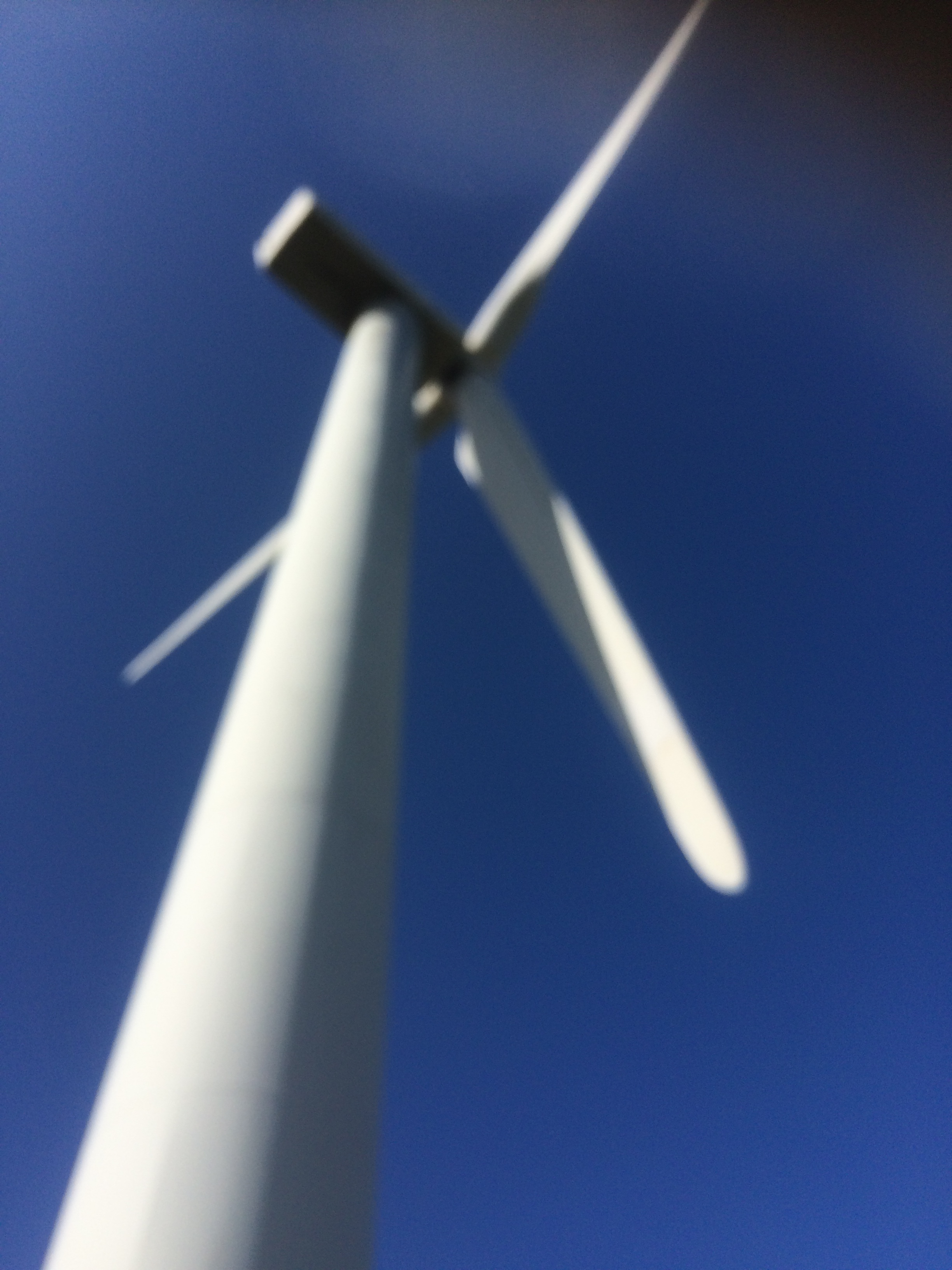
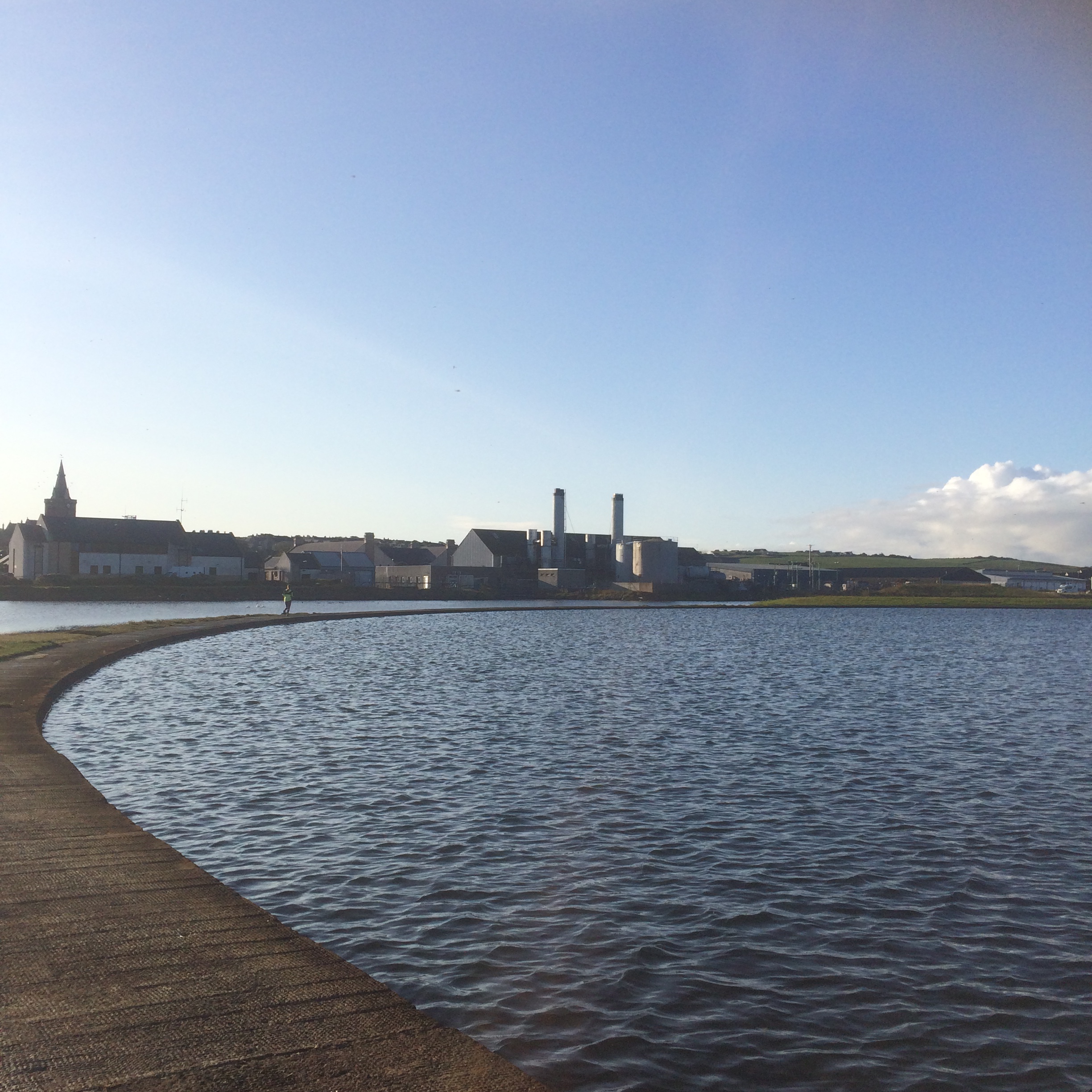
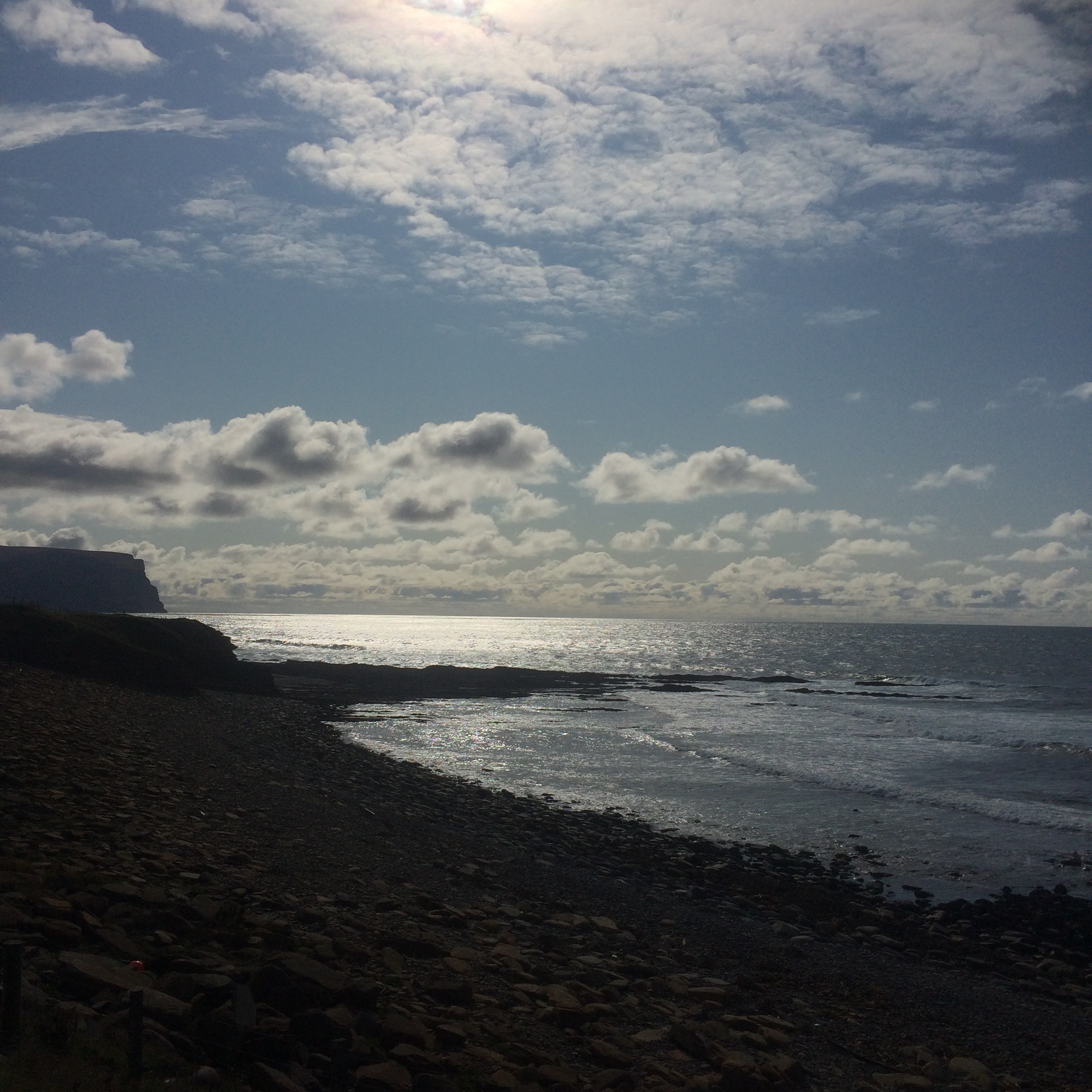
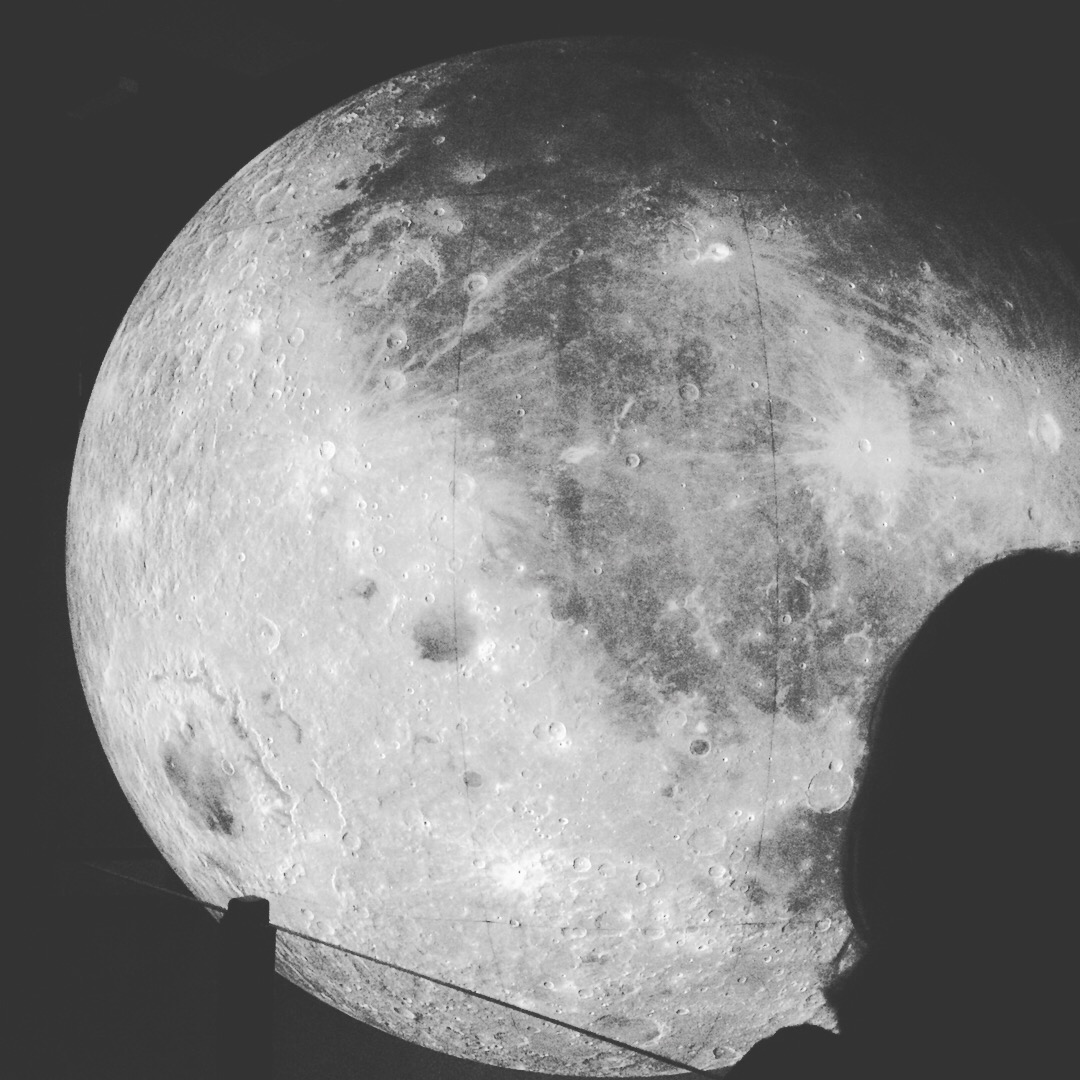
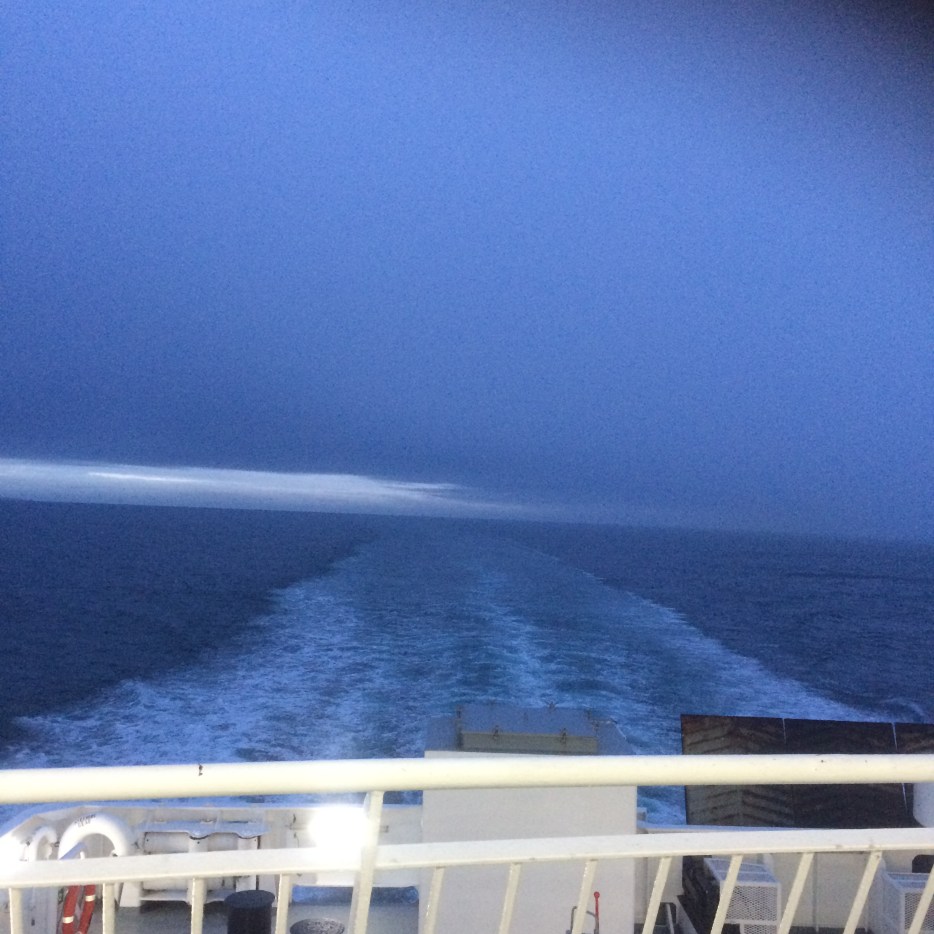
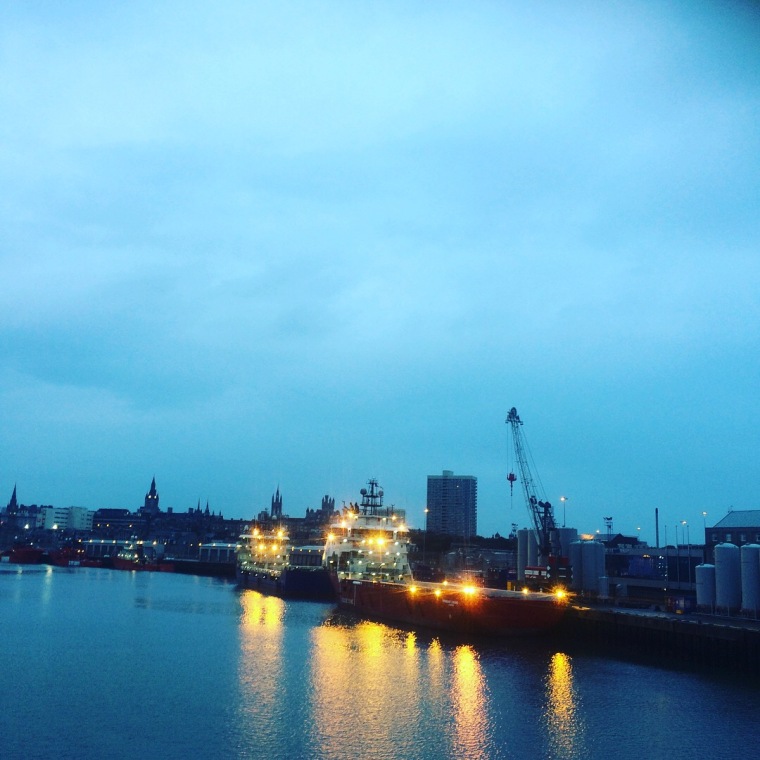
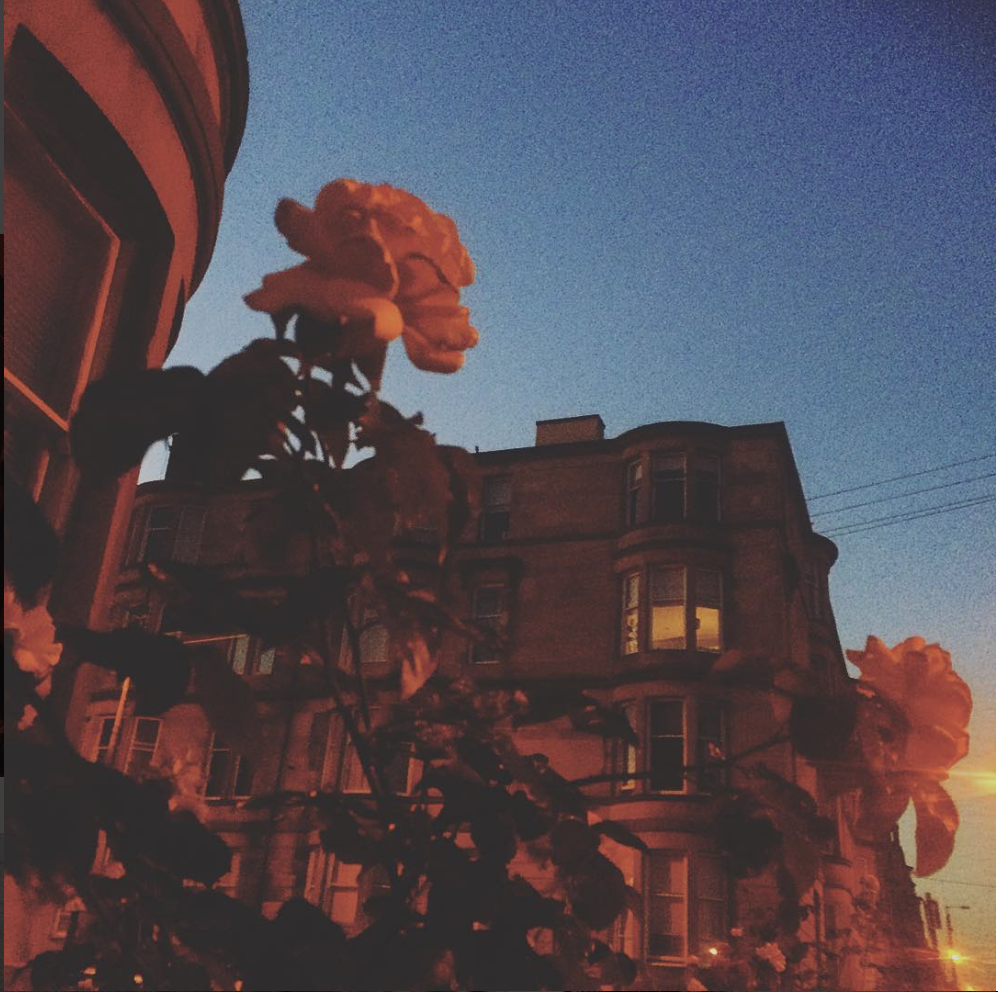
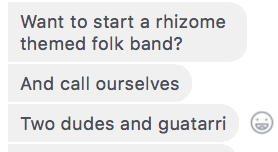
 mariaology