Insights on Sleep and Rest: Perspectives from the Arts and Humanities

 22nd of May 2025. 11-5.30.

Institute for Advanced Studies in the Humanities, 2 Hope Park Square Edinburgh EH8 9NW

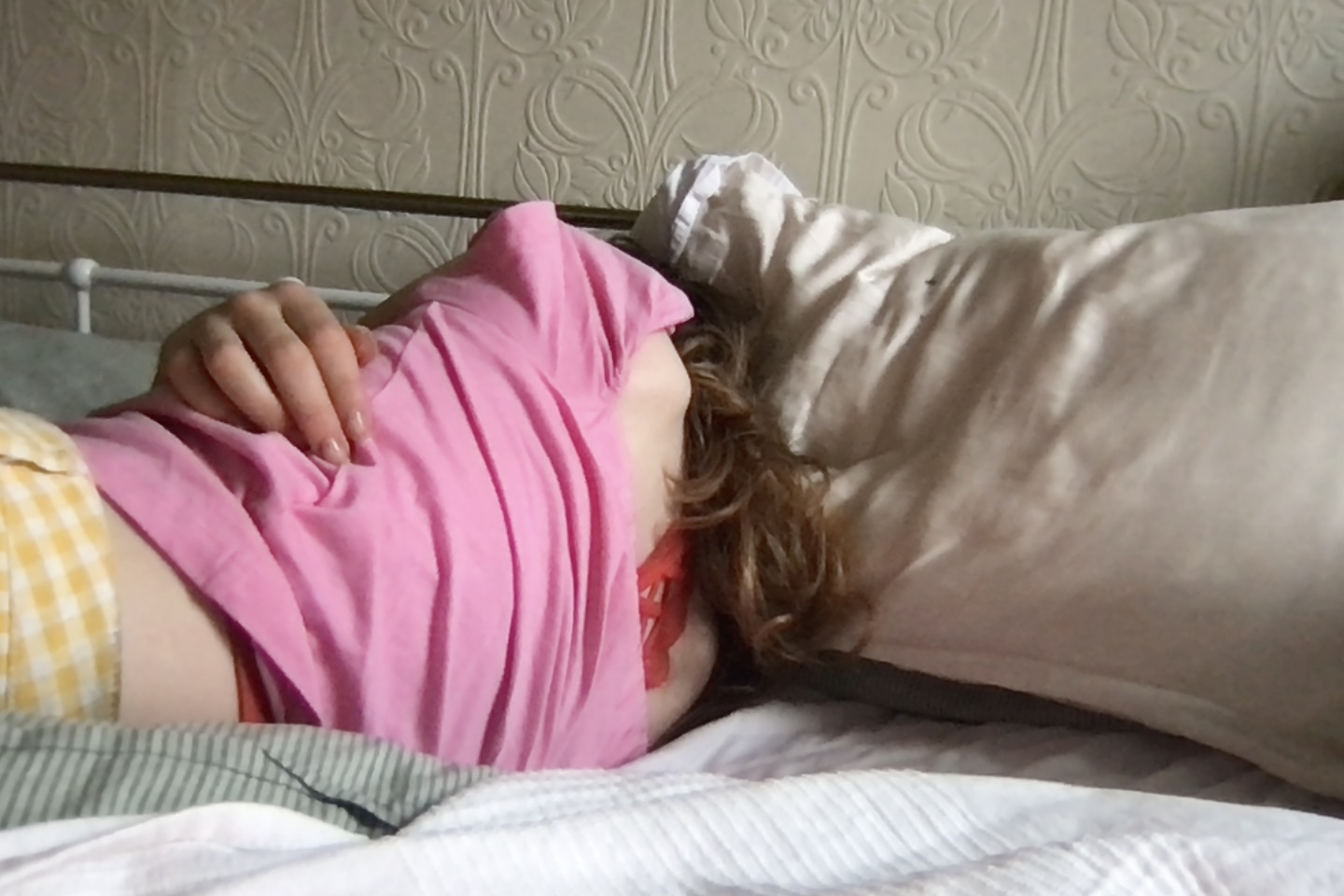
Broadly, our societal response towards sleep and rest is one of downgrading and devaluation. In our current capitalist society, sleep and rest are conceptualised as a time of passivity and inaction, and thus, as a period in which we are not producing or accomplishing. We tend to be jealous of those who can go about their days with fewer hours of sleep than ours, or praise those who can maximise their schedules, crammed with an endless series of activities and tasks. However, lack of sleep and rest time can lead to poorer health, both physical and mental. A good night of sleep can be one of our most restorative activities, and despite this fact, it tends to be neglected. Similarly, sleep and resting states allow for the occurrence of experiences that, if carefully attended, can provide us with a tool for self-exploration, such as dreaming and daydreaming.

The workshop intends to explore how these and related issues to our relationship to sleep and rest can be approached from the methods and perspectives of different disciplines within the arts and humanities. To that end, the workshop will consist of short presentations, panel discussions, and collaborative sessions for active participation. The workshop will be hosted both in-person and online.

Speakers and facilitators:

Dr Adriana Alcaraz-Sánchez (Philosophy, University of Edinburgh)

Dr Marco Bernini (Literary Studies, Durham University)

Prof Felicity Callard (Geography, University of Glasgow)

Dr Robert Cowan (Philosophy, University of Glasgow)

Dr Oli Hazzard (English, University of St Andrews)

Dr Sophie Jones (English, University of Strathclyde)

Dr Kevin Leomo (Music, University of Glasgow)

Dr Elizabeth Reeder (Creative Writing, University of Glasgow)

Dr Maria Sledmere (English & Creative Writing, University of Strathclyde)

Preliminary schedule:

11-11.25: Introduction and reflective activities: In this initial session, participants will be encouraged to share and write down their thoughts about their relationship to sleep and rest.

11.30-13: “Topics on dreaming, sleep experiences and transitory states” (Dr. Alcaraz-Sánchez, Dr. Bernini and Dr. Cowan). Short talks followed by a Q&A.

· Dr Marco Bernini (Durham University): “Dreams and Heightened Narrowed Immersivity: Combining Saturation, Permeability, Presentationality and Presence”. Are dreams (narrative) worlds? What similarities and differences are in play between our waking consciousness of the perceptual world and dream consciousness as quasi-perception? This paper posits that dreams exhibit a unique experiential mode called ‘Heightened Narrowed Immersivity’ (HNI)—a state characterized by intense presentational immediacy and severely restricted informational context. Combining frameworks and concepts from narrative theory and cognitive science while looking at dream reports, literature, lyrics, and movies, the paper shows how dreams and their artistic mediations reveal unstable ontological environments—low saturation in time, causality, identity, and space—while maintaining a high degree of immersive presence.

· Dr Robert Cowan (University of Glasgow). “Exotic and Ordinary Dreaming”. In this talk I consider two kinds of ‘exotic’ dreams. First, those that occur during episodes of REM sleep behaviour disorder where subjects allegedly ‘act out’ their dreams. Second, lucid dreams wherein subjects are apparently aware that they are dreaming while dreaming. My question: what do these exotic cases tell us about the nature of ordinary dreaming? My answer: very little and certainly less than others have thought.

· Dr Adriana Alcaraz Sánchez (University of Glasgow). Hacking the sleeping mind: the exploitation of the dreamspace. In dream research, the term ‘dream engineering’ has been adopted to describe techniques that manipulate, record and affect our dreams. Within the research context, dream engineering has become a useful tool for exploring the nature of dreaming as well as its potential for enhancing our waking lives. Yet, a couple of examples taken from outside scientific research might make us worry about the extent dream engineering practices should be conducted, especially when those are applied widely to the general public. Here, I consider some of the ethical implications of those practices outside the research realm, some of which put into question the value we attribute to sleep and dreaming.

13-14: Lunch Break: Vegetarian and Vegan catering for all participants

14-15: Panel discussion: Working title “The need for rest” (Dr Reeder, Dr Jones, and Dr Callard and Dr Sledmere): Our panellists will give a flash/provocation followed by a chaired discussion with questions from the audience.

15-15.15: Short break: Tea and coffee for all participants

15.15-17.00: Creative session. In this facilitated session, we will explore the role of dreaming/liminal states for creative purposes.

· Poetry reading and discussion by Dr Sledmere and Dr Hazzard.

· Haiku writing and Deep Listening activities

17.00-17.30: Discussion back to the rest of the workshop/final thoughts

From 17.30: Wine reception at IASH (Open to all participants)

This event is organised by Adriana Alcaraz-Sánchez (Postdoctoral Fellow in Philosophy, IASH, University of Edinburgh), Maria Sledmere (Artist and Lecturer in English & Creative Writing, University of Strathclyde) and Kevin Leomo (Artist and Community and Engagement Manager, University of Glasgow).

The event is supported by the Susan Manning Workshop Fund from the Institute for Advanced Studies in the Humanities (IASH) and is jointly hosted by IASH and Project Somnolence [https://projectsomnolence.com/about]

Accessibility: This event will take place at IASH, 2 Hope Park Square, Edinburgh, EH8 9NW. Please see a map here: https://www.iash.ed.ac.uk/location

The Seminar Room is on the first floor, and unfortunately IASH does not have a lift. If you have mobility issues and would like to discuss access, please contact iash@ed.ac.uk as soon as possible. Next to the Seminar Room, there are a couple of rooms that can be freely used in between the sessions/break time. If you require a quieter space at any point during the duration of the workshop, do reach out to the lead organiser (contact below) or let any of the organisers know on the day of the event. There’s also access to a microwave/small kitchen space if you require it.

Note to online participants: All sessions will be streamed, and online participants will be able to ask questions. However, note that due to the engaging nature of some of the sessions (i.e. creative session), we will not be able to provide tailored support or feedback to online participants. The sessions (including the talks) will not be recorded.

Note to in-person participants: Unfortunately, we are unable to cover travel and/or accommodation expenses for participants. Catering (including lunch and refreshments) will be provided to all.

Contact: For any questions or enquiries regarding the event, please get in touch with the lead organiser Adriana at Adriana.alcaraz.sa@gmail.com

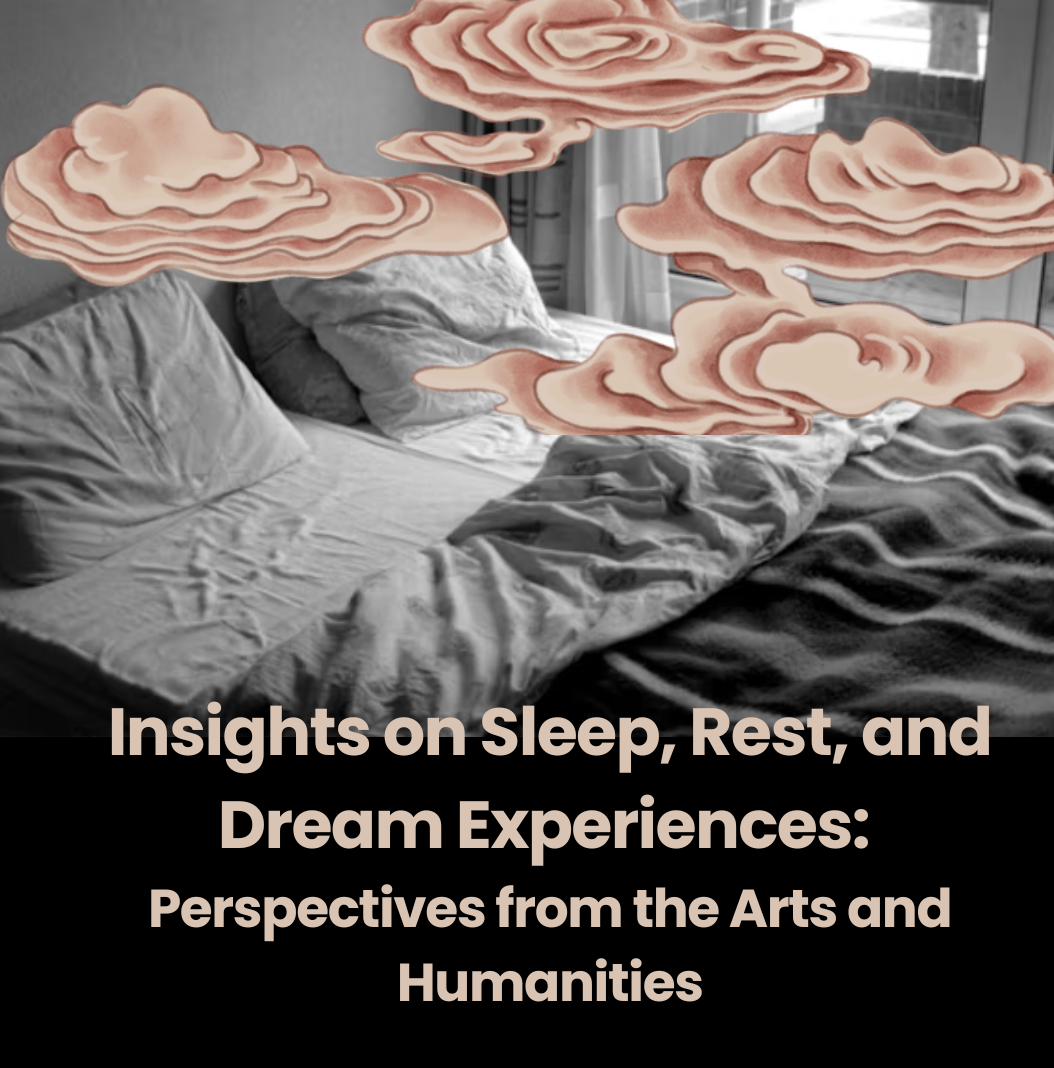
Cover picture: https://unsplash.com/es/fotos/una-cama-se-deshace-cerca-de-una-ventana-mbvHui7I5KQ [Digital alteration by Adriana Alcaraz Sánchez]

The event is supported by the Susan Manning Workshop Fund from the Institute for Advanced Studies in the Humanities (IASH) and is jointly hosted by IASH and Project Somnolence.
Register herehttps://www.eventbrite.co.uk/e/insights-on-sleep-and-rest-perspectives-from-the-arts-and-humanities-tickets-1349784053439?aff=oddtdtcreator

Reflections on the poetry of somnolence

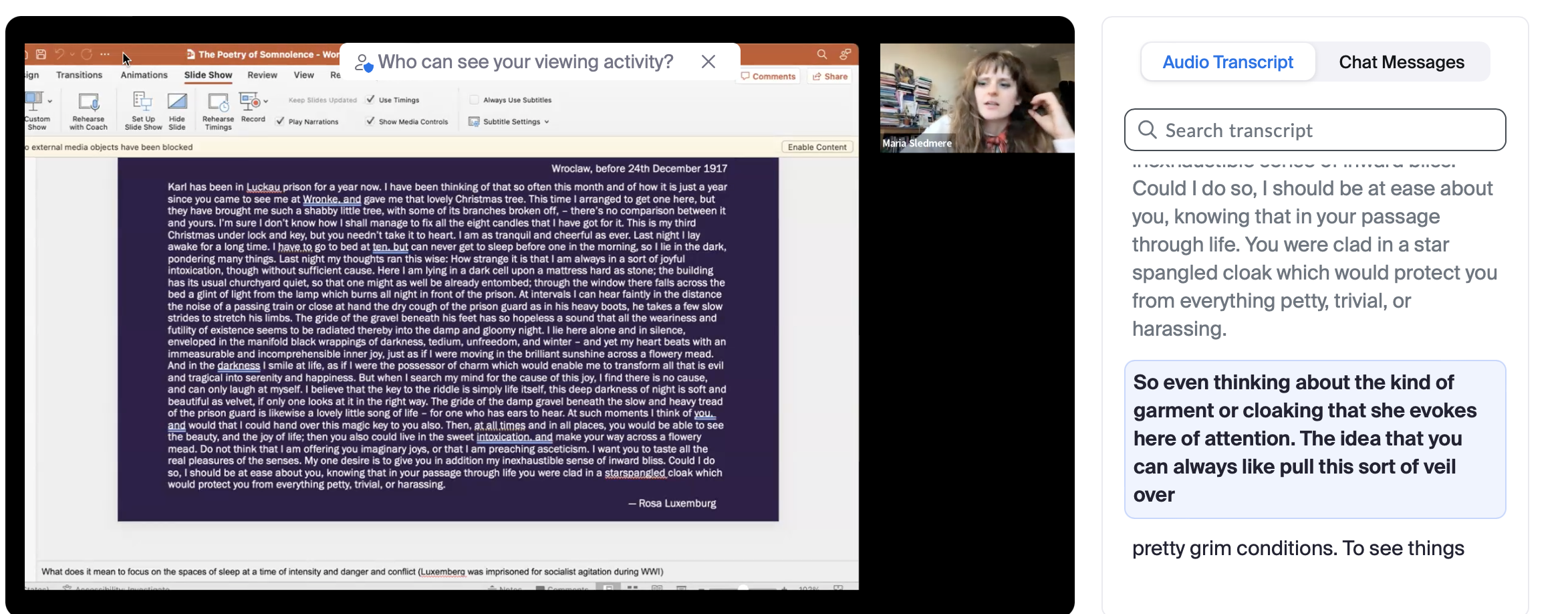
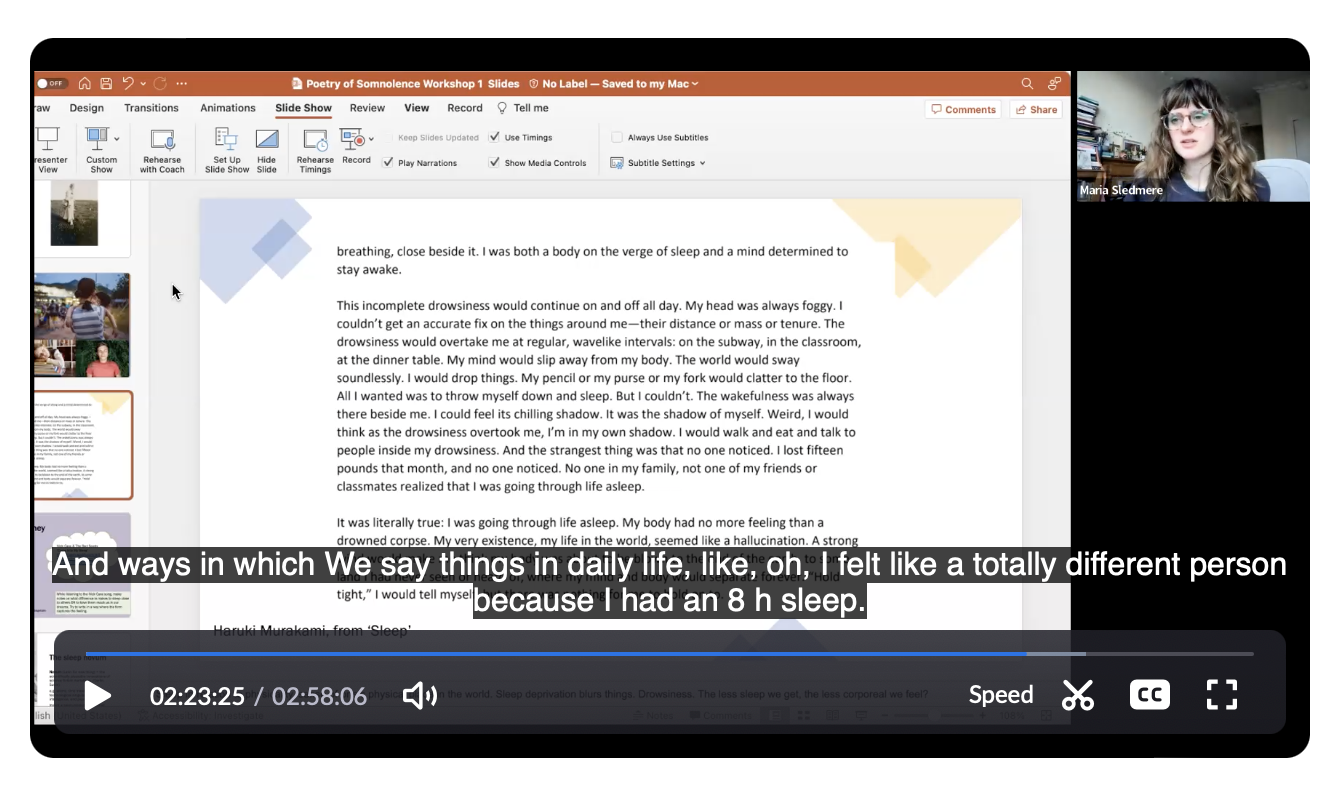
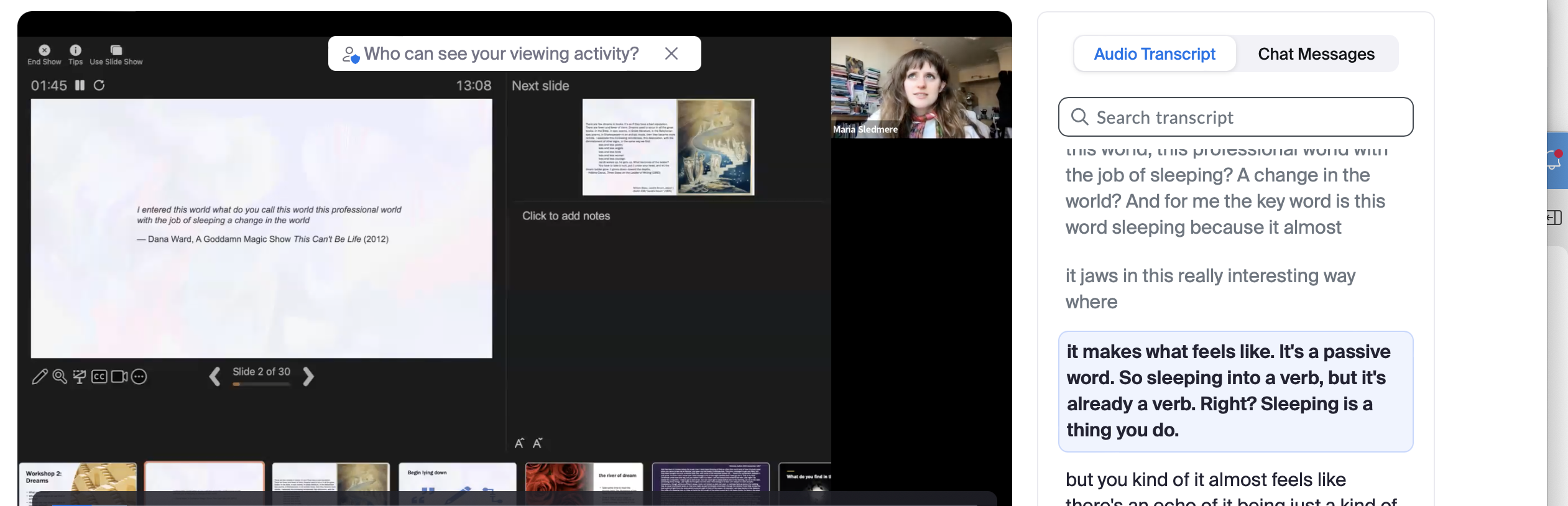
I spent the weekend in Zoomland with a group of really brilliant practitioners musing on the affordances of sleep and dreaming in our writing. We took the opportunity to discuss chronotypes, insomnia, hypnagogic poetics, oceanic feeling, nocturnes, dwelling and dreamwork among other things. Everyone has a relationship to sleep and what I love about these workshop spaces is the way so much is unlocked by paying attention to the liminal moments in the day. I really enjoyed hearing about how modifications to one’s writing environment (turning the lights off, going outside, changing the light temperature on your writing device) an affect what we write. We thought about darkness as discovery. We considered the lullaby. Sleep as a transformative force, sleep as anti-capitalist, sleep as a process of (un)becoming, sleep as trip and trance. Sleep and caregiving, sleep and safety, sleep and homemaking, sleep and the more-than-human.

Thanks to everyone who attended ❤

More events and work on sleep & somnolence will be announced in the new year!

For now, you can check out other Beyond Form Creative Writing opportunities here: https://www.beyondformcreativewriting.com

Upcoming Sleep Curricula

My research currently centres on sleep as a nexus for thinking about energy transition, low carbon pleasure and chronodiversity (the way our circadian rhythms differ).

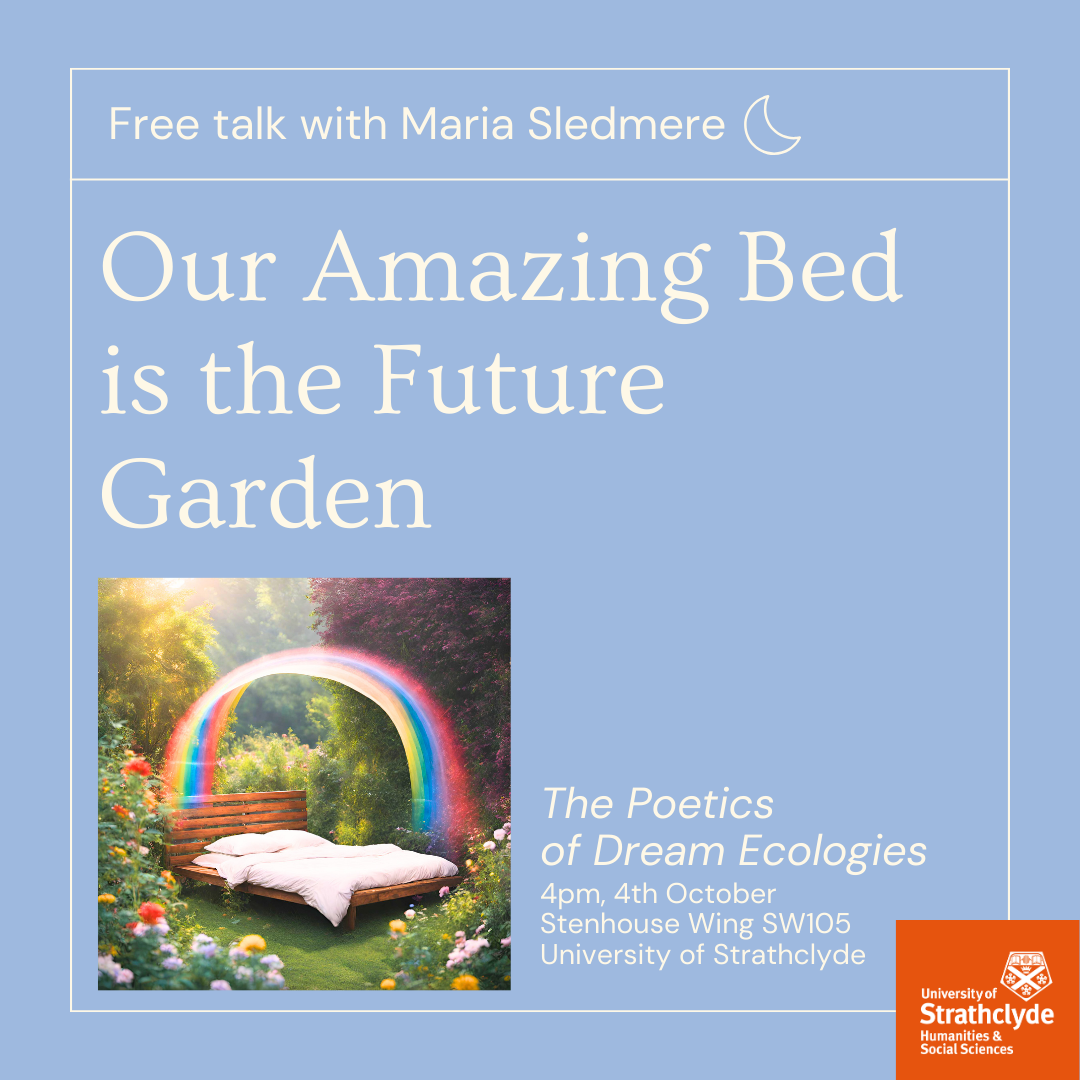
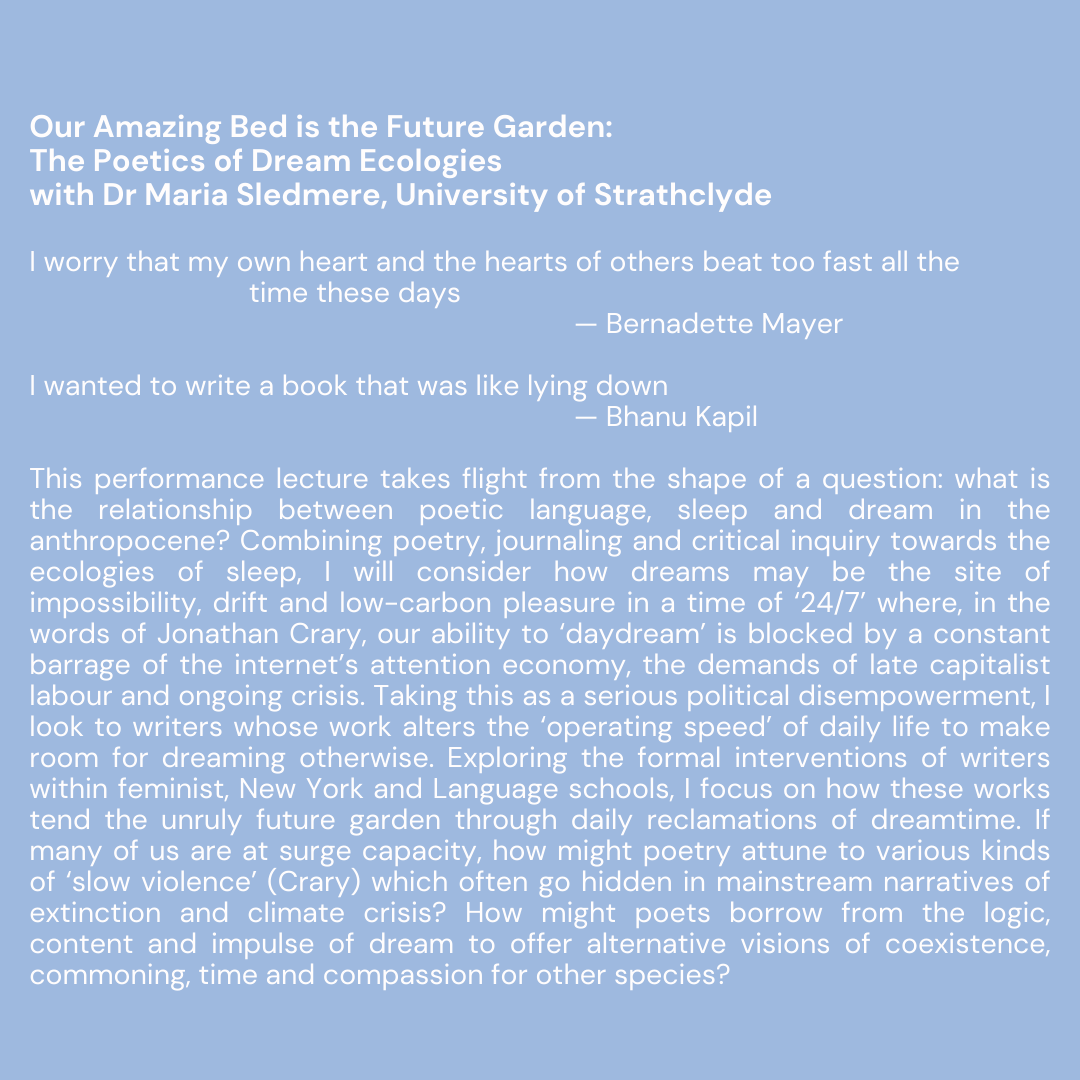
Tomorrow I’m giving a talk titled Our Amazing Bed Is the Future Garden: The Poetics of Dream Ecologies. It emerges from a chapter in my DFA thesis which will form part of a book forthcoming with NoUP Press next year. If you would like a Zoom link please drop me an email at maria.sledmere[at]strath.ac.uk.

This autumn I’ve got three upcoming workshops, two of them with the brilliant experimental composer Kevin Leomo.

Civil Twilight: Carving Dreamtime – workshop with Kevin Leomo and Maria Sledmere
14th October at 5:30pm, Civic House, Glasgow

Get your brain sticky in the pumpkin meat of the circadian and join Kevin Leomo and Maria Sledmere in carving dreamtime as an expression of creativity and low carbon pleasure. As the nights draw in and the clocks go back, we’ll be thinking about how darkness affects mood and slumber. Civil twilight is the brightest of the three twilight phases, where stars and planets might be seen in the sky as the sun dips just below the horizon. By attending to the ‘nocturne’ as a form in poetry and music, we’ll dwell in the possibilities of liminal experience for cultivating ecological imaginaries.
Please bring: Preferred writing materials, If you have one, a reusable coffee cup, headphones and phone.
Tickets are offered on a slide scale: £15 / £10 / £5.
Part of Civic Harvest at Civic House – an Autumn themed day of family friendly activities, workshops and market stalls with lunch from Parveen’s and seasonal cocktails at Civic House Bar!
Tickets

😴

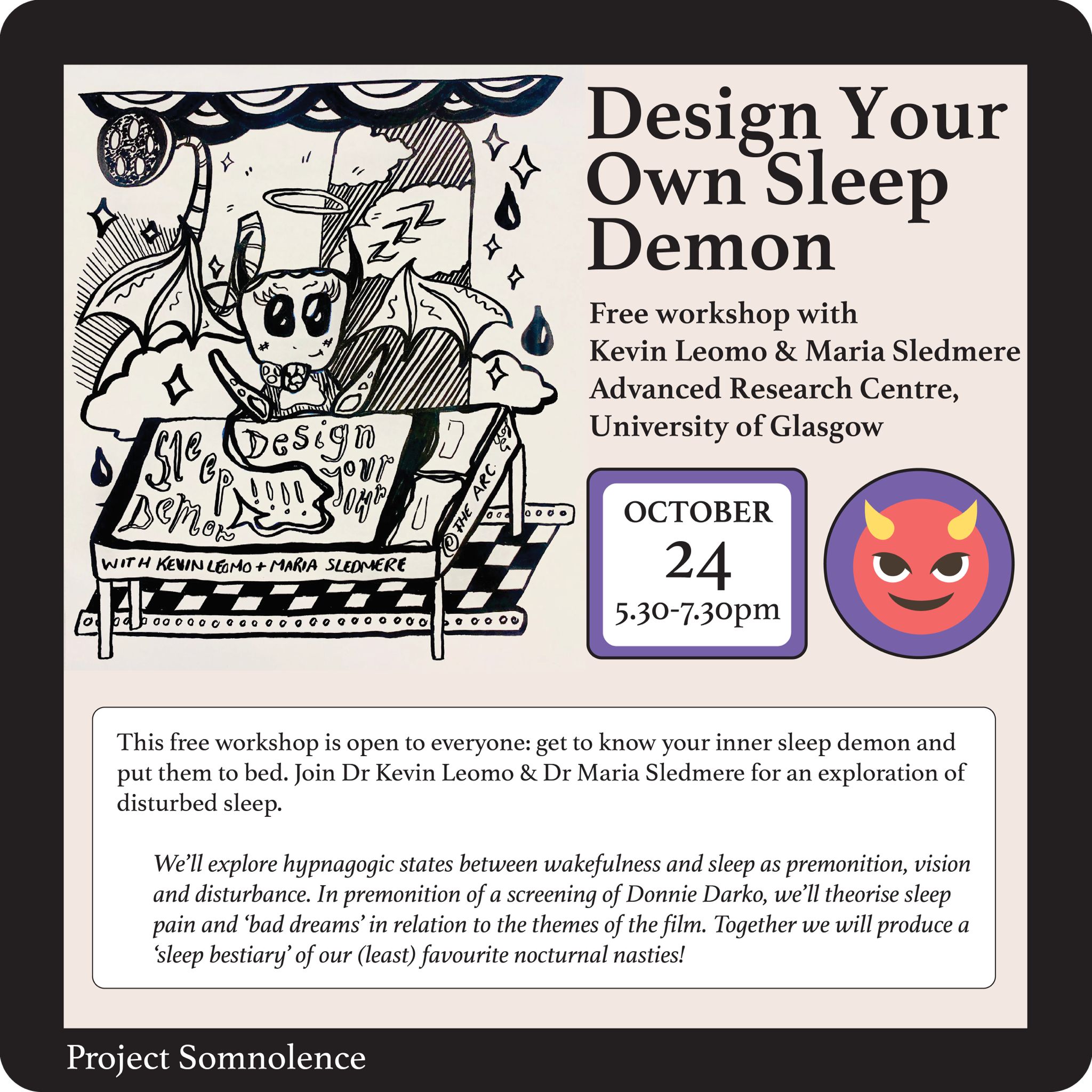
Design your own sleep demon – workshop with Kevin Leomo and Maria Sledmere
24th October at 5:30pm, Advanced Research Centre, University of Glasgow
While sleep is a source of rest and recovery, many of us wrestle with disturbed sleep. If you’ve ever had nightmares or found yourself sleepwalking, you’ve encountered oneirodynia. The word comes from the Greek oneiros, meaning ‘dream’ and odyne, meaning pain. Sleep disturbance may be caused by a number of factors: from stress to stimulants, environment, illness and temperature. The eponymous protagonist of Donnie Darko is often found sleepwalking or experiencing some kind of nocturnal anguish. In this workshop, which serves as a primer for the film’s upcoming CinemARC debut, we’ll explore hypnagogic states between wakefulness and sleep as premonition, vision and disturbance. Together we will produce a ‘sleep bestiary’ of our (least) favourite nocturnal nasties, and present our findings before the screening on Friday.

Tickets

😴

The Poetry of Somnolence – weekend double workshop with Maria Sledmere and Beyond Form Creative Writing
11th and 12th November at 1-4pm (GMT), Zoom

This 2 part series of afternoon workshops prioritise the relationship between writing and sleep. Exploring cross-genre writing, visual and sonic art, we will look at how daily writing practice can recentre our circadian rhythms. From hypnagogic poetics to dream writing, nocturnal missives, dawn songs and notes on twilight, we’ll consider experimental approaches to writing somnolence. All creatives welcome.

Workshop format will combine reading, writing, listening, optional discussion and two nap breaks.

Tickets

Kevin and I have also been working on this somnolent playlist for your melatonin delectation:

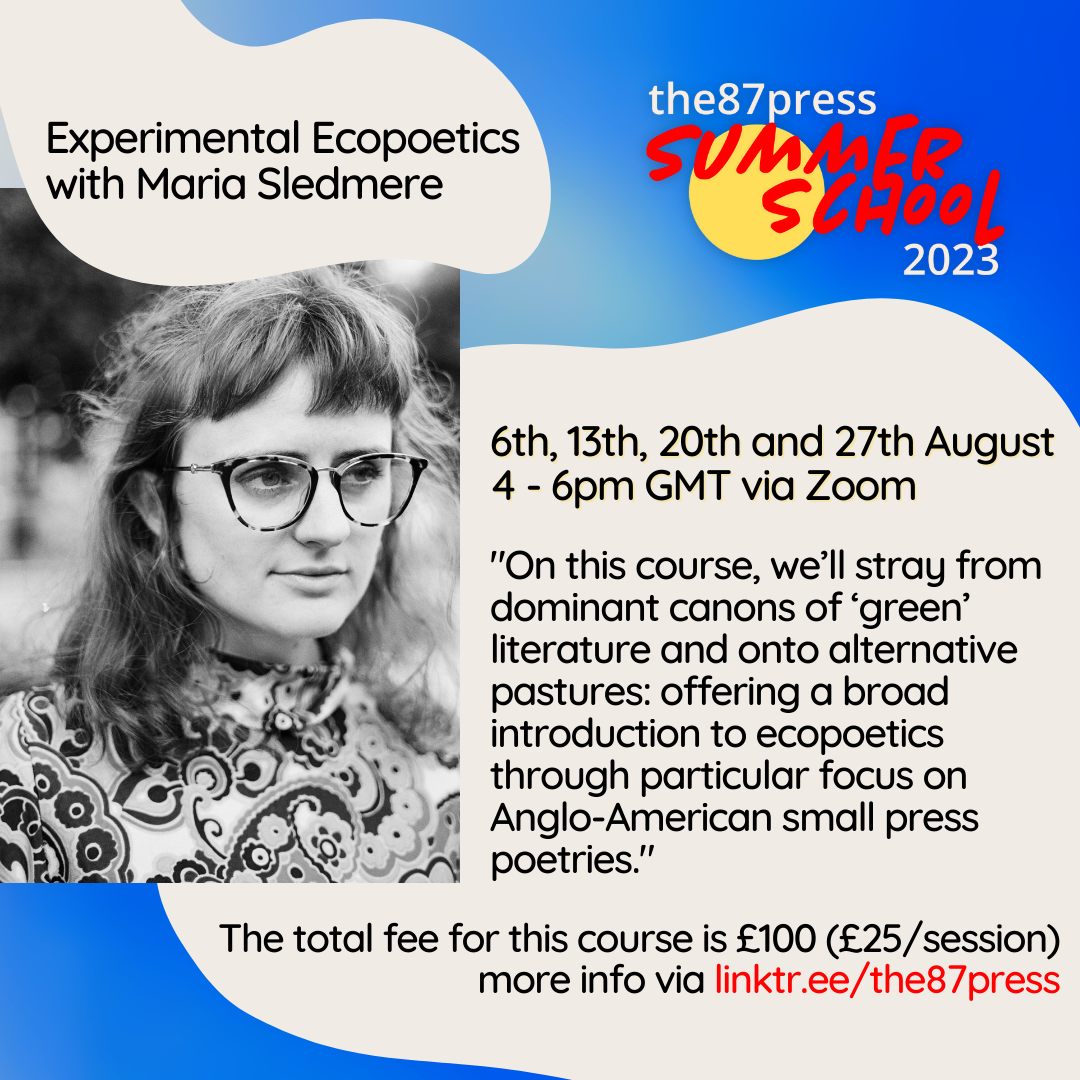
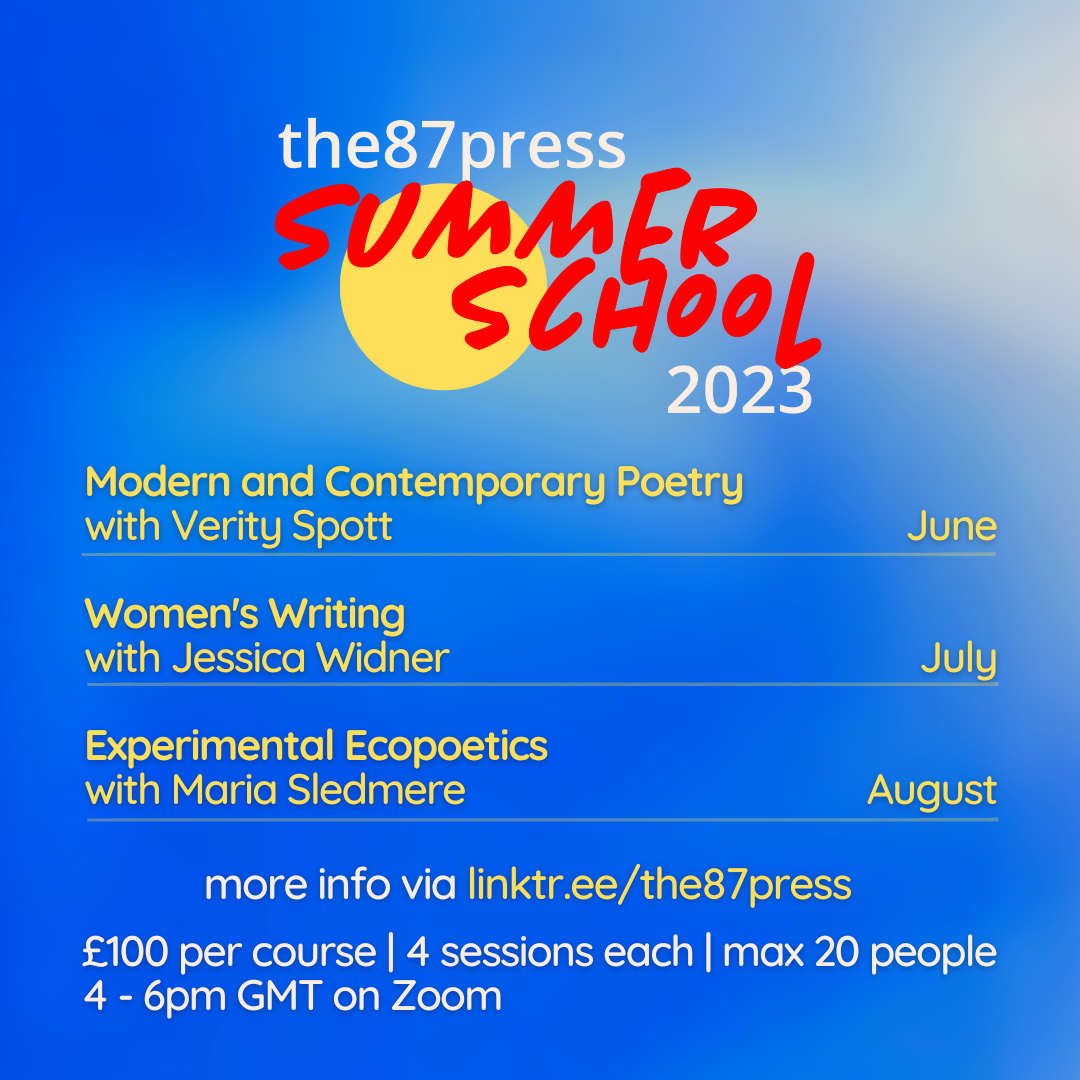
New summer school workshop series: Experimental Ecopoetics

Excited to deliver this four-part workshop series in August for the87press, alongside two other courses by the brilliant Verity Spott and Jessica Widner. These will be cosy sessions on Zoom and feature a range of small press poetries, which we will read, write from and discuss in two hour workshops.

About the Course

Ecopoetics is a capacious term, meaning something like ‘the incorporation of an ecological or environmental perspective into the study of poetics’ (Kate Rigby). As both a creative and critical practice, ecopoetics explores the relationship between literature and the more-than-human world, often in curious, radical and transformative ways. Ecopoetics offers a fieldwork, site of experiment and a tool for (un)dwelling: tuning into ideas of environmentalism, activism, climate crisis, landscape, documentation, dreamwork and lyric. Ecopoetics is not just witnessing; it is an active engagement with habitats, affects, sensing, solidarity and politics — including questions of gender, race, sexuality, land rights and embodiment. On this course, we’ll stray from dominant canons of ‘green’ literature and onto alternative pastures: offering a broad introduction to ecopoetics through particular focus on Anglo-American small press poetries. Each session, structured as a combination of seminar and workshop, will involve reading, discussion and writing activity around themes such as everyday life, elemental thinking, dream and radical ecologies. We’ll investigate key terms such as animality, weather, nature, landscape, energy, the body, time and coexistence through works that expand our notion of who or what speaks in a poem, and where or what is ‘Nature’. Open to anyone with an interest in poetry and ecology, the sessions presume no prior experience with writing workshops, and sharing work in class is not required. A core reading list will be provided freely in the form of electronic extracts, with further suggested reading also listed.

Sign up here.

Upcoming events: March/April 2023

20th March, 5:30pm: Instagram Live @spamzine Q&A with Colin Herd

20th March, 6:30pm: Reading at Good Press with Julia Lans Nowak, Ali Graham and M. Elizabeth Scott

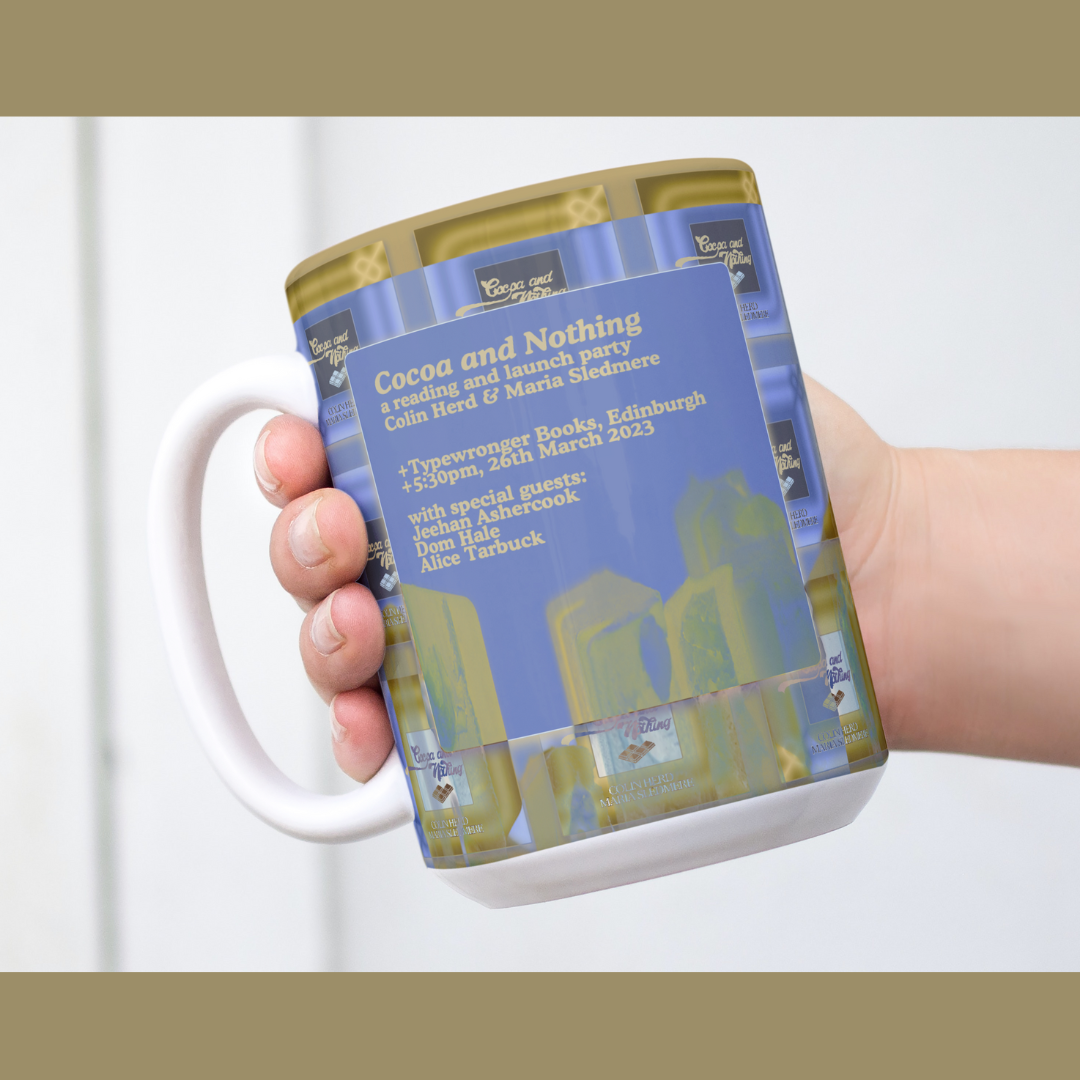
26th March, 5:30pm: Cocoa and Nothing launch with Colin Herd, Jeehan Ashercrook, Dom Hale and Alice Tarbuck at Typewronger Books, Edinburgh

29th March, 6:30pm: Centre for Poetry and Poetics, Sheffield with Carol Watts and Katharine Kilalea

1st April, 7pm: Poetic Futures at Bonjour, Glasgow

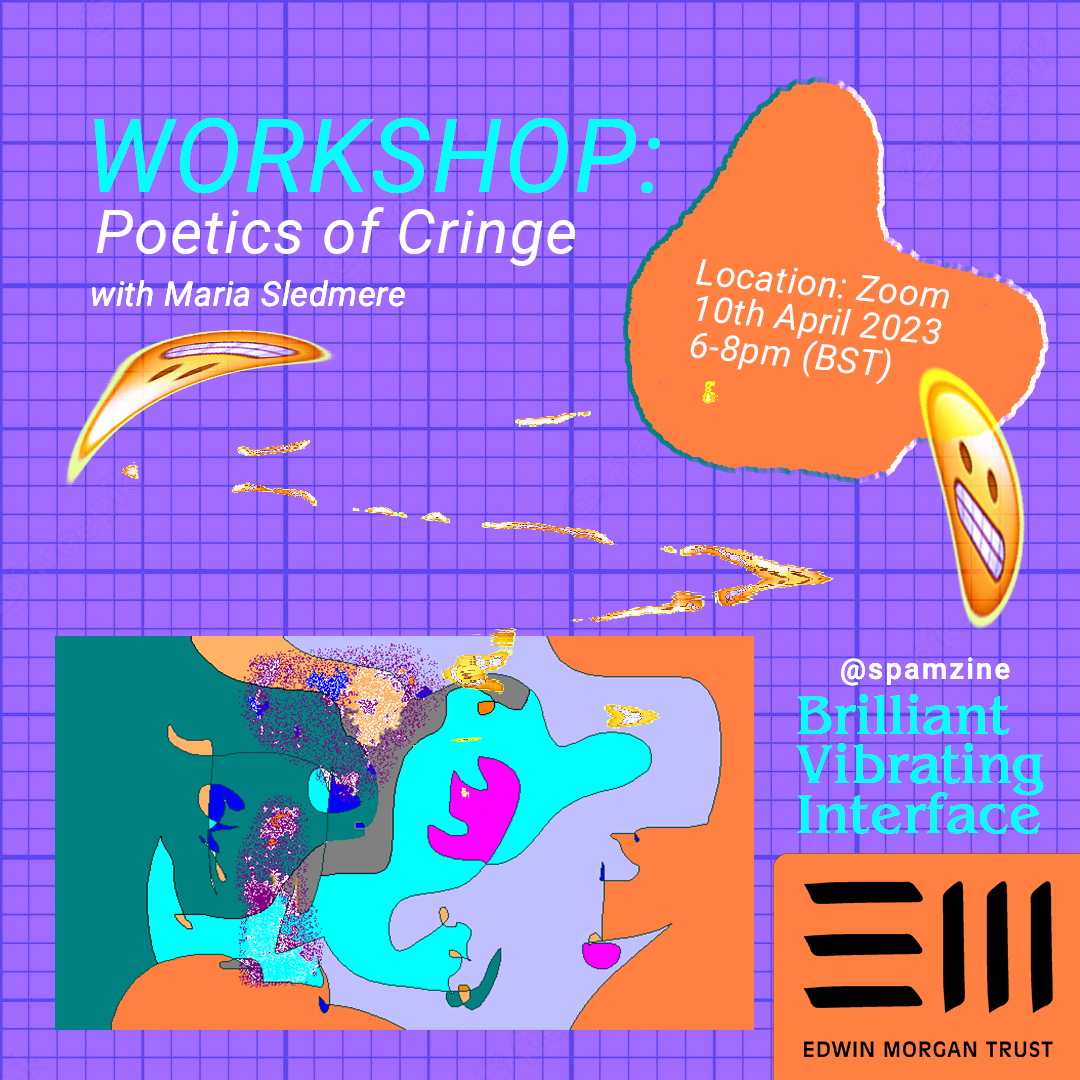
10th April, 6pm: Poetics of Cringe workshop for Brilliant Vibrating Interface

12th April, 7pm: Q&A and Readings from The Last Song: Words for Frightened Rabbit with Aaron Kent, Kyle Lovell, Anthony Desmond and Michelle Moloney King

Recycling the Repository

Recycling the Repository:

A workshop exploring Strathprints through creative practice with Dr Maria Sledmere (School of Humanities)
& Dr Karen Veitch (Scholarly Publications and Research Data).

Was really fun jumping into the Strathclyde repository on Monday with Karen and students from across the university. The whole worksheet accompanying the workshop is now available open access via Strathprints. We looked at the relationship between open access and open forms, ecopoetics and recomposition, collage, cut-up, erasures and wildcards – with examples from Chloë Proctor, Caleb Parkin, Caroline Bergvall, Kendrick Loo and others.

Access the worksheet

New workshops: Epistolary Experiments and Pop Matters

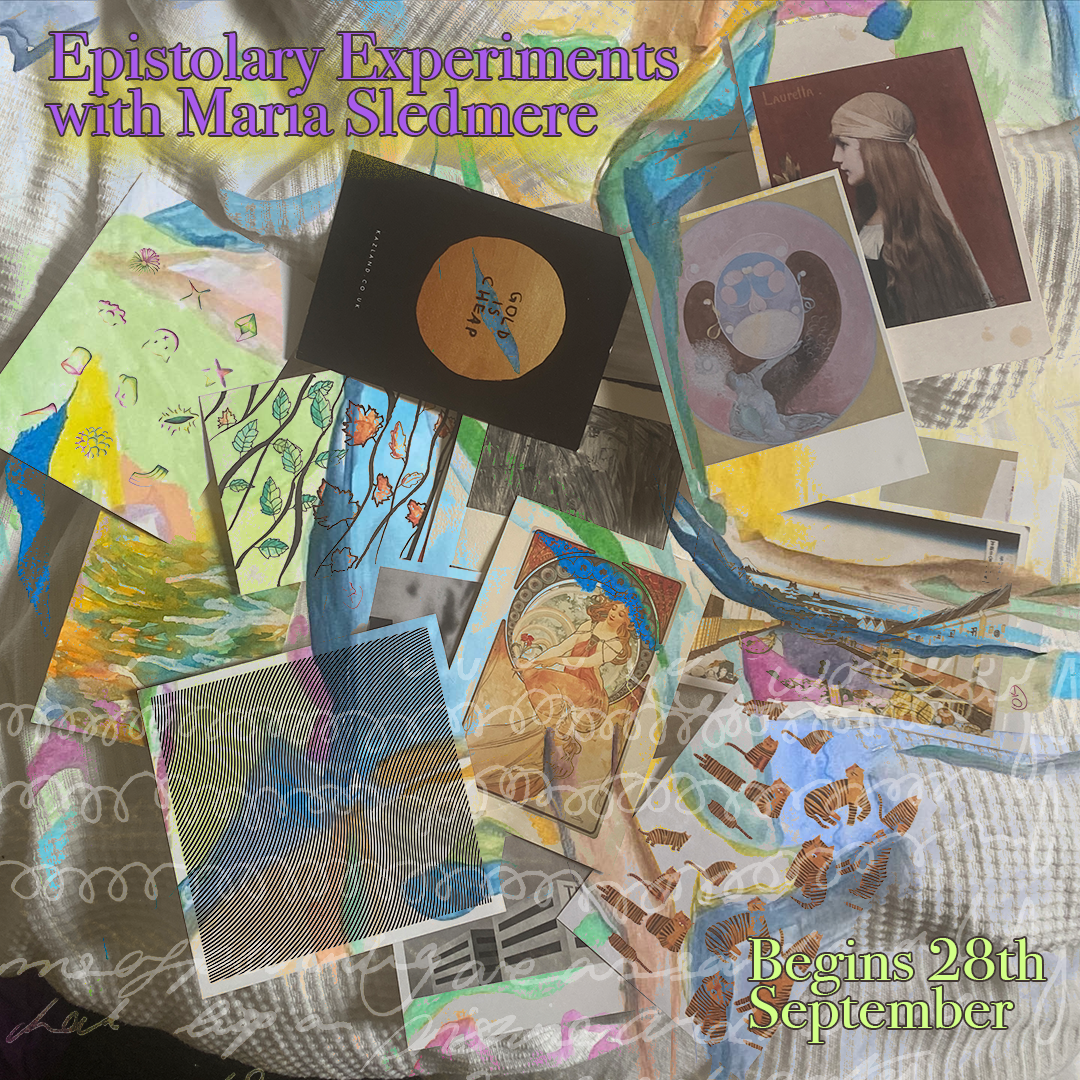
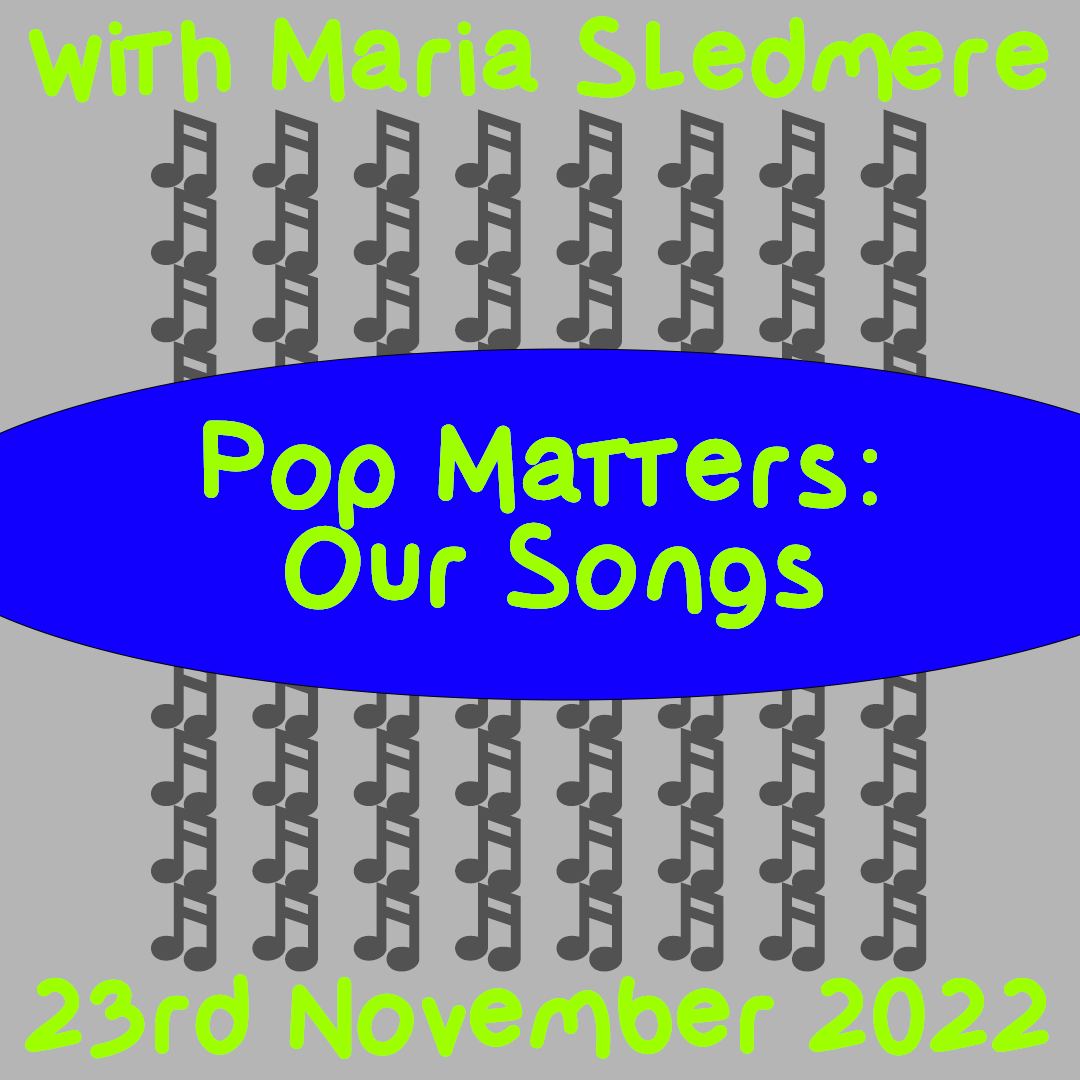
Thrilled to announce I’ll be working with Beyond Form Creative Writing again this autumn to offer two new workshops. The first, Epistolary Experiments, begins on 28th September and is a monthly, four-part series designed to explore the arts of letter writing and correspondence across different forms. We’ll be thinking about how the work of address, posting, description and all its intimacy and triangulation can tell a story, evoke fantasy scenarios or perform an expansive, relational lyric. The second, Pop Matters: Our Songs, is a one-off workshop on 23rd November and offers a warm and upbeat ‘studio’ for musing on the relationship between creative practice and pop music. How do we write through and towards pop with all our devotion or ambient dwelling in its neon glow? Both workshops will involve a mix of reading other work, discussion and structured individual writing activities. There will never be any pressure to share work, although you will have access to the workshop threads on Experimental Creatives Collective, a closed forum space where further discussion and sharing can take place if anyone wishes.

For both workshops, there is both a full price and two concession rates.

Epistolary Experiments

4 Sessions Starting Wednesday September 28th

6-8:00pm (GMT) via Zoom

‘I write you a letter to make eyes at a reader I don’t know from Adam’ (Kay Gabriel). From Samuel Richardson’s Pamela (1740) to Sean Bonney’s incendiary Letters Against the Firmament (2015), letter-writing or ‘the epistolary’ has inflected all kinds of writing, including novels, poetry and manifestos. Taking cue from Kay Gabriel’s ‘The Purloined Lyric’, we’ll explore the possibilities of letters, address and communication in all kinds of writing, practice and performance. While the literary letter has an established tradition, we’ll look at contemporary artists/authors who shake up the form of correspondence and in turn reframe desire, play, identity, sex, intimacy, domesticity and the political. 

In this four-part, monthly series, we’ll look at several key areas: the love letter, the political letter, the fantasy letter and the postcard. A letter can triangulate writer, addressee and reader in endlessly generative ways, not to mention the origami of folds between art, life and writing, and this series is designed for creatives of all kinds to think about the epistolary genre in their own practice. Whether you want to incorporate the letter form directly into your work as source material/form, or simply use it as an extra tool in your research, reflection and development process, this series offers a generative starting point. Workshops will combine reading and reflection with individual writing activities, with some opportunities for collaboration including optional pairing of participants as ‘pen-pals’ for the duration of the course.

Open to all skill levels and writers and creatives of all mediums. You can sign up for all or just some of the weeks!

​♡

Session 1 September 28th: The Love Letter 

An iconic motif in the history of film and literature, the love letter conveys acts of noticing, clandestine reflections, confessions, embarrassment and desire. The love letter might be a plot device, a poetic ode, a pop song, a frank or coded material expression. The love letter tells a story, obscures a truth, embodies connection; it might concern romantic, platonic or comradely love. Sometimes a love letter goes beyond the intended beloved and forges all sorts of new energies and worlds. We’ll write into all these intimacies and frictions. 

Key writers include John Keats, Jane Campion, Kay Gabriel, Jo Barchi, Diana Hamilton, Frank Ocean

Session 2 October 26th: The Political Letter

By reading unsent letters, letters to everyone, letters to no one, we’ll consider how the art of writing letters is a radically social form. Playing with the art of address and description, this workshop explores how the letter form can explode and disseminate ideas of presence, identity, desire and political (im)possibility. 

Key writers include Bernadette Mayer, Fred Moten and Sean Bonney

Session 3 November 30th: The Fantasy Letter 

Sometimes we write to someone who might never read our letters. We write to fictional characters, other writers or artists — some of them lost to time. These epistles might take the form of fan letters, speculative letters, epistolary letters or fantasy missives — defying the limits of time, space, the living and dead. In this workshop we’ll engage with such letters to consider voice, the intimate arts of reading, communication between forms, the body and queer temporalities. 

Key writers include Dodie Bellamy, Vahni (Anthony Ezekiel) Capildeo, Jack Spicer 

Session 4 December 14th: The Postcard 

‘A giving which gives only its gift, but in the giving holds itself back and withdraws, such a giving we call sending’ (Derrida, The Post Card). What does it mean to send, or be sent? This final workshop takes the pithy form of the postcard as a figure for the literary possibilities of posting. What temporality does a postcard hold? What happens in the relationship between word and image, expression and constraint, public and private? Could we write postcards to the past or future, to the more-than-human? Can thinking postcard help us rethink other kinds of ‘posting’ and (un)delivery in our daily and writerly lives?

Key writers include: Postcards from the Anthropocene project, Jacques Derrida, Kiraṇ Kumār

Register


Pop Matters: Our Songs

Wednesday November 23rd

6-8:00pm (GMT) via Zoom

Building on the success of the 2020 Pop Matters series, this workshop offers a warm and upbeat ‘studio’ for musing on the relationship between creative practice and pop music. We’ll focus mostly on pop music and love/devotion, making space for writing which borrows from the form of pop music or writes to specific pop artists. We’ll consider how pop can offer the emotional and structural inspiration for other kinds of creative output, the role of pop in everyday life/life-writing and the mythologies we give to pop icons in writing. Designed for anyone who wants to flirt with a bit of pop in their practice, this workshop will feature music, free association, reading and stimulating activities for writing.

Key writers include: Kevin Killian, Dana Ward, Anne Boyer, Ian Macartney 

Register

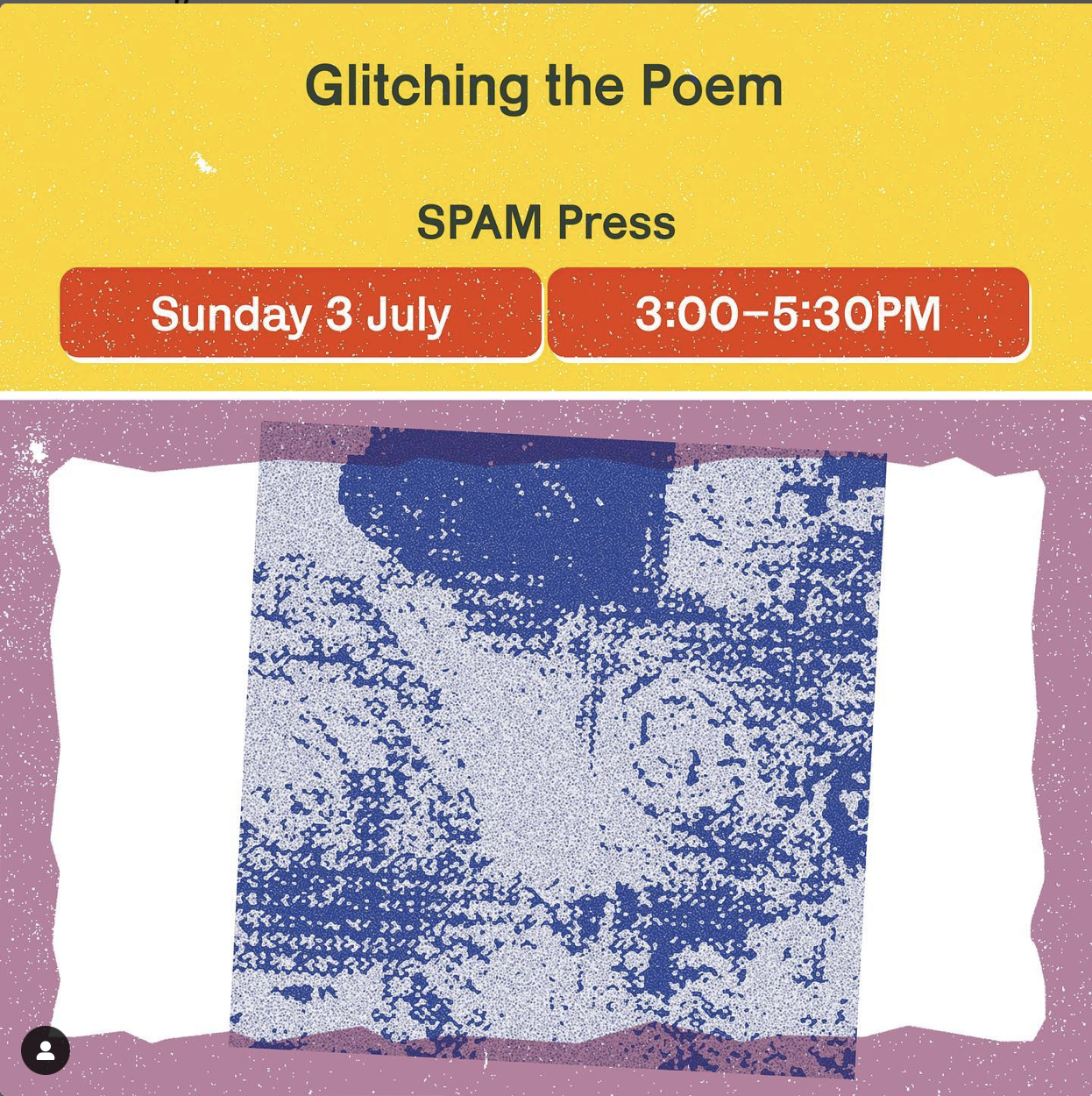
Glitching the Poem: A workshop with SPAM Press

This event is part of the Glasgow Zine Fest 2022 Programme

Location: CCA Glasgow, 350 Sauchiehall St, Glasgow G2 3JD

Room: Creative Lab

Who: Maria Sledmere & Kirsty Dunlop from SPAM Press

Tickets: Pay-What-You-Can (find out more here!)


In Glitch Feminism (2020), Legacy Russell hones in on the sudden error of the glitch as ‘a form of refusal’. As our social, intimate and professional lives become increasingly directed by the commercial algorithms of everyday media platforms, how can poetry intervene in the cognitive minefield of Web 2.0? Playing with text-mixing, collage and procedural forms, we’ll consider ways of glitching between interfaces of browsing/writing in virtual space and print, with time for questions and discussion.

Through cookies, advertisements and terms and conditions, digital capitalism constantly demands that we affirm the ‘yes’ of its systems. In this workshop, poetry will offer something alternative. We’ll break through the junk space of virtual realms and create innovative works within and beyond them, while exploring the world of SPAM Press. Asking what it means to be post-internet, to write from error, to envision the poem as an interactive environment. Let’s glitch!

This event will include: group discussions, reading out loud, reading alone, writing, sharing work that has been created in the workshop.

LINK FOR TICKETS.

New course: Writing the Everyday

Writing the Everyday

Pleased to announce that I’m joining the Beyond Form team as a tutor and mentor, and about to begin my first course: Writing the Everyday. If you’re interested in poetry, hybrid forms and journaling, in how we attend to everyday life in writing and think critically about time, work, ritual and habit, capitalism, technology, sickness and health, rest and dreams, then this course is for you!

Official descriptor:

This seven-week course takes everyday life as an abundant field of study. Following the rhythms of work, leisure, the body, technology, desire and play, we’ll explore various approaches to writing the daily. What forms of ‘extreme attention’ (CAConrad) can writing access, and to what effect? How do we break, queer, slow or sabotage time? What kind of writing could hold, shrink or expand the day? We’ll read a range of contemporary experiments in the quotidian and engage with journaling, poetry and hybrid writing. 

Open to writers of all backgrounds and practice. This course is for anyone interested in exploring everyday life in their writing, reflecting critically on the poetics and politics of daily writing and encountering literary issues of time, intimacy, objects, environment and the body. Extracts from all texts will be supplied on a shared Google Drive and linked through Experimental Creatives Collective.

Here’s a breakdown of the course structure:

Week 1 February 24th: Today

Exploring ‘today’ as a unit of experience in writing, rhythms of repetition, return. What do we mean by an aesthetics of ‘everydayness’? How does literature encounter everyday life — its things, feelings, tempos, bodies and motions — in form and content?

Week 2 March 3rd: Work

In what ways can we explore the rhythms and demands of work, and make space for play and dream? In what ways is writing a form of work? How can our writing critique the conditions of labour which variously structure our daily lives? What kinds of interval, escape and resistance might it offer?

Week 3 March 10th: Ritual Attention

How can we practice forms of attention that estrange us from the familiarities of daily and domestic life? What forms of collage and screenshot experiments help us make sense of the chaos of daily life under late capitalism?

Week 4* Tuesday March 14th: Consumerism and Desire

What are the political and poetic potentials of our everyday desires? How can we think beyond the desires of capitalism? What is the significance of gender and sexuality within daily life, and how is this negotiated through consumption?

*please note this class will take place on Tuesday 14th March not Thursday

Week 5 March 24th: Technology and the Post-Internet 

What is the relationship between writing and technology in our daily lives? How does experimental writing explore, and intervene in, the forms, genres and platforms of Web 2.0 — from social media to texting and digital objects/systems? What are the everyday politics and poetics of the internet and its various temporalities of labour, desire, data, communication and self-presentation?

Week 6 March 31st: Sick Time

How can writing explore personal and societal experiences with sickness, from chronic illness to pandemics? How does illness alter our sense of time, space, work and embodiment; how does it change our sense of the ‘day’?

Week 7 April 7th: Rest and Dreams

What forms of rest and relaxation can writing offer? What is the relationship between writing and dreaming, and how can dreaming help us imagine better worlds, or access hidden portals in writing? What are the politics of rest and how might we pursue it through creative practice?

Week 8 April 14th: Optional Open Mic

Registration

Prices are on a sliding scale and you can choose to enrol on the full course or to attend individual workshops. Most of the workshops are focused on individual writing, with room for open discussion at the end of sessions. You will not be expected to share work or give feedback on others’ work, although there may be occasion for this informally throughout the course, and through the Experimental Creatives Collective workspace which you will gain access to upon registration. There will be an optional open mic, held online, at the end of the course.

If you want further feedback on your work, I am available for one-to-one mentorship through the Beyond Form mentorship scheme.

All classes will take place on Zoom. How-to videos for using Zoom can be found here.

If you have further questions about registration, accessibility and Beyond Form more generally, please email Tawnya Selene Renelle at info@beyondformcreativewriting.com.

For more information and to register, head over to the course page here.