In loose order of reading. This year I made a vow to not let work ‘get in the way’ of reading. I was talking to a colleague about how every subject/specialism has one thing they are supposed to be really good at and actually kind of suck at. We agreed English & Creative Writing staff are often pretty bad at this thing that should be their lifeblood: reading. To prioritise reading is to affirm the necessity of thinking. I felt so burned out with the circuitry of the 2010s and the zoomageddon of lockdown, all those screens. Reading in scroll-time. I still love reading in scroll-time, but on the move only. Or in the midst of something else doing. It took me three years to get back into immersive, situated, FOCUSED reading again. I mean staying up all night to finish a book, crying at sentences, holding something to the light and putting it down and stopping and starting because you want to savour something and all the world of it following you into dreams. All reading started to plug into work. Good work. Channels. If I’m honest, I haven’t written a lot this year. I needed a break from concepts. I did a lot of editing and proofing and reading. I wrote a lot of emails and did a LOT of marking. I think of marking as writing time. It eats into writing time but it’s also a practice of sentence-making, observation, editing, rewriting. Eileen Myles says somewhere that when they write people recommendation letters and do interviews etc that’s a form of writing. So really there are very few ‘fallow’ periods. You’re always writing something to someone, for something or not. I have written over a monograph’s worth of student feedback this year, maybe more. Each paragraph of feedback is a micro-essay, a snapshot of orientation, a patchwork sample which stitches multiple discourses (genre, criteria, instinct, history) in ascent to encouragement and improvement. So all that feedback, I’m trying to say, means I also read a hell of a lot of student work. Hundreds of scripts. Marking trains my eye as a reader and writer. Still learning to toggle between different kinds of reading. Refusing the active/passive binary in favour of a continuum of generative involvement. A lot of what I read below was in-between other reading, but some of it is more explicitly ‘work’ reading. Or: reading as a way of connecting with friends, colleagues — their beautiful brains. Or: preparation for something as yet unknown. Working through personal syllabi. Refreshing the palette.
~
Robert Glück, About Ed (2023)
Jacques Derrida, H.C. for Life, That Is to Say…, trans. by Laurent Milesi and Stefan Herbrechter (2006)
Walter Benjamin, The Storyteller: Tales Out of Loneliness, trans. by Sam Dolbear, Esther Leslie, Sebastian Truskolaski, Antonia Grousdanidou (2023)
Marie Darrieussecq, Sleepless, trans. by Penny Hueston (2021/2023)
Joey Frances, Takeaway Night (2024)
Teju Cole, Black Paper (2021)
George Saunders, A Swim in the Pond in the Rain (2021)
Megan Ridgeway, The Magpie (2024)
Thomas Mann, The Magic Mountain, trans. by John E. Woods (1924)
Andrew O’Hagan, Mayflies (2021)
Tabitha Lasley, Sea State (2021)
Zadie Smith, Intimations (2020)
Jean Genet, Prisoner of Love, trans. by Barbara Bray(1986)
Donna Tartt, The Secret History (1992)
Oli Hazzard, Sleepers Awake (2024)
Courtney Bush, Every Book is About the Same Thing (2021)
Hélène Cixous, Abstracts and Brief Chronicles of the Time, trans. by Beverley Bie Brahic (2016)
McKenzie Wark, Raving (2023)
Rachael Allen, God Complex (2024)
Elle Nash, Deliver Me (2024)
Joshua Cohen, The Netanyahus (2021)
Andrew Meehan, Instant Fires (2022)
Michael Eigen, Ecstasy (2001)
Noah Ross, The Dogs (2024)
Jennifer Soong, Comeback Death (2024)
Barbara Browning, The Gift (2017)
Cynthia Cruz, The Melancholia of Class (2021)
Courtney Bush, I Love Information (2023)
Clarice Lispector, The Hour of the Star (1977)
Barbara Browning, The Correspondence Artist (2011)
Hilary White, Holes (2024)
Laynie Browne, Everyone and Her Resemblances (2024)
Deborah Meadows, Representing Absence (2004)
Holly Pester, The Lodger (2024)
Terese Marie Mailhot, Heartberries (2018)
Kim Gordon, Girl in a Band (2015)
Lauren Levin, Nightwork (2021)
Oddný Eir, Land of Love and Ruins, trans. by Philip Roughton (2016)
Danielle Dutton, Prairie, Dresses, Art, Other (2024)
Elvia Wilk, Oval (2019)
Nisha Ramayya, Fantasia (2024)
Joanne Kyger, On Time (2015)
Jean Day, Late Human (2021)
Lisa Jarnot, Black Dog Songs (2003)
Roland Barthes, Camera Lucida (1980)
Mariana Enriquez, Things We Lost in the Fire (2016)
Ben Smith, Doggerland (2019)
Ricky Monaghan Brown, Terminal (2024)
Wendy Lotterman, A Reaction to Someone Coming In (2023)
Joseph Mosconi, Fright Catalog (2013)
Tao Lin, Taipei (2013)
Haytham El Wardany, The Book of Sleep, trans. by Robin Moger (2020)
Lucy Ives, Life is Everywhere (2022)
Maria Hardin, Cute Girls Watch When I Eat Aether (2024)
Brian Whitener, The 90s (2022)
Jamie Bunyor, A stone worn smooth (2022)
Lucy Ives, The Hermit (2016)
Brenda Hillman, Cascadia (2001)
Bhanu Kapil, Incubation: a space for monsters (2006)
Peter Reich, A Book of Dreams (1973)
Steve Orth, The Life and Times of Steve Orth (2020)
Lindsey Boldt, Weirding (2022)
Christa Wolf, The Quest for Christa T. (1970)
Hannah Levine, Greasepaint (2024)
Joe Luna, Old News (2024)
Maggie O’Sullivan, earth (2024)
Ian Macartney, sun-drunk (2024)
Sébastien Bovie, Longing for Lo-fi: Glimpsing back through technology (2023)
Steven Zultanski, Relief (2021)
Lionel Ruffel, I Can’t Sleep. trans. by Claire Finch(2021)
Noémi Lefebvre, The Poetics of Work, trans. by Sophie Lewis (2021)
Cynthia Cruz, Disquieting: Essays on Silence (2019)
Marie Buck and Matthew Walker, Spoilers (2024)
Ed Steck, David Horvitz Newly Found Bas Jan Ader Film (2021)
Ammiel Alcalay and Joanne Kyger, Joanne Kyger: Letters to & From (2012)
Lyn Hejinian, Fall Creek (2024)
Etel Adnan and Laure Adler, The Beauty of Light: Interviews, trans. by Ethan Mitchell (2024)
Rick Emerson, Unmask Alice: LSD, Satanic Panic, and the Imposter Behind the World’s Most Notorious Diaries (2022)
Stephen Collis and Jordan Scott, Decomp (2013)
Miye Lee, Dallergut Dream Department Store, trans. by Sandy Joosun Lee (2023)
Barrett Watten, Steve Benson, Carla Harryman, Tom Mandel, Ron Silliman, Kit Robinson, Lyn Hejinian, Rae Armantrout, Ted Pearson, The Grand Piano: Part 1 (2006/2010)
Ottessa Moshfegh, My Year of Rest and Relaxation (2018)
Ian Macartney, Darksong (2024)
Chris Tysh, Continuity Girl (2000)
Barrett Watten, Steve Benson, Carla Harryman, Tom Mandel, Ron Silliman, Kit Robinson, Lyn Hejinian, Rae Armantrout, Ted Pearson, The Grand Piano: Part 2 (2007/2017)
Andrew Durbin, Mature Themes (2014)
Johanne Lykke Holm, Strega, trans. by Saskia Vogel (2022)
Anthony Low, The Georgic Revolution (1985)
Robin Blaser, The Fire: Collected Essays of Robin Blaser (2006)
Daniel Feinberg, Some Sun (2024)
Maria Hardin, Sick Story (2022)
Lieke Marsman, The Opposite of a Person, trans. by Sophie Collins (2022)
Nadia de Vries, Thistle, trans. by Sarah Timmer Harvey (2024)
Rodge Glass, Joshua in the Sky: A Blood Memoir (2024)
Sarah Moss, My Good Bright Wolf (2024)
Giovanbattista Tusa, Terra Cosmica (2024)
Gabrielle de la Puente and Zarina Muhammad, Poor Artists (2024)
Andrew Meehan, Best Friends (2025)
Courtney Bush, Isn’t this Nice? (2019)
Meghann Boltz, Cautionary Tale (2021)
Ariana Reines, Wave of Blood (2024)
Dalia Neis, The Swarm (2022)
Ian Macartney, Secret Agent Orca Twelve (2024)
Nicholson Baker, The Mezzanine (1988)
Kurt Vonnegut, Cat’s Cradle (1963)
Molly Brodak, A Little Middle of the Night (2010)
Bernadette Mayer, Midwinter Day (1982)
Anna Kavan, Ice (1967)
Molly Brodak, Bandit (2016)
Charles Bernstein, Content’s Dream: Essays 1975-1984 (1986)
Miss Anthropocene(Mermaid Motel) a selection of short lyric, ‘ethereal nu metal’ poems responding to the Elon Musk/Grimes complex.
Sonnets for Hooch – with Mau Baiocco and Kyle Lovell (Fathomsun Press) An ongoing pamphlet series of sonnets attuned to the weirding seasons: what started as an internet joke about alcopops and longing as a keystone for exploring adolescent malaise, nostalgia and resilience thru civic space and Friendship. Current editions available are Lemon Bloom Season and Summertime Social. Two more instalments are forthcoming in association with Rat Press and Mermaid Motel.
Polychromatics (Legitimate Snack) A pamphlet-length poem about colour, cetaceans and cosmic twilight, inspired by Walter Benjamin and a sculptural and textile works by the artist Anna Winberg.
Soft Friction– with Kirsty Dunlop (Mermaid Motel) Soft Friction is an intimate gathering of dreams from 2018, written during a summer of ‘existential soup’, fainting at gigs, pulling all-nighters and panic surrealism. Extracted from a longer diary, these fragments wear the sensuality and sass of an active dream life shared between two people getting high on each others’ brains.
The Palace of Humming Trees(Sundays) Edited and typeset by Katie O’Grady with visual identity by Paul Smith, this book-length poem features illustrations by Jack O’Flynn plus a curator’s word from Katie O’Grady and collaborative mixtapes. Set in the speculative locale of The Palace of Humming Trees, the poem is a jaunt through weird nature’s arc of glass, following the desire lines of hyperfoxes, sunburst melancholia and corona correspondence. Also available as a free pdf.
The Luna Erratum(Dostoyevsky Wannabe) The Luna Erratum, Maria Sledmere’s debut poetry collection, roams between celestial and terrestrial realms where we find ourselves both the hunter and hunted, the wounded and wounding. Through elemental dream logics of colour, luminosity and lagging broadband, this is a post-internet poetics which swerves towards the ‘Other Side’: a vivid elsewhere of multispecies relation, of error and love, loss and nourishment.
ARTIST COLLABORATIONS
‘The Rosarium’ for Zoee’s album, Flaw Flower (Illegal Data) A lyric sequence responding to the glistening pop garden of Zoee’s debut record Flaw Flower. Available as an A6 booklet as part of the limited edition album bundle.
The Palace of Humming Trees with Jack O’Flynn and Katie O’Grady (French Street Studios) A collaborative project with artist Jack O’Flynn and curator Katie O’Grady which took place April to August 2021 and was showcased at French Street Studios in Glasgow. Featuring new works of poetry, sculpture, illustration and multisensory dreamscapes (from mixtapes to Tarot readings), we offered a ‘tenderly crumbling foliage’ of visual and sonic otherworlding.
The Dream Turbinewith A+E Collective and The NewBridge Project This online installation explores the relationship between sustainability and dreaming, offering a space to collectively share dreams and promote discussions surrounding these broader topics. The Dream Turbine was conceived by A+E Collective in collaboration with Niomi Fairweather and Jessica Bennett, as part of the Overmorrow Festival. I contributed to a preparatory DreamPak of resources and the curation of a Dream Vault and associated ‘Lost in the Dreamhouse’ workshop on Zoom.
Cauliflower Love Bike Episode 1: Playwith A+E Collective While play might be co-opted for capitalism, true play is that which exceeds instrumentalism and commodification. This episode reclaims play from its dialectical relation with work, exploring play as a practice and thought-mode that is capable of radical sensing, temporal sabotage, tenderness, sociality and a joyous excess that is also low-carbon. The podcast series was launched at COP26 in the Rachel Carson Centre’s pop-up exhibition at New Glasgow Society.
ACADEMIC ARTICLES
Article: ‘Hypercritique: A Sequence of Dreams for the Anthropocene’ in Coils of the Serpent Issue 8 An in-depth venturing through the possibilities of hypercritique, featuring readings of Billie Eilish, Sophia Al-Maria, Ariana Reines and more; plunging through dream, fire and the heartwood of anthropocene imaginaries.
‘I, Cloud: Staging Atmospheric Imaginaries in Anthropocene Lyric’, Moveable Type, Issue 13 Tracing the possibilities of ‘cloud writing’ in anthropocene lyric by way of Brian Eno, Mary Ruefle, Anna Gurton Wachter and more, asking what kinds of reading are possible or desirable in a medial world of thick atmospheres.
It’s never easy to compile a list like this. Albums by their very nature are dynamic; like books, their significance shifts over time as we build up new associations from listening to them over and over. I know it’s corny but I can’t help but think of that quote from Emily Bronte’s Wuthering Heights: ‘I have dreamt in my life, dreams that have stayed with me ever after, and changed my ideas; they have gone through and through me, like wine through water, and altered the colour of my mind’. Well, you could say the same thing about records. Any good album stays with me a long time and it’s so interwoven with memory and place and emotion that I could no longer just glance at its cover in a shop and shrug, it’s a good album. Give me a copy of American Idiot and I’ll wax lyrical about my political awakening, aged eleven; when I first discovered what teenage angst meant, when I decided it was hot to wear eyeliner and complain about dead-end jobs. When I realised you could make stories with music and create characters from songs; in fact, a whole mythology.
It’s becoming increasingly important to me to keep track of what I listen to. Month by month I’ve started to save new stuff onto Spotify playlists, where once I would fall back on the same old iTunes favourites, playlists I’d made years ago. Relying on shuffle or rehashing albums I loved five years ago and never bothering to look out anything new. Having a year away from university gave me the time to focus on music again; I realised that it used to be this massive part of my life that I’d since abandoned in favour of obscure literary theory (now I know they don’t have to be mutually exclusive…). I’ve started to write reviews for RaveChild , which has sort of taught me to listen to a song the way I’d read a text. I want to find the hook, the arrangement, the way all the different parts work together to evoke something. I’m listening for detail, texture, weirdness. It’s fun and sometimes hard work, but always rewarding. Now, often an actual musician will read a thing I wrote and maybe they’ll retweet it or like it or in some way show their appreciation. For someone whose writing has always been a solitary thing – confined to notebooks and extinct LiveJournal and MySpace accounts and only more recently a grownup blog – I can’t tell you how nice it feels for my writing to be out there, being noticed somehow. It’s so lovely. I really appreciate the opportunity to have a new outlet, and to discover so much good music while I’m doing it!
Anyway, to mark the end of the year like I did last year, here are my top 16 albums of 2016. I’m going to try and do them in order this year, bearing in mind the fact that this ordering probably changes in my head on a weekly basis. Basically, the first 16 are pretty arbitrary; I love all of the stuff listed and know that as soon as I’ve written this I’ll want to shuffle it around again.
1) Radiohead – A Moon Shaped Pool
This is such a beautiful, highly-crafted album. For someone whose favourite Radiohead record is probably In Rainbows, but who also loves the jaggedelectronica of The King of Limbs as much as Jonny Greenwood’s cinematic compositions, A Moon Shaped Pool is a real treat. I remember when In Rainbows first came out and there was so much media controversy over its distribution method. I read about it constantly in NME magazine, without much sense of what the music was. Radiohead were a distant entity to me then, a kind of musical megalith that I wasn’t quite ready to approach. Well, a few years down the line I gave In Rainbows an actual proper listen (not just because ‘Nude’ was used in a Skins advert, I swear), and then fell in love. If you’re not properly acquainted with the band, you probably don’t realise how truly eclectic their music is.
A Moon Shaped Pool came as a surprise album to many, the prize release to all those who panicked over the band’s social media blackout. Still, the gimmick takes nothing away from the music. It’s so multi-layered, with orchestral textures and many lovely moments. It doesn’t reach the aggressive pitch as on some previous albums, and in turn feels more honest, stripped of the usual cynicism. A song like ‘Daydreaming’ feels like reaching a moment of nirvana-like sublimity, but it’s not an entirely happy state – its a kind of uneasy contentment, a bewildering dreaminess. ‘Burn the Witch’ is a fable for our times that provides a warning against falling back into what we so dismissively call the dark ages, when in fact 2016 bears the ugly imprint of small-minded times from history. ‘True Love Waits’ has been kicking around a long time now but I really love this mellow, slightly haunting yet effortlessly tender version.
I listened to this record all summer, walking home through the park after nights out, feeling the chords form soft over my inebriated senses. I began to crave Thom Yorke’s voice, the subtle croon and the way it bends so elastically over the high notes like rivulets in the tide. ‘The Numbers’ is a beautiful environmental song: ‘we are of the earth / to her we do return / the future is inside us / it’s not somewhere else’. Yet this is no hippie-dippy one world holism; there’s something unsettling about the future being inside us, about the world being up close, physically within us. The song’s rife with uncanny images, where anthropomorphism is reversed and where the boundedness of the human body is dissolved: ‘it holds us like a phantom / the touch is like a breeze’; ‘you may pour us away like soup’. Yorke forces us to confront these truths, but his tone is wistful rather than dramatic or didactic. You actually feel like you’re being carried away by that breeze as strings shimmer around you.
You can really fall into these songs, and they have a breadth (and breath!) that carries you away. The album feels loose, adrift, a little weary; but this refusal of tight structure and convoluted imagery is what grants A Moon Shaped Pool its sincerity. Pitchfork calls it ‘everyday enlightenment’, which seems fitting, since this album is less about cyborg dystopias and paranoid androids and more concerned with its humanist bent: whirlpools of emotion, the simple epiphanies reached in ordinary life. That’s not to say it’s lost its political freight; if anything, the themes of agency, government control, ecological disaster, technology and societal breakdown gather more strength for being more subtly disseminated.
Another album that more or less soundtracked my summer, or at least the tail-end of it. Olsen’s musical style really matures on this album but for me it was definitely a grower. I rather unusually fell first into ‘Heart-shaped Face’, a kind of quirky, languid ballad, sugar sweet even as it delivers something mournful. I love the album’s overall retro feel. ‘Shut Up Kiss Me’ is livelier than Olsen’s usual fare and is decidedly catchy and playful, with that haunting country voice doing its best gymnastics. ‘Intern’ feels a wee bit Lynchian, all atmospheric synths which satisfyingly never really build to a climax and instead dissolve into the jangly croons of ‘Never Be Mine’. It’s music to listen to while lying in a park, sure, or strutting down a preciously sun-drenched city street on your way to meet someone exciting. It’s also sophisticated enough to work really well live (Olsen had at least three guitars on her recent tour) and also to wrench your heart out in all the right places. Jewel in the crown track ‘Sister’ is a complete masterpiece. I might even go so far to say it’s my favourite song of the year. It builds up to this glorious solo and then the release that comes with the refrain all my life I thought I’d change is so cathartic, like doing something wild – plunging your head in freezing water to get over heartbreak. The video is glorious too – Olsen just has this devastatingly cute smile and the vibe is all cactuses, desert plains, pinkish skies and turquoise swimming pools. My Woman has a hint of psychedelia mixed in with its alt-country and indie folk, but ultimately it’s that beautiful warbling voice that really makes the record shine.
3) Kevin Morby – Singing Saw
I first came across Kevin Morby on recommendation from a friend, and the song that hooked me was ‘Slow Train’, a lonesome, leisurely track which is duly adorned by the smooth melancholy of Cate Le Bon’s vocals towards the end. Singing Saw sees Morby developing the craft of atmospheric singer/songwriter folk, mixed in with a distilled tinge of Americana. Morby’s songs have an old worldly vibe, devoid of contemporary references and shrouded in a kind of wilderness mythology. A lot of the songs on this album are more upbeat than previous offerings and ‘Dorothy’ is really fun, a pop nugget as much as it is a song about music and the road. There’s a more expansive sound and the bass feels nice and crunchy, the harmonies always on point. Morby’s voice always has a kind of haunting depth to it which shines through as he stretches his vowels, as he threads his hypnotic melody over the pulsating beat of ‘Singing Saw’. An album for listening to around a camp fire on a beach or rocky hillside; an album for toasting the end of summer to and glancing out towards the gathering darkness of winter.
4) Beth Orton – Kidsticks
This album, conversely, was perfect for kicking off summer. It’s bright, electronic; a little bit feisty, with plenty of pause for languid reflection. Orton has a way with surreal images, with unfolding a kernel of detail into an elaborated, looping song, as on ‘Petals’. Sometimes the album feels trippy, sometimes it feels very 1990s folk-tronica in the best way possible, all saturations of bass woven around Orton’s distinctly wispy voice. Still, the more focused commitment to synths feels properly contemporary, as on songs like ‘Falling’ which dabbles in a kind of bewitching minimalism. ‘1973’ feels super retro, while ‘Snow’ and ‘Moon’ are truly celestial super tracks, complete with super crunchy bass. It’s an album that you can listen to lightly, but also one that rewards more sensuous attention; its percussion and electronic elements are richly textured, with interesting effects. Overall, this album reminds me of all the sunshine we had in May, and all that time I sat lying in Botanics among the daffodils while on my break, looking forward to everything ahead.
A late-comer to the table, released less than a month ago, nevertheless Swithering managed to shoot its way up towards the top of my list. There’s something about Roddy Hart’s voice, its earnest attention to emotional inflections, its clarity which always sharpens and shines in whatever genre Hart applies himself to. Swithering is a really polished album, rife with loss and memories, with love and regret and empathy. The band have definitely benefited from Paul Savage’s input on production (see his previous work with, for example, Admiral Fallow), as the sound here feels more cohesive than on their debut. You can also tell that they’re growing more confident with expressing more traditional and indeed vernacular roots while having a bit of rock’n’roll fun, wearing their influences gleefully on their sleeve (everything from U2 to Aztec Camera and The National). This album got me through the difficult essay writing weeks when I needed something powerful to cut through the fog on long late night city walks.
Ah, good old Frightened Rabbit. I always think of them at this time of year, mainly because it brings back memories of December 2010 when I had a ticket to see them in Glasgow when I was still at school. All day I was looking forward to it, when during the last period I was sitting in the library and it started snowing. My librarian proceeded to gleefully torment me with the knowledge that all the trains would be cancelled, a fact she confirmed by duly consulting every available travel website and showing that trains between Ayr and Glasgow were having problems owing to the weather. I was so gutted that evening, watching the snow falling and wishing I was at that Frightened Rabbit gig. My friends and I sung ‘Poke’ at every party, deliberately mashing the words.
For a Frabbit fan, this album sort of has it all. As critics keep saying, it definitely sounds more polished; but there’s certainly the same old twist of raw Scottish melancholy. ‘Get Out’ feels powerful and cathartic, while ‘Die Like a Rich Boy’ moves close to old favourite ‘Poke’ and deserves pride of place in the Frightened Rabbit sad ballad cabinet. While the lyrics trawl familiar themes – alcohol, depression, heartache, existential anguish and urban boredom/depravity – there’s a renewed musical energy here which leaves a residue of hope to even the most despairing songs. I find myself yearning for the effortless way in which Scott Hutcheson’s vocals do acerbically emphatic social commentary, soothing harmonies and lyrical witticisms. Few bands could pull off a bitter reflection on the death drive of a broken class system and turn it into a poignant love song, as on ‘Die Like a Rich Boy’. Yes it’s grey-hued, Brutalist, a little bit miserable, but all of these things make sense through Frabbit’s zealously lyrical dissection.
7) Cate Le Bon – Crab Day
If ever there was a better, spikier, weirder art-pop album! Welsh songstress Cate Le Bon isn’t scared of being a bit out there. She compares herself to a ‘dirty attic’ and feels like geometry; her heart’s in her liver, she wants to be someone’s tenpin bowl, love is a coat-hanger. It’s like she’s inhaled a bunch of surrealist poems and swallowed some Cubist art and then vomited it all out in glorious rainbows, complete with very tasteful thumping drums and keyboard trills. Apparently, the album’s title is a reference to a fictional ‘Crab Day’ conjured up from the imagination of Le Bon’s young niece. This childlike playfulness runs through the album and gives it its flying spirit. If it makes sense, you could say that the songs are geometric: all jagged guitars, syncopation, weird angles, tessellating lyrics. The percussion is fun in a kind of skittish, school-practice-room way, all zany, trembling marimbas and thrashing drums. The electric guitars are clean and Le Bon’s voice pulls off a combination of artful dodgery, aphoristic declarations and crooning, cat-like mews. ‘Love Is Not Love’ provides a slice of relief from the stomping revelry and provides a languid ballad with curious little spikes of guitar and subtle brass. Overall, a record to have fun and enjoy your summer with.
8) Crystal Castles – Amnesty (I)
Woah, where to begin with reviewing a Crystal Castles album! I suppose the band had a lot to prove, having replaced iconic singer Alice Glass for a third party, Edith Francis. Nevertheless, Francis stepped up to the mark and it’s certainly possible to listen to this album and still appreciate it as authentically Crystal Castles. Not only are the band donating profits from record sales to Amnesty International, but they’re providing a much-needed blast of searing catharsis to shock us out of the apathetic slump that 2016 has brought upon much of us. Opening track ‘Femen’ develops its looping, rasping rhythms out of a haunting chorus of voices which dwindle and build like sound blowing back against the distant ceiling of a massive church. The heavy pulse of bloated synths is back on ‘Fleece’, and ‘Char’ shows off Francis’ vocals at their purest, reminiscent of the dreamy 80s vibes of disco-indie outfit Chromatics. ‘Enth’ makes you want to thrash your hair and limbs around wildly and fling glowstick fluid across the room. Final track ‘Their Kindness if Charade’ layers fragments of vocal samples over shimmering synths which reach a kind of clubland pulse over muted drumbeats, withdrawing again into the melancholy quietude of Francis’ stripped back rendering of impenetrable lyrics.
I picked this album because it’s such an ambitious piece of art in its musical range, yet manages to return always to its thematic focus on memory, dementia, heartache and lost connections. It’s got an orchestral expansiveness, Peel’s cut-glass voice, the twinkling music box, showers of synths and a dialogue between energetic pop songs and atmospherically experimental tracks like ‘Octavia’. Peel riffs constantly on Italo Calvino’s Invisible Cities and as such there’s a visionary element to her songs which maps the inner space of the mind onto fictional landscapes and metropoles. It reminds me of walking along the Clyde at night with the wind howling in my ears, a sort of mad feeling in the city as it bristles against the death of autumn and the coming of winter, the lights shimmering across the river.
Rather shamefully, I hadn’t heard of Johnny Lynch, aka Pictish Trail, until I opted to review his latest album, Future Echoes. In all honesty I picked the album because I liked the sound of the artist’s name; a customer at work once asked me if I was a pict. I’ve started telling the Mormons in the street that I’m a witch because I can’t be bothered being converted on my way to the shops. Anyway, Future Echoes. What an album! Johnny Lynch is a busy man; he runs Lost Map records which is based on the Isle of Eigg and houses an array of talent, including Randolph’s Leap, Kid Canaveral and Tuff Love. Still, he’s managed to find the time to put together an album which feels tight, exciting and something a little bit different.
It tackles time: history, futurity; things shifting, changing, preserving. It should be called pastoral psych-pop, because that is a generic label worthy of Pictish Trail’s particular brand of Scottish melancholy, based in a strong tradition of indie rock and inflected with ethereal dream pop vibes. Lynch has a distinct, sonorous voice which reaches some really heartfelt expressions amidst dramatic strings, pulsing synths and loops. There’s an honesty to the lyrics and a Twilight Sad atmosphere to many of the songs, but Future Echoes is also splashed with funk and disco. You could actually dance to it, especially on tracks like ‘Dead Connection’ and ‘After Life’. I thoroughly enjoyed dissecting this record for a review and the lesson I learned was to keep picking things I hadn’t heard of before because god knows there’s a lot of good stuff out there to discover.
I have to make another embarrassing musical confession and admit that this is the first Nick Cave album that I’ve really properly listened to all the way through. I once found some mp3s of his older stuff which my Mum’s friend had left on our computer, but I think I was too young at the time to appreciate that dark, resonant voice, the subtlety of Cave’s songs. This record has won me over. It’s rich and melancholic even in its sparsity. I’m detecting a trend this year with a move towards a sort of deep minimalism – think David Bowie’s Black Star and Leonard Cohen’s You Want It Darker – which nevertheless maintain sort of jazzy vibes even as the mood is enigmatic and slightly sinister.
This is a very serious album, not to be taken lightly. Cave lost his teenage son in a horrible accident last year, and I don’t think it’s cliché to say that grief seeps through every note, even though most of the lyrics were written before his son’s death. Nevertheless, Cave never loses control; it’s a sustained release of emotion which trickles its mournful truth across spacious and poignant tracks. He paints stark images with thick, vivid brushstrokes, which curl back on each other as the lister is multiply interpellated by the lyrics:
You’re an African doctor harvesting tear duct
You believe in God, but you get no special dispensation for this belief now
You’re an old man sitting by the fire, you’re the mist rolling off the sea
You’re a distant memory in the mind of your creator, don’t you see?
Death here isn’t just personal, it’s cultural, global. ‘Anthrocene’ is a riff on the term ‘Anthropocene’ which more or less refers to the current geological age initiated by the human interference in the structure of the earth (basically triggered by the industrial revolution and the extraction of fossil fuels). It’s one of the most unsettling and beautiful songs about climate change I’ve ever heard. Like much of the album, it makes use of loops and dissonant synthesisers. On ‘Jesus Alone’, there’s the repeated drone that sounds like the hurt cry of a glitching, dying bird. ‘Anthrocene’ is spooky and hazy, imagining the dissolution of the earth from the position of dark forces, of animals and plants and the lost people who inhabit this broken earth. It tackles the sense of strangeness that relates to our coming to terms with ecological disaster; which, as Timothy Morton would argue, is a necessary stage of grief, a process of mourning: ‘When you turn so long and lovely, it’s hard to believe / That we’re falling now in the name of the Anthrocene’. What sounds like an address to a woman, a beautiful dancer, probably refers to the turning of the earth, the passing of seasons which still exist, lingering, even as carbon emissions pollute the atmosphere. The song is structured around Cave’s measured vocal delivery and the sweetly sad, rising and falling harmonies. ‘Rings of Saturn’ kind of reminds me of R.E.M (‘E-Bow The Letter’) drenched in a black black oil.
I like music which breaks with conventional song structures and Skeleton Tree certainly does that. It’s mesmerising, atmospheric, strange. You have to listen to it many times.
12) Blood Orange – Freetown Sound
A far livelier offering, yes, but one no less struck with historical trauma. It deals with the ever-prescient issue of racial injustice, but also joyfully samples a vibrant array of black culture, including spoken-word poetry and retro R&B grooves. There’s a fantastic drum solo on ‘E.V.P’ which glides in among the chorus of voices. Hynes’ voice is divine throughout and there’s something so addictive about lots of his beats. It’s quite an eclectic album, ranging from instrumental to the jazzy ‘Love Ya’ to funk to the dreamy nostalgia of ‘Augustine’ and fat synths and male/female dialogue of ‘Best to You’. You could compare this album to something by Michael Jackson or other fresh offerings of contemporary R&B. My knowledge of the genre is so limited that I’m not going to attempt to make comparisons. Freetown Sound feels really unique, a bursting bag of colourful tricks and collaborators. It resonates deeper than most pop records on the charts these days. ‘Hadron Collider’ is a looping ballad which sucks you in with its pure vocals and shimmering piano. I first came across Dev Hynes in his incarnation as Lightspeed Champion and that kind of melancholy blend of humour and sadness is retained somewhat in Blood Orange’s project, only now the message is more cultural than purely personal. It’s an educative album as much as a fun one.
13) Conor Oberst – Ruminations
This album sort of came out the blue for me; I’m normally hyper-aware of any imminent Oberst recordings on the horizon, but it was a pleasant surprise to hear that not only could I get my hands on a ticket for a UK tour date but also that I could access some new material. Ruminations is old school Oberst mixed with a new, bittersweet maturity. Don’t be fooled by the harmonicas; while there is a political undertone to his lyrics (especially on ‘A Little Uncanny’), Oberst is here focused on introspection as opposed to outward-looking troubadour. The recordings feel a little bit strained and raw, but this is the kind of authentic frisson old-school Oberst fans crave. The sort of warbling attic recordings from the pre-I’m Wide Awake, It’s Morning era. As the title implies, these songs are all extended thoughts which extend the personal to the political. Despite the minimalism, Oberst doesn’t hold back on the visceral lyrics. Where songs seem to paint a vision of isolation, of wandering confusion, there’s always something powerful to hint at possible connection: ‘Tomorrow is shining like a razor blade / And anything’s possible if you feel the same’. In ‘Tachycardia’, thoughts hit ‘like cinder blocks’.
The passing of time is a major theme of this album but there’s a sense of timelessness to the songs, as if they open up the compositional space of the wee hours where all the dark thoughts pour. It’s quite hard to listen to these songs in daylight; not because of some gothic spirit but because out of the cover of darkness these songs make the real world seem a little too obscene – too cluttered, crowded, vibrant, excessive. While the narrator of Oberst’s songs notices sweet little everyday details – ‘the checkout girl has a thing for me’ – all these miniature epiphanies are swallowed up in a general apathy: ‘I just wanna get drunk before noon’. Still, Oberst’s analysis of modern life bears an honesty which transcends pure nihilism. In ‘Gossamer Thin’, his warbling voice recounts a clandestine relationship where two unexpected partners come together. The narrator admits, ‘it’s no business of mine / They can love more than one at a time’, but this open-mindedness is qualified by an acknowledgment of the thinness of our emotions in an age when we constantly push ourselves to the edge, wearing our identities down as we spread them freely across the world and the internet: ‘you are who you are and you are someone else’. Whenever Oberst brushes up against philosophy, he never seems to make a didactic point but rather leans into the yearning for transcendence: ‘’Cause the mind and the brain aren’t quite the same / But they both want out of this place’.
14) Cat’s Eyes – Treasure House
It’s been almost a decade since I last bought a copy of NME with Farris Rotter (aka Badwan) and the rest of The Horrors plastered extravagantly across the cover. I’ve always been slightly in love with his dark, seemingly careless yet somehow still tender voice, the beautiful, New Romantic hair, the hint of eyeliner. Cat’s Eyes are an alt-pop duo, combining Faris’ sultry croon with the ethereal soprano of Rachel Zeffira, an Italian-Canadian composer. Obvious comparisons include 1960s girl groups (The Ronettes), but there’s a haunting dissonance to Cat’s Eyes lulling, cinematic style. Tracks like ‘Be Careful Where You Park Your Car’ and ‘Drag’ epitomise this jangly sixties vibe, but then you’ve also got the celestial minimalism of ‘Everything Moves Towards the Sun’, a song which hinges on delicate xylophone arpeggios, Zeffira’s melodic voice and faint drumbeats. This album feels vintage, a little bit gold standard. I like to listen to it at nighttime, when the sky clears and if you get away from light pollution you can see the stars in the park. Treasure House gilds everything around me in a kind of grandeur. I bought this album after first hearing ‘Treasure House’ which sounds like opening a beautiful music box and melting into the taste of rich Belgian truffles, laced with a kind of muscle relaxant which makes reality slow down into a silken haze. It’s a real treat, a tender record that has its fizzy, upbeat moments as much as its mournfully reflective ones.
15) Palace – So Long Forever
I had the pleasure of catching Palace recently for a headline gig at King Tuts. While they’re a band who really come into their own onstage, all elasticated vocal harmonies and twinkly guitars, So Long Forever is a really solid debut album. It feels polished and atmospheric in the way that The Maccabees’ Marks to Prove It felt more expansive than its predecessors; here, however, Palace have skipped the cutesie twee-pop phase and delivered from the start a fresh kind of bluesy-indie. The record has a lot to offer. There’s the languidly jangly ‘Live Well’, the kind of song you want to listen to on the last day of summer, waiting for the sun to set with your school friends, nostalgia glowing on the distant horizon. Sweet and upbeat. Then there’s the looser ‘So Long Forever’ and the trembling urgency of ‘Break the Silence’. While Palace have an array of decent singles, they don’t crowd their album with them and instead give space to lots of new songs which melt together in a carefully detailed bluesy masterpiece. As you can say, I like the word bluesy, and keep using it because I feel it perfectly describes the loose, hazy feeling of the songs, the way they are tied to their lyrics and melodies like a boat on a complicated river. ‘Bitter’ is just perfect. It’s catchy in a strange way; you find yourself falling over the stretchy chorus, the bright guitar, the clean bass. Plus Leo Wyndham has such a lovely voice. Sometimes it sounds a bit like the lead singer of Little Comets; in fact when I first heard Palace I assumed they were also from Newcastle. There is less of the rush of a fast-paced London indie scene here; instead you have a refreshingly chilled collection of tracks which really take their time and pay attention to detail.
16) The 1975 – I Like It When You Sleep For You Are So Beautiful Yet So Unaware Of It
Please don’t judge me for choosing the pink-hued bombast of the 1975’s sophomore effort for my list. It’s more than just a guilty pleasure; for me, it represents a glint of hope within mainstream pop music. It shows there’s room to do something interesting beyond constant rehashes of what we now derisively call EDM, the auto-tuned formula perfected in Radio 1-loving R&B. I won’t rant anymore about that (you can hear much more eloquent rants on the subject from Laura Marling on her excellent podcast, Reversal of the Muse). The 1975 showcase an array of influences, from Bowie to INXS, but they don’t just flaunt their inspirations with a citational ironic sneer; rather, they recuperate 80s music, its pomp and flamboyance, to comment on the narcissism of the selfie-era, to make self-referential pop that actually seems intelligent but still deliciously fun and sugar-coated enough to become a chart darling.
From the Pete Wentz-worthy album title to lengthily indulgent instrumental tracks, this is an album which unashamedly revels in itself, in the album as an elastic art form. It’s definitely a love/hate thing, and somehow I’m drawn to it. It’s simultaneously painfully honest and ridiculously silly. The way Matthew Healey sounds so vulnerable on ‘Somebody Else’ and ‘Nana’, the pop crooning of ‘She’s American’ and the melancholy ‘A Change of Heart’. Then there’s ‘Love Me’, the extravagantly OTT and catchy lead single completed with twangy INXS guitars, cheesy 80s synth flourishes and a playful vocal delivery. It’s the kind of album that makes your teeth hurt, but there’s plenty of wee gems in there to savour.
And everything I couldn’t include but still loved dearly:
Agnes Obel – Citizen of Glass Biffy Clyro – Ellipsis Black Marble – It’s Immaterial Bloc Party – Hymns Bon Iver – 22 A Million C Duncan – The Midnight Sun Diiv – Is The Is Are DJ Shadow – The Mountain Will Fall Emma Pollock – In Search of Harperfield Fair Mothers – Through Them Fingers Yours and Mine GoGo Penguin – Man Made Object Honeyblood – Babes Never Die Jimmy Eat World – Integrity Blues King Creosote – Astronaut Meets Appleman Leonard Cohen – You Want it Darker Let’s Eat Grandma – I, Gemini Martha Ffion – Tripp (yes, it’s an EP and not an album but I’m gonna cheat with this one) Minor Victories – Minor Victories Modern Studies – Swell to Great Mogwai – Atomic Pinegrove – Cardinal Polica – United Crushers Randolph’s Leap – Cowardly Deeds Soft Hair – Soft Hair Sunflower Bean – Human Ceremony Teenage Fanclub – Here TeenCanteen – Say It All With A Kiss The Avalanches – Wildflower The Last Shadow Puppets – Everything You’ve Come to Expect Warpaint – Heads Up Wild Nothing – Life of Pause
It’s moody and melancholy and perfect for Sunday afternoons in winter, where hardly an hour of light graces us with its presence. The singing is woozy and lush, the track titles are typical Beach House (‘Wildflower’, ‘Levitation’, ‘Days of Candy’) and a mellow, dissonant drone seems to drift over most of the songs. There’s a whispery feeling to the vocals and a scratchy-sounding organ keyboard. Also, the album is coated in soft red velvet, so the physical copy is pretty beautiful, and there’s definitely a ‘tactile’ sense to the music itself, with all the sparkling effects and the echoing texture of Legrand’s voice. I like Beach House for the same reason I like Cocteau Twins: the music enfolds you like the atoms (or pixels?) of another world – it doesn’t sound 100% human, there’s something too mystical about it. The band released a website with typed lyric sheets, which adds to the sense that the whole album is a hazy collection of dream poems. It was released in late summer but I have listened to it a lot more in winter; it’s like the sound of Victoria Legrand’s hazy, drifting vocals is better suited to the cold weather, the whiter light, the sheen of ice.
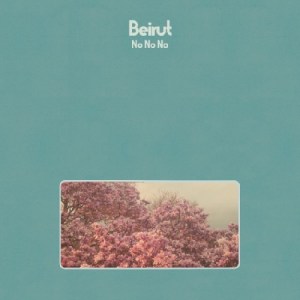
There were a few weeks where I sort of just played this album on repeat in the restaurant where I work. Generally it was pretty harshly reviewed and there is a sense that single tracks stand out more than the whole. Still, I appreciated that cheerful continental folk vibe to get me through the autumn and winter with its remnants of pastel-hazed summer. Even though the songwriting might not be as *original* or *inventive* as 2011’s The Rip Tide, you can have a lot of fun with some staccato beats and percussion. Plus I love a bit of brass.
Favourite tracks: ‘No, No, No’, ‘Gibraltar’, ‘Perth’.
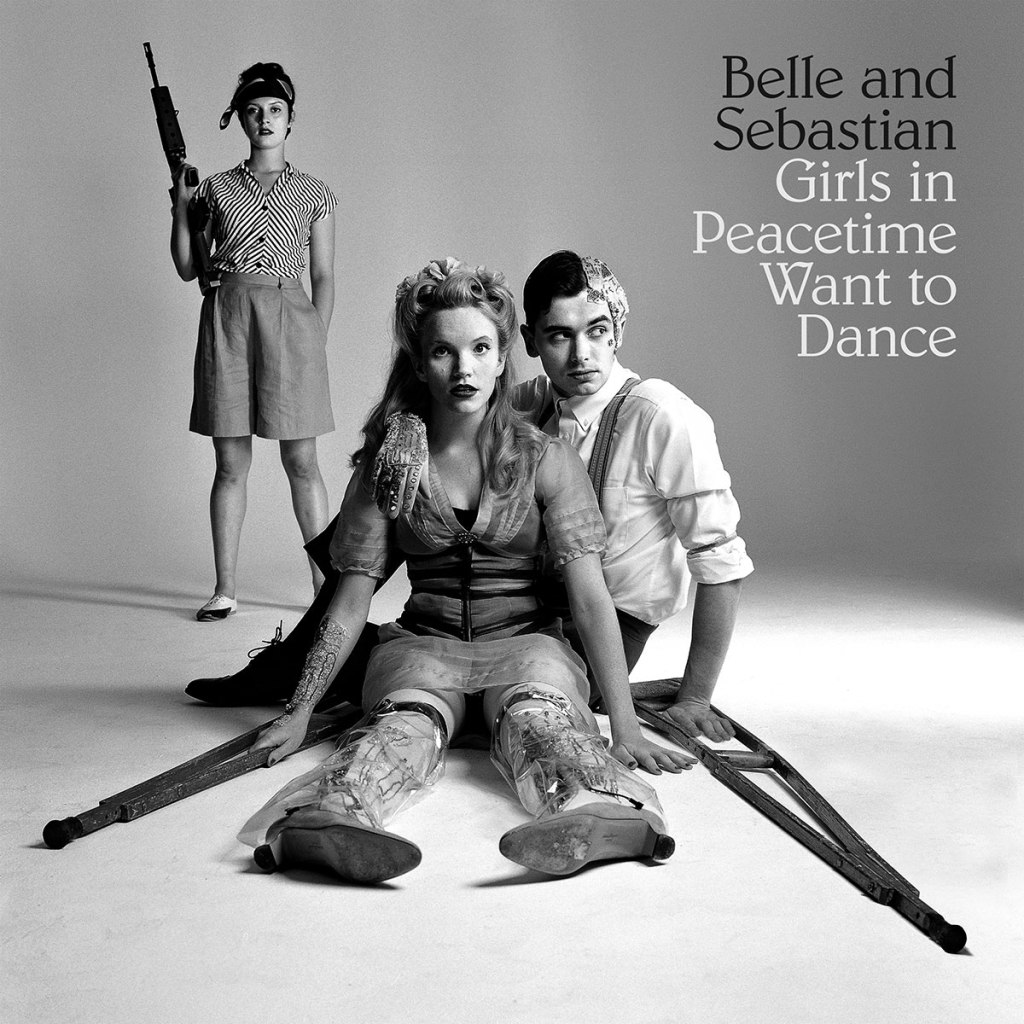
Belle and Sebastian, Girls in Peacetime Want to Dance
Just the sort of lively pop weirdness you need to brighten your January, when the album was released. I love Belle and Sebastian, the way they create simple catchy folk-pop but base it around stories and characters and inventive lyrics about lost girls and ~cutely~ wayward indie kids. There’s a bit more experimentation than usual on this one: from the funky disco atmosphere of ‘The Party Line’ and ‘Perfect Couples’ to the epic near-7-minute dance track ‘Enter Sylvia Plath’, there’s something for everyone. ‘Nobody’s Empire’, which approaches the subject of lead singer Stuart Murdoch’s MS, reveals Murdoch’s general genius for lilting melodies punched through with a weightier-than-usual buildup and bass line. ‘Ever Had a Little Faith’ is maybe the closest song to old-school Belle & Sebastian. Generally this album is full of interesting licks and typically witty lyrics, and its experimentation lends well to repeated listening.
Favourite tracks: ‘Nobody’s Empire’, ‘The Party Line’, ‘Enter Sylvia Plath’.
Blur, The Magic Whip
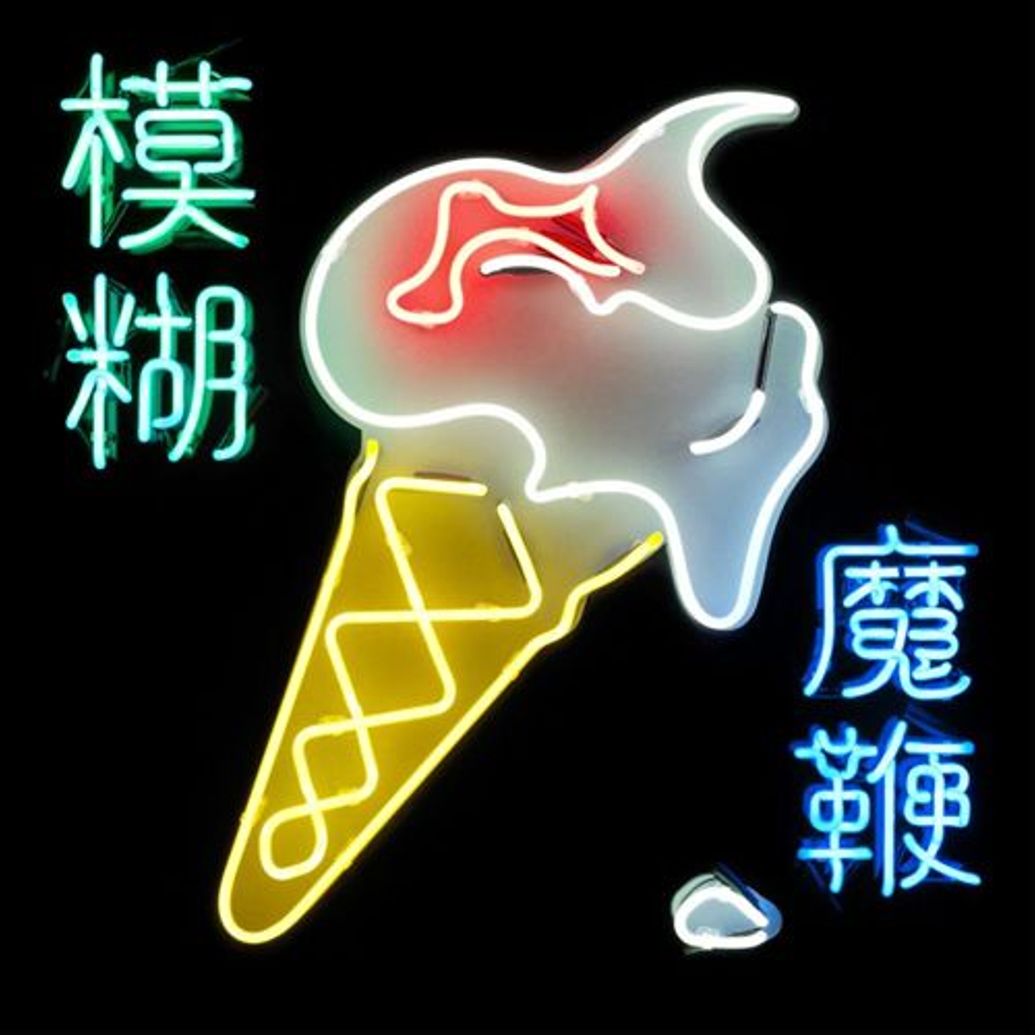
Blur’s first album since 2003, The Magic Whip is kind of a mystical, surreal experience. Along with the artwork (a neon ice cream and some Chinese lettering), the album’s whole vibe sort of reminds me of this weird game I used to have for Sega Megadrive where you could do fight scenes on top of an apartment roof in the depths of Tokyo. Everything was blurry and glitchy and full of bright lights against the backdrop of glittering darkness. The Magic Whip is set in Hong Kong rather than Tokyo, but it has that strange sense of futuristic metropolitan darkness. It takes away the grunginess of Blur and sonic spaciness of 13 and enters a more self-aware, perhaps even ‘postmodern’ (ugh, the implications of that term) territory.
Well, for one there’s the obvious cultural borrowing from Hong Kong, where the album came together; there’s also the sense of meta-britpop on songs like ‘Lonesome Street’ and ‘I Broadcast’ which update the whistle-along laddish bounce of 1990s culture for a more accelerated version of the jaded digital and cosmopolitan era (‘Lonesome Street’ is overlaid with the sound of someone reporting – on the news? – sparkling synths and echoing city street noises). The sense of absurdity and collapse, like in ‘I Broadcast’ where the chorus falls into the repeated line: I’m running being played over Graham Coxon’s sharp guitar. It’s a complex and intriguing album with some sweet bass lines and dreamy Damon Albarn vocals. Listening to it really does sort of take you somewhere else. Also, ‘Mirrorball’, the record’s final song, sounds almost like it belongs on a David Lynch soundtrack.
From the glitchy, 90s Windows computer aesthetic of its videos to the vibrating bass, disco rhythms and shrieking guitars and falsetto vocals, this is one crazy good album. Not many folk are brave enough to put out 20 tracks on their debut album, but the effect of doing so sort of drags you underwater into a world of sound that’s electric as a field of lightning, as shrieking neon as that purple lava you get in Sonic the Hedgehog 2, Chemical Plant Zone. Sorry, is that mixed metaphors? Who cares, with music like this, everything is mixed to fuck.
Some of the songs have a cinematic feel, which is hard to define except for a sort of atmosphere created by all the glitchy sound effects and samples (listen to the start of ‘The Gospel Truth’, for example). It’s a relief when Clarity strips back into ‘purer’ or softer vocals (see ‘With No Fear’), but also a great feeling when the effects pedals step on again, like having water thrown over you. Cold, shocking, refreshing. Kinda like the whole album. You’ve got references to ‘worm holes’ and ‘cancer™ in the water’ and all sorts of surreal cyber imagery and staccato vocals in reverse (‘Tathagatagarbha’is straight out of Twin Peaks’ Red Room, right?). ‘Those Who Can’t, Cheat’ is the kind of psycho disco death funk they would play at the end of the world. I was lucky enough to see Clarence supporting Jungle in Edinburgh this year and I can say that it all sounds sweet as hell live – the band’s energy really plays out the craziness of the album – which isn’t always always the case when the production is one of the best parts.
Favourite tracks: ‘Those Who Can’t, Cheat’, ‘Bloodbarf’, ‘Will to Believe’.
(Also, I think ‘Hit Factory of Sadness’ is one of my favourite song titles ever).
Foals, What Went Down
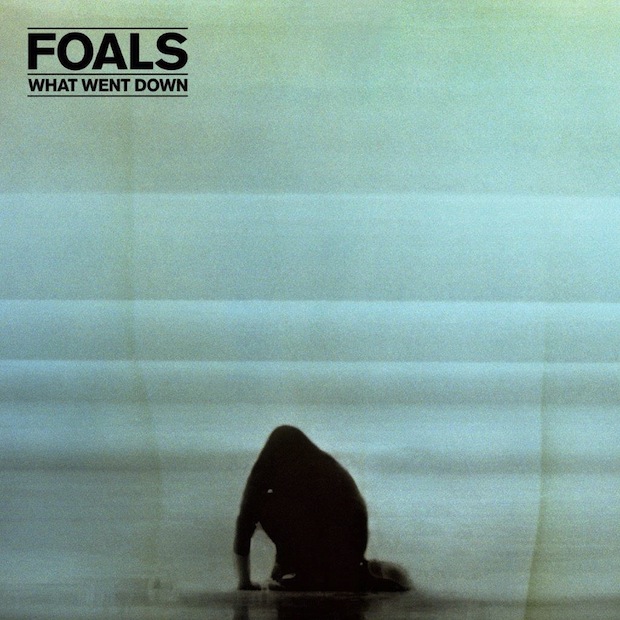
I guess the critical/commercial success of Foals’ fourth album (in October they were voted ‘Best Act in the World Today’ at the Q Awards) means I don’t need to say much to justify my choice. I’ve been with Foals ever since they were bouncing out math rock on early Skins, and this album was no letdown. For one, it has several tracks which follow in the footsteps of ‘Spanish Sahara’: ‘London Thunder’ is a beautiful, atmospheric track with a lovely build, and even Lana Del Rey has sung her praises for ‘Give It All’, which addresses love as a kind of fragile presence/absence, of digital melancholia – ‘Give me the way it could have been / Give me the ghost that’s on the screen’. ‘Birch Tree’ has that sort of upbeat, syncopated feel reminiscent of ‘My Number’ (from Holy Fire). Other than the softer tracks, it’s a whole lot rockier than previous albums, especially on the frenzied ‘What Went Down’ and jangly guitar rhythms of ‘Mountain at My Gates’. I listened to this all throughout the month it took to move from my old flat, so it will always have that sense of dislocation and haunting futurity for me… (plus the stress of shifting boxes and scrubbing kitchens).
Favourite tracks: ‘Mountain At My Gates’, ‘Birch Tree’, ‘London Thunder’.
Gaz Coombes, Matador
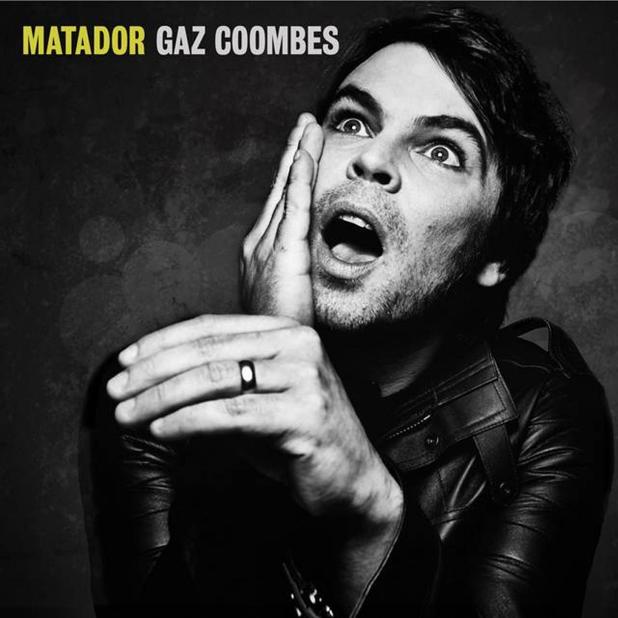
I have to confess that while Matador was released in April, I didn’t actually listen to this album until about a month ago, when I found out my cousin (the lovely Hannah Lou Clark) was supporting him on his UK tour dates. I saw Supergrass a long time ago when they supported Coldplay at Bellahouston Park, but I don’t remember much of it, especially as I was right at the back! This is such a gorgeous album though, I swear I’ve listened to ‘Matador’ on repeat to and from work for the last fortnight at least. It has great range and depth, another fine example of the maturity that can come out of the Britpop era. Coombes can sound both delicate and powerful, and there’s a certainty, a sureness, to this record. There are songs whose haunting atmosphere is complimented by stunning but simple lyrics (‘Worry fades the soul away / I’ll take the hurricane for you’ – ’20/20’) and climactic choruses. If I close my eyes I imagine this song being played over a dramatic film scene, like someone running through city streets, a breakdown, things exploding, changing. Something like that. I know it’s cheesy but there are definitely songs on this album which you could call sublime in the true sense of the word. Disorientating, awesome, majestic, powerful. Gospel influences, electronic beats, acoustic guitar. I’m still in love with it.
Favourite tracks (this was difficult, and may change): ‘The Girl Who Fell to Earth’, ‘Matador’, ’20/20’.
Kurt Vile, B’lieve I’m Going Down
Aw man, there’s just this beautiful twang to Kurt Vile’s music that is so addictive. It’s not just his hair. The country twang of guitars, his sweetly droning, idiosyncratic voice. You can see the influence of Nick Drake, maybe a touch of Dylan, but also a very modern sense of disconnectedness, of goofiness even – the sense of being very self-aware but at the same time alienated from who that self is. Some of the songs sound a bit ballad-like, but there’s always a kind of dissonant, bluesy twist. He really nails his lyrics and imagery too: ‘I hang glide into the valley of ashes’, ‘A headache like a ShopVac coughing dust bunnies’. The twinge and stuffed wordiness of ‘Pretty Pimpin’ proves strangely addictive, as does that developing, repeating, turning, twanging guitar riff. ‘That’s Life, tho (almost hate to say)’ is a darker, sadder sort of folk ballad. Generally, it’s an album to listen to dreamily, maybe on a car journey, but also one that goes well in the background of bars, because it’s lively enough, and pretty damn cool.
Favourite tracks: ‘Pretty Pimpin’, ‘That’s life tho (almost hate to say)’, ‘I’m an Outlaw’.
Lana Del Rey, Honeymoon
I could rave about Lana all day. She has the genius of Lady Gaga, Bowie and Madonna in her creation of the ‘gangster Nancy Sinatra’ persona, but an old-school Hollywood voice that haunts and croons and glides over dark, sweet melodies. Honeymoon is very much a coherent piece of art. It’s a very visual album, much in the tradition of Del Rey’s previous work (the monochrome vibe of Ultraviolence played out in the gloomy, stripped back energy of the Dan Auerbach produced songs). Picture a summer-hazed beach with pastel huts and neon-signed strip clubs, peeling paint. Lana writhing about in her mint green muslin in the video for ‘High By the Beach’. It’s her dark paradise, a retro realm of sweet pop richly infused with jazz, blues, R&B, trap, disco and poetry. The loveliest recital of T. S. Eliot’s ‘Burnt Norton’ I’ve ever heard, soft and haunting. A Nina Simone cover. Tracks like ‘Salvatore’ and ‘Terrence Loves You’ really demonstrate the crystal clarity of her voice, as well as the strength of her range. The title track can be described in many ways, but I prefer the terms glimmering and cinematic. Really, it was the perfect soundtrack for a melancholy, post-graduation summer — except I swapped the retro cars and ice cream for long walks in Glasgow rain.
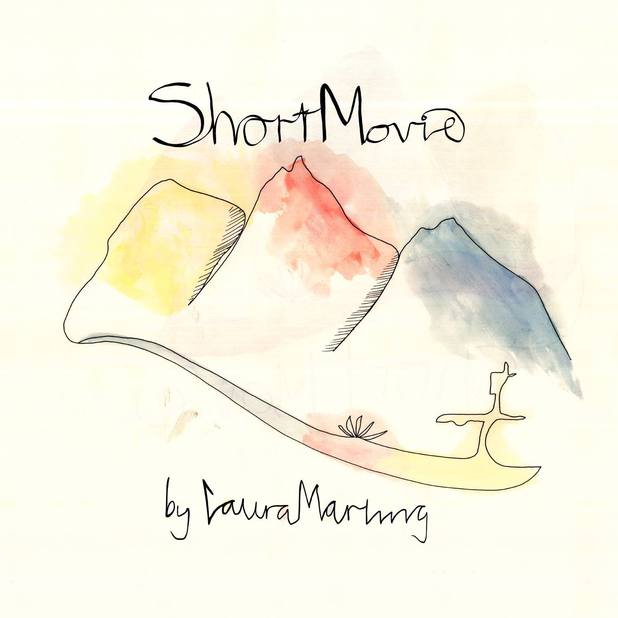
It’s quite lovely to witness Laura Marling’s music maturity. From the honest folk pop of Alas I Cannot Swim to the stronger, mythological tones of Once I Was an Eagle, she has really developed and expanded her sound, not just in a literal sense but in a metaphysical one too. Does that make sense? I mean the way that her music opens worlds up. Eerie, dark soundscapes and cessations of space, interruptions and pauses and softly twangling guitars. Opening track ‘Warrior’ is spellbinding, allusive and elusive; full of echoes and misty vocals, guitar licks that curl round and round. It feels distinctively American, as opposed to, for example, the Englishness, countryside sweetness of I Speak Because I Can. There’s a sense of being lost, looking for something (‘the warrior I’ve been looking for’), of endlessly journeying.
For most of the record Marling steps away from the acoustic songwriting (delicate, but sometimes forceful) which won her fame in earlier records; her electric guitar simmers through the tracks, building around her increasingly impassioned vocals. On ‘False Hope’, a track about Hurricane Sandy, she steals us away from the vague landscapes of ‘Warrior’ to the metropolis, the Upper West Side, where darkness falls and electricity fails as she tells us of the storm. The weather plays pathetic fallacy to the storminess of the singer’s mind: ‘Is it still okay that I don’t know how to be at all? / There’s a party uptown but I just don’t feel like I belong at all / Do I?’. ‘False Hope’ slides into a more traditional Marling track, ‘I Feel Your Love’, which rolls along like a nice old folk song, a bit Staves-like maybe, but more haunting. Her more ‘spoken’ delivery of vocals, intertwined with some searingly brief high notes, in ‘Strange’ for example, bring to mind Joni Mitchell. At times she addresses different characters: spurned lovers, young girls who mirror herself, the ‘woman downstairs’ who’s lost her mind. The overall effect is less introspective, and more fleeting, transient: the self behind the voice slips in and out of view, through various narratives and images. There’s a restlessness which contributes to the Americana vibe, but one which is perhaps also simply the natural expression of a successful singer songwriter still only 25, trying to find her way in the world…
My favourite band for kitchen sink indie…I like how Little Comets ease you into their changes in sound through various EPs released throughout the year. With the tingly guitars released on ‘Salt’ and the earnest lyrics, a ballad (‘The Assisted’) and emphatic drumming (‘Ex-Cathedra’) of ‘The Sanguine EP’, listeners were prepared for what was to come on Hope is Just a State of Mind, which seems to head towards what might be called a more eccentrically pop direction. One of my favourite things about this band is how they delve into the political and there’s certainly no avoiding it on this album, from the dig at Robin Thicke’s gender politics in ‘The Blur, the Line, and the Thickest of Onions’ to the lethargy of rock and roll in ‘Formula’ and the cultural demonisation of single motherhood in ‘The Daily Grind’: ‘You must feel so proud / Stigmatising every single mother / While your own world’s falling down’. Songs like ‘The Gift of Sound’ and ‘Formula’ have a more straightforward energetic pop vibe, whereas ‘B&B’ begins with an accapella moment and revolves around the repeated line: ‘my own mother cannot take me back’. There’s lots of thudding drumming and a swinging sort of emphatic, repetitive melody. The song, incidentally, is about bedroom tax and Robert Coles has eloquently said of the lyrics:
‘Lyrically the words came quite quickly as I always had the “even my own mother cannot take me back” line in my head from writing the melody. I knew it was going to be about politics: specifically the patronisation of people by the political class in both ideology and delivery, and the way that my own region has been altered by the blue hoards of conservatism.
The title stems from a tweet by Grant Shapps regarding the last budget – “budget 2014 cuts bingo & beer tax helping hardworking people do more of the things they enjoy. RT to spread the word”. Beer and Bingo – because there’s nothing else to do.
I think the first verse is just frustration with the attitude put across by politicians that suggests that they think people are total idiots – policies light on detail, simplistic ideology, framing debates in headlines, constant ill behaviour. Plus from the other end of the scale the total demonisation of the less well off in the swingeing benefit cuts typified by the bedroom tax. I just think it is bizarre and to treat us with this brazen amount of contempt.
It really got me thinking about the north east getting so bashed up in the time of Thatcher – destroying lives and communities because of a need to dominate on an ideological level. I think the second verse tries to convey the depressing notion that beyond this pain, she also eradicated trades and skillsets that had been built for hundreds of years without the prospect of anything new, or transferability. To extinguish a trade, a way of life…. Wow….. That’s a pretty crazy course of action.
It’s almost like she stole those years from us – and it feels a little like it is being echoed now. Taking away what someone relies on is oppression, and this is being felt in communities across our country today – horrified in the knowledge that it will continue until people are so battered that they accept it. The worst part is if you look closely enough, past Grant’s apparent carrot you can see the joy in the eyes behind the ghastly stick, and they look frighteningly familiar” (Source: Little Comets’ Lyric Blog).
I guess I’ve included the quote because I think the politics have become more direct in this album and it’s interesting to flesh out the backstory here. Sure, there have been plenty of ‘northern’ bands before, but rarely have I listened to a pop or indie band who engage with their politics so directly and so articulately (usually this space is reserved for punk or rock – Manic Street Preachers of course, representing a ‘marginalised’ Welsh perspective). Aside from lyrical content, you’ve got the usual pleasures of Little Comets harmonies, shredding guitar licks and bouncy rhythms. ‘My Boy William’ is wonderful live, the way it builds up and everyone following the drum rhythm. ‘Little Italy’ is great fun too, with its cascading melodies (liiiittalll iiiitaaalllyyyyy I reeAAd heeEre) and syncopated rhythm. It’s true, on this album (especially on ‘Salt’), the songs are very up and down, rarely straightforward and often lines are lyrically and melodically convoluted; this isn’t a criticism but more a reflection of what seems to be a desire to push the formulaic boundaries of pop, to infuse guitar chords with lush vocal harmonies and ringing percussion. To represent detailed, difficult subjects in pop is never going to be easy, but Little Comets nail it in their own unique, beautiful way. Look forward to seeing them again live next year!
Favourite tracks: ‘Don’t Fool Yourself’, ‘Little Italy’, ‘The Blur, the Line & the Thickest of Onions’.
The Maccabees, Marks to Prove It
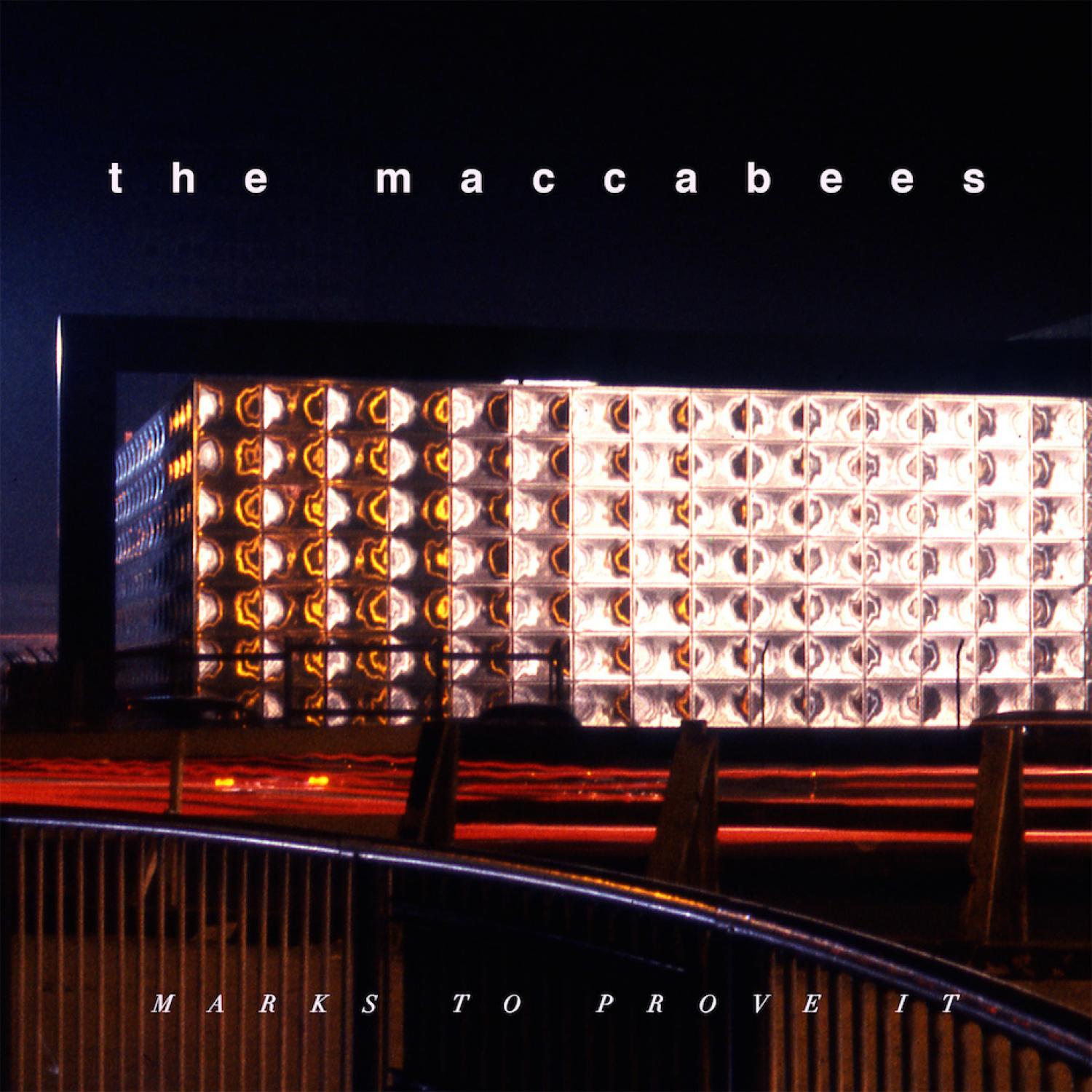
Well, to be honest I never would’ve thought I’d be including The Maccabees on my 2015 albums of the year. Over the last few years, I haven’t spared much thought for the band other than as another soundtrack to the general indie trend of the last ten years: a band mentioned frequently in NME perhaps, soundtracking lovelorn scenes in movies, but nothing particularly distinct other than in their creation of twee indie pop. However, one night after work I was lying on the floor recovering from a terrible shift with the radio on, listening to X-Posure With John Kennedy on what used to be XFM. The Maccabees were talking through their new album and playing the songs, and I was pleasantly surprised by how intriguing the sound was, as well as how articulate the band were in talking through the writing process and the stories behind the songs. I guess the next day I went out and bought the album. It definitely sounds a long way away from ‘Toothpaste Kisses’, though the added kazoos and varied percussion doesn’t spoil the simple joy of good plain songwriting. The songs have a weight to them, a grander atmosphere, especially the weird dissonance on the likes of ‘River Song’. ‘Silence’, however, is quietly beautiful, drifting along soft piano notes, subdued vocals and a somewhat eerie sample of an answering machine voice.
Where once you would recommend The Maccabees mostly to fans of The Mystery Jets, Pigeon Detectives or Futureheads, this album feels much more grownup, darker somehow, wilder and expansive. The lyrics vary in subject from the gentrification of London’s Elephant & Castle (the band’s hometown) to heartbreak (‘When you’re scared and lost / Don’t let it all build up’) and well, happiness (‘Something Like Happiness’). It’s refreshing to have a song that does just feel like at times like a gentle old ode to joy: ‘If you love them / Go and tell them’. ‘Marks to Prove It’, the opening track, feels confident and bouncy, with a sharp riff and assured vocals. It would fit in with a fast pop set from The Futureheads, but the rallying battle cry that precedes Orlando Weeks’ voice announces something slightly stranger, a record with new edge.
Favourite tracks: ‘Silence’, ‘River Song’, ‘Something Like Happiness’.
Tame Impala, Currents
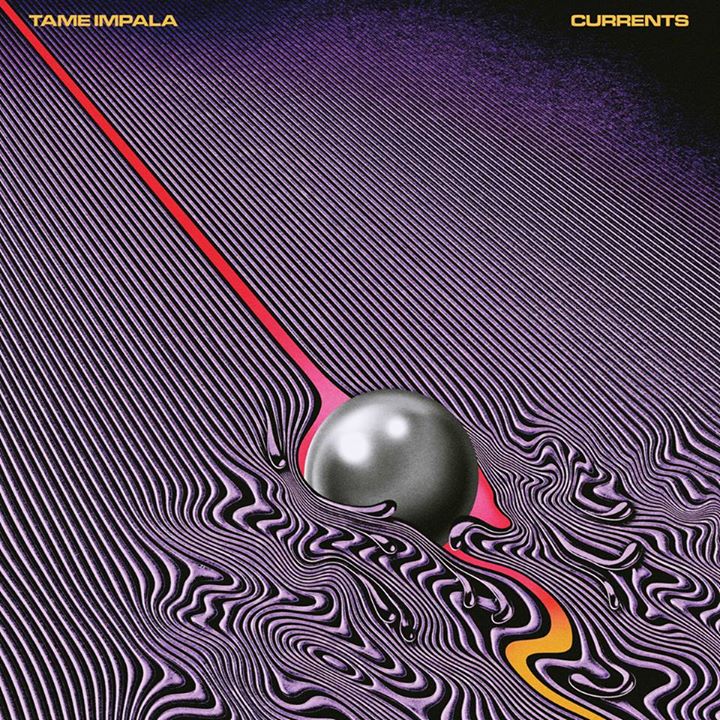
I was introduced to Tame Impala mostly from one of the chefs at work playing it in the kitchen on Sunday mornings, and weirdly enough his psychedelic brand of synth pop seems appropriate preparation for a day serving Sunday roasts to hungover customers. It’s the swelling bass and brilliant synths that really catch you, the smooth falsetto and tingling production. You can tell Kevin Parker is a dream at studio magic, with flawless instrumental arrangement that makes for a sound that could be big or chilled, depending on how you play it. There’s some dark keyboard drama, there’s a lovelorn anthem (‘Eventually’) and what might tenuously be described as weird disco funk. For some reason (maybe all the synths, gossamer vocals and vintage-sounding guitars?) has a ‘bedroom-made’ feeling, but with a much slicker production than the DIY element might suggest. Some songs sound like they belong on a long, atmospheric train journey across a space desert; others sound like they’d fit on the cuts of drama interspersing a video game. There’s a dreaminess to songs like ‘Yes I’m Changing’, but a more radio-friendly funkiness to the likes of ‘The Less I Know the Better’, or even ‘Love/Paranoia’, with its silky beats and finger clicks. As the album progresses, the theme of heartbreak starts to really solidify and I guess that’s the overriding drive of the songs – a heartbreak that slows and stifles, morphs between introspection and the temptation of mild bombast.
Favourite tracks: ‘Yes I’m Changing’, ‘The Less I Know the Better’, ‘Love/Paranoia’.
Stornoway, Bonxie
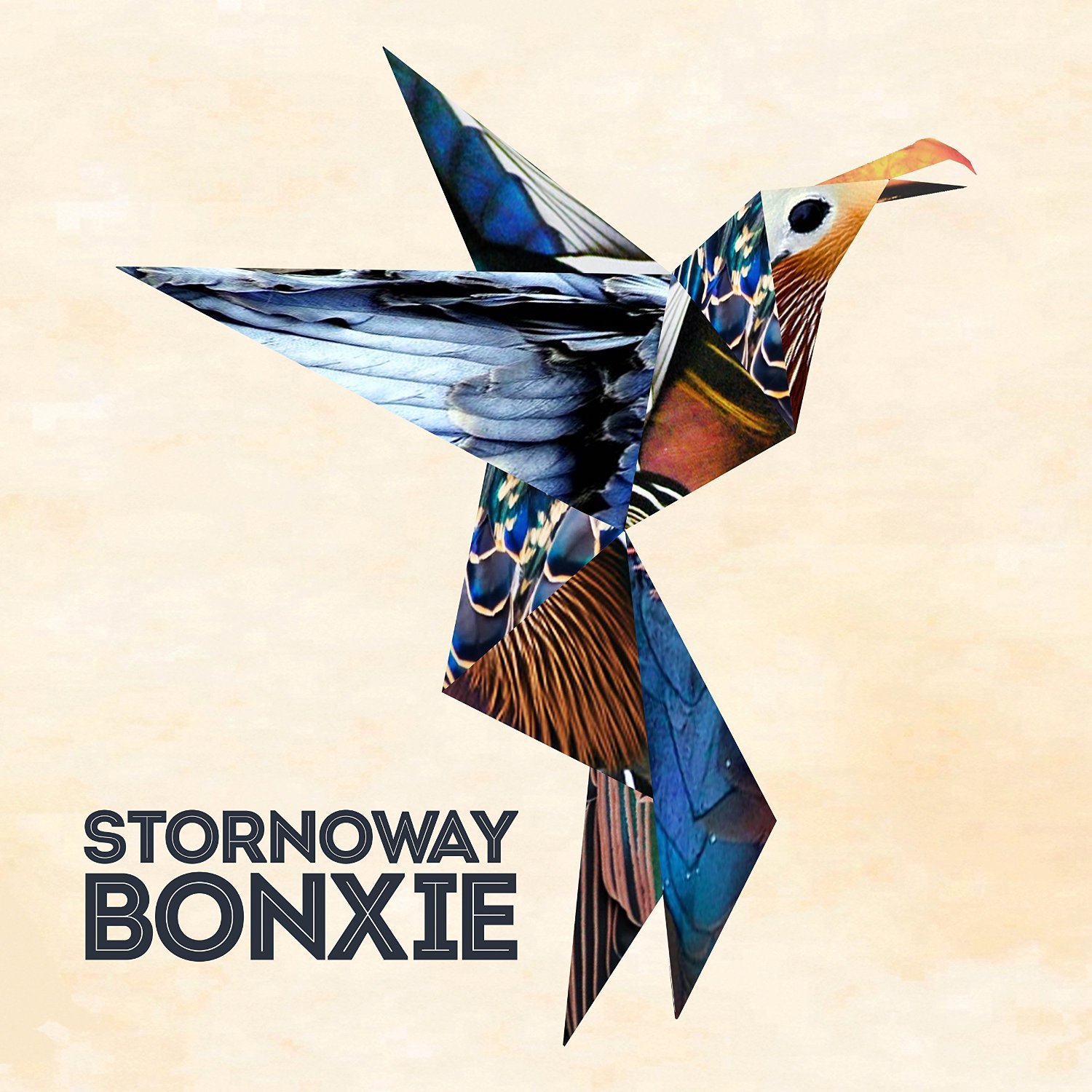
This was a lovely album to enjoy in spring, from the hopeful folksiness to the cute origami bird on the cover. I guess it got me through that period of hell in my life that was finals. I would go on walks around Kelvindale where all the cherry blossoms were, listening to the soft acoustic licks and all the soothing bird sound effects. It’s an album to enjoy by the sea perhaps, full of a sort of longing. There’s the noise of distant foghorns, the rolling harp-like guitar and sparkling xylophone over the drifting shimmer of a wave-like cymbal. This is probably my favourite Stornaway album, or at least equal to the debut, Beachcomber’s Windowsill because of its more folksy atmosphere, its immersion in nature — the sense of being lost, deliciously lost by the edge of the ocean. ‘The Road You Didn’t Take’ especially boasts a shanty-like chorus which adds to the nautical theme and sort of swells up like you’re caught at sea, singing along irrevocably. Melodies build up to climaxes and fall back down into subdued, slower choruses, as if the speaker tries to articulate something about his surroundings (the beautiful environment) but fails to express them entirely. Sweet, comforting guitar licks glide us through (e.g., the start of ‘Sing With Our Senses’). Vocals are never aggressive, only sometimes shrill and generally soothing – like a bird’s? Apparently over 20 types of bird donated their song to the album, and let’s not forget that singer Brian Briggs is a Dr. of Ornithology! It’s just a lovely escapist sort of album, reminding you of seaside holidays from years ago, that childlike ability to sink into your surroundings and find wonder in a leaf, a taste of salt air, a bird call.
Favourite tracks: ‘The Road You Didn’t Take’, ‘We Were Giants’, ‘Between the Saltmarsh and the Sea’.
Swim Deep, Mothers
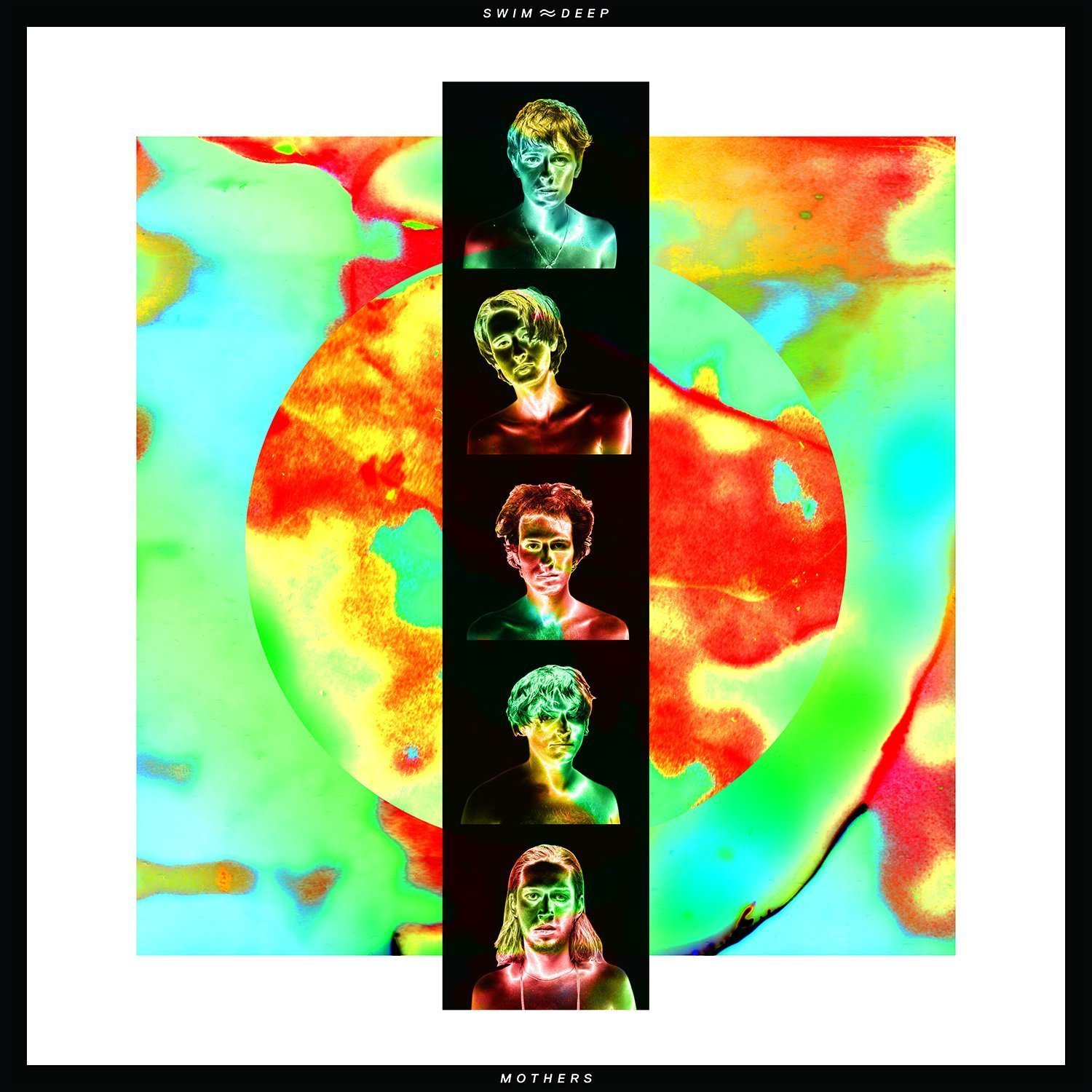
It seems everyone has been describing this album as Swim Deep’s foray into psych-pop. You only have to take a glance at the warping colour bleed of the cover art to pick up those vibes. The honey sweet guitar pop of Where the Heaven Are We has morphed into something heavier, more saturated. There are so many influences, but I suppose you could start with psychedelic music, house and kraut rock. Lots of bursting, colourful synths. It reminds me of The Horrors’ Primary Colours, not only because it’s a ‘change-around’ album, but also the subdued, atmospheric reworking of prior image and musical style. Songs like ‘Honey’ and ‘The Sea’ from their debut album were chilled and loose with catchy melodies, and while Mothers retains the catchy melodies, its style has tightened up a bit. The instrumental elements are more complex; songs open up a multilayered world rather than the silver stream of a simple pop tune. ‘To My Brother’ has an epic quality, building up to the chorus with some extravagance – weirdly, the sort of mistiness of the vocals and quirky synths remind me of Seal. I’m not sure why, or whether that’s even an accurate comparison, but the link just popped into my head. I love the way critics have compared ‘Namaste’ to discordant game show music, which obviously fits in with the 1990s vibes of the video. All that beige, those glasses, the sense of mania reflected in the music! It’s more mature maybe, but still fun.
Favourite tracks: ‘To My Brother’, ‘Namaste’, ‘Imagination’.
A few others…
Beach House, Thank Your Lucky Stars(two albums in one year, ‘nuff said)
Florence & the Machine, How Big, How Blue, How Beautiful
The Libertines, Anthems for Doomed Youth (listening to it to drag up the old nostalgia of discovering the first albums, for the lovely production and Doherty vocals on ‘You’re My Waterloo’ and Carl Barat’s very English swagger).
Prides, The Way Back Up (Stewart Brock has come a fair way since Drive-By Argument (big up a band from Ayr!) but the wide, electronic sound of Prides has its heart in the original synthiness of Drive-By Argument which developed into more distinctly electronic side-project, Midnight Lion. Obvious comparisons are to Chvrches, but maybe also a bit of Daft Punk. Radio-friendly but I’d imagine really big and energetic live, plus whenever I hear them I get sweet teenage nostalgia for Drive-By Argument).
Sufjan Stevens, Carrie & Lowell
Years & Years, Communion (sparkly EDM pop with plenty of pluck, from a band whose singer starred in Skins and Stuart Murdoch’s indie flick, God Help the Girl).




 mariaology