
I wonder how much is a kind of alertness to being awake itself, posting as if to ward off the rain, posting as if to pop my wormy little head out of the earthsoil of silence and say “hai”.
I wonder how much is a kind of alertness to being awake itself, posting as if to ward off the rain, posting as if to pop my wormy little head out of the earthsoil of silence and say “hai”.
We should leave the moon alone. I went to her once with a question. You don’t just go to the moon with a question, not anymore, but things were different then. The moon wanted an ardent debate on the topic of dust. What was it, whose was it, how can we lay blame for it. How can we monetise the dust. I lay the blame of dust in my bed and slept awhile. Like all of you, I felt super lame. There were academics emailing with the promise of a lunar economy and a cupboard slamming shut at gunpoint. Our father was desperate, who art in languor of sleepgolf in Middlesex said “where is my pill down the back of your throat”. It was a little fuzzy pink thing he popped with no water. The whole moon. The whole pill of her eaten to become annoying. Take a pill. I would pay a whole pill for the moon and back. That man wanted my oesophagus as a kind of liquid spear indicative of mental illness, or science fiction. How much would pay to go to the moon with the money you need? How much would you really swallow?
…satellite & loaf & mope & idle & waste & pine & languish & years ago & infatuate & party catharsis & killing…

“move forward”
do not go gently into the future
that blooms abandonment update
four hundred passengers
with miles to go
before they sleep
in full view, refund & expense
centuries passed in that mainline
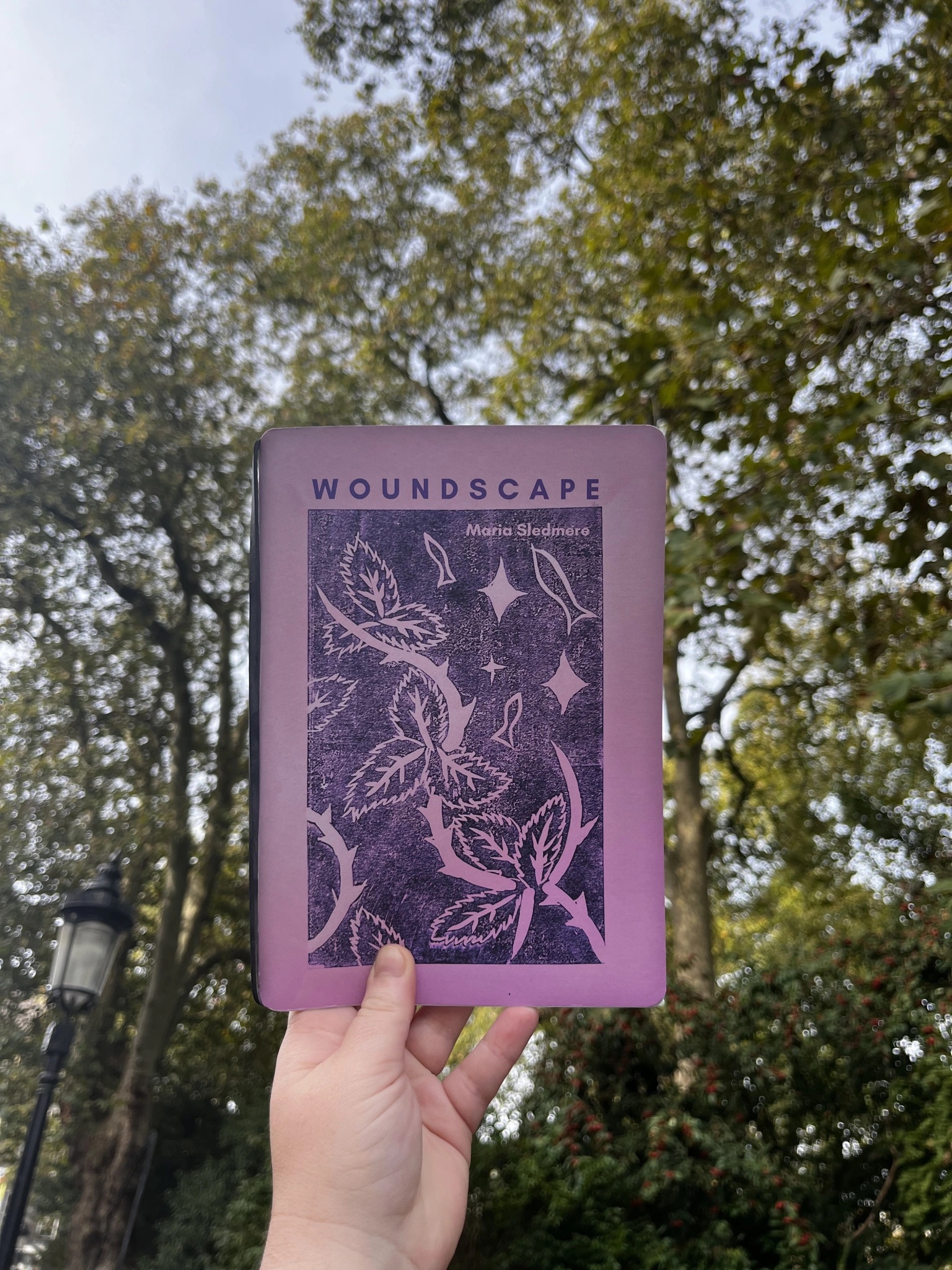
Woundscape is a creative response to Making Imagined Objects, the 2nd International Alasdair Gray Conference which happened in Glasgow, June 2022, commissioned by The Alasdair Gray Archive in partnership with Creative Writing at the University of Strathclyde. This pamphlet has been produced with support from the Scottish Poetry Library’s ‘Poetry Pamphlet Fund’.
Released 4th November 2023
Edition of 100 numbered copies. *
ISBN: 978-1-3999-7021-1
“An introspective set of poetics that sews together the gathering discomfort of the human soul and stretches it out across the urban decay of our crumbling cities. Sledmere is an architect of the atmospheric, the surreal, but captures with a brilliant and delicate undercurrent that singularity of emotion that we can all relate to; the absurdity of our existence. This book is inimitable, a triumph of melancholy raining down upon our weathered streets, where hearts are imprisoned, and all doors are carefully barred.” (Stuart McPherson)
“Where does poetry go when ‘tomorrow becomes sorer and sorer’? I’d follow it here, to Maria Sledmere’s writing. These brilliant poems encounter familiar woundscapes, from Alasdair Gray on the heart, to the scaffolding and sanctuaries of a city, our civic agonies, and remake the stakes of poetry again. As they meet the ache of bodily enclosures and language, something emerges, like a condition: shared, real and moving, alive. A kind of love poetry perhaps, that knows in its lightness the costs. Fake, hungry and true. ‘To eat/like to read a poem’. Nothing more urgent and fresh than this, ‘going home in the prosody of being sold nothing’. Eat now, before it’s gone.” (Carol Watts)
“A work which is at once meaningfully drawn from Gray’s own Woundscape and very much her own, this response is full of all the vividity, sparky connectivity and sensitivity you’d expect from Maria Sledmere. Never a dull phrase, never a dead word, her Woundscape – ‘disciplined/in the disappearing city/of civic agonies’ – is urgent and arresting.” (Rodge Glass)
“What Maria Sledmere deftly does is extend her prose beyond Gray and the ‘Making Imagined Objects’ event, weaving into it personal interactions, responses to other creatives work (including Louise Bourgeois), digital wanderings and liminal spaces. The result is a layered dreamscape written with a human heart but embodying otherworldly wisdom.” (Sorcha Dallas, Custodian, The Alasdair Gray Archive)
Now available for preorder via Osmosis Press. ✄ ~ ~ ~ ~
We are launching the pamphlet in Glasgow, at The Alasdair Gray Archive, on 4th November at 2pm. There will also be readings from Robbie White, Scott Hay and Alasdair Watson. Tickets here.

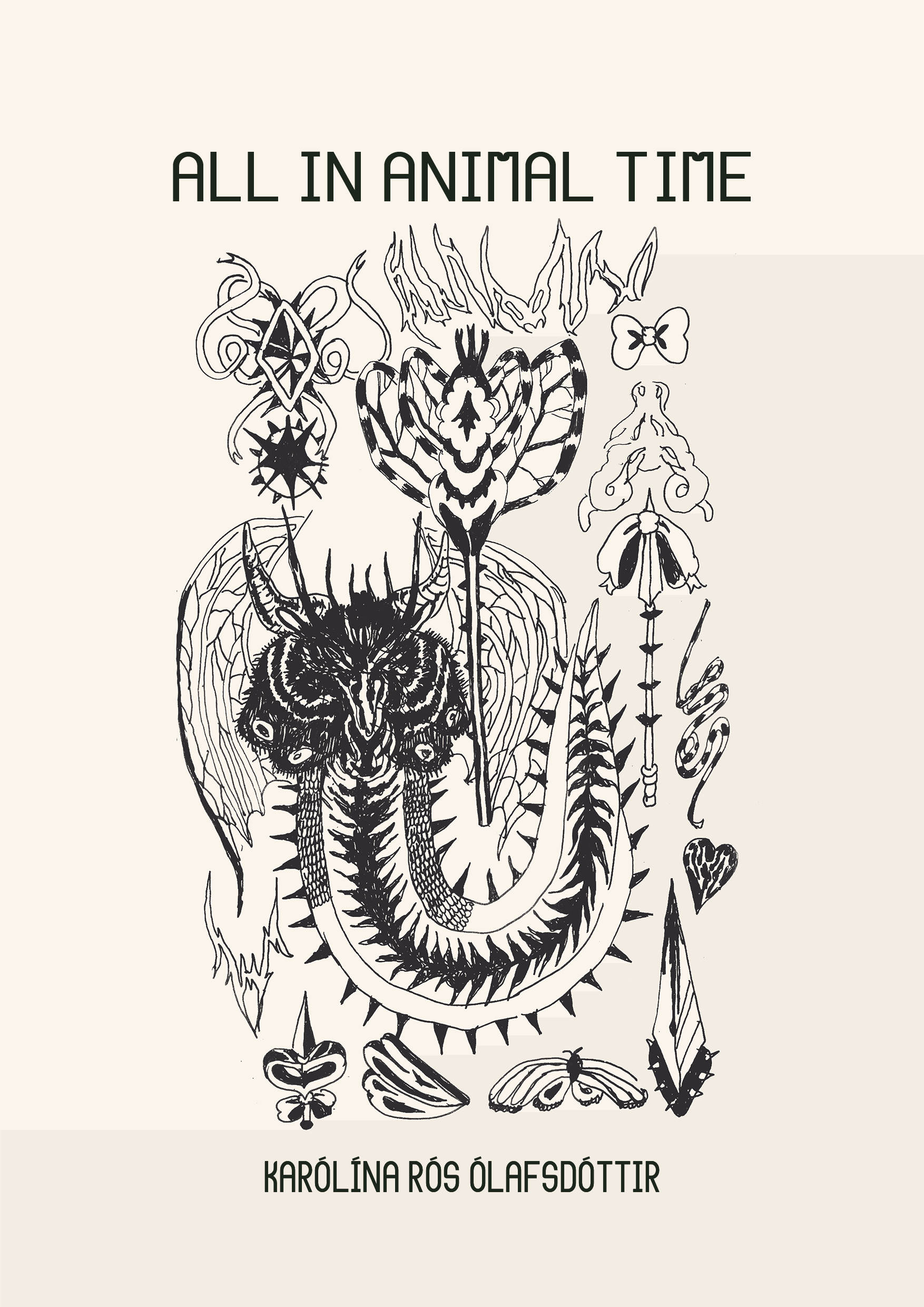
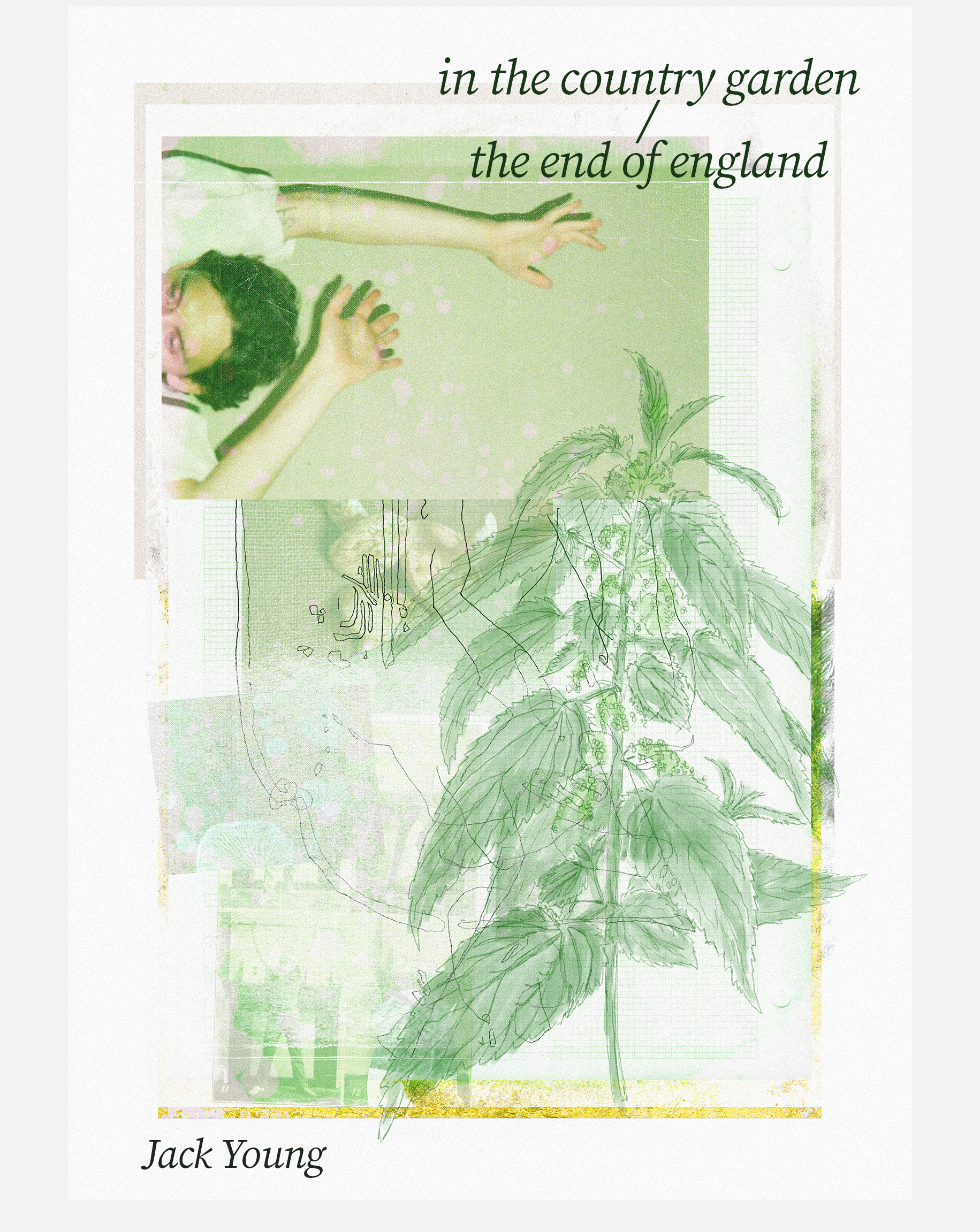
Over the past few months I’ve had the pleasure of working with two excellent poets, Jack Young and Karólína Rós Ólafsdóttir, on bringing to life their pamphlets in the country garden /the end of england and All in Animal Time. It’s been a fair few months since SPAM published anything physical (our most recent print publication was Cocoa and Nothing back in February) and coordinating everything for season 7 reminded me why I love doing this in the first place. There is something magical and alchemical that happens in the process of getting something from email to book in a series of whirlwind zoom(ies) and frantic whatsapps and editorial ping pong and delicious in-depth reading. I love figuring out solutions to a design problem, shunting things around, letting things bleed into the edges or splash into place, phone calls about word choice and line breaks. Generous margins and snaky wee texts / embarking upon font quests.
We got to know our authors, who are based in Bristol and Iceland, variously over the pandemic through Zoom workshops and the great poetry boulevard that is gmail. You can read one of Jack’s poems in SPAM005 and one of Karó’s in SPAM004. The SPAM editors are big fans of their work and we were delighted that both authors had pamphlets that kind of grew out of the poems in the magazine. This season has a lil rainbow-shrouded eco flavour: poems of the anthropocene everyday, poems of queer pastoral, poems in animal time (as per David Berman’s advice). J&K are poets with a real interest in the scholarly work of poetry as much as the playful. These are really thoughtful works which traverse everything from decolonising botany to Commander Keen, the dietary needs of black holes and the sonnets of rats and punctuation marks. Ugh I really love them! Thinking about these pamphlets is like coming up on coffee with sunlight pouring through the morning and having adequate sleep and remembering why the little things really fucking matter. It’s like the libido of the knotweed exerting pressure to break concrete and escape the walled garden which is like beautiful open source software. I am so lucky to have worked with these poets and also to have collabed with my co-editors Mau Baiocco, Kirsty Dunlop and Ian Macartney in bringing them to fruition. Long live SPAM!
Coordinating this pamphlet series also reminded me that publishing is an act of worldbuilding, brick by paper brick, pixel by pixel. It’s like: how do we give birth constantly to the word-pearls of what you wanted by accident of so many factors to have an idea for ~ ~ it’s like……a gift, a life-changing conversation, a journal entry for the language of flowers, a frolic through girl city’s sugar cubes and the delicious lumpencoal of the poem. Stop to admire the ‘four-star review sycamore’ (KRO) while you’re at it.
We worked with two v talented artists, Maura Sappilo and Sam Williams on cover design. Thank you Jack and Maura!!!
If you’re in Glasgow, please come along to our launch on the 10th November, where we’ll also have a reading from Edinburgh poet Murid L. Keshtmand and there will be many a pamphlet on sale and a lil wine & snack to be had.
PEOPLE OF THE PRESS! If you’d like to review the book, interview one of the authors, have them on your podcast or stock copies of the pamphlets in your store, please email spamzine.editors@gmail.com.
You can preorder the books at inflation-resistant prices => spamzine.co.uk/shop.
You can watch two Instagram live sessions with Jack and Karó here, where we talk about the thinking behind the pamphlets, inspirations and the craft of writing.

— Gilles Deleuze, ‘The Fold’ translated by Jonathan Strauss (1991)
‘I didn’t wanna come home at eleven, all I wanted to do was paint’
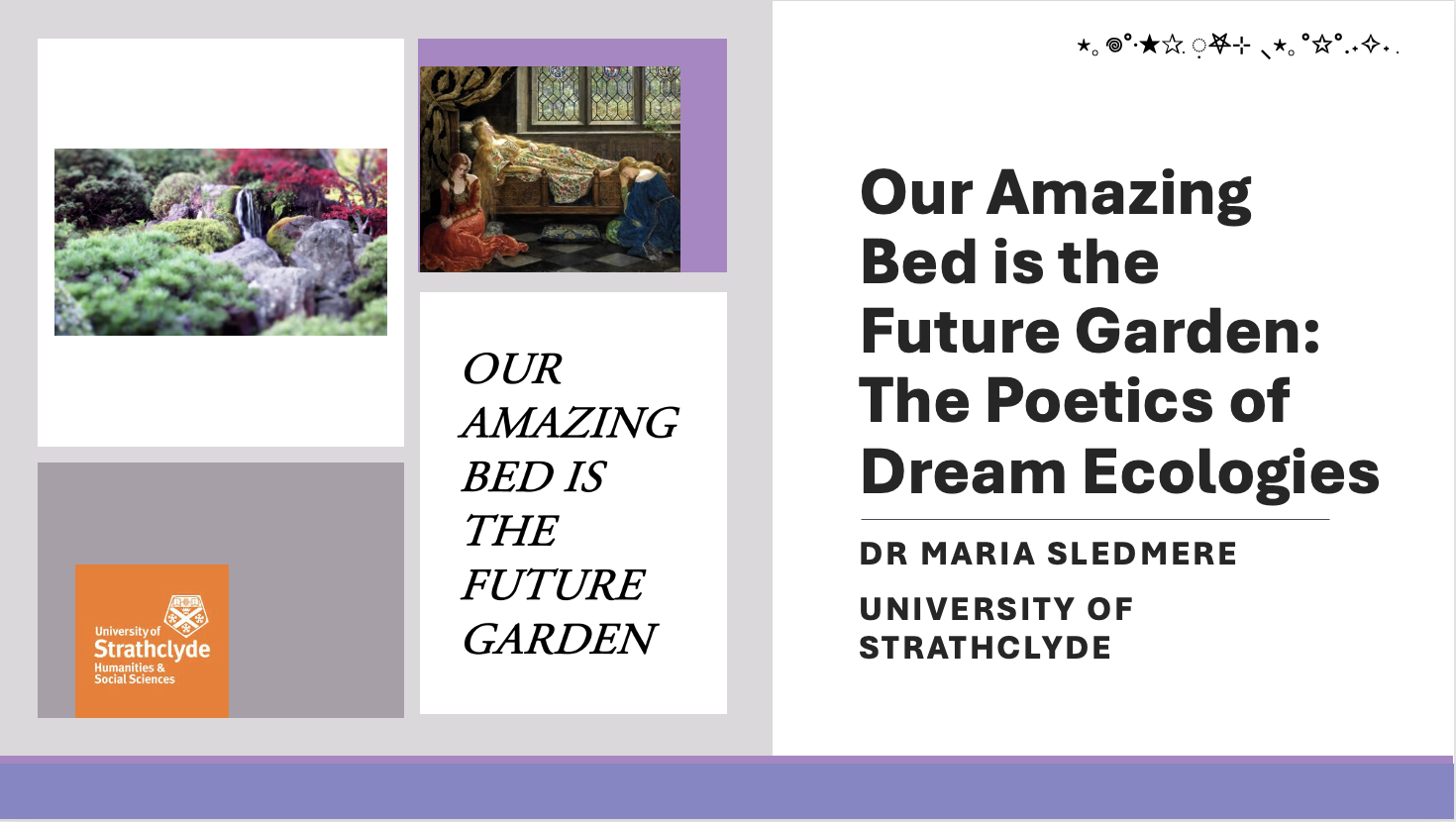


This performance lecture takes flight from the shape of a question: what is the relationship between poetic language, sleep and dream in the anthropocene? Combining poetry, journaling and critical inquiry towards the ecologies of sleep, I will consider how dreams may be the site of impossibility, drift and low-carbon pleasure in a time of ’24/7′ where, in the words of Jonathan Crary, our ability to ‘daydream’ is blocked by a constant barrage of the internet’s attention economy, the demands of late capitalist labour and ongoing crisis. Taking this as a serious political disempowerment, I look to writers whose work alters the ‘operating speed’ of daily life to make room for dreaming otherwise. Exploring the formal interventions of writers within feminist, New York and Language schools, I focus on how these works tend the unruly future garden through daily reclamations of dreamtime. If many of us are at surge capacity, how might poetry attune to various kinds of ‘slow violence’ (Crary) which often go hidden in mainstream narratives of extinction and climate crisis? How might poets borrow from the logic, content and impulse of dream to offer alternative visions of coexistence, commoning, time and compassion for other species?
Recorded at the University of Strathclyde’s Department of Humanities Seminar Series, hosted by Charles Pigott and Hannah Proctor, 4th October 2023.

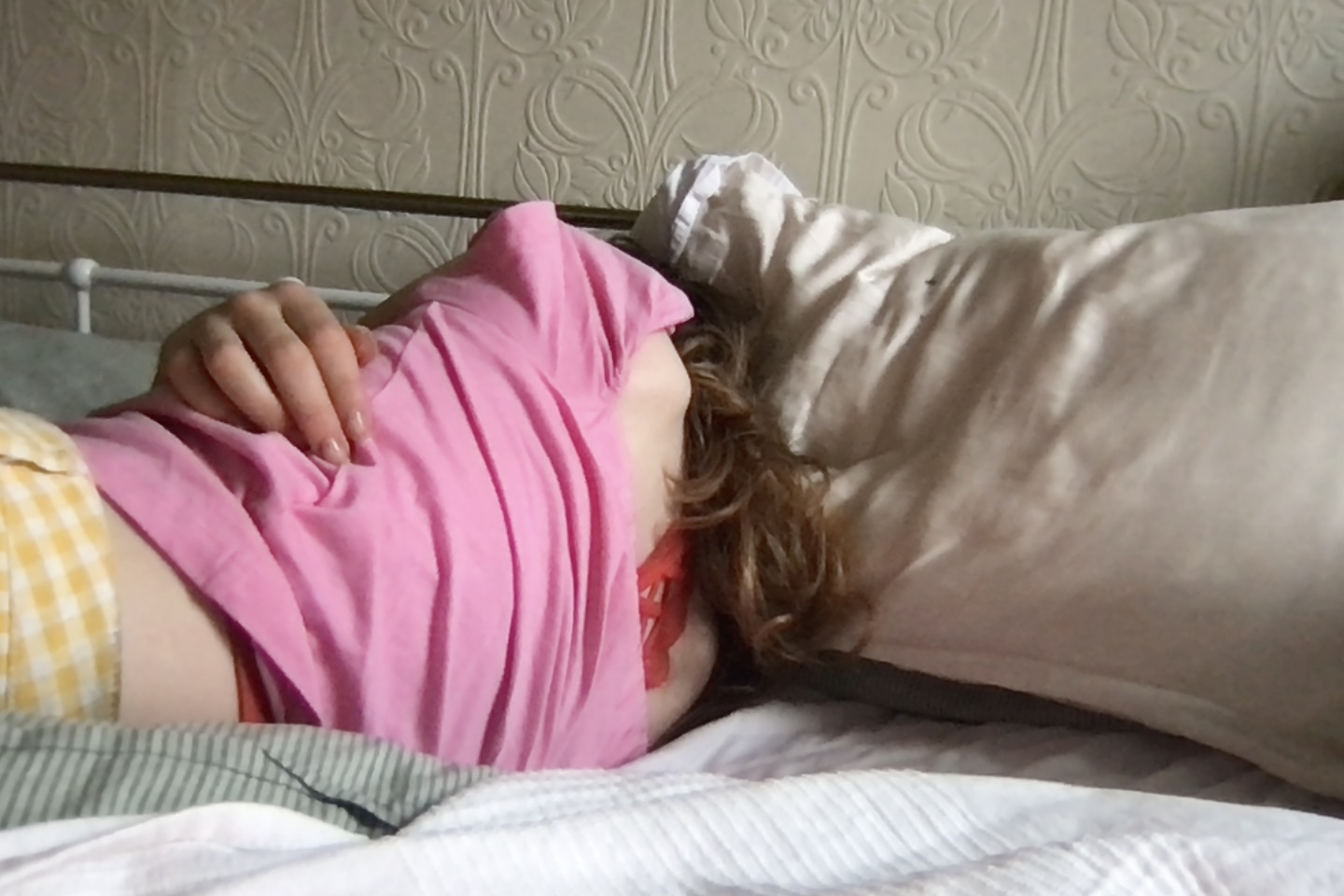
My research currently centres on sleep as a nexus for thinking about energy transition, low carbon pleasure and chronodiversity (the way our circadian rhythms differ).
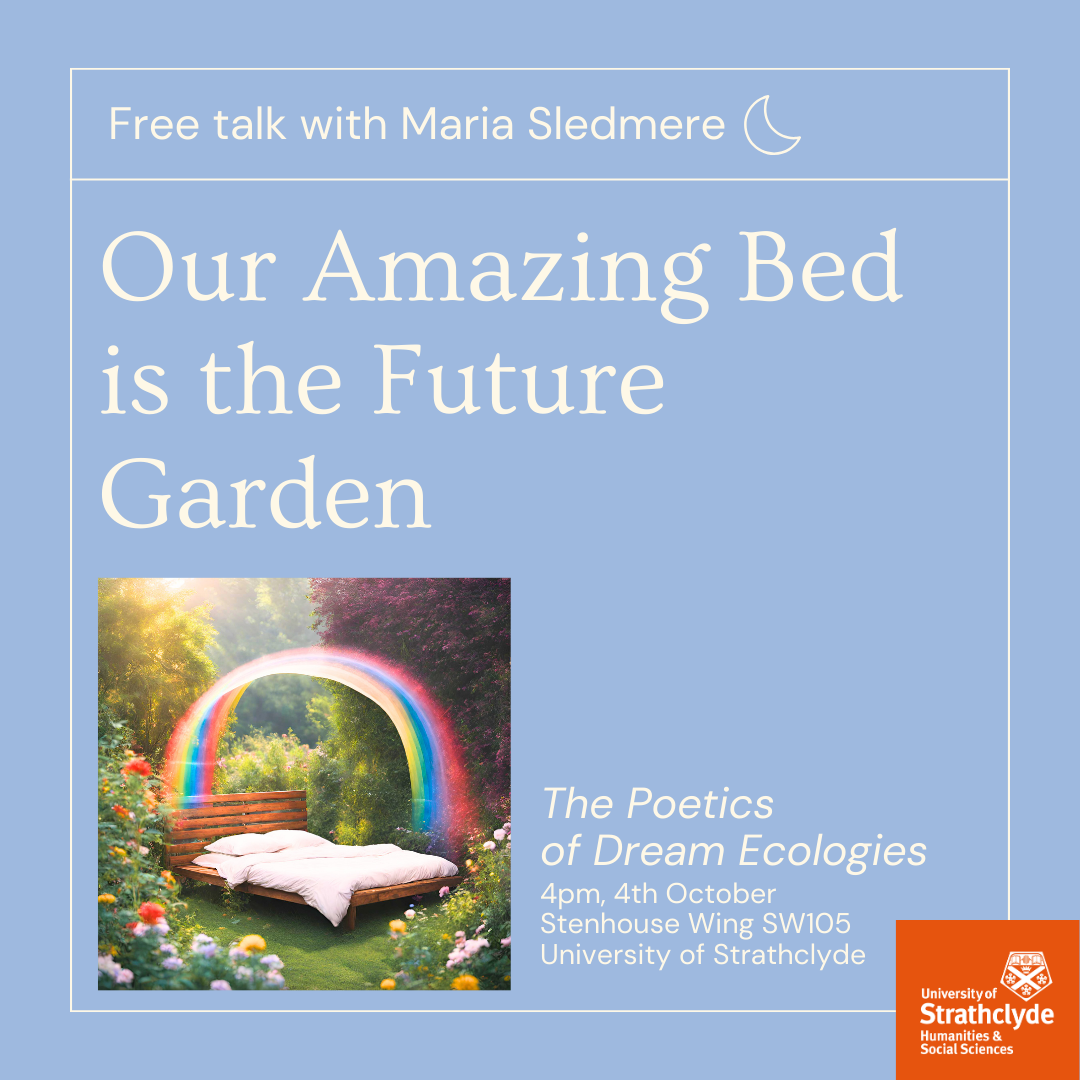
Tomorrow I’m giving a talk titled Our Amazing Bed Is the Future Garden: The Poetics of Dream Ecologies. It emerges from a chapter in my DFA thesis which will form part of a book forthcoming with NoUP Press next year. If you would like a Zoom link please drop me an email at maria.sledmere[at]strath.ac.uk.
This autumn I’ve got three upcoming workshops, two of them with the brilliant experimental composer Kevin Leomo.

Civil Twilight: Carving Dreamtime – workshop with Kevin Leomo and Maria Sledmere
14th October at 5:30pm, Civic House, Glasgow
Get your brain sticky in the pumpkin meat of the circadian and join Kevin Leomo and Maria Sledmere in carving dreamtime as an expression of creativity and low carbon pleasure. As the nights draw in and the clocks go back, we’ll be thinking about how darkness affects mood and slumber. Civil twilight is the brightest of the three twilight phases, where stars and planets might be seen in the sky as the sun dips just below the horizon. By attending to the ‘nocturne’ as a form in poetry and music, we’ll dwell in the possibilities of liminal experience for cultivating ecological imaginaries.
Please bring: Preferred writing materials, If you have one, a reusable coffee cup, headphones and phone.
Tickets are offered on a slide scale: £15 / £10 / £5.
Part of Civic Harvest at Civic House – an Autumn themed day of family friendly activities, workshops and market stalls with lunch from Parveen’s and seasonal cocktails at Civic House Bar!
Tickets
😴
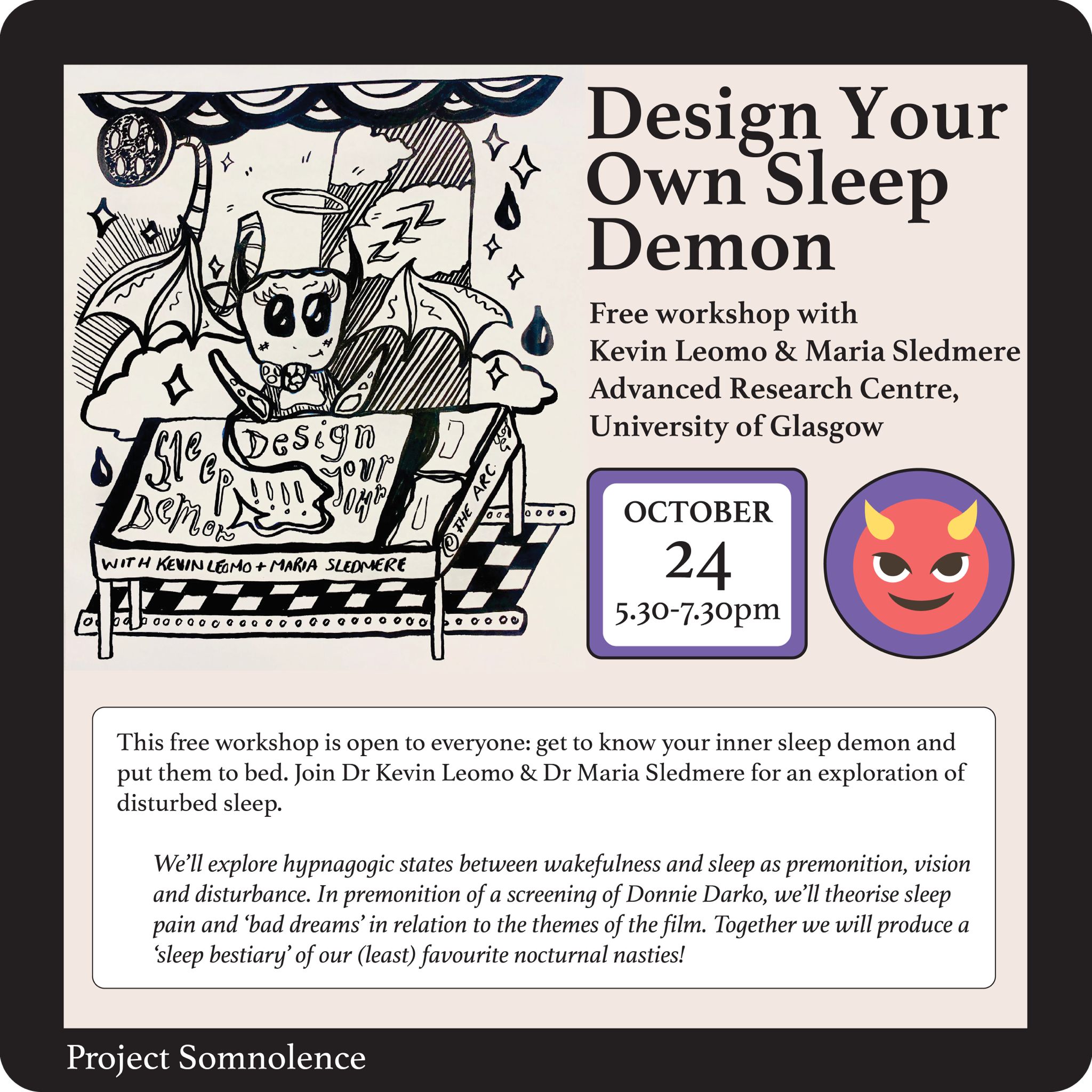
Design your own sleep demon – workshop with Kevin Leomo and Maria Sledmere
24th October at 5:30pm, Advanced Research Centre, University of Glasgow
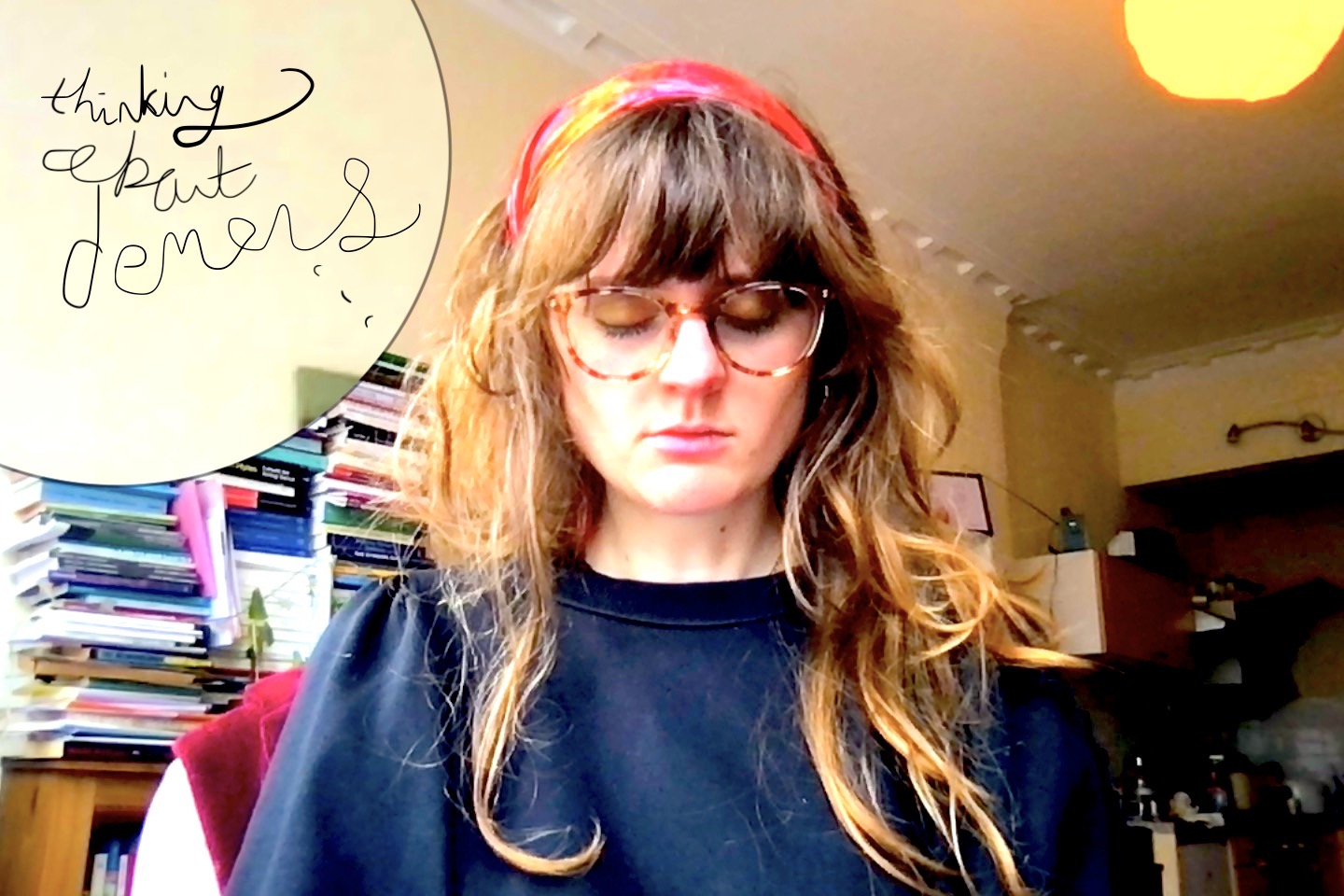
While sleep is a source of rest and recovery, many of us wrestle with disturbed sleep. If you’ve ever had nightmares or found yourself sleepwalking, you’ve encountered oneirodynia. The word comes from the Greek oneiros, meaning ‘dream’ and odyne, meaning pain. Sleep disturbance may be caused by a number of factors: from stress to stimulants, environment, illness and temperature. The eponymous protagonist of Donnie Darko is often found sleepwalking or experiencing some kind of nocturnal anguish. In this workshop, which serves as a primer for the film’s upcoming CinemARC debut, we’ll explore hypnagogic states between wakefulness and sleep as premonition, vision and disturbance. Together we will produce a ‘sleep bestiary’ of our (least) favourite nocturnal nasties, and present our findings before the screening on Friday.
😴

The Poetry of Somnolence – weekend double workshop with Maria Sledmere and Beyond Form Creative Writing
11th and 12th November at 1-4pm (GMT), Zoom
This 2 part series of afternoon workshops prioritise the relationship between writing and sleep. Exploring cross-genre writing, visual and sonic art, we will look at how daily writing practice can recentre our circadian rhythms. From hypnagogic poetics to dream writing, nocturnal missives, dawn songs and notes on twilight, we’ll consider experimental approaches to writing somnolence. All creatives welcome.
Workshop format will combine reading, writing, listening, optional discussion and two nap breaks.
Kevin and I have also been working on this somnolent playlist for your melatonin delectation:
 mariaology