Call for Submissions: Gilded Dirt issue iv

CALL FOR SUBMISSIONS

Gilded Dirt, issue iv

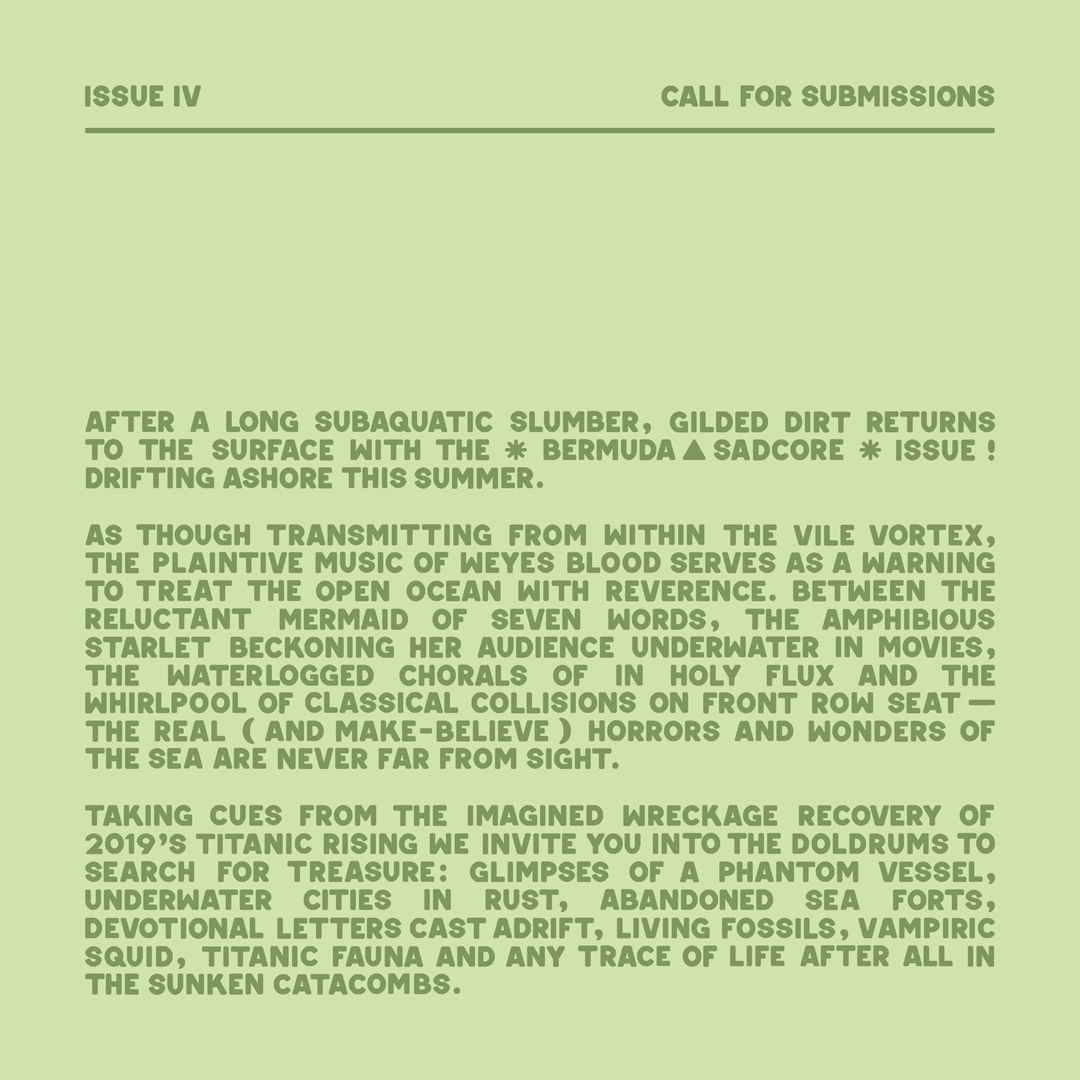
After a long subaquatic slumber Gilded Dirt has returned to the surface with the BERMUDA ▲ SADCORE issue ! Drifting ashore this summer ! 

As though transmitting from within the ‘vile vortex’, the plaintive music of Weyes Blood serves as a warning to treat the open ocean with reverence. Between the reluctant mermaid of Seven Words, the amphibious starlet beckoning her audience underwater in Movies, the waterlogged chorals of In Holy Flux and the whirlpool of classical collisions on Front Row Seat – the real (and make-believe) horrors and wonders of the sea are never far from sight.

Taking cues from the imagined wreckage recovery of 2019’s Titanic Rising, we invite you into the doldrums in search of treasure; glimpses of a phantom vessel, underwater cities in rust, abandoned sea forts, devotional letters cast adrift, living fossils, vampiric squid, titanic fauna and any trace of life after all in the sunken catacombs. 

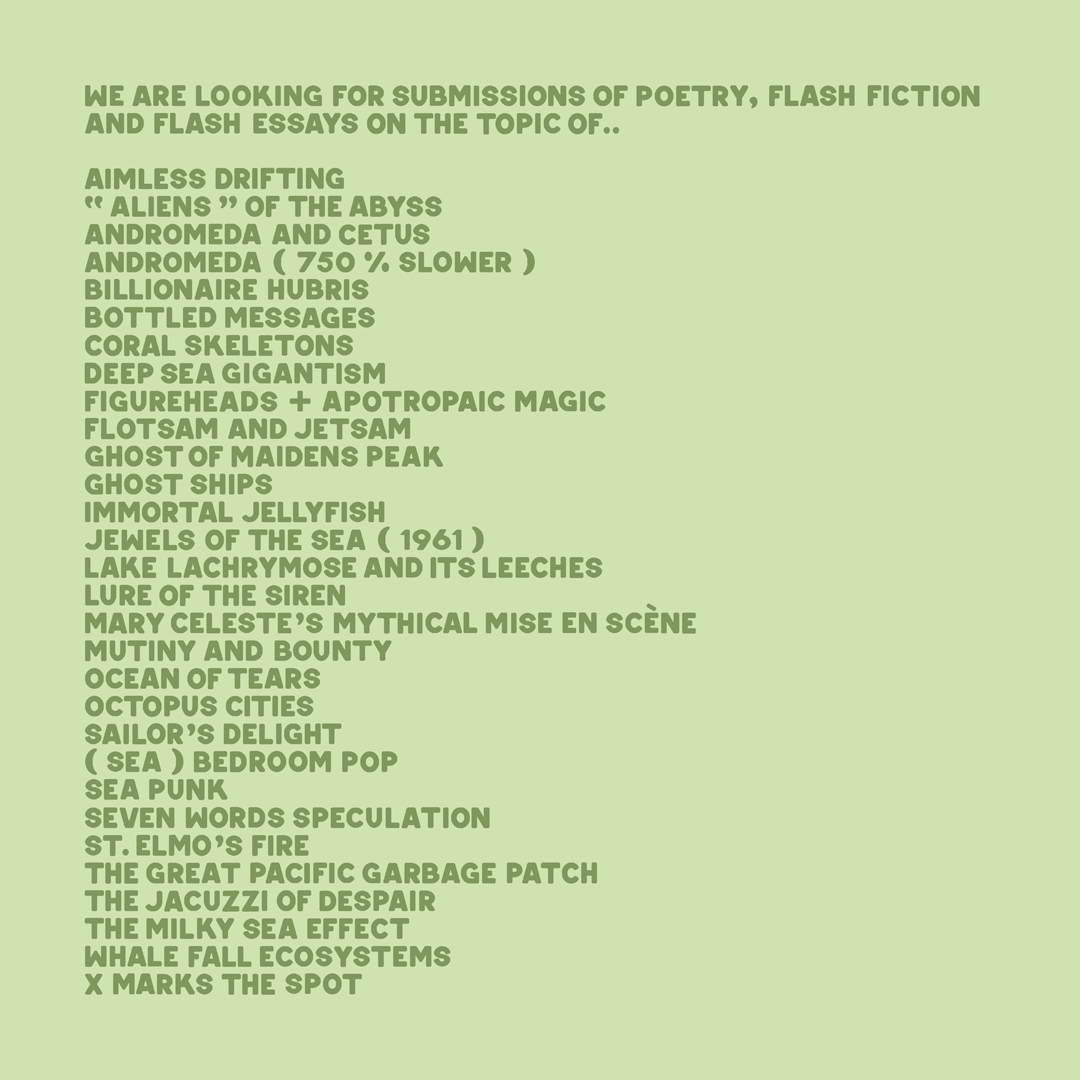
We are looking for submissions of poetry, flash fiction and flash essays on the topic of.. 

aimless drifting..
“aliens” of The Abyss..
Andromeda + Cetus..
Andromeda (750% Slower)..
billionaire hubris..
bottled messages..
coral skeletons..
deep-sea gigantism..
figureheads + apotropaic magic..
flotsam and jetsam..
Ghost of Maiden’s Peak..
ghost ships..
immortal jellyfish..
Jewels of the Sea (1961)..
Lake Lachrymose and its leeches..
lure of the siren..
Mary Celeste’s mythical mise en scène..
mutiny -and- bounty..
Ocean of Tears..
octopus cities..
Sailers Delight
(sea)bedroom pop..
Sea Punk..
Seven Words speculation.. 
St. Elmos fire..
The Great Pacific Garbage Patch..
The Jacuzzi of Despair..
The Milky Sea Effect..
whale-fall ecosystems..
x marks the spot..

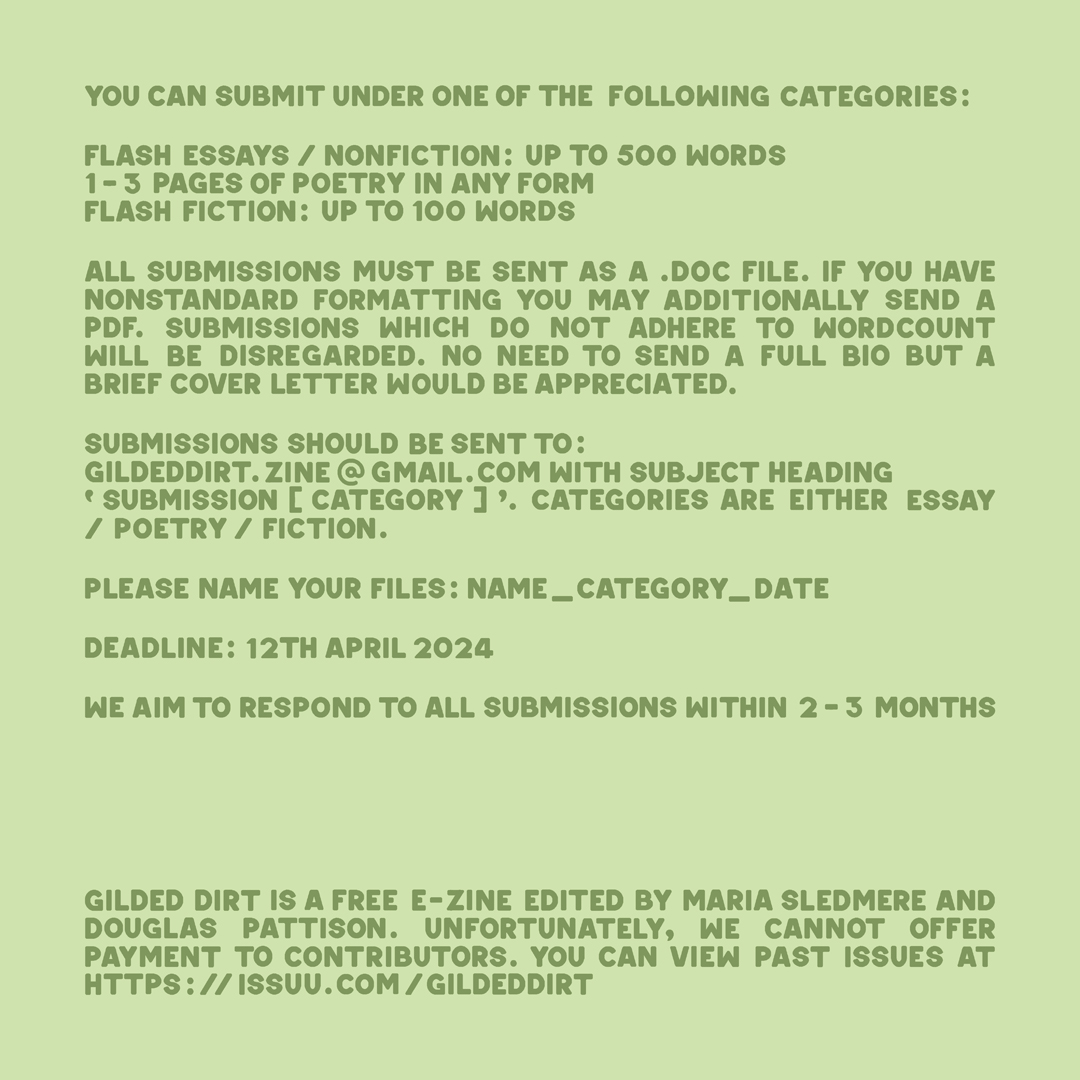
You can submit under ONE of the following categories: 

Flash essays / nonfiction: up to 500 words

1-3 pages of poetry in any form 

Flash fiction: up to 100 words 

All submissions must be sent as a .doc file. If you have nonstandard formatting you may additionally send a pdf. Submissions which do not adhere to word count will be disregarded. No need to send a full bio but a brief cover letter is appreciated. 

Submissions should be sent to: gildeddirt.zine@gmail.com with subject heading ‘SUBMISSION: [CATEGORY]’. Categories are either ESSAY/POETRY/FICTION. 

Please name your files: NAME_CATEGORY_DATE

Deadline: 12th April 2024

We aim to respond to all submissions within 2-3 months.

Gilded Dirt is a free e-zine edited by Douglas Pattison and Maria Sledmere. Unfortunately, we cannot offer payment to contributors. You can view past issues at

GILDED DIRT ISSUE ARCHIVE

A Given Thing

and love doesn’t need to destroy you any more (Weyes Blood, ‘A Given Thing‘)

Our love – ‘For there to be a gift, there must be no reciprocity’ (Derrida, Given Time). To keep loving is the gift, smoke emitted from wormholes, arterial flow of words in their fuck supplement. Had I experienced the kind of crush economy that results in debt and ruinous loves that smudged off years of existence, I would be that smoke. When I realise so much what that love was, given to me, not even to have been noticed, that is the gift. Derrida states of the gift: it is ‘Not impossible but the impossible […] It announces itself, gives itself to be thought as the impossible’. When you are still in love with the love (afterglow) you remain in that trembling verb, having the state, quality, identity, nature, role etc of one in love, given the fact of your waking each day in dream to get worser and worser. I declare this a gift: love bleeds out of me. We were conducting lightning not making love.

sometimes we confuse the dream for one another
we’re just screaming to be closer to infinity
to love everlasting (Weyes Blood, ‘A Given Thing’)

The gift starts and never ends in time: ‘Not only does it make simultaneous what is irreconcilable—gift and exchange—but it occurs only within and according to the form of a preexisting gift: the gift of time itself. […] We are situated within time, we receive time’ (Marcel Hénaff).

That we end is only that our gift is impossible.

Our love is chronic, cupidity, personified time. Our kisses encourage temporal knowledges.

Recall the wormhole scene in Donnie Darko, which is not a wormhole so much as a ‘Liquid Spear Waltz’, theatrical cut of television, the family and the liquid come out of our chests and bellies. I love myself loving this movie. Would it not take you through to the place of conception into the wardrobe of the thought you’d never been here at all, not once, they hadn’t borne you into things, and the smoke that passes over you is not god, but an airplane. Can determinism accept the gift? If I was destined to give it until I am given time in return. Time is all you take from me. You’re spending too much time. I’m all out of time. That is not death but jet lag. Nausea and healing.

‘She can no longer take her time. She has none left, and yet she gives it’ (Derrida, Given Time).

Kiss / episteme / chronos.

Our love is impossible.

We’re all out of time. An earth signature.

We are no longer making it. When the water comes of chorus, the same thing again.

It was that we could never be solid in the first place. Before. We were liquid people poured into the vessel our love would otherwise vapourise, like a couplet. The gift is when you forget. I don’t know why I gave you this in the first place. Love’s amnesia forgets what you were before each other. Loving many people is our ruin. We’re not being love we’re forgetting to live. Literally it lives, this giving to forget we gave each other, and you and yours and our love forgotten is a hole on the other side of the world. It never was a heart-shaped wound in the sky. It was love. It would have been the same if never we made it.

Love satiates itself in the giving over of the word, more language, semantic ever-after: it is perfect when I forget that I love you.

The time leftover of perfect echoes.

The tiny glass statuette of a boy you are polishing.

Chamber music.

 ❥

Reading

Derrida, Jacques, Given Time: 1. Counterfeit Money, trans. by Peggy Kamuf (Chicago: The University of Chicago Press).

Hénaff, Marcel, 2019. ‘Derrida: The Gift, The Impossible, and the Exclusion of Reciprocity’, The Philosophers’ Gift: Reexamining Reciprocity (New York: Fordham), pp. 11-29.

Weyes Blood, 2022. And in the Darkness, Hearts Aglow (Sub Pop)

Grapevine

Technology is harvesting our attention away from each other. We all have a “Grapevine” entwined around our past with unresolved wounds and pain. 

— Natalie Mering

Of course, the flesh of the body and the flesh of the world are one.

— Catherine Malabou

Morning brings indigo gluttony of the night’s dim prizes. I remember a night in February of 2019, the brightest stars in my life we saw above a kirkyard eating chocolate for all the stars. Looking for tickets to see you again, star stuff for popcorn synecdoche of eating the bones of what you believe at the movies, infinity pool, the liminal alimony of the heart you have. I pay it all back which is why skylines exist. At this time of year, we make our own light. I text you all day and all night the text pings resonate without me, though I’m still conscious. This is how I listen to music. Harvest the ricochets until my synapse nozzles are ripe and sweet.

“It’s too difficult” 

the beautiful song in my ear
The Butterfly splitfin will go extinct this year 

“My plastic girlhood obligatory 
wrote a novel you’d never know
elemental love for the noise of horses” 

Electra pastel of giving the lecture

Its voice never falters

Spotify should hire poets to replace the algorithm with iambs

A perfect way to respond?

The album cover of Weyes Blood’s And in the Darkness, Hearts Aglow features a glowing heart which is the idiosyncrasy of love song, gentle and melodic and good and wrong. There is something we say at breakfast about the inexplicable intimacy of an interval, this bit in the song where the chords do this or that and suddenly your heart’s aflutter. Why is that? I feel vulnerable and unclasped by music like the locket of a promise necklace snapped open, opulent. When are you gonna feel okay? 

I like it best when I don’t expect it.

/

Designing the conditions for crying is easy these days. A tiny fly lands on my wet nail polish and departs as lavender.

I used to wander the abandoned golf course and around the monument to see the snowcapped hills and feel it. 

Perished by screaming clouds in my brain.

I am in love with the music of Weyes Blood, we share the same birthday. 

At a recent gig the singer said “thank you all for being alive”. Some people describe these songs as hymns. Last year in the climate rush of COP26 I was cycling around with my bones on fire and freezing. I would show up to the job being stared at, horrible mess of myself couldn’t hide, what do you think of this poem I said it’s a lot to unpack. Why don’t we leave those tools in the box? He says toolbox isn’t so bad. You could just improvise. I don’t look to these men to be mentors but menthols were my first cigarettes, a clothing brand called MEN is like SHEIN you could have MENOUT or menagerie, mispronounced as shine, a giraffe made of glass or a tiny glass seal with whiskers of onyx, weeping. MELATONIN or MENACING, MENDACITY / my avuncular muses of more money have outraged, they will never understand candida. A spanner in the works. No more lies. I’m most men when in lingerie maybe or styling my old surprise, the giant window in a dream wouldn’t close after I’d opened it so I had to go looking for a man to help me, high-vis or high waters our time would come to close it, not until I had escaped. Fled is that happiness. Look at it hardcore. No more lies, no more dying. Your arms in the air.

I heard catastrophe on the grapevine which was snipping guitar strings all the better to hear the lyre underneath, the union makes us strong, picket-cold and trellises our kitten hearts are growing, Natalie as in a new flower or the Minecraft roses coming up fast this year to be eaten by the dreams of spiders. Nicky Melville poem says if you’re a soft person you just get squashed, Sarah once read it aloud at the picket. I pictured a soft orange in the principal’s pocket. Roses last forever even when past their superlative. Shedding their petals to cover our eyes. Bunny put them in cubes to exhibit. Smooth wax skin.

Violet roses.

Ever since my friend with the purple aura died I’ve worn so much purple to find a flame of them, purple flame of my Raynaud’s and holy flux of traumas. What’s the point of poetry, it’s purple. I lilac therefore I lamb. I am on the lamb, I am lambing seasons, turn me into a leaf on the riptide, for I am lost. The clouds are glamorous, in pursuit of beauty’s excreta, a bad era, the best

negentropy saves us from losing everything

Secret blue note.

Wine-dark reverie of the quiet escapade, my late heart 
blooms for the red, the read receipt 
staining your tongue. 

Catherine Malabou says ‘The body becomes worthy of philosophical examination when it is no longer a question of the body but of my body’. Descartes dripping wax on his robes, a lecturer pouring a pan of boiling pasta over his hand in rehearsal; the red welts between two moments, my horrible bleeding thumb. Scarlet clustering of old blood. Say it feels personal, say it is orange or purple. When it started inside me I felt the glow in my chest handed down by hyleticism of data from song: the body electric or incarnate. Menstrual tripping, I saw Kate Winslet literally on fire in fantasy after watching Romance & Cigarettes but she was invincible, what’s this script, literally the fire coming out of her in waves was my love of music. I harboured desires to stub cigarettes out on the wrists of saplings, light them and throw them barely smoked on the street; imagine my child self, scurrying around to collect them, smoking wholeheartedly the barely unsmouldered, especially rose ones. Lemonade’s infinity sunflower. I was so guilty in my treehouse for getting high, higher, highest of them all to bioluminesce in lieu of sunsets, fuck it. The cruelty displayed to our cousins was a lonesome one. What’s that word for when a word is hinged between two things, like flesh stitches that keep skin together and then dissolve inside you — a word that makes sentences make sense in this precious knitted way. What’s Latin. 

Butterfly notifications in my dopamine receptors.

Coffee luxuriance and pillowslips ink-stained with diary slumbering. There are too many images trying to bed us. A stage whisper for the saints. I was born from a chrysalis of synths swaddled in melody all the better to tell you. 

The discourse is banana-bruised and overly ripe in your bag.

Perfect oracle rosehip tea.

You can’t fully vanquish chaos but 
on the phone
at a planetary scale 
your mouth an aquarium, spilling numbers.

It’s okay that I died, and you died a little bit that night
we all did, really.

A friend is on the phone trying to renew medication. The record-breaking temperatures have lost their meaning, as in a lost glom of mercury swallowed by me. The Butterfly splitfin is in jeopardy. I have never fixed on a form for these cramps in language. The males intensify in colour when excited. The young are entirely silvery. I want to go on the profiles of the gentle ones and swim with them; you don’t need these comments, you didn’t need these things. The internship of being elegant more insect is fading. At some point

I wanted to drive. I was a girl toy and thought of many plastic cassette cases filling up the doors, the backseats with sugar. The idea of analogue as shadow, scrolling magnetic and stopping. I’m glitched by the ache which is lightening, gloss, disquietude, gelid. Girl drivers filling the roads, pouring concrete from their jars of face creams into the sea and beckoning 

to make love on the white lines, almost drifting

you were there, you were swimming, 

our worlds elided

I wanted to drive you to the sea cliffs of skyward to breakfast on blue. 

Natalie and Lana sing of the body California incarnate, plasticity glowing emails,
eyeshadow blue as in Bowie

my exospore of the hokum knowhow, excessive sentiment, hearts aglow

That house over there. That home over there. A palm. Analgesia of the sea.

Ghost for your thot

organology of a negative situationship

Catharsis polaroid still develops in my purse of us, you’re blowing out blue smoke in the dream, I’m bowing out. The eye emoji, heart stun soft mote. 

And in the darkness…

It’s good to be soft when they push you down

[…]

Such a curse to be so hard

Lightning bolt award for being born at all.

I used to chew beads and often swallow them

C. said so inside you it’s like the anthropocene

many plastiglomerate organ marias 

menstruating rainbows

What someone called my emotional Teflon was melted by your white-hot non-logic, almost like heroin of the pain I was in, as if to have a little blister polishing her oysters. Why is there no word for girl-come

or the tragedy of icepacks.

Kept panic-crying at the idea of sleeping

and did it until the blood vessels burst around my eyes 

which are sea-coloured and colourless, unseeing.

Divine & oversized teardrop:

I bought this not on etsy but via the estuary, quartz time, I dreamt a skipped ad and heard myself in the rearview mirror bound in leather. Here is a lilac wine and the name of that bone in your chest, flagrant sternum of the lonely highway, pulling your jacket to keep warm

picking pearls off your shoulders, all the better to lick this neck

in the flesh of the road

Bernard Stiegler says the relation entropy/negentropy is really the question of life par excellence

a pair of glowing red eyes

Buying more dreams at the pharmacy

of lurid blue

your poor wee cold sore

sky porn falls into humming. It’s free, it has to be. 

Anything lost at the point of service.

There’s so much I wanna say about this album

holding me tight

I wanna tie the lights

and go off to hear it shimmering beneath the moon, whose memory 

bruises 

rosemary

real blood from your forehead

and the shadow of the one who 

was yours

a long plague 

season of neutral sensation

new motor neurons at the cosmic dawn

tripping cured my parosmia somewhat I could smell sauerkraut, frying onions, coffee, kerosene my only name the body odour of the shadow you loved 

I can’t tell the trees from the shape of lightning

in subtitles

spiralise my love for the seventies 

in edible language

flares in the highlands

the problem is not being affectless

but totally loving too much

all the tautology of stardust

let’s take the motorway route to ride our souls 

under sunblock and metal sculpture

you feel balmy here, less exposed, fear of 

merging

what we are

white hot collision

emotional whiplash

Emerging triumphant the dawn is a fog machine it is only October, none of us a sweetheart neckline could finish the sentence 

swishing our way to ceremony

music makes sense

instead: a down & dirty musical set in the world of italicised starlings

which are assholes

because of radiance

for the love of original mud which connotes the whole story

they had to take flight

The body of both selves is ochre like in Husserl the real world is everything

a dialectician of starlight

Morning gluttony. Grasping. A worm in your blessing

fragile apples on the counter / collect to rot.

The real era was gradient and dependent on what Merleau-Ponty calls illness, ‘a complete form of existence’. I lost a normal form but what I found was the shimmer conundrum of the shape of you, California, a rice harvest of shiny red-blue tears to grow a purple flower, you guessed it. 

Possession. 

Pearly beads, the slasher heartfire of a bold new vision 

touching me soft jealous of cornfields

Hellbound in egress, dark glow, December’s acupuncture of clouds. 

How can something so big feel so cosy?

The creature is god.

Told myself I’d scrub mould from the bathroom today. Flux glow from the dirt that is given us to know the worst.

A given thing: music is grieving.

I wrap the vine around me in the hope of fruiting, or any violet outcome is fine. You bake a good pastiche like an electric goddess, cancelling plans all the better to scream at the stars. 
Loop trope. 
Hold yourself soft or hard, by the collar or hand, by moonlight
tripping in Finnieston
and in Yorkhill and by the masticated night 
which is always online 
in the digest of even the worst
‘The Flower Called Nowhere’

Mothering the subgenre of oblong buildings, bliss our heart this hurt. You essay your way to music but is it not your allergies that crystallise accomplice to the throat of time? Thank you, thank you for the mystery. It’s so late.

And we love this crescent moon 

for all intelligence is the art of rupture

Falling asleep at the movies 

And I am choking for a sweetness that really sees me.

~

Some italics are lyrics taken from Weyes Blood’s And in the Darkness, Hearts Aglow (2022).

Sleep Felt Productive

cn: mention of bulimia; spoilers

It’s been a fair while since I posted. Struggling through Covid, another supercold (emerald phlegm forever), more transitions, finishing my thesis, April snow, more streaming of the body and ache, but here we are. It’s good to get words down. I can’t smell or taste anything at all right now (coffee is just…neutral earthiness, sweet potatoes are…mush of the orange variety, bread is…send help) — so the vicarious pleasure of language is all the more heightened. Sometimes it’s a barrier: why read about anything when your senses don’t respond? I’m drawn to the elliptical which doesn’t hold me for too long. I want to be let go or dissolve a bit. Like eking my reading through a fine mesh of muslin, a semi-permeable membrane of comprehension. Or pull it over my head, this paragraph, the whole fabric of the thing. I was gonna write about a month’s worth of reading: mostly while walking west to east along the polluted, outer commuter belt of the city; on trains between Glasgow, Inverness, London, Leeds; in frail, unwaking mornings; at the park, in that golden week, sitting in the grass with salad from Juicy and daffodils. Instead I wrote about sleep.

*

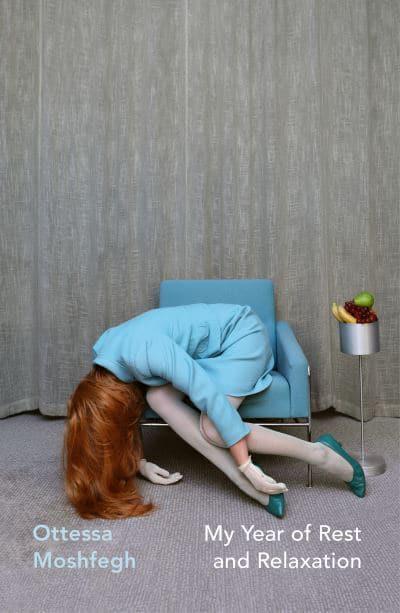
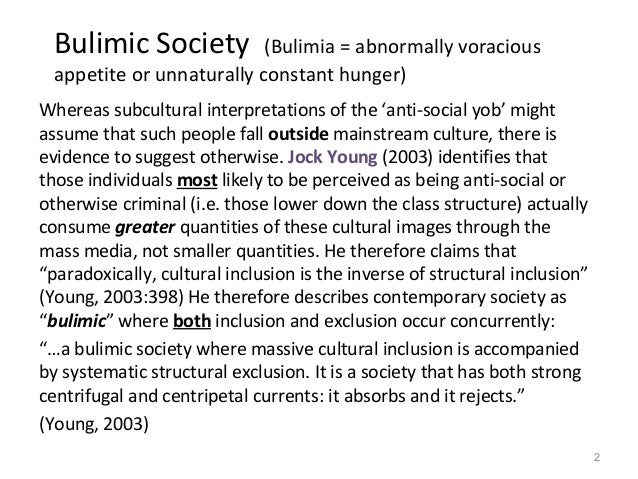
Finally I got round to reading Ottessa Moshfegh’s My Year of Rest and Relaxation (2018), a book I wanted to read especially because a trusted friend described the ending to me as ‘disappointing’. I love to glut myself on disappointment. For some reason the novel produced a similar effect on me as Tom McCarthy’s Remainder (2005), in that the pleasure was all in the premise. I would love to exist endlessly in the loop that is prolonged sleep or the reconstruction of a highly specific sensory memory. I want these novels to just go on and on like that. Of course, there has to be escalation, as per the rules of plot or ~human nature~. Is it true we can’t circle the mobius loop forever? That after a while the pleasure is desensitised, and we need to dialup on the extremity? McCarthy’s novel sort of preserves that perfect figure of eight in its set-piece ending, and you’re left with the image adrift to loop back on the primal, inciting moment of falling debris and trauma. I found the Moshfegh ending ‘cheap’ in that it seemed to cash in its bulimic character for a kind of tragedy whose fate was to fall. Bulimia, I can say, is generally an experience of permanent insolvency in the body, resulting in a loop time of binge and purge. You pay the debts of fasting by devouring; you pay the debts of eating by purging and fasting. Rinse, brush teeth, ouch, repeat. The sociologist Jock Young talks of ‘bulimic society’ as one where the poorest and most marginalised are often the most culturally enmeshed in the desperate iconography and desire economy of consumerism. The most excluded populations, according to this view, absorb images of what is apparently available under the veil of late-capitalism; but simultaneously they are rejected from accessing this culture themselves due to material inequality and class difference. As Young puts it: ‘a bulimic society where massive cultural inclusion is accompanied by systematic structural exclusion. It is a society that has both strong centrifugal and centripetal currents: it absorbs and it rejects’. But does capitalism spit us out or do we boak back? This is why I am scared to go on TikTok, like fear of lifestyle saturation to the point of nauseating breakdown.

Often powerpoint slides defining bulimia for this sociological context mention an ‘abnormally voracious appetite or unnaturally constant hunger’. In Moshfegh’s novel, the character Reva (an insurance broker) is constantly eating or constantly fasting; something our protagonist describes with pity or nonchalance. Reva is tragic because she wants too much what the protagonist effortlessly has by birth: beauty, thinness, style, money. Thinness is kind of the ur-sign for WASP privilege in the aftermath of the heroin chic fin de siècle. Reva is jealous of the protagonist’s weight loss, steals her pills. Both women are after control (or its relinquishing) in a world in freefall.

This is a period novel: set in the early 2000s, New York in the lead up to 9/11. It’s full of that inertia following the boom of the 1990s. The desire to just sleep in the unit of a single year is like a microcosm for not just an end of history, as per Fukuyama, but a refusal of history altogether as this thing that keeps growling, accumulating, disrupting sleep. I kind of buy into Reva’s bulimia as something about the consequence of being voraciously invested in a world that wants to expel you, sure. The sky’s big whitey’s the limit around Manhattan. Chewing on this feels productive. The violence of the novel is primarily in the gallery where the narrator starts out working. The gallery’s prized artist, a young man called Ping Xi, has these ‘dog pieces’: a ‘taxidermied […] variety of pure breeds’, which are rumoured to make their way into the artist’s exhibition via premature slaughter and industrial freezing. The work apparently ‘marked the end of the sacred in art’. The narrator is kind of offhand disgusted but eventually comes to identify with the young animals in the freezer, waiting to be thawed into art. Writing can be a bit like self-cannibalism; the denial of which leaves you stoked for a snack.

There are several kinds of hunger in the novel: primarily for sleep and food, but also for meaning, intimacy, loyalty. Love is a strange relation that moves uneasily between two girlfriends whose friendship is based on a premise of inequality and co-dependency. The hungers are sated by devouring emptiness. Sleep, junk food, fleeting talks. That bit in Melancholia where Justine screws her face up deliciously and says the meatloaf tastes like ashes. When I realised the same of my dinner, I didn’t even react. 

We look more peaceful when sleeping. It’s worth lauding, like Lana singing Pretty when I cryyyyyyyyyy………….

O, and the concept of the sad nap:

There was no work to do, nothing I had to counteract or compensate for because there was nothing at all, period. And yet I was aware of the nothingness. I was awake in the sleep somehow. I felt good. Almost happy.

     But coming out of that sleep was excruciating. My entire life flashed before my eyes in the worst way possible, my mind refilling itself with all my lame memories, every little thing that had brought me to where I was.

(Moshfegh, My Year of Rest and Relaxation)

The brutal awakening cashes in on the extra expenditure of napping. I’ve written in a poem somewhere, ‘I wish I could sleep forever’. It’s different from wanting to die. It’s more like, wanting to feel aware of the nothingness and calm in its premise. Nobody needs anything from you and you can’t give anything back. It’s restful or at least prolongs the promise of rest. Stay awake super late to relish the idea that you could go to bed. I don’t remember the last time I woke up feeling energised by sleep. </3 I remember listening to an interview with the editor of Dazed where he talks about sleep being his great reset. I remember thinking wow sick cool. Whatever mental health thing he’s going through, sleep will heal it. Sleep can otherwise be a kind of emulsion of depression. You’re in the weight of it spreading right through you. I carry sleep along even when I don’t ‘have’ it. 

I want you mostly in the morning
when my soul is weak from dreaming
(Weyes Blood, ‘Seven Words’)

I used to wake up extra early before school to steal back from sleep. I felt sleep would eat me alive. I used that time to browse the internet, write, read. Eat shitty muesli. Puke. 

I’d sleep in class. Teachers would bring it up at parent’s night. I just couldn’t understand why everyone else wasn’t regularly passing out over their schoolbooks.

The perma-arousal of bulimia is a counternarrative to the inorganic sleep cycles pursued by the novel’s main character. I got a similar vibe from watching Cheryl Dunn’s Moments Like This Never Last, a documentary snapshot of the pre- and post-9/11 world of New York’s underground, showcasing Dash Snow’s graffiti and outsider art. Dash is always cheating sleep to go tag, paint, take pictures. There’s a ton of cocaine and consequence. 9/11 had toppled right through all of that leaving a wound. You know by the law of entropy that it can’t be sustained, this life, writing on the walls and all that. Maybe tagging is also about a kind of hunger-purge. Colour’s aerosol vom marking time, presence, ideas. It’s permanent, but then someone can just go clean it up; the ultimate fuck you.

Whose space does this belong to? Remainder is a novel about gentrification, the white guy’s obsessive reorganising of London spaces as precursor for the gentrification of Brixton. A novel of the zombie flaneur, fuelled on flat whites, iPad swipes and vape juice, as Omer Fast’s 2016 movie adaptation brings into focus. Moshfegh’s novel is set around the same time, but her protagonist is decidedly not a flaneur, even if she carries that vibe of the waking dead. She barely leaves her apartment to get coffees from the local bodega, and when she does venture further it has all the amnesiac disaster of a night on the NY tiles with Meg Superstar Princess, furs and all. I find this zombie existence an irresistible metaphor for the numbing effect of late-capitalism: we are overstimulated and aroused to the point of just turning off. It’s banal to say that, sure. What’s great about the Meg Superstar Princess blog girl revival is the way the writing itself is charged with like, full off-kilter zaniness. The opposite of zombie. It’s like barhopping around A Thousand Plateaus — cheap wine in one hand, vintage Android in the other — to the tune of Charli XCX and it’s absolute chaos: ‘spitting e pillz out my mouth, trying to live normal, disco n apz’. You get smashed. You’re alive! I’ll have it in writing because I can’t really have it elsewhere rn, the same way I sleep but I can’t really sleep. Apps (f)or naps?

For all this tangent on (post)pandemic hedonism (let’s say post to mean, posting and not to signal some wholescale shift in era), it’s weird how history just hits you in the face at the end of Moshfegh’s novel. Falling debris, bits of glass. Words:

On September 11, I went out and bought a new TV/VCR at Best Buy so I could record the news coverage of the planes crashing into the Twin Towers. […] I watched the videotape over and over to soothe myself that day. And I continue to watch it, usually on a lonely afternoon, or any other time I doubt that life is worth living, or when I need courage, or when I am bored.

(Moshfegh, My Year of Rest and Relaxation)

Earlier in the novel, she’s frustrated when someone replaces her VCR player with a DVD player, even though she doesn’t have any DVDs. She kind of hates the concept of the DVD. She likes the process of rewind. Video tapes, with their seriality, make you confront duration; whereas DVDs allow easy random access to specific scenes. The over and overness of Moshfegh’s careful, clean, lethargic prose is at once soothing and disturbing. When the pandemic first hit, I couldn’t stream anything because the thought of having all that content at my fingertips seemed appalling. Like accessing a trillion orderly dreams of someone else at the very moment I couldn’t even touch another person. Maybe video tapes would’ve been different. The residue of wave matter at the edge. The analogue sense of fossilised images, decaying in visible time.

In a poem called ‘Along the Strand’, Eileen Myles is like,

The times of the day, the ones
with names, they are the 
stripes of sex unlike romance
who dreamlike is a continuous 
walker

I love the rhythmanalysis of daily life here. VHS stripes in descending order of luminance: white, yellow, cyan, green, magenta, red, blue and black. How the speaker clings to named moments of the day as like khora: receptacles unseen for adhesive feelings. ‘Vigorous twilight’, ‘noon’ you slip into, ‘Morning’ as ‘something / I could stay with’. The times of day are lovers. If romance is continuous walking, there’s not a lot of romance in My Year of Rest and Relaxation. So after reading the novel I’m sorta stuck on wanting the romance of sleep again. Exhalations as stripes of sex. Like when you have a new partner and after a few weeks of breathless sleeplessness suddenly the first thing you realise is how well you’re sleeping, like being beside them all night just fixed your life. And so to be in love you know noon tastes different, and twilight has a lilac halo. And you’re sharing this shiny sticky static in the air like asterisks, so much more to say.

*

Sleep. After a long walk, I remember circling South Norwood Lake and humming Elliott Smith’s ‘Twilight’, because of the time. You asked me to sing it. I had a low voice, a high voice. I was just waking up; the air was all lavender, leaves in fall. 

I don’t want to see the day when it’s dying.

Playlist: December 2019

IMG_9718.JPG

There is this Anne Carson poem, ‘God’s Work’, which ends with the line ‘Put away your sadness, it is a mantle of work’. By chance, I was reminded of the poem via some post on Instagram that came up an hour ago. I want to think about this ‘it’, like how it is the sadness and also the work, and the pronoun of living, the abstract embodied. ‘Mantle’ is something that covers, envelops or conceals, it is a portion of the Earth, a sleeveless cloak or cape. Is it also the bevelled edge of a door? One can be mantled with a blush, the mark of a covering shame. Is it a mantle of work to hide your sadness, or does the ‘it is’ refer to some other thing whose outcome is that we must put away our sadness? We must close a passage of time behind us? Notice I am switching to a plural pronoun, because I have entered the poem, sharing the position of both addressee and speaker. I am the the person with this feeling; I am the person addressing this feeling. To speak at all, I am doing the mantle of work. There have been these tectonic shifts in my life of late, the underlying move or loss that is a portion of everything. ‘Put away your sadness’ asks you to imagine a physical form for the affect, a classic poetic move: my sadness is a bird, my sadness is a stone, my sadness is a rose, a scrunchie, a sea. These are things you can put away, tie back; or you can hide with a cloud, or you can dive in. Typing in ‘my sadness is a’, Google suggests: 

addiction
a smile
a father introduced
a souvenir
a smile
a text
a joyful dance
a science

It seems these things are all correct, at the present moment. For instance, I drink from this mug and I think about Prague, and how it looked in the rain of a flickering image. That is a souvenir, but it is somebody else’s rain. The internet offers ‘Healthy ways to deal with sadness’, ‘Why am I sad all the time?’ and the old adage, ‘It’s okay to feel sad’. I have been reading Heather Christle’s The Crying Book (2019) and Joan Didion’s The Year of Magical Thinking (2005). Didion insists, ‘The way I write is who I am, or have become, yet this is a case in which I wish I had instead of words and their rhythms a cutting room’ where one could ‘touch a key and collapse the sequence of time’. In one of my favourite Laura Marling songs, ‘The Captain and the Hourglass’, she sings ‘Behind every tree is a cutting machine and a kite fallen from grace / Inside every man is a heart of sand you can see it in his face’. I love the pessimistic, teenage fatalism of this album, Alas I Cannot Swim (2008), its jump cuts of warning and love and familiar pain. Is the man the whole of humankind, or men in general? What if instead of words we had the bark of a tree, its abrasive shavings; a shaven novel or heart of sand in which to bear our suffering? Dissolve is imminent. There would be the rings of your life, the brief achievements of flight, but then the fallen linen, the tired old string, the particles blown. Didion wants it all at once: a simultaneous display of the frames, the scenes of a life. You would then choose what to cut, reassemble or stow away. What doesn’t matter to be dispersed. In the cutting room, a mantle of work is required. And what of the work that is to write who you are, when what that seems is only pencil shavings, sawdust and woodsmoke? 

I have not walked in the woods for so long, and the last time it was with you. But let that not be the last. I was cloaked in so many layers; I could not get rid of the cold. It was a damp and green, needling feeling. It was not so much inside as around me

Heather Christle puts it really well, this question of the cutting room and the cry: 

Maybe we cannot know about the real reason we are crying. Maybe we do not cry about, but rather near or around. Maybe all our explanations are stories constructed after the fact. Not just stories. I won’t say just.

It is a relief to write while crying. There is something comforting about the simultaneous flow, as though letting two substances at once run through you: one being language, the other chemical; each in a woven relation. Crying, then, is the anarrangement (ana being Greek for ‘up, in place or time, back, again, anew — OED), of a state of things that are happening in life, in the body, in the social, in various temporalities. There is the before and after of a break; there is the running on, running behind, the sense of feeling this from ‘above’ or ‘below’. Like when for ages I didn’t properly eat the world was a glassy thing I was seeing from underwater, poking the ripples, falling backwards. To cry is to indulge in both prolepsis and analepsis, to slip and collapse, to blur and feel into. A friend says, you have to work through and not around it. I try not to cry about, but recognise the ambience of sadness. I won’t know until later what is really happening, what narrative this can all be placed in, or slip from. 

Somebody nearby is playing a flute really badly. 

The chime of a text message. It’s okay to feel sad. 

In the office, friends and I exchange tales of election night. One of us is trying to fix a puzzle, the other drinks for sorrow; there is a mutual sensation of violence which can only ‘end’ in blackout, keying a car, throwing a punch, posting a rant or falling through sleep’s amnesia. For a while, I could only listen to songs that came out before this happened, and before the Tories were a bad new government, which felt forever ago. 

What if daylight itself became elective, and that was the bold democracy of what it was to enter a day. Do you choose the light, or does it summon you? I just make playlists.

The moon has been flagrant of late, or was it right before. I remember seeing rainbows around the moon for days at a time. I remember that seeming too much, like I’d overdosed on the dust of this planet, like there were molecules of colour in my nose I could not sneeze or shake out. Like there was a terrible high about to happen. 

I have not seen the moon at all this week. 

I write this raining. 

A thought of the before and after which remains unfixed and semi-colonic. It is to say and not say of what was said. 

There is a special release in crying by bodies of water. I believe in a clairvoyant sadness, one that predicts some upset to come. It is the body’s sincerity of knowing. So you cry by the sea, or lately, a river. All that I have. Cry your eyes out by the Clyde. When you arrived, I was reading about the horror of purple, that ‘which hurts both sides’, ‘the horror’ (Hannah Weiner, The Fast). I wear it around my sleepless eyes. It is a bruise colour, the muscular failure to move through the day; it is a pile of clothes, a burgeoning energy of the horror. So I turn to blue, which is a star, or a gas flame because someone is cooking. 

That line in Joni Mitchell’s ‘A Case of You’, from Blue, a lifesaver every Christmas, which goes, ‘Just before our love got lost you said / I am as constant as a northern star’. And it’s that ‘I am’ that I like, the moving throughness of it, the insistence that this is and not was. Because there is something of forever which is getting lost, or a wound that is hidden and cannot be healed. That is forever opening up. For we were so close, a year ago. And of course Joni flips, deliciously, to the mundane. She asks ‘Constantly in the darkness / Where’s that at / If you want me I’ll be in the bar’. As though to look down in your soupy negroni, you would find that hot abyss from which love is turned, over and over. And maybe you’d shed a few tears in it. And you’d struggle to say the location. 

I remember dressing as a wise man for a play at school, wearing a homemade crown and parading slowly towards a manger. Somebody was acting the part of the star, and we followed them. 

Somehow in a notebook I wrote, ‘I am going to be fine. I am going to shine at it’. To be shiny in this being fine, I wrote that in a café and I remember my hands were trembling, my earrings were not real gold. 

There is this dream from last night where I wear a blindfold made of a banana leaf, and you are helping me cross this road, this road that is river. 

In Goodbye, First Love, there is a hat that floats away in the river where Camille is swimming. This happens at the end. It is either too late or too soon, and she is crushed. This is the wiki summary. From the film I remember the widening shot of the river that flows on but closes, and the sunlight, and crying as I watched this at six in the morning, after reading about it on somebody’s blog, the link now lost. It was almost spring and I had not cried since winter. Back when I would add things to my weekly list like, ‘more on lattices’, ‘a setlist’, ‘a more explicit weave’, ‘reply’ and ‘pack’.

Writing this now, am I attempting to ‘put’ this ‘away’? 

When he tried to be practical, mentioned ‘In the long run…’ I could only think of that song by The Staves. It was a churlish note, curled at the edge and not mine or yours. That night, there was a cat called Olive, a taxi to Greenbank, sleeping in a friend’s sister’s bed, waking up face to face with Sophie Collins’ small white monkeys again. In the notebook I had written in a slurred hand, ‘I wish I would cry now but I feel afloat’. It was the elated tiredness, the denial. I had a freezing shower to cool my shame. 

Climate breakdown is also a breakdown of the heart. We have to admit that. Something is always stinging, ‘I’ve been thinking’, a mug of hot water. I could not sleep, I was reading Clarice Lispector’s Agua Viva in fits and starts, which is perhaps how it demands to be read:

I swallow a mouthful of blood that fills me entirely. I hear cymbals and trumpets and tambourines that fill the air with noise and uproar drowning out the silence of the disc of the sun and its marvel. I want a cloak woven from threads of solar gold. The sun is the magical tension of the silence.

A spoon of blood, not sugar, not jam. It is the hot lump in your throat when you cry and the blood that is anyway. About to. Remember I bled for thirteen days, or was it more. It was because of hot liquid, a rush, a pill. How you nourish yourself or not. A friend says, when I cry on buses and trains I listen to specific kinds of music and pretend I’m in a movie. Is it detachment we want from that? Would there be cymbals and trumpets and tambourines in this movie? I want you to put me in it, the noise. I want to stand at the front of the gig, be buffeted. I want to be bashed around like a note that won’t break from the instrument. I want to find a post-it note stuck to my back, but what should it say? Over time, I garner respect for the sun. It is not that my nocturnal years are ‘over’, but I am wondering what it would mean to truly love and rejoice in the sun. The giver of life, not Byronic darkness. To lie in a colourless sea. What would this clarity that Clarice writes of look like, the woven cloak of ‘solar gold’, its ripples? Is it the mantle one could wear to cloak a sadness? But what if the sadness was the clarity itself? I say, I think you are brilliant. It is a mantra. It is a giving away. When the van swerved and nearly hit me, I felt the sunlight so incredibly brightly. The east coast, the sense that this was someone else’s morning. The silence remains still, and I look for it in that ‘magical tension’ of the said and unsaid, and I am doing what Didion does with her grief, the magical thinking that is arranging all these scenes at once for something to emerge as possible. That is trying to sort a timeline or feeling yourself ‘invisible’, between things, the living and dead, an incomprehensible love. 

In Ariana Reines’ recent collection, A Sand Book (2019), the pages of the final section, ‘MOSAIC’, are black. She introduces the scene that prompted this section with italics, 

The sun’s warmth kept filling me, and what had begun as a slightly above-average warmth kept growing. It was starting to fill my body, and just before I totally surrendered to it, I had the inkling this might be something like the “bliss” I had heard about in old books. I had to sit down.

What is relayed as a religious experience, a spiritual experience, is then a series of transmissions (‘MOSAIC’ is in reference to Moses). But it is also fundamentally a solar experience. I think of Laura Marling’s heart of sand, something grazed by a coming warmth, the lap of a sunlight like the sea. A hot liquid thing that is coming inside me, causing the bleed, the bliss, the generous massage of some hormone. It is embarrassing writing, it demands a hot bright mantle. To feel it, feel through it, you have to sit down. You might go to the bar, as Joni does. In fact, I write this lying in bed, as is often the way. There is nothing to set out for or plan, so much as the needling of this ‘inkling’. 

I go to see Little Women, and focus on Jo’s ink-stained fingers.

I have not been ‘on holiday’ for so long but if I did I would make a solar panel of my opening chest and lay where the river and the light would take me. I think the black space on Ariana Reine’s pages is just as important as the whitely capitalised text, ‘EARTH IS SPECIAL […] THERE IS NO “BACK” TO GET TO’. We can’t get back to any bliss other than what is felt in the present. And there has to be so much energy. Put down your phone.

Dorothea Lasky says she tells her students ‘not to have a plan, but to collect things and poems and then put them together’, there is this ‘holy idea’ of ‘emergence’. I write mostly by assembling quotes I like, streaming things down (for to ‘jot’ implies a decisiveness, an almost violence) whenever they do or don’t make sense. Text myself so the thought is received as though in reply. I have all these poems from the month I don’t yet know how to assemble. They are as much of the rain as the rain. Someone comments on a fresh sense of ‘scarcity’. 

I wish I had a river so long’. And there is no snow here. The lines feel hard and overly sweet. 

Candy canes hang upon the tree.

On Christmas Day, we walk by the canal and stop by the locks. The trees seem anorexic, as in a Plath poem; as though they had chosen to strip this pure and gleam on the water. They too will see from below, but they know a different renewal. 

I can’t say a certain five letter word. 

I want to know what the seven words are in the Weyes Blood song. 

I wish I could swim in an ocean / As cold as’ a line I can’t finish, listening to Grace Cummings as though it were autumn all over again. But people on the internet are still going wild swimming. The world is not everywhere cold. The caption reads, literally all I want for xmas. 

Two photos on different accounts of a landscape blurred by the motional train. 

It’s funny, I even wrote, ‘it’s like The Topeka School and the failure of language’. 

To sob into the warm, soft fur of a cat. 

The want of a cigarette.

Astonishing winter light.

I couldn’t finish the wine. 

In The Fast, Hannah Weiner writes, ‘I didn’t know any golden light people, but I knew a couple of blues. I knew I had to be rescued (I thought of it that way) by a blue, or someone near it’. One of my closest friends and I both Instagram a snapshot of ‘River’ on Spotify at separate points across the festive period. It is this secret, not-so-secret gesture of the living-on, the warmth and possible. I think she is one of the golden light people, in loops, and I wonder what I am, if one of the blues. Who else is a blue? But I have always loved green eyes. And the Earth, which is a globe of something like green and blue, (de)pendant on/of the universe. Whose. And I have seen the garden in four seasons now, but just barely. The scene is still swinging and won’t stop to focus. 

What Reines writes of how there is no ‘back’ of the Earth to get to. I think of the back of a tapestry: a ragged collation of stems, snipped-off threads, criss-crossing lines. A simultaneity, a mess, a work in progress. When I am trying to write about the anthropocene, about what is happening, about the earth, is it this ‘back’ I am trying to write. It is not to get back to, but a back that is happening, the other side. I have been trying and failing to learn crochet; I think those who succeed are beautiful and perfect, I won’t turn over their lovely creations. In her song ‘Other Side’, Grace Cummings sings ‘The fall of a raindrop / Returns blue to the daylight / Your mind must return / To behind your eyes’. One drop of blue can restore the day. I think of Bob Dylan’s ‘Tangled Up in Blue’, living on Montague Street, in one or more stories. The worried thread. It is like putting on makeup to stop yourself crying, but doing it anyway, later in rivers of mascara and other clichés. When you are watching a movie and the crying is about to happen and you feel it as a sparkle, because it is not about the movie for which you are crying, but something around or near the happening, the space of it, being there in the other imaginary. And then what is going on ‘behind your eyes’. Crying happens in a space. It is all the prettiness we do while we can, which is a mutual hurt, a hot slide of a tear that catches your neck and means something small and inexplicable. 

The Bright Eyes song ‘Train Under Water’ begins, ‘You were born inside of a raindrop / I watched you falling to your death / And the sun, well she could not save you / She’d fallen down too, now the streets are wet’. I used to think that song was about miscarriage, now I know it could be about any kind of love and loss. Remember when Jeremy Corbyn said something offhand about getting the train to Orkney? I dream about the sub-thalassic train sometimes, northerly moving, passing by jellyfish and flashes of shapeless light. Where are you going, where have you been. The milky unborn thing that we bear yet. Feeling sick from relative motion. It is the glassy way we watch from behind falling water, all of our lives. What touch do we really share of each other?

The air is a key change.

At the reading, Gloria says something like, we have all been thinking of writing as a practice of moving through the days, a practice of living, of marking time. Here are the days I give you in words. In Utopia, her little red book, Bernadette Mayer writes, ‘Everything you or I or anybody says always seems 100% wrong sometimes, unless you keep forcing it to be closer to the truth’. There is a truth quality, say, to the way plants photosynthesise or a starling assembles her nest. The percentage quality in which I can or cannot get out of bed, and whether you are ‘Active Now’ or in fact just barely online. Again, it is a question of green. 

Marianne Morris has this beautiful poem, the last in her collection Word / World (2018), that a friend and I once read aloud together on a patio in summer at the XR climate café, the first I’d attended. Everything seemed shimmer then. The poem, ‘Lion’s Gate’, is a prose poem of some intensity. It is about what it means to love and to hate, and what is worth keeping. I really want to quote the whole thing but I can’t, so I’ll make do: 

We do not want to go back with more questions pertaining to life on this Earth. We must learn them before we leave, loving every possible second upon this beautiful Earth, because we will not come back. We will move on elsewhere. It is like a heart breaking feeling suddenly, I see it all so clearly and I want this moment to stay. This feeling of certainty that the only thing that matters in this life is that you enjoy your time here and keep thirsting and seeking and do not resist the lessons, rush towards them and learn them all, so that you can die to yourself, die into light. 

0007_001.jpg

~


Green Day – 2000 Light Years Away

Caribou – You and I

Market – Told

Angel Olsen – Lark

Fleetwood Mac – Dreams

Pinegrove – Skylight

Rob St. John – Your Phantom Limb

Laura Marling – Tap At My Window

Karen Dalton – God Bless the Child

Joni Mitchell – River

Grace Cumming – Other Side 

wished bone – Pink Room 

Nirvana – Something In The Way

Wilco – An Empty Corner

Belle and Sebastian – We Rule the School

Vashti Bunyan – Winter is Blue

Connie Converse – I Have Considered the Lilies

Bright Eyes – Train Under Water 

Big Thief – Dandelion

The National – Guilty Party 

Organ Tapes – Simple Halo 

Björk – Sun In My Mouth

Eartheater, LEYA – Angel Path

Mitski – Last Words of a Shooting Star

The Greatest Loss: Lana Del Rey’s Anthropocene Softcore 

Screenshot 2019-09-08 at 11.26.09.png

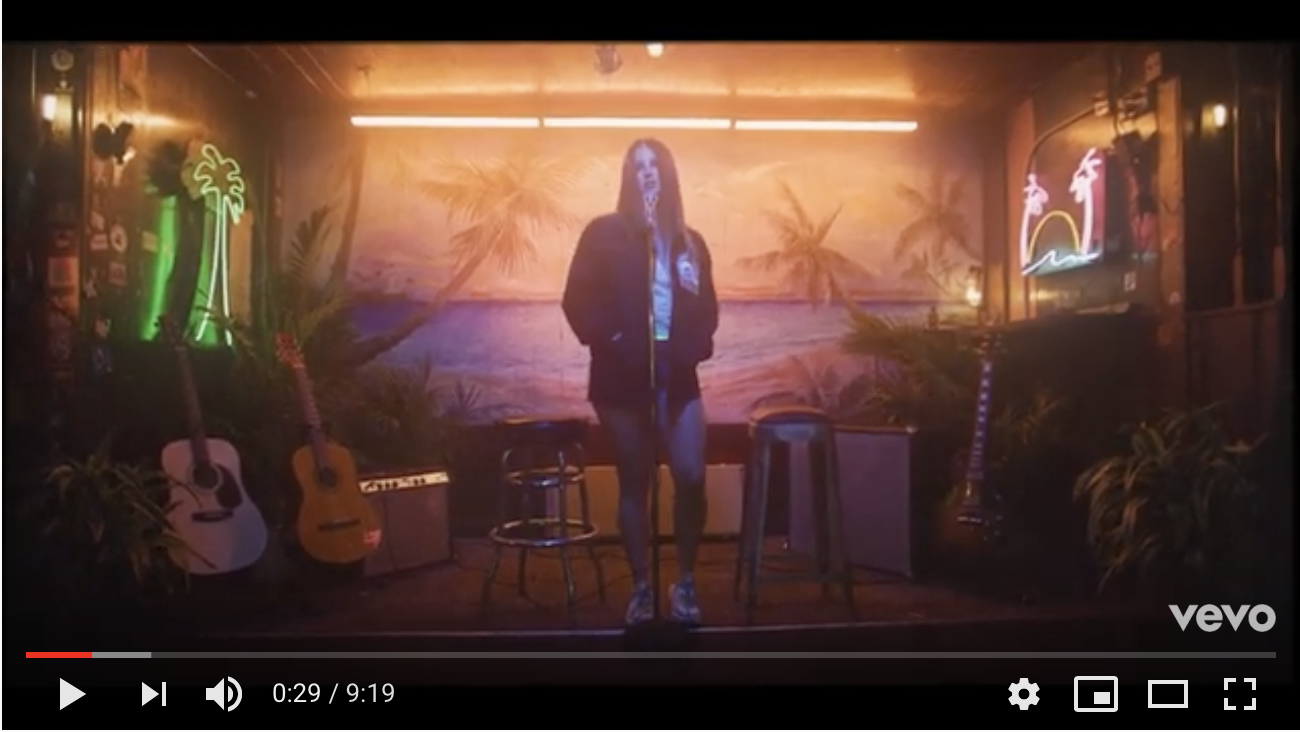
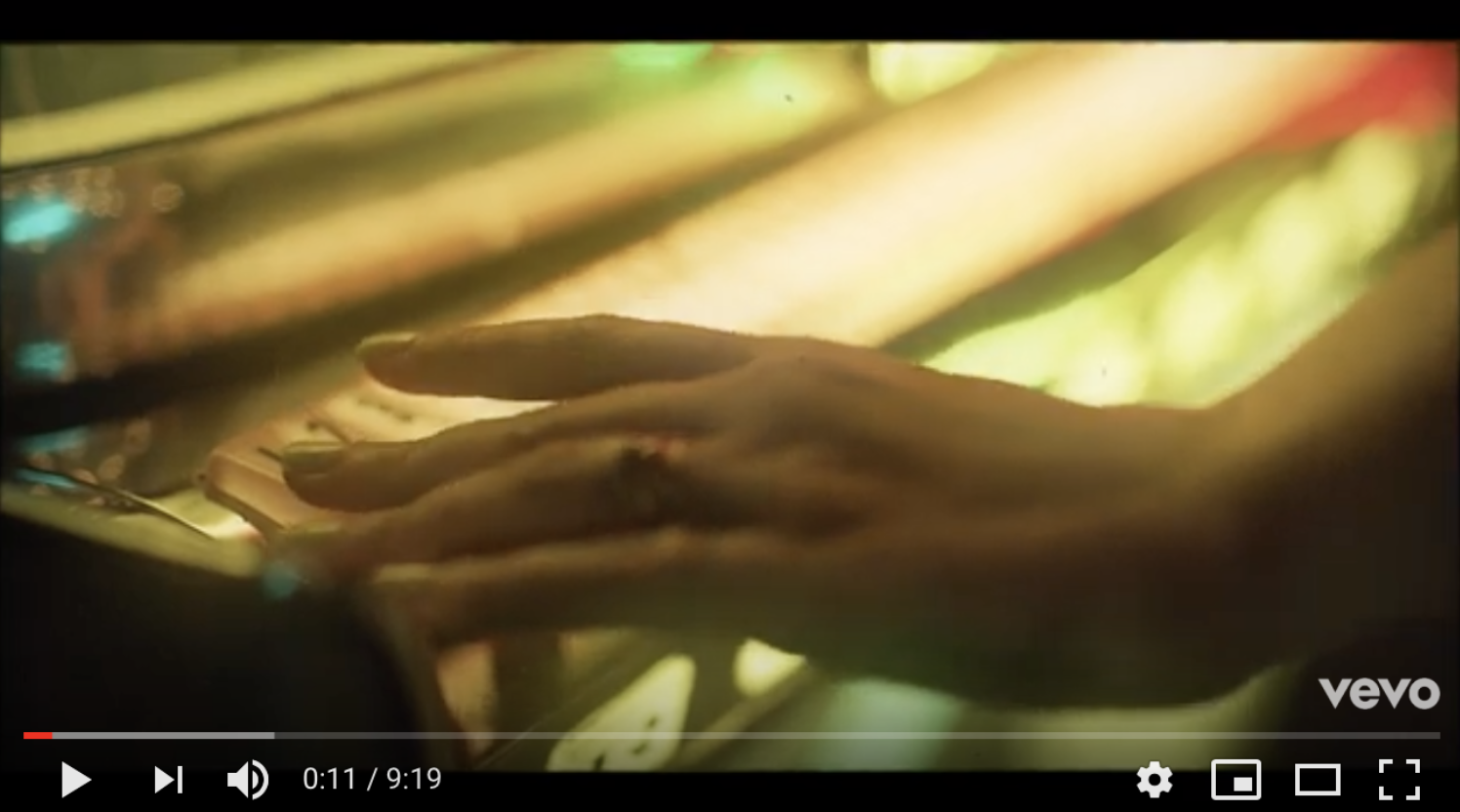
There is a scenario in which the jukebox is equivalent to the poet and some elaborate analogy is to be made between intertextuality and the limited catalogue whose selectional form produces play. The scenario only survives in video. It needs this urge of duration, not to mention the tenderness of a touch. Where fingers brush keys like notes, there is something to add to the story. A social space in demand of ambience; on flickering alongside off. When Lana is alone on stage, hands stuffed into a bomber jacket, singing ‘Fuck it, I love you’, swaying almost nervously, I want to think about what she is doing there and who she is speaking to and from where she is speaking. She is not really speaking but singing. The lone girl on the stage is the open mic dreamer, with nothing but lines. She is scattered across june-dreams of multiple personality: ‘The I which speaks out from only one place is simultaneously everyone’s everywhere; it’s the linguistic mother of rarity but is always also aggressively democratic’ (Riley 2000: 57-58). We mother our solipsism with words but in doing so there’s an opening. So to say fuck it and state the interruption with syncope, sincerity. Lana Del Rey was born on the cusp of Gemini and Cancer season, which more than explains that statement: ‘Fuck it, I love you’. With her sails to the wind. To say it over and smooth into plural refrain, you could even say chorus. For a chorus wants to be shared. It is a commodious mother, fed by the keys of the jukebox baby. There is a constant reversal of nourishing; the democracy of lyric utterance, the milky feed that streams.

Denise Riley argues that any ‘initial “I love you” is barely possible to enunciate without its implicit—however unwilled—claim for reciprocation’ (2000: 23). But what is reciprocation in a song? Is it just the urge to be sung with? And this ‘fuck it’, the pervasive millennial injunction to just be, to move on, as the tag which erases the expectant price of the utterance? Riley argues that I love you ‘must at once circulate as coinage within the relentless economy of utterance as exchange’ (2000: 24), but in a pop song it bears the leaden weight of so many prior expressions. The irony is that to cut through that with a simple fuck it, Lana can attain something like sincerity in the very pop mode whose lineage of commercialised love would surely undermine her feeling. Fuck it, in spite of saying I love you I really do. The pop song becomes this space for the staged epiphany of repeated assurance, I really do. It is a softcore admission of the self in its burning limit. 
Screenshot 2019-09-08 at 11.26.37.png

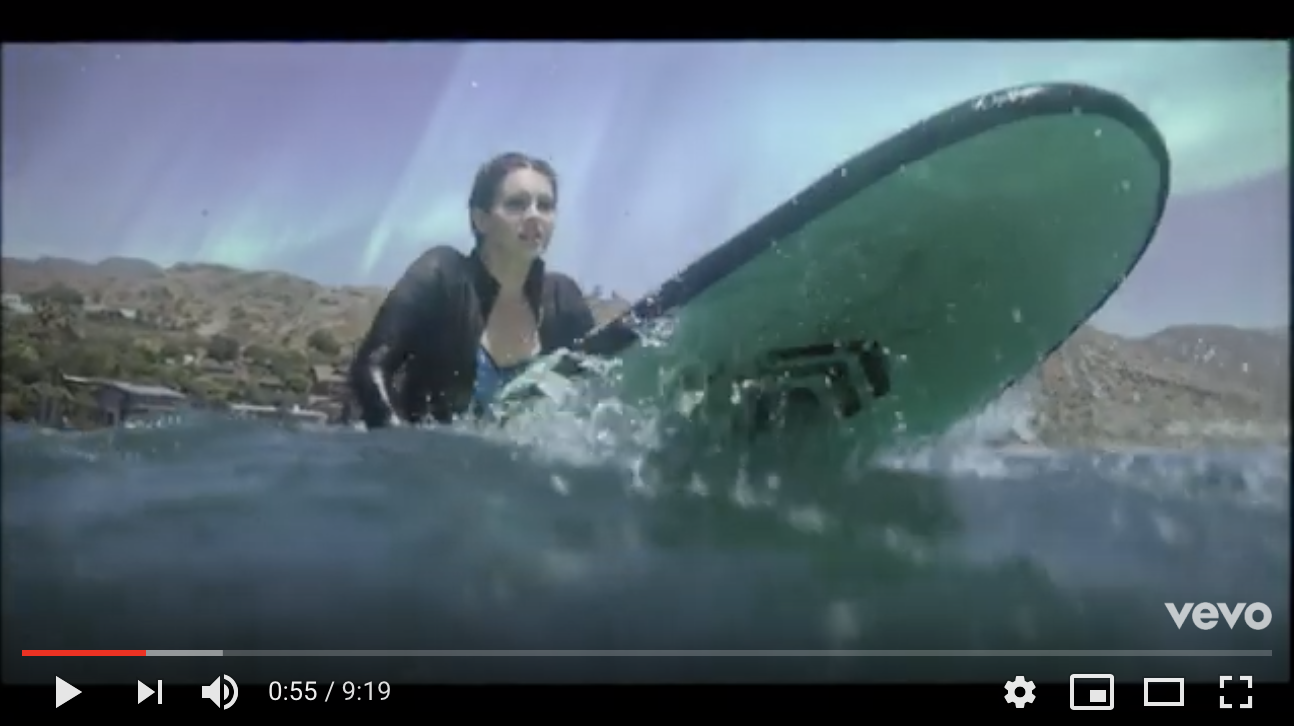
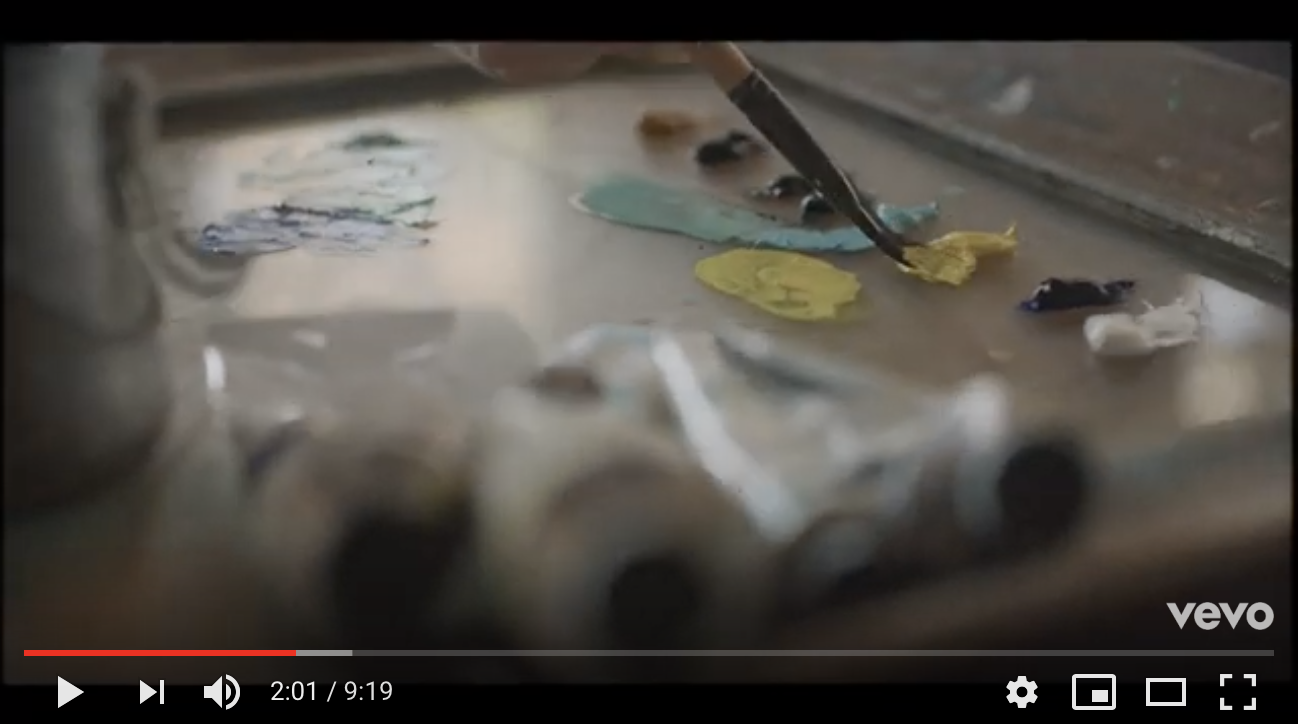
‘Fuck it I love you’ is soaked in lights, but they’re fading. ‘I like to see everything in neon’, is the line that opens the song. To see everything in neon is to fluoresce what is haunted and gone. I think of Sia dragging rainbow dust down her tearful cheeks in the video for ‘The Greatest’ — tragedy’s shimmer as fugitive mark on the body. Lana offers herself up as sugar dust, cliché in honour of Doris Day: ‘Dream a little dream of me / Make me into something sweet’; she acknowledges ‘dancing to a pop song’, but it’s not clear if this is her or the character or the one she loves. ‘Turn the radio on’ could be a reflection or an imperative. The reader is hailed between these positions of love and the loved and the effect is saturating, warm, delirious. Separation is that ‘it’, the spacing. In the video, we watch Lana painting and then suddenly she’s surfing with the aurora borealis in the background. She’s on a swing, her jean shorts caressed by the camera, she’s the sexualised pop icon again. She’s on a surfboard, green-screened, young. She’s choosing a shade of yellow from the palette, singing ‘Killing me slowly’. What is this ‘it’, killing her slowly: 

I’ll return to the unknown part of myself and when I am born shall speak of “he” or “she.” For now, what sustains me is the “that” that is an “it.” To create a being out of oneself is very serious. I am creating myself. And walking in complete darkness in search of ourselves is what we do. It hurts. […] a thing is born that is. Is itself. It is hard as a dry stone. But the core is soft and alive, perishable, perilous it. Life of elementary matter.

(Lispector 2014: 39)

I want slyly to argue that this is a kind of anthropocene existentialism. Recognition of the self as this ‘hard’, ‘dry stone’ thing of geologic mattering, reflexive species. This is what it is to be ‘Human’ right now. And yet the agential spark within, the ‘core’ that is being alive in a world where we have deposited those sedimentary layers. Creating ourselves in the stone, often with the tarnish of the very products we chose and developed to beautify, excoriate and cleanse ourselves, to remain forever young. So there is this oscillating temporality at work between desired infinity and the trace of our fugitive place on earth. The very earth minerals that would ruin humanity, mine our bodies of endless labour. But to go back to the song, with its idea of a gradual dying. I want to call this something like anthropocene softcore: the unnamed presence of species being within Lispector’s slender novel from the early seventies, or the Mamas and the Papas brand of late-sixties ‘sunshine pop’ whose solarity derives from the perishability of that energy, utopian commons, cascade of flowers — that serotonin glow of selves in streams and streams. 

Lana’s anthropocene poetics are not of the hardline, direct call to action. You would not say of her cultural presence, eco-warrior or nature goddess. You would not brand her Miss Anthropocene in a kind of demonic marketing gimmick. You would say most often she is a siren, per se, leisurely supplicating us towards death on the rocks. Desirous flow. This is anthropocene softcore. This is what it is to challenge the act of self-description itself, and in doing so questioning those generalisations that arise from the ‘we’ of humankind, not to mention the ‘I’ of pop’s delectable, mainstream lyric. Alchemically, Clarice Lispector and Lana make of these malleable pronouns the ‘perilous it’. The it, the feeling, the speaking self which is nothing much more than a bundle of affects, sensations, atoms. To be cast over and crested by the wave. Significant that ‘Fuck it I love you’ ends with the rising bubbles of this wave, the one that spills us through the fourth wall and into the studio. This song slams together pop’s saccharine mythos of California as dreamland, a late-summer song as the former was written, surely, for autumn. California: ‘it’s just a state of mind’. She could be talking about the self or the state, or the state of the self. 
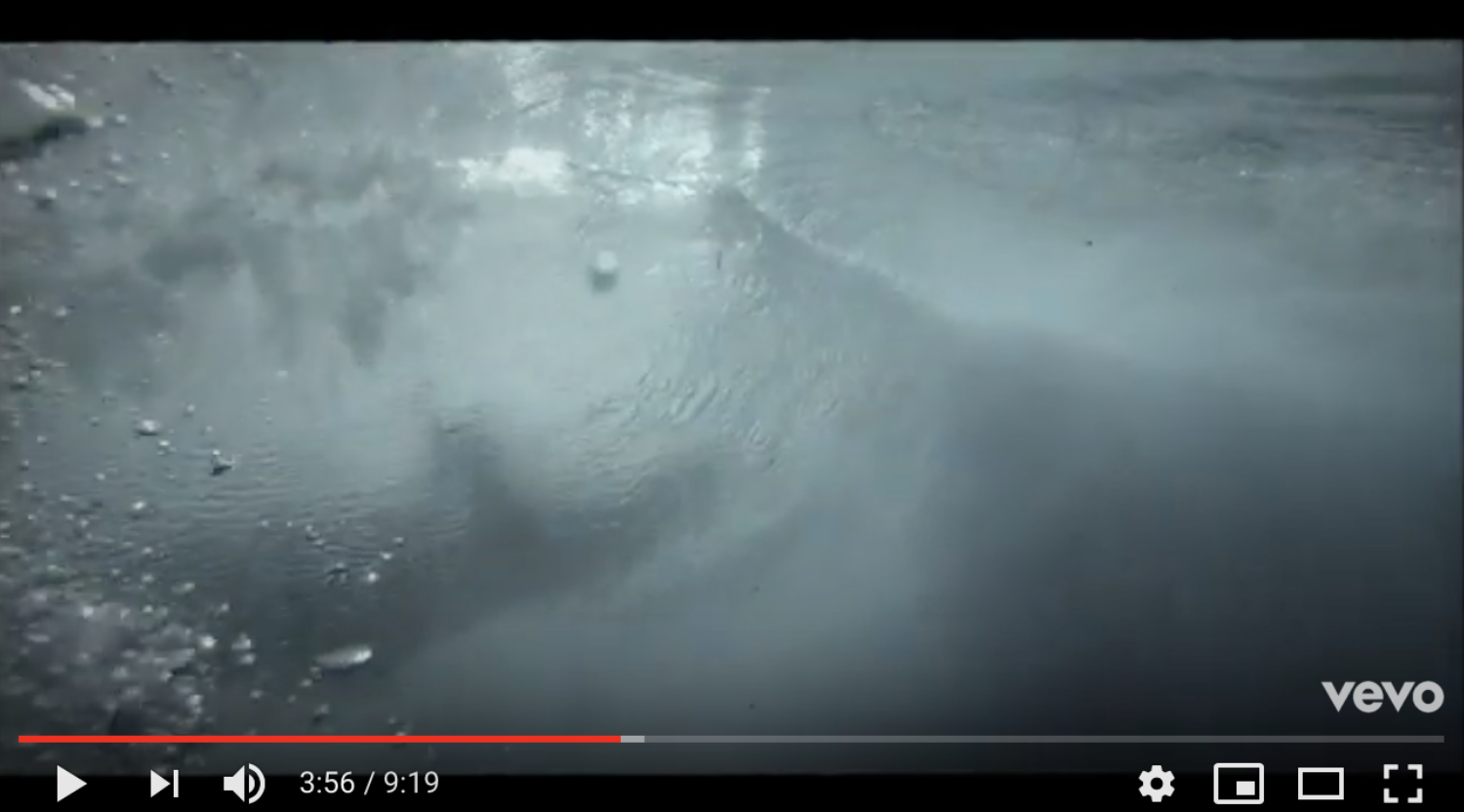
Screenshot 2019-09-09 at 20.44.25.png

What happens next? The shot drifts over the cliffs, the coast, to a strip of palms and a distant view of the LA skyline. That shining love in the previous track is replaced by a minor key, a glimpse of the jukebox whose songs include The Eagles, Bon Iver, The National. Artists whose Americana is the melancholy of generations moved from political despair to something like the glitch of the times as a basic fact of intimacy. One of the Bon Iver songs shown in the video is ‘22 (OVER S∞∞N)’, and if that title was not rife with implicit apocalypse, what is, what is. A stammering into language, pitch-shifting the fragile space of utterance. There’s a spiritual glimpse to the sky and the infinite quality of the stars: 

There I find you marked in constellation (two, two)
There isn’t ceiling in our garden
And then I draw an ear on you
So I can speak into the silence
It might be over soon (two, do, two, do, two)

(Bon Iver, ‘22 (OVER S∞∞N)’)

I don’t know what the maths is doing. I don’t want to know that the song ‘was inspired in part by Bon Iver mainman Justin Vernon’s unsuccessful attempt to find himself during a vacation’. I am however interested in the hubris within this term ‘vacation’ at all. Do we now live in a world where you can take ‘time out’? There is nothing of the world we know that could be switched off. There is no ‘away’ of complete erasure or original presence. Deconstruction caught up with our living. Vernon describing this song as a gesture towards what might end of his emptiness could just as easily be flipped: its relief is equal to a mortal sense of loss. The impending erasures. It ‘does’ or acts the accretional event of extinction that is speaking into the silence, to those who could not speak back. 

Fragments and snatches: the neon green lining Lana’s eyes, the aurora borealis, the neon green palm in the club where she sings alone. A season by yourself. The love of the couple together surfing is cardboard, Hollywood. It is a trembling symbol. It is almost ridicule.
Screenshot 2019-09-08 at 10.27.46.png

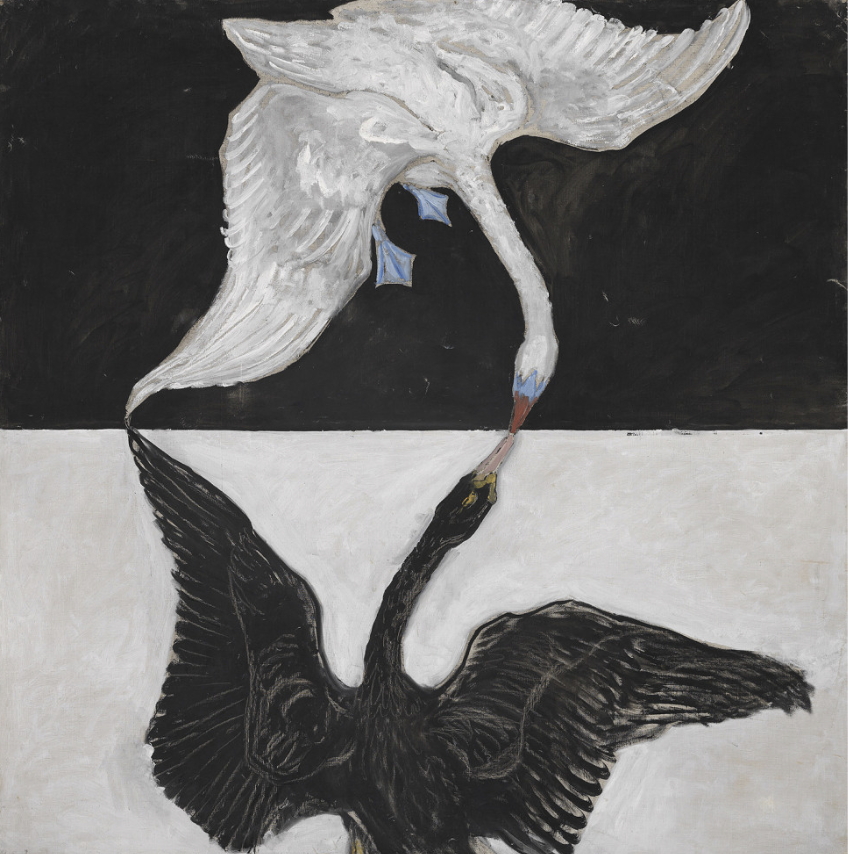
What is Justin Vernon looking for in the constellation? When he sings ‘two two’ I think of Hilma af Klint’s nose-touching swans, or the hours of the day chipped at the edge — two of them stolen by tragic event. I think of a mic check, two, two, ch, ch. Click. Near-enough-presence of speech. A white swan on black background; a black swan on white background. Flip. The swans are geometry, signets of signature, they move towards abstraction. Growth. I love them. Fuck it I love them. The way they are just it. Inversions of colour and a monochrome mood splashed with cornflower blue, the tiny excess we can treasure. It is the cornflower blue, the little webbed feet, which make the swan in question unique. So we can care for it, figuratively as it swells through grey-white waters of memory. The swans we have lost in our shit. Royal iterations freed from belonging. This painting is from af Klint’s series Paintings for the Temple, works derived from spiritual communication. The abstraction of the swan / renders us stark in frame / for we were Lana or Leda / before we were animal. Sufjan Stevens’ ‘Seven Swans’: ‘All of the trees were in light’, ‘a sign in the sky’; ‘My father burned into coal’. And all of our sadness was carbon neutral before this. We plunge into whatever remains of the water, its plasticky thickness.

I keep pausing the video as it transitions. ‘Fuck it I love you’ twinned with ‘The greatest’. When The National sing It’s a terrible love and I’m walking with spiders, what exactly is the ‘quiet company’ of the ‘it’? It could just as well be spiders. Maybe it’s the web itself, the web between the human and the more than human, the gossamer moment where metaphoric articulation becomes more than feeling and gleams material. ‘It’s a terrible love that I’m walking with spiders’ — what is the grammatical transition done by that ‘that’ and who is to blame. Walking with spiders might just be that love. Transitional, subject/object logic is reversed in this song: ‘Wait til the past?’ is sung, then ‘It takes an ocean not to break’ when surely the ocean itself would break you. Soon the ‘terrible love’ is a substance, something ‘I’m walking in’ — to feel it is an act of immersion. It is to let that wave crest over, the ‘lyric auto-explosion’ (Moten 2017: 3) of the wave that would break you. 

In ‘The Greatest’, Cat Power sings of former ambition now cast to nostalgic regret. There is a sense of time slowing to delay, laconic strings, relaxed drums, the balladic sleep of a once-held fault. It is a parade slowing down in the rain. To say ‘Once I wanted to be’ is to hold this question of ‘the greatest’ as a generalised desire itself. The hunger we lose in time, whose primary colours soften. I hold to that precious, cornflower blue of a swan’s foot. ‘Two fists of solid rock / With brains that could explain / Any feeling’. This solid rock that would box you into the future, that would harden the edges of self. A thing is born, as Clarice puts it, ‘hard as as dry stone’. This is the thing born ‘that is’. To exist is to be this hard thing, protein ligament, to kick out in lines; but then in time there is the plasmatic self inside that, like some fatty animal byproduct, sticks to the others it loves, it needs, it leaks. Gelatinous, softly sticky love. The ‘it’ that needs saving. Anthropocene softcore; soapy inside of all geologic agency. Who we are and what we regret. The turning of the outside-in, the inside-out. Kathleen Jamie, in Sightlines, asks: ‘What is it that we’re just not seeing?’ (2012: 37). 

A sightline is a hypothetical line, from someone’s eye to what is seen. Is it clear or blurred, bad or good? Anthropos recedes in its very own scene as the ocean continues and we howl in the dark like a lossy-compressed version of species. We are the sirens and wolves. We are at the great concert of the Earth. We have to resist what Bernard Stiegler calls the ‘proletarianization of the senses’ (2017); we have to find longform ballads of what’s happening, pass them down the line, resist the short-circuiting of thought that occurs between screens and machines. We have to send letters back to our consciousness, our elders and children. This is the work of lyric. It could be the work of dance. I think of Zelda Fitzgerald’s protagonist, Alabama, learning to be a ballerina too late in her life: ‘Her body was so full of static from the constant whip of her work that she could get no clear communication with herself. She said to herself that human beings have no right to fail’ (2001: 180). Alabama barely eats; her energy is all the zeal of will. The dance of lyric as reduction, lack, as static and chased success whose collapse lands as Alabama will eventually do on the event of inevitable break. Grapefruit squeezed on the gritty turmeric shot of the future. And a brake, a screech. And yet we write, we cast out limbs and materials, we work towards this loss; we imbibe it. 

This is an ugly type of writing in which the outside is always imagined from the inside. Horizons are fictional and buildings are barred. I have no sightlines. I’m fucking cutting the corners of someone else’s desire. All paths are the continuation of a pre-existing line. This is a city from which I send myself postcards wherein I wish I was here. Flying letters. Words stolen from myself. I refuse to recognise that I have not composed them unintentionally

(Bolland 2019: 78).

The videos for Lana’s ‘Fuck it I love you’ and ‘The greatest’ swerve between inside and outside. We find ourselves in rooms we don’t remember entering. Writing the anthropocene has an ugly, masturbatory quality of fucking yourself with the rush of elaborate doom. Okay, so. Constructing fortresses of lines which would make a valiant destination. When I listen to Lana, I’m accessing shortcuts to ‘someone else’s desire’ which is the opening up of presence. ‘This is a city’; ‘I wish I was here’. I have never been to LA. We plagiarise our very own diaries to get back that sense of the once-intentional, the greatest declaration on Earth. That we were here, and we loved. She wrote that lit, forgot. The papers curled up and rolled away in a sultry air that was summer, 2012. The year of failed apocalypse, the year Lana released her debut album, Born to Die. We saw her campaign of fashion smoking through plexiglass bus shelters. Remember all ‘horizons are fictional’: they tell a narrative, they bleed and tilt and set like ice. Towards them we stupidly drift: the lived throb of our softcore skins, our hungers and rhythms.
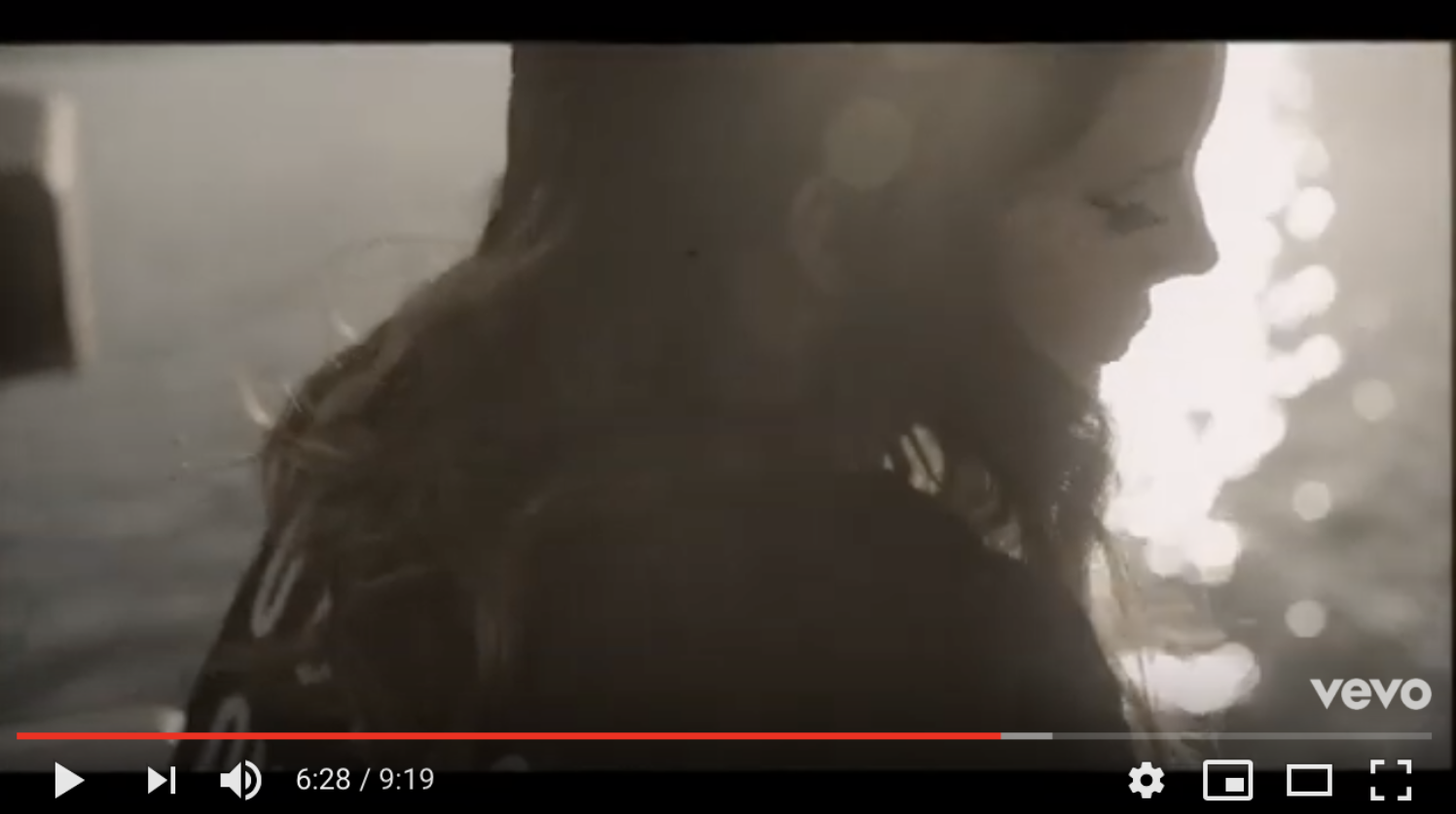
Screenshot 2019-09-09 at 20.44.50.png

Drifting in colour like H.D.’s Leda, the rape of the land and the body and bodies engendering bodies. Worlds ending around us. And so I could say, but this is just one song, a phrase, a white woman of fame lamenting her world. But this self-conscious cinematics is a gesture towards the western world itself as this haunted, tragic protagonist: ‘The culture is lit and if this is it, I had a ball / I guess that I’m burned out after all’ (‘The greatest’). So you could say, anthropocene softcore speaks to the lyric I in its state of orphaned exception, which in turn is the loss felt by us all unequally. If we make of Lana a sort of anthropocenic siren, we must recognise the distinctions within our longing. For we all lose worlds differently; harm is striated along lines of class, gender, race, ethnicity, geographical distribution — of course. That wave that closes the video could elsewhere be a tsunami. I like to think its place on the edge is a deliberated hint to what could or is even already happening here or elsewhere. And maybe the colour, the aurora, is this streak of need for an excess beyond static blank, ‘human’ planet, standardised canvas; the need to splash something more of blur and blue. Flood the structure. 

When we say something is ‘lit’, we mean it is hot, on fire. We mean it is turned on, ignited, intoxicated, drunk, excellent. Lit is the past simple and past participle of light. Isn’t that line alone just lit? Maybe we are in the twilight of a former Enlightenment, recognising our species hubris as this alien green that tinges every familiar horizon, upsets the normalised green of pastoral. Is it toxicity, the elsewhere within ourselves? It is a radar showing who we are and where we have been. Those material metaphors cook on a smoulder, and this is the softcore coming to knowledge about what is happening.
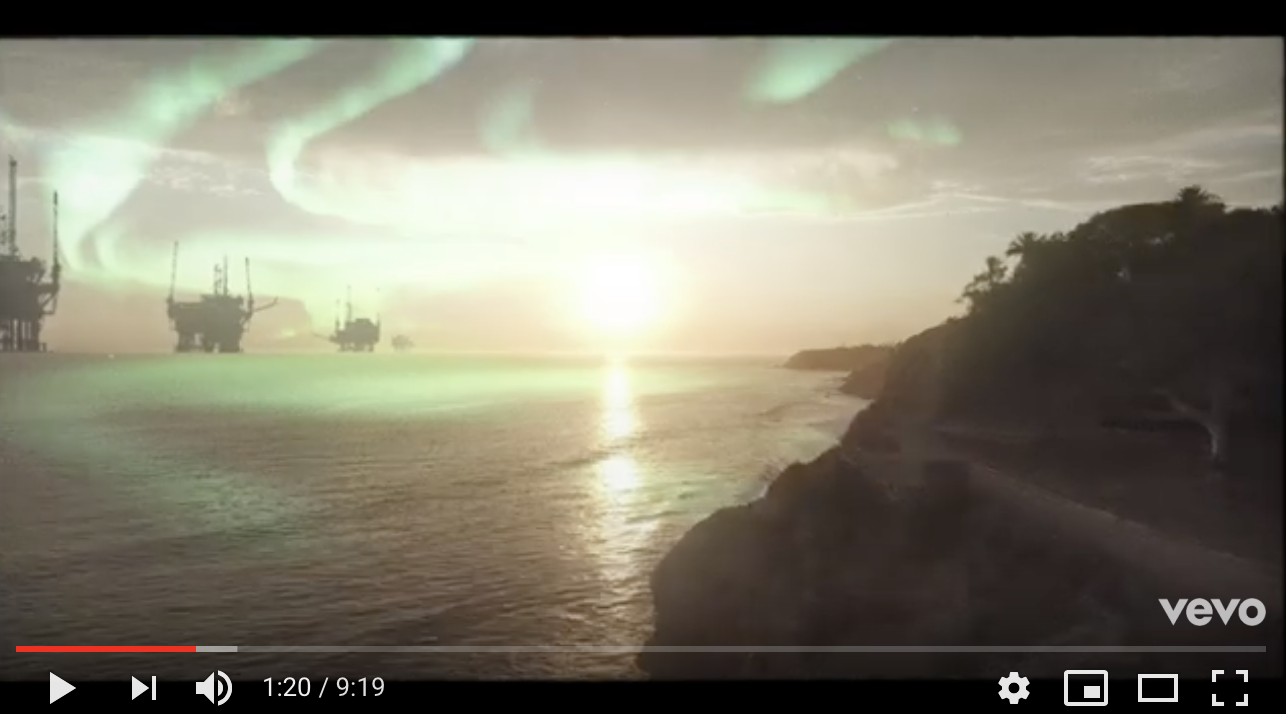
Screenshot 2019-09-08 at 11.27.08.png

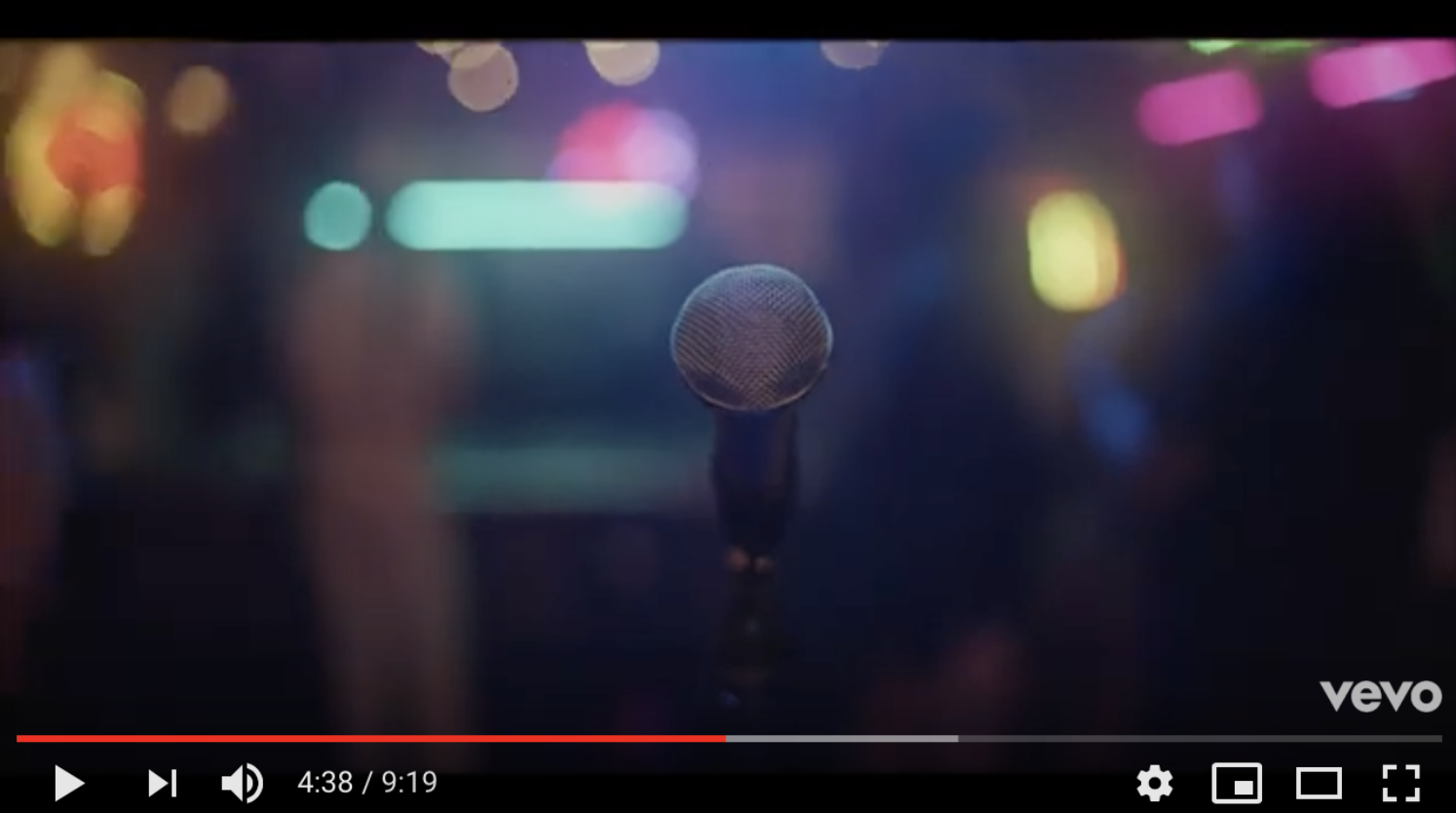
What does it mean to sing: ‘I’m facing the greatest / The greatest loss of them all’. To sing this on the brink of a hyperreal sunset, to chase a solar excess among loss. This loss could be a love but it is more like a culture; it is more like a voice and the condition from which to speak or sing it. The loss of lyric, its possibilities of address, and the loss or deferral or ruination of place itself. Maybe this is Lana’s lyric maturity, a generational acceptance that ‘young and beautiful’ is no longer the apex state of what we should strive for. Absence tenders complexity. Is this, as Roy Scranton puts it, Learning to Die in the Anthropocene? This question of mutability, the green-winged eye that sees a darkening world, a lack of birds along the bay, an edge. In the video for ‘The greatest’, Lana’s jacket reads LOCALS ONLY on the back. I google the phrase and find a hipster restaurant in Toronto with the slogan, LET’s PRETEND THIS NEVER HAPPENED. There’s a kind of parochial nihilism that glisters like the light on the sea, but the sea can never be local only. There’s a boat in the video whose name is WIPEOUT. It’s all happening; the signals are obvious. How we are practicing the absent-presence of the name’s erasure. My tongue gets twisted when I say anthropos; I want to say mess, I fall into ‘guest’ and ‘gesture’. With its glaring cinematics, LA offers the hospitality of light. But it is an exclusionary light. For now, only some of us get lit, get to the mic.
Screenshot 2019-09-09 at 20.46.01.png
Lana sings from within the metallic architectures of LA’s coastal infrastructure, the port. In the bar, she throws a dart and misses her target by a nonchalant smidge, knocks the 8-ball towards its pocket. I keep thinking about exports and imports, what we put out, take in and trade. Economies of luck and depth and surface. Maybe Lana is a hydrofeminist, her soaring lyric gesture recalling a hauntology of America as that dreamscape of what lies beyond or in the deep. And now we know it is further extinction, precarity, hardened borders. What do we do with that looming closure? Lana has shrugged off her jacket now, she’s smoking in the kitchen where the lid slides off the pan to let the steam out. I’m not saying we’re sitting on a pressure cooker here. There’s simply work to do, mouths to feed, ears to fill. This is a ballad, a paean to the transient, fragile beauty of everything. The songs shown again on the jukebox are songs of a type of blues specific to oceanic or cosmic consciousness, to hunger, the time of lost summer or that of a broken love:

Janis Joplin — ‘Kozmic Blues’

Dennis Wilson — ‘Pacific Ocean Blue’

Sublime — ‘Doin’ Time’ 

David Bowie — ‘Ashes to Ashes’

Jeff Buckley — ‘Last Goodbye’

Leonard Cohen — ‘Chelsea Hotel #2’

I’ve spoken before of what ‘anthropocene sadcore’ might look like in poetry. I’m still working through that. It comes from the common phrase used to describe Lana’s music, ‘Hollywood sadcore’. I’m interested in how that emphasis on mediation, transmission and cinema plays out in our understanding of ecological emergency, but more generally the existential condition of the anthropocene, which places us as geologic agents under the generalised, gendered rubric of Man. Maybe Anna Tsing’s feminist work on the ‘patchy Anthropocene’ could be applied to the cut scenes of a glossy Los Angeles caught on video. A patch is also a software update, where comprised code is ‘patched’ into the code of an executable program. Maybe the patchy anthropocene involves this kind of cultural patchwork: the lament to a love or a culture is patched to include this bug of ecological consciousness — the patch is a kind of coded pharmakon, poison and cure for apocalypse blues. But Lana paints in shades of yellow too. Blue and yellow making aurora borealis green. A cosmic gesture to what lies beyond thought. And what of those oil rigs in the distance, glistening. They form an audience to the siren’s lament; they are part of this story, and we are mutually complicit. Where the magnetism of the male gaze is often part of Lana’s canon, here it is mostly replaced by oil rigs — supplementary Man as the infrastructure of anthropos, looking back at its melancholic, warning siren. Softcore is less affective than sadcore; it is the ambient hum of climax coming. Its cousin is the slowcore, luminous melancholia of a band like Red House Painters, perhaps: Purple nights and yellow days / Neon signs and silver lakes / LA took a part of me / LA gave this gift to me’. 
Screenshot 2019-09-09 at 20.43.42.png

In Bluets (2009), Maggie Nelson writes of a restaurant she used to work in, where the walls were ‘incredibly orange’. After each shift, collapsing exhausted in her own home, ‘the dining room’ of the restaurant ‘reappeared in my dreams as pale blue’:

For quite some time I thought this was luck, or wish fulfilment— naturally my dreams would convert everything to blue, because of my love for the colour. But now I realise that it was more likely the result of spending ten hours or more staring at saturated orange, blue’s spectral opposite. 

(Nelson 2009: 43)

Orange and blue, water and flame. The mind’s alchemical transformations reveal the way colour works chiastically upon us. I think of Freud’s mystic writing pad, the waxen surface of memories allowing for palimpsest versions of stories that trace and erase. ‘This is a simple story’, Nelson writes, ‘but it spooks me, insofar as it reminds me that the eye is simply a recorder, with or without our will. Perhaps the same could be said of the heart’ (2009: 43). ‘Fuck it I love you’, sung to the blue-orange wall until something comes off that surface like a static or fizz. Irn bru, ironed blue. There is quinine in my dreams of hungover labour. Surely there is a violence to this particular love, that is staring, necessary. The love of what must be limitless hurts.
Screenshot 2019-09-08 at 11.27.23.png

Janis Joplin’s ‘Kozmic Blues’ rises to a swell, a jostling of guitar licks and urgent, assured vocals. A sonic thickening. ‘So mastered by the brute blood of the air’, H.D. writes in ‘Leda and the Swan’. Held in that vascular shudder that acclimatises to a manmade world, what happens next is a loosening, a shimmer, a shrug of the garment. In the poem or song, in the painting or film, in the collapse of that wave into a bluer future. To incur a kind of erosion and yet live on in those terminals. ‘There’s a fire inside of everyone of us’, Joplin sings, and I think not of flames but of cinders. ‘At what temperature do words burst into flame?’, asks Ned Lukacher in the introduction to Derrida’s Cinders (1987), ‘Is language itself what remains of a burning? Is language the effect of an inner vibration, an effect of light and heat upon certain kinds of matter?’ (Lukacher 1987: 3). I know if I did not write I would smoke. These acts of temporality in its material extinguishing. What makes the remembered restaurant blue, not orange, is something of this transmogrified smoulder — an inversion akin to af Klint’s swans, demanding that splash of blue. When I write, am I pursuing the absent space of that skyward blue?Blue is the colour of the planet from the view above, Lana swoons in a song (‘Beautiful People Beautiful Problems’) from her previous album, Lust for Life (2017). But in Norman Fucking Rockwell, Lana’s California album for 2019, it’s less of this ‘above’ we see. We are held within the infrastructure, cinema, the end of summer. The dreamlike logic of How did she get on that boat? When did she enter that room? Who put that song on the jukebox, baby?

I want to say:

It takes an ocean not to break a planet.
It takes not a planet to break a species. 

Lana’s voice grows wispier as she sings of that burnout. There’s this imperative that okay we could enjoy this with American flags, we could pour communal Jack and go down in flames. We could riff the history of our culture in archives of song, gestures and nods of reference. Ladies of the Canyon, Cinnamon Girl, Norman Fucking Rockwell. We could keep laughing or dancing while the world is or was at war. Lana is both behind and at the bar, the sightline of where we go to be ‘served’. Intoxication is the order of the day and we call it ‘fun’ to put the fucking of other people’s desires under erasure, strikeout, as Bolland does.

If this is it, I’m signing off
Miss doing nothing, the most of all
Oh I just missed a fireball
L.A. is in flames, it’s getting hot
Kanye West is blond and gone
“Life on Mars” ain’t just a song
Oh, the lifestream’s almost on

(Lana Del Rey, ‘The greatest’)

Miss doing nothing’: post-recessional ennui becomes the paradoxical happiness of living in static, not working as a kind of work that resists the future as set out by capitalist horizons of accumulation. We used to just ‘hang out’ and several other dreams of youthful nostalgia. Kids of today can’t even touch that innocence. We know so much; maybe or probably they know more. We are all variously entranced by the softcore unfold of this happening; we are all variously called upon to be complicit, to recycle, act, resist. To speak or not-speak. To be in one of many different levels of rising heat. The conditional state of being’s value, ‘If this is it’, in the anthropocene raises its pitch to a charge. To sign off is a form of surrender that gives up the name for the blur of species. I think of Lars von Trier’s Melancholia, the planet that would smash us and yet somehow Lana dodges it, that

The audience in the bar where she sings are mostly men, but their gaze is not sexual, as in much of Lana’s prior visual oeuvre. Rather, their longing gaze, often filtered through further glass, is something like the profound melancholy of a multi-generational sense of this loss. These old men have lost the planet, the one they grew up with, just like Lana’s siren, come from some other time, a life ahead of her steered by the changing climate, the hurt and vengeful seas. The camera holds close ups on their staring faces. The song holds the long durée of a loss that spans generations, damages and is damaged by elders, sparks in the present-tense of cultural tendency. In Lana these men look to a future hurt whose cause was partly theirs, as inheritors of industry: she is both victim and heroine, singing and swinging. The shot opens out to reveal her smiling with younger friends, her own generation. These intimacies are what we have left. The next shot shows some kind of factory or refinery leaking smog into a cloudy, overcast skyline, sulphured yellow. Once again the boat appears with its title, WIPEOUT. Lana is supine on the bow at sunset. She is golden, angelic, silhouette. It’s like she missed the fireball but melted it, cooked it up for tea, apocalypse syrup. Things are going down around us. She hugs her arms, later standing, laughing with a dreamlike intimation of imagined elsewhere, closing her eyes. Be hospitable to yourself and others. The reel of the jukebox keeps ever turning: this is our ever faith in culture. We have to take care of what’s left in whatever space we can make of song, duration. 

But the mainstream disciples and idols of Hollywood are failing, Kanye West is ‘gone’. Surely a reference to Elon Musk’s plans to save us by colonising Mars, ‘“Life on Mars” ain’t just a song’ is sung with a melancholy matter-of-factness, a kind of sigh which implies the banality of techno-utopia in a time of extinction. The thrill of such dreams is lost now. We lost our faith in Hollywood, lost our faith in the movies and the scale of those solutions. In a world without books, we’d be ‘bound to that summer’, addicted to one of many narcissistic ‘counterfeit[s]’ to make love to nightly in futile repetition — that would be, as Weyes Blood sings, the ‘Movies’. 
Screenshot 2019-09-08 at 16.56.01.png

What we look back with: 

The trauma is not, in the Freudian lexicon, this or that violation from the world (such as war), but the ill and trauma of this originary installation of “the cave”—what could properly be called the cin-anthropocene epoch, particularly given that the era of modern cinema is to be regarded merely as an episode: that of the machinal exteriorization of the cinematic apparatus, given that it coincides with the era of oil (artefacted “light”), given that its arc coincides with that hyperconsumptive acceleration leading to mass extinction events, ecocide, and an emerging politics of (managed) extinction

(Cohen 2017: 246)

The trauma of greatness as such is this accelerated promise of the dream, the event, capitalist growth, the movie itself — whose imperative is towards scene, closure, episodic narrative in demand of the next. But the drinks in this video are barely drunk; they are more like props. Everyone is aware of their place in the tableau vivant of the anthropocene, even in its softcore, consumerist pop expression: the iconography of oil rigs, downbeat affect and intergenerational longing. Not a violation from the world so much as the stream, and where its accumulative logic would eventually come to crisis, even as corporations beyond our imagining were already plotting that logic of a break within archival excess: the feverish incineration of the present, the smoulder and melt that smogs and spreads and streams. 

Fire is there or it is not there. […] But surely there is a word for that moment when a fire log, beneath its bark, has become one immanent ember, winking like a City or a circuit board; for that moment when you know only the desire, no, the need to stir it up. What is on fire, you ask yourself, staring into that waiting. What is that moment. What is that word. 

(Lennon 2003: 434)

The nights ‘on fire’ that Lana sings of are those of the Beach Boys, reprieve of the sixties; the bar on Long Beach that served as a ‘last stop’ before the tiny island retreat of Kokomo. Frank O’Hara died on Fire Island. Fire is presence or absence, but there is a moment before it is both. A slippage between the extinct and extinguished. And the world was lit up as before. I wonder if the word Brian Lennon looks for is simply ‘sleep’, the title of his essay which I first read in John D’Agata’s anthology, The Next American Essay — with intimations of that Lana song, ‘The Next Best American Record’. What is with America and the positioning of the next. A constant state of pressurised imminence that streams and streams: ‘We lost track of space / We lost track of time’ (‘The Next Best American Record’). We sleep into death or spirit. My first legal drink was a fireball whisky, in a pub by the sea they built in a church. That moment when you know only the ‘need to stir it up’, fanning the flames. That impulse towards blitz feels extra political in these contexts. We need something of relief that would stream, and in that flow be more than a question. Something of cinders, drifting. 

In Lana’s song, I’m interested in this word ‘lifestream’, which seems like a slippage from the more familiar internet-lingo, the ‘livestream’: the coming live that seems provisional to digital retro-future, the promise of satellites beaming the present, simultaneously. Lifestream, instead, is a vascular imaginary of bodies flowing together. ‘LifeStream’ is actually the name of a blood bank serving the Inland Empire and its surrounding areas. Lifestreaming is, Wikipedia tells me, ‘the act of documenting and sharing aspects of one’s daily social experiences online’. It is the flow of the timeline, akin to the wall, the blogroll, the feed. But here, at the end of the song, the promise of information’s overflow is in a liminal state — ‘almost on’. Extinction’s monetised data cast as the simultaneity of thick presence spread by millioning participants. We are here and we said something, our words were atoms, splashes of blue. We stream towards a life, cut ourselves short on the fragments of others’ desires. Mortality’s softcore contingent. The fear of missing out is assuaged by the narcotising work of cinema. And if this is it, Lana has already signed off. It’s something more like her spirit that’s here for us, the stream of an echo, fold of a song that we could replay, continue voicing. Hope lies in the circadian rhythm, the lived time of a pause in the anthropocene’s ceaseless, cinematic duration — that which we see and drown our hearts in. As Jean Rhys’ drunken, depressed protagonist of Good Morning, Midnight (1939 – the year WWII began) muses, ‘Well, sometimes it’s a fine day, isn’t it? Sometimes the skies are blue. Sometimes the air is light, easy to breathe. And there is always tomorrow….’ (Rhys 2000: 121). And what if tomorrow was the greatest loss of them all? 

~
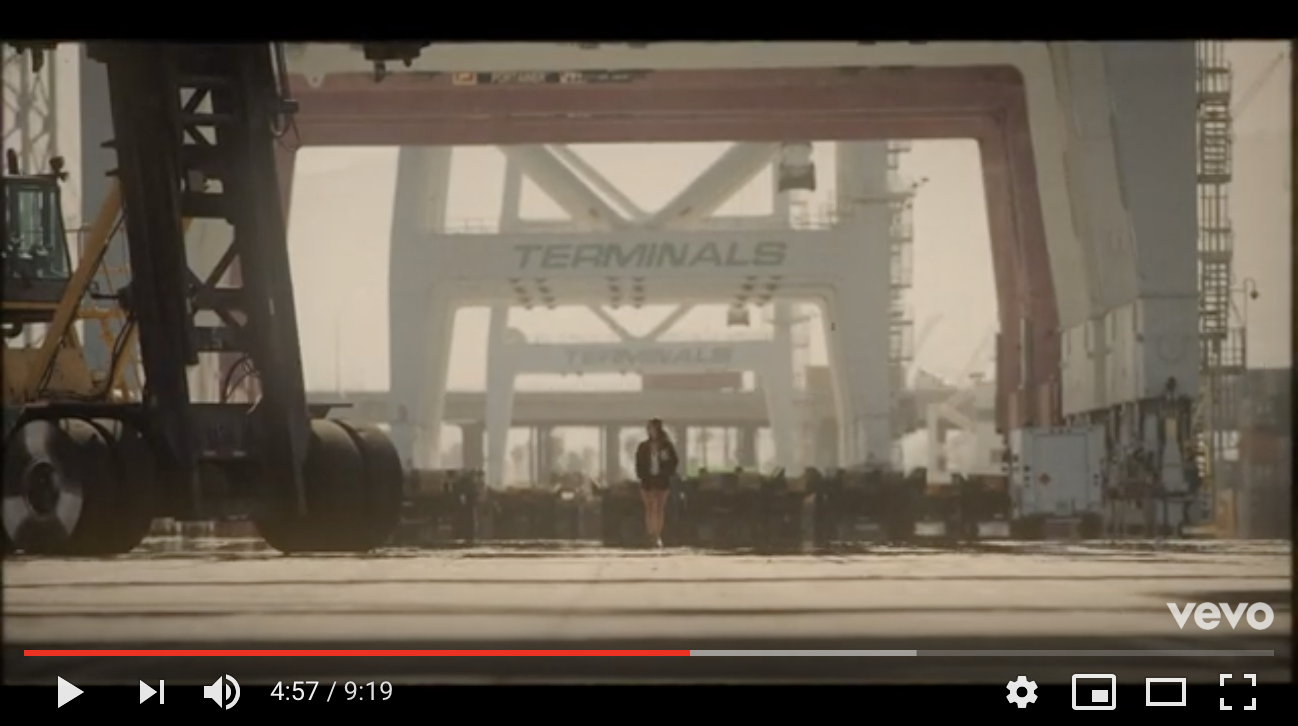
Screenshot 2019-09-08 at 11.56.26.png

All screen grabs taken from here (Director: Rich Lee) and here (Director: Natalie Mering). 

~

Works Cited: 

Bolland, Emma, 2019. Over, In, and Under (Manchester: Dostoyevsky Wannabe). 

Cohen, Tom, 2017. ‘Arche-Cinema and the Politics of Extinction’, boundary 2, Vol. 44, No. 1, pp. 239-265.

Fitzgerald, Zelda, 2001. Save Me the Waltz (London: Vintage). 

Jamie, Kathleen, 2012. Sightlines (London: Sort of Books). 

Lennon, Brian, 2003. ‘Sleep’, The Next American Essay, ed. by John D’Agata, (Minneapolis: Gray Wolf Press), pp. 427-234.

Lispector, Clarice, 2014. Agua Viva (London: Penguin). 

Lukacher, Ned, 1987. ‘Introduction: Mourning Becomes Telepathy’, Cinders, trans. by Ned Lukacher, (Lincoln: University of Nebraska Press), pp. 1-18. 

Moten, Fred, 2017. Black and Blur (consent not to be a single being) (Durham: Duke University Press). 

Nelson, Maggie, 2009. Bluets (Seattle: Wave Books). 

Rhys, Jean, 2000. Good Morning, Midnight (London: Penguin). 

Riley, Denise, 2000. The Words of Selves: Identification: Solidarity, Irony (Stanford: Stanford University Press). 

Scranton, Roy, 2015. Learning to Die in the Anthropocene: Reflections on the End of a Civilisation (San Francisco: City Lights Books).

Stiegler, Bernard, 2017. ‘The Proletarianization of Sensibility’, boundary 2, Vol. 44, No,. 1, pp. 5-18.